Ida Shoichi
井田照一
Japan
Biography
Ida Shoichi (井田照一, 1941–2006) was a Japanese printmaker and mixed-media artist whose experimental investigations of surface, material, and the physical act of impression-making placed him among the most important figures of Japanese contemporary printmaking during its so-called golden age of the late 1960s and 1970s. Born in 1941 in Kyoto, he earned a postgraduate degree from the Kyoto Municipal University of Art in 1965.
In 1968, Ida received a grant from the French government to live and work in Paris, an experience that connected him to international currents in contemporary art. He subsequently spent periods in New York and San Francisco, befriending artists including Carl Andre and Robert Rauschenberg and absorbing the conceptual approaches to materials and process that characterized Western art of the period. Yet his work remained fundamentally Japanese in its sensitivity to paper, ink, and the physical encounter between surface and impression.
Ida's art was unified by a concept he called "The Surface Is the Between," which he first developed through printmaking in the mid-1960s and extended throughout his life to works in handmade paper, clay, bronze, steel, iron, and painting on canvas. As he explained in an interview published in the Hara Museum Review in 1987: "The surface can be the paper or canvas or whatever; it is the point of contact between me and the ideas I am working on." This philosophical framework elevated the physical act of making a mark --- pressing, impressing, transferring --- from technique to subject matter, making the print itself a meditation on contact and communication between artist and material.
Over three decades, Ida expanded far beyond conventional printmaking, producing works in paper pulp, ceramics, bronze, and large-scale installations while maintaining the conceptual thread of surface and impression that connected all his production. His prints held at the Museum of Modern Art in New York, the Los Angeles County Museum of Art, the National Museum of Modern Art in Kyoto, and the British Museum demonstrate the range and ambition of his printed work.
Ida received significant recognition during his lifetime: in 1976, he won the Minister of Culture Prize at the tenth International Tokyo Print Biennale, and in 1986 the Award for Excellence in International Cultural Exchange from the National Endowment for the Arts, an honor he shared with Robert Rauschenberg. In 1989, he received the Suntory Prize in Japan. He died in 2006.
Key Facts
- Nationality
- 🇯🇵Japan
- Works Indexed
- 17
Frequently Asked Questions
Ida Shoichi (井田照一, 1941–2006) was a Japanese printmaker and mixed-media artist whose experimental investigations of surface, material, and the physical act of impression-making placed him among the most important figures of Japanese contemporary printmaking during its so-called golden age of the late 1960s and 1970s. Born in 1941 in Kyoto, he earned a postgraduate degree from the Kyoto Municipal University of Art in 1965.
Ida Shoichi's prints frequently feature etching, abstract, lithograph, gardens, nature, silkscreen.
Original prints by Ida Shoichi can be found in collections including Legion of Honor, Fine Arts Museums of San Francisco.
Woodblock Prints by Ida Shoichi (17)
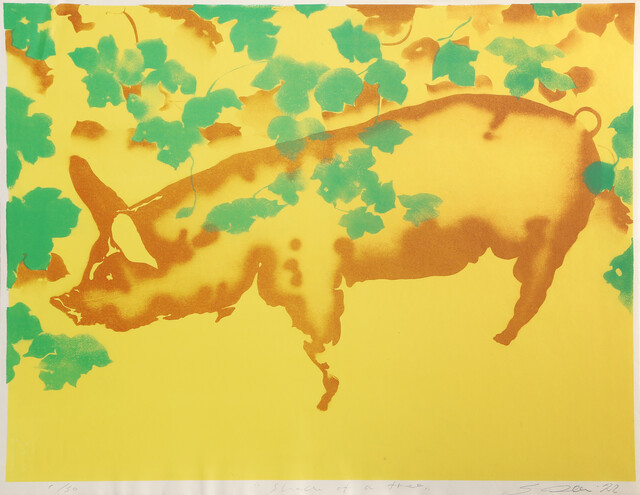
Shade of a Tree
1970
Screenprint
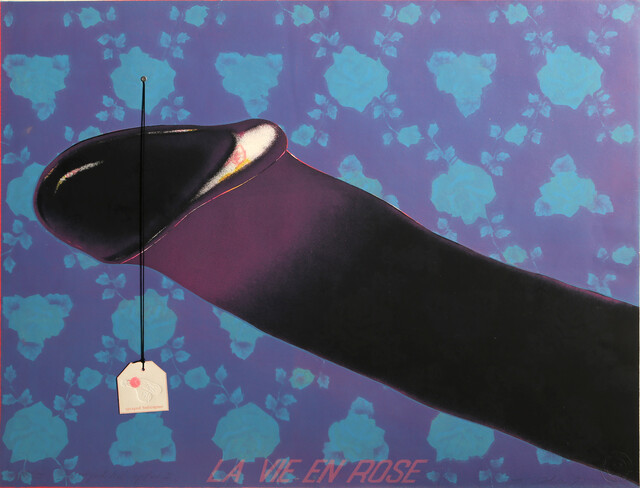
La Vie En Rose
1973
Screenprint and collage
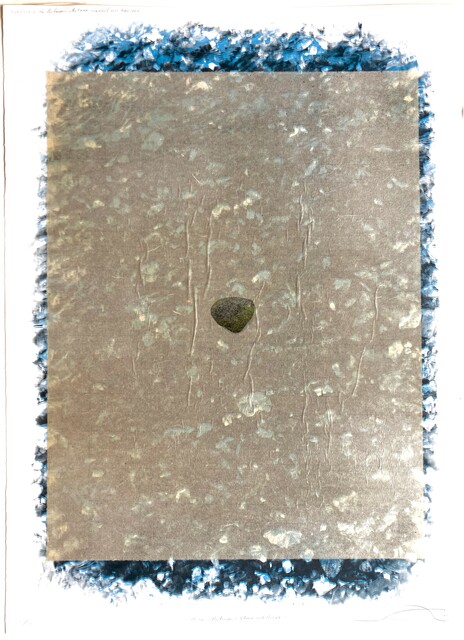
: Surface is the Between – Between Vertical and the Horizon – Paper Between a Stone and Brook
1983
Lithograph on Fabriano paper, screen print, printed both sides with Chine-collé
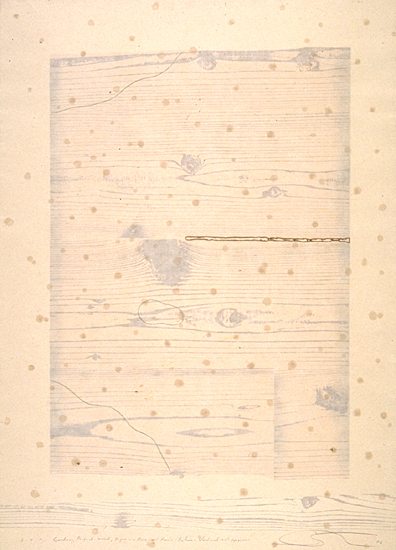
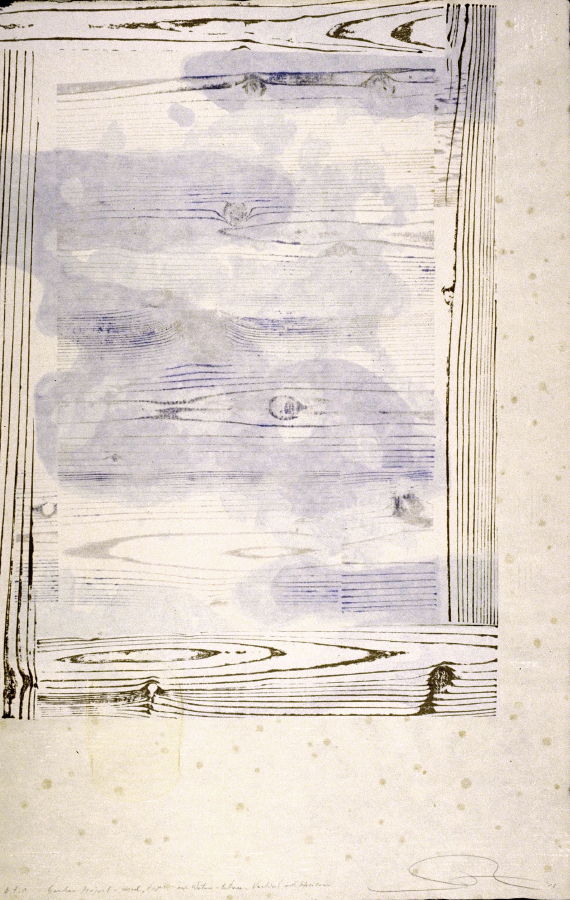
Garden Project--Wood, Paper, Fire and Rain--Between Vertical and Horizon
1986
Color woodcut
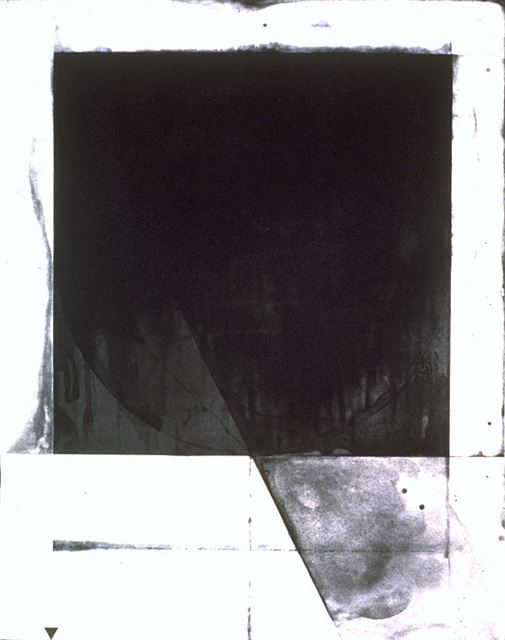
Between Vertical and Horizon--Descended Triangle--Square (Black)
1987
Spit bite aquatint with aquatint, soft ground etching and drypoint
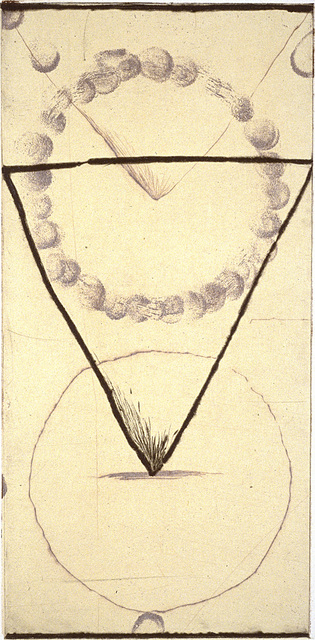
Between Vertical and Horizon--Descended Triangle (E)
1987
Color spit bite aquatint with soft ground etching and drypoint printed on gampi paper chine colle
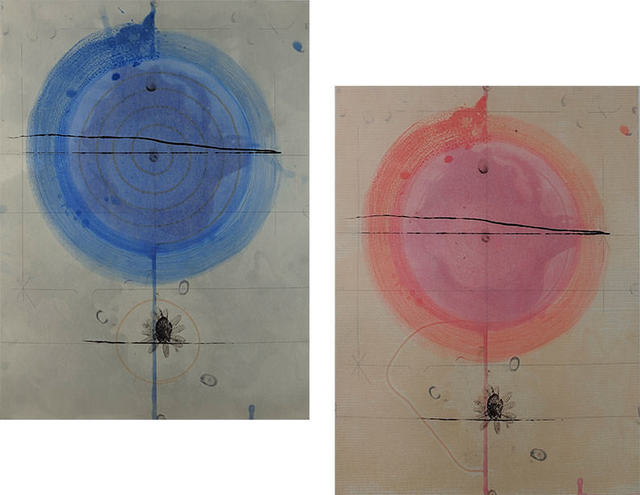
No. 4 & No. 5
1989
Etchings
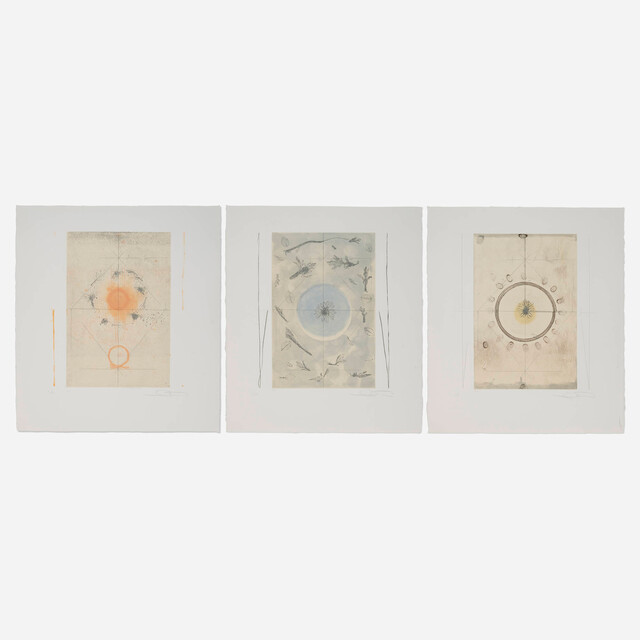
Three works from the Well from Karma series
1989
Etching and drypoint in colors with chine colle
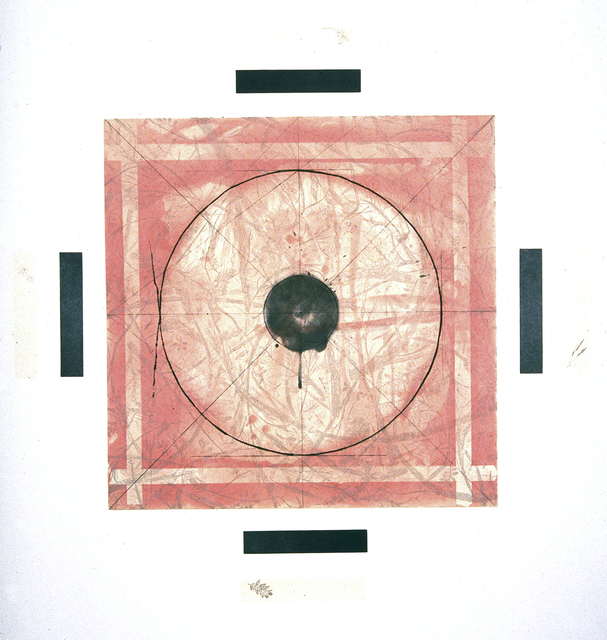
Between Air and Water No. 2
1992
Color soft ground and hard ground etching with aquatint and drypoint printed on gampi paper chine colle
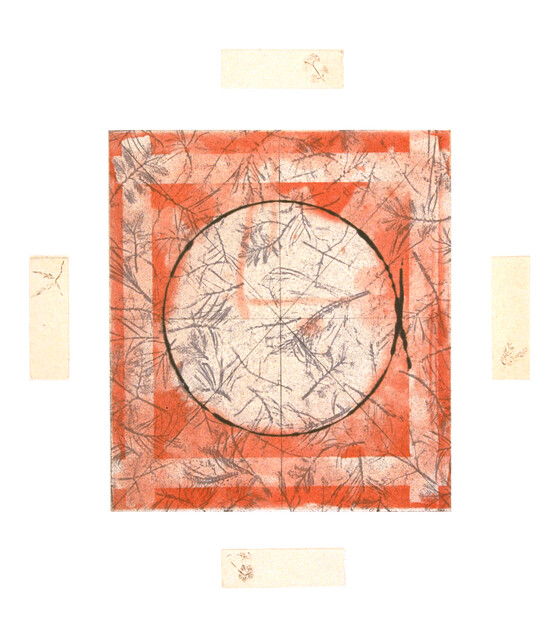
Between Air and Water No. 6
1992
Color soft and hard ground etching with spit bite aquatint and drypoint printed on gampi paper chine collé
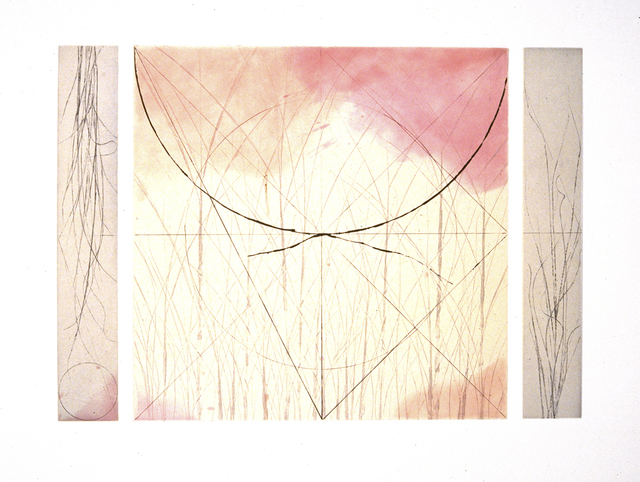
Between Air and Water No. 4
1992
Color soft ground etching with spit bite aquatint and drypoint printed on gampi paper chine colle
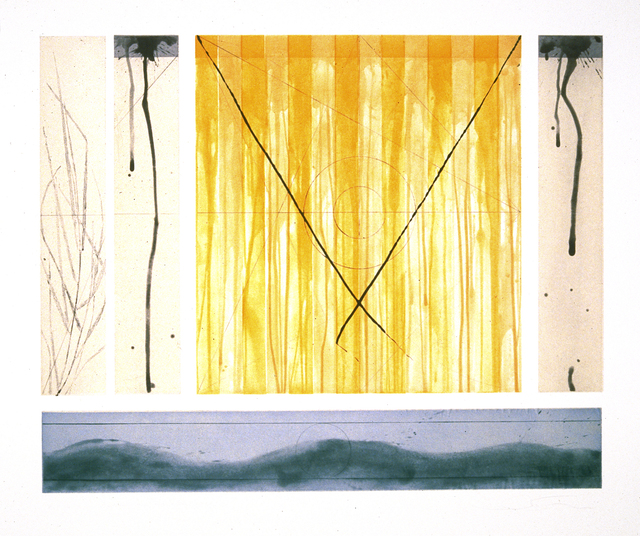
Between Air and Water No. 7
1992
Color soft ground etching with spit bite aquatint and drypoint printed on gampi paper chine colle
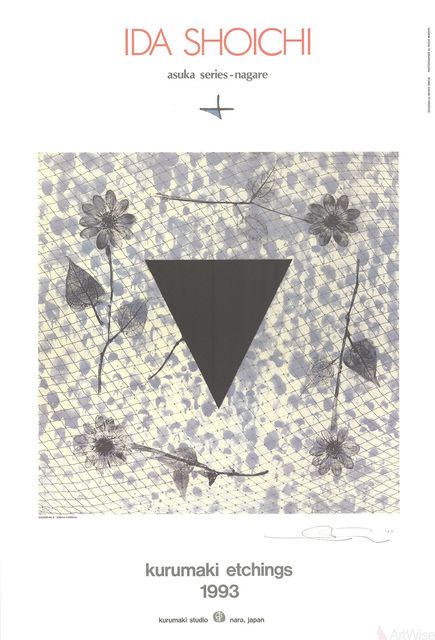
Sazare No.2
1993
Offset Lithograph
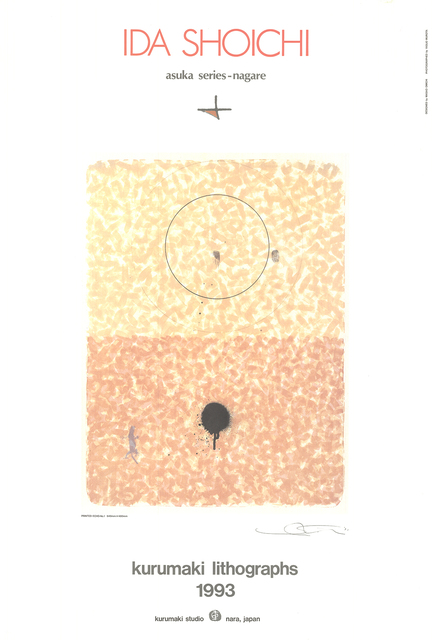
Printed Echo No.1 - Offset Lithograph
1993
Offset Lithograph
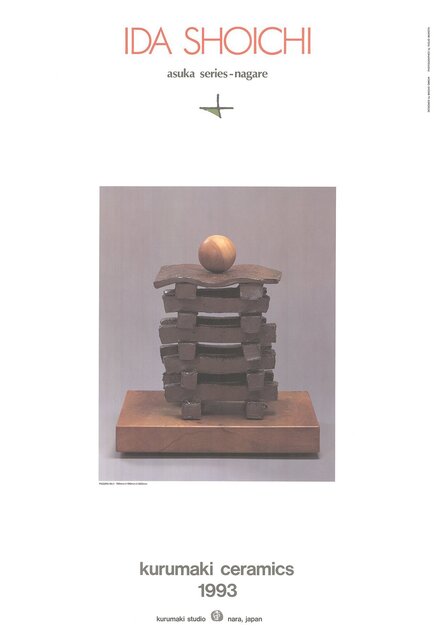
Yagura No.1
1993
Offset Lithograph
Garden Project - Wood, Paper and Water - Between Vertical and Horizon
Woodblock print
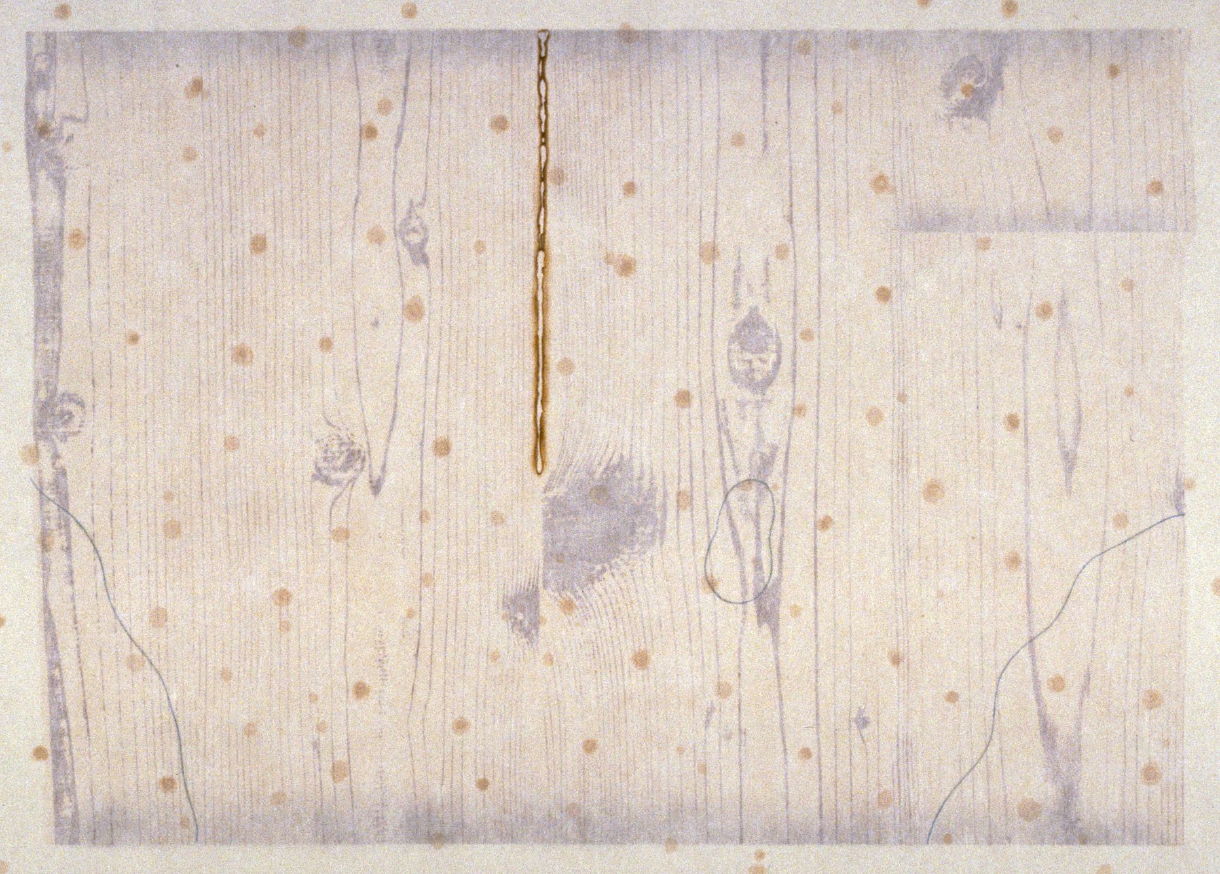
Garden Project - Wood, Paper, Fire and Rain - Between Vertical and Horizon
Woodblock print