Hara Keiko
原恵子
1942
Japan
Biography
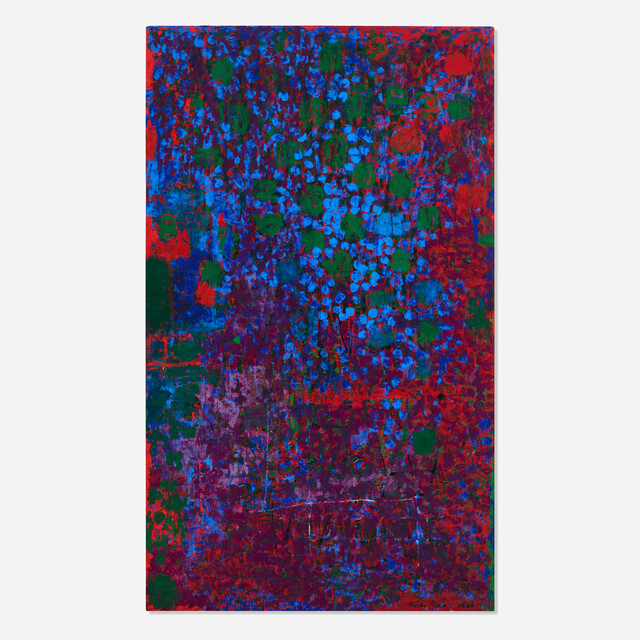
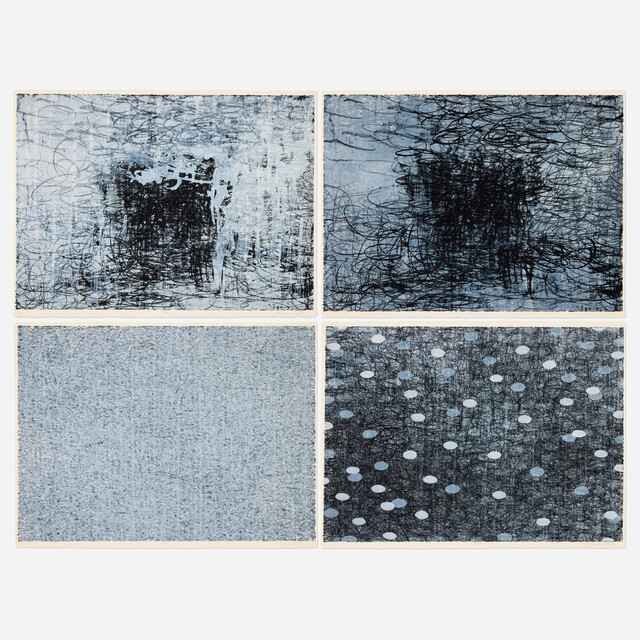
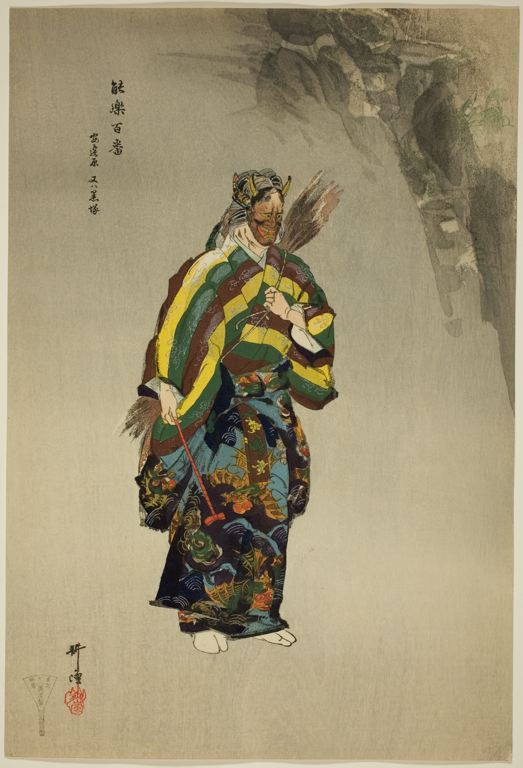
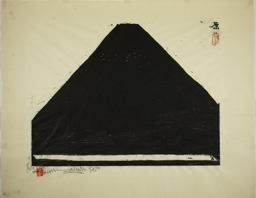
Hara Keiko (原恵子) is a Japanese woodblock print artist about whom limited biographical information has been documented in English-language sources. Her prints, which have appeared in collections and at auction under the name Keiko Hara, suggest a practitioner working within the broader tradition of modern Japanese mokuhanga, though her specific training, active period, and movement affiliation remain unconfirmed.
The sparse catalog associated with her name makes it difficult to characterize her artistic concerns with precision. What can be said is that her work circulates within the same channels as other twentieth-century Japanese printmakers, appearing in specialized databases and occasionally in institutional holdings. Further research into Japanese-language sources may eventually yield a fuller picture of her career and artistic development.
Key Facts
- Active Period
- 1942
- Nationality
- 🇯🇵Japan
- Works Indexed
- 5
Frequently Asked Questions
Hara Keiko (原恵子) is a Japanese woodblock print artist about whom limited biographical information has been documented in English-language sources. Her prints, which have appeared in collections and at auction under the name Keiko Hara, suggest a practitioner working within the broader tradition of modern Japanese mokuhanga, though her specific training, active period, and movement affiliation remain unconfirmed.
Hara Keiko was active born in 1942.
Hara Keiko's prints frequently feature abstract, stencil print, lithograph, landscapes, literary.
Original prints by Hara Keiko can be found in collections including ukiyo-e.org.