Biography
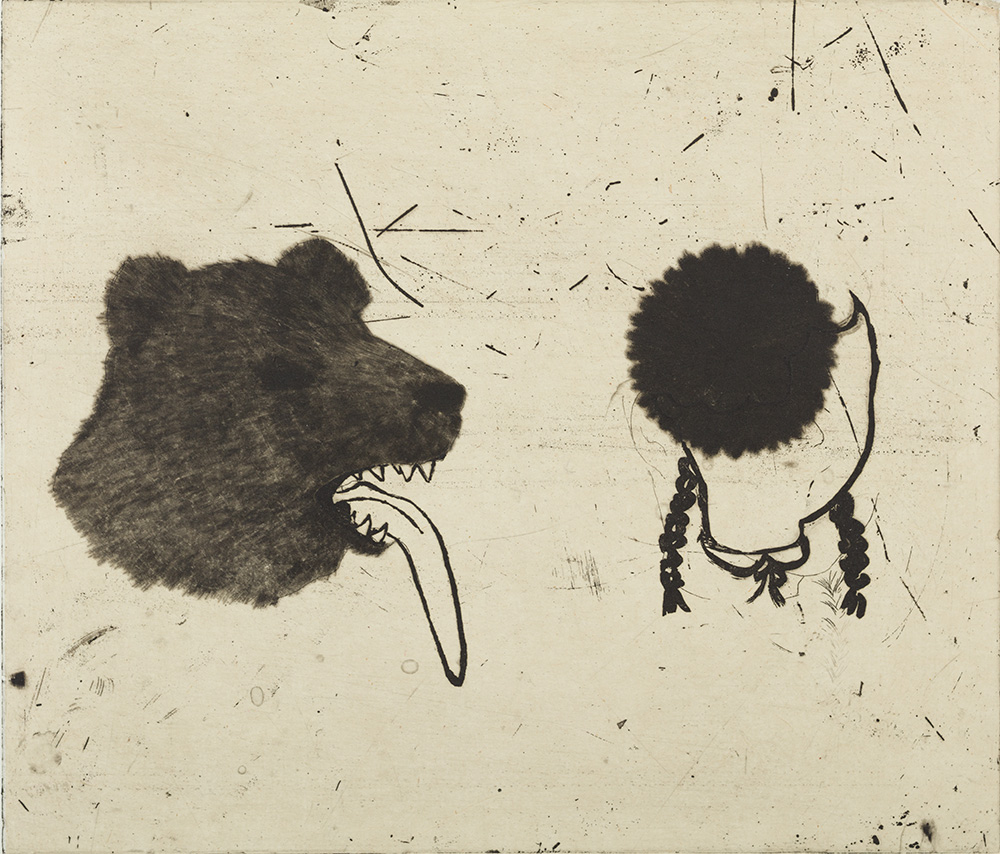
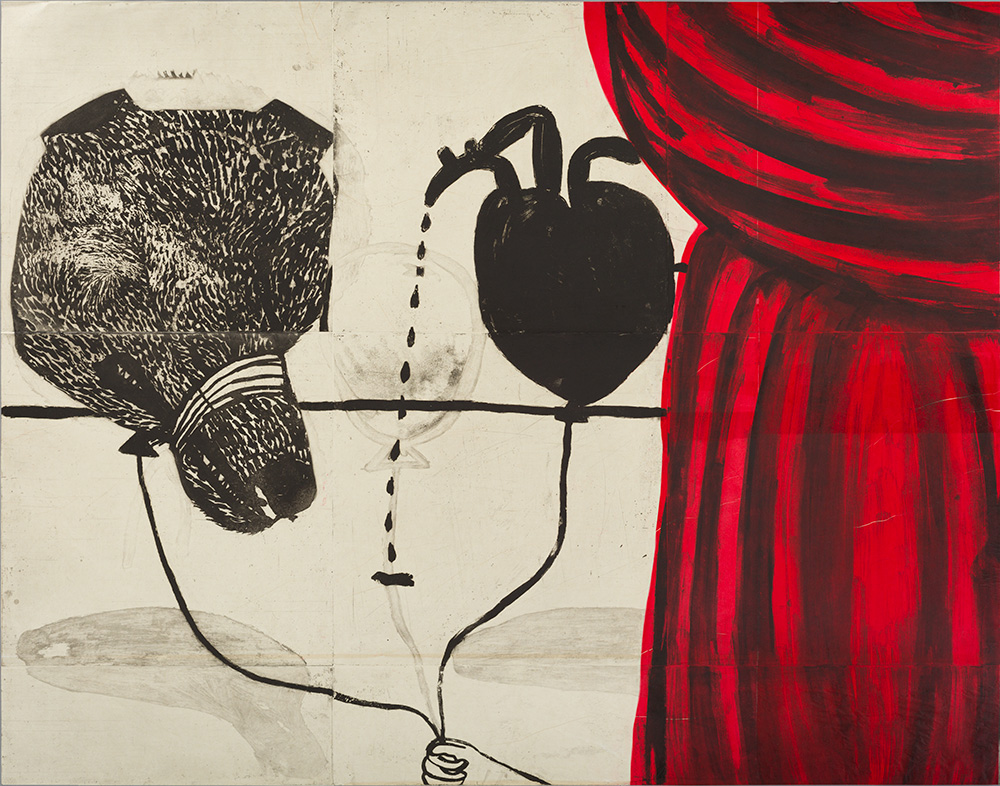
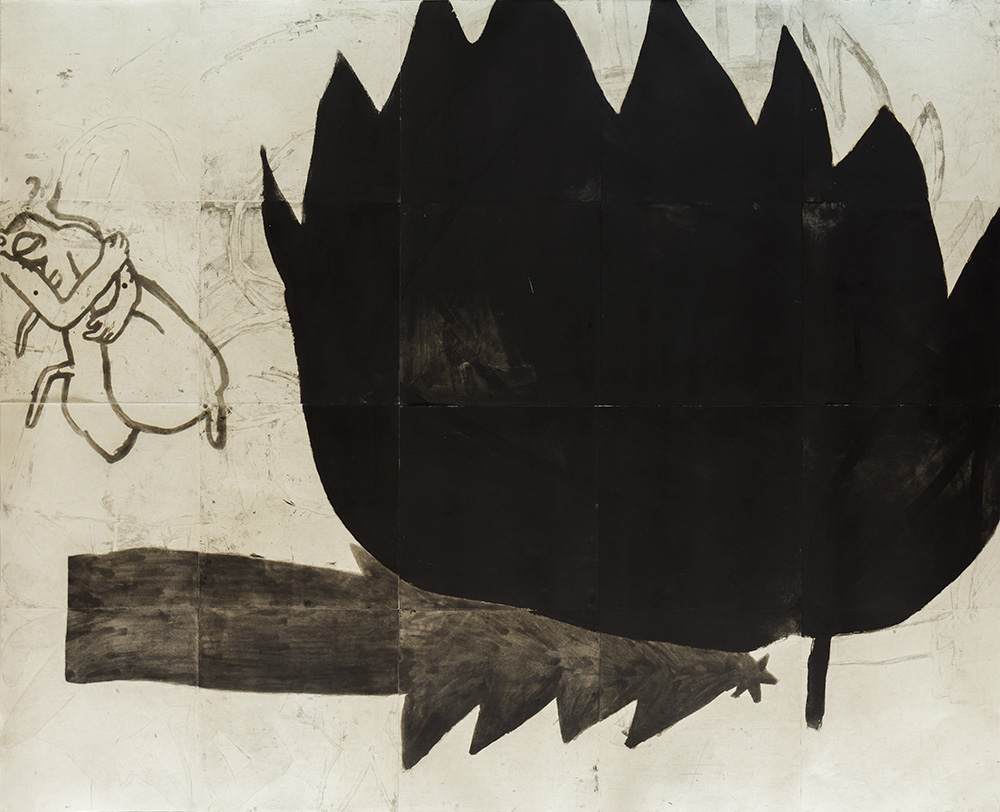
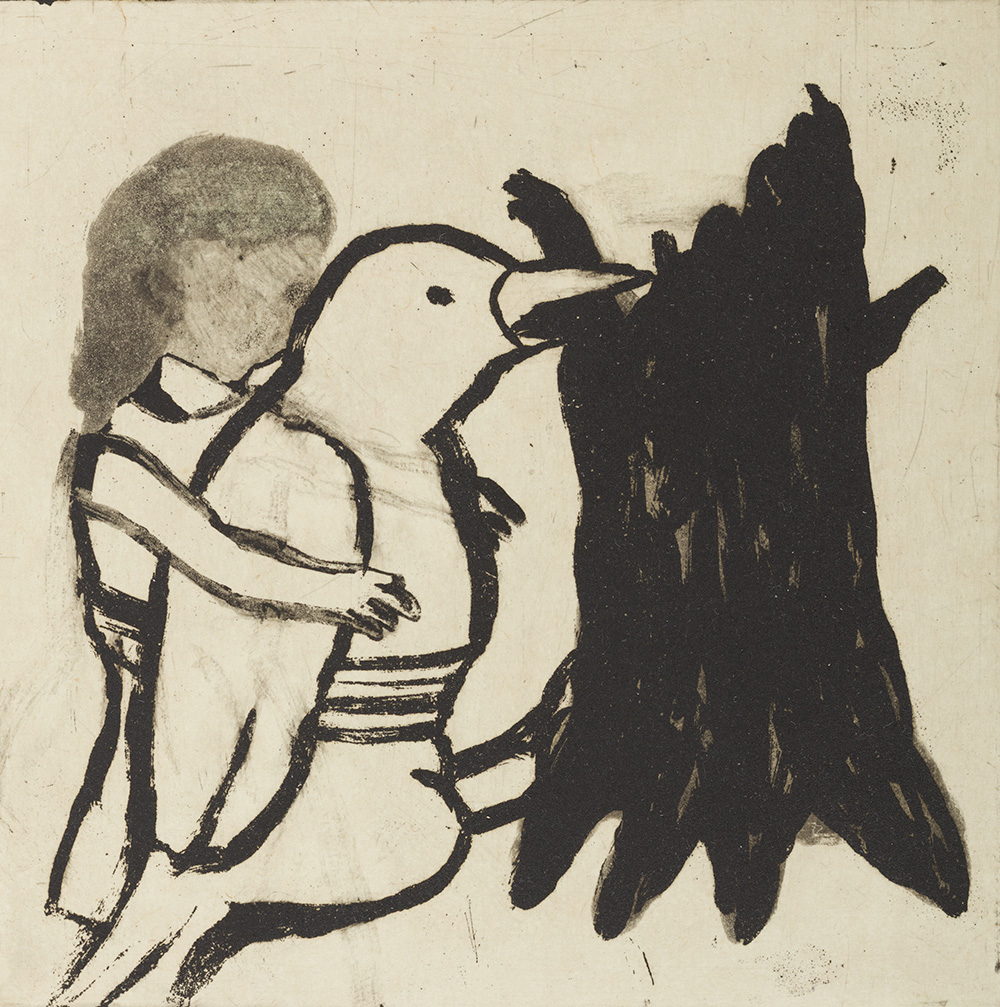
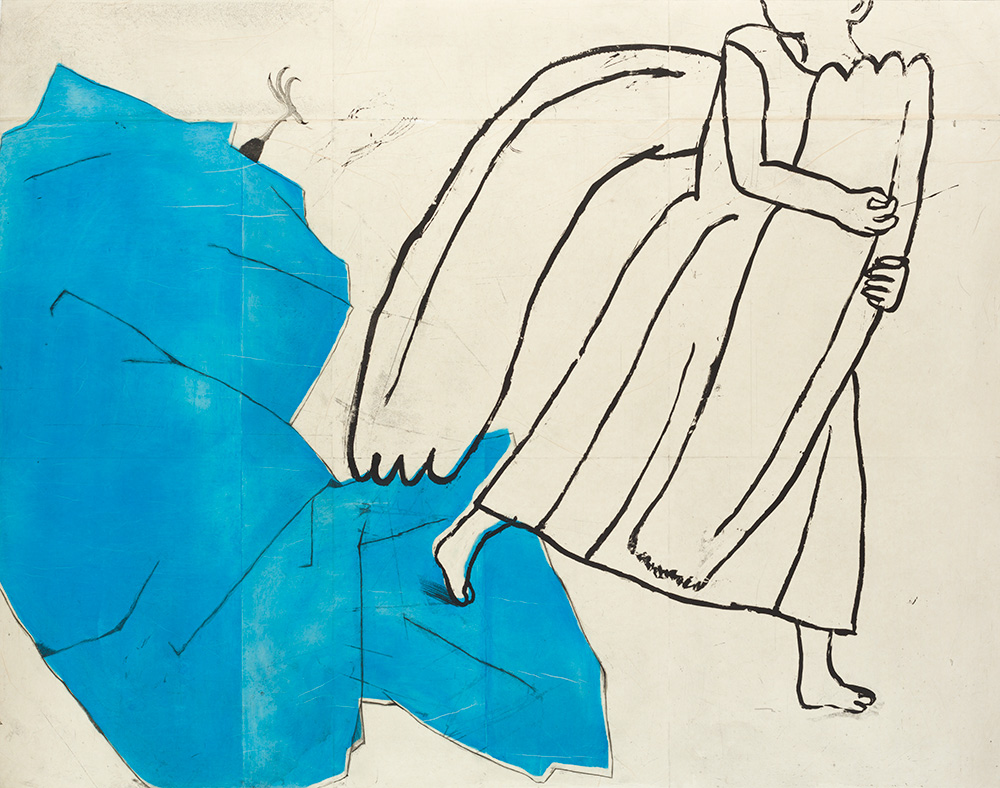
Saki Murakami (born 1992, Takasaki, Gunma Prefecture; the slug 'murakami-sou' reflects an alternate reading of the personal name 早, romanized both 'Saki' and 'Sō') is a Japanese printmaker who has emerged as one of the most distinctive young intaglio voices of her generation. She works in copperplate techniques — lift-ground etching, etching, aquatint, and spit-bite — to produce small-format figural images whose somatic, body-centred imagery is grounded in her own medical and family history.
Born into a family that runs a veterinary clinic in Takasaki City, Murakami underwent life-or-death surgery at the age of four for a congenital heart defect. She has described the visual logic of her practice through the medical metaphor of the copper plate as 'heart,' the marks carved into it as 'wounds,' and the ink filled into those marks as 'blood.' Her preferred imagery of small figures bound, embraced, or piled together with a sense of physical pressure extends the same body-relational vocabulary.
She graduated from Musashino Art University, where she studied printmaking within the Oil Painting Department, with a bachelor's degree in 2014, and completed her M.F.A. in printmaking at the same institution in 2016. She remains based in her hometown of Takasaki, where she keeps a studio. Her competition record is unusually concentrated for an artist of her age: the Excellence (Superior) Prize at FACE 2015, the Sompo Japan Nipponkoa Art Award in Tokyo; the 6th Yamamoto Teisei Printmaking Prize, also in 2015; and the Excellence Prize at the 2017 Gunma Biennale for Young Artists at the Museum of Modern Art, Gunma.
Murakami's exhibition record surveys the Japanese contemporary print circuit. She has shown at the Tokyo Opera City Art Gallery (in its 'project N' series), the Institut français du Japon in Tokyo, the Museum of Modern Art, Gunma, and the Machida City Museum of Graphic Arts, and her solo exhibition 'gone girl' was held at the Ueda City Museum of Art in 2019. Her work is held by the Machida City Museum of Graphic Arts and the Ueda City Museum of Art.
The central technical fact of Murakami's practice is the laboriously tonal use of aquatint and spit-bite to give a small etched figure a saturated psychological presence within a small sheet. The narrative compression and the pressed, intimate body postures recall European intaglio traditions — Käthe Kollwitz, Louise Bourgeois — more than the prevailing Japanese mokuhanga aesthetic, though the technical execution is grounded in the intaglio teaching at Musashino Art University. Within the contemporary Japanese print scene she is one of a small number of younger figural intaglio printmakers whose work has entered regional public museum collections, and her inclusion in the PATinKyoto directory reflects a presence across both Tokyo and Kansai networks.
Key Facts
- Active Period
- 1992
- Nationality
- 🇯🇵Japan
- Movement
- Contemporary Mokuhanga
- Works Indexed
- 6
Frequently Asked Questions
Saki Murakami (born 1992, Takasaki, Gunma Prefecture; the slug 'murakami-sou' reflects an alternate reading of the personal name 早, romanized both 'Saki' and 'Sō') is a Japanese printmaker who has emerged as one of the most distinctive young intaglio voices of her generation. She works in copperplate techniques — lift-ground etching, etching, aquatint, and spit-bite — to produce small-format figural images whose somatic, body-centred imagery is grounded in her own medical and family history.
Saki Murakami was active born in 1992. They were associated with the Contemporary Mokuhanga movement.
Saki Murakami's work was shaped by the Contemporary Mokuhanga tradition in Japanese woodblock printmaking. Contemporary Mokuhanga: Contemporary mokuhanga (literally "wood-block print") encompasses artists working from approximately 1970 to the present who continue or reinvent traditional Japanese woodblock printing techniques.