Biography
Sebastian Masuda (増田セバスチャン, born August 7, 1970) is a Japanese artist, art director, and cultural entrepreneur widely recognized as a pioneer of kawaii culture and often referred to as the "King of Kawaii." Born in Matsudo City, Chiba Prefecture, he began his career in theater and contemporary art in Tokyo before turning toward fashion and design.
In 1995, Masuda opened 6%DOKIDOKI, a fashion boutique in the Ura-Harajuku district of Tokyo that quickly became a creative laboratory and cultural landmark. What began as a space to sell colorful accessories and clothing for friends evolved into a full-fledged brand embodying the idea that bold, even shocking, color and whimsy could serve as vehicles for personal liberation and self-expression.
Masuda's art direction for pop singer Kyary Pamyu Pamyu's "PONPONPON" music video in 2011 proved a pivotal moment for the global spread of kawaii culture. The video's explosion of saturated color, playful absurdity, and deliberate visual overload introduced millions of viewers worldwide to the Harajuku aesthetic Masuda had been cultivating for over a decade, helping to propel J-pop kawaii onto the international stage.
Beyond fashion and music, Masuda has developed an ambitious exhibition and installation practice. In 2014, he mounted the solo exhibition "Colorful Rebellion—Seventh Nightmare" in New York. In 2015, his monumental participatory sculpture Time After Time Capsule was installed in New York and later in Miami and other cities, with each installation incorporating objects contributed by local communities and children's workshops. He also conceived the KAWAII MONSTER CAFE in Harajuku, a fully immersive dining experience that operated as a living artwork.
In 2017, the Agency for Cultural Affairs appointed Masuda as a Japan Cultural Envoy; he was based in the Netherlands while producing new work and led workshops and lectures across the African continent. In 2024, Japan House Los Angeles presented "Yes, KAWAII is Art—EXPRESS YOURSELF—," a major survey exhibition that traced the origins, development, and cultural significance of the kawaii movement through Masuda's artistic lens.
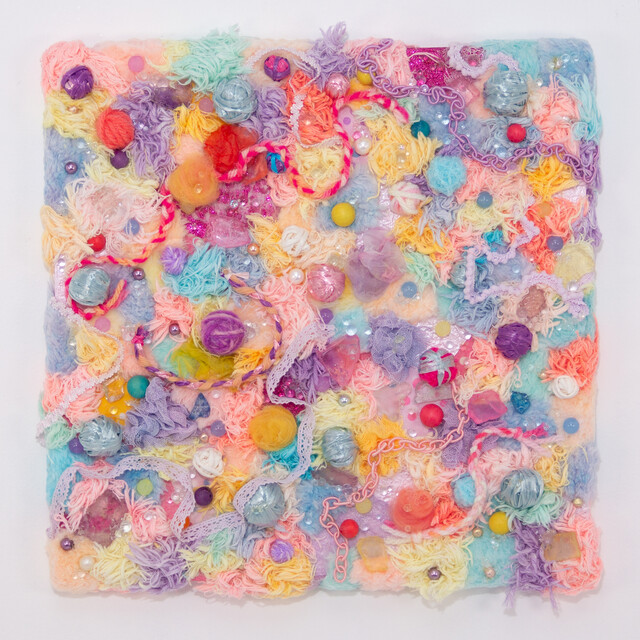
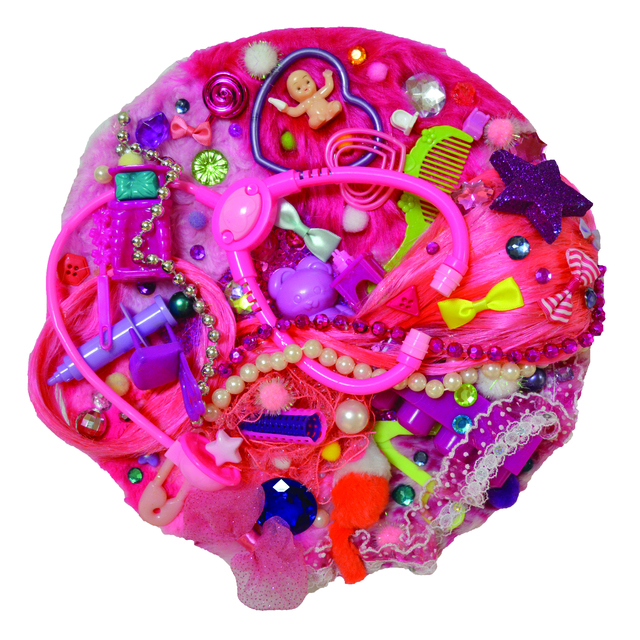
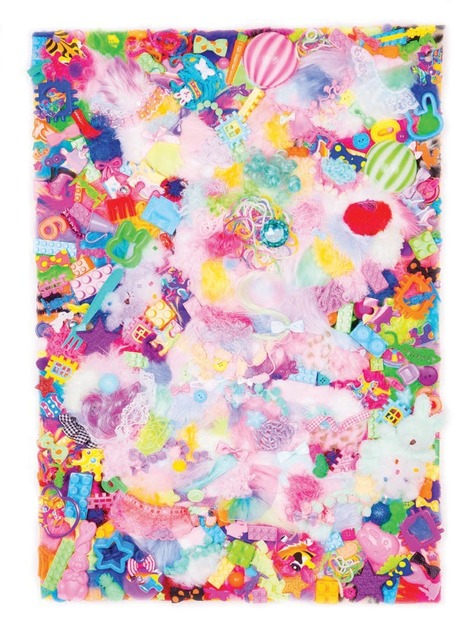
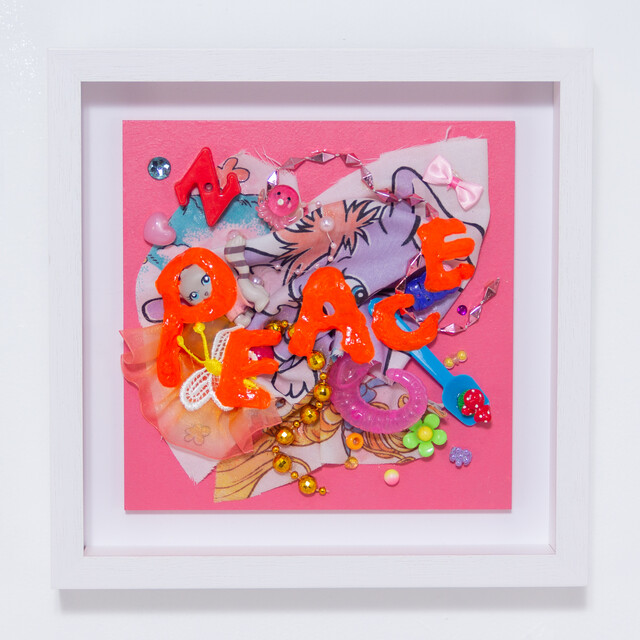
Masuda's work challenges conventional hierarchies between fine art, fashion, design, and pop culture. His insistence that kawaii is not merely an aesthetic preference but a philosophical stance—embracing vulnerability, celebrating individuality, and finding strength in gentleness—has positioned him as both an artist and a cultural theorist whose influence extends well beyond the gallery wall.
Key Facts
- Active Period
- 1970
- Nationality
- 🇯🇵Japan
- Movement
- Contemporary Mokuhanga
- Subjects
- AnimalsSilkscreenWashi
- Works Indexed
- 4
Frequently Asked Questions
Sebastian Masuda (増田セバスチャン, born August 7, 1970) is a Japanese artist, art director, and cultural entrepreneur widely recognized as a pioneer of kawaii culture and often referred to as the "King of Kawaii." Born in Matsudo City, Chiba Prefecture, he began his career in theater and contemporary art in Tokyo before turning toward fashion and design.
Sebastian Masuda was active born in 1970. They were associated with the Contemporary Mokuhanga movement.
Sebastian Masuda's work was shaped by the Contemporary Mokuhanga tradition in Japanese woodblock printmaking. Contemporary Mokuhanga: Contemporary mokuhanga (literally "wood-block print") encompasses artists working from approximately 1970 to the present who continue or reinvent traditional Japanese woodblock printing techniques.
Sebastian Masuda's prints frequently feature animals, silkscreen, washi.