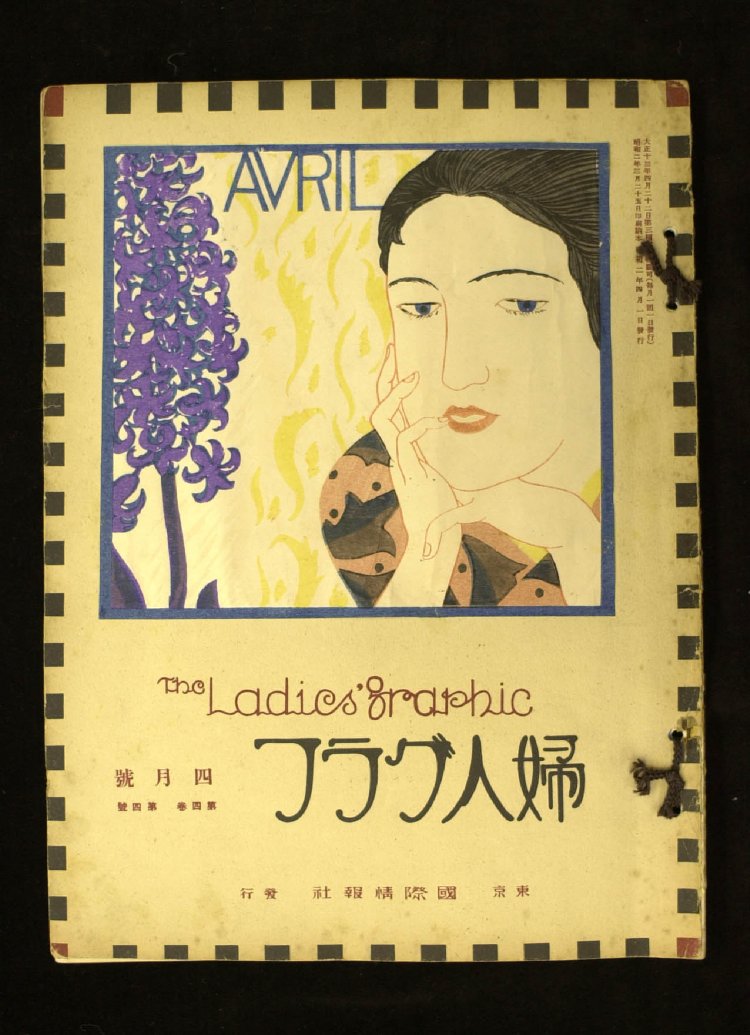
British Museum
- Medium:
- Woodblock print
- Source:
- ukiyo-e.org
Description
British Museum is a contemporary woodblock print by April Vollmer, an American artist who has become one of the most influential practitioners and ambassadors of mokuhanga, the traditional Japanese water-based woodblock printmaking technique, working from her studio in New York City. The print is held in the collection of the British Museum, the institution whose name it bears, and documented through the ukiyo-e.org image archive that aggregates Japanese and Japanese-influenced prints from major museums worldwide. Vollmer's practice represents a bridge between centuries-old hanga traditions and contemporary studio printmaking, applying the precise registration system, hand-cut cherry wood blocks, water-based pigments, and rice-paste binder of classical Japanese woodblock to subject matter and compositional strategies grounded in late-twentieth and early-twenty-first century concerns. Her work typically explores patterns drawn from nature, scientific imagery, mandalas, and geometric structures, layering translucent washes of color through multiple impressions to build depth without the opacity of oil-based Western relief printing. Beyond her own studio output, Vollmer is widely known as an educator and writer on the medium; her book Japanese Woodblock Print Workshop has served as a primary English-language reference for artists adopting mokuhanga outside Japan, and she has taught at institutions including the Lower East Side Printshop and the International Mokuhanga Conference. The British Museum's holding of this print reflects the institution's ongoing acquisition of contemporary works that extend the historical Japanese print collection into the present, situating April Vollmer alongside the long lineage of hanga artists whose work the museum has gathered since the nineteenth century. The print stands as a record of how the contemporary woodblock movement has expanded the geographic and conceptual reach of mokuhanga while honoring its material discipline.
More Prints by April Vollmer


Frequently Asked Questions
British Museum was created by April Vollmer.