Keinen's Album of Birds and Flowers (Keinen kachō gafu) — Summer volume
景年花鳥畫譜 夏之部
by Imao Keinen
- Date:
- 1892
- Medium:
- Woodblock-printed book; ink and color on paper
- Source:
- Harvard Art Museums
Description
Keinen's Album of Birds and Flowers (Keinen kachō gafu) — Summer volume 景年花鳥畫譜 夏之部, dated 1892 and held by the Harvard Art Museums, preserves a complete copy of the summer volume of Imao Keinen's signature four-volume seasonal album, the publication that consolidated his reputation as one of the two leading Kyoto kachō-ga designers of late Meiji nihonga alongside Kōno Bairei. The summer volume gathers the canonical bird-and-flower pairings of the Japanese painting calendar from late spring through early autumn — hototogisu against an evening sky, kingfishers along the river, swallows above the iris, small songbirds among hydrangea, egrets in the rice paddies, cicadas and dragonflies among the lotus, and the late-summer morning glory and paulownia of the Kyoto garden — each rendered with the brushed ink line, soft graded color, and sparse compositional economy that Keinen inherited from his teacher Bairei and from the broader Maruyama-Shijō tradition of Maruyama Ōkyo and Matsumura Goshun. The summer volume gives Keinen particular scope to extend the kachō-ga vocabulary beyond canonical bird-and-flower pairings into the insect-and-water repertoire that the Shijō school had treated as legitimate painting subject since Ōkyo and Goshun, with passages devoted to fireflies above evening rivers, water striders on the pond surface, and beetles on the bashō (Japanese banana) leaf. The woodblock medium translates Keinen's brush effects into Meiji nihonga book form, cut by leading Kyoto block-cutters and printed on absorbent washi in the traditional fukurotoji binding so that each opening reads as a paired composition rather than a stand-alone sheet. The Harvard Art Museums catalogue this volume (https://www.harvardartmuseums.org/collections/object/143191) within their substantial Japanese illustrated book holdings, where Keinen kachō gafu stands as a benchmark example of the second-generation Kyoto kachō-ga program. For Imao Keinen specifically, the Harvard summer volume documents his observational range across the densest seasonal stretch of the Japanese painting year.
More Prints by Imao Keinen

Pines on the Shore
海辺老松
before 1925
Ink and color on silk

Bamboo Grove
竹林図
About 1920
Pair of six-panel screens; ink and gold leaf on paper
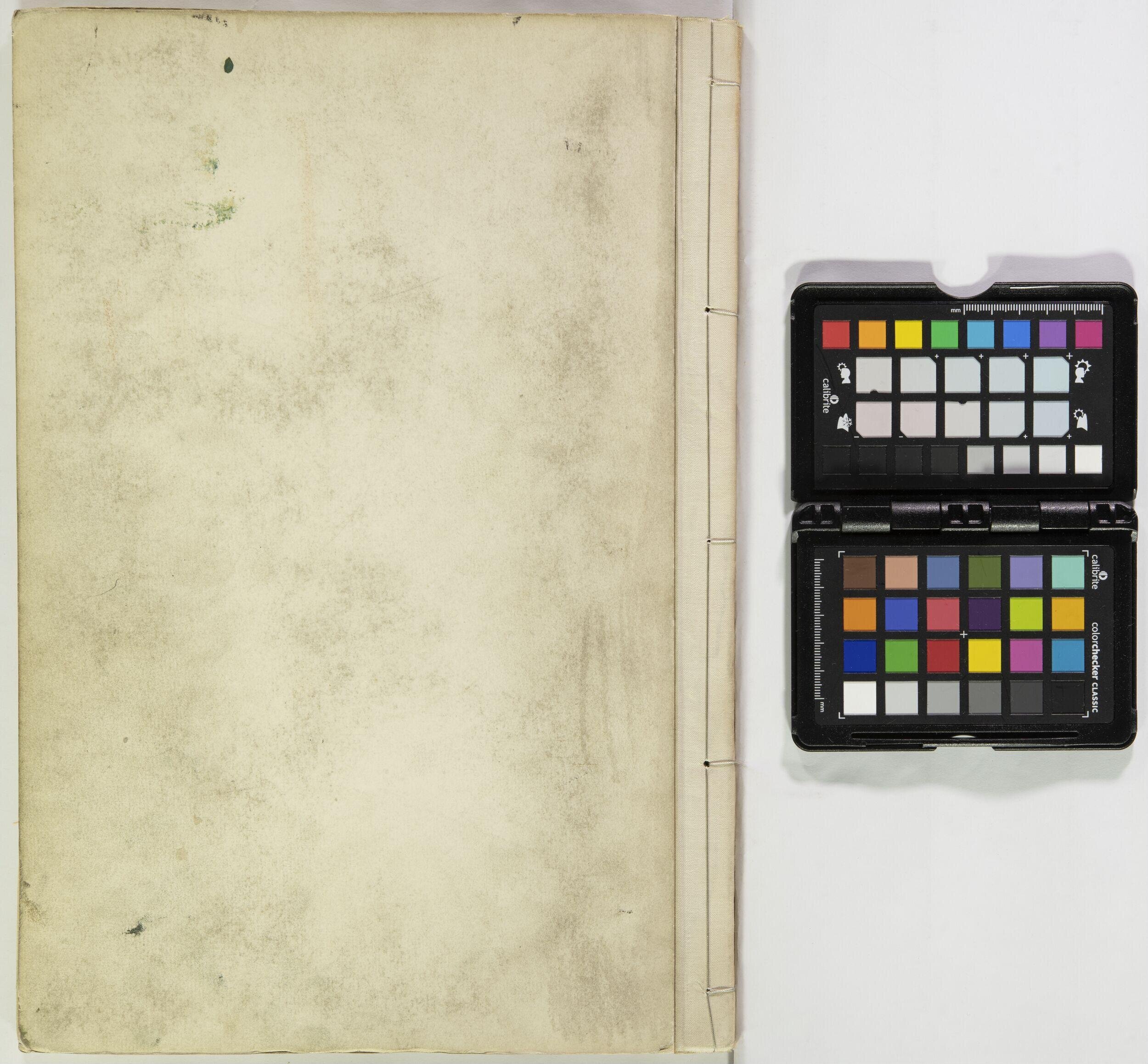
A Collection of Flower and Bird Paintings (Keinen kachō gafu), vol.2 (Summer)
景年花鳥畫譜 夏之部
1891
Woodblock-printed book; ink and color on paper
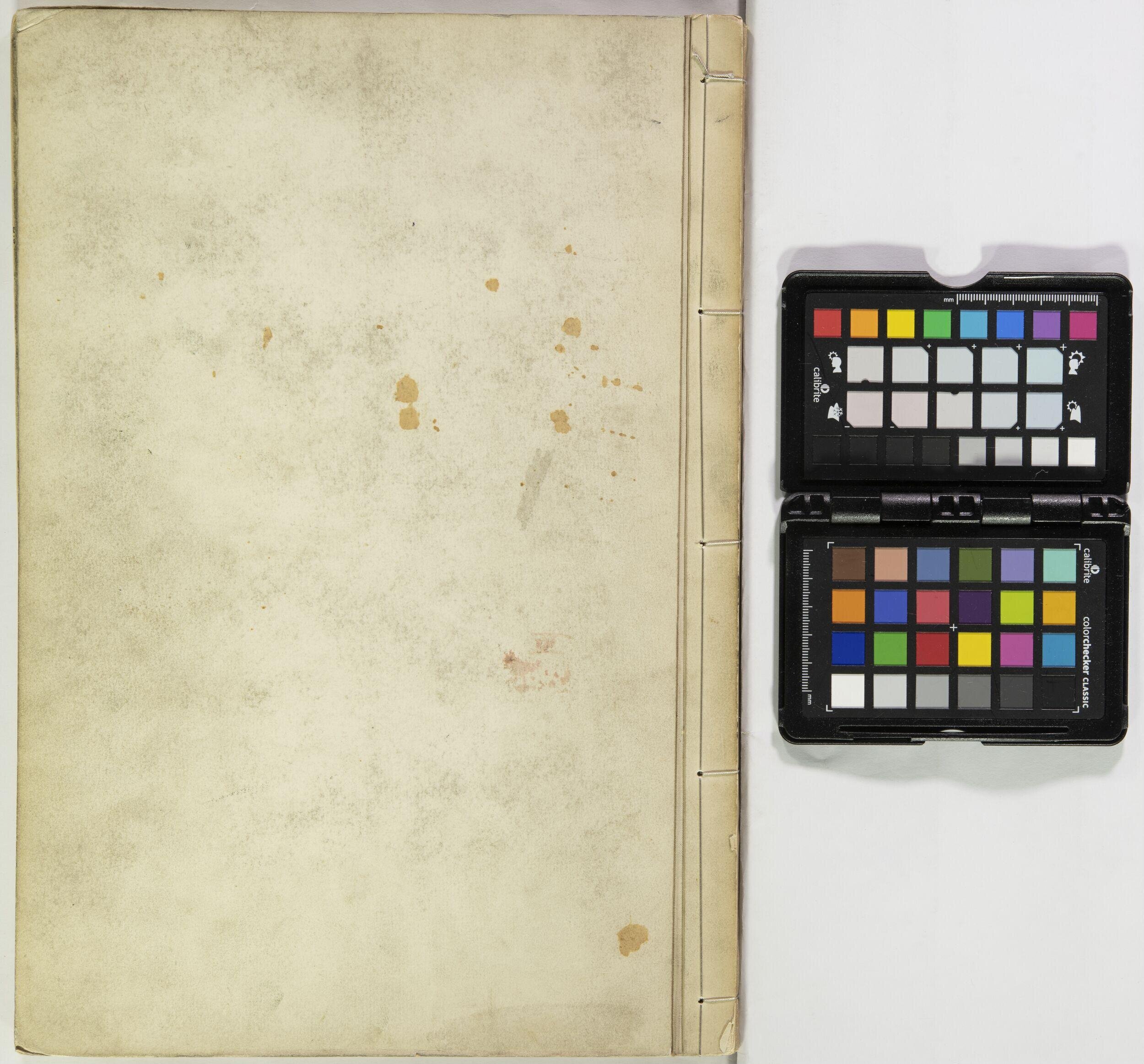
A Collection of Flower and Bird Paintings (Keinen kachō gafu), vol.3 (Autumn)
景年花鳥畫譜 秋之部
1892
Woodblock-printed book; ink and color on paper
More Birds & Flowers Prints
Frequently Asked Questions
Keinen's Album of Birds and Flowers (Keinen kachō gafu) — Summer volume (景年花鳥畫譜 夏之部) was created by Imao Keinen (今尾景年) in 1892.
Keinen's Album of Birds and Flowers (Keinen kachō gafu) — Summer volume depicts birds & flowers and summer.