
Change to the Taisho Era (1912)
- Medium:
- Woodblock print
- Source:
- manual-research
Description
This woodblock print commemorates the transition from the Meiji to the Taisho era in 1912, an event triggered by the death of Emperor Meiji on July 30 of that year. The change of era name was far more than an administrative formality: it marked the end of a forty-five-year reign that had transformed Japan from a feudal society into an industrialized world power. Mizushima Nihofu's print records the emotional and ceremonial gravity of this moment. Taisho-era artists frequently looked back at the Meiji period with a mixture of reverence and nostalgia, and Nihofu's treatment of this subject likely reflects that retrospective sensibility. The print stands as a work of visual journalism rendered in the woodblock medium, documenting a historical turning point that many Japanese experienced as the close of an era of unprecedented national change.
More Prints by Mizushima Nihofu


More Urban Scenes Prints
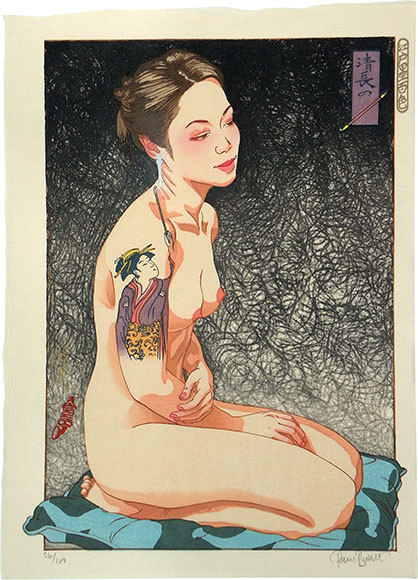
A Hundred Shades of Ink of Edo: Kiyonaga's Pipe (Edo zumi hyaku shoku: Kiyonaga no kiseru)
Woodblock print

View of Kabuki Theater from Matsuya (Ginza Matsuya yori Kabukiza), no. 3 from the series "Pictures of Ginza, First Series (Gashu Ginza dai isshu)"
1928
Color lithograph

Distant View of Mitsukoshi Movie Theater in Shinjuku from the Sixth Floor of Hoteiya (Hoteiya rokkai kara Shinjuku Mitsukoshi Musashi no kan enbo zu), no. 1 from the series "Scenery of Shinjuku (Gashu Shinjuku fukei)"
1930
Color lithograph
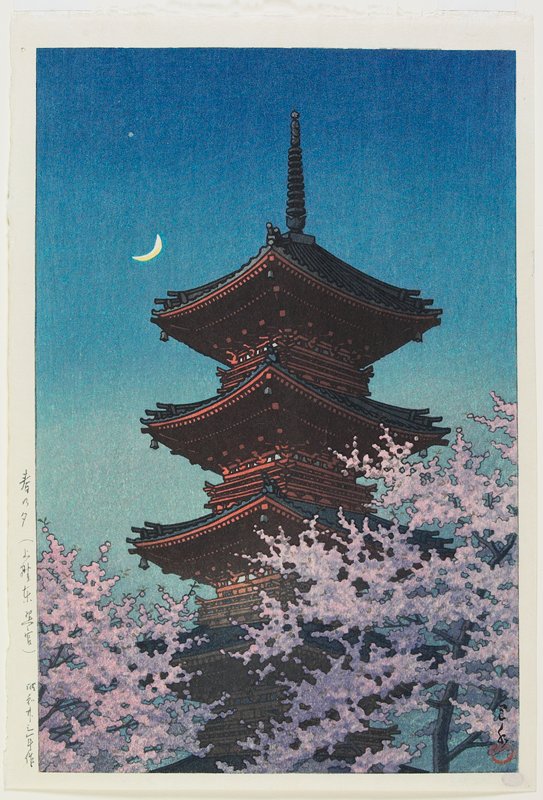
Spring Dusk at the Tōshō Shrine in Ueno
1948
Woodblock print, ink and color on paper
Frequently Asked Questions
Change to the Taisho Era (1912) was created by Mizushima Nihofu (水島爾保布).
Change to the Taisho Era (1912) depicts urban scenes and figures.