Hiroshige's Fifty-Three Stations of the Tōkaidō
東海道五十三次
'Fifty-Three Stations of the Tōkaidō' (1833–34) is Utagawa Hiroshige's defining series and one of the highest-selling ukiyo-e of all time. The 55 prints (53 stations plus start and end views) depict the great Edo-to-Kyoto pilgrimage road across every season, weather, and time of day.
About This Collection
Hiroshige walked the Tōkaidō in the autumn of 1832 as part of an official shogunate horse-delivery embassy to Kyoto. His sketchbook from that journey produced the series the following year — 55 designs published in installments by Hōeidō between 1833 and 1834, with 53 named for the post-stations along the road plus the Nihonbashi (Edo) and Sanjō Ōhashi (Kyoto) endpoints.
The series' commercial success was immediate. Hiroshige had been a moderately successful Utagawa-school artist; the Tōkaidō series made him the leading landscape ukiyo-e printmaker of his generation, a position he held for the rest of his career. The compositional approach — eye-level human-scale framing, weather and seasonal effects, careful regional variation in architecture and dress — became the template for later landscape series including Hiroshige's own 'One Hundred Famous Views of Edo,' the 'Sixty-Nine Stations of the Kisokaidō' (jointly with Eisen), and the 'Famous Views of the Sixty-Odd Provinces.'
The technical execution is exceptional. Hōeidō supplied carvers and printers capable of the bokashi gradient sky effects that distinguish the series, and the multi-block colour registration is particularly tight even by ukiyo-e standards. Hiroshige produced multiple alternative Tōkaidō series later in his career — sometimes called the Reisho (1850), Gyōsho, and Marusei (1855) Tōkaidōs — but the original 1833–34 Hōeidō edition remains the canonical and most-collected version.
Prints in This Collection (14)

Kawasaki, from the series 53 Stations of the Tokaido
Woodblock print

Odawara, from the series "New Fifty-three Stations of the Tokaido (Shin Tokaido gojusan tsugi)"
1961
Color woodblock print
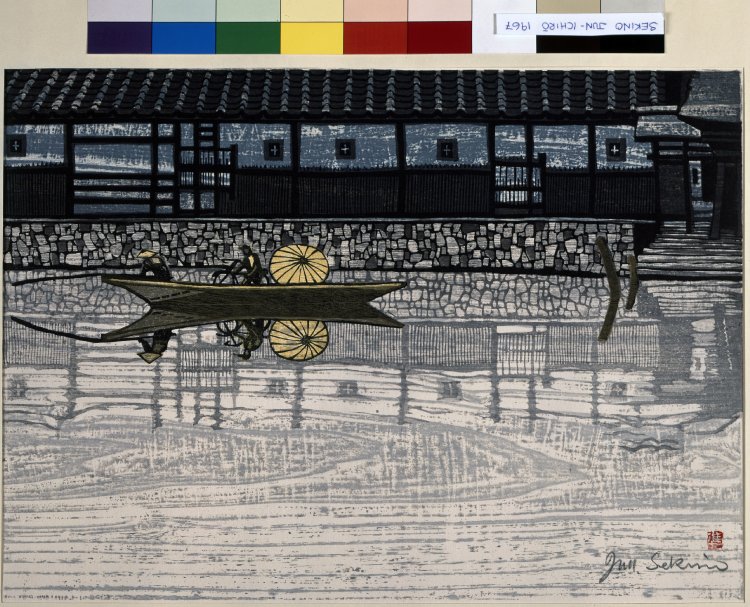
Mitsuke / Tokaido gojusan tsugi ('Fifty-three Stations of the Tokaido Road)
Woodblock print

Kuwana, from the series "New Fifty-three Stations of the Tokaido (Shin Tokaido gojusan tsugi)"
1964
Color woodblock print

Minakuchi, from the series 53 Stations of the Tokaido
Woodblock print

Seki, from the series "New Fifty-three Stations of the Tokaido (Shin Tokaido gojusan tsugi)"
1969
Color woodblock print

Tsuchiyama, Forest Road, from the series 53 Stations of the Tokaido
1969
Color woodblock print
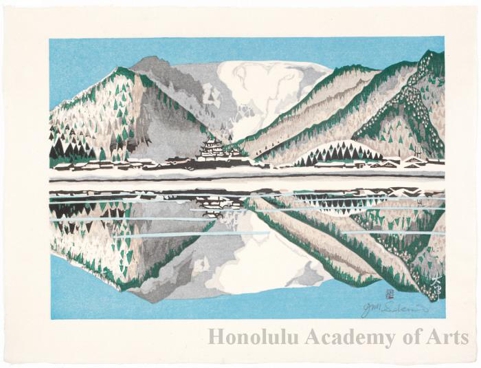
Otsu, from the series 53 Stations of the Tokaido
Woodblock print
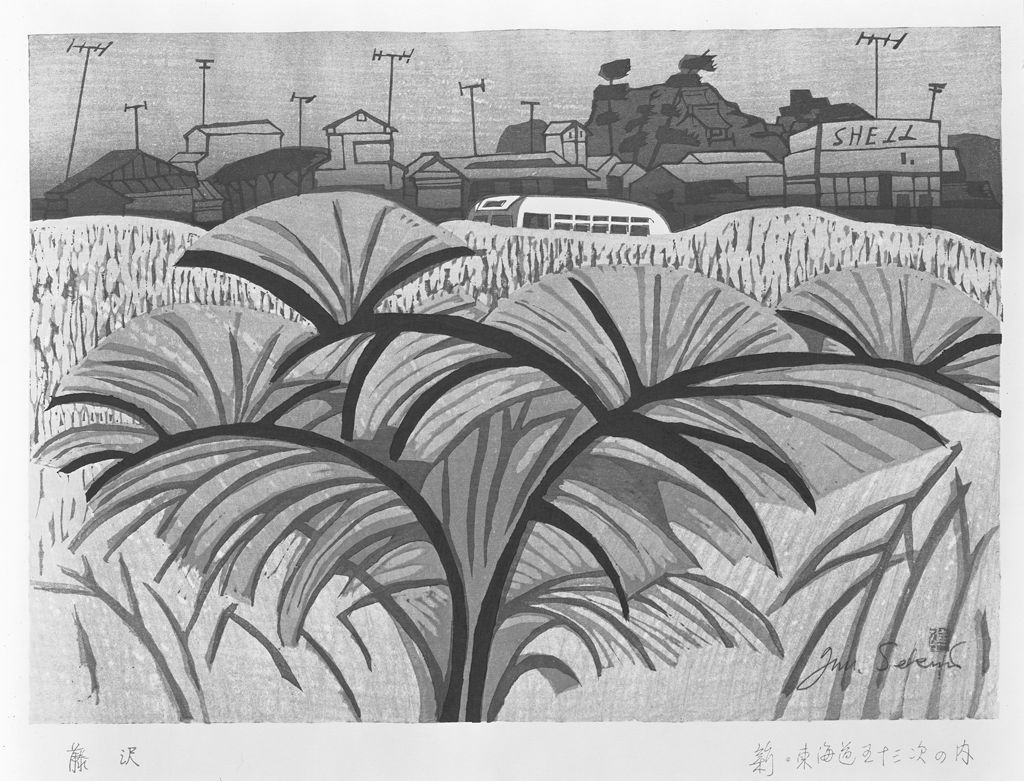
View of Fujisawa, from the series Fifty-Three Stages of the Tôkaidô
Woodblock print

Rain Shower at Shо̄no, from the series Fifty-three Stations of the Tо̄kaidо̄ (Tо̄kaidо̄ gojusan tsugi)
1962
Woodblock print, ink and color on paper
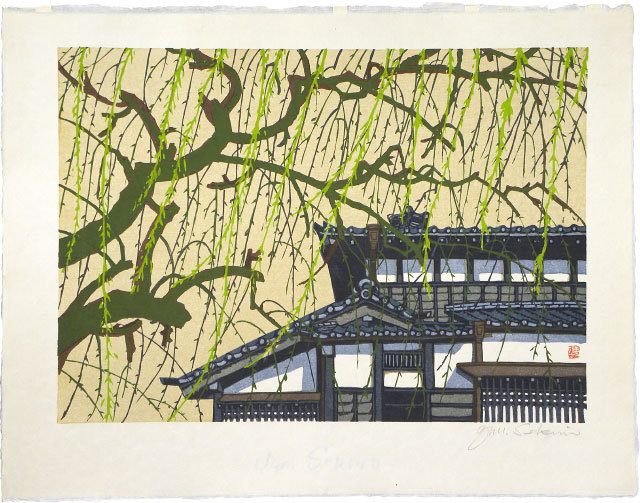
Fifty-Three Stations of the Tokaido: no. 35, Yoshida, Willow and Private Estate (Tokaido gojusan tsugi: Yoshida)
Woodblock print
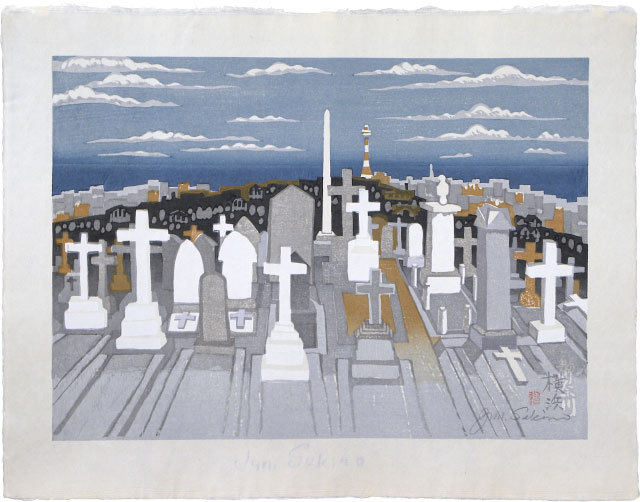
"Fifty-Three Stations of the Tokaido: no. 4, Kanagawa, Foreigners' Cemetery (Tokaido gojusan tsugi: Kanagawa)"
Woodblock print
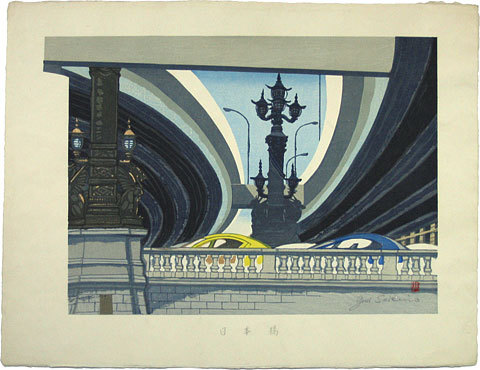
Fifty-Three Stations of the Tokaido: no. 1, Nihonbashi, Expressway (Tokaido gojusan tsugi: Nihonbashi)
Woodblock print
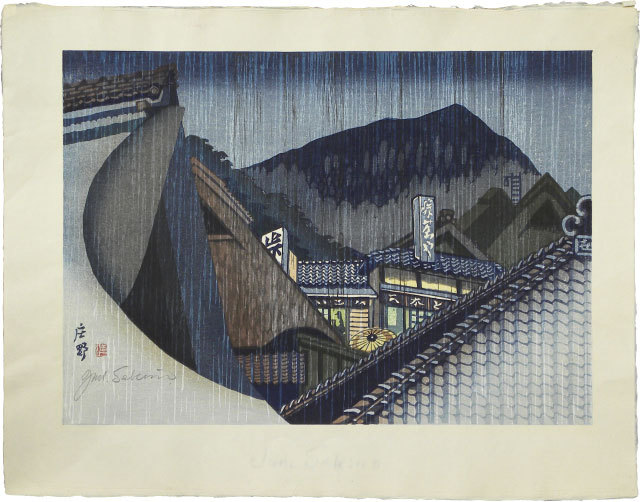
Fifty-Three Stations of the Tokaido: no. 46, Shono, White Rain (Tokaido gojusan tsugi: Shono)
Woodblock print
Frequently Asked Questions
The series contains 55 prints: 53 post-stations along the Tōkaidō road plus the Nihonbashi (Edo starting point) and Sanjō Ōhashi (Kyoto ending point). The series is collectively known as the 'Fifty-Three Stations of the Tōkaidō' from the named post-stations.
Hiroshige walked the Tōkaidō in autumn 1832 and produced the series in 1833–34, published in installments by Hōeidō. He was approximately 36–37 years old. He produced several later alternative Tōkaidō series in the 1840s and 1850s.
The Tōkaidō (東海道, 'eastern sea route') was the most heavily travelled of the five great Edo-period highways, connecting the shogun's capital Edo (modern Tokyo) with the imperial capital Kyoto via 53 official post-stations. It supported the alternate-attendance system (sankin-kōtai) that required regional lords to maintain residences in Edo, and saw constant commercial, official, and pilgrim traffic.