Biography
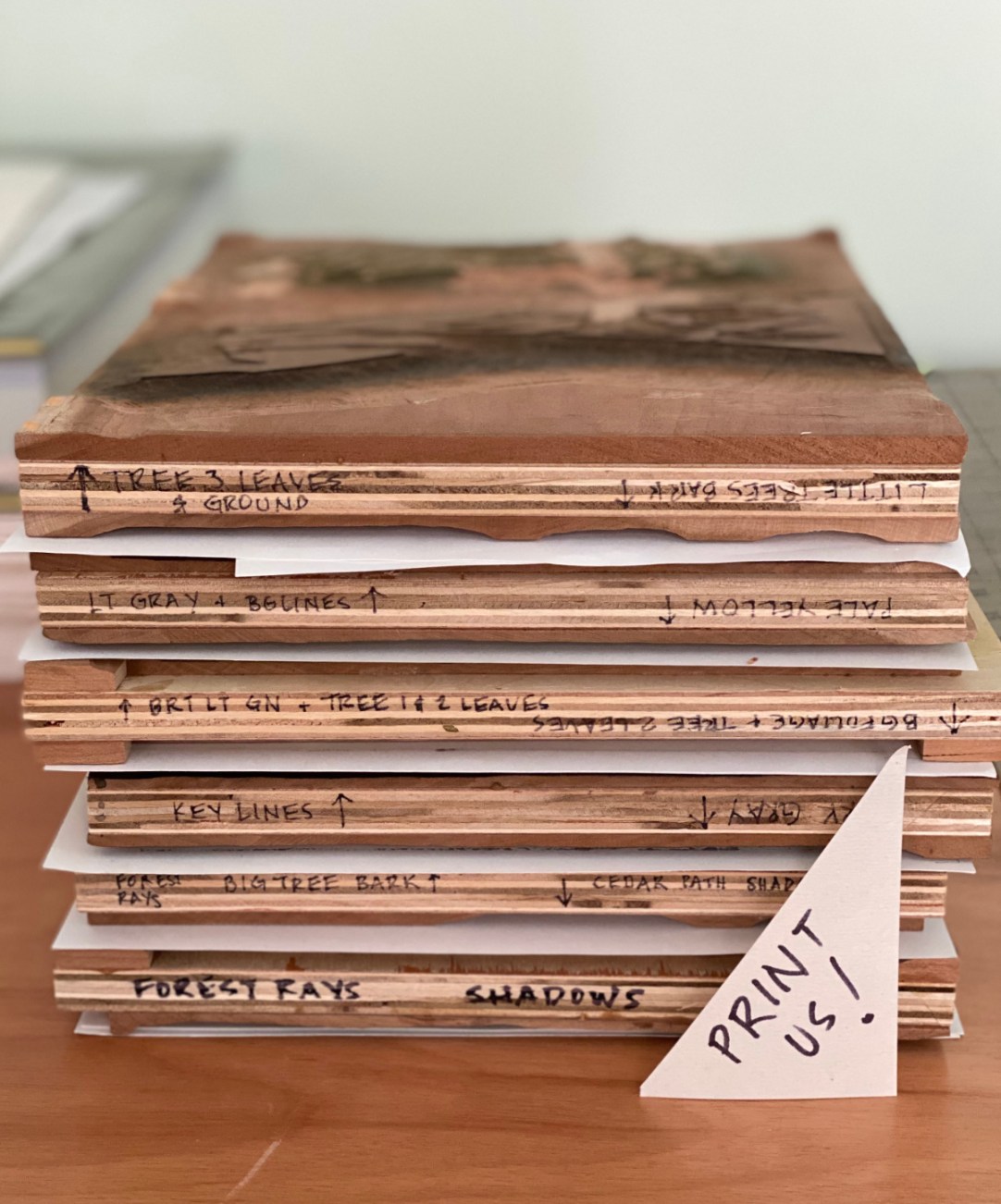
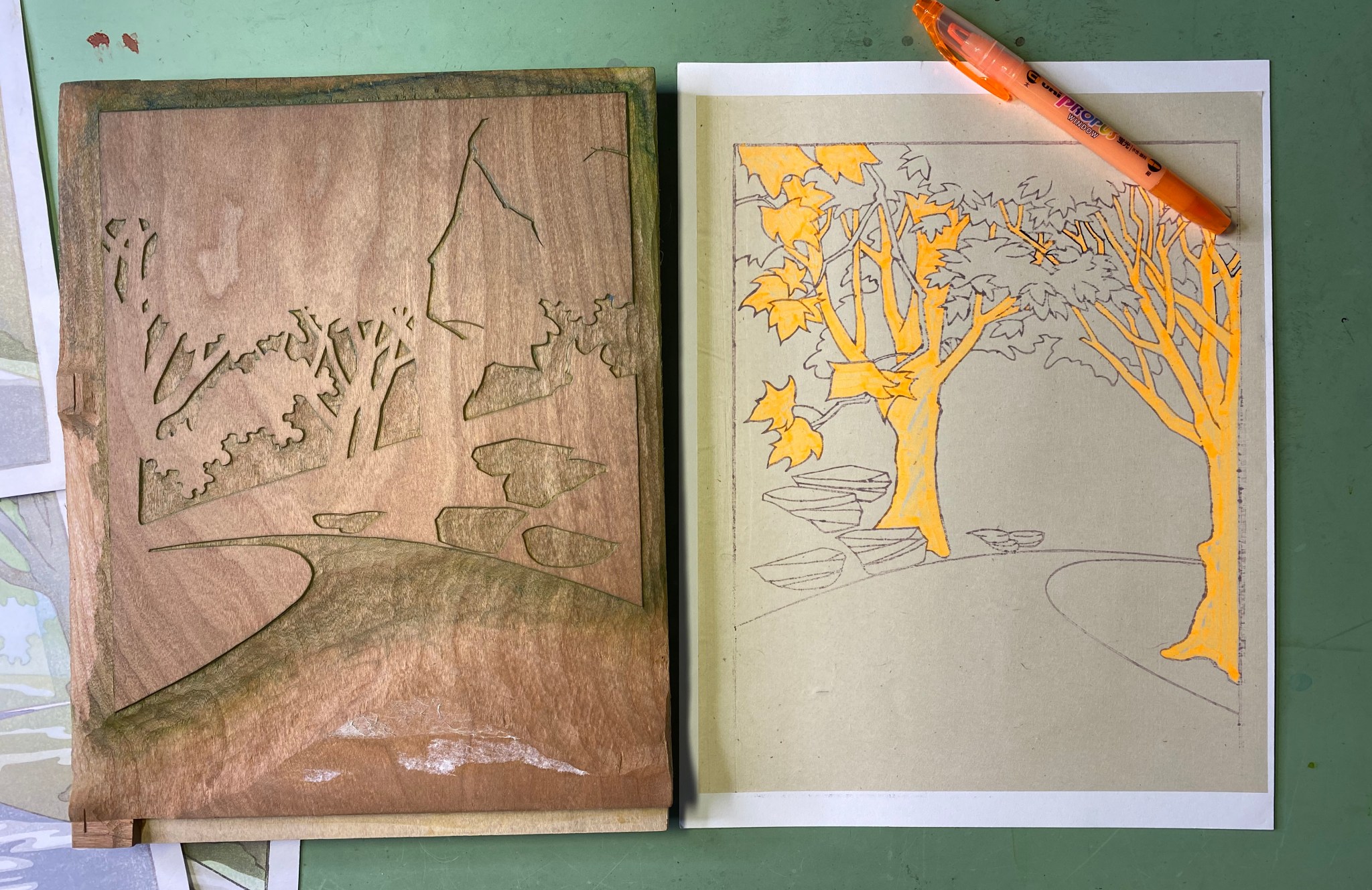
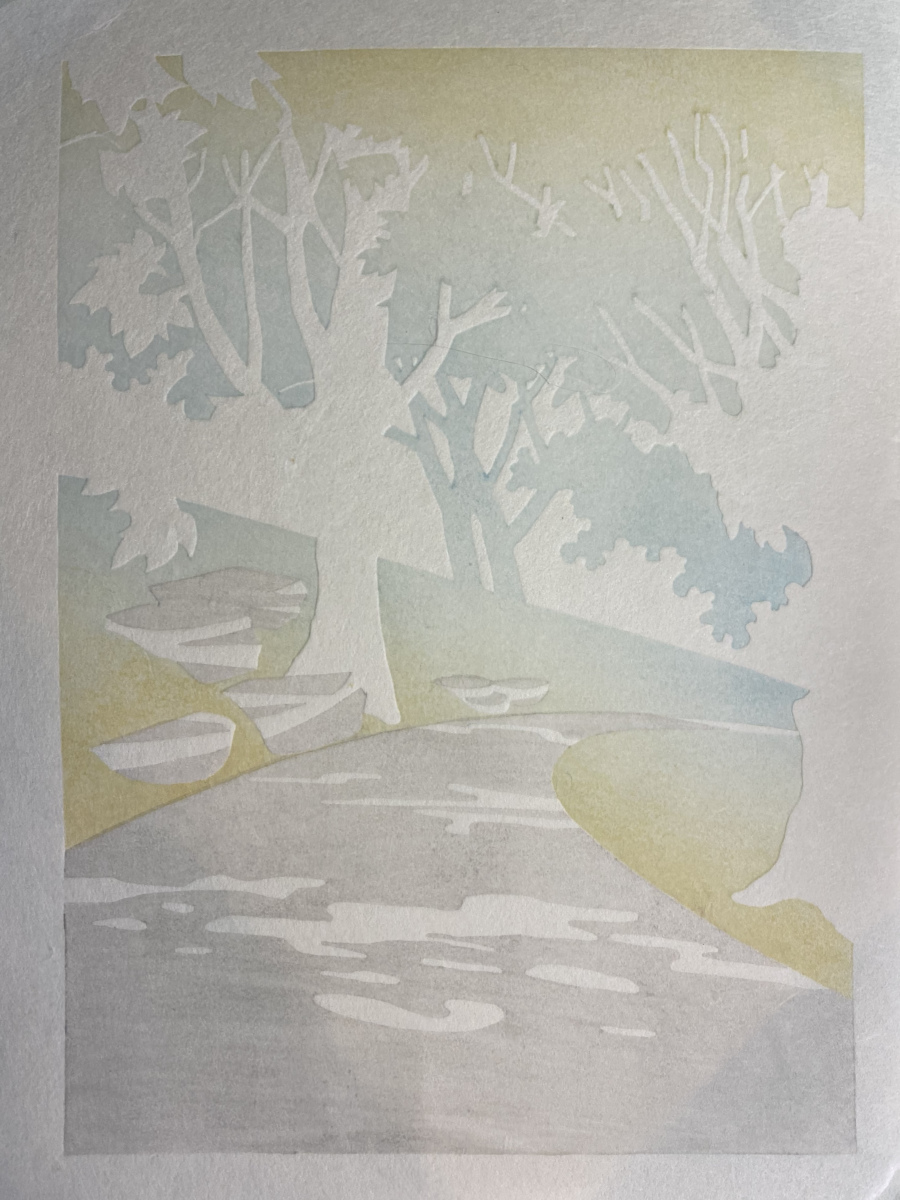
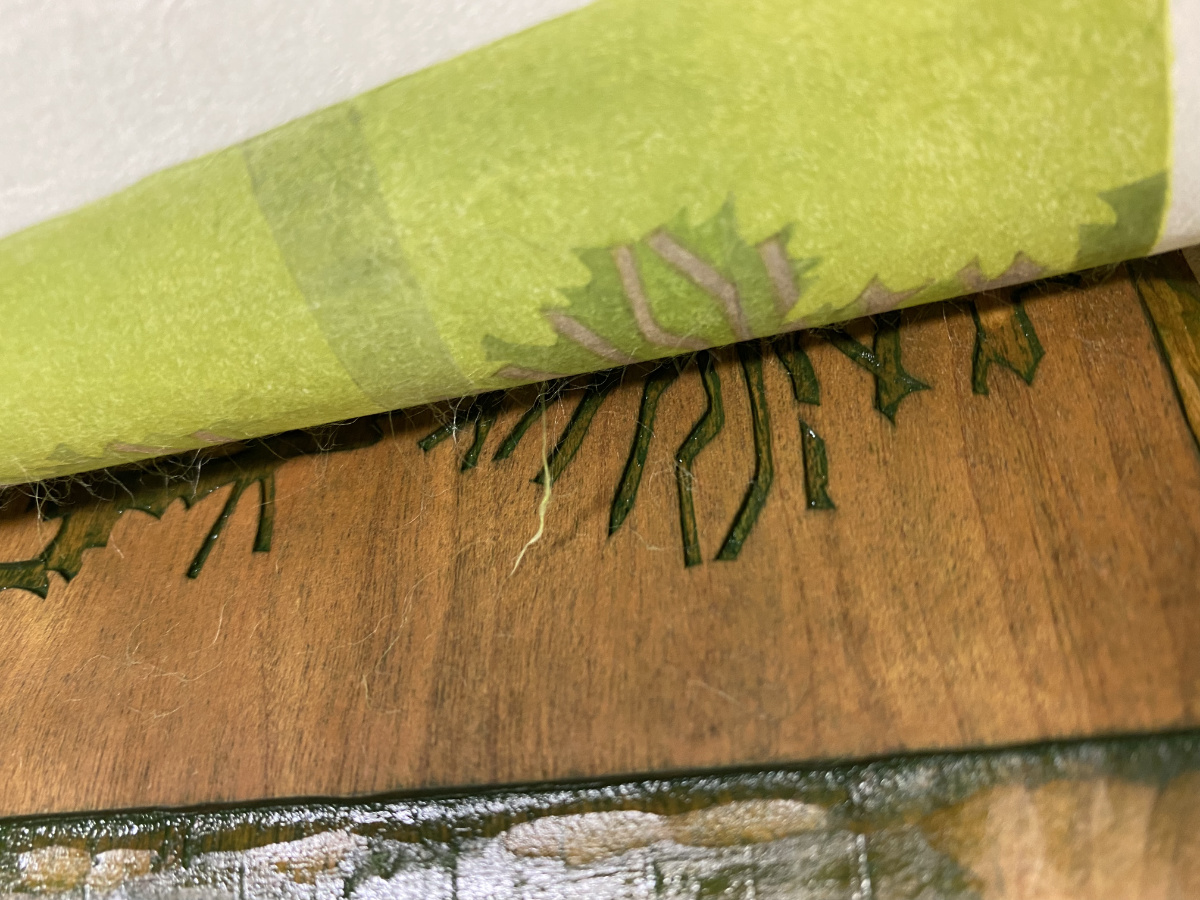
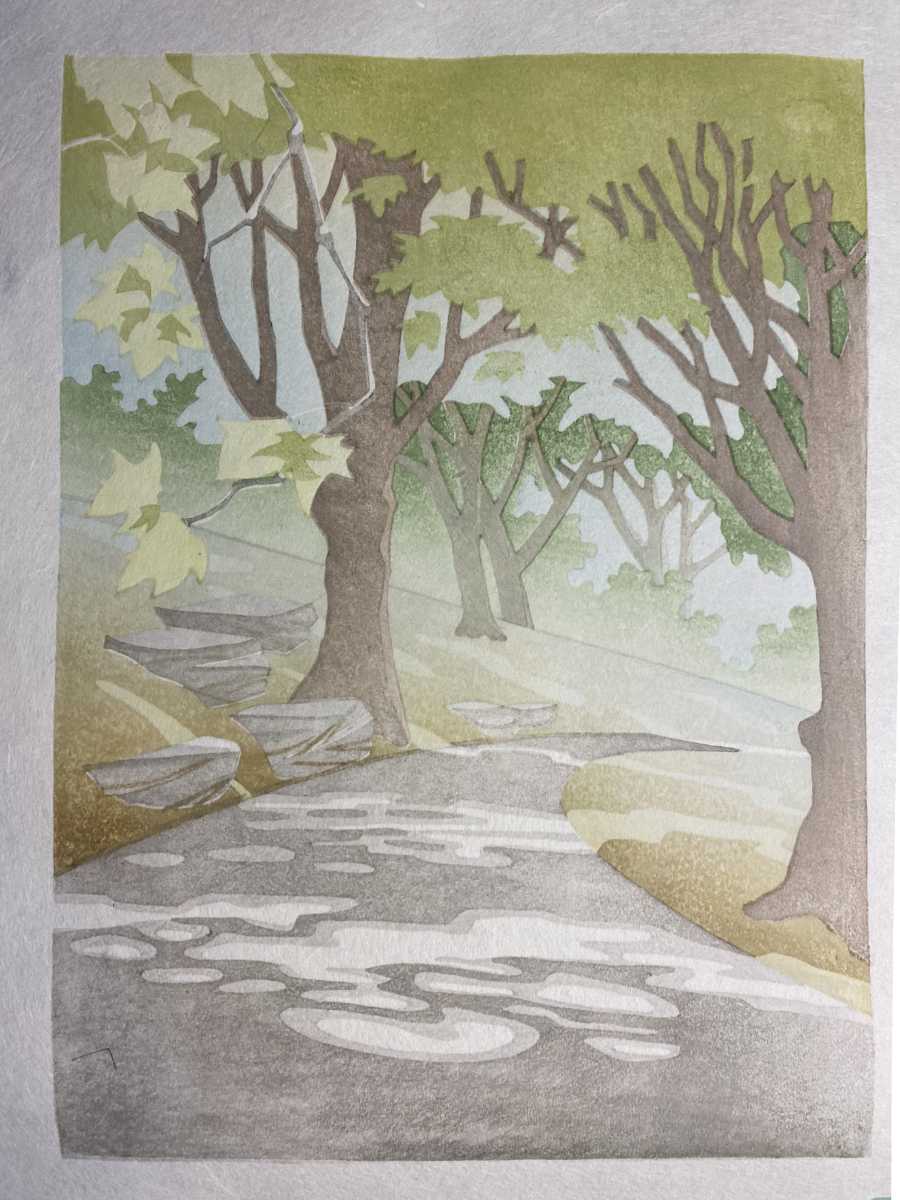
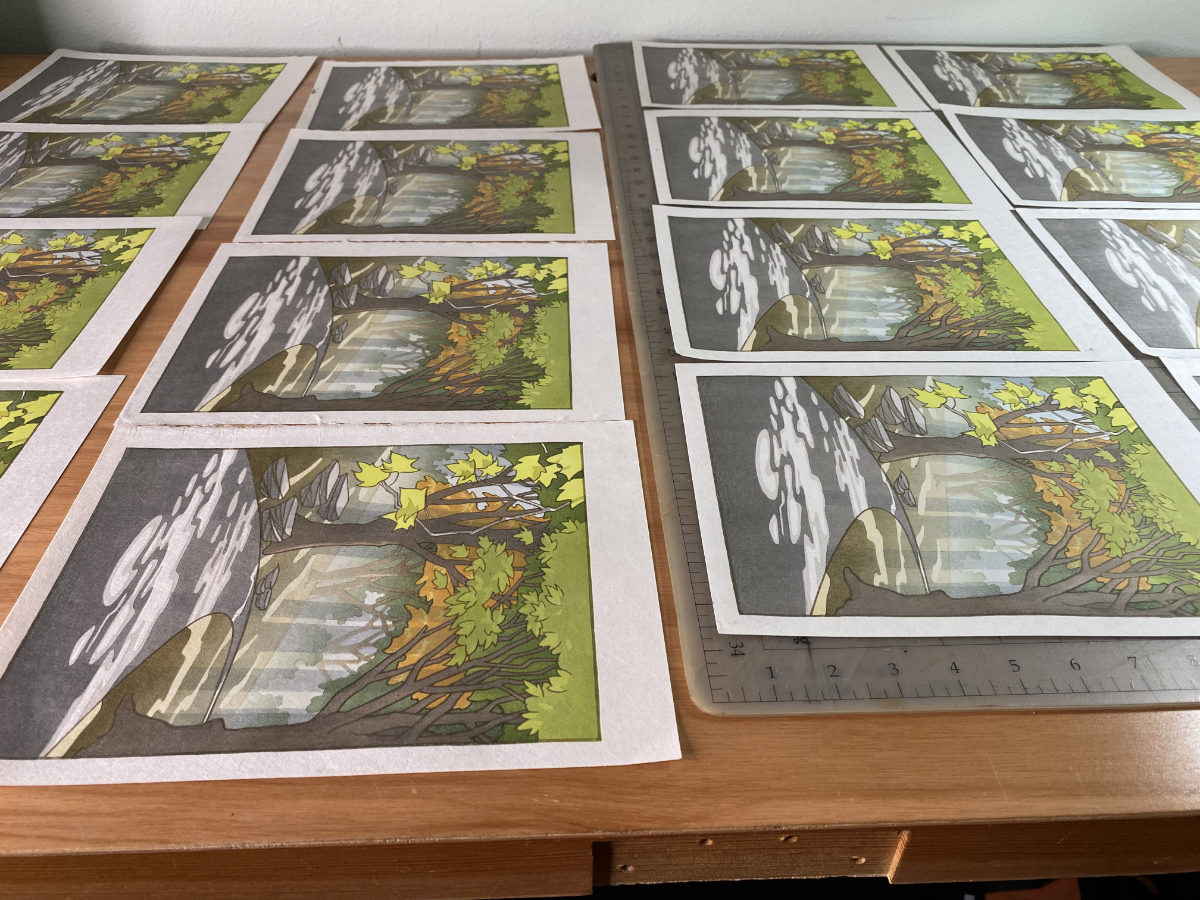
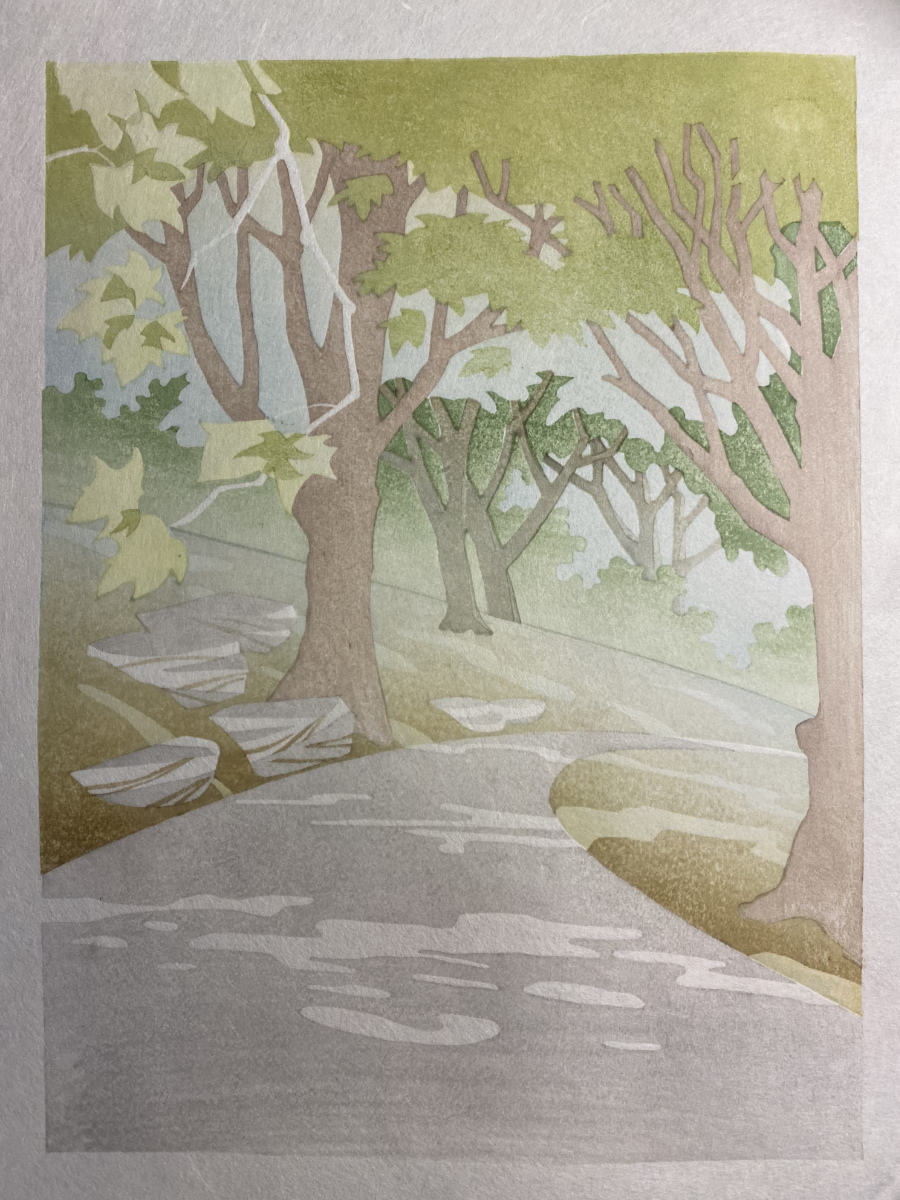
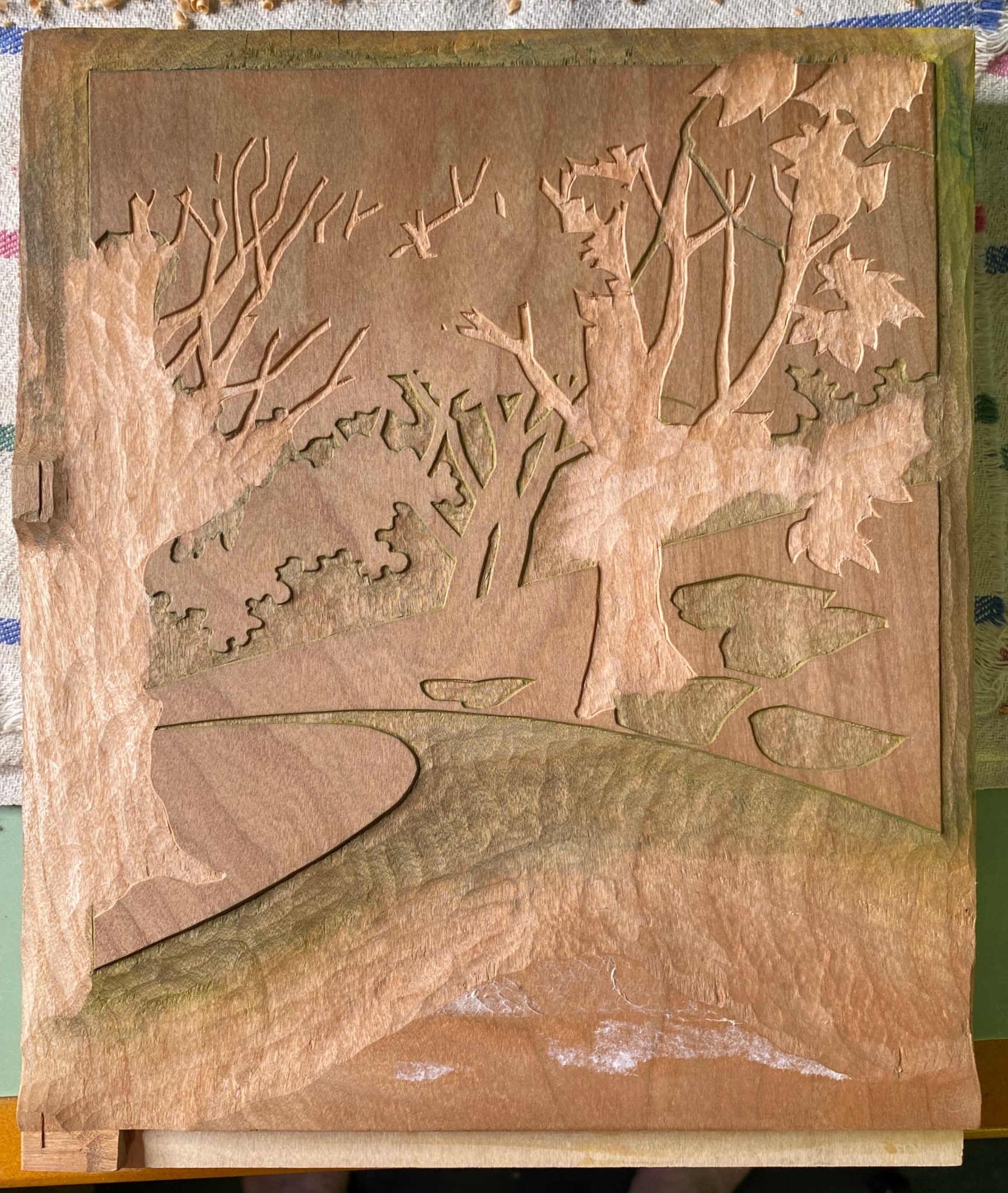
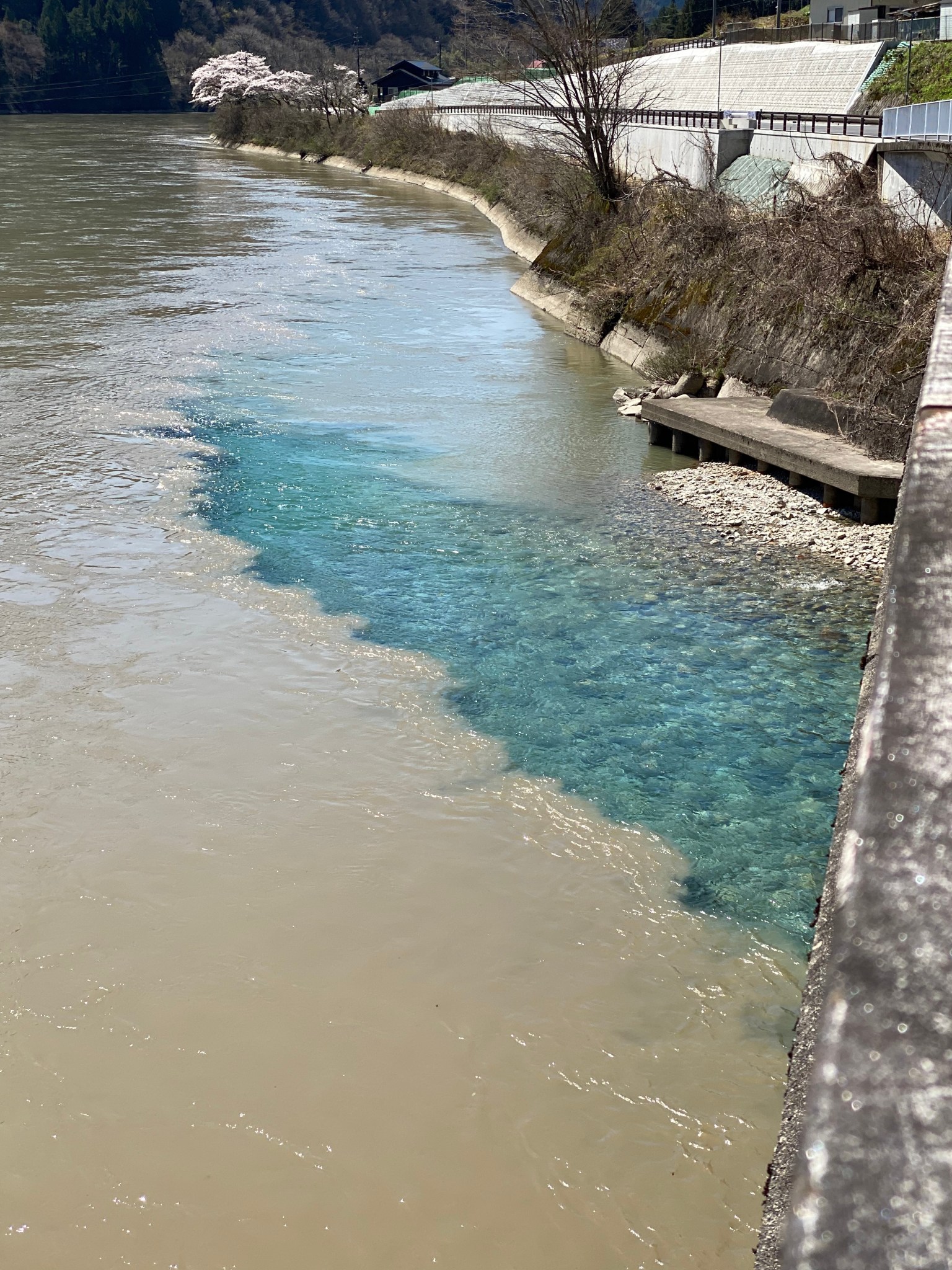
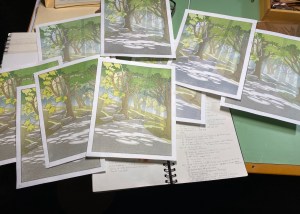
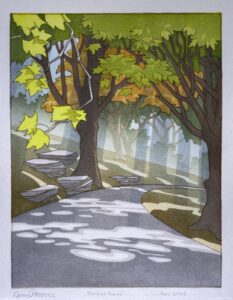
Karen Pittman is an American mokuhanga printmaker based in Austin, Texas, whose practice — documented on her long-running studio blog Vivid Laboratories — has developed within the orbit of the contemporary Japanese woodblock revival in North America. She has not published a formal academic biography, and the bulk of what can be said about her training comes from her own writing and from an extended interview on Andre Zadorozny's mokuhanga podcast The Unfinished Print. By her own account she was introduced to printmaking informally by her mother Katherine Pittman, a lifelong working artist who supported herself through painting, drawing, calligraphy, and teaching; the conversational instruction in color and perspective that Karen received as a child is a recurring touchstone in her studio writing. She came to mokuhanga specifically through the American printmaker Annie Bissett, and then deepened her technical training through a period working with the printmaker David Bull at Mokuhankan in Asakusa, Tokyo. Mokuhankan, the publishing house and workshop Bull founded, has functioned over the past decade as one of the most important informal training environments for non-Japanese mokuhanga practitioners, and Pittman is among the group of printmakers whose technique was shaped there before returning to a U.S. studio. Her work has been shown internationally through the International Mokuhanga Conference: she was selected for the Americas regional exhibition at the 2024 conference in Echizen, Fukui Prefecture, which constitutes her highest-profile juried recognition to date. She has also exhibited locally through PrintAustin, the Austin printmaking organization, and continues to publish process documentation through Vivid Laboratories, where she discusses individual editions block by block. Her major projects to date are landscape-driven mokuhanga prints in the multi-block, multi-impression mode characteristic of the contemporary revival. Forest Rays, completed in January 2023, was printed from seven blocks (six self-cut cherry plywood, one shina plywood) carrying nineteen printable areas and required twenty-five impressions per finished print to register the dappled light of a humid forest interior. By Starlight (2019) and Balcones Canyonlands are earlier prints; April Torrent (2026) draws on the Atera River near Nojiri in Nagano Prefecture, Japan. Alongside the mokuhanga practice she makes traditional Japanese temari (decorative thread-wound balls), which she treats as a parallel discipline within the same studio. Pittman's work has not yet entered named museum collections, and the standard biographical apparatus — birth year, formal art-school training, prizes — is not part of her public record. She is best understood as one of the American mokuhanga makers whose practice was shaped by time at Mokuhankan and whose profile is being built through the IMC juried exhibitions and the dense online community of process blogs and podcasts that has grown around the medium since the early 2010s.
Key Facts
- Nationality
- 🇺🇸United States
- Movement
- Contemporary Mokuhanga
- Works Indexed
- 39
Frequently Asked Questions
Karen Pittman is an American mokuhanga printmaker based in Austin, Texas, whose practice — documented on her long-running studio blog Vivid Laboratories — has developed within the orbit of the contemporary Japanese woodblock revival in North America. She has not published a formal academic biography, and the bulk of what can be said about her training comes from her own writing and from an extended interview on Andre Zadorozny's mokuhanga podcast The Unfinished Print. By her own account she was introduced to printmaking informally by her mother Katherine Pittman, a lifelong working artist who supported herself through painting, drawing, calligraphy, and teaching; the conversational instruction in color and perspective that Karen received as a child is a recurring touchstone in her studio writing. She came to mokuhanga specifically through the American printmaker Annie Bissett, and then deepened her technical training through a period working with the printmaker David Bull at Mokuhankan in Asakusa, Tokyo. Mokuhankan, the publishing house and workshop Bull founded, has functioned over the past decade as one of the most important informal training environments for non-Japanese mokuhanga practitioners, and Pittman is among the group of printmakers whose technique was shaped there before returning to a U.S. studio. Her work has been shown internationally through the International Mokuhanga Conference: she was selected for the Americas regional exhibition at the 2024 conference in Echizen, Fukui Prefecture, which constitutes her highest-profile juried recognition to date. She has also exhibited locally through PrintAustin, the Austin printmaking organization, and continues to publish process documentation through Vivid Laboratories, where she discusses individual editions block by block. Her major projects to date are landscape-driven mokuhanga prints in the multi-block, multi-impression mode characteristic of the contemporary revival. Forest Rays, completed in January 2023, was printed from seven blocks (six self-cut cherry plywood, one shina plywood) carrying nineteen printable areas and required twenty-five impressions per finished print to register the dappled light of a humid forest interior. By Starlight (2019) and Balcones Canyonlands are earlier prints; April Torrent (2026) draws on the Atera River near Nojiri in Nagano Prefecture, Japan. Alongside the mokuhanga practice she makes traditional Japanese temari (decorative thread-wound balls), which she treats as a parallel discipline within the same studio. Pittman's work has not yet entered named museum collections, and the standard biographical apparatus — birth year, formal art-school training, prizes — is not part of her public record. She is best understood as one of the American mokuhanga makers whose practice was shaped by time at Mokuhankan and whose profile is being built through the IMC juried exhibitions and the dense online community of process blogs and podcasts that has grown around the medium since the early 2010s.
Karen Pittman's work was shaped by the Contemporary Mokuhanga tradition in Japanese woodblock printmaking. Contemporary Mokuhanga: Contemporary mokuhanga (literally "wood-block print") encompasses artists working from approximately 1970 to the present who continue or reinvent traditional Japanese woodblock printing techniques.