Biography
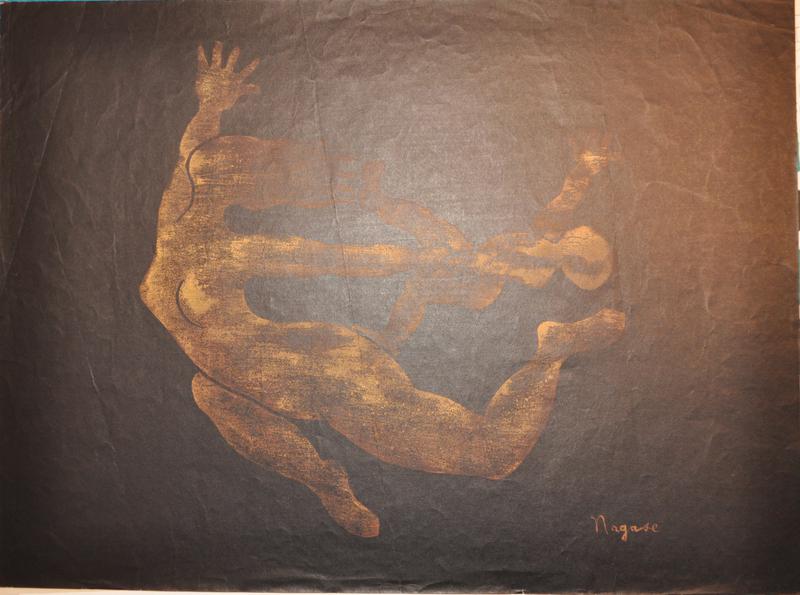
Nagase Yoshio (永瀬義郎, 1891–1978) was a founding father of the sosaku-hanga movement who co-established the Nihon Sosaku Hanga Kyokai in 1919, organizing one of the very first exhibitions of creative prints in Japan. Born in Ibaraki Prefecture, he studied Western painting, sculpture, and nihonga before publishing the influential manual To People Who Want to Make Prints in 1922, which spread woodblock techniques to aspiring printmakers across Japan. He lived in France from 1929 to 1936, exhibiting at the Salon d'Automne, and continued experimenting with print styles until his death.
Key Facts
- Active Period
- 1891–1978
- Nationality
- 🇯🇵Japan
- Movement
- Sōsaku-hanga
- Works Indexed
- 27
Frequently Asked Questions
Nagase Yoshio (永瀬義郎, 1891–1978) was a founding father of the sosaku-hanga movement who co-established the Nihon Sosaku Hanga Kyokai in 1919, organizing one of the very first exhibitions of creative prints in Japan. Born in Ibaraki Prefecture, he studied Western painting, sculpture, and nihonga before publishing the influential manual To People Who Want to Make Prints in 1922, which spread woodblock techniques to aspiring printmakers across Japan. He lived in France from 1929 to 1936, exhibiting at the Salon d'Automne, and continued experimenting with print styles until his death.
Nagase Yoshio was active from 1891 to 1978. They were associated with the Sōsaku-hanga movement.
Nagase Yoshio's work was shaped by the Sōsaku-hanga tradition in Japanese woodblock printmaking. Sōsaku-hanga: ## What is sōsaku-hanga? Sōsaku-hanga (創作版画, "creative prints") was a twentieth-century Japanese print movement defined by a single commitment: the artist must design, carve, and print every work alone.
Original prints by Nagase Yoshio can be found in collections including wbp, Minneapolis Institute of Art, Art of Japan, ukiyo-e.org.