Sōsaku-hanga
創作版画
The "Creative Prints" movement
c. 1905–1980
About Sōsaku-hanga
What is sōsaku-hanga?
Sōsaku-hanga (創作版画, "creative prints") was a twentieth-century Japanese print movement defined by a single commitment: the artist must design, carve, and print every work alone. Beginning with Kanae Yamamoto's 1904 self-cut block *Gyofu* (Fisherman) and continuing through the post-war decades, it rejected the publisher-driven ukiyo-e workshop — in which separate eshi, horishi, and surishi divided the labor of designing, carving, and printing — in favor of the moku-hanga print as the unmediated expression of one hand. The result was a body of work closer in spirit to mid-century painting than to the Edo commercial tradition that preceded it.
Historical context
The usual origin point is 1904, when Kanae Yamamoto — a woodblock-trained illustrator who had also studied Western oil painting at the Tokyo School of Fine Arts — published *Gyofu* in the literary journal *Myōjō*. The print, a small fisherman with the artist's distinctive self-carved line, is conventionally treated as the first Japanese print in which the designer also held the knife and the baren. It was a deliberate inversion of the ukiyo-e division of labor, aligning Japanese woodblock practice with the European etching tradition Yamamoto encountered through reproductions of Käthe Kollwitz, Edvard Munch, and the French Nabis.
Yamamoto travelled to France from 1912 to 1916, absorbed the Parisian avant-garde, and on his return co-founded the Nihon Sōsaku-Hanga Kyōkai (Japanese Creative Print Association) in 1918 with Onchi Kōshirō, fixing the term *sōsaku-hanga* and the *jiga jikoku jizuri* principle as the movement's banner. Where the contemporaneous shin-hanga movement led by publisher Watanabe Shōzaburō revived a refined Edo aesthetic for foreign collectors, sōsaku-hanga positioned itself as the modernist counter-current, more interested in Munch than in Hokusai.
Pre-war reception was modest. The international breakthrough came after 1945: at the 1951 São Paulo Biennale, Saitō Kiyoshi shared the print prize — the first major international award to a Japanese printmaker — and in 1956 Shikō Munakata won the Grand Prize for prints at the Venice Biennale. Munakata received the Order of Culture in 1970. American officials, expatriate dealers, and collectors such as James Michener carried the work to the United States, where the Smithsonian, the Library of Congress, and the Museum of Fine Arts, Boston built the holdings that anchor the scholarship today.
The *jiga jikoku jizuri* principle
The movement's ideology reduces to four characters and three verbs. *Jiga jikoku jizuri* (自画自刻自摺) — self-drawn, self-carved, self-printed — meant the printmaker was responsible for every stage from the hanshita-e (the carving guide) through the cutting of the key and color blocks to the final impression on washi. The publisher (hanmoto), professional carver, and printer were all eliminated. What remained was the artist alone in front of the block.
The consequences were significant. Editions shrank from the thousands typical of commercial nishiki-e to fifty, one hundred, or two hundred impressions. Surfaces grew more individual: knife marks were left visible, the mokume grain of the sakura plank (or plywood and shina) was deliberately exposed, and printing pressure varied in ways a workshop surishi would have corrected.
The principle was always more programmatic than absolute. Onchi Kōshirō had assistants pull his layered prints after his eyesight failed; Saitō Kiyoshi's later *Winter in Aizu* editions involved studio printers. But the moral framework remained: a sōsaku-hanga print, even with workshop assistance, was the artist's authored act, not a publisher's commission.
Key artists
The movement's center of gravity sits with figures who matured between the wars and reached fullest expression after 1945. Kanae Yamamoto, the originator, also drove the Farmers' Art Movement of the 1920s. Onchi Kōshirō, trained as a graphic designer and book illustrator, became the movement's most theoretically ambitious member: his abstract prints of the 1930s and 1940s — some assembled from found objects pressed alongside carved blocks — anticipate Western post-war abstraction by a decade.

Hiratsuka Un'ichi — who studied carving with the traditional horishi Igami Bonkotsu — became the movement's pedagogue, teaching at the Tokyo Fine Arts School from 1935 and living in Washington, DC, from 1962 until 1994. His black-line landscapes, often printed only with sumi on heavy hōshō, are among the most-collected sōsaku-hanga works in American museums. Shikō Munakata sits slightly apart: self-taught and devout, he treated the woodblock as a Buddhist medium and signed himself *hangaman* ("print-doer") rather than artist. The 1956 Venice Grand Prize made him the most internationally visible Japanese printmaker of his generation.
Saitō Kiyoshi's *Winter in Aizu* series presents thatched farmhouses under snow in nearly graphic-design simplifications; he was the first international prizewinner and the figure whose work most decisively crossed into the post-war American market. Umetarō Azechi brought a folk-art idiom and a lifelong subject in mountaineering; Jun'ichirō Sekino produced portrait series and a *Fifty-Three Stations of the Tōkaidō* in dialogue with Hiroshige; Hagiwara Hideo and Hodaka Yoshida — the latter a son of the Hiroshi Yoshida atelier — pushed the medium toward photomechanical and collaged techniques that mark the bridge into contemporary mokuhanga. Fumio Kitaoka, Oda Kazuma, and Tomikichirō Tokuriki round out the central group.

Subject matter and aesthetic
No single subject defines sōsaku-hanga, itself a meaningful difference from ukiyo-e. The Edo movement organized itself around legible genres — bijin-ga, yakusha-e, musha-e, meisho-e, shunga — that publishers used to segment a commercial market. Sōsaku-hanga, freed from those pressures, ranged across abstraction, folk subjects, religious iconography, urban modernism, and pure landscape.
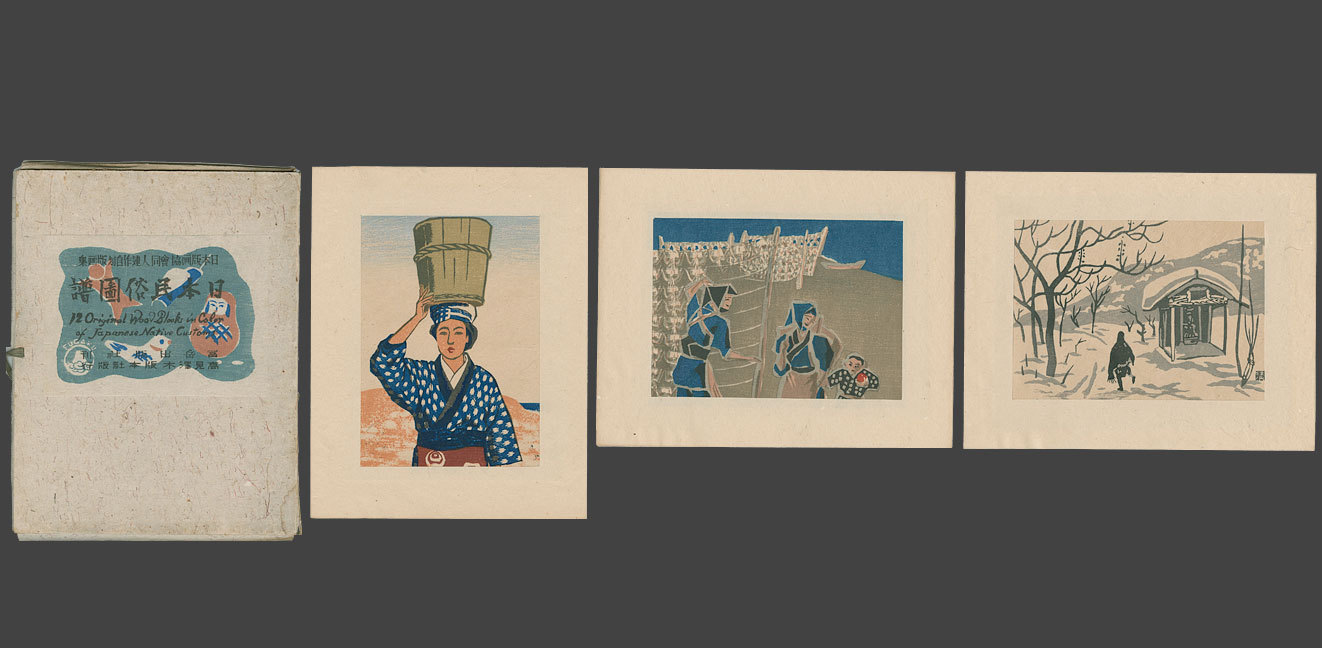
Four tendencies recur. The first is the Western-influenced modernism of Onchi Kōshirō's abstract compositions, in which carved wood, found objects, and layered color produce surfaces without pictorial reference. The second is folk and regional subject matter — Saitō Kiyoshi's Aizu villages, Umetarō Azechi's mountaineers — treating vernacular Japan as a counter to both Tokyo cosmopolitanism and Edo nostalgia. The third is Buddhist and shamanic iconography, the territory of Shikō Munakata. The fourth, dominant after 1945, is graphic experimentation: collage, etched zinc plates alongside wood, photographic transfer, plywood substrates in place of sakura.

Techniques and materials
Materially, sōsaku-hanga remained within the moku-hanga tradition: the same sakura blocks (or, by the 1950s, katsura, shina, plywood); the same kentō registration notches; the same horsehair-and-bamboo baren; the same washi papers — kōzo, gampi, and mitsumata sheets sized with dōsa-biki to control ink absorption.
The break was conceptual. Where the shin-hanga workshop refined the inherited nishiki-e palette and pushed bokashi gradation, karazuri blind embossing, and kirazuri mica printing to new levels of finish, sōsaku-hanga artists deliberately roughened the surface. Mokume was exposed rather than sanded out; sumi was used at full strength rather than thinned for atmospheric effect. Hagiwara Hideo pioneered burning, sanding, and abrading of blocks to produce textures no professional horishi would have allowed. Onchi's later work incorporated nunomezuri cloth-impression and pressed lace, leaf, and string textures alongside conventional block printing. Kappazuri stencil, etching, lithography, and silkscreen all appear in mid-century output, especially after 1955.
The Ichimoku-kai and other clubs
The movement's social form was the print club. Onchi Kōshirō's Ichimoku-kai (First Thursday Society), founded in 1939 and active until his death in 1955, met weekly at his Tokyo studio. Members — Saitō Kiyoshi, Sekino Jun'ichirō, Azechi Umetarō, Kitaoka Fumio, and a rotating cast — brought new prints for criticism, exchanged blocks and pigments, and assembled hand-bound subscription portfolios distributing each member's annual output. The wartime portfolios, produced under paper rationing and air-raid blackouts, remain among the most-prized sōsaku-hanga objects. Other clubs — the Yōfū Hanga Kyōkai, the Zōkei Hanga Kyōkai, and regional groups in Kyoto, Osaka, and Nagoya — followed similar patterns; the subscription portfolio was the principal sales channel through the 1940s.
How to identify a sōsaku-hanga print
Four features distinguish a sōsaku-hanga print from its shin-hanga and ukiyo-e counterparts. First, the signature: a single penciled signature in the lower margin, usually in Romanized form alongside the title, rather than the multiple seal marks (artist, publisher, censor) of an Edo ichimai-e. A red hanko seal often accompanies it, but the publisher's hanmoto cartouche is absent.
Second, the edition number: most prints are penciled with a fraction (e.g., 23/100) within a fixed edition, typically fifty to two hundred. Shin-hanga prints were almost never numbered, and Edo nishiki-e editions were open-ended. Third, the paper and surface: sheets are often larger than Edo ōban standard, frequently on heavy hōshō, and show visible mokume wood-grain; the verso typically shows pigment offsetting from baren pressure. Fourth, the iconography: a 1950s Aizu farmhouse, an abstract composition, or a Buddhist figure in sweeping black-line carving — none of these subjects existed in the Edo or shin-hanga catalogues.
Buying and collecting
Editions are smaller than shin-hanga — fifty to two hundred against shin-hanga's two hundred to several hundred — so per-print rarity is higher. The movement's lower profile against ukiyo-e name recognition and the polished surfaces of Kawase Hasui and Hashiguchi Goyō keeps prices for second-tier artists accessible. A signed Saitō Kiyoshi *Winter in Aizu* sells for several thousand dollars at auction; a comparable Hagiwara Hideo or Sekino Jun'ichirō can be acquired for several hundred. Munakata's Buddhist subjects and Onchi's abstract portraits reach five figures.
Prefer impressions penciled, numbered, and sealed in the artist's lifetime — posthumous restrikes trade at substantial discounts. Examine mokume and the verso for evidence of hand-printing; offset reproductions are identifiable by flat, even ink coverage. Christie's, Bonhams, and the Japanese houses Mainichi, Shinwa, and Kanazawa hold dedicated sōsaku-hanga sales twice a year; Sebastian Izzard, the Egenolf Gallery, and the Ronin Gallery handle most of the American secondary trade.
Sōsaku-hanga vs. shin-hanga and ukiyo-e
The three traditions overlap in materials but differ in authorship. Ukiyo-e, the Edo commercial tradition from roughly 1660 to 1868, organized production around a publisher who commissioned an eshi (designer), employed a horishi (carver) and surishi (printer), and sold to a mass urban audience — Hokusai, Hiroshige, and Utamaro all worked this way.
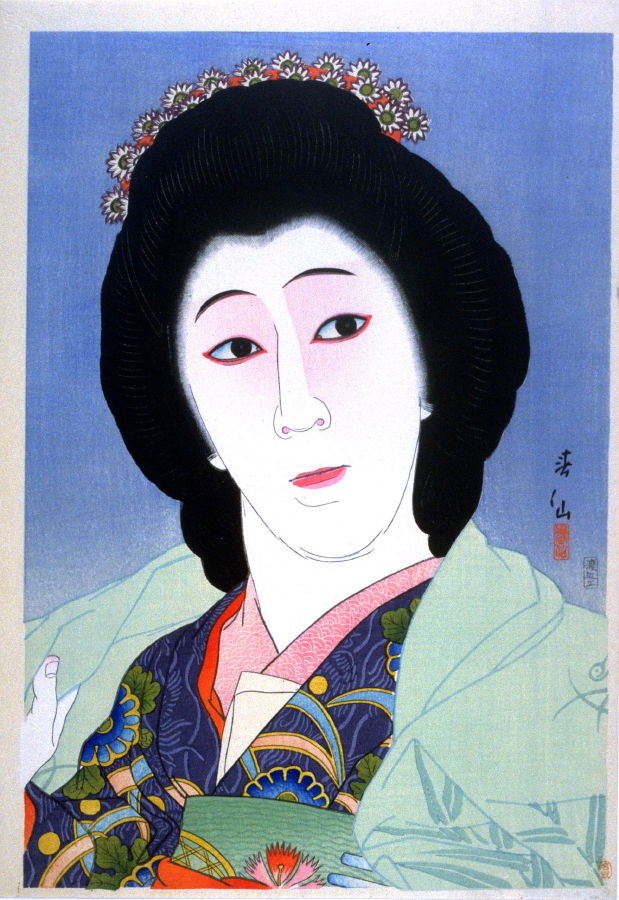
Shin-hanga, the early-twentieth-century revival led by publisher Watanabe Shōzaburō from about 1915, preserved the four-role workshop for a new audience: refined Edo techniques applied to landscapes for Kawase Hasui and Hiroshi Yoshida, bijin-ga for Itō Shinsui, kabuki portraits for Natori Shunsen. Editions were larger, prints unnumbered, surfaces highly polished. The What is shin-hanga? post sets out an extended comparison.
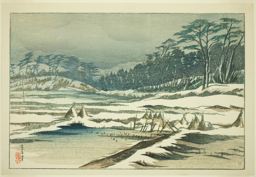
Sōsaku-hanga eliminated the publisher entirely. The artist took on all four roles. Editions were small, surfaces rougher, subjects unconstrained. The practical effect for a collector is that one visual impression — *this is a Japanese woodblock print of a snowy village* — can be the product of three different production systems and three price tiers. For broader background, see the Beginner's Guide to Ukiyo-e.
Where to see sōsaku-hanga today
The principal Japanese collection is the National Museum of Modern Art, Tokyo, which holds Onchi's working blocks and the largest body of his prints. The Munakata Shikō Memorial Hall in Aomori preserves the artist's studio archive; the Hiratsuka Un'ichi Print Museum in Suzaka, Nagano — opened by the artist before his return from Washington — holds his complete catalogue.
American holdings are unusually deep. The Smithsonian American Art Museum's Robert O. Muller collection — formed by the Connecticut collector who travelled to Japan repeatedly in the 1950s and 1960s — anchored the museum's 2021 exhibition *Cut + Paste: Works on Paper from the Robert O. Muller Collection*, the canonical recent survey. The Library of Congress holds Hiratsuka materials tied to his Washington residence. The Museum of Fine Arts, Boston, and the Art Institute of Chicago hold strong general collections; the Metropolitan Museum holds Onchi and Munakata in depth; Honolulu Museum of Art and the Achenbach Foundation at the de Young round out the major American repositories.
Frequently asked questions
When did the sōsaku-hanga movement begin and end?
The conventional starting point is 1904, when Kanae Yamamoto published *Gyofu* — the small fisherman generally treated as the first self-carved, self-printed Japanese modern print. The Nihon Sōsaku-Hanga Kyōkai's 1918 founding is sometimes used as an alternative origin. The movement has no clean end date; the original generation's deaths run from Onchi in 1955 through Hiratsuka in 1997, and the contemporary mokuhanga practice that succeeds it inherits the *jiga jikoku jizuri* principle without using the *sōsaku-hanga* label. Most scholarship treats 1904–1980 as the movement proper.
How is sōsaku-hanga different from shin-hanga?
The two were contemporaries — both took shape in the 1910s and matured in the 1920s — but understood the print medium in opposite ways. Shin-hanga, led by publisher Watanabe Shōzaburō, preserved the four-role ukiyo-e workshop (eshi, horishi, surishi, hanmoto) and applied it to modernized subjects for a foreign export market. Sōsaku-hanga eliminated every role except the artist's. Visually, shin-hanga prints are polished, atmospheric, and unnumbered; sōsaku-hanga prints are rougher, more graphic, and editioned. Hasui and Yoshida are the archetypal shin-hanga names; Onchi, Munakata, and Saitō the archetypal sōsaku-hanga ones.
Who is the most important sōsaku-hanga artist?
The two strongest candidates are Onchi Kōshirō and Shikō Munakata, for different reasons. Onchi is the movement's central theorist and most formally ambitious figure; his abstract compositions of the 1930s and 1940s anticipate post-war Western abstraction. Munakata is the most internationally visible, recipient of the 1956 Venice Grand Prize and the 1970 Order of Culture, and the artist whose Buddhist iconography most decisively expanded the medium beyond secular subjects. A serious collection would begin with both, then add Saitō Kiyoshi and Hiratsuka Un'ichi.
How can I tell an original sōsaku-hanga print from a reproduction?
Originals are hand-pulled and carry several physical tells: a penciled signature and edition number in the margin, an artist's red hanko seal, visible mokume wood-grain texture in the printed areas, and pigment offsetting visible on the verso from baren pressure. Reproductions — offset lithographs and photomechanical prints sold by museums and book publishers — show flat, mechanically even ink coverage, no grain transfer, no offset on the verso, and a printed (not penciled) signature or none at all. For high-value attributions, specialists at Mainichi, Christie's, and Bonhams examine washi fiber composition and kentō registration marks.
What should a beginning collector buy first?
The accessible entry point is a signed, numbered, lifetime impression by a second-tier artist — Tomikichirō Tokuriki, Umetarō Azechi, Fumio Kitaoka, or a small Hiratsuka Un'ichi — typically acquirable for a few hundred dollars from the major auction houses or established American dealers. The natural progression is into Saitō Kiyoshi's *Winter in Aizu*, Sekino Jun'ichirō's portraits, and eventually a small Onchi or Munakata. Buy from sellers who guarantee lifetime status in writing, examine the verso for offset and the paper for mokume, and prefer prints with intact margins — trimmed sheets lose substantial value.
Sōsaku-hanga Artists (125)
Doshun Mori
森道春
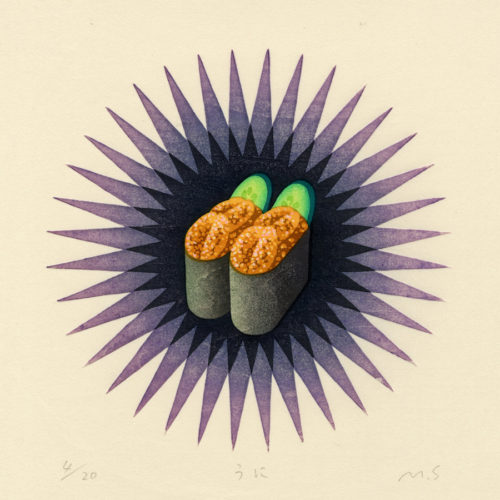
Shoji Miyamoto
宮本承司
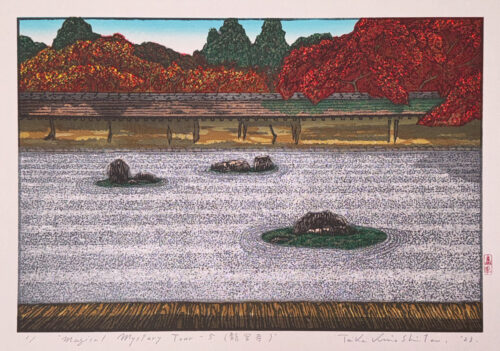
Taika Kinoshita
木下大化
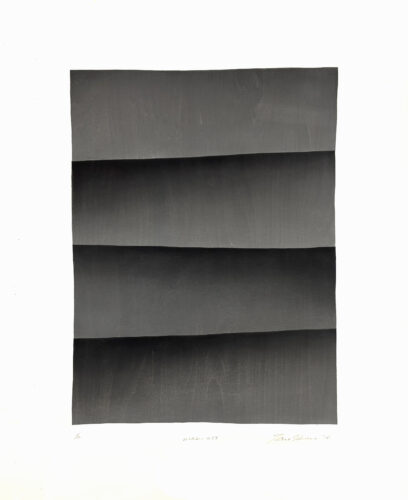
Tatsuo Ichien
一円達夫
Hayashi Kichizō
林吉造
Doi Eiichi
土井栄一
Endō Kyōzō
遠藤教三
Komai Genki
駒井源綺
Miyata Saburō
宮田三郎
Nakamura Naondo
中村猶人
Takahashi Tasaburō
高橋太三郎
Kondō Shiun
近藤紫雲
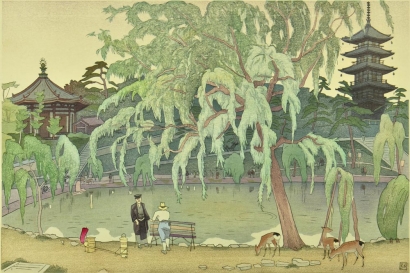
Hiromitsu Nakazawa
中沢弘光
1874–1964

Kosaka Gajin
上坂雅人
1877–1953
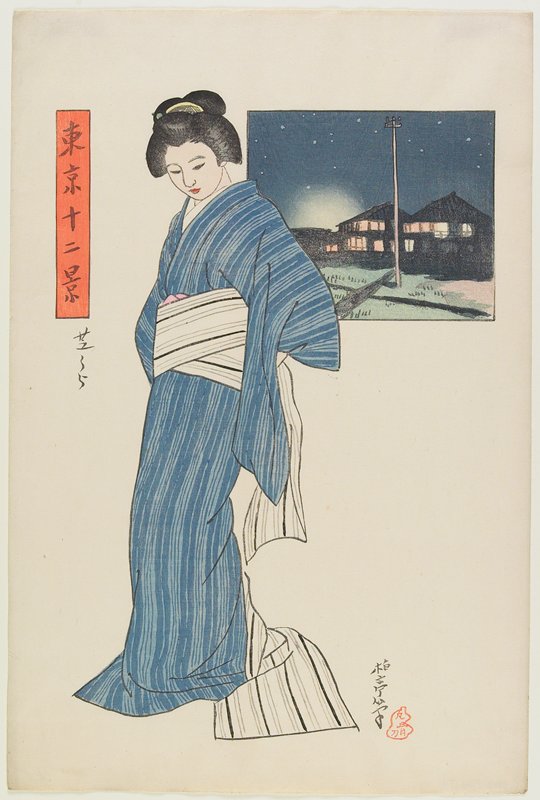
Ishii Hakutei
石井柏亭
1882–1958
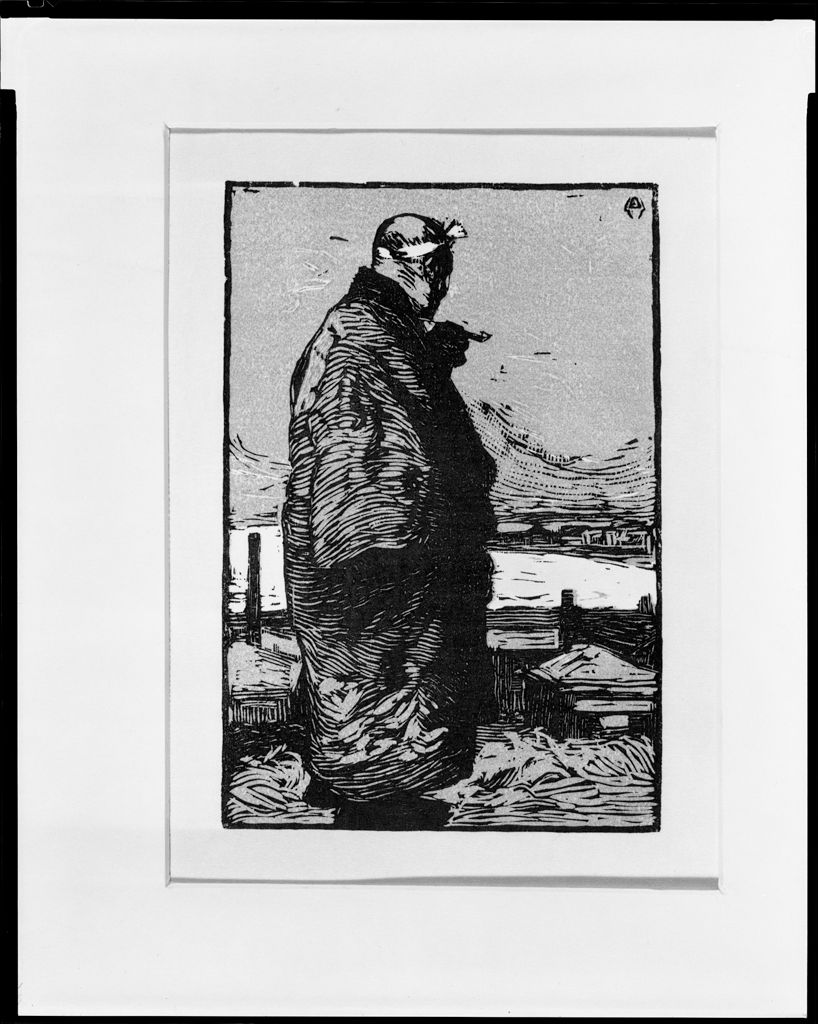
Kanae Yamamoto
山本鼎
1882–1946

Kogan Tobari
戸張孤雁
1882–1927

Oda Kazuma
織田一磨
1882–1956

Wada Sanzo
和田三造
1883–1967
Takeo Terasaki
寺崎武男
1883–1967
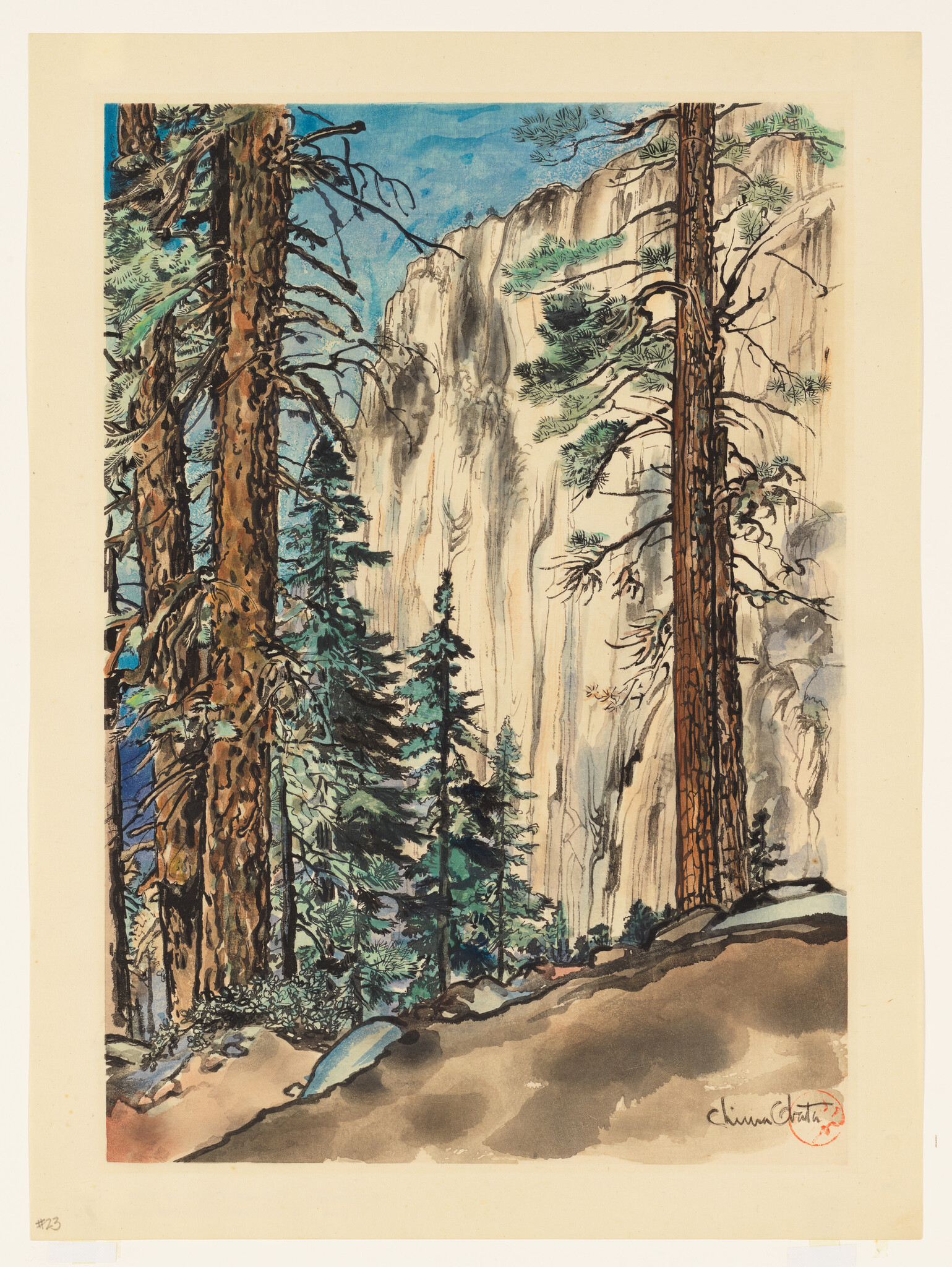
Obata Chiura
小圃千浦
1885–1975
Ishii Tsuruzō
石井鶴三
1887–1973

Shimizu Toshi
清水登之
1887–1945
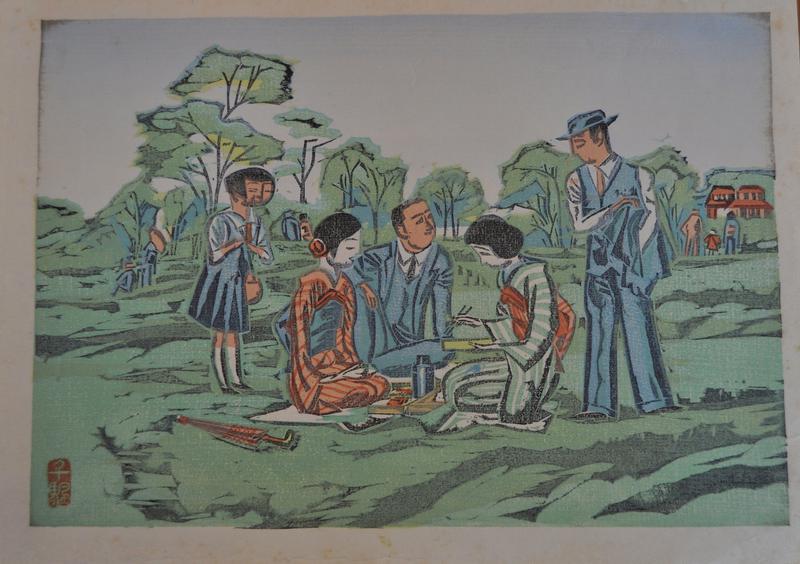
Maekawa Senpan
前川千帆
1888–1960

Manjirō Terauchi
寺内萬治郎
1890–1964
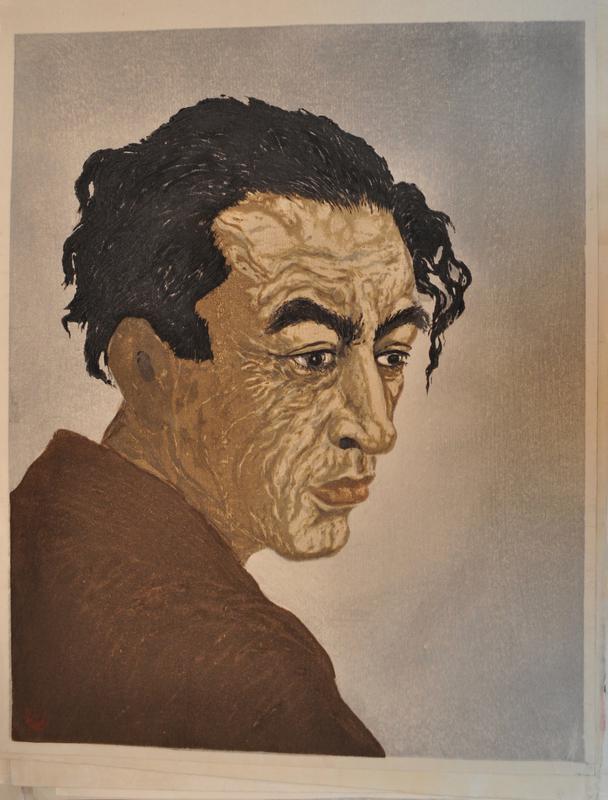
Onchi Koshiro
恩地孝四郎
1891–1955
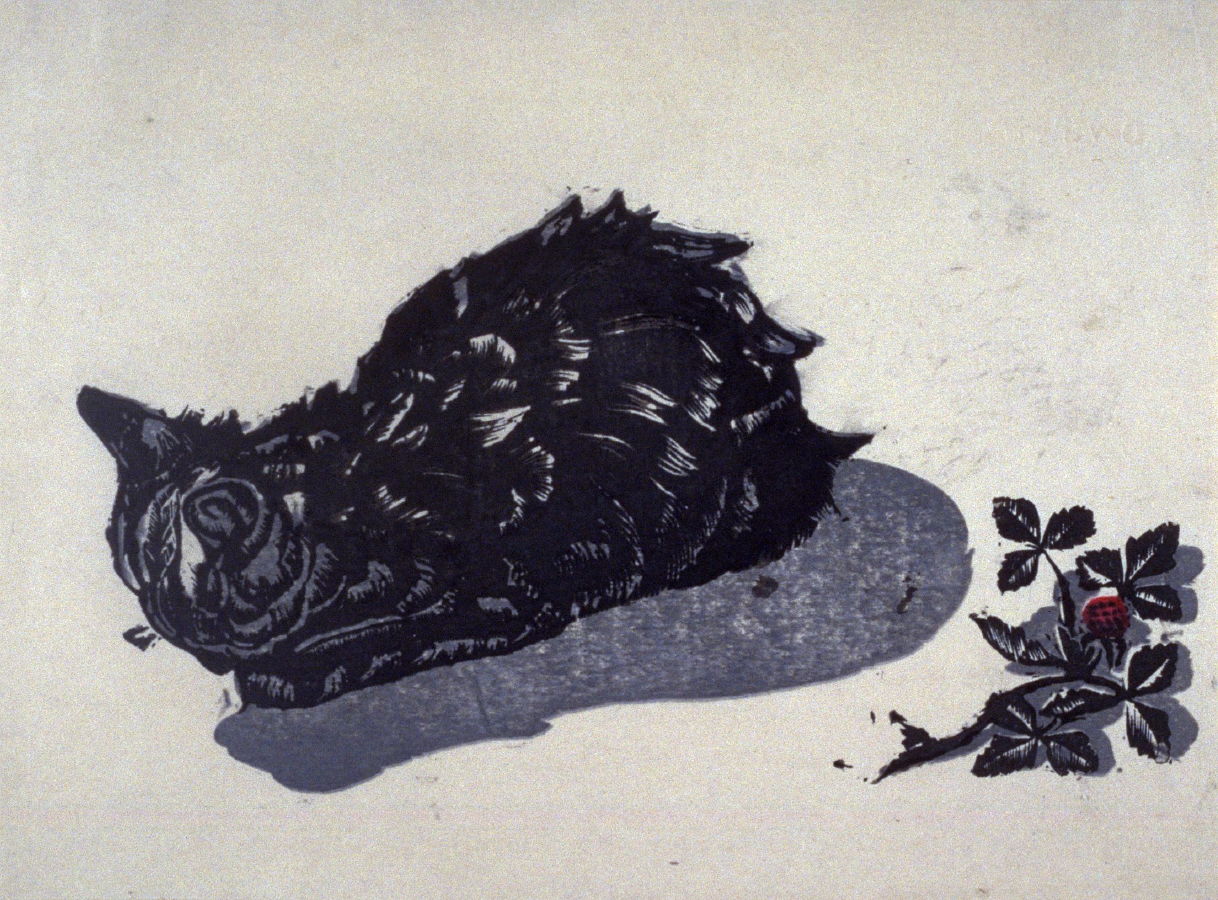
Fujimori Shizuo
藤森静雄
1891–1943
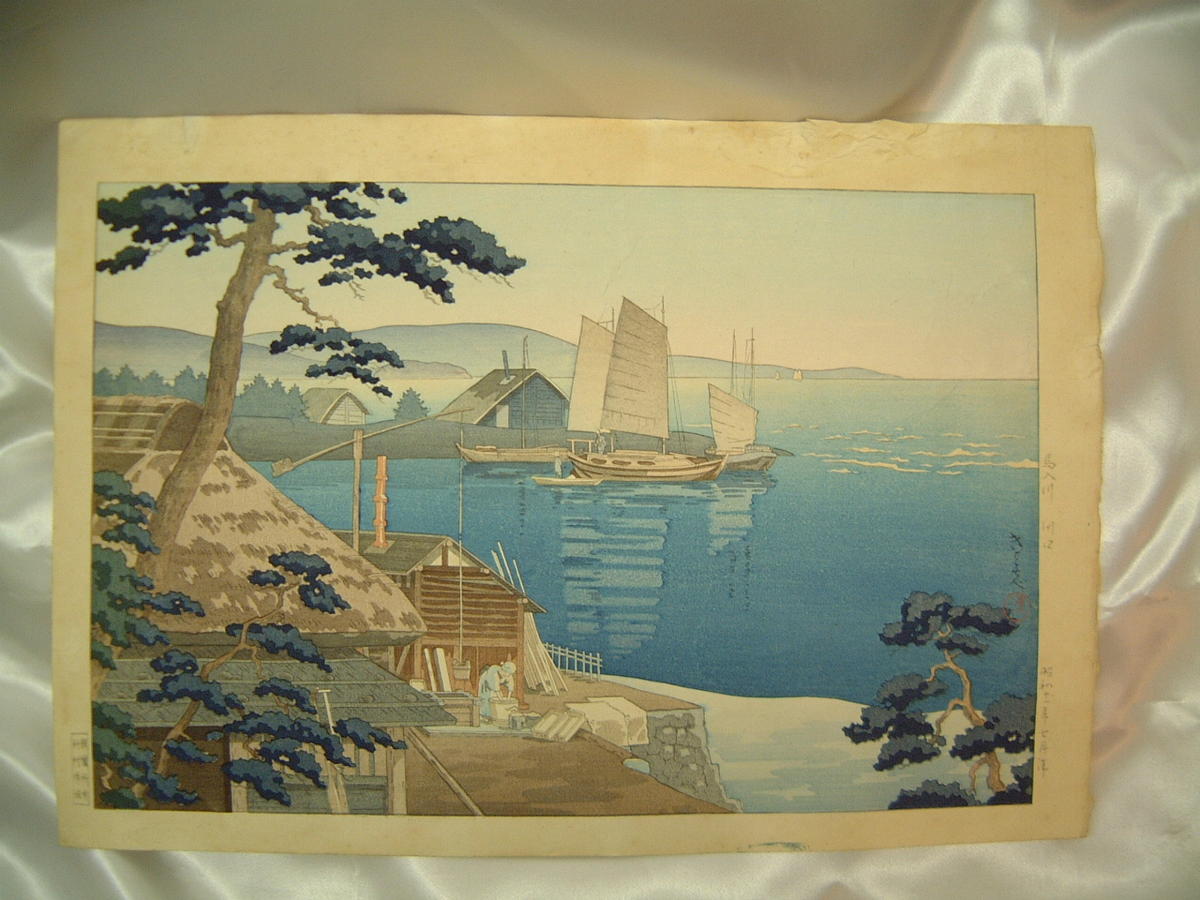
Kiyoshi Hasegawa
長谷川潔
1891–1980
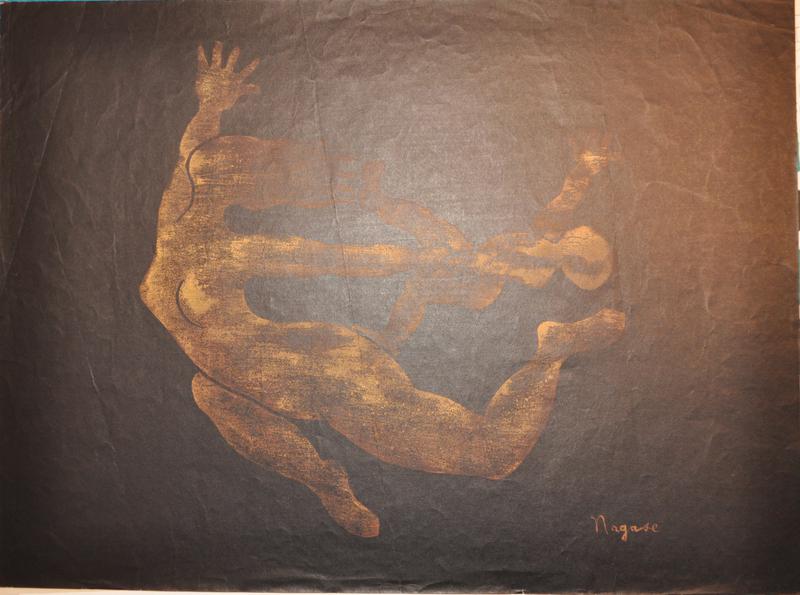
Nagase Yoshio
永瀬義郎
1891–1978

Kishio Koizumi
小泉癸巳男
1893–1945
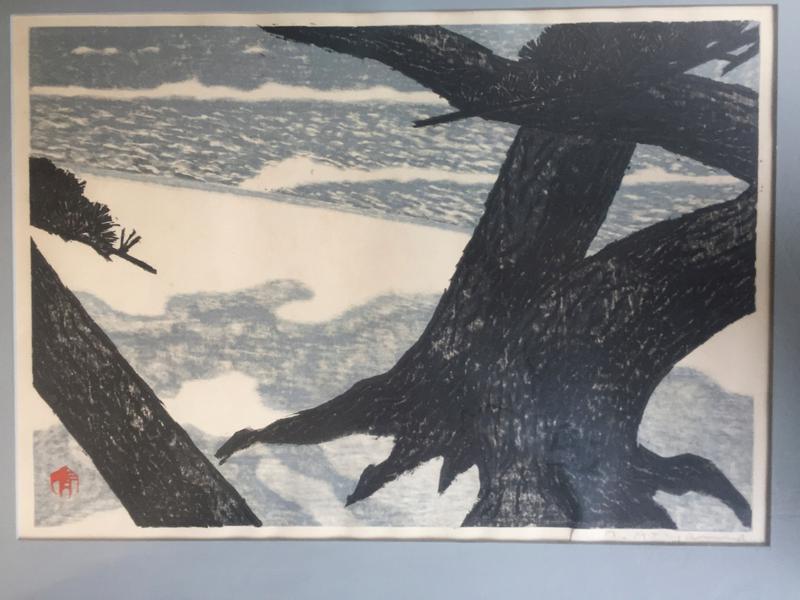
Aoyama Masaharu
青山正治
1893–1969

Kimura Shōhachi
木村荘八
1893–1958
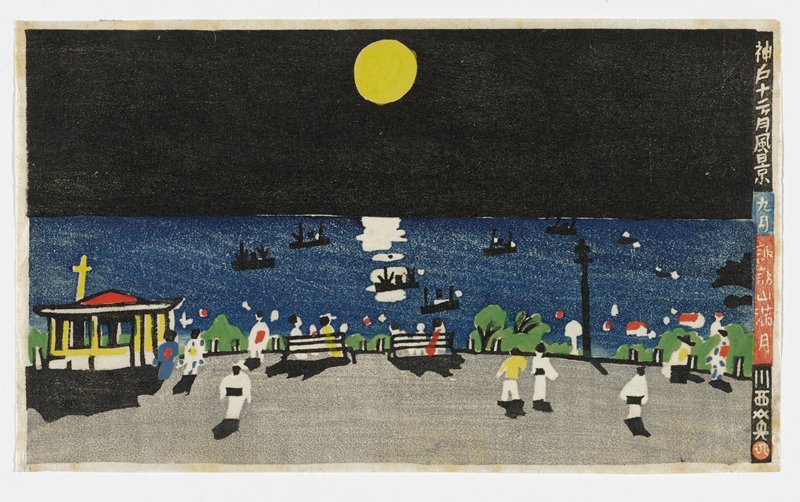
Hide Kawanishi
川西英
1894–1965
Takei Takeo
武井武雄
1894–1983
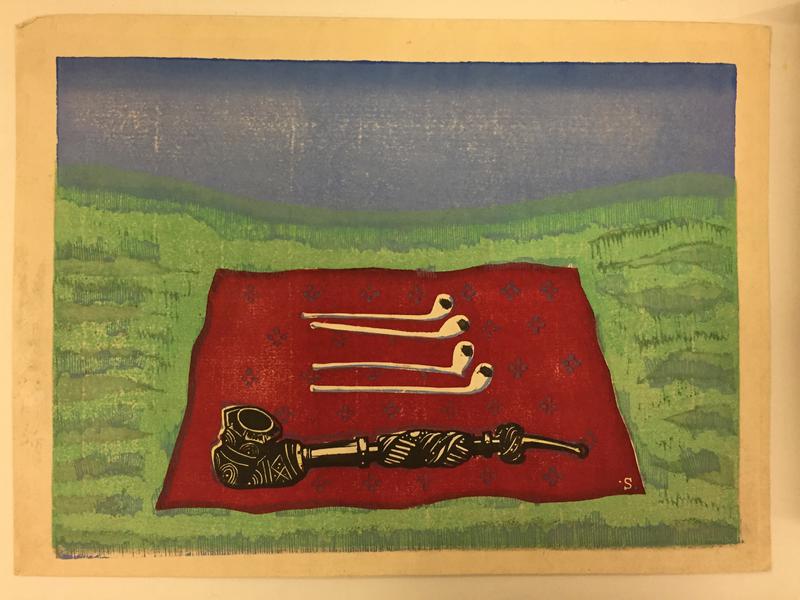
Sumio Kawakami
川上澄生
1895–1972
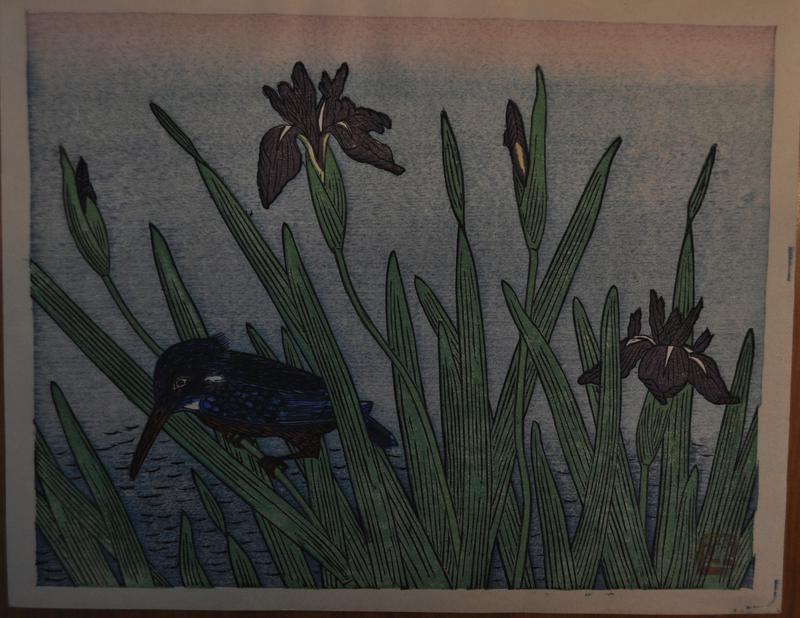
Hiratsuka Un'ichi
平塚運一
1895–1997

Henmi Takashi
逸見享
1895–1944

Sakuichi Fukazawa
深沢索一
1896–1947
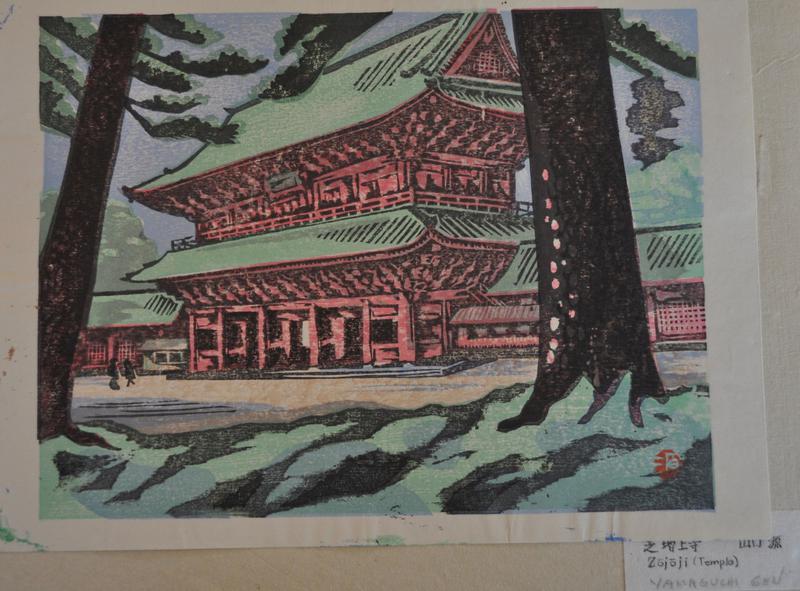
Gen Yamaguchi
山口源
1896–1976
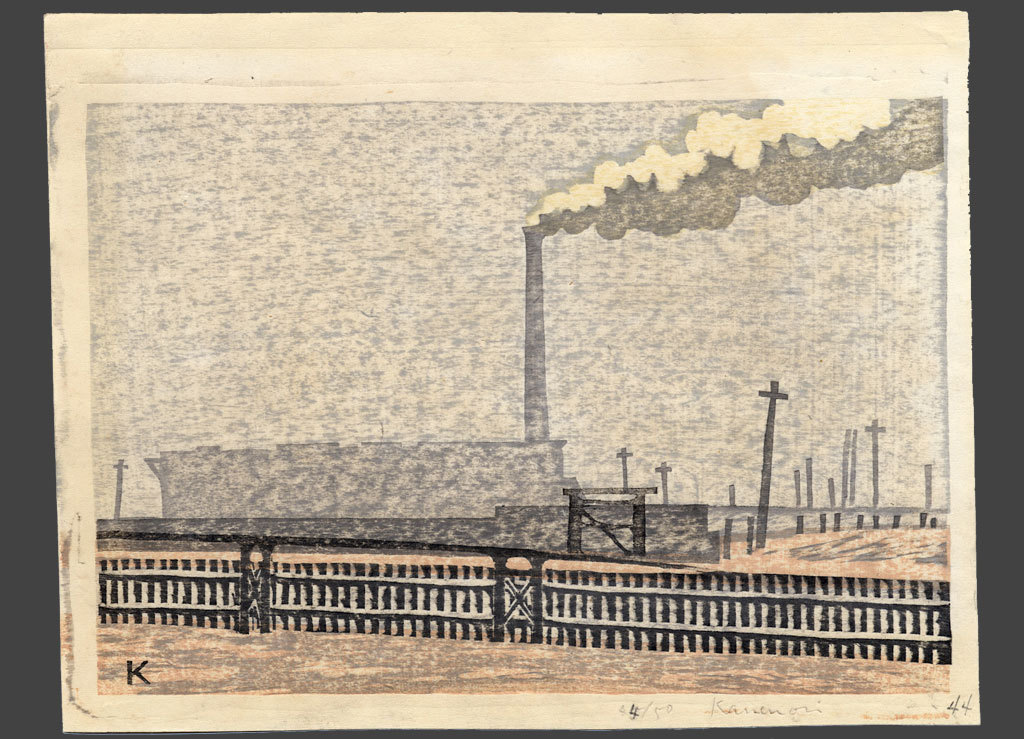
Kanenori Suwa
諏訪兼紀
1897–1932

Yamaguchi Susumu
山口進
1897–1983

Hatsuyama Shigeru
初山滋
1897–1973

Shiro Kasamatsu
笠松紫浪
1898–1991

Yoshitoshi Mori
森義利
1898–1992

Okiie Hashimoto
橋本興家
1899–1993
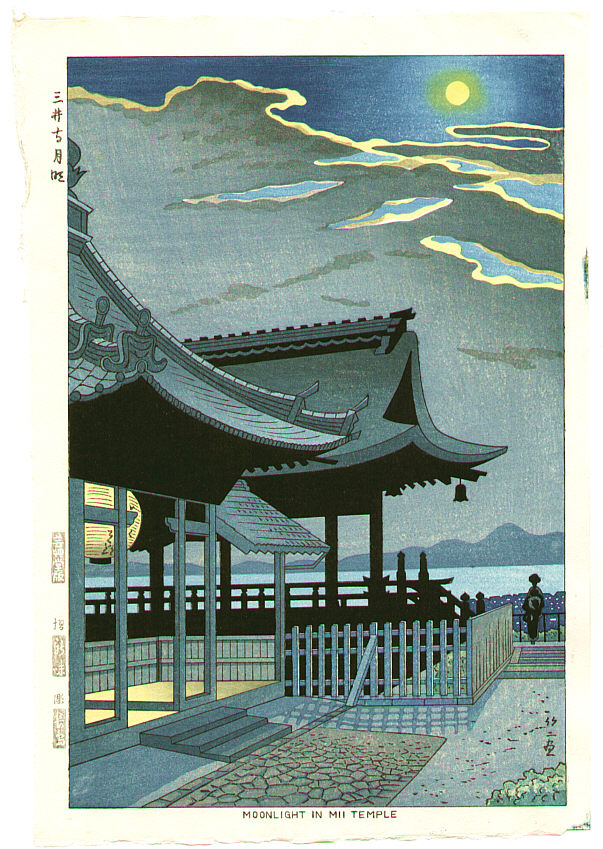
Takeji Asano
浅野竹二
1900–1999

Yanagase Keisuke
柳瀬正夢
1900–1945
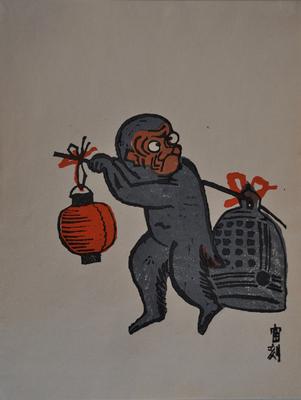
Tomikichiro Tokuriki
徳力富吉郎
1902–1999
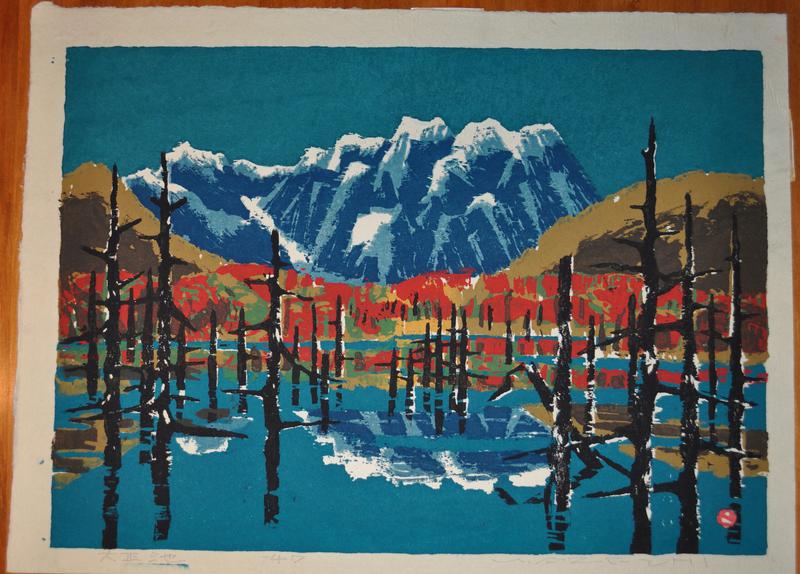
Umetaro Azechi
畦地梅太郎
1902–1999

Tomoo Inagaki
稲垣知雄
1902–1980
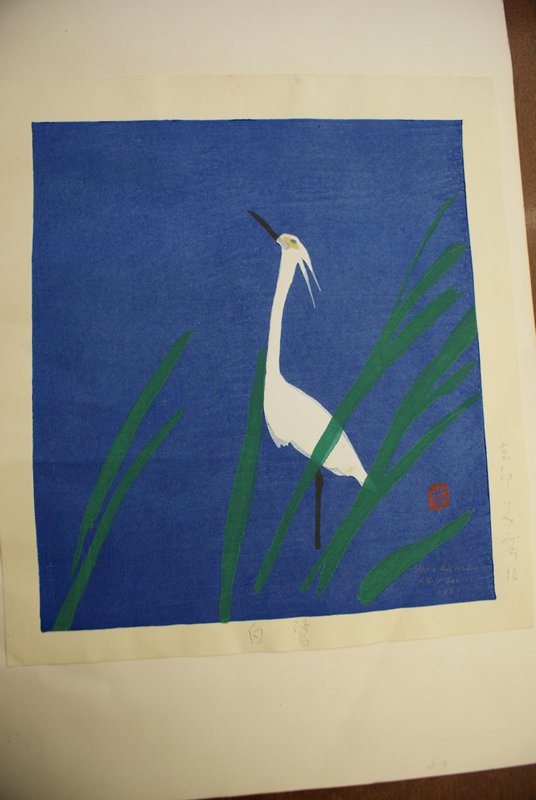
Inagaki Toshijiro
稲垣稔次郎
1902–1963
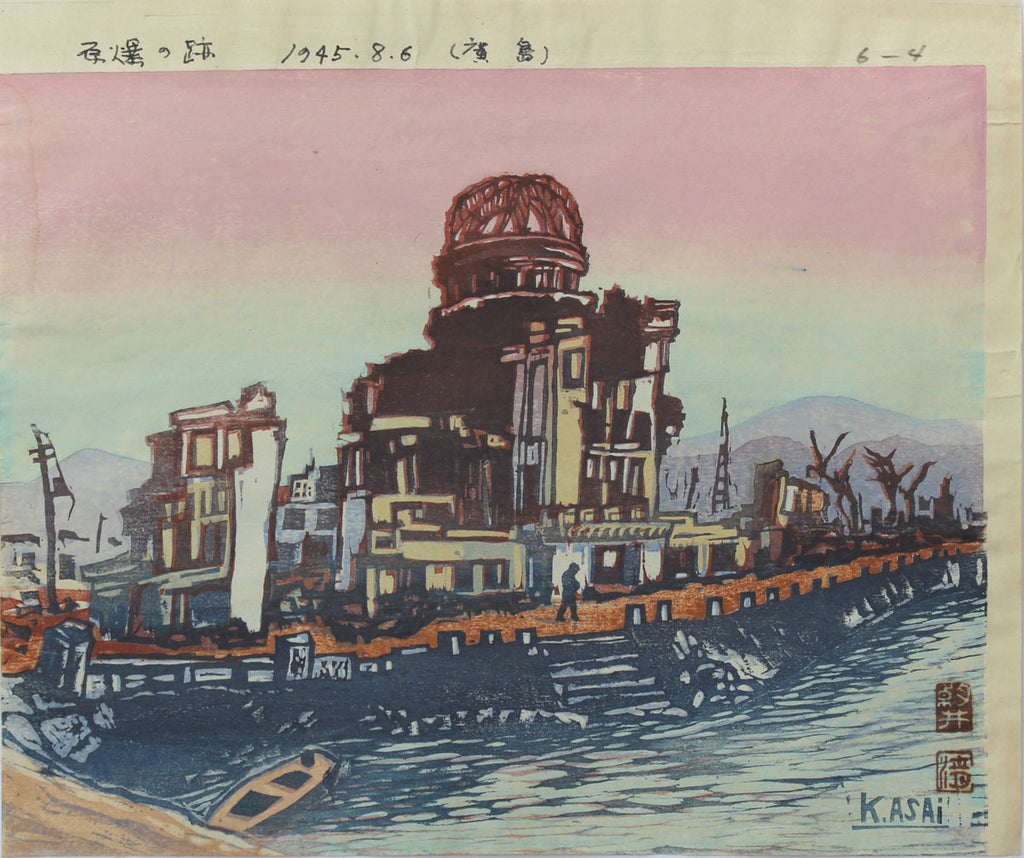
Asai Kiyoshi
朝井清
1902–1968
Shiko Munakata
棟方志功
1903–1975

Willy Seiler
1903–1997

Maeda Masao
前田政雄
1904–1974
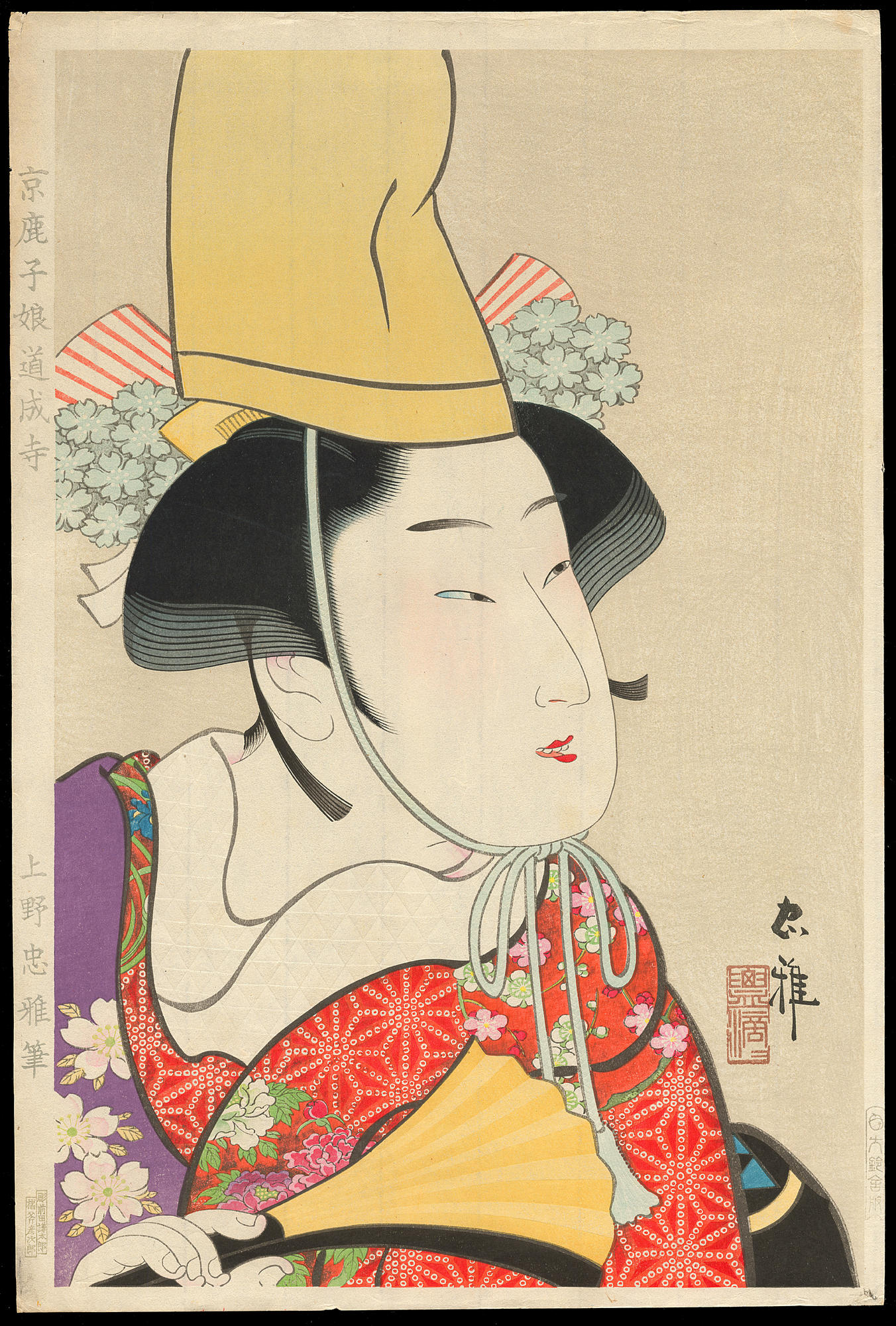
Ueno Tadamasa
上野忠雅
1904–1970
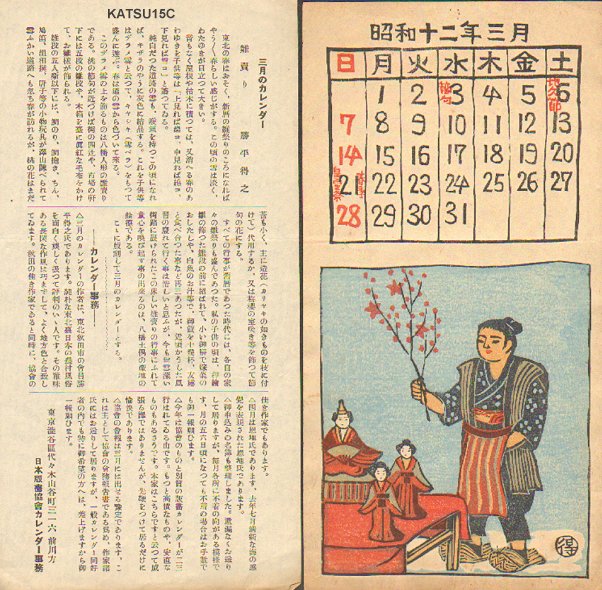
Katsuhira Tokushi
勝平得之
1904–1971
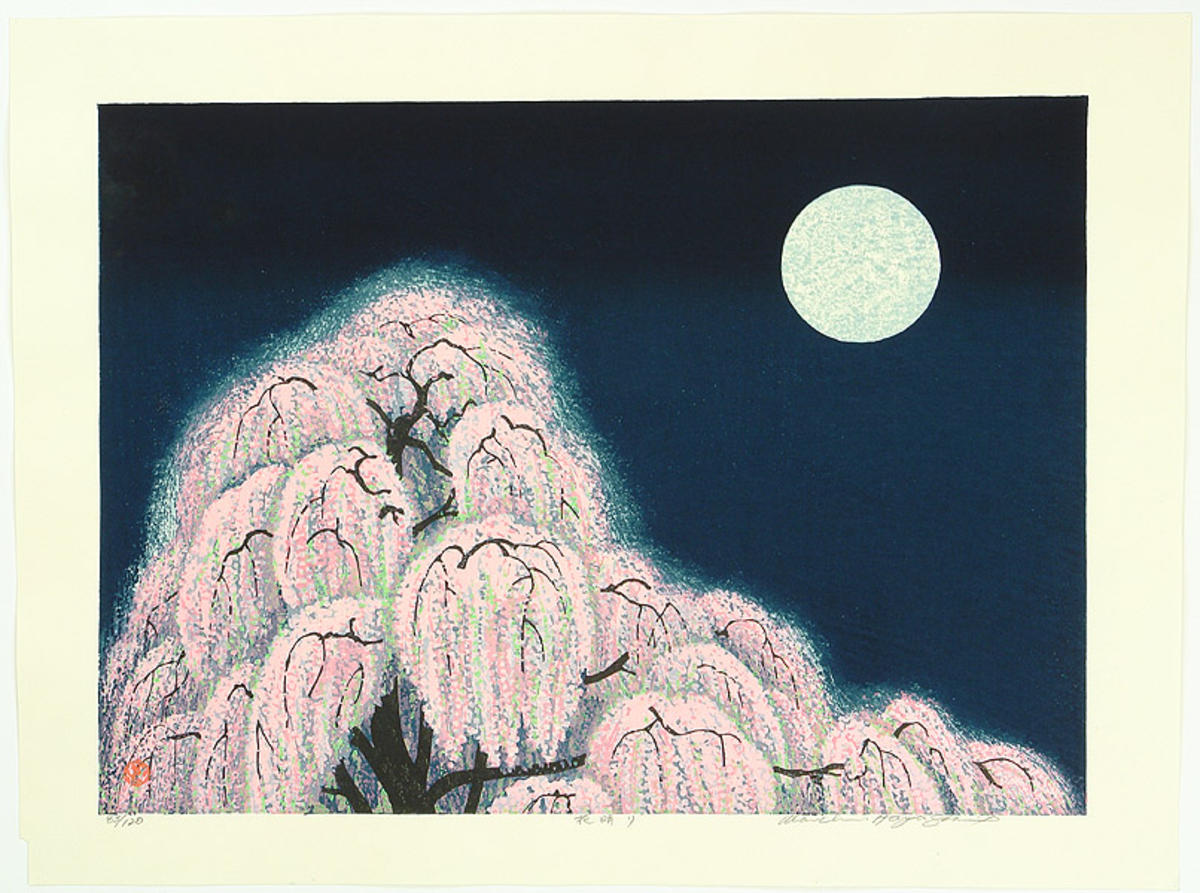
Waichi Hayashi
林和一
1905–1975
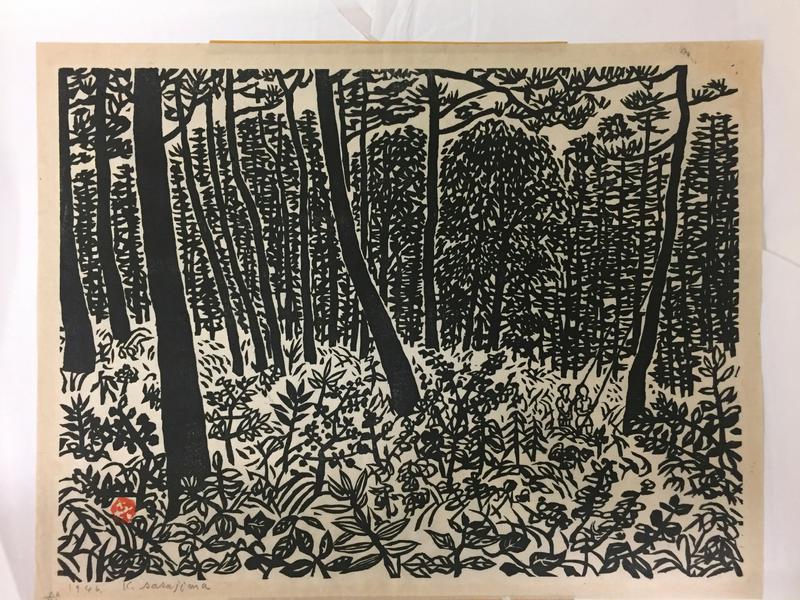
Kihei Sasajima
笹島喜平
1906–1993

Saito Kiyoshi
斎藤清
1907–1997

Gihachiro Okuyama
奥山儀八郎
1907–1981
Edward Millman
1907–1964
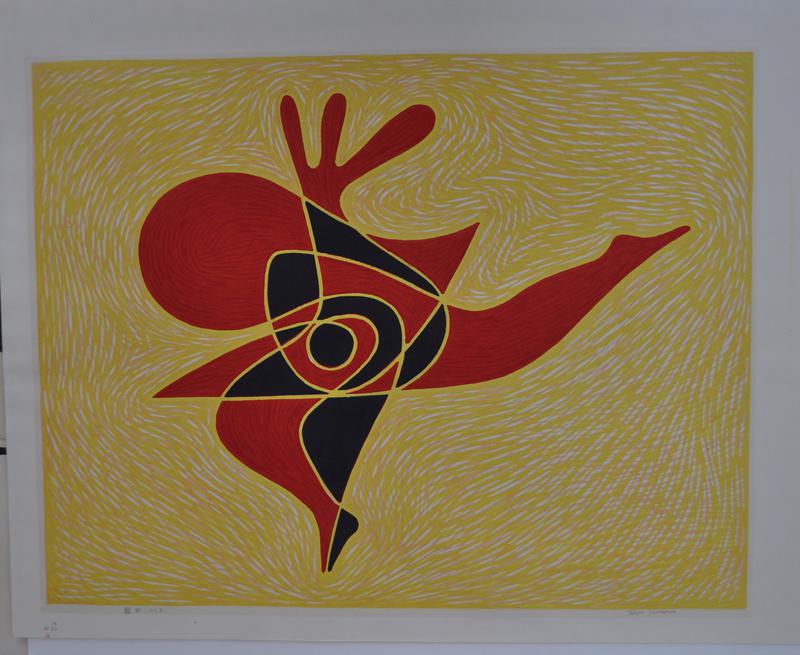
Takumi Shinagawa
品川工
1908–2009
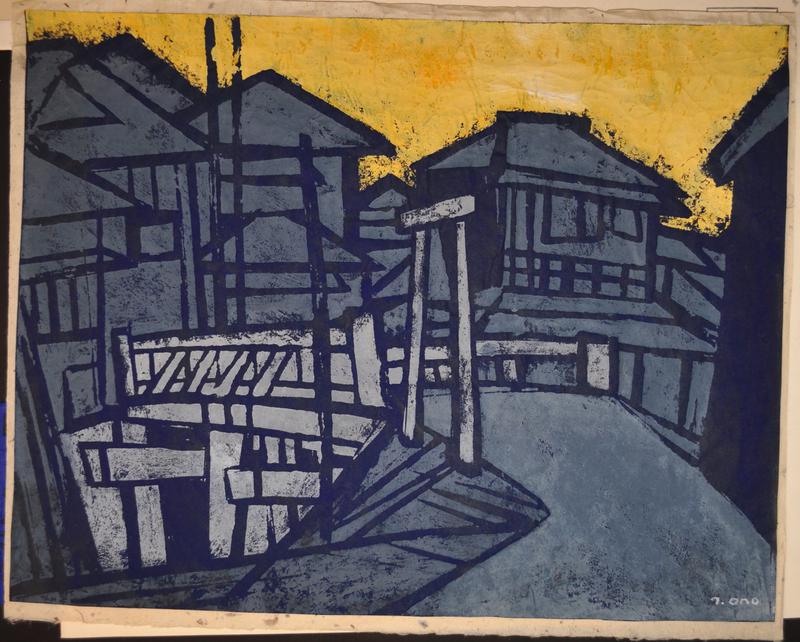
Tadashige Ono
小野忠重
1909–1990

Yozo Hamaguchi
浜口陽三
1909–2000

Toshi Yoshida
吉田遠志
1911–1995

Hiroyuki Tajima
田島博之
1911–1984
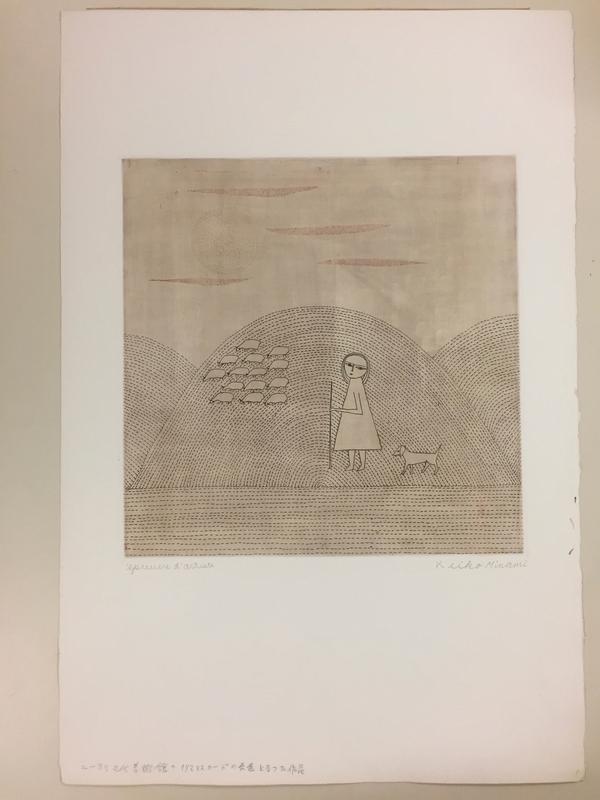
Keiko Minami
南桂子
1911–2004
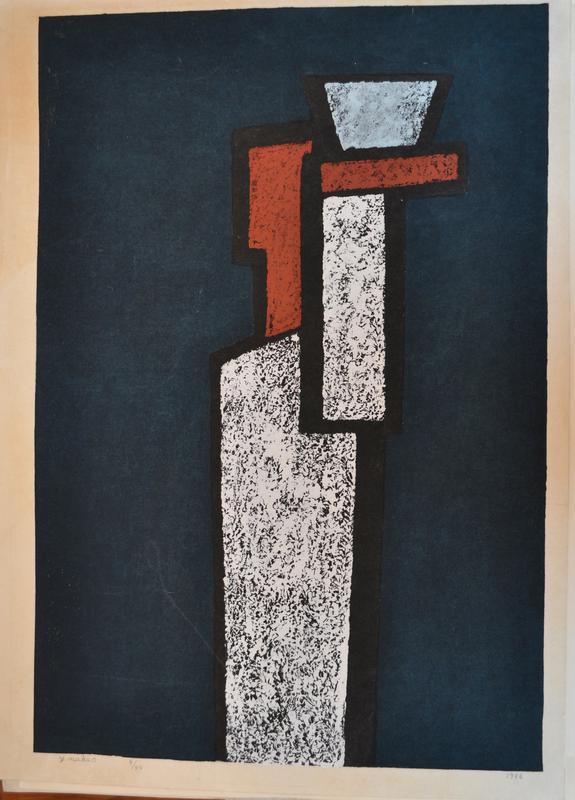
Nakao Yoshitaka
中尾義隆
1911–1994

Fujimaki Yoshio
藤牧義夫
1911–1935

Mizufune Rokushu
水船六洲
1912–1980
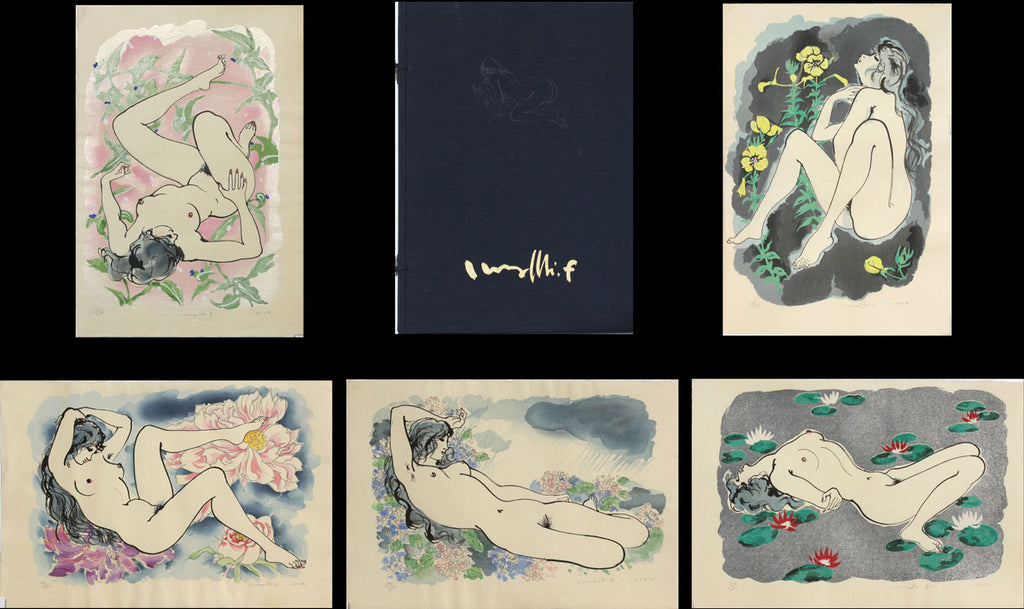
Iwami Furusawa
古沢岩美
1912–2000
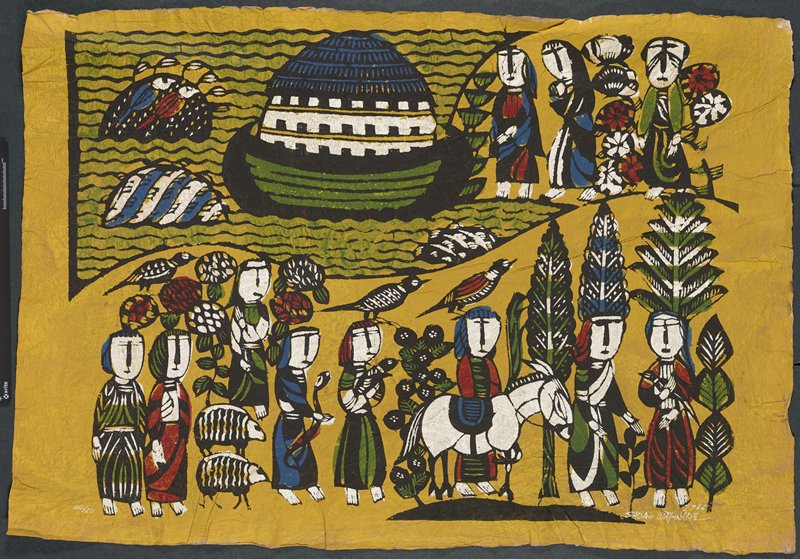
Sadao Watanabe
渡辺禎雄
1913–1996

Hideo Hagiwara
萩原英雄
1913–2007
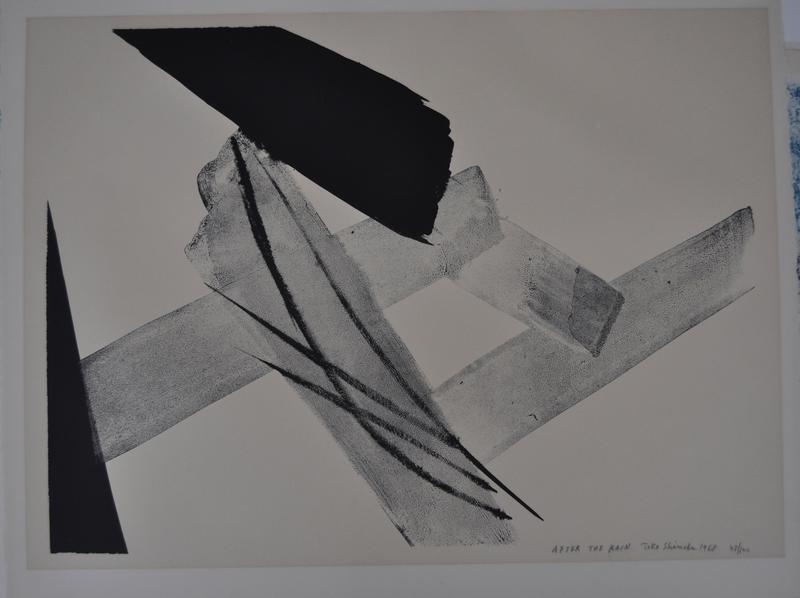
Toko Shinoda
篠田桃紅
1913–2021
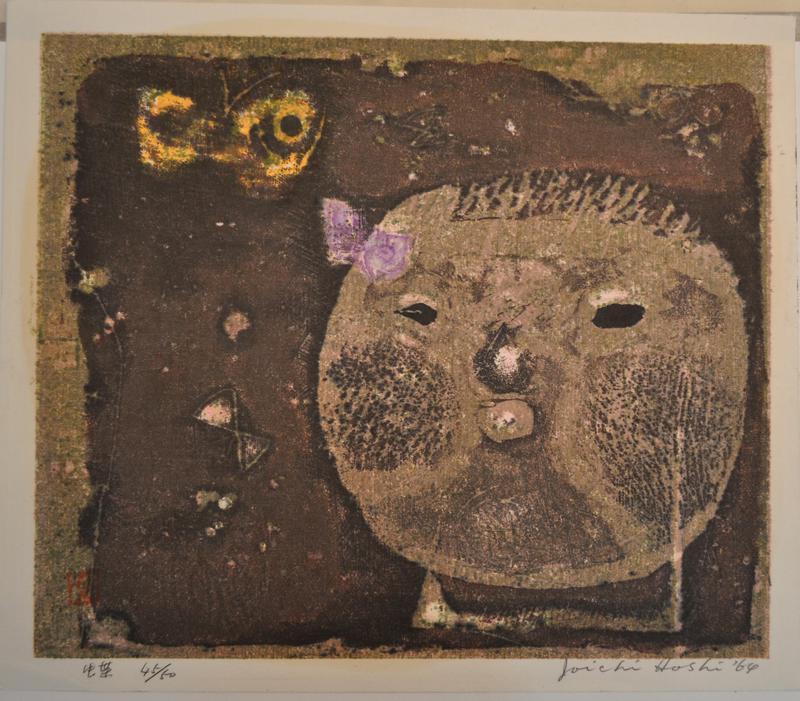
Joichi Hoshi
星襄一
1913–1979

Jun'ichiro Sekino
関野準一郎
1914–1988

Kaoru Kawano
川野薫
1916–1965
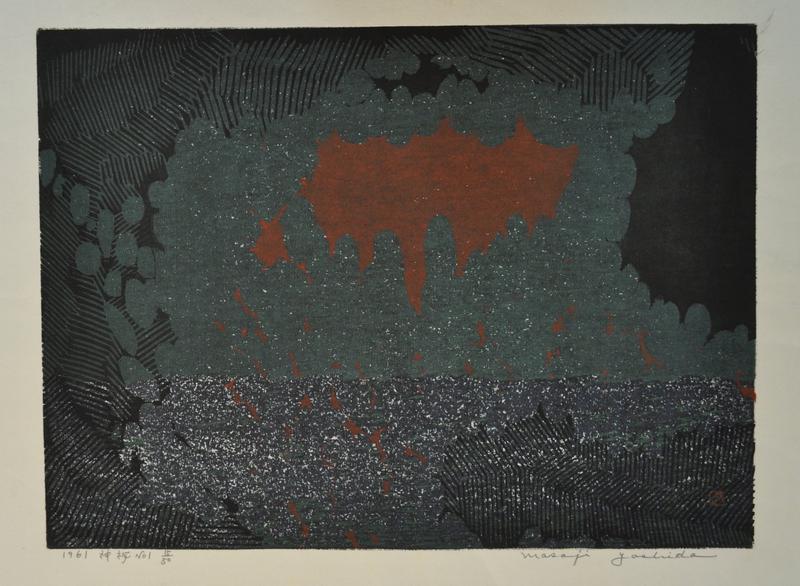
Yoshida Masaji
吉田政次
1917–1971
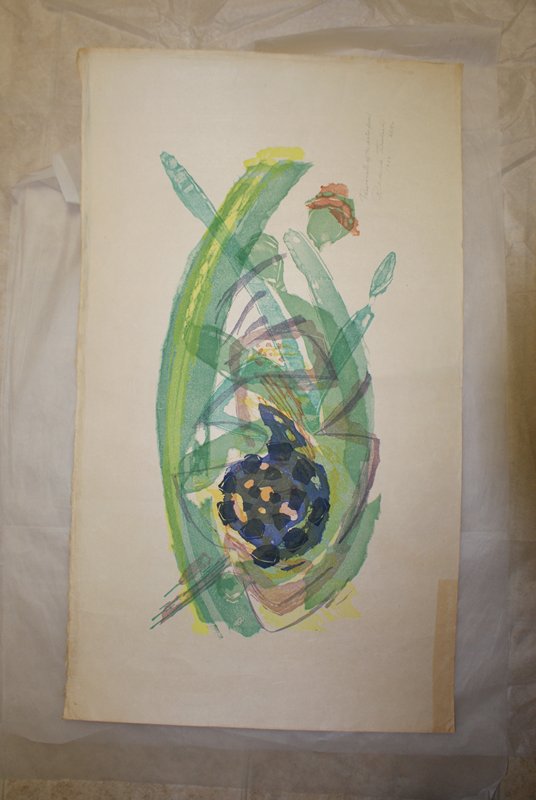
Takahashi Rikio
高橋力雄
1917–1998
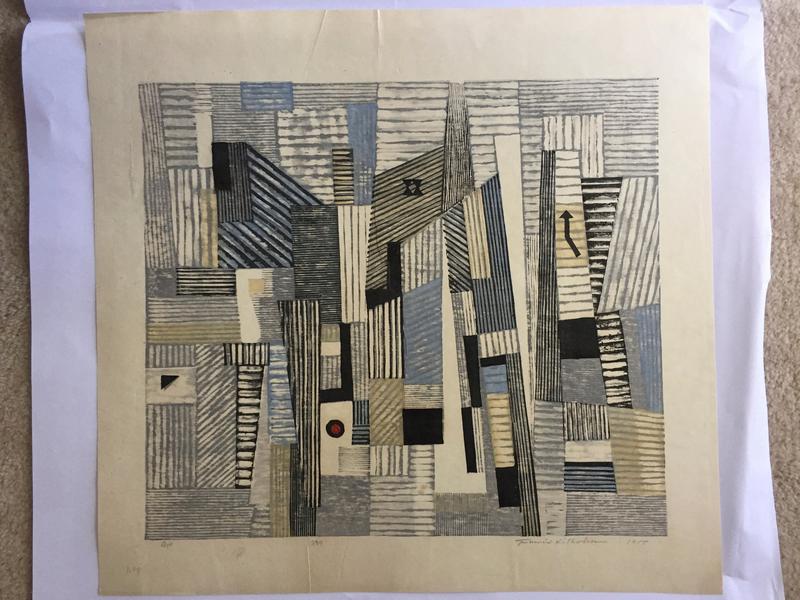
Fumio Kitaoka
北岡文雄
1918–2007

Kumi Sugai
菅井汲
1919–1996
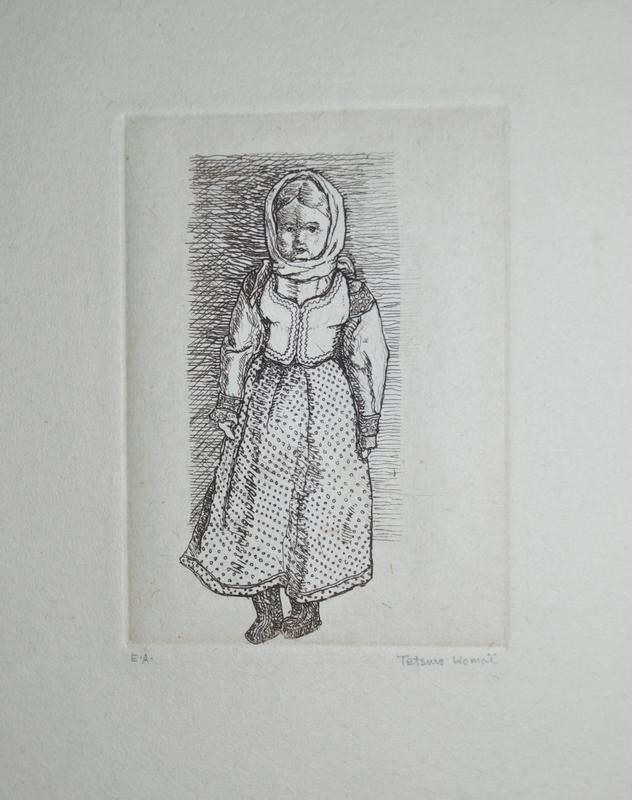
Tetsuro Komai
駒井哲郎
1920–1976
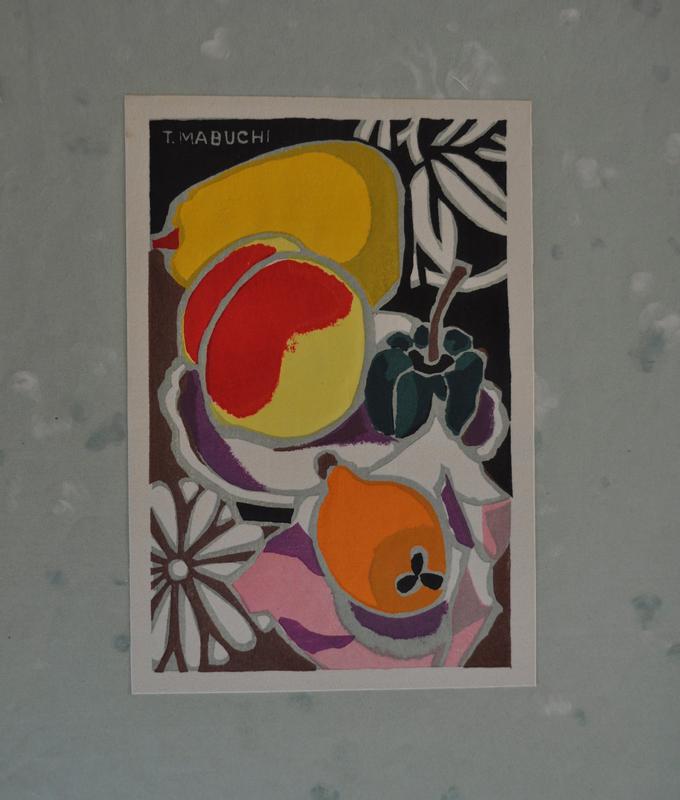
Toru Mabuchi
馬渕徹
1920–1994
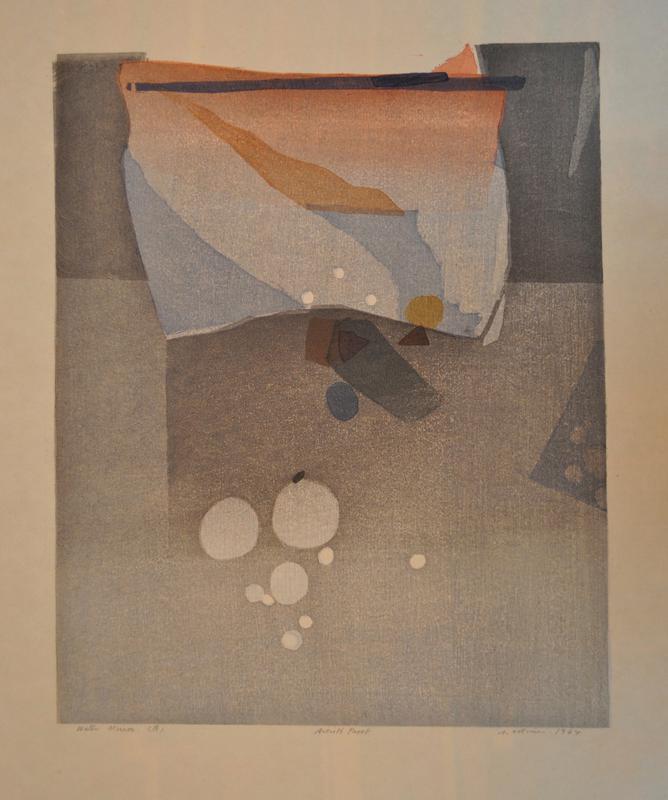
Ansei Uchima
内間安瑆
1921–2000

Toneyama Kojin
利根山光人
1921–1994
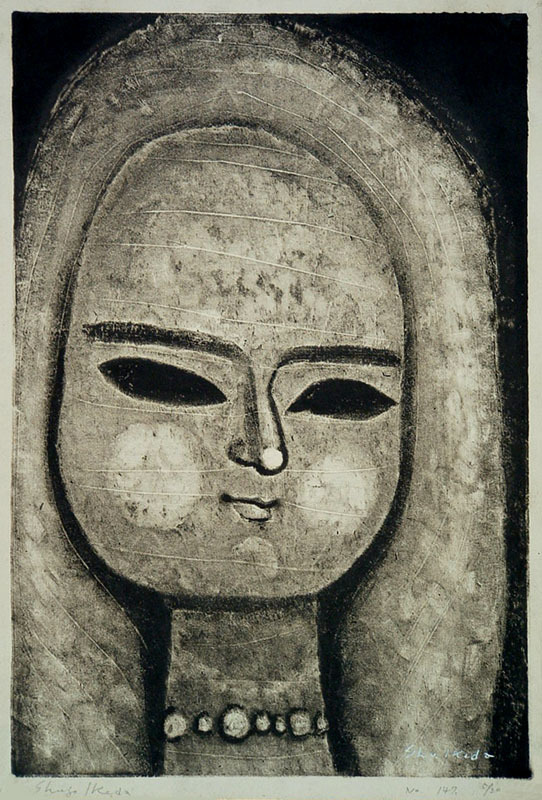
Ikeda Shūzō
池田修三
1922–2004

Kanamori Yoshio
金守世士夫
1922
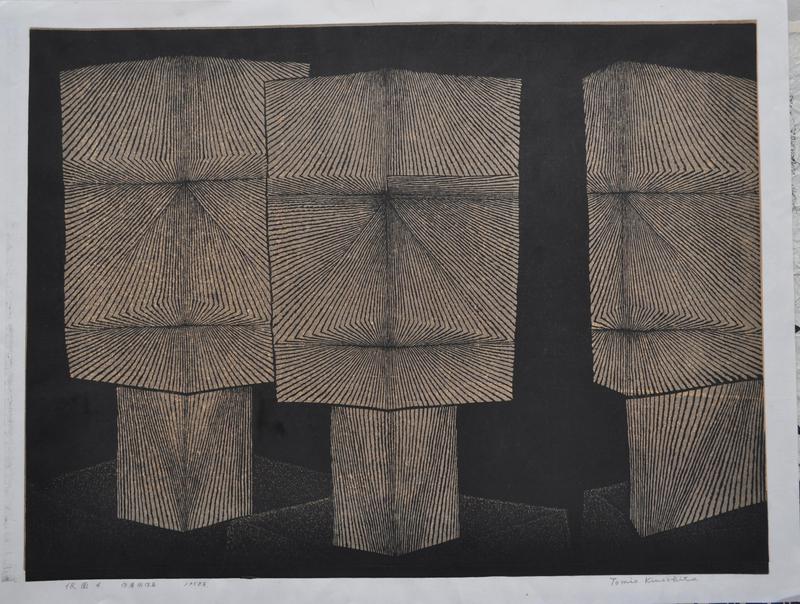
Kinoshita Tomio
木下富雄
1923–2014

Kawanishi Yuzaburo
川西祐三郎
1923–2014

Maki Haku
巻白
1924–2000
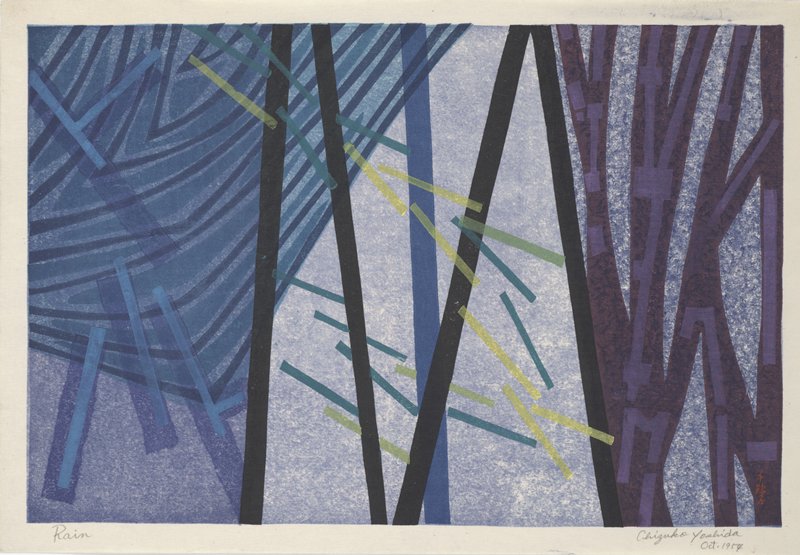
Chizuko Yoshida
吉田千鶴子
1924–2017
Hodaka Yoshida
吉田穂高
1926–1995
Fukita Fumiaki
吹田文明
1926
Kobayashi Donge
小林ドンゲ
1926–2022
Reika Iwami
岩見禮花
1927–2020

Tadashi Nakayama
中山正
1927–2014
Clifton Karhu
1927–2007
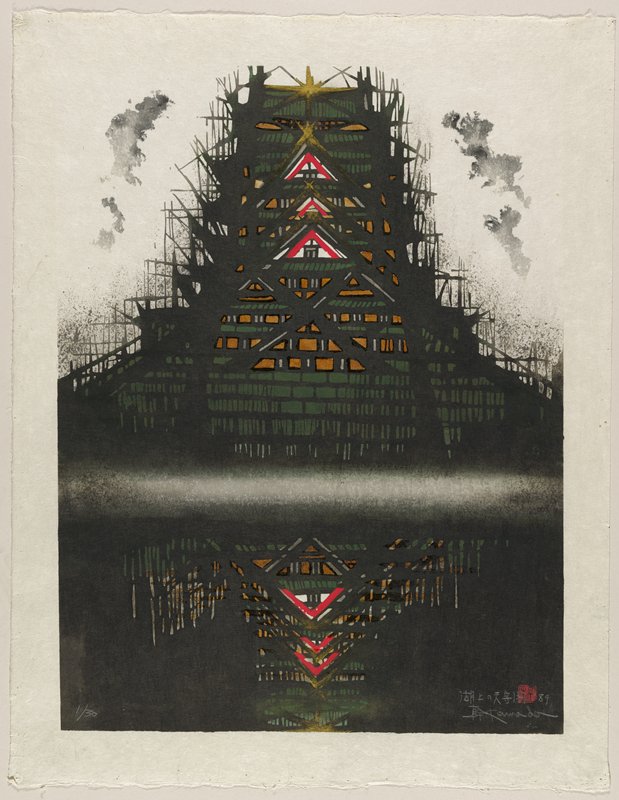
Kawada Kan
川田幹
1927–1999
Tokio Miyashita
宮下登喜雄
1930–2011

Ay-O
靉嘔
1931

Saito Kaoru
斎藤薫
1931–2021
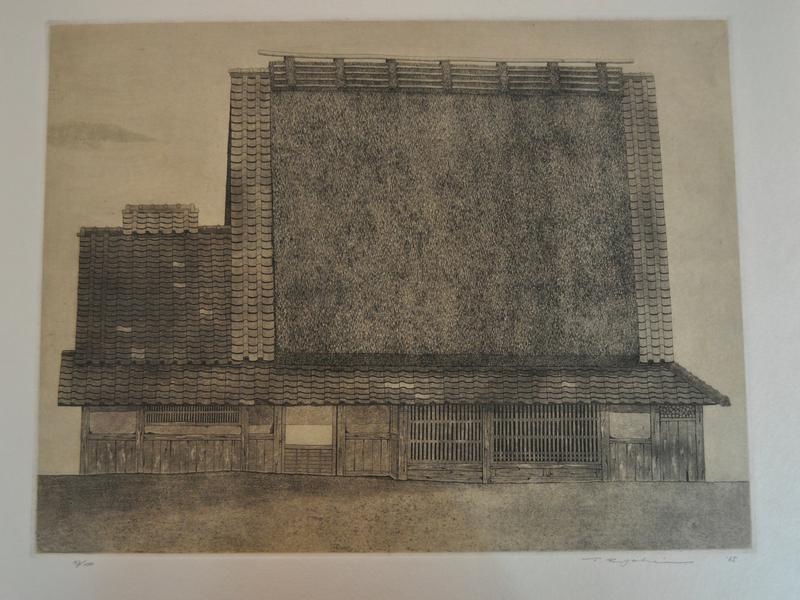
Tanaka Ryohei
田中良平
1933–2019

Masuo Ikeda
池田満寿夫
1934–1997

Kasamatsu Mihoko
笠松美保子
1936
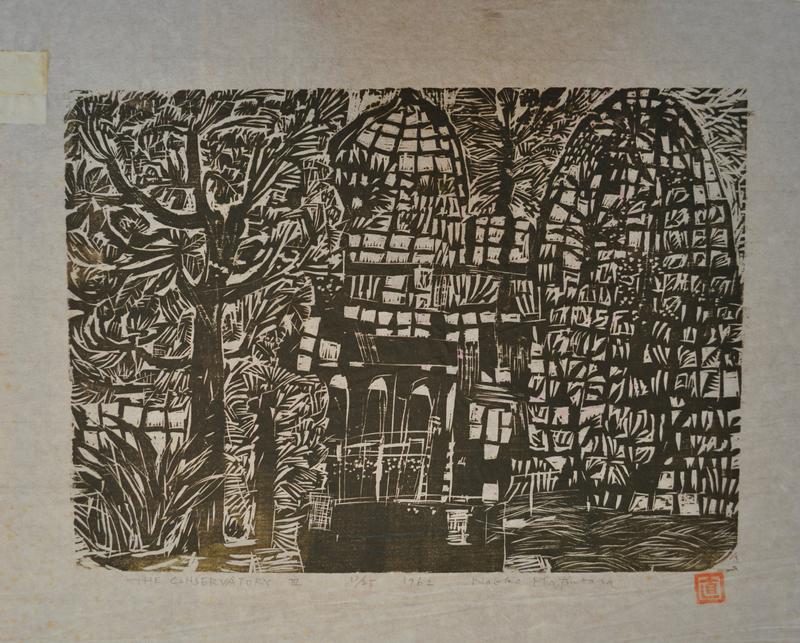
Naoko Matsubara
松原直子
1937

Akira Kurosaki
黒崎彰
1937–2019

Nakabayashi Tadayoshi
中林忠良
1937

Shima Tamami
島珠実
1937–1999

Tetsuya Noda
野田哲也
1940
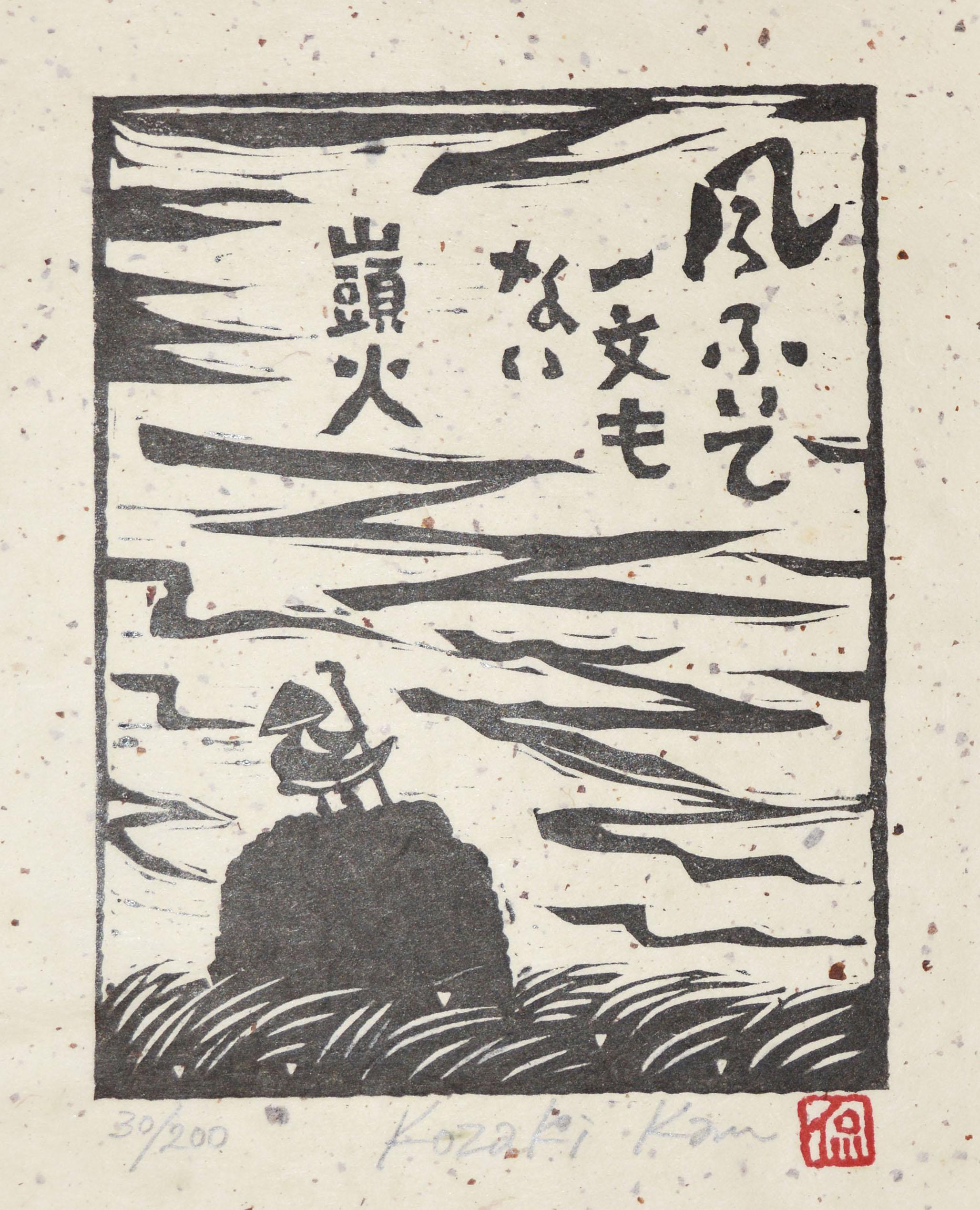
Kan Kozaki
小崎侃
1942
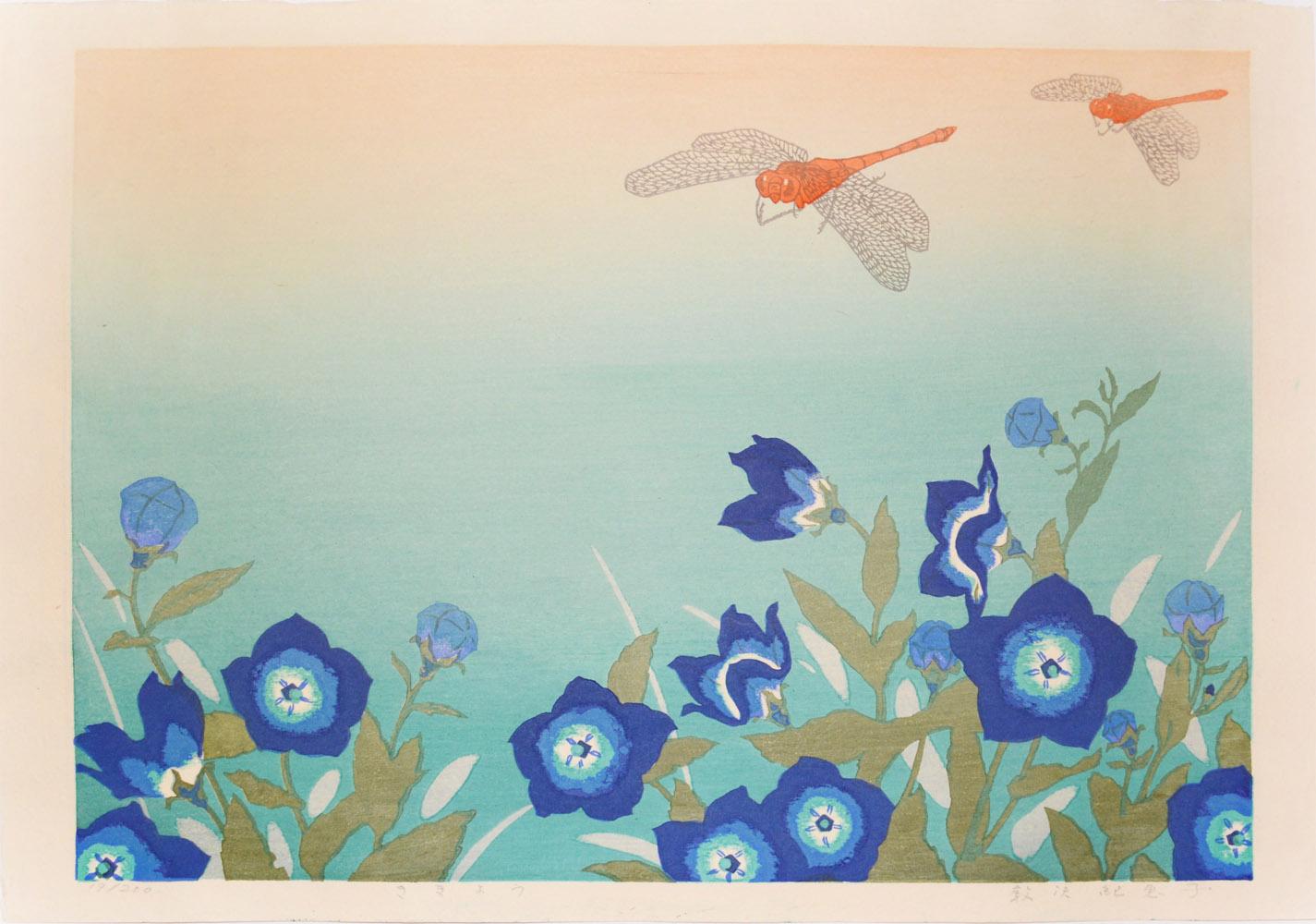
Kieko Tsurusawa
鶴沢喜恵子
1942
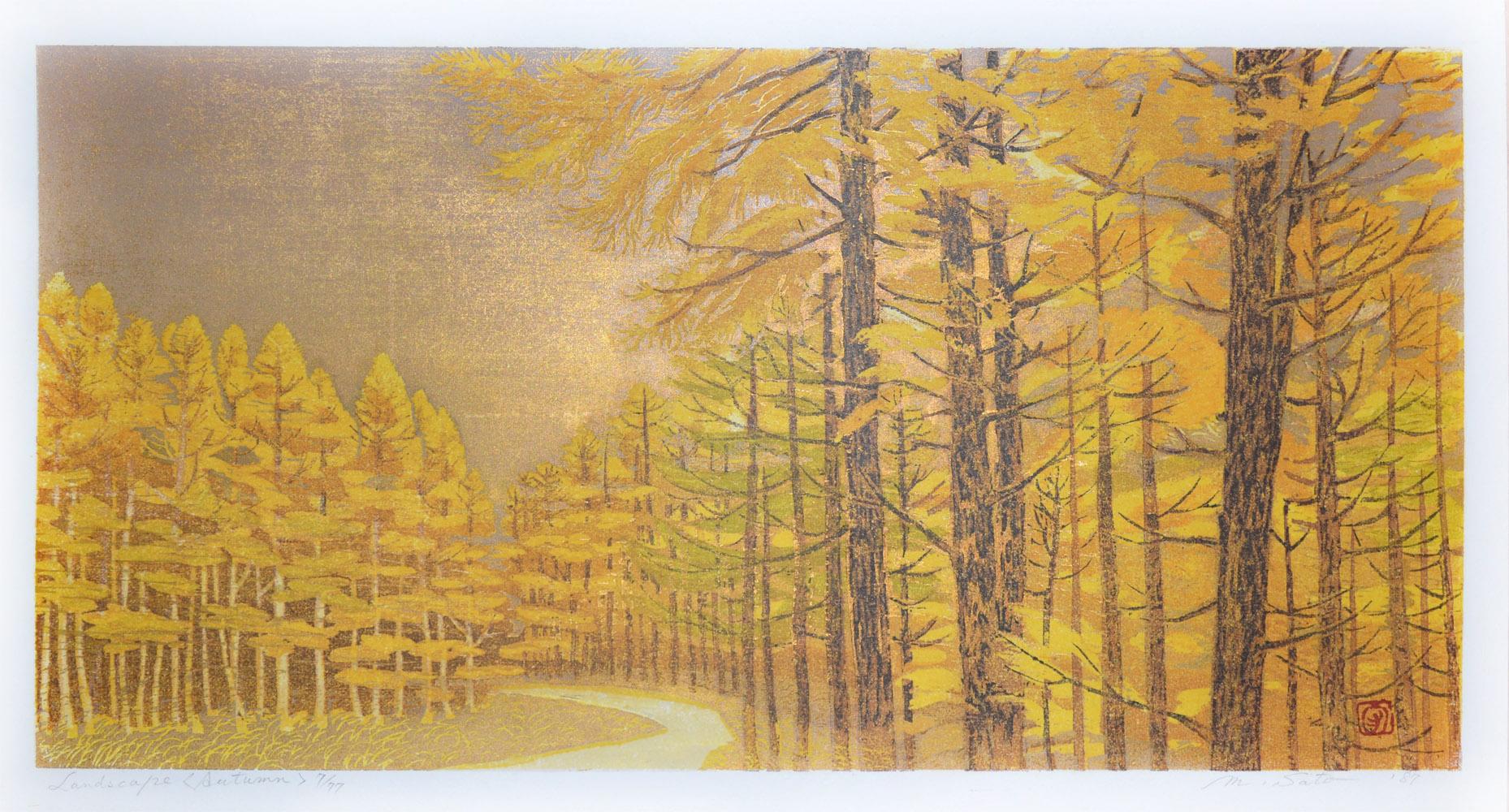
Morihiro Sato
佐藤守弘
1943
Ryoichi Horie
堀江良一
1943

Kobayashi Keisei
小林敬生
1944
Kazuhiko Sanmonji
三文字和彦
1945
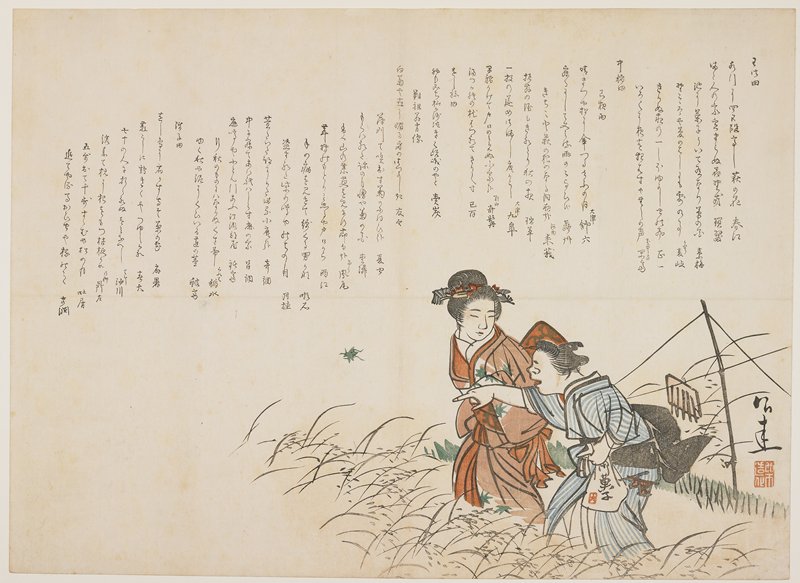
Tsuruya Kokei
弦屋光溪
1946
Toshikage Osanai
小山内俊景
1947
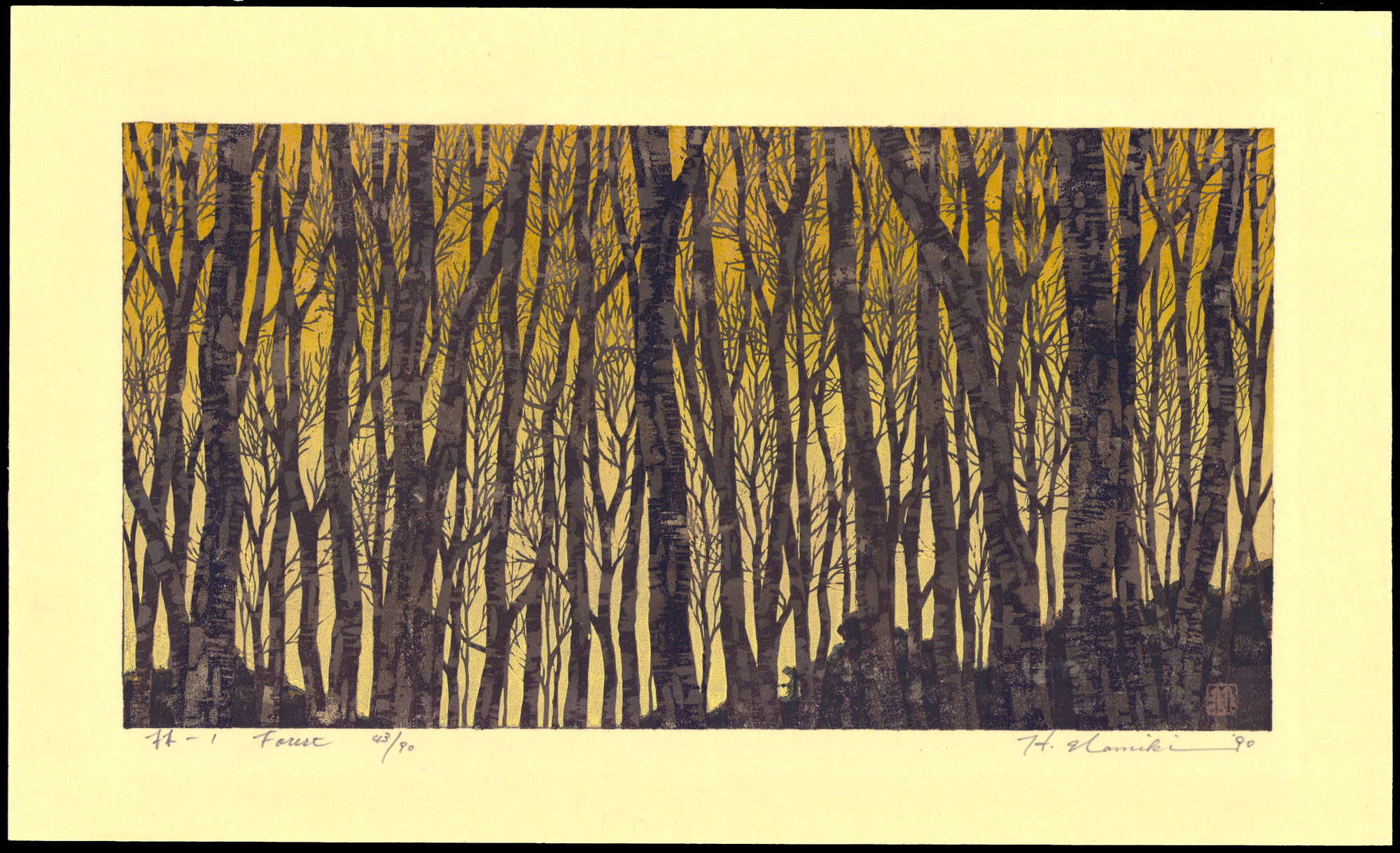
Hajime Namiki
並木一
1947
Hideo Takeda
武田秀雄
1948
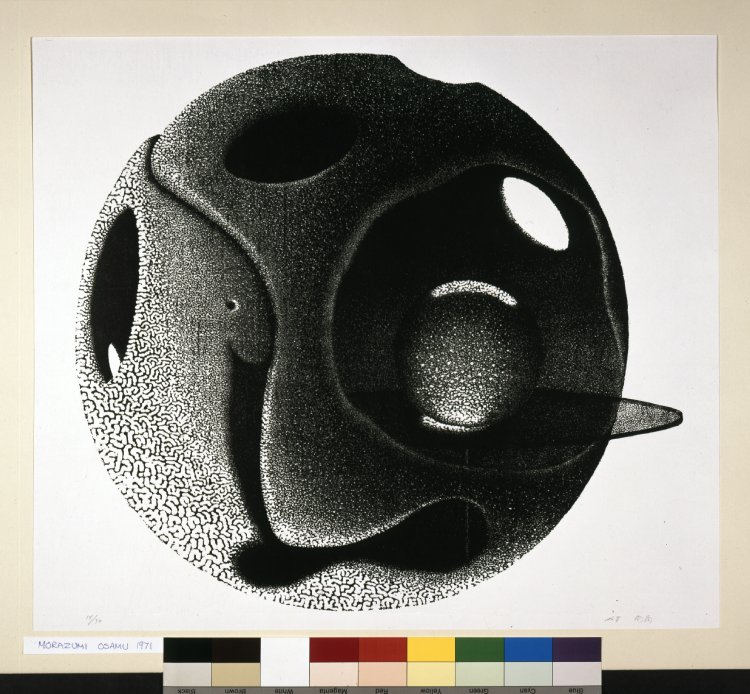
Morozumi Osamu
両角修
1948

Katsunori Hamanishi
浜西勝則
1949
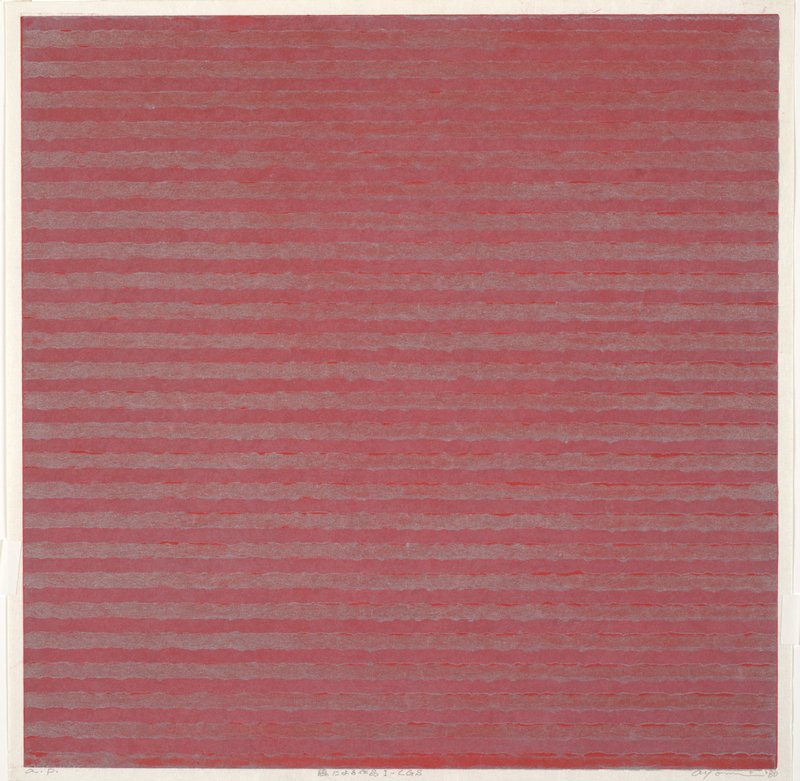
Ayomi Yoshida
吉田亜世美
1958
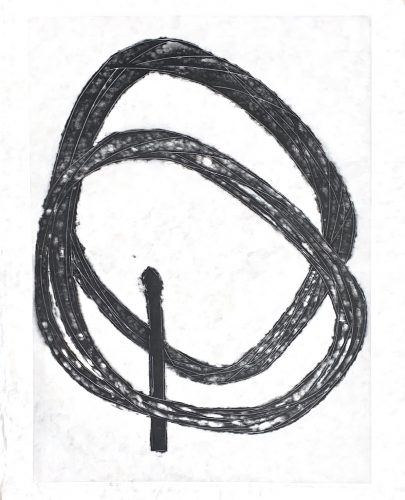
Mana Aki
真名亜紀
1960
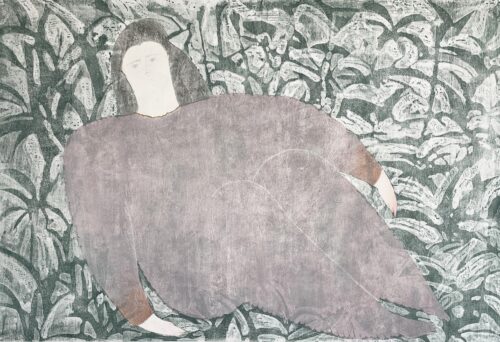
Sayaka Kawamura
川村紗耶佳
1989
Notable Works
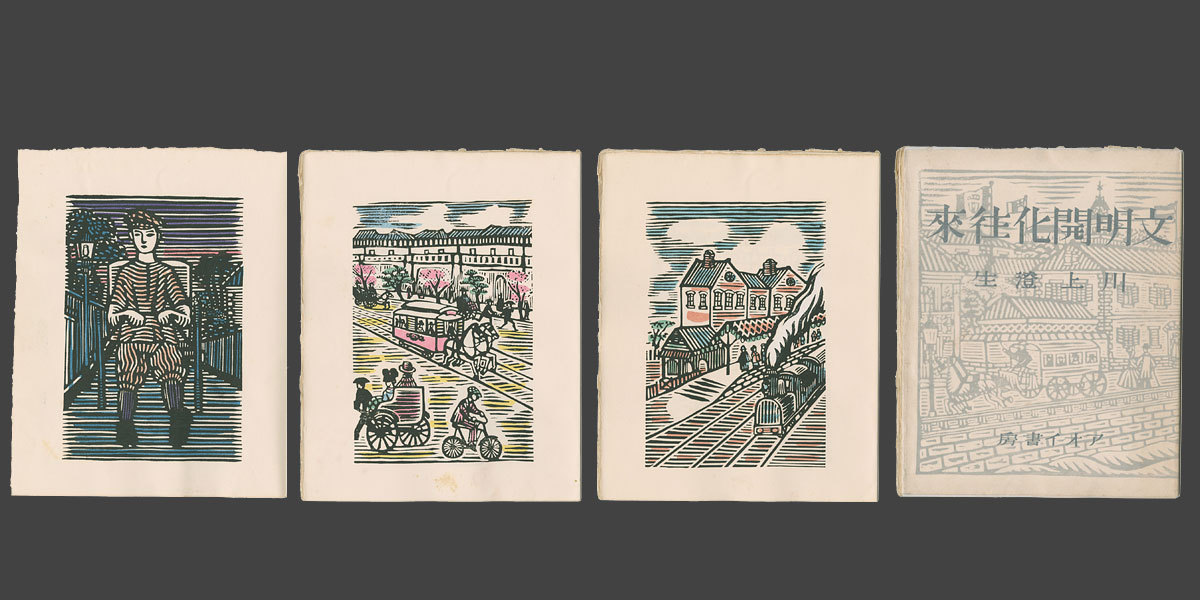
(Bunmei Kaika Orai)
Woodblock print
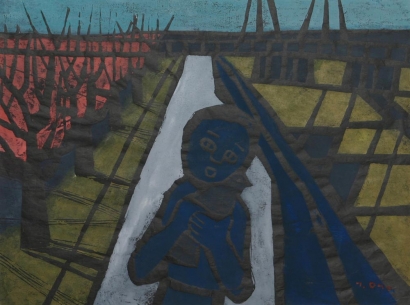
(Road)
Woodblock print
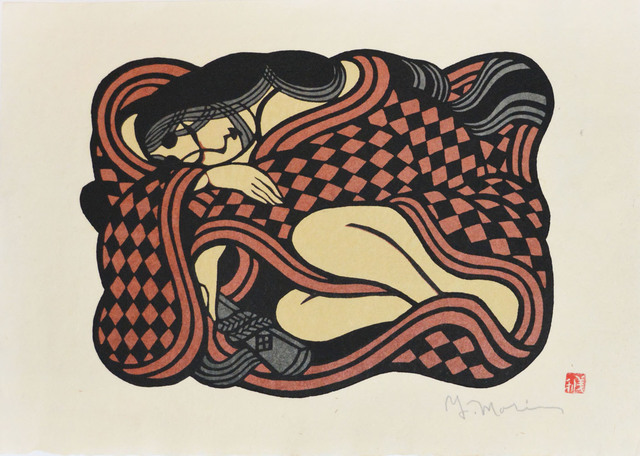
A Nap
Stencil
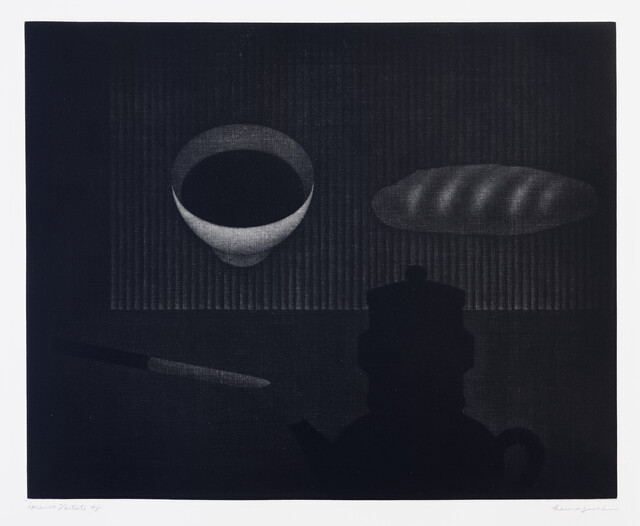
breakfast
1957
Mezzotint on paper
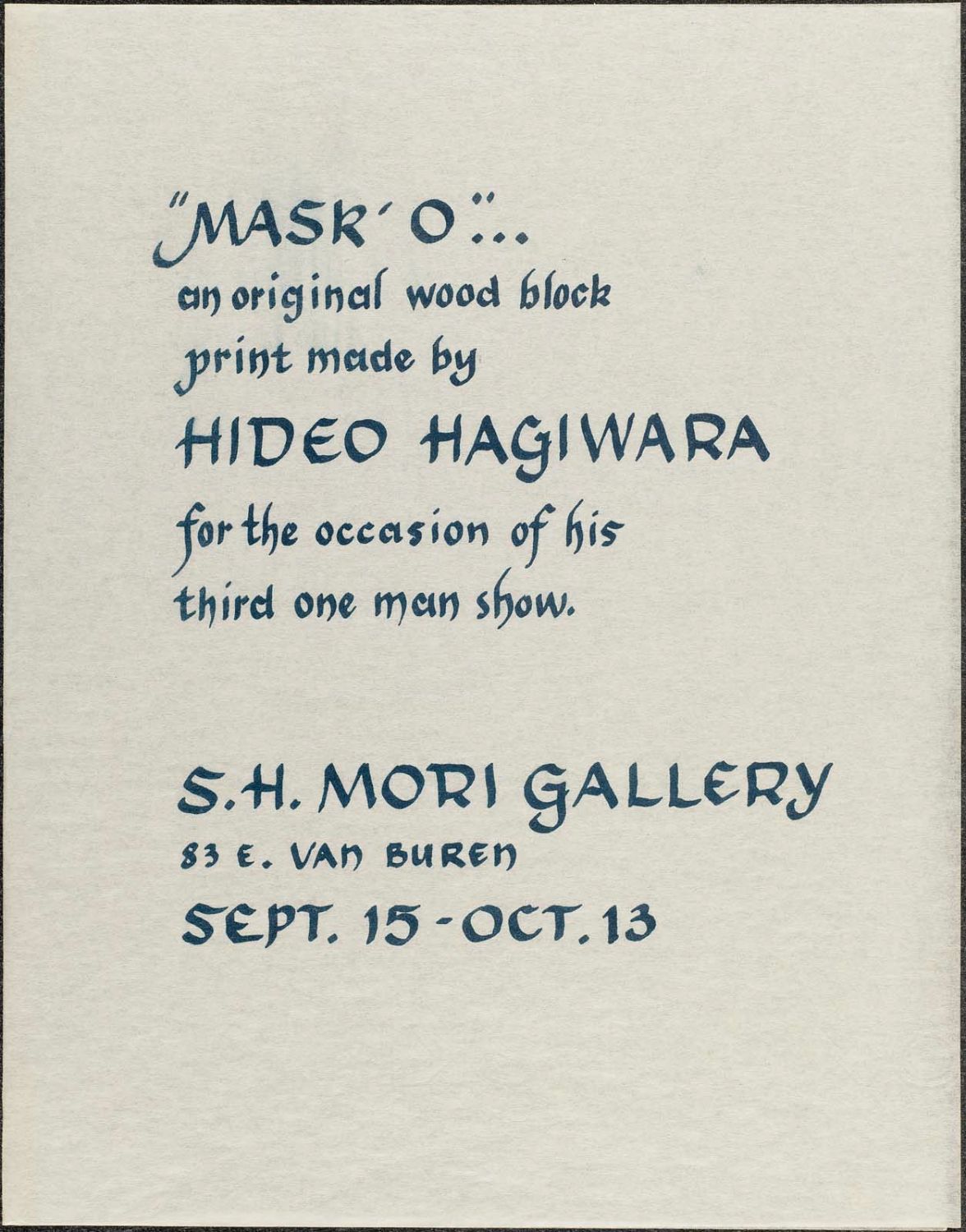
... (cover)
Woodblock print
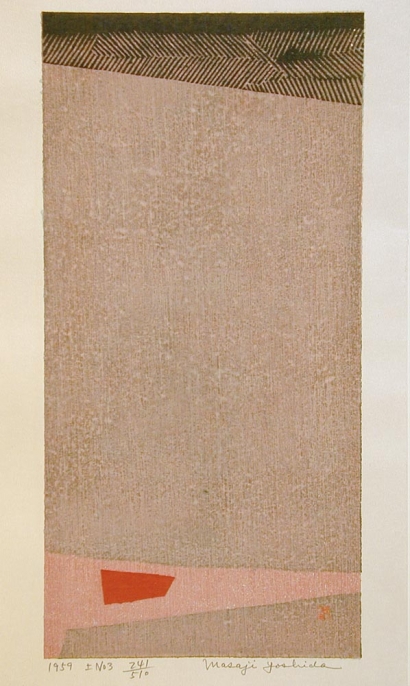
.......No.3
Woodblock print
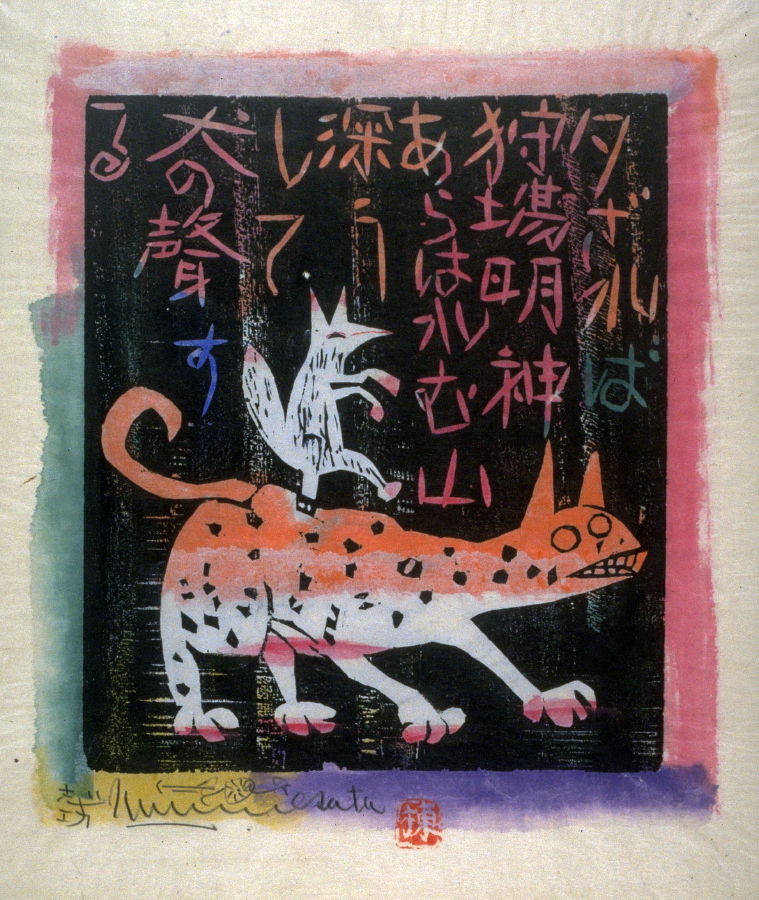
'Night Falls, a Dog Howls Deep in the Mountains, the God of the Hunt Appears', from Ryuri Hanga Saku
1959
Woodblock print
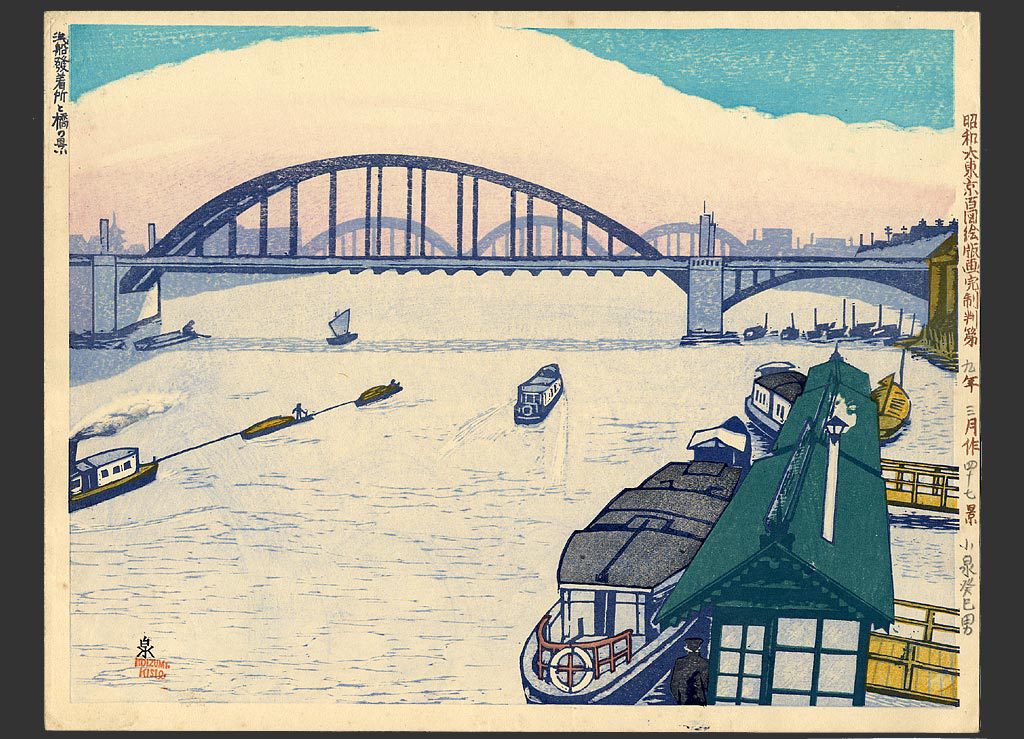
"#47 Komagata Bridge & the steamship port"
Woodblock print
Key Techniques
Key Publishers
Frequently Asked Questions
## What is sōsaku-hanga?
The Sōsaku-hanga movement was active from approximately 1905 to 1980.
Notable Sōsaku-hanga artists include Doshun Mori, Shoji Miyamoto, Taika Kinoshita, Tatsuo Ichien, Hayashi Kichizō, and 120 more.
## What is sōsaku-hanga? Sōsaku-hanga (創作版画, "creative prints") was a twentieth-century Japanese print movement defined by a single commitment: the artist must design, carve, and print every work alone. Beginning with [Kanae Yamamoto](/artists/kanae-yamamoto)'s 1904 self-cut block *Gyofu* (Fisherman) and continuing through the post-war decades, it rejected the publisher-driven [ukiyo-e](/glossary/ukiyo-e) workshop — in which separate [eshi](/glossary/eshi), [horishi](/glossary/horishi), and [surishi](/glossary/surishi) divided the labor of designing, carving, and printing — in favor of the [moku-hanga](/glossary/moku-hanga) print as the unmediated expression of one hand. The result was a body of work closer in spirit to mid-century painting than to the Edo commercial tradition that preceded it.
Related Movements
Want to rate Sōsaku-hanga prints?
Sign up to start rating