
Biography
Tongji Philip Qian is a multidisciplinary Chinese-American artist born in Shanghai whose extensive printmaking practice — concentrated on hand-pulled woodblock print, both mokuhanga and reduction-cut techniques — anchors a broader body of drawing, painting, sculpture, installation, and artist-book work. He earned dual B.A. degrees in Art History and Mathematics from Carleton College, an Advanced Graduate Certificate in Studio Art from New York University, and an M.F.A. from the Rhode Island School of Design (RISD). He teaches as a Collegiate Assistant Professor in the Department of Visual Arts at the University of Chicago, where he is also a Harper-Schmidt Fellow in the Society of Fellows in the Liberal Arts, and he has previously taught printmaking and sculpture at RISD and served as founding department chair of visual arts at Bard Early Colleges.
Qian's printmaking career began in Yunnan province in southwestern China, the rural mountainous region close to Tibet where he made woodblock prints by hand using local materials. As he describes the orientation of his early Yunnan practice, the adherence to the autonomy of the artist (attempting to be original) and the nonjudgemental mentality of the craftsperson (following strict printing procedures) collaborated within him to 'promote unanticipated ways to maximize freedom between polarities.' This dialectic — the artist's freedom against the craftsperson's procedure — has remained the structuring tension of his print work, with each subsequent series responding to the same foundational question through different formal and conceptual moves.
His woodblock catalogue is organized into thematic series that map his artistic-conceptual lenses: 'Constructivism' (geometric structural prints), 'I Ching in Progress' and 'Chance and I Ching' (chance-operations and East Asian divinatory iconography), 'A Print a Day for 25 Days' (durational seriality), 'Disquality' (paradox titling), and the open-ended 'Miscellaneous' grouping that contains many of his most cited single prints. Documented works include 'Conventional Formality' (mokuhanga, 25 × 19 inches), 'Unclear Rhombus' (mokuhanga, 32 × 13 inches), 'Southwest' (reduction woodblock, 24 × 18 inches), 'Fierté' (24 × 18 inches), 'Orgueil' (24 × 18 inches), 'Doubled' (reduction woodblock, 17 × 26 inches), 'Pure' (5 × 12 inches), 'Three Dimensions of Lines' (17 × 23 inches), 'End of January / Trump' (18 × 24 inches), 'Varanasi I' (12 × 22 inches), 'Diagonal Architecture' (18 × 24 inches), 'Chance and Grids' (18 × 24 inches), 'Environmental Chance' (20 × 25 inches), 'Wismar Autobiography' (11.7 × 16.5 inches), and the 车 (chē, 'vehicle') series. The 'I Ching' suite consists of four large-format prints (each 18 × 24 inches) that adapt the 64-hexagram structure of the Chinese Book of Changes to the woodblock format.
Qian's mature artist statement identifies his motivating themes as speed, labor, internationalism, and immigration, and his recent work draws on the Shanghai Biennale 2000 — a landmark moment in contemporary Chinese art's international opening — as a conceptual touchstone. As a Chinese artist working in the United States, his practice navigates the consequences and risks of cultural mobility, and his sustained interest in I Ching divinatory chance-operations places him within a continuing East-West lineage that includes John Cage, Merce Cunningham, and the early Fluxus circle.
His drawings and paintings are held in the permanent collections of the RISD Museum, the Mecklenburgisches Künstlerhaus Schloss Plüschow (Germany), and the Yangdeng Art Museum (China). His artist books are housed in special collections including those of Smith College and the Center for Curatorial Studies at Bard College. He is represented online through Artsy and has shown with the Chinese American Museum of Chicago (CAMOC) and the Cosmic Heart Gallery, and his work has been the subject of solo exhibitions, among them 'Alloyed Commitments' at the University of Chicago's Reva and David Logan Center for the Arts.
Qian's practice exemplifies the contemporary international woodblock-print tradition that combines East Asian mokuhanga technique, conceptual chance-operations, and a sustained interrogation of artistic labor, cultural mobility, and immigration. Within the cluster of US-based contemporary mokuhanga artists, his Shanghai-Yunnan-RISD-Carleton trajectory represents the academic-conceptual strand of the medium's ongoing revival.
Key Facts
- Nationality
- 🇨🇳China
- Movement
- Contemporary Mokuhanga
- Subjects
- Winter
- Works Indexed
- 22
Frequently Asked Questions
Tongji Philip Qian is a multidisciplinary Chinese-American artist born in Shanghai whose extensive printmaking practice — concentrated on hand-pulled woodblock print, both mokuhanga and reduction-cut techniques — anchors a broader body of drawing, painting, sculpture, installation, and artist-book work. He earned dual B.A. degrees in Art History and Mathematics from Carleton College, an Advanced Graduate Certificate in Studio Art from New York University, and an M.F.A. from the Rhode Island School of Design (RISD). He teaches as a Collegiate Assistant Professor in the Department of Visual Arts at the University of Chicago, where he is also a Harper-Schmidt Fellow in the Society of Fellows in the Liberal Arts, and he has previously taught printmaking and sculpture at RISD and served as founding department chair of visual arts at Bard Early Colleges.
Tongji Philip Qian's work was shaped by the Contemporary Mokuhanga tradition in Japanese woodblock printmaking. Contemporary Mokuhanga: Contemporary mokuhanga (literally "wood-block print") encompasses artists working from approximately 1970 to the present who continue or reinvent traditional Japanese woodblock printing techniques.
Tongji Philip Qian's prints frequently feature winter.
Woodblock Prints by Tongji Philip Qian (22)
End of January / Trump
2017
Reduction woodblock print

I Ching II
Woodblock print

Orgueil
Woodblock print

Varanasi I
Woodblock print

I Ching IV
Woodblock print

Conventional Formality
Mokuhanga (Japanese water-based woodblock print)

Unclear Rhombus
Mokuhanga (Japanese water-based woodblock print)

Southwest
Reduction woodblock print

Fierté
Woodblock print

Three Dimensions of Lines
Reduction woodblock print

To Chat
Reduction woodblock print

To Exhaust
Reduction woodblock print

Doubled
Reduction woodblock print

Chance and Grids
Woodblock print
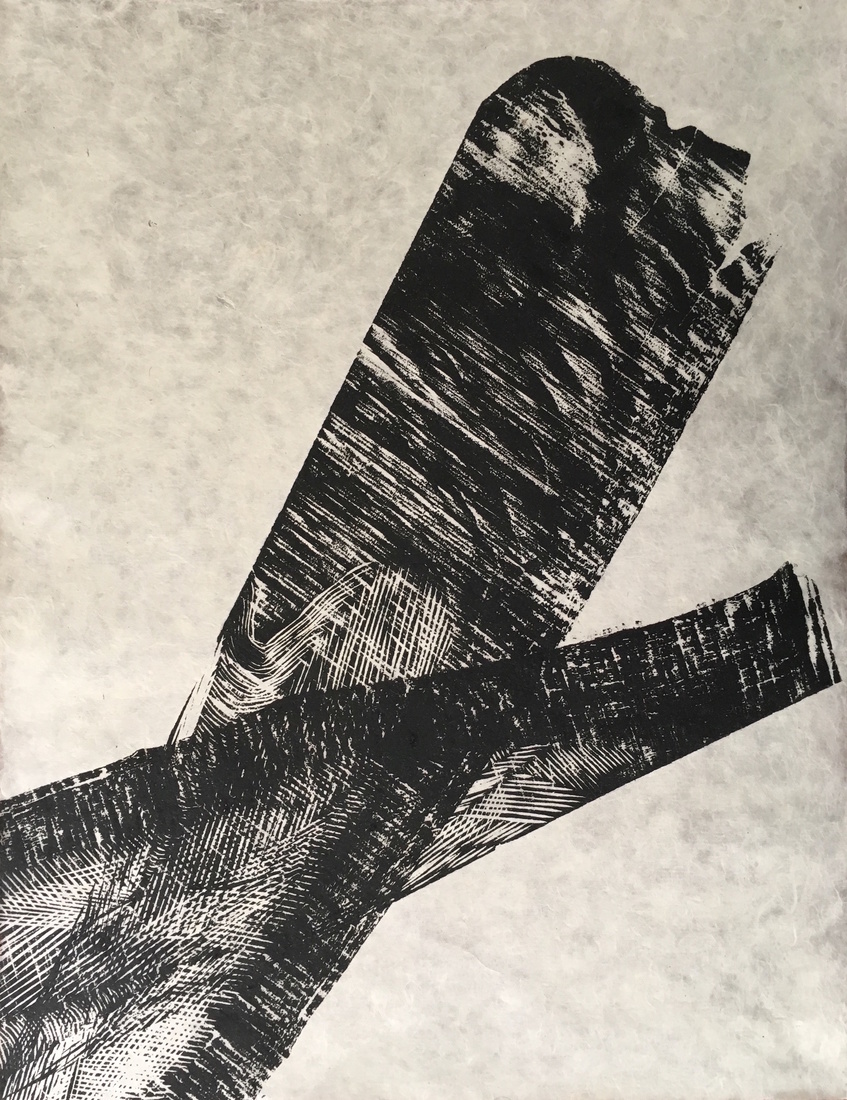
Environmental Chance
Woodblock print
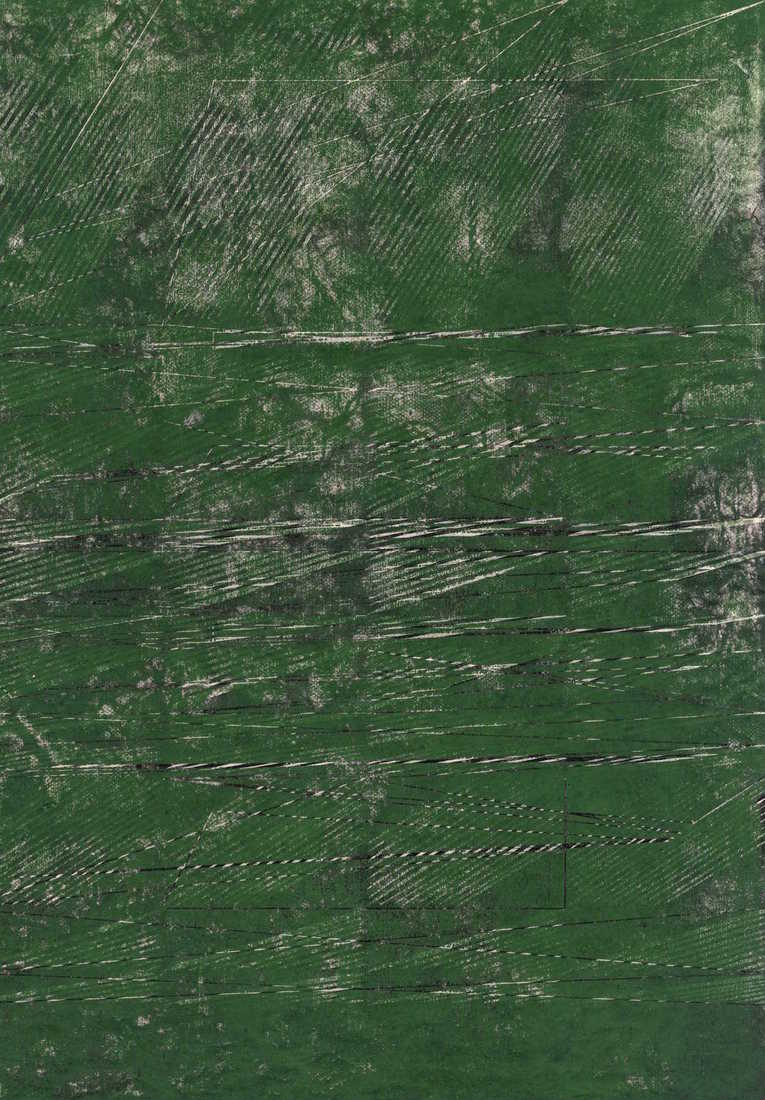
Wismar Autobiography
Woodblock print

Disquality II
Woodblock print

I Ching I
Woodblock print

I Ching III
Woodblock print

From 23 to 64
Woodblock print

Diagonal Architecture
Woodblock print

From 57 to 57
Woodblock print