Biography
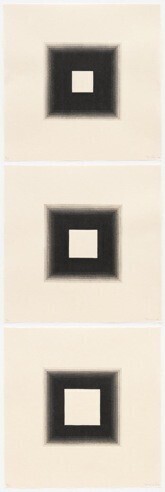
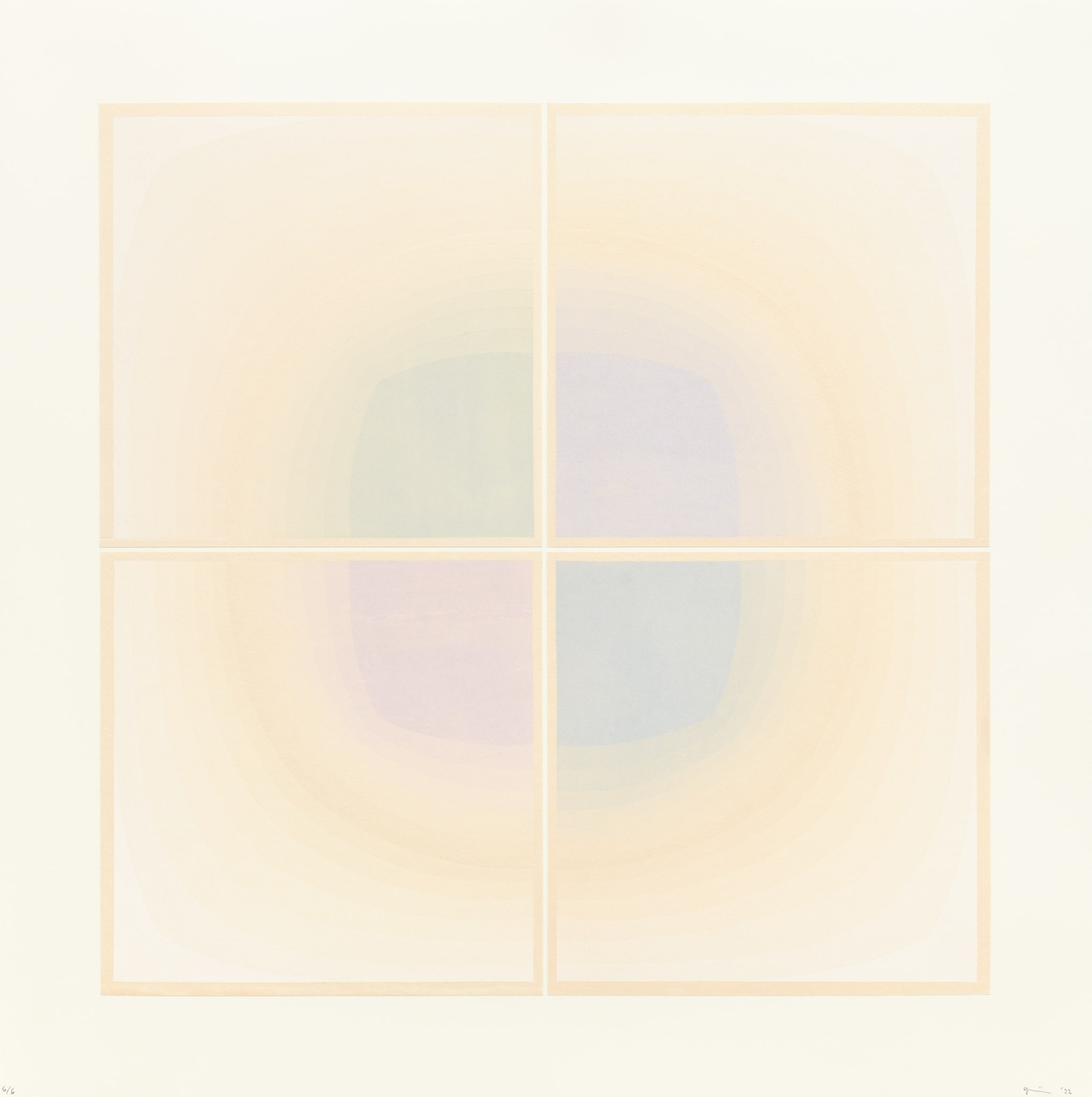
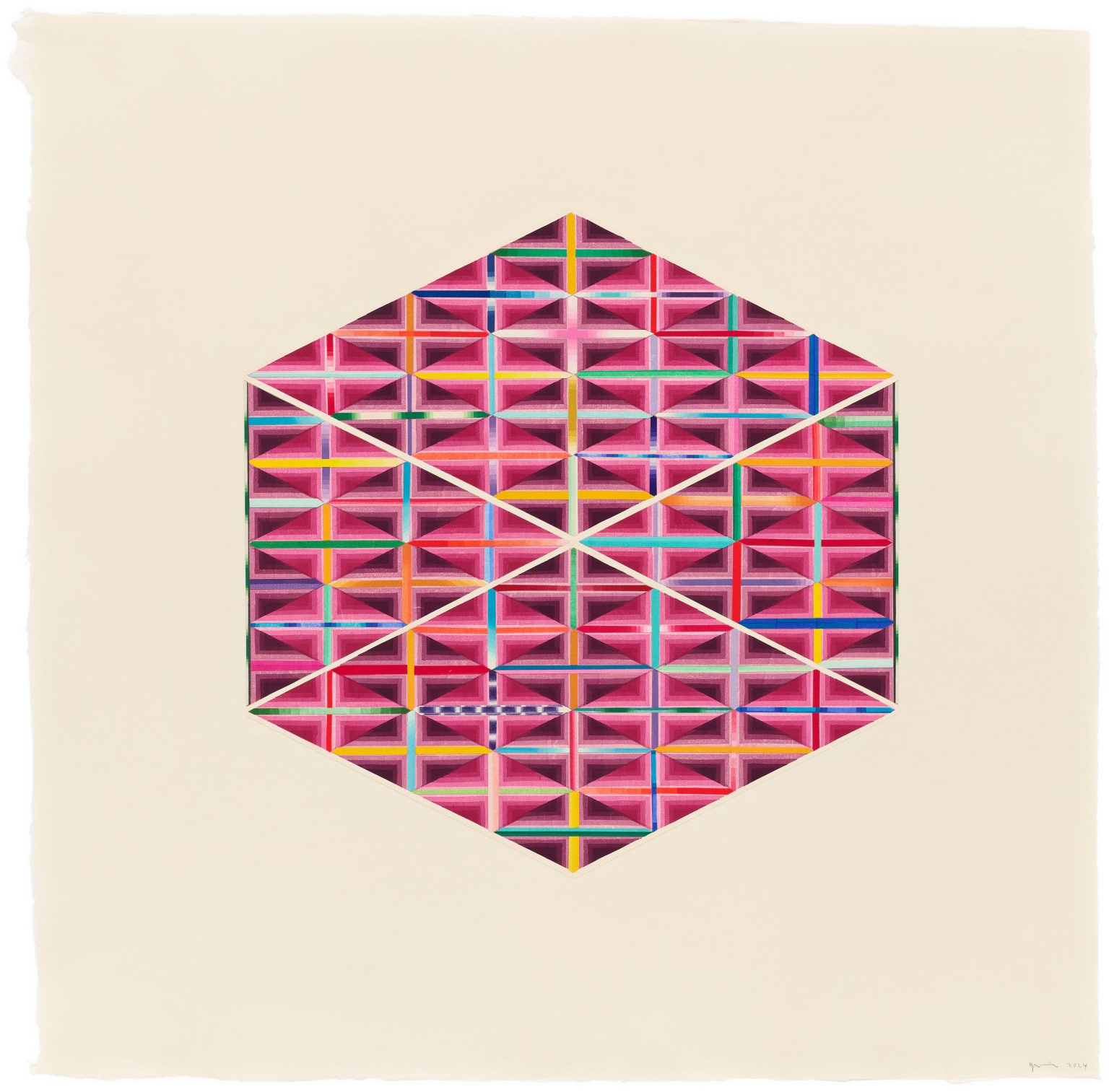
Yasu Shibata (柴田泰, born 1968 in Osaka, Japan) is a Japanese-born master printer and printmaker whose career has been built at the working centre of contemporary American fine-art editioning, and whose use of traditional Japanese woodblock (mokuhanga) technique within the print-publishing programme of Pace Editions in New York is one of the principal contemporary instances of the medium's translation into the apparatus of a major Western print house. He received his BFA from Kyoto Seika University, where he studied printmaking under the printmaker Akira Kurosaki, a leading advocate of water-based woodblock whose international work did much to shape the contemporary mokuhanga revival. After completing his BFA he emigrated to the United States in 1991 and began his American printing career at Tyler Graphics, the workshop run by Kenneth Tyler that across the 1980s and 1990s was among the leading American fine-art print publishers, where Shibata worked for roughly a decade on editions for Frank Stella, David Salle, Helen Frankenthaler, Donald Sultan, and other Tyler artists. He subsequently joined Pace Editions in New York as a master printer, where he prints in the Japanese mokuhanga method — multi-block, water-based, and baren-impressed — to produce editions for Pace artists. His documented Pace collaborations include Chuck Close, whose grid-derived self-portrait woodcut was printed in eighty-six colours from twenty-five hand-cut blocks; James Siena, whose densely patterned compositions suit the additive overprinting of mokuhanga; Yoshitomo Nara, with whom he has worked for more than a decade on over thirty prints in the traditional ukiyo-e woodblock manner; and James Turrell, for whom Shibata printed the artist's first woodcuts, contrasting an oil-based background with water-based ink in concentric ovals to produce the vibrating light characteristic of Turrell's work. Alongside his work as an editioning printer he produces a body of his own original prints that combine the Japanese woodcut method with the reduction technique borrowed from twentieth-century Western relief printmaking — building intense, saturated colour from successive impressions of progressively reduced shapes. These were the subject of a 2016 solo exhibition, Japanese Woodcuts, at Foundry Vineyards in Walla Walla, Washington, which opened that June and was coordinated through Whitman College's Mokuhanga Center; he had earlier led Whitman's first mokuhanga workshop, in 2015. He teaches relief printing at the Cooper Union School of Art in New York. His work is held in the collections of the New York Public Library, the Cleveland Museum of Art, and the Smith College Museum of Art, among others, and he is represented by Pace Prints and Aspinwall Editions. He is among the most institutionally embedded Japanese-born mokuhanga master printers working in the United States, and his projects at Pace are notable contemporary instances in which the Japanese woodblock method has been used for editions by major Western artists at the top tier of the American print market.
Key Facts
- Active Period
- 1968
- Nationality
- 🇯🇵Japan
- Movement
- Contemporary Mokuhanga
- Subjects
- Abstract
- Works Indexed
- 3
Frequently Asked Questions
Yasu Shibata (柴田泰, born 1968 in Osaka, Japan) is a Japanese-born master printer and printmaker whose career has been built at the working centre of contemporary American fine-art editioning, and whose use of traditional Japanese woodblock (mokuhanga) technique within the print-publishing programme of Pace Editions in New York is one of the principal contemporary instances of the medium's translation into the apparatus of a major Western print house. He received his BFA from Kyoto Seika University, where he studied printmaking under the printmaker Akira Kurosaki, a leading advocate of water-based woodblock whose international work did much to shape the contemporary mokuhanga revival. After completing his BFA he emigrated to the United States in 1991 and began his American printing career at Tyler Graphics, the workshop run by Kenneth Tyler that across the 1980s and 1990s was among the leading American fine-art print publishers, where Shibata worked for roughly a decade on editions for Frank Stella, David Salle, Helen Frankenthaler, Donald Sultan, and other Tyler artists. He subsequently joined Pace Editions in New York as a master printer, where he prints in the Japanese mokuhanga method — multi-block, water-based, and baren-impressed — to produce editions for Pace artists. His documented Pace collaborations include Chuck Close, whose grid-derived self-portrait woodcut was printed in eighty-six colours from twenty-five hand-cut blocks; James Siena, whose densely patterned compositions suit the additive overprinting of mokuhanga; Yoshitomo Nara, with whom he has worked for more than a decade on over thirty prints in the traditional ukiyo-e woodblock manner; and James Turrell, for whom Shibata printed the artist's first woodcuts, contrasting an oil-based background with water-based ink in concentric ovals to produce the vibrating light characteristic of Turrell's work. Alongside his work as an editioning printer he produces a body of his own original prints that combine the Japanese woodcut method with the reduction technique borrowed from twentieth-century Western relief printmaking — building intense, saturated colour from successive impressions of progressively reduced shapes. These were the subject of a 2016 solo exhibition, Japanese Woodcuts, at Foundry Vineyards in Walla Walla, Washington, which opened that June and was coordinated through Whitman College's Mokuhanga Center; he had earlier led Whitman's first mokuhanga workshop, in 2015. He teaches relief printing at the Cooper Union School of Art in New York. His work is held in the collections of the New York Public Library, the Cleveland Museum of Art, and the Smith College Museum of Art, among others, and he is represented by Pace Prints and Aspinwall Editions. He is among the most institutionally embedded Japanese-born mokuhanga master printers working in the United States, and his projects at Pace are notable contemporary instances in which the Japanese woodblock method has been used for editions by major Western artists at the top tier of the American print market.
Yasu Shibata was active born in 1968. They were associated with the Contemporary Mokuhanga movement.
Yasu Shibata's work was shaped by the Contemporary Mokuhanga tradition in Japanese woodblock printmaking. Contemporary Mokuhanga: Contemporary mokuhanga (literally "wood-block print") encompasses artists working from approximately 1970 to the present who continue or reinvent traditional Japanese woodblock printing techniques.
Yasu Shibata's prints frequently feature abstract.