
Anthurium andraeanum penis plant flower woodcut print by artist charles spitzack woodblock and mokuhanga printmaker Japanese wood block print printmaking washi seattle fine art nw relief prints color contemporary artist pnw seattle print arts
- Image courtesy of
- Artist website (Charles Spitzack)
Description
A vertical woodblock print depicts a cluster of heart-shaped anthurium (Anthurium andraeanum) blooms, each with a pale curved spadix ringed in orange at its base, arranged in two tiers — warm ochre and rust-toned flowers above, deep blue-grey and violet-toned flowers below — rising from green blade-like leaves and stems. The background gradates from pale mint green at top to teal blue at bottom, with a small yellow moth in the upper left, a shaded blue orb in the upper right, and a single red dot beneath the lower blooms; a orange-and-white zigzag band borders the bottom edge. Below the image, the print is inscribed in pencil with the title "il y a du temps," edition number 4/24, the date 2025, and the signature Spitzack.
More Prints by Charles Spitzack

trickster spitzack woodblock woodcut mokuhanga print printmaking washi seattle art

dog dawg pack spitzack woodblock woodcut mokuhanga print printmaking washi seattle art
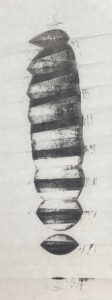
Expanded Egg #2
Mokuhanga (Japanese woodblock)
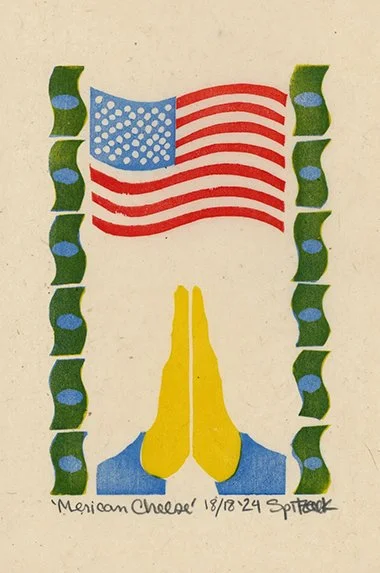
2024 charles spitzack merican cheese america the dollar money prayer flag emoji woodcut print woodblock mokuhanga seattle art artist relief printmaking lino linocut
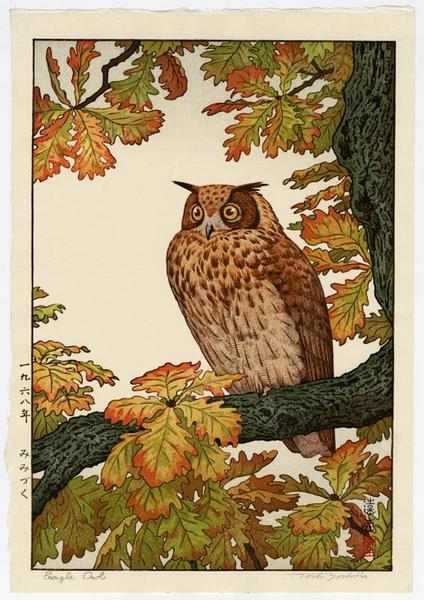
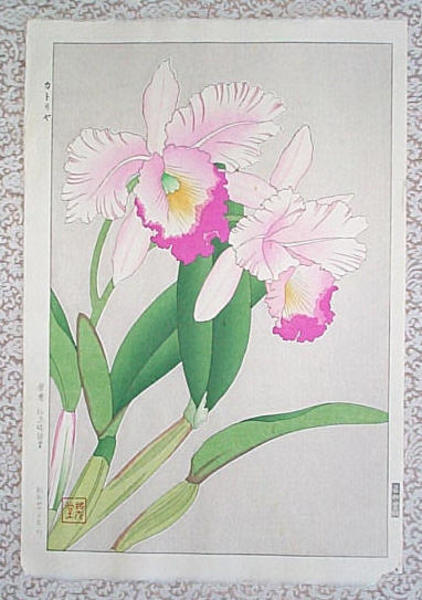
More Birds & Flowers Prints
Frequently Asked Questions
Anthurium andraeanum penis plant flower woodcut print by artist charles spitzack woodblock and mokuhanga printmaker Japanese wood block print printmaking washi seattle fine art nw relief prints color contemporary artist pnw seattle print arts was created by Charles Spitzack.
Anthurium andraeanum penis plant flower woodcut print by artist charles spitzack woodblock and mokuhanga printmaker Japanese wood block print printmaking washi seattle fine art nw relief prints color contemporary artist pnw seattle print arts depicts birds & flowers.