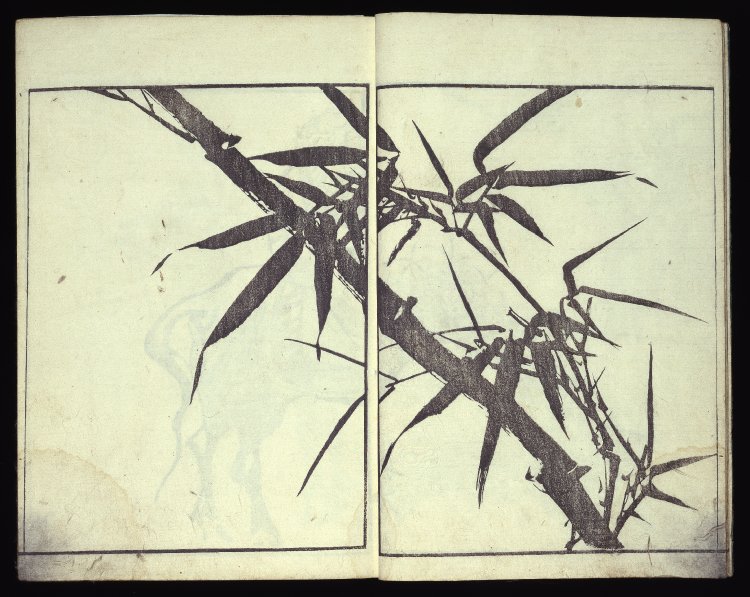
Bunpō gafu 文鳳画譜 (Bunpō's Painting Manual)
文鳳画譜
- Date:
- 1807
- Medium:
- Color woodblock-printed illustrated book
- Source:
- British Museum
Description
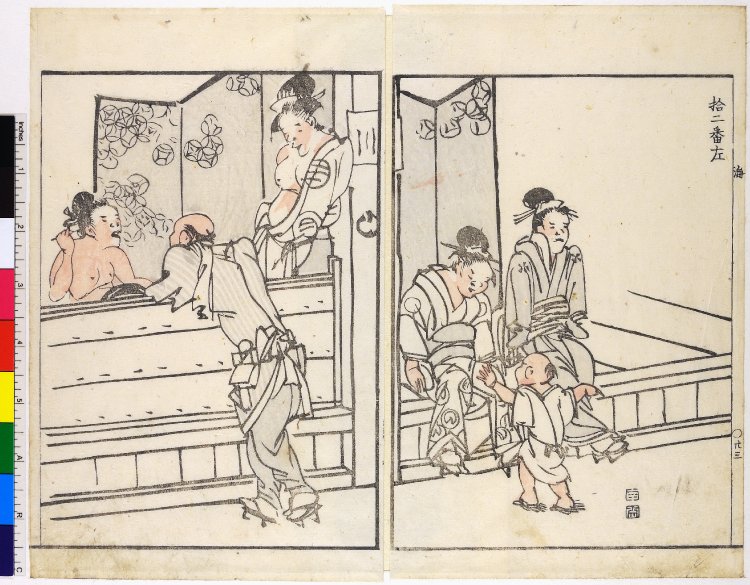
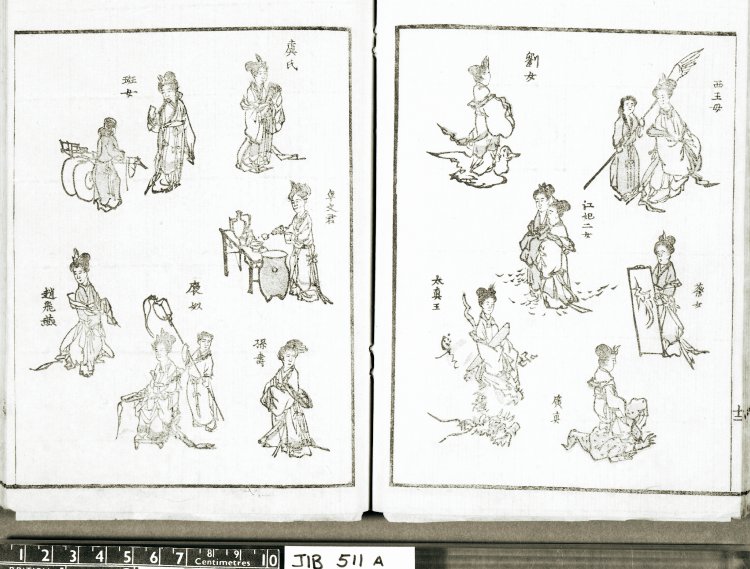
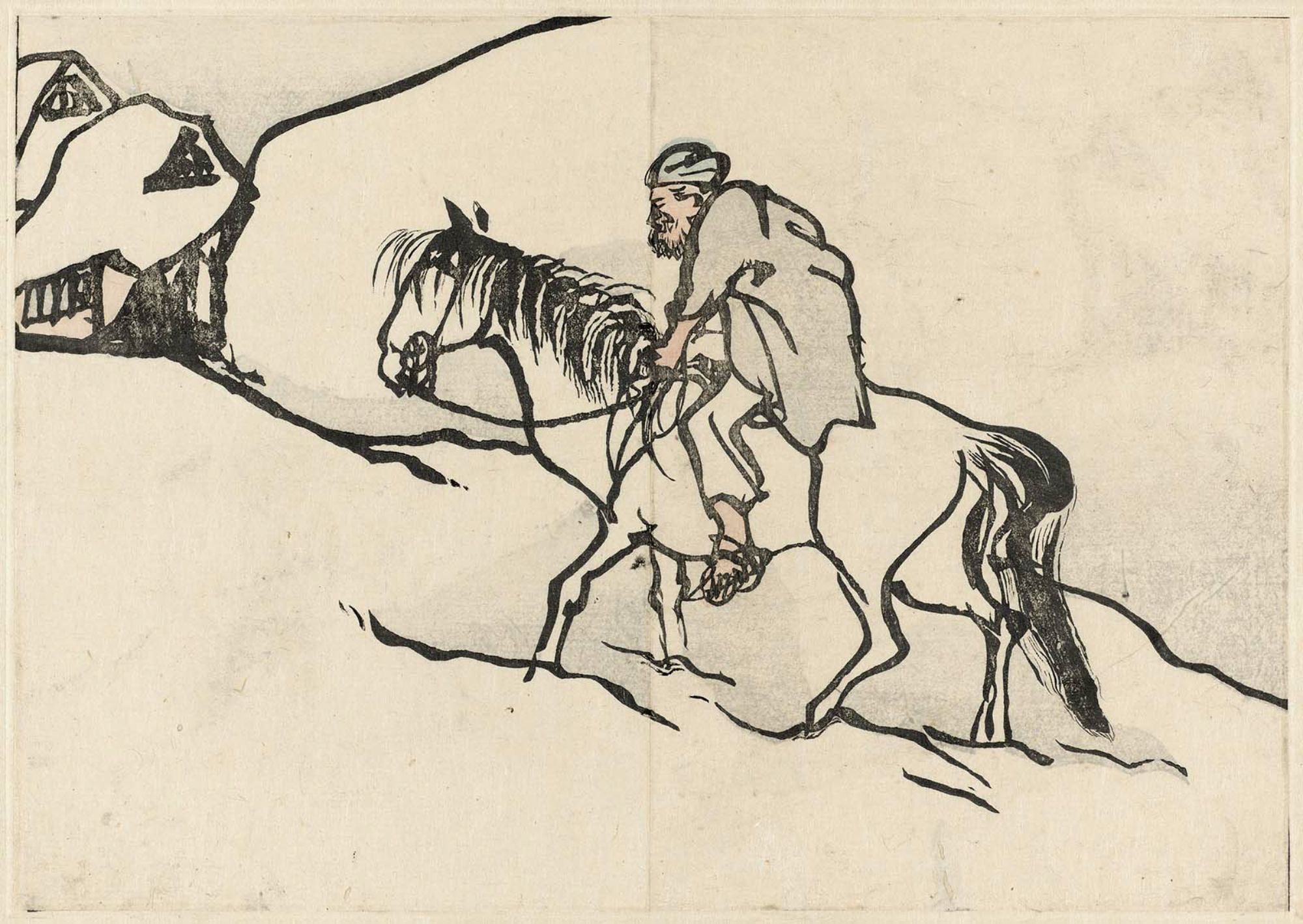
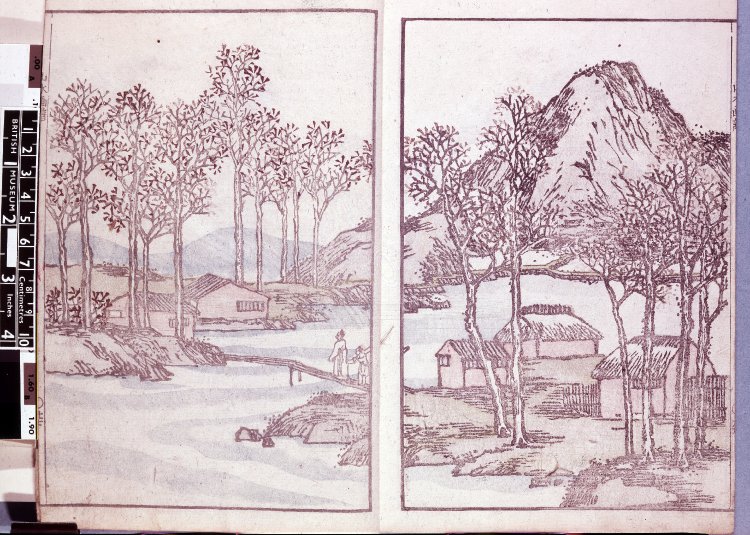
Bunpō gafu (文鳳画譜, Bunpō's Painting Manual), held by the British Museum and dated 1807, is the founding work of Kawamura Bunpō's printed painting manual program and one of the most influential e-hon of late-Edo Kyoto. Issued in three volumes by leading Kyoto publishers and cut by some of the city's finest block-cutters, Bunpō gafu organizes itself around single-subject openings — birds, animals, fishermen and laborers, plant studies, atmospheric landscape vignettes — each rendered in color woodblock that approximates the graded washes and confident brushed outlines of Maruyama-Shijō painting on paper. Bunpō, who trained in the Shijō lineage descending from Maruyama Ōkyo and Matsumura Goshun, treats the printed page as a teaching surface: each composition isolates a subject against a near-empty ground, modeling the kind of life-observed sketch that the Kyoto Shijō school built its identity around. The British Museum catalogues this set within its substantial holdings of Japanese illustrated books, where Bunpō gafu functions as a benchmark example of how brush-trained Kyoto painters used the woodblock medium to circulate their school's visual habits. The volumes traveled widely through the nineteenth century, reaching European collections via the Meiji export trade and shaping early Western understanding of Japanese brush practice. For Kawamura Bunpō specifically, Bunpō gafu is the work that established his reputation and remains the central document for understanding his Maruyama-Shijō pedagogical project in print.
More Prints by Kawamura Bunpō
Frequently Asked Questions
Bunpō gafu 文鳳画譜 (Bunpō's Painting Manual) (文鳳画譜) was created by Kawamura Bunpō (河村文鳳) in 1807.