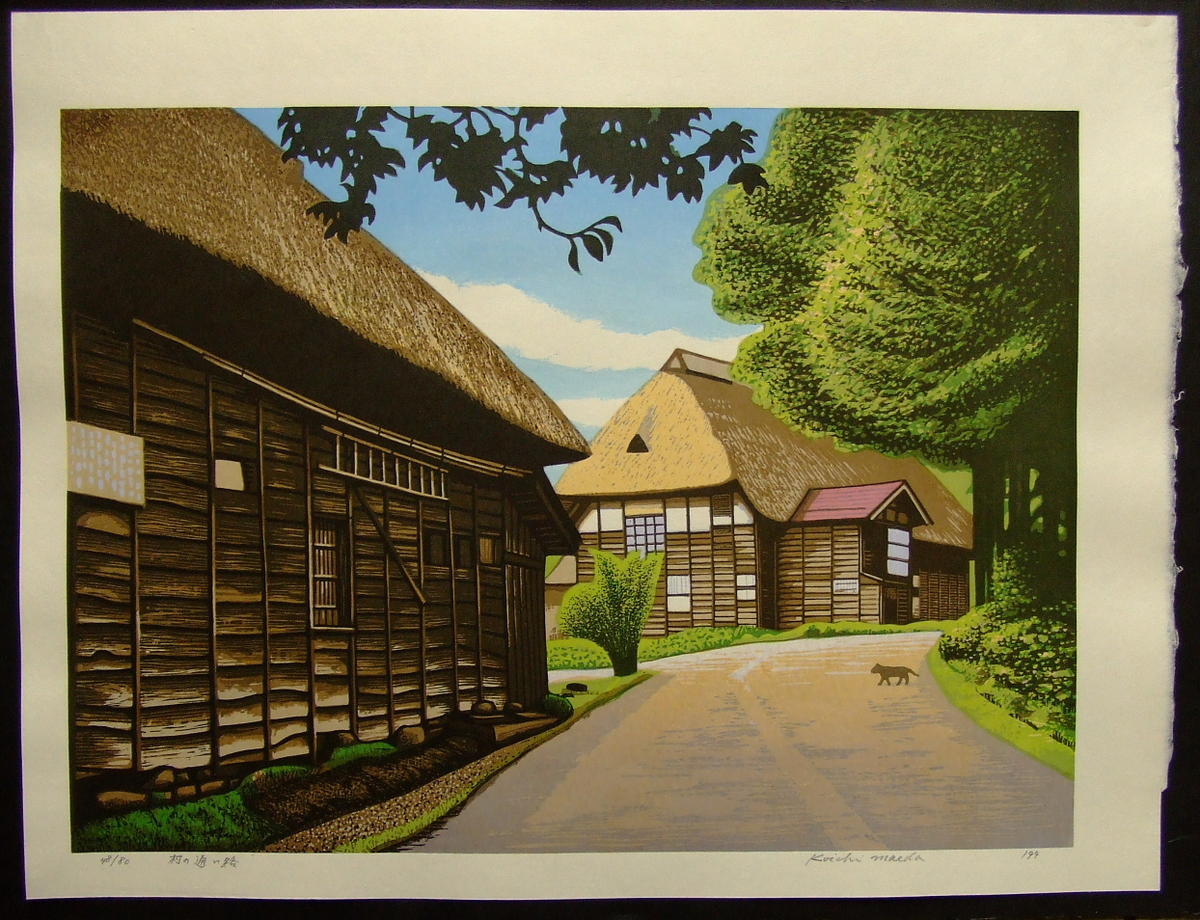
The Village Road
by Koichi Maeda
- Medium:
- Woodblock print
- Source:
- Japanese Art Open Database
- Image courtesy of
- Japanese Art Open Database
Description
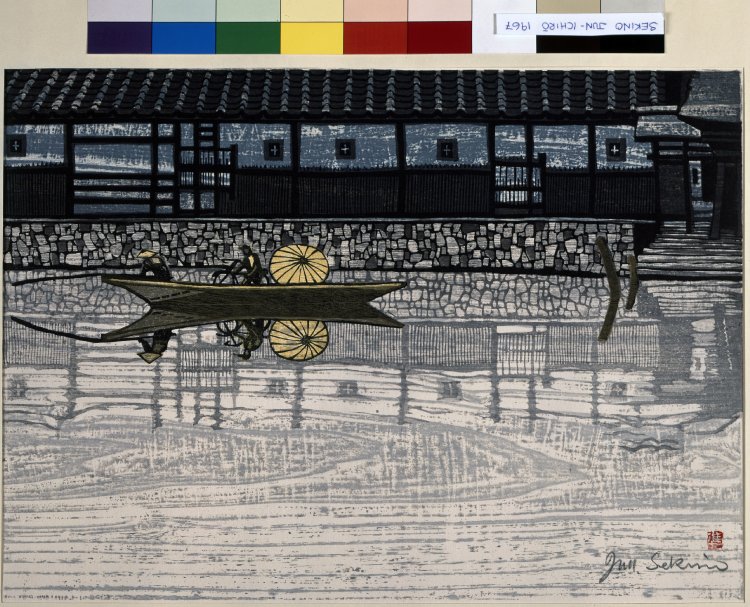
Koichi Maeda's print depicts a rural road through a Japanese village or countryside, a subject situating the work within the broader shin-hanga and sôsaku-hanga traditions of regional landscape documentation. The village road was a recurring subject in early twentieth-century Japanese printmaking, evoking a pastoral life that rapidly urbanizing Meiji and Taishô audiences received with nostalgic appreciation. The composition likely shows a narrow earthen or stone-paved lane bordered by traditional structures, hedges, or cultivated fields receding into the middle distance. Seasonal markers—cherry trees in bloom, persimmon fruit against bare branches, snow accumulating on rooftops—would anchor the scene to a specific time of year and lend the subject the temporal specificity characteristic of Japanese landscape art. Maeda's technical approach, whether working in the collaborative shin-hanga mode with a dedicated carver and printer or in the more autonomous sôsaku-hanga tradition, would determine the degree of textural complexity achievable in the print surface. The subject extends the meisho-e tradition beyond famous named sites to encompass the unnamed typicality of regional Japanese life.
More Prints by Koichi Maeda


More Transportation Prints
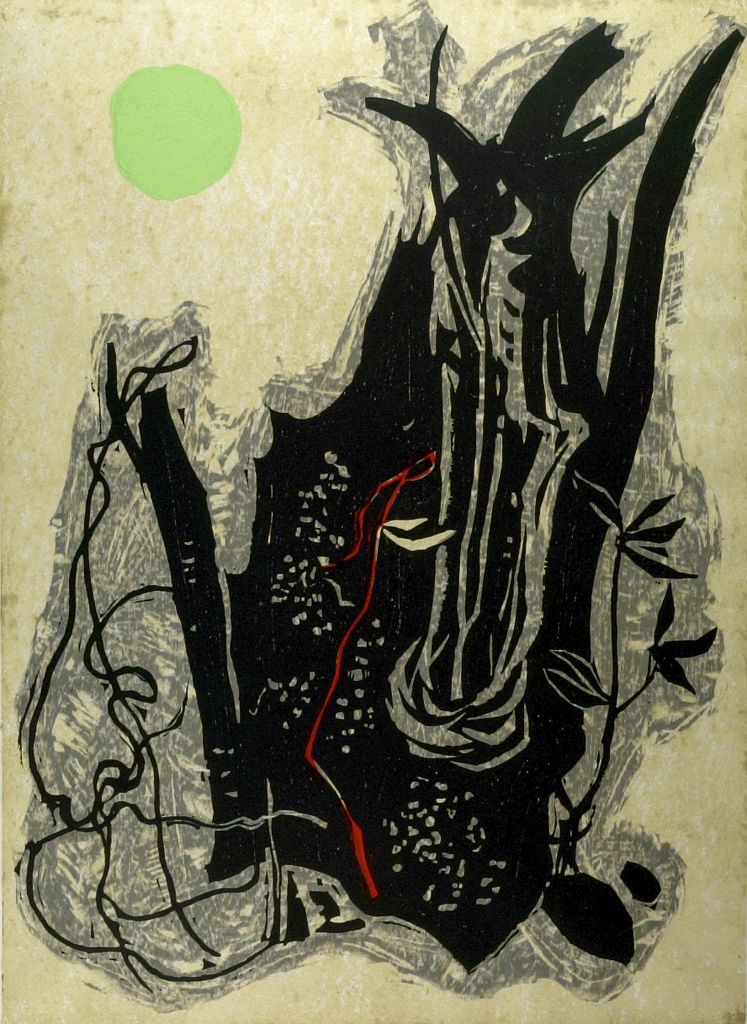
Old Tree and Path of the Sun, Shôwa period, dated 1961
Woodblock print
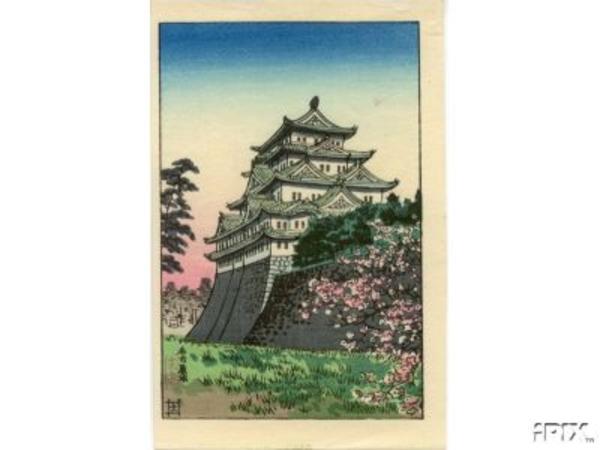
Nagoya Castle
Woodblock print
Battle at Jinzhoucheng on the Road to Port Arthur
1894 (Meiji 27)
Woodblock print (nishiki-e); ink and color on paper
Mitsuke / Tokaido gojusan tsugi ('Fifty-three Stations of the Tokaido Road)
Woodblock print
Frequently Asked Questions
The Village Road was created by Koichi Maeda (前田光一).
The Village Road depicts transportation, travel scenes, and village scenes.