
Eagle
- Medium:
- Mokuhanga (Japanese woodblock)
- Image courtesy of
- Saru Gallery
Description
This print depicts an eagle, a subject Seitei returned to repeatedly within his kacho-e practice, typically shown perched on a pine bough or rocky outcrop with its plumage rendered in fine detail. Eagles (washi) carried associations with strength and martial virtue in the Japanese pictorial tradition, but Seitei's treatment characteristically tempers this iconographic weight with naturalistic observation—the curve of the beak, the scaled tarsi, and the layered structure of the primary and secondary flight feathers given individuated attention rather than reduced to convention. Technically, eagle prints from this period often combined dense black sumi keyblocks for the contour with restrained earth-tone overlays and bokashi gradients for the background, allowing the bird itself to dominate the oban sheet. Within Seitei's broader output, eagle subjects sit alongside his more lyrical small-bird studies as evidence of his range across the kacho-e genre, and reflect the Meiji-era convergence of traditional ukiyo-e printmaking craft with the empirical observation he absorbed from European art during his Paris years.
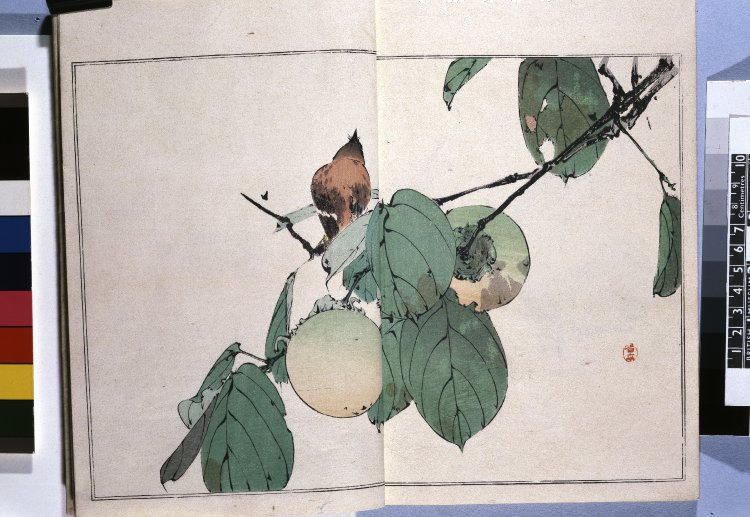
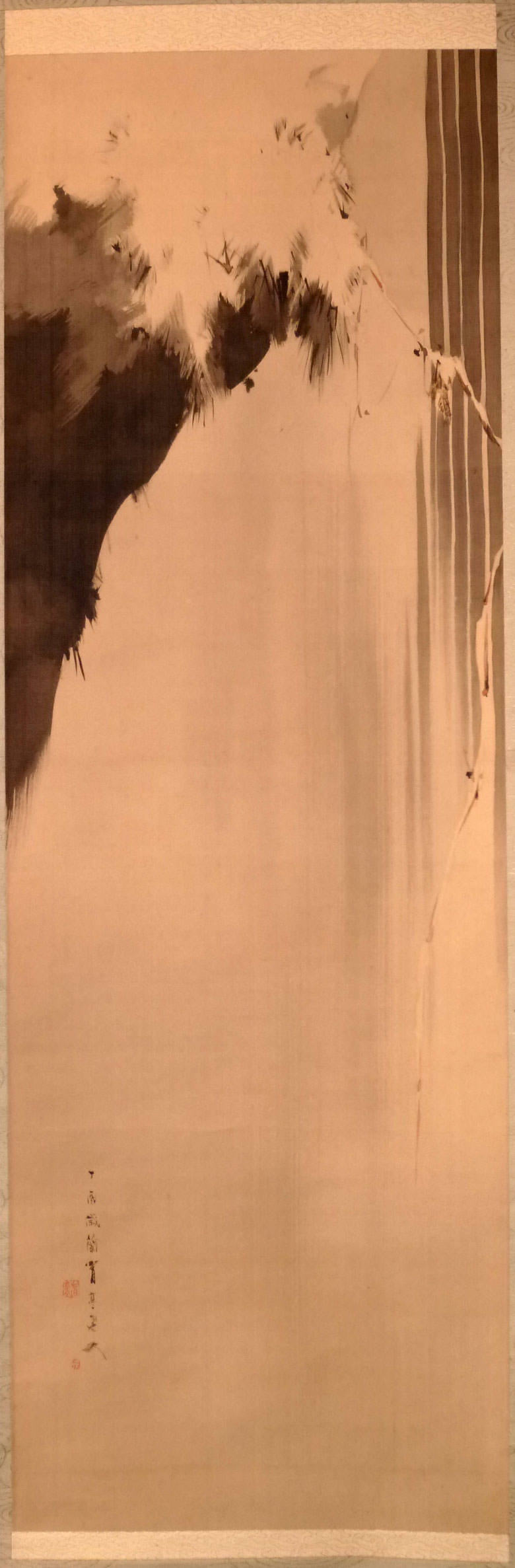
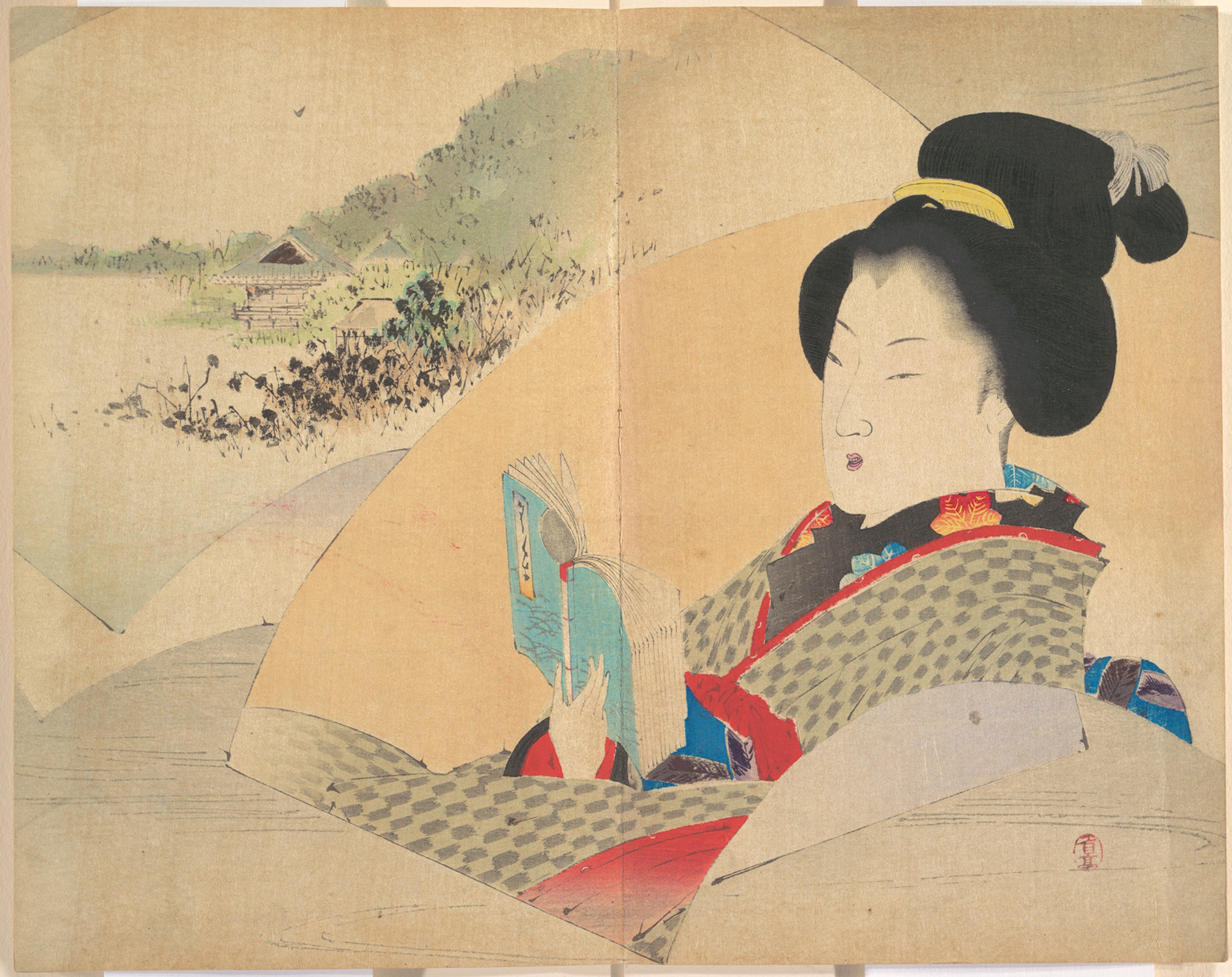
More Prints by Watanabe Seitei

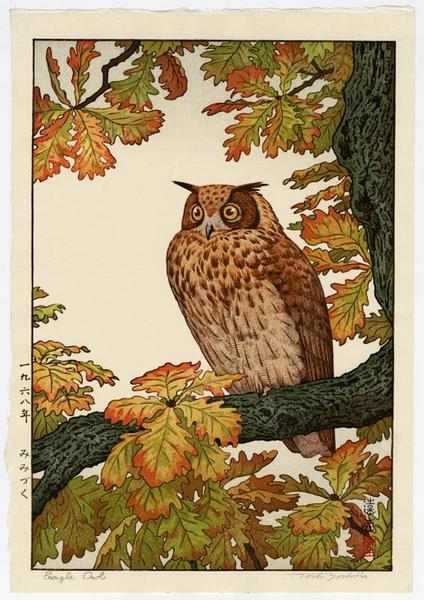
More Birds & Flowers Prints
Frequently Asked Questions
Eagle was created by Watanabe Seitei (渡辺省亭).
Eagle depicts birds & flowers.