Meiji/Taishō Prints
明治大正版画
Transitional prints bridging ukiyo-e and modern printmaking, 1868–1926
c. 1868–1926
About Meiji/Taishō Prints
Meiji and Taishō era prints (1868–1926) bridge the transition from traditional ukiyo-e to the modern shin-hanga and sosaku-hanga movements. During this period, Japan underwent rapid modernization and Westernization, profoundly affecting the visual arts. Artists working in this transitional era experimented with Western techniques such as perspective, shading, and oil painting while often maintaining connections to traditional woodblock printmaking. Key figures include Tsukioka Yoshitoshi, who brought ukiyo-e to its dramatic culmination; Kobayashi Kiyochika, who pioneered light-and-shadow effects in prints; and Uemura Shoen, whose refined bijin-ga paintings influenced generations of later printmakers. The era also saw the emergence of the sōsaku-hanga ideal through Kanae Yamamoto''s 1904 "Fisherman," widely considered the first modern creative print.
Meiji/Taishō Prints Artists (74)
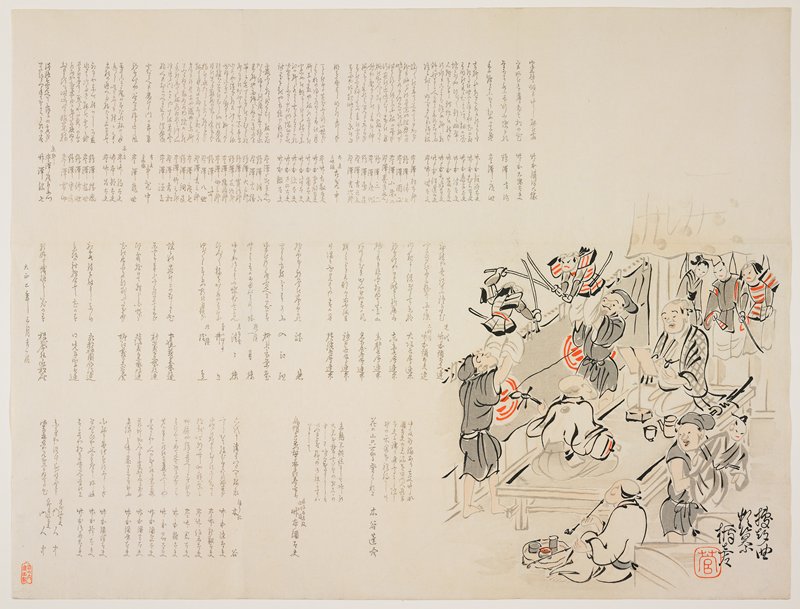
Suga Tatehiko
須賀建彦
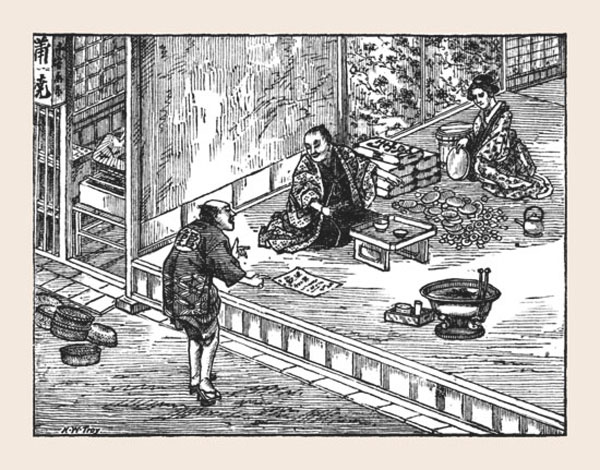
Ozawa Nankoku
小沢南谷
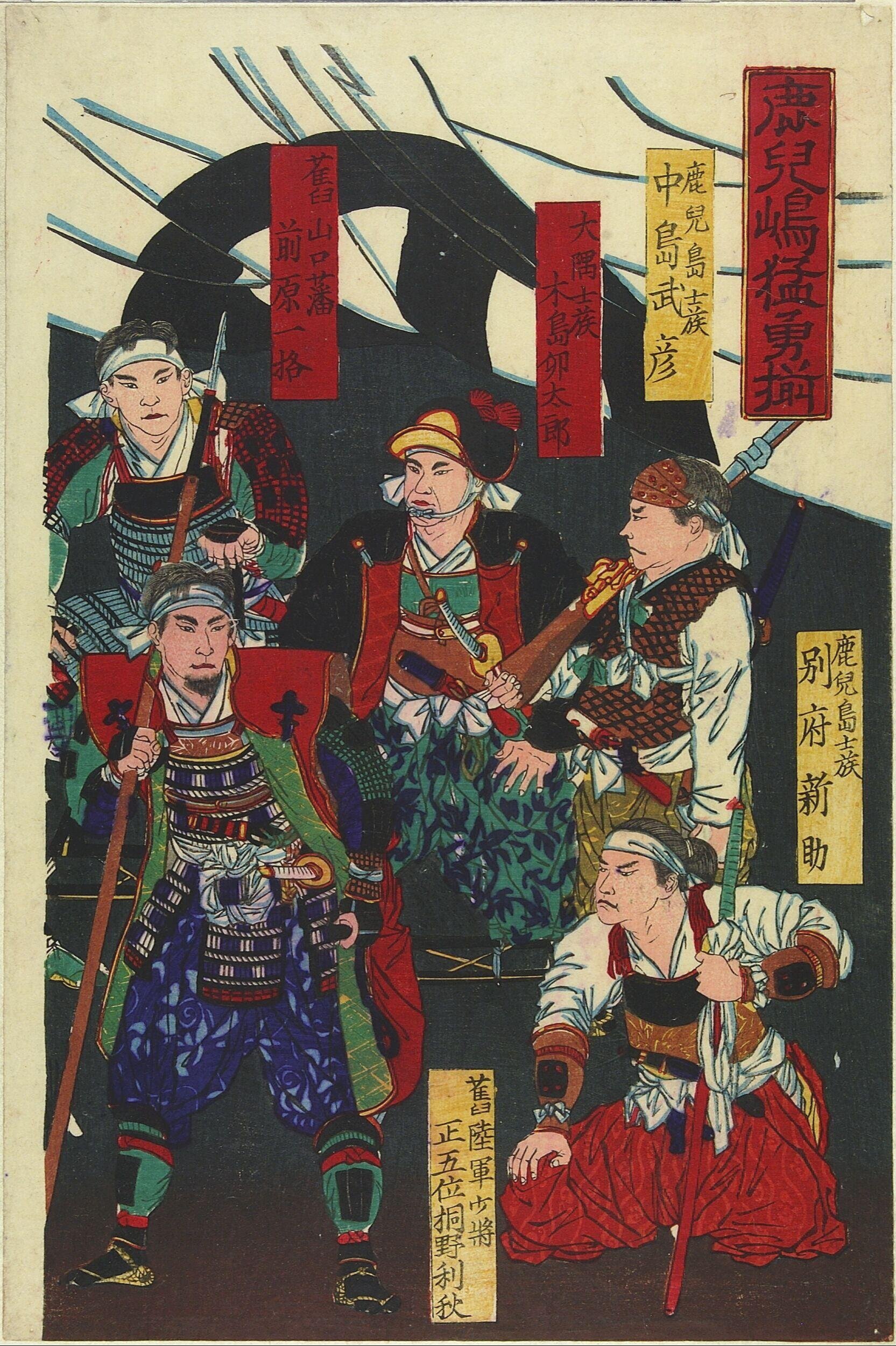
Adachi Ginkō
安達吟光
Utagawa Fusatane
歌川房種
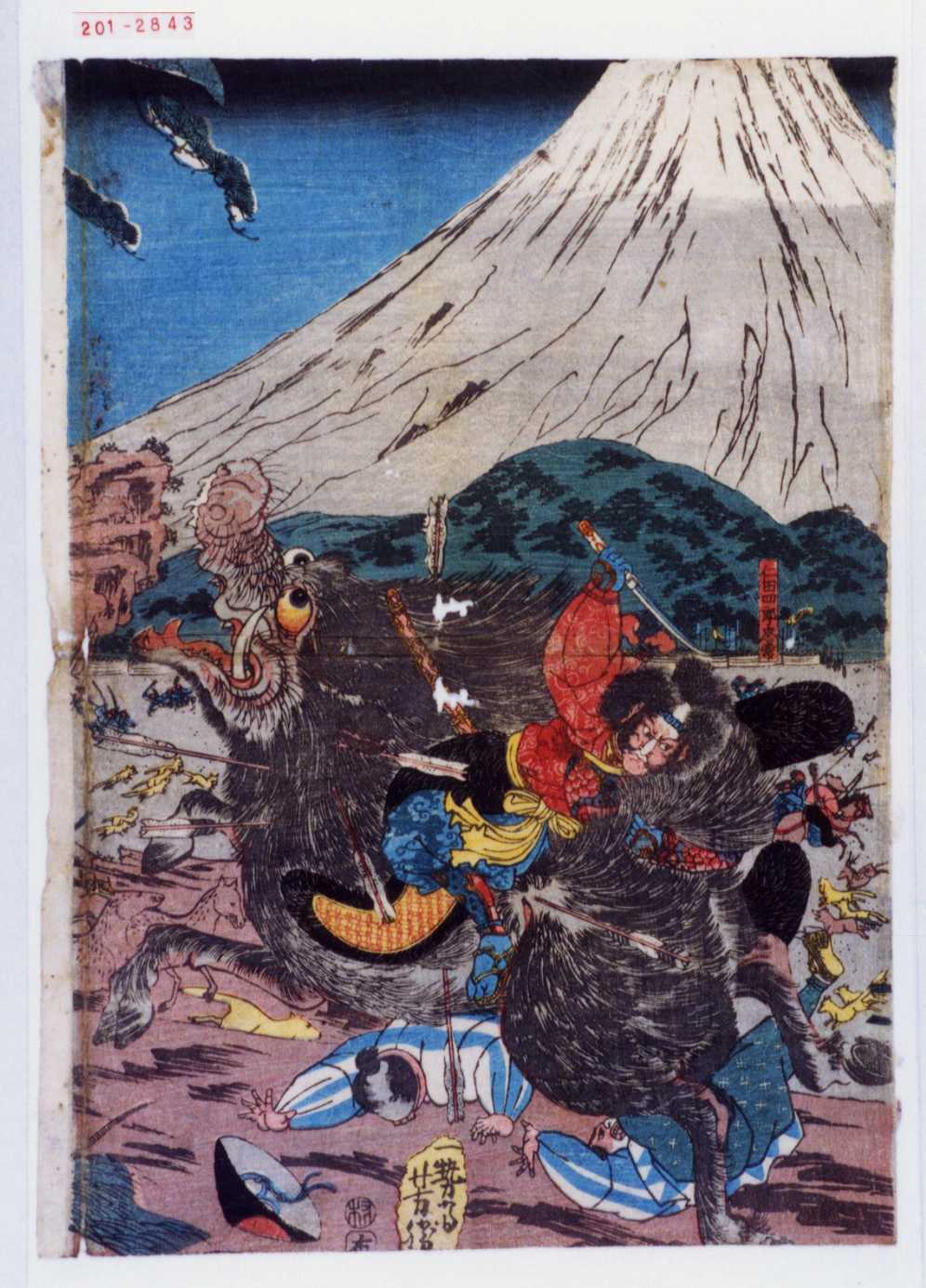
Utagawa Yoshikatsu
歌川芳勝
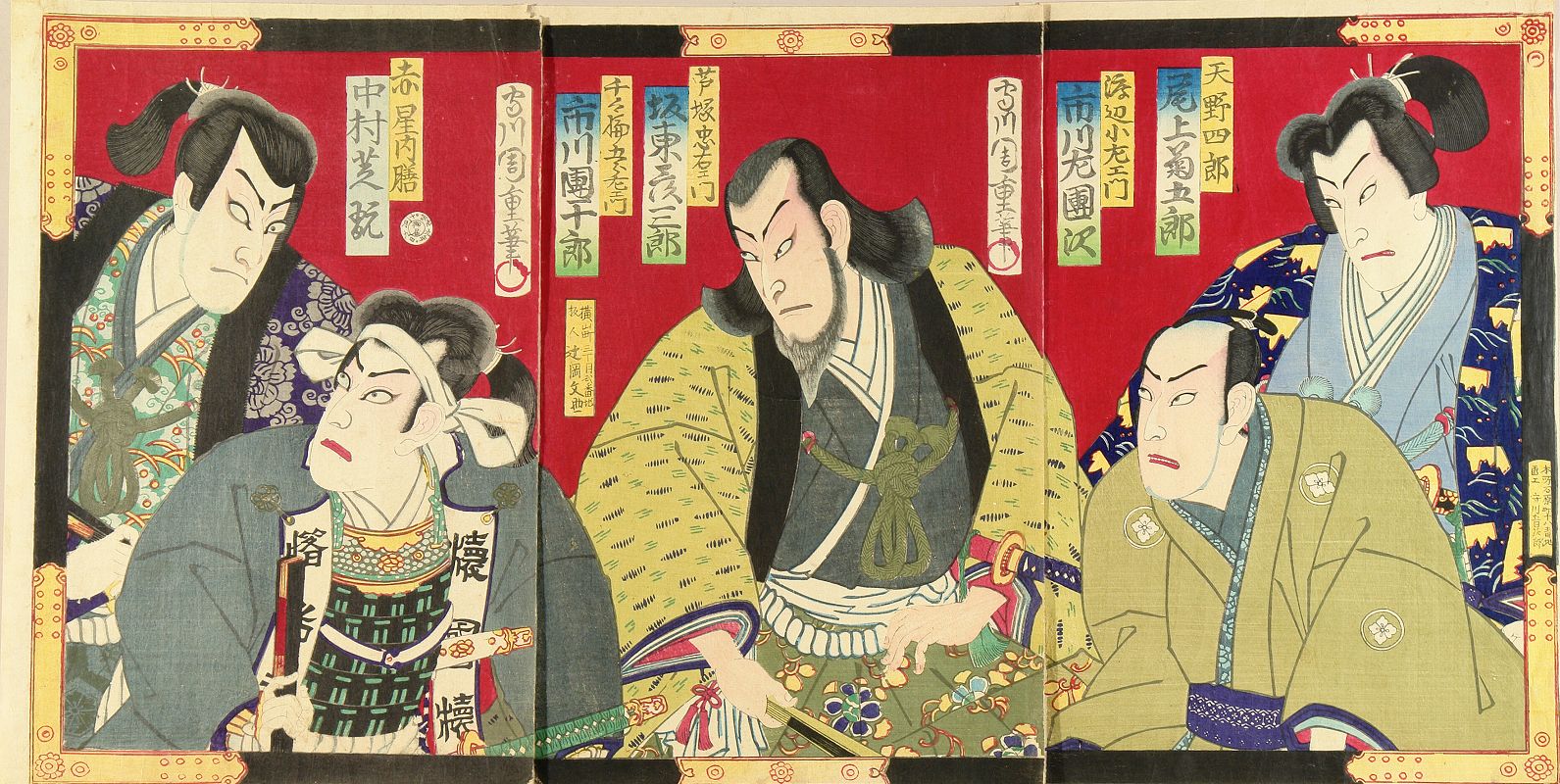
Morikawa Chikashige
森川周重
Asakura Bunsai
朝倉文斎

Shōsai Ikkei
昇斎一景
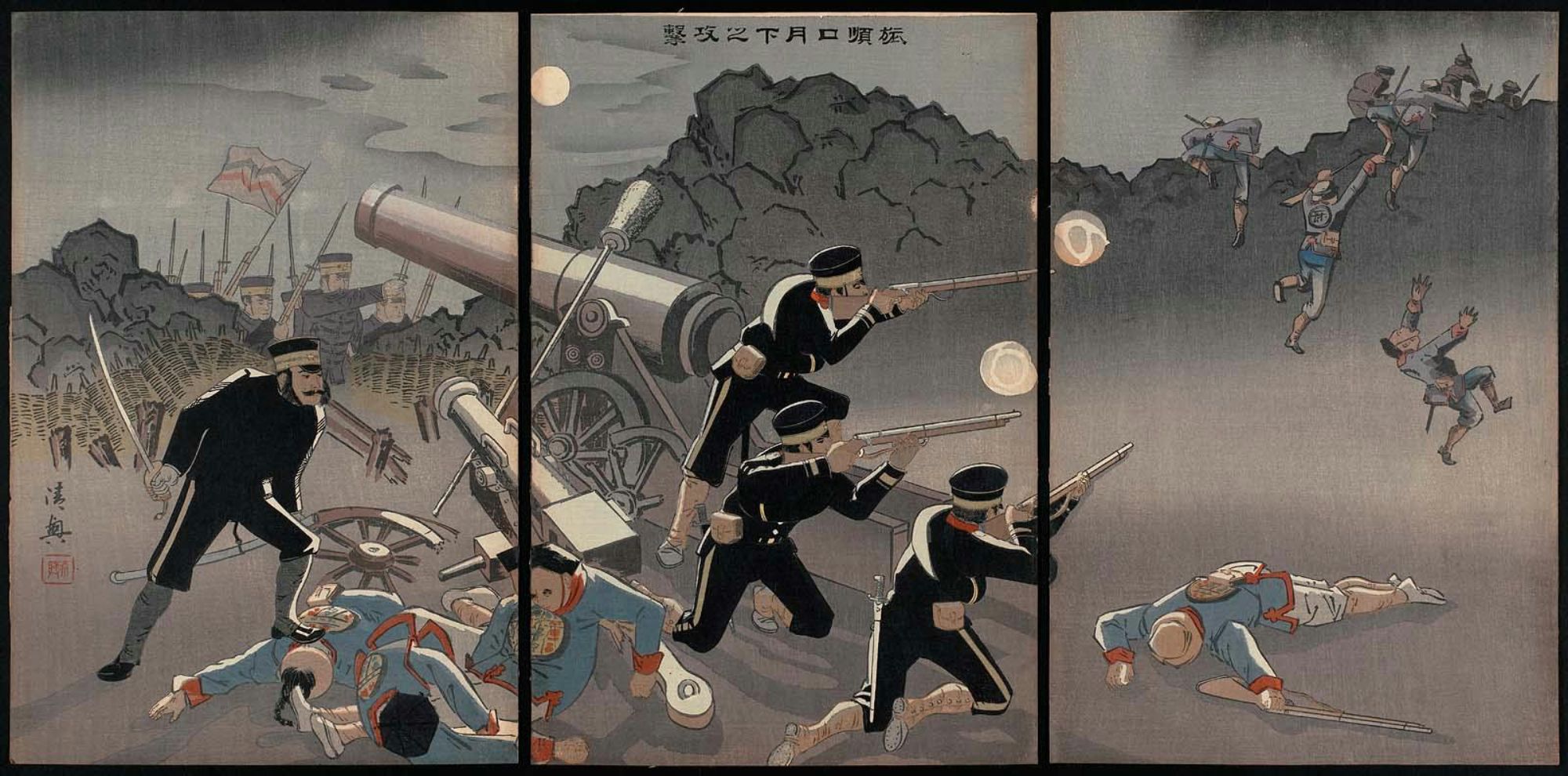
Shinohara Kiyooki
篠原清興
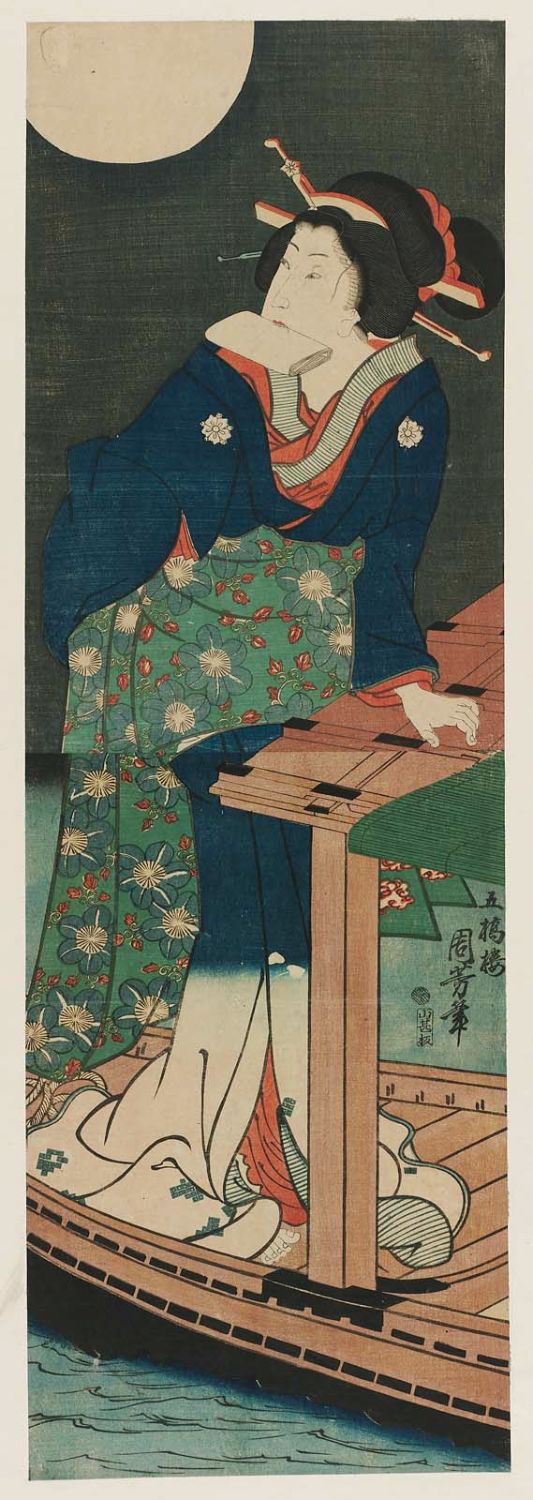
Toyohara Chikayoshi
豊原周美
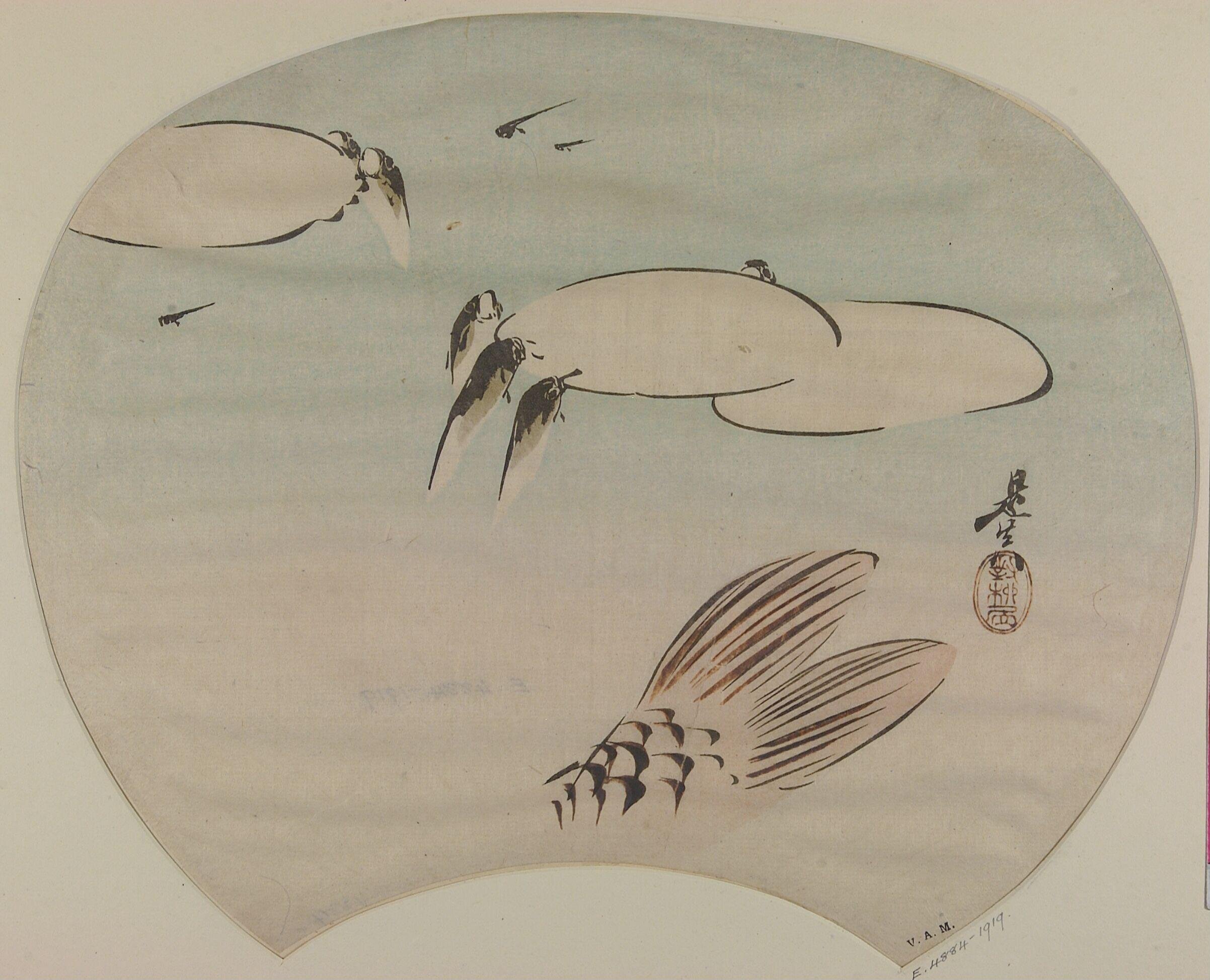
Shibata Zeshin
柴田是真
1807–1891
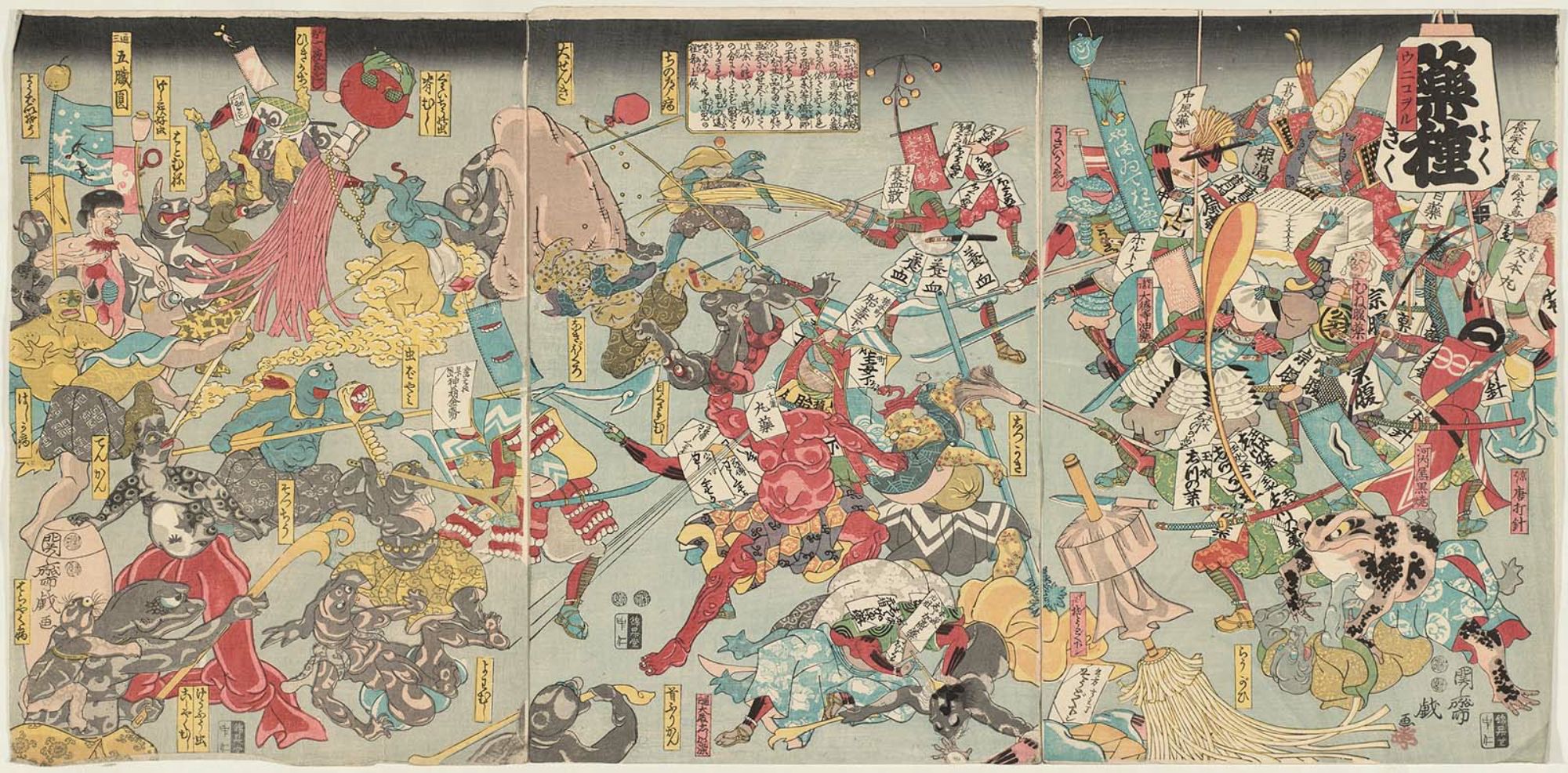
Mori Kansai
森寛斎
1814–1894

Utagawa Yoshimune
歌川芳宗
1817–1880
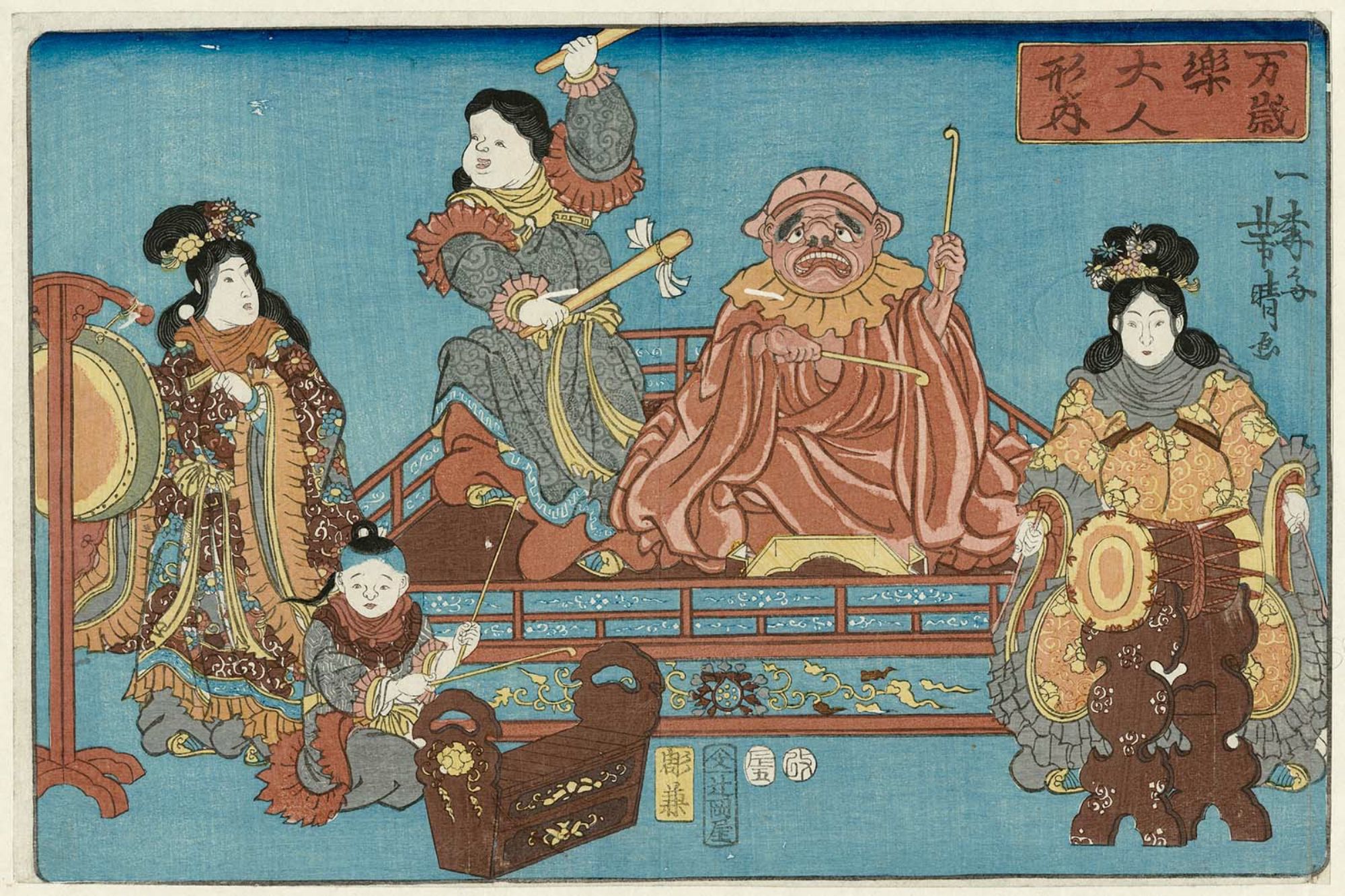
Utagawa Yoshiharu
歌川芳春
1828–1888

Kanō Hōgai
狩野芳崖
1828–1888

Taki Katei
滝和亭
1830–1901
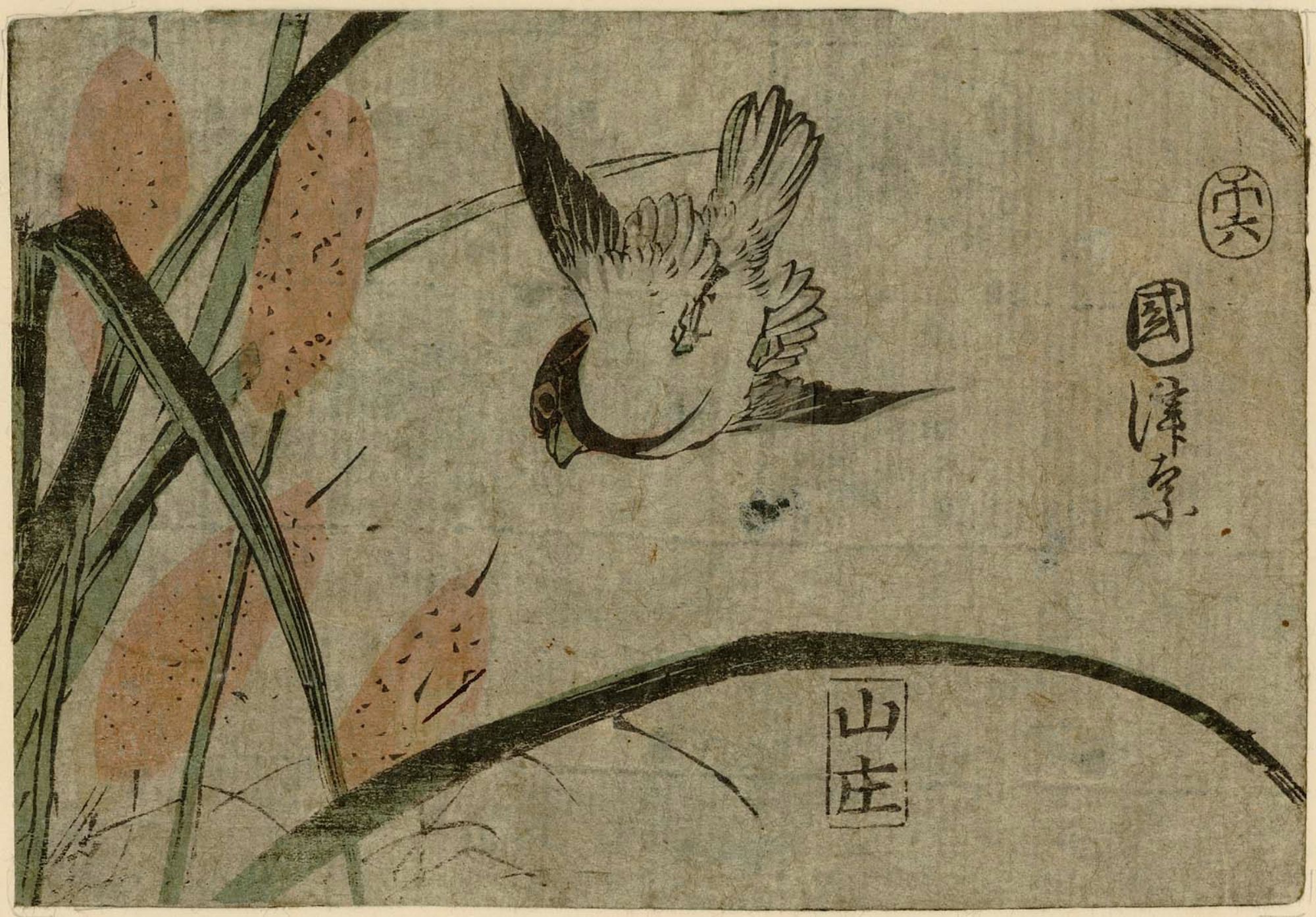
Utagawa Kuniteru II
二代歌川国輝
1830–1874
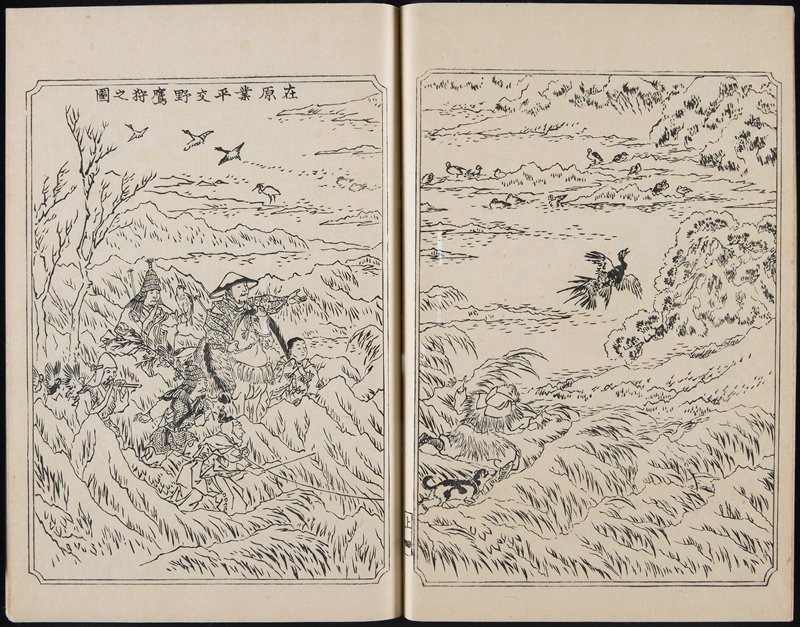
Kawanabe Kyosai
河鍋暁斎
1831–1889

Ochiai Yoshiiku
落合芳幾
1833–1904

Toyohara Kunichika
豊原国周
1835–1900
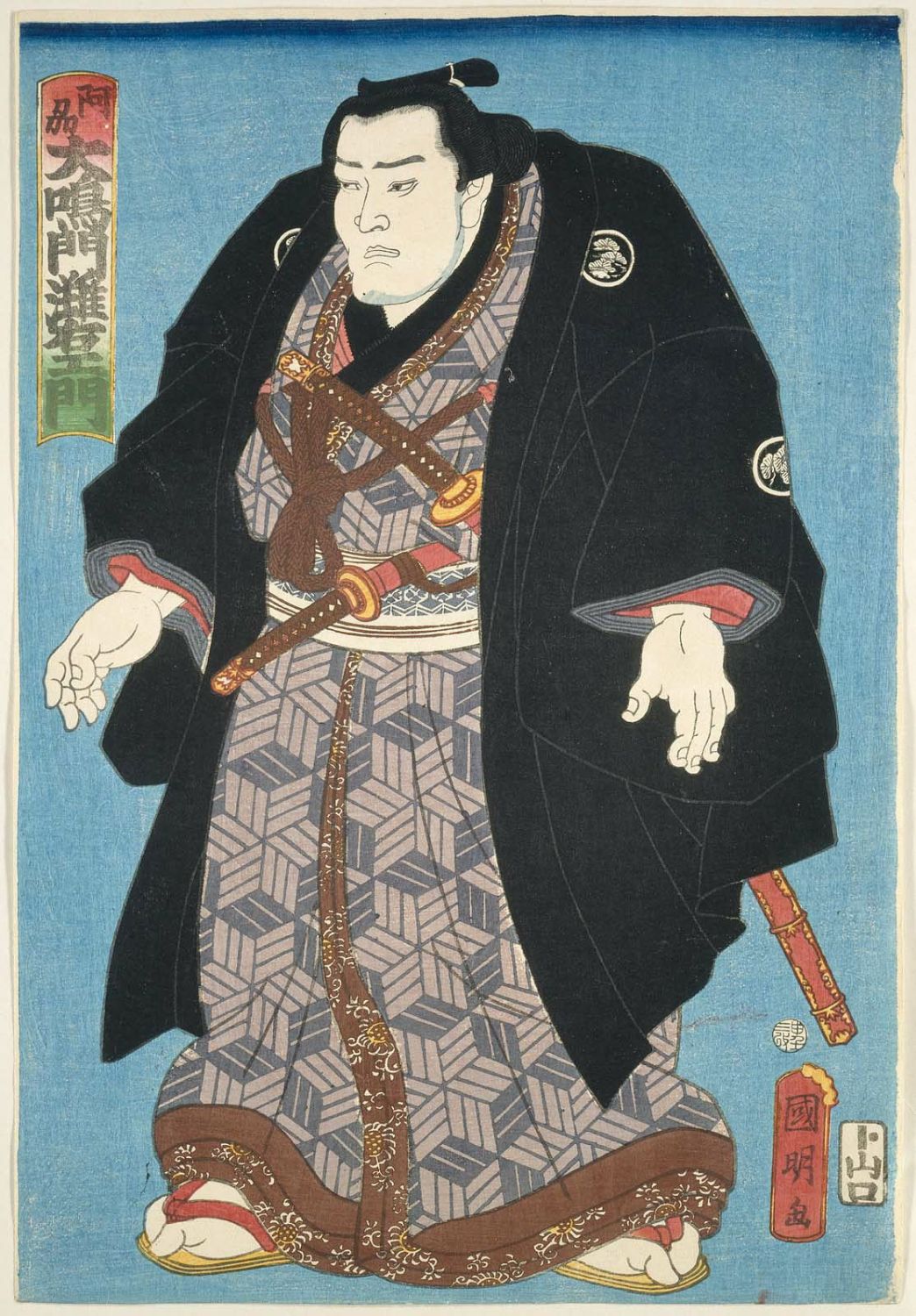
Utagawa Kuniaki II
二代歌川国明
1835–1888
Toyohara Chikanobu
豊原周延
1838–1912

Numata Kashū
沼田荷舟
1838–1901
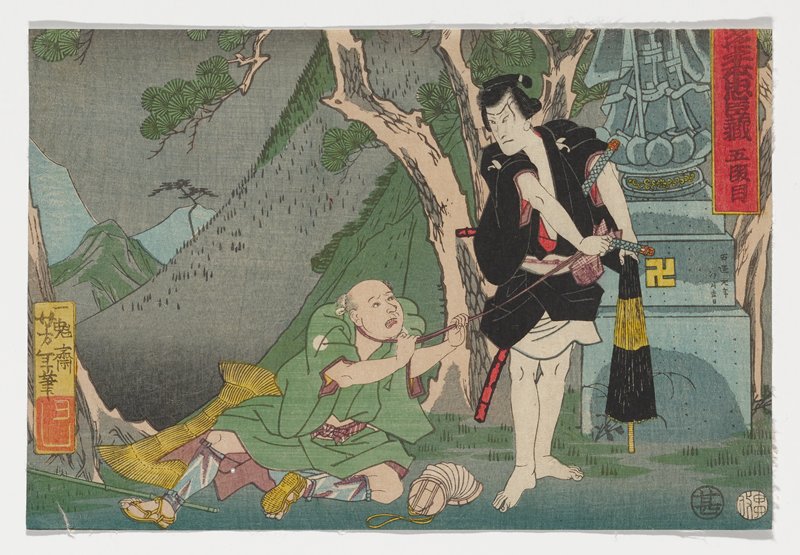
Tsukioka Yoshitoshi
月岡芳年
1839–1892
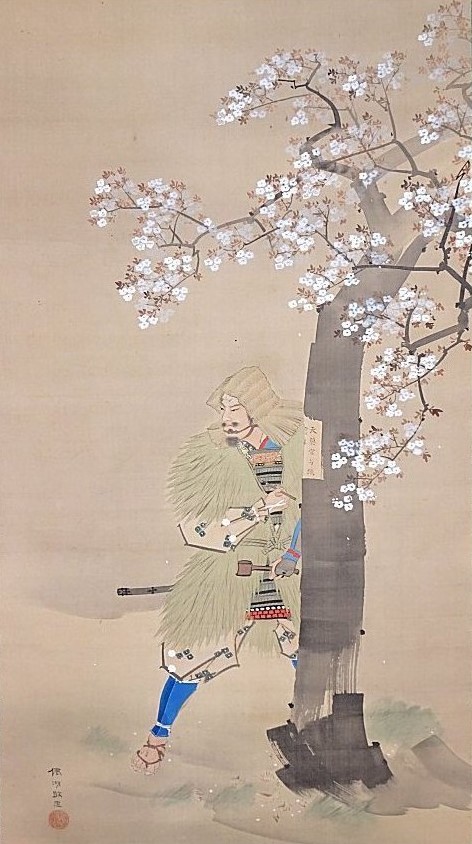
Matsumoto Fūko
松本楓湖
1840–1923

Utagawa Hiroshige III
三代目歌川広重
1842–1894
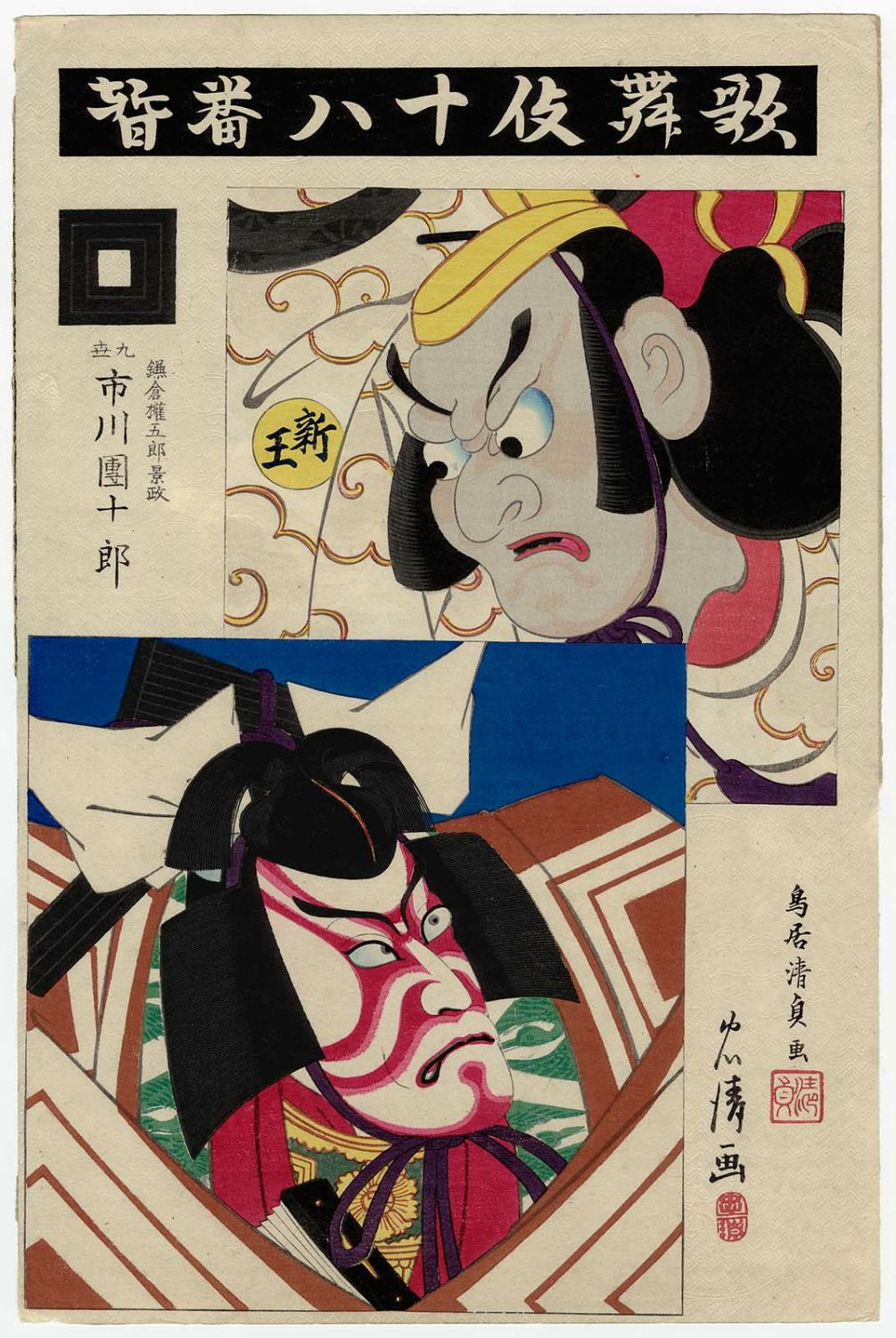
Torii Kiyosada
鳥居清貞
1844–1901
Kobayashi Kiyochika
小林清親
1847–1915

Noguchi Shōhin
野口小蘋
1847–1917

Utagawa Kunitoshi
歌川国利
1847–1899
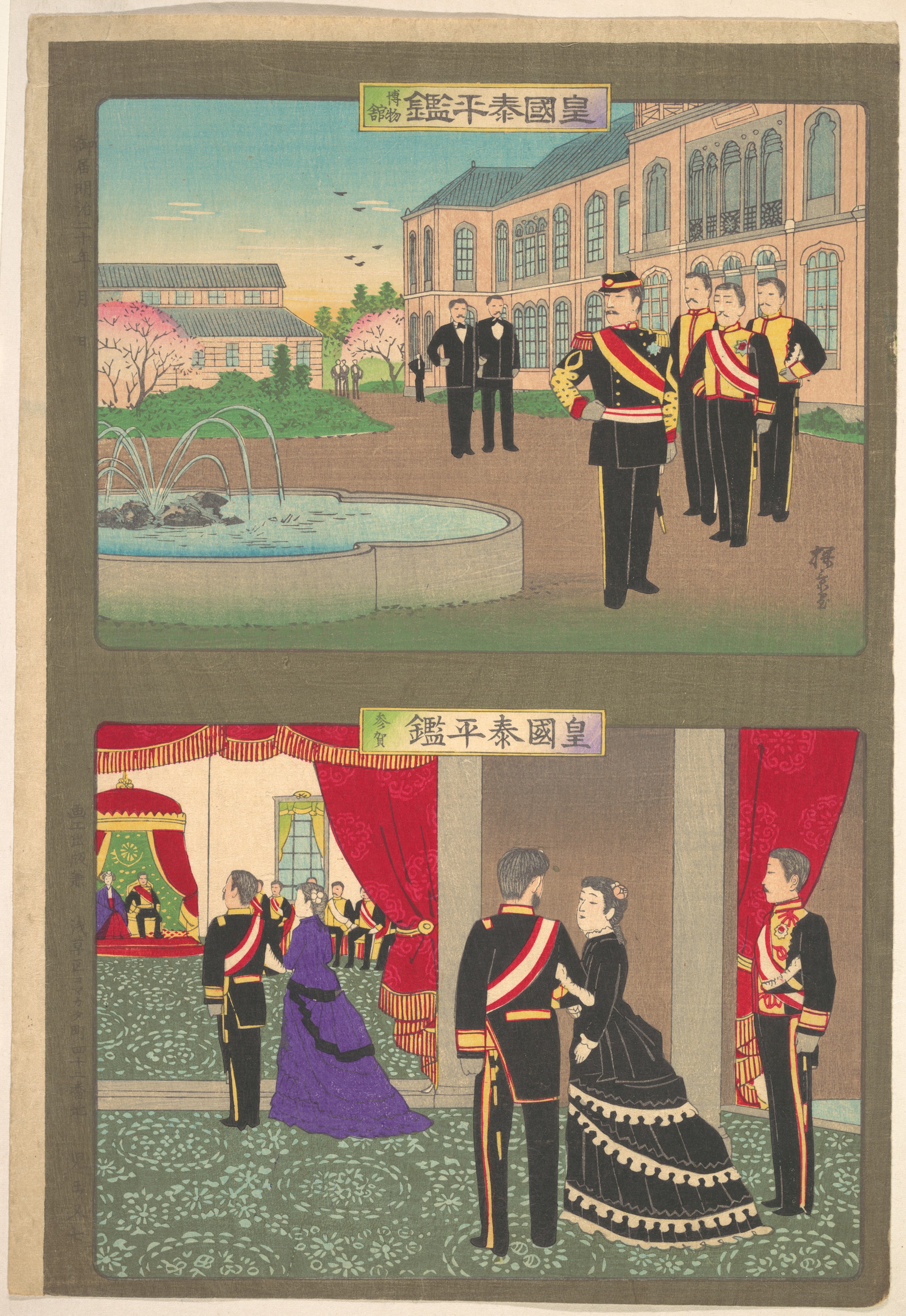
Utagawa Kunisada III
三代目歌川国貞
1848–1920
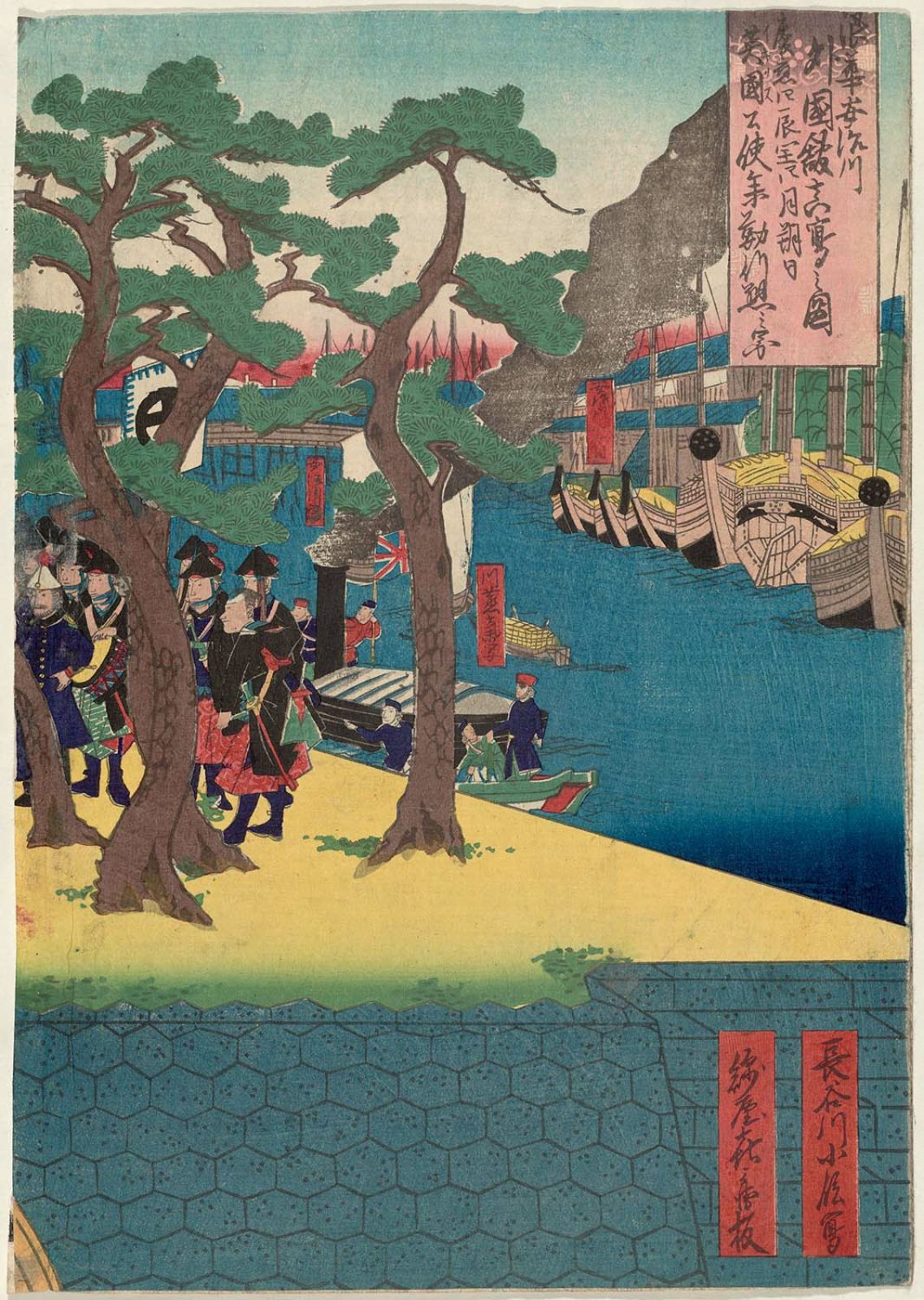
Hasegawa Sadanobu II
二代目長谷川貞信
1848–1940
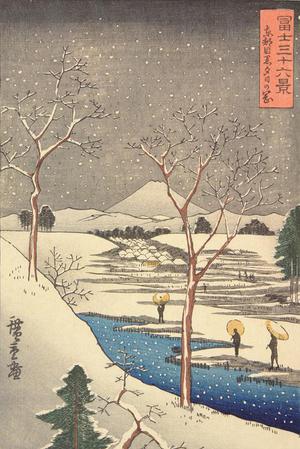
Andō Hiroshige IV
安藤広重四代
1849–1925

Suzuki Shōnen
鈴木松年
1849–1918
Takashima Hokkai
高島北海
1850–1931

Watanabe Seitei
渡辺省亭
1851–1918
Asai Chu
浅井忠
1856–1907
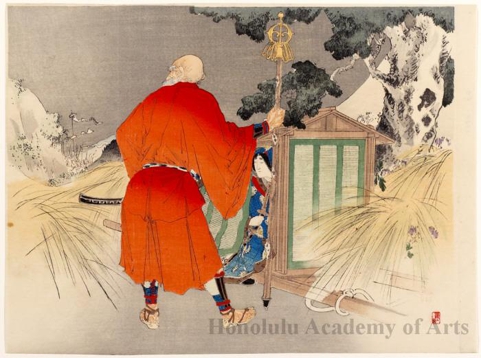
Mishima Shōsō
三島蕉窓
1856–1928

Yamazaki Toshinobu
山崎年信
1857–1886

Shibata Shinsai
柴田真斎
1858–1895

Ogata Gekko
尾形月耕
1859–1920
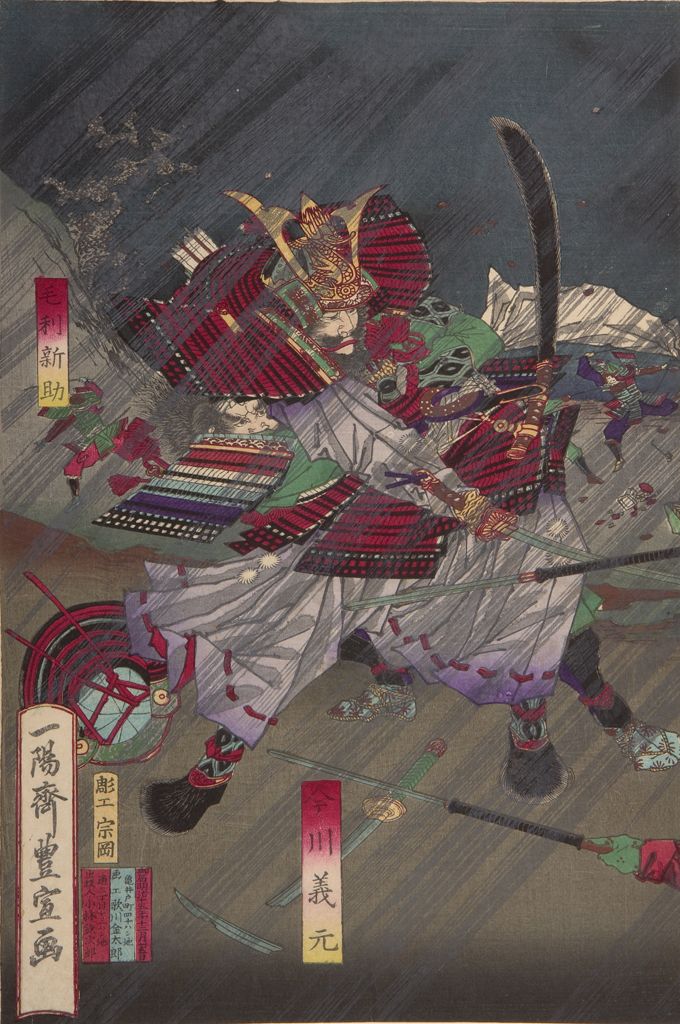
Utagawa Toyonobu
歌川豊宣
1859–1886
Kikuchi Hōbun
菊池芳文
1862–1918

Migita Toshihide
右田年英
1863–1925

Tsutsui Toshimine
筒井年峰
1863–1934

Inoue Yasuji
井上安治
1864–1889
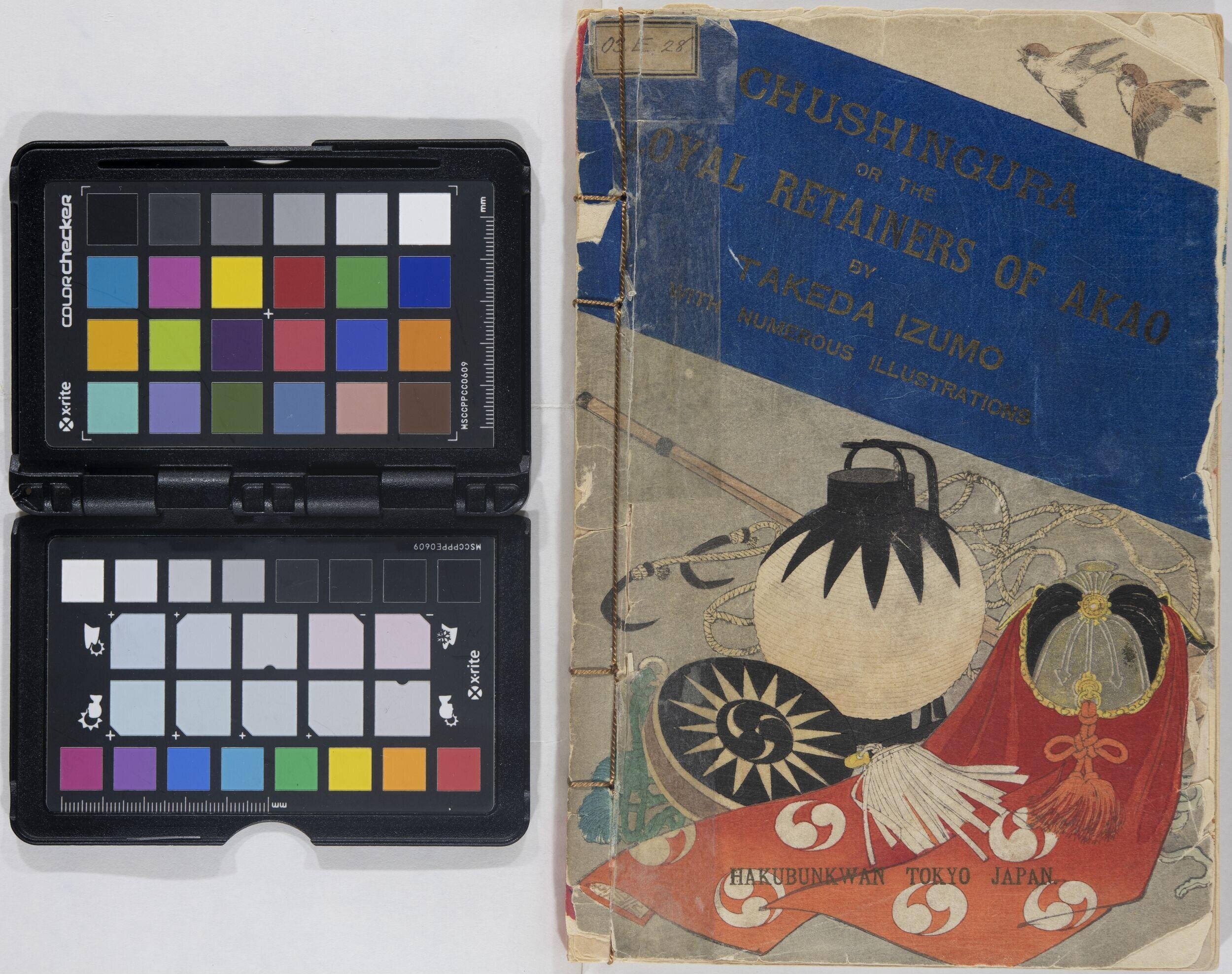
Tomioka Eisen
富岡永洗
1864–1905
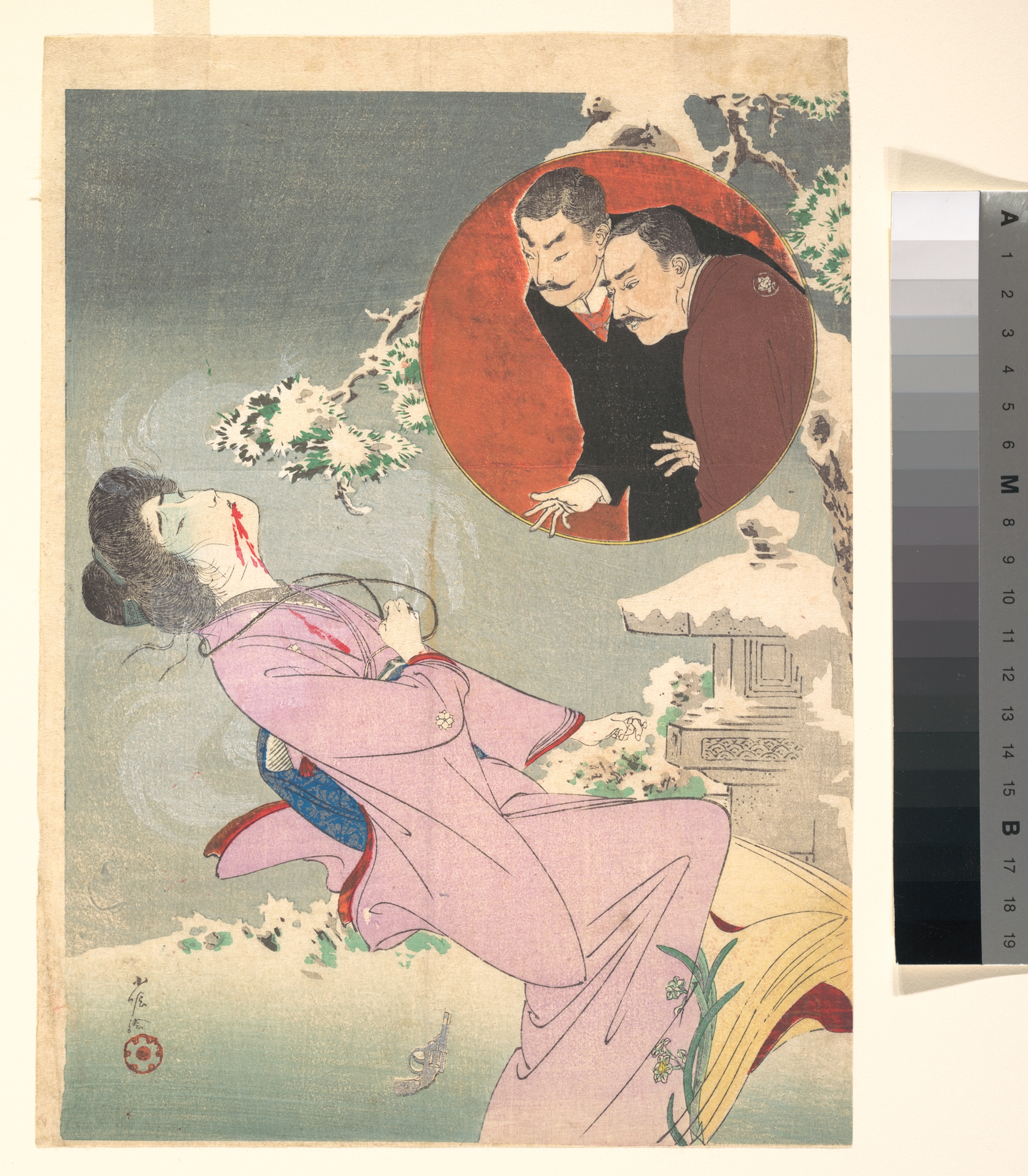
Kobori Tomone
小堀鞆音
1864–1931
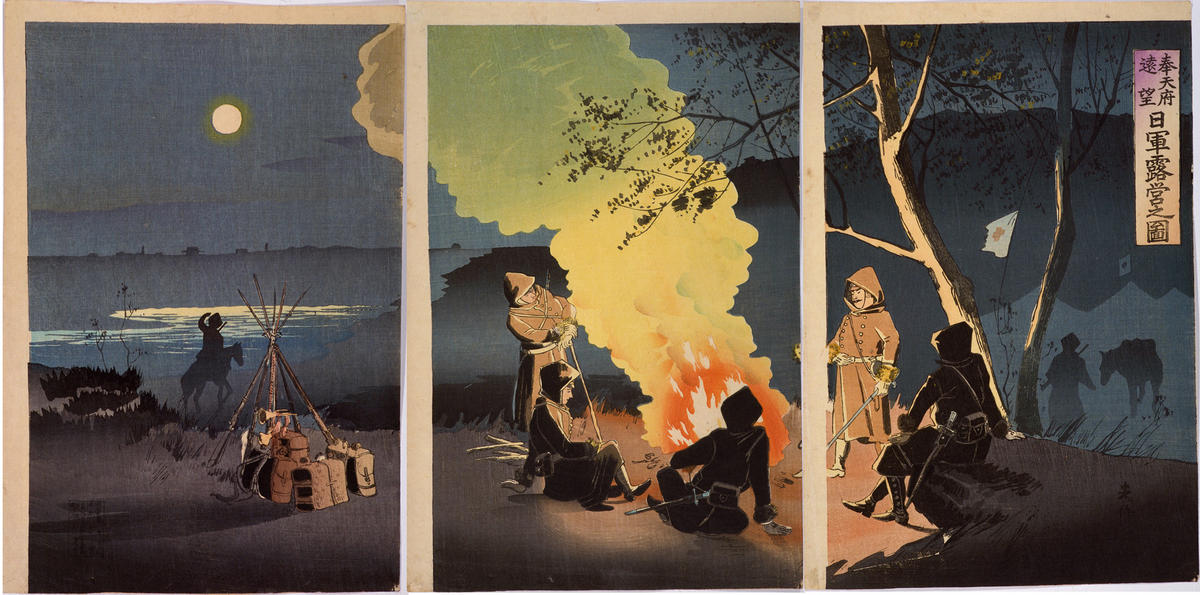
Taguchi Beisaku
田口米作
1864–1903
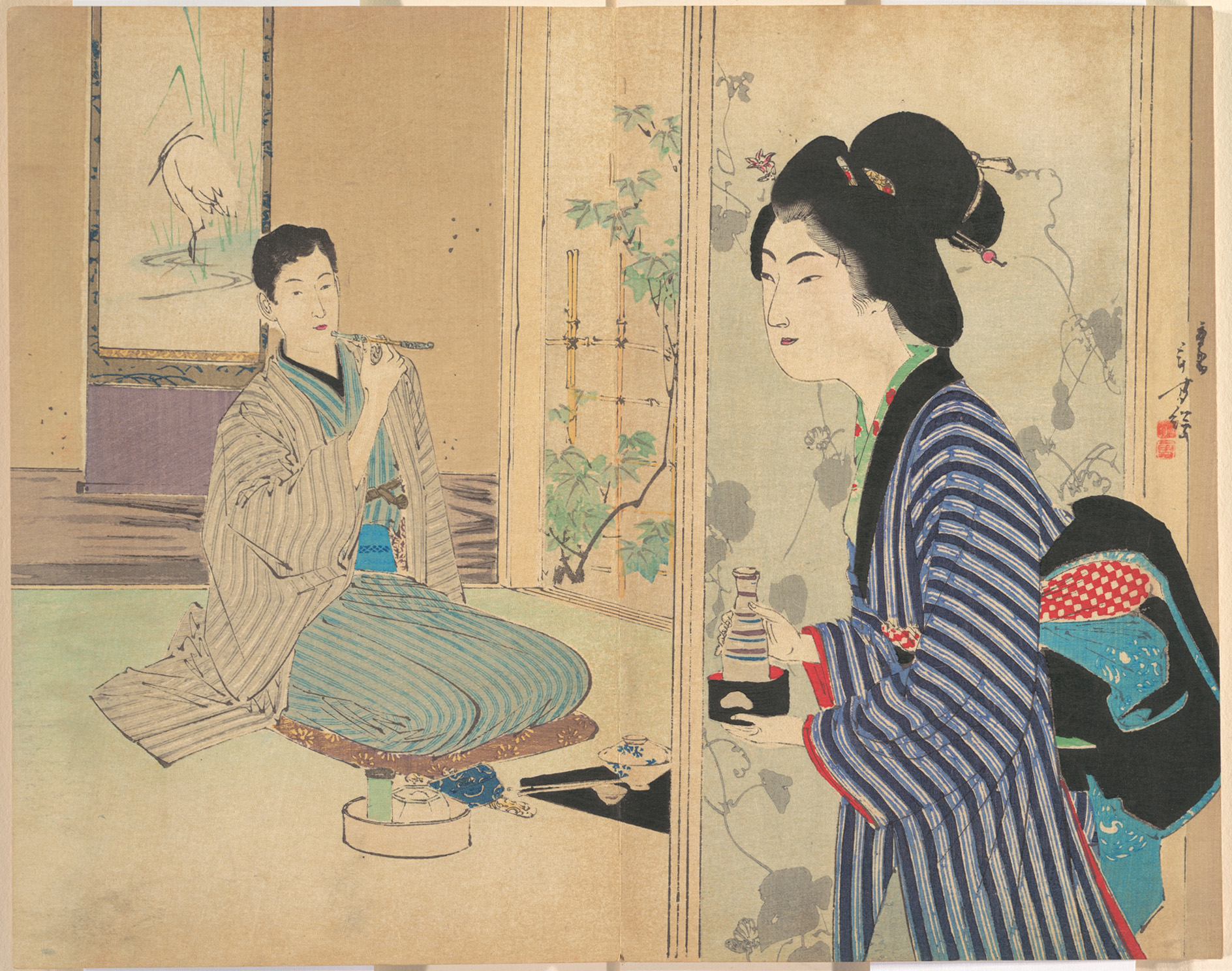
Mizuno Toshikata
水野年方
1866–1908
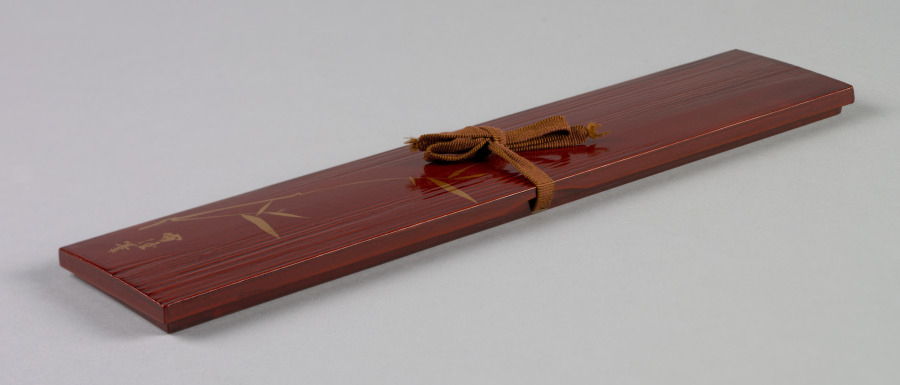
Kamisaka Sekka
神坂雪佳
1866–1942

Ogawa Usen
小川芋銭
1868–1938
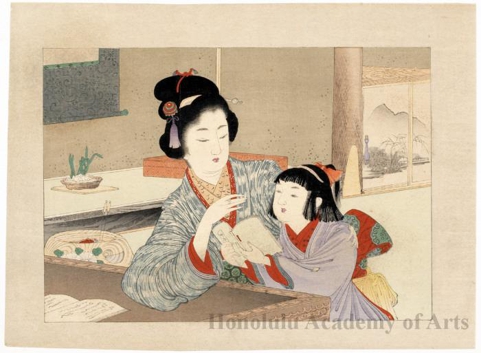
Yamada Keichū
山田敬中
1868–1934

Tsukioka Kōgyo
月岡耕漁
1869–1927

Okakura Shūsui
岡倉秋水
1869–1950
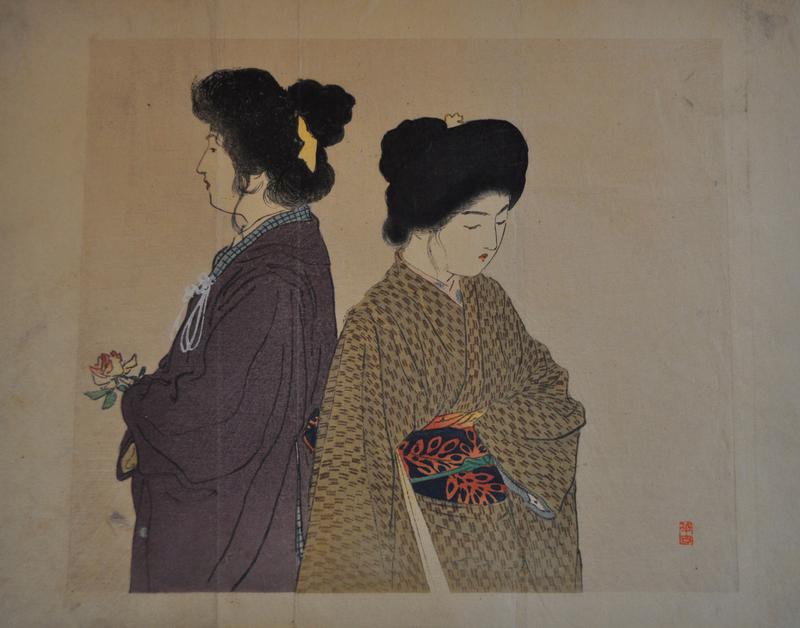
Kajita Hanko
梶田半古
1870–1917

Yamamoto Shunkyo
山元春挙
1871–1933

Kawai Gyokudō
川合玉堂
1873–1957
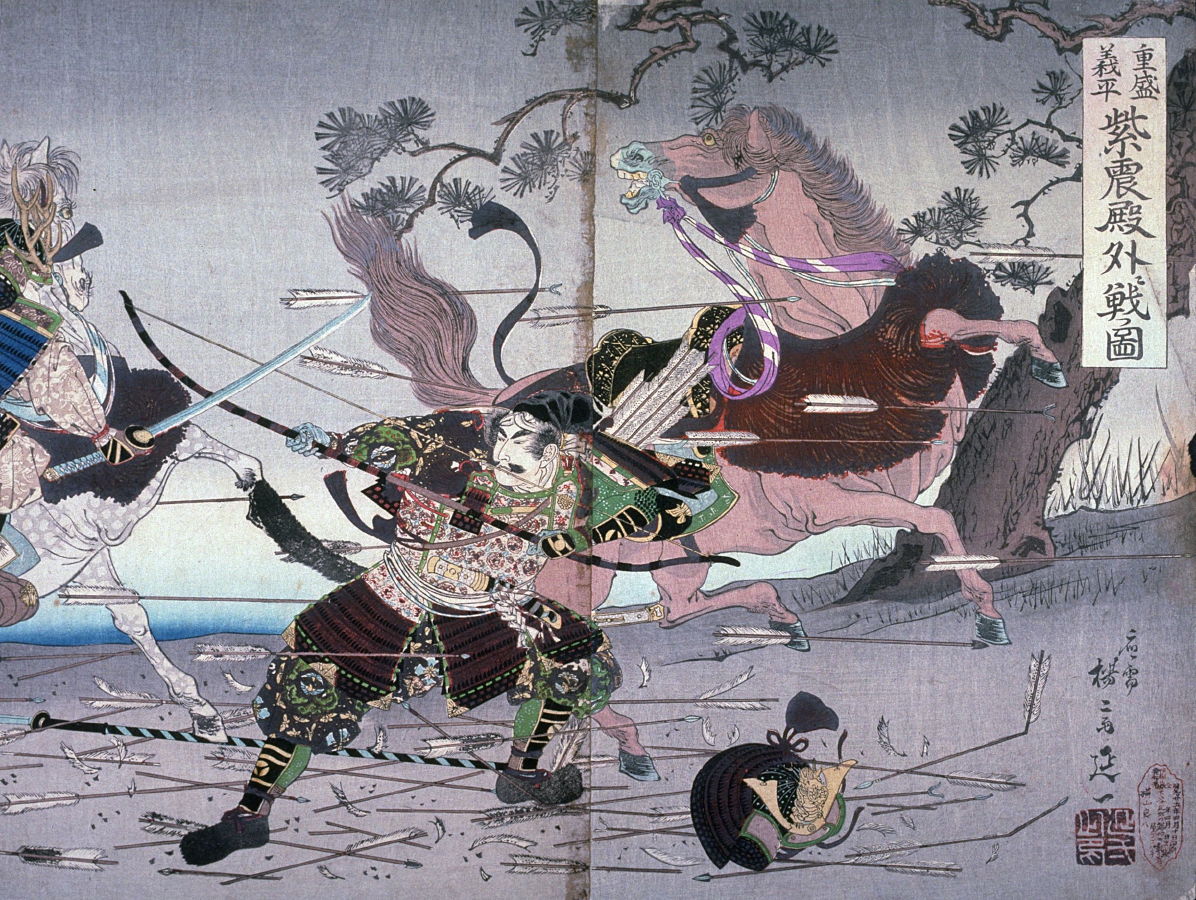
Watanabe Nobukazu
渡辺延一
1874–1944
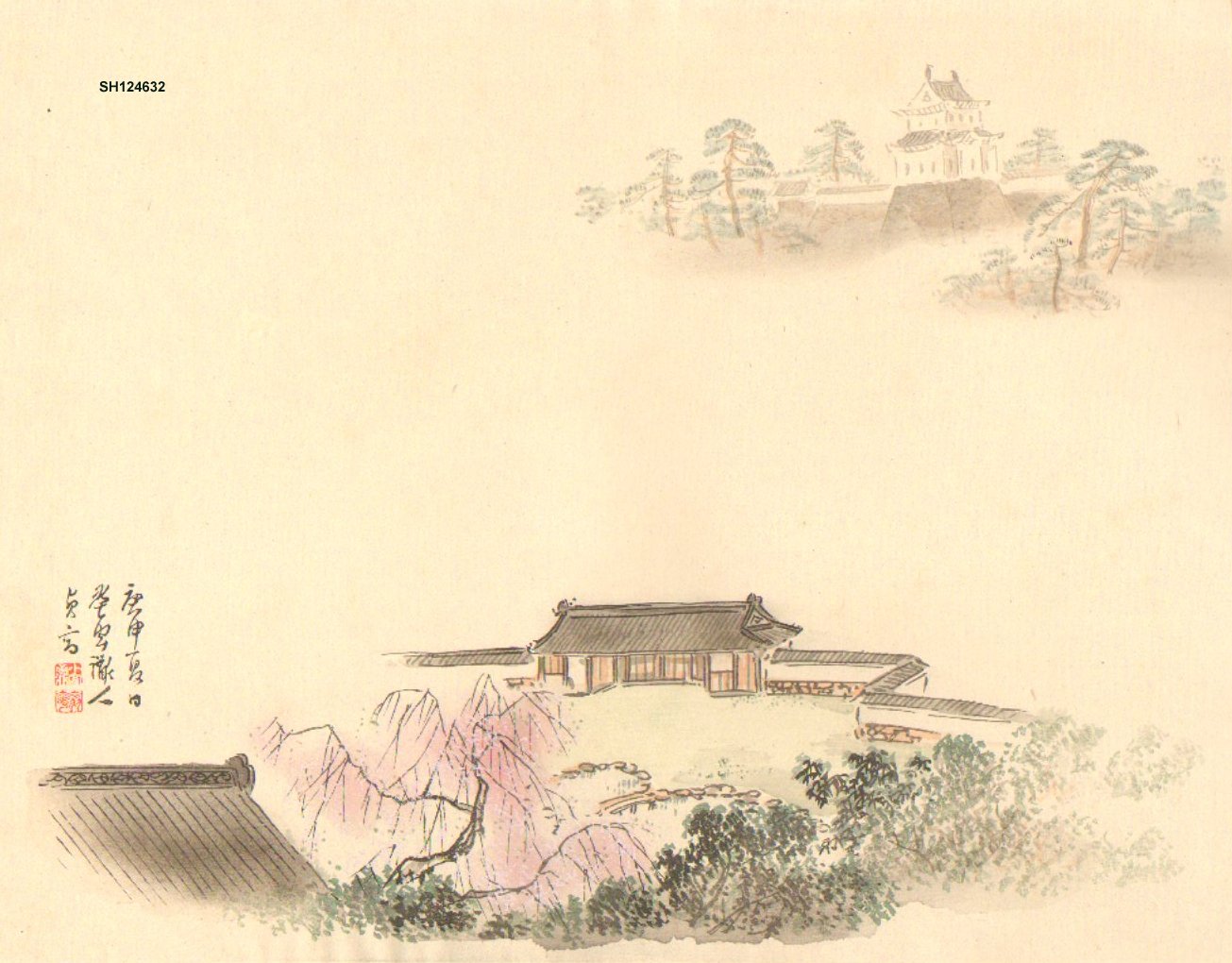
Komuro Suiun
小室翠雲
1874–1945

Hishida Shunsō
菱田春草
1874–1911

Uemura Shoen
上村松園
1875–1949
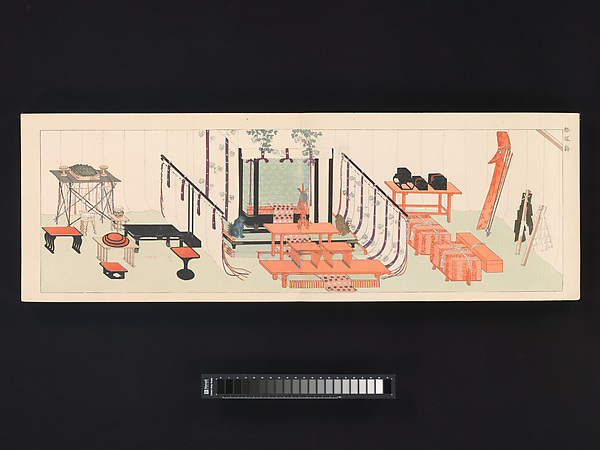
Furuya Kōrin
古谷紅麟
1875–1910

Kawakita Kahō
川北霞峰
1875–1940
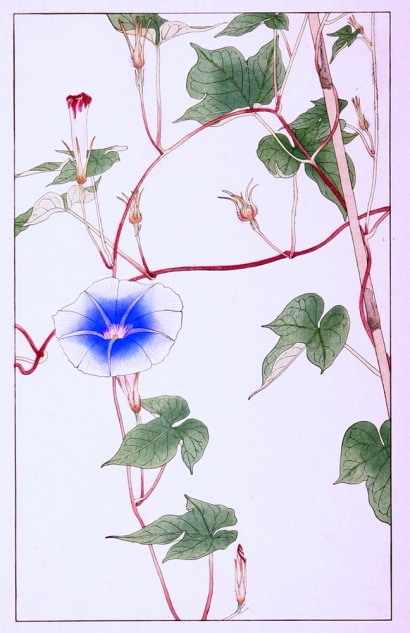
Hisui Sugiura
杉浦非水
1876–1965
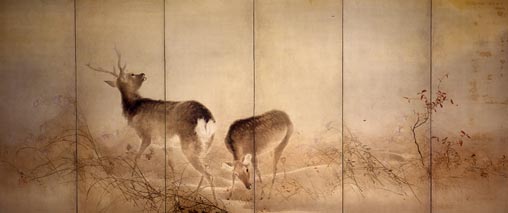
Konoshima Ōkoku
木島桜谷
1877–1938

Nishimura Goun
西村五雲
1877–1938
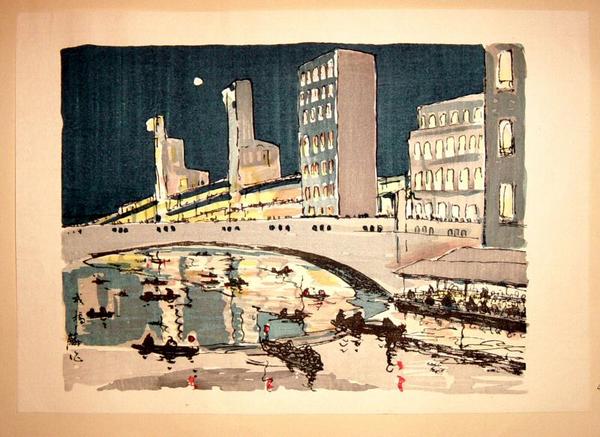
Akamatsu Rinsaku
赤松麟作
1878–1953
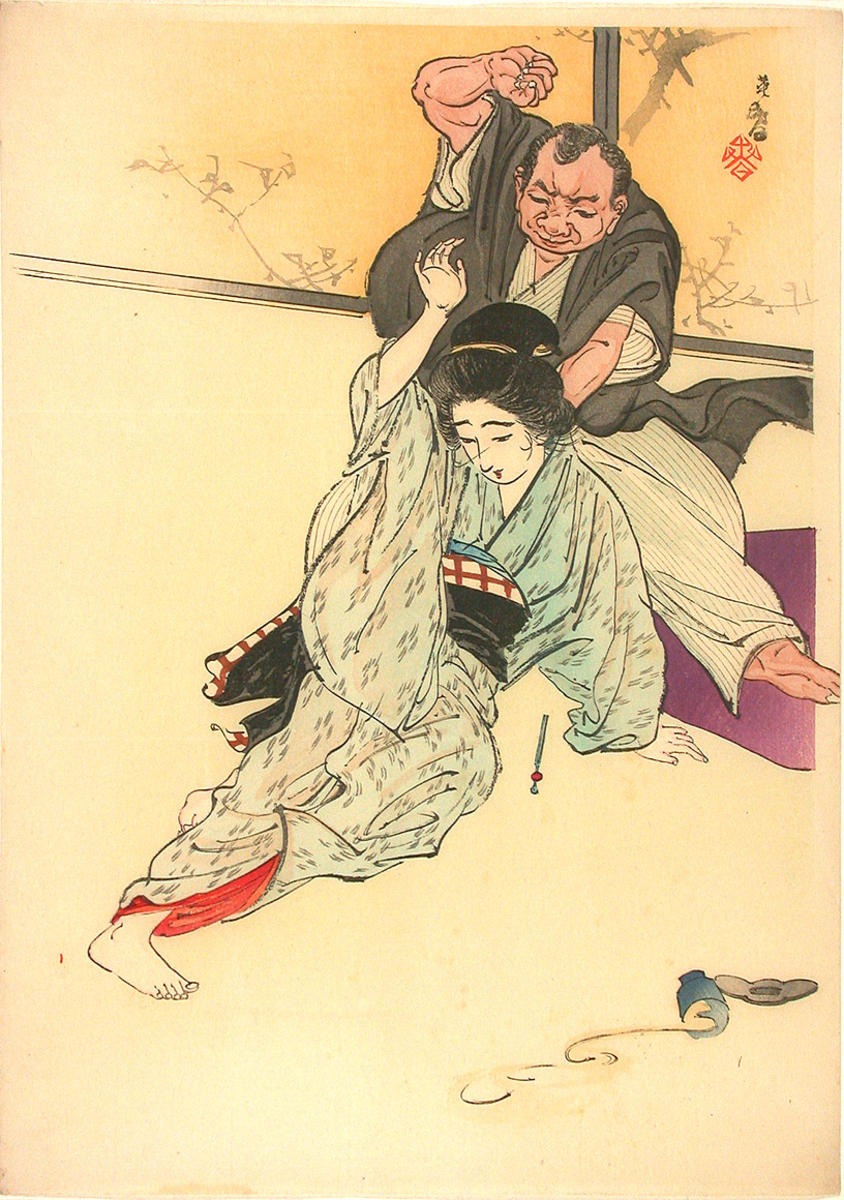
Yamamoto Eishun
山本英春
1879

Kobayashi Kokei
小林古径
1883–1957

Hashimoto Kansetsu
橋本関雪
1883–1945
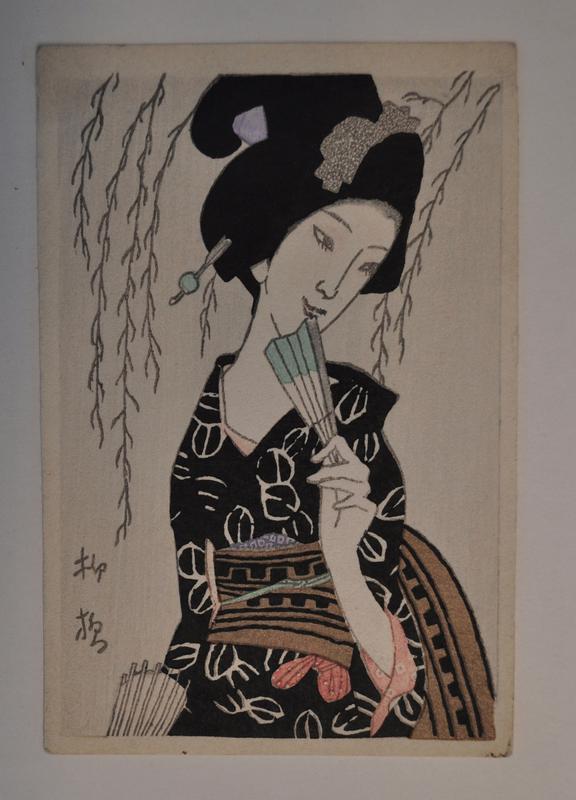
Takehisa Yumeji
竹久夢二
1884–1934

Murakami Kagaku
村上華岳
1888–1939
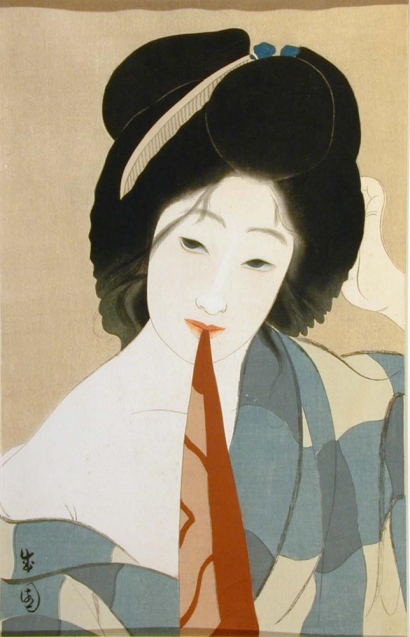
Shima Seien
島成園
1892–1970
Notable Works

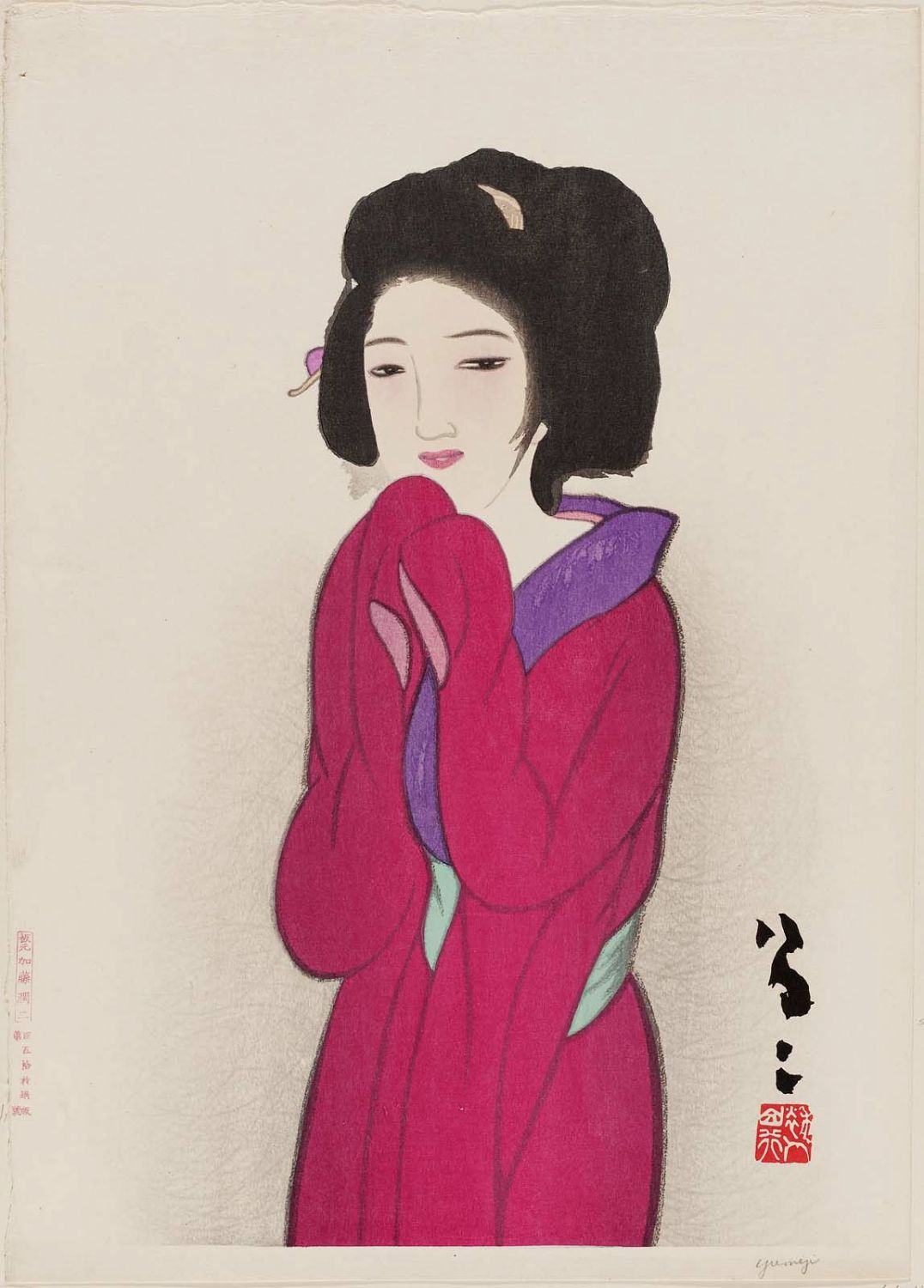
.jpg)
.jpg)
.jpg)
.jpg)
.jpg)
Frequently Asked Questions
Meiji and Taishō era prints (1868–1926) bridge the transition from traditional ukiyo-e to the modern shin-hanga and sosaku-hanga movements. During this period, Japan underwent rapid modernization and Westernization, profoundly affecting the visual arts. Artists working in this transitional era experimented with Western techniques such as perspective, shading, and oil painting while often maintaining connections to traditional woodblock printmaking. Key figures include Tsukioka Yoshitoshi, who brought ukiyo-e to its dramatic culmination; Kobayashi Kiyochika, who pioneered light-and-shadow effects in prints; and Uemura Shoen, whose refined bijin-ga paintings influenced generations of later printmakers. The era also saw the emergence of the sōsaku-hanga ideal through Kanae Yamamoto''s 1904 "Fisherman," widely considered the first modern creative print.
The Meiji/Taishō Prints movement was active from approximately 1868 to 1926.
Notable Meiji/Taishō Prints artists include Suga Tatehiko, Ozawa Nankoku, Adachi Ginkō, Utagawa Fusatane, Utagawa Yoshikatsu, and 69 more.
Meiji and Taishō era prints (1868–1926) bridge the transition from traditional ukiyo-e to the modern shin-hanga and sosaku-hanga movements. During this period, Japan underwent rapid modernization and Westernization, profoundly affecting the visual arts. Artists working in this transitional era experimented with Western techniques such as perspective, shading, and oil painting while often maintaining connections to traditional woodblock printmaking. Key figures include Tsukioka Yoshitoshi, who brought ukiyo-e to its dramatic culmination; Kobayashi Kiyochika, who pioneered light-and-shadow effects in prints; and Uemura Shoen, whose refined bijin-ga paintings influenced generations of later printmakers. The era also saw the emergence of the sōsaku-hanga ideal through Kanae Yamamoto''s 1904 "Fisherman," widely considered the first modern creative print.
Related Movements
Want to rate Meiji/Taishō Prints prints?
Sign up to start rating