Biography
Akamatsu Rinsaku (赤松麟作, 1878–1953) was a Japanese Western-style (yōga) painter who worked during the transformative period spanning the late Meiji, Taishō, and early Shōwa eras. He is remembered chiefly as a painter in the European oil-painting tradition, active at a time when yōga was establishing itself as a serious artistic discipline in Japan, competing with and complementing the traditional nihonga painting schools.
Akamatsu studied Western-style painting at the Tokyo School of Fine Arts under Kuroda Seiki, the leading figure of Japanese yōga, absorbing the techniques of oil painting, perspective, and life drawing that formed the core of the yōga curriculum. His training placed him within the movement that was transforming Japanese visual culture during the Meiji and Taishō periods, and his work reflected the influence of European academic and Impressionist traditions, filtered through the particular concerns and sensibilities of Japanese artists grappling with the challenge of integrating Western artistic methods with their own cultural heritage.
Akamatsu built his reputation on his oil paintings, and he also worked for a time as a newspaper illustrator. His career unfolded across one of the most tumultuous and creative periods in Japanese art history, from the consolidation of yōga in the late Meiji years through the interwar decades. He died in 1953. His works are preserved primarily in Japanese collections, where they contribute to the documentation of the yōga movement's development during the Meiji–Taishō transition.
Key Facts
- Active Period
- 1878–1953
- Nationality
- 🇯🇵Japan
- Movement
- Meiji/Taishō Prints
- Works Indexed
- 6
Frequently Asked Questions
Akamatsu Rinsaku (赤松麟作, 1878–1953) was a Japanese Western-style (yōga) painter who worked during the transformative period spanning the late Meiji, Taishō, and early Shōwa eras. He is remembered chiefly as a painter in the European oil-painting tradition, active at a time when yōga was establishing itself as a serious artistic discipline in Japan, competing with and complementing the traditional nihonga painting schools.
Akamatsu Rinsaku was active from 1878 to 1953. They were associated with the Meiji/Taishō Prints movement.
Akamatsu Rinsaku's work was shaped by the Meiji/Taishō Prints tradition in Japanese woodblock printmaking. Meiji/Taishō Prints: Meiji and Taishō era prints (1868–1926) bridge the transition from traditional ukiyo-e to the modern shin-hanga and sosaku-hanga movements.
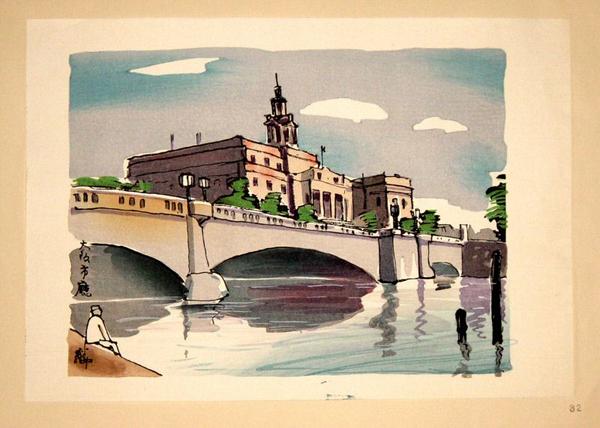
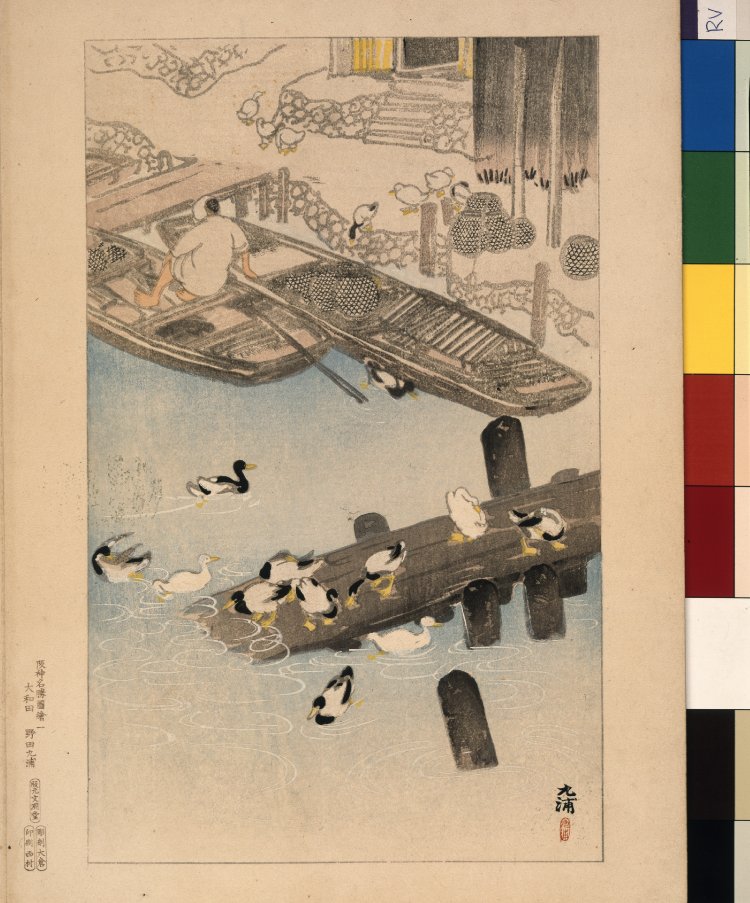
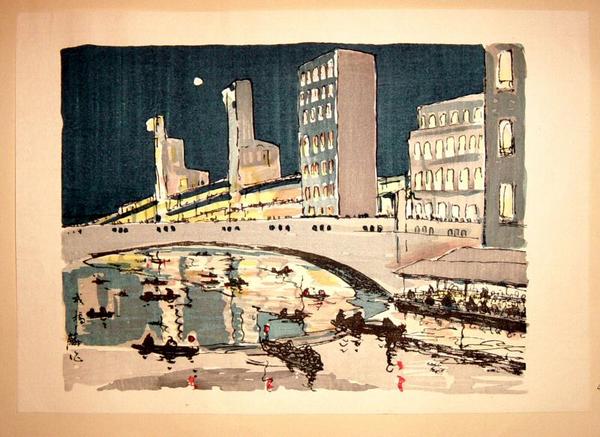
Akamatsu Rinsaku's prints frequently feature landscapes, bridges, urban scenes, architecture, snow scenes.
Original prints by Akamatsu Rinsaku can be found in collections including Japanese Art Open Database, ukiyo-e.org.