Biography
Hasegawa Konobu (長谷川小信, 1914–1999), also recorded as Hasegawa Sadanobu IV (四代目長谷川貞信), was a twentieth-century successor designer in the Hasegawa workshop of Osaka — the multi-generation family print studio founded by Hasegawa Sadanobu I in the nineteenth century and carried on by his descendants. Working chiefly in the postwar decades, he produced color woodblock prints in the family's long-standing kamigata specialism of theatrical imagery — Bunraku puppet and kabuki subjects — alongside quietly nostalgic scenes of Japanese seasonal and festival life. His prints continued the Osaka–Kyoto tradition of the Hasegawa studio at a time when the wider Japanese woodblock industry had contracted, even as the Bunraku and kabuki stages of the Kansai region remained vital cultural institutions.
The Hasegawa line to which he belonged is among the most durable in Osaka printmaking. Hasegawa Sadanobu I (1809–1879) established the workshop and became a leading designer of kamigata-e — actor portraits and landscape subjects — in the mid-nineteenth century. His son Hasegawa Sadanobu II (1848–1940), who also worked under the name Konobu, carried the studio into the Meiji and early twentieth-century periods. Sadanobu II's son Hasegawa Sadanobu III (1881–1963) became the most prominent modern designer in the family and is particularly associated with prints of the Bunraku puppet theater: in 1926–1927 he produced the Illustrated Collection of Famous Japanese Puppets of the Osaka Bunrakuza, a set of forty-eight prints depicting the stage sets and principal puppet characters of twelve Bunraku plays, blocks for which were later reissued by the Uchida publishing house of Kyoto. Konobu's own work carries this documentary interest in the Osaka puppet and kabuki stage forward into the mid-twentieth century.
As one of the last designers to hold the Hasegawa workshop name, Konobu stands at the tail of a tradition that Sadanobu I had established in Osaka more than a century earlier. Because the active years of successive generations overlapped and family members shared the alternating names Konobu and Sadanobu, signed Hasegawa prints are frequently reassigned among the generations in dealer catalogues and online listings, and confident attribution depends on publishers' marks and on the stylistic character of each period. His prints reached Western collections largely through the postwar export trade in Japanese theatrical imagery, and they preserve a record of the Kansai puppet and kabuki repertory during decades when Bunraku endured as one of Japan's most treasured traditional performing arts.
Key Facts
- Active Period
- 1914–1999
- Nationality
- 🇯🇵Japan
- Movement
- Shin-hanga
- Works Indexed
- 13
Frequently Asked Questions
Hasegawa Konobu (長谷川小信, 1914–1999), also recorded as Hasegawa Sadanobu IV (四代目長谷川貞信), was a twentieth-century successor designer in the Hasegawa workshop of Osaka — the multi-generation family print studio founded by Hasegawa Sadanobu I in the nineteenth century and carried on by his descendants. Working chiefly in the postwar decades, he produced color woodblock prints in the family's long-standing kamigata specialism of theatrical imagery — Bunraku puppet and kabuki subjects — alongside quietly nostalgic scenes of Japanese seasonal and festival life. His prints continued the Osaka–Kyoto tradition of the Hasegawa studio at a time when the wider Japanese woodblock industry had contracted, even as the Bunraku and kabuki stages of the Kansai region remained vital cultural institutions.
Hasegawa Konobu (Sadanobu IV) was active from 1914 to 1999. They were associated with the Shin-hanga movement.
Hasegawa Konobu (Sadanobu IV)'s work was shaped by the Shin-hanga tradition in Japanese woodblock printmaking. Shin-hanga: ## What is Shin-hanga? Shin-hanga (新版画), literally "new prints," is the early twentieth-century revival of the collaborative Japanese woodblock workshop, organized between roughly 1915 and 1960 by the Tokyo publisher Watanabe Shōzaburō (1885–1962) and a handful of competing houses.
Hasegawa Konobu (Sadanobu IV)'s prints frequently feature kabuki, children, summer, winter, autumn foliage, spring.
Original prints by Hasegawa Konobu (Sadanobu IV) can be found in collections including Japanese Art Open Database.
Woodblock Prints by Hasegawa Konobu (Sadanobu IV) (13)
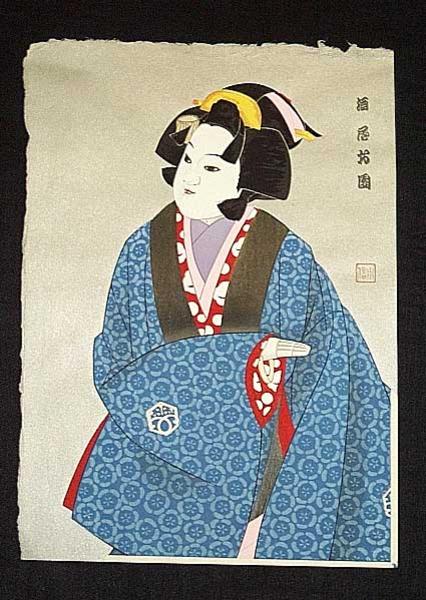
Bunraku Actor Print
文楽人形 役者図
c. 1950
Color woodblock print
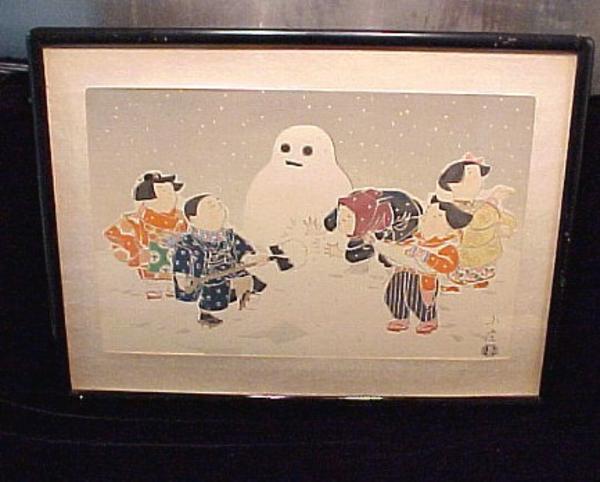
Snowman (Winter)
雪だるま
c. 1950s
Color woodblock print
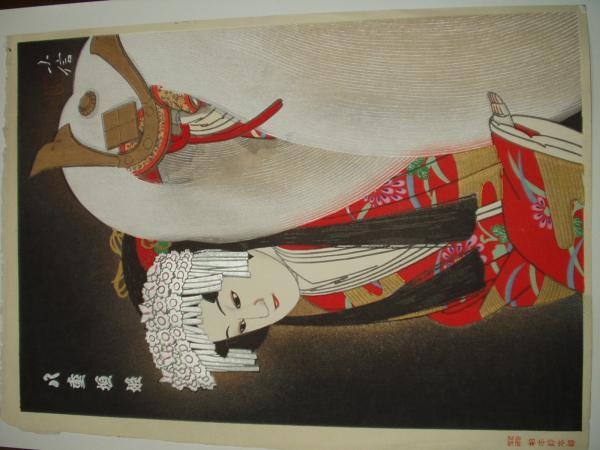
Yaegaki-hime, from Bunraku Doll Print Collection (Bunraku ningyō hanga-shū)
八重垣姫 — 文楽人形版画集
c. 1955
Color woodblock print, oban format

Atsumori, from Bunraku Doll Print Collection
敦盛 — 文楽人形版画集
c. 1950s
Color woodblock print, oban format
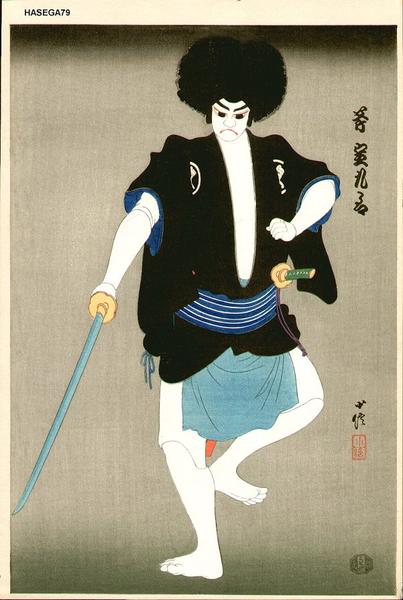
Sadakurō, from Bunraku Doll Print Collection
定九郎 — 文楽人形版画集
c. 1950s
Color woodblock print, oban format
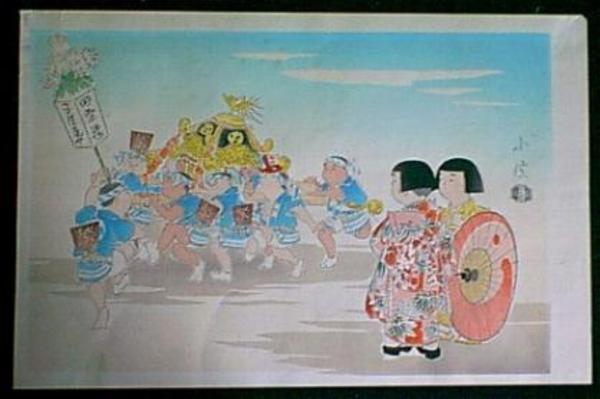
The Festival (Fall)
祭り 秋
c. 1950s
Color woodblock print
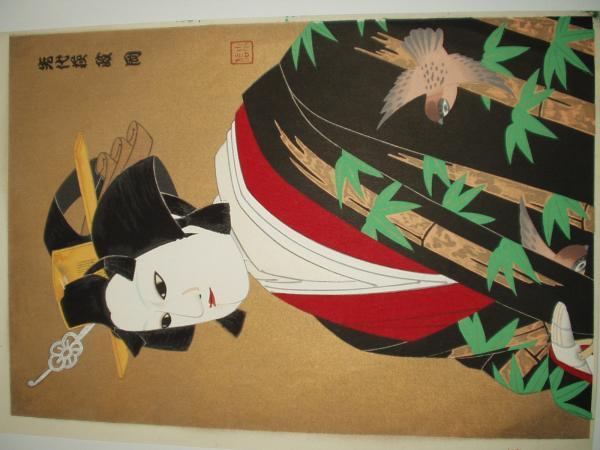
Masaoka, from Bunraku Doll Print Collection
政岡 — 文楽人形版画集
c. 1950s
Color woodblock print
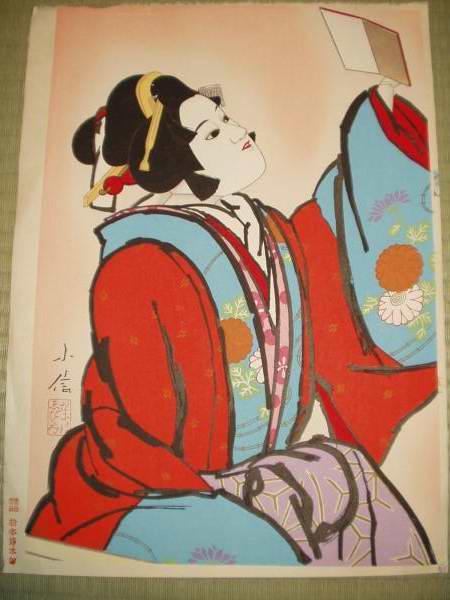
Bunraku Puppet Bujin (Warrior)
文楽人形 武人
c. 1950s
Color woodblock print
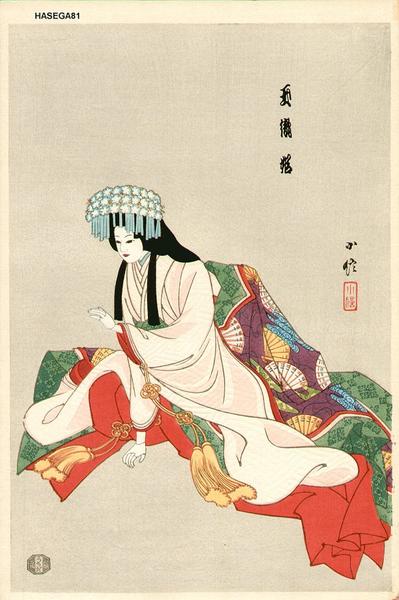
Tamaori-hime, from Bunraku Doll Print Collection
玉織姫 — 文楽人形版画集
c. 1950s
Color woodblock print, oban format
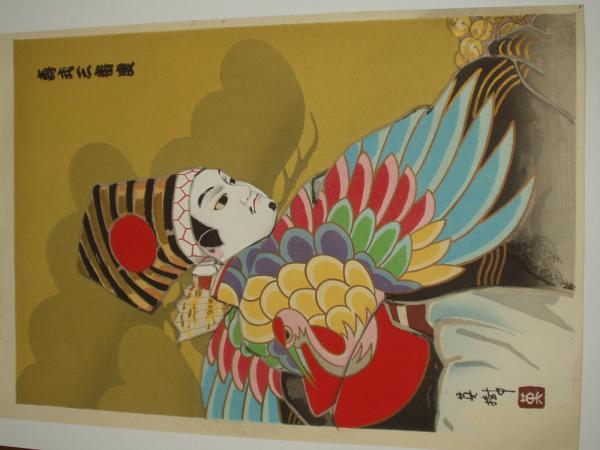
Bunraku Puppet Hideki
文楽人形 秀樹
c. 1950s
Color woodblock print
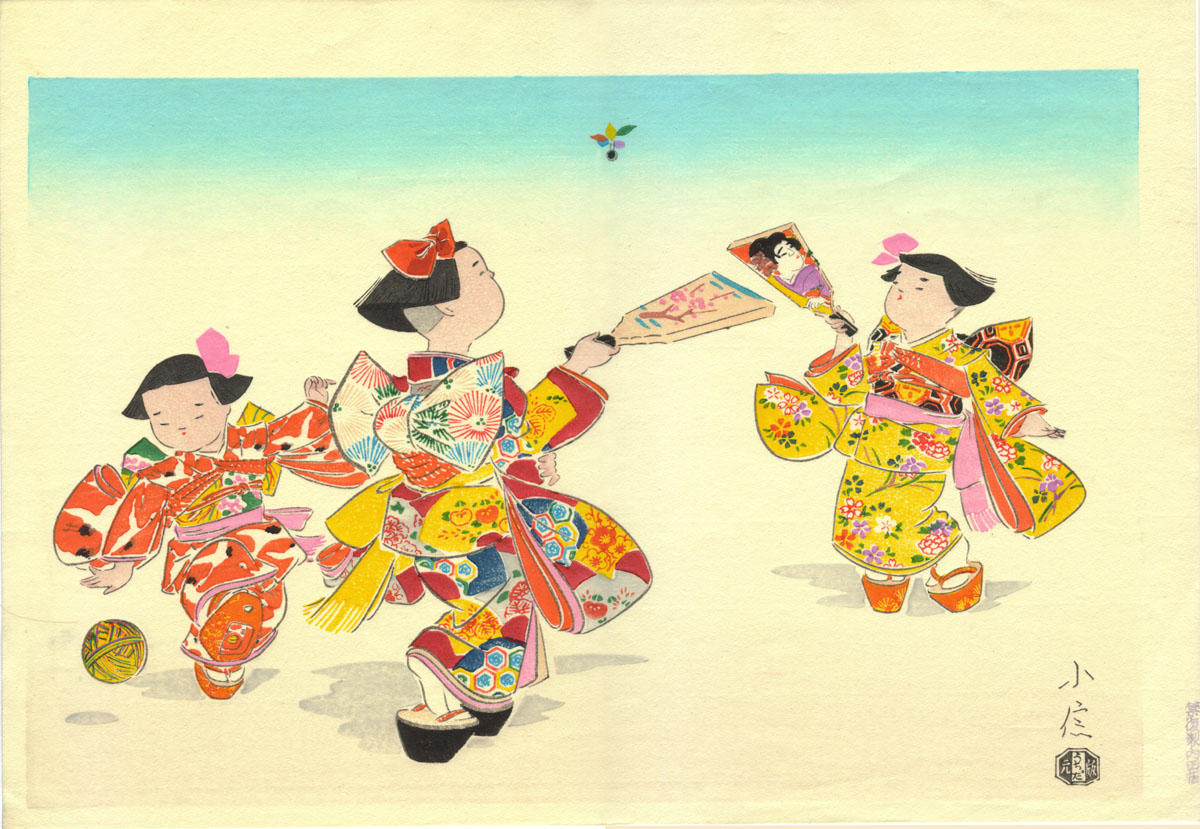
The Hanetsuki (Spring) — Girls Playing Battledore
羽根突き 春
c. 1950s
Color woodblock print
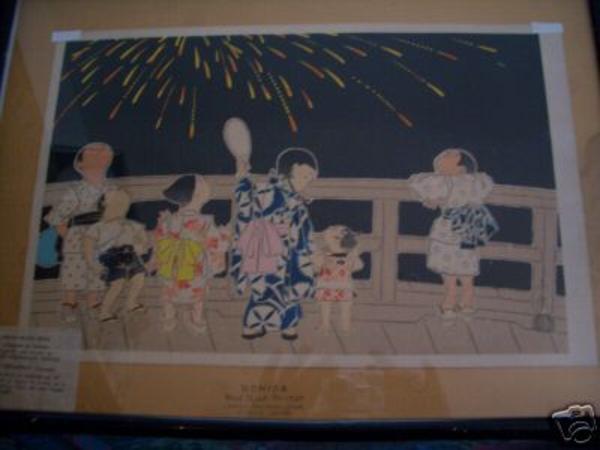
The Fireworks (Summer)
花火 夏
c. 1950s
Color woodblock print
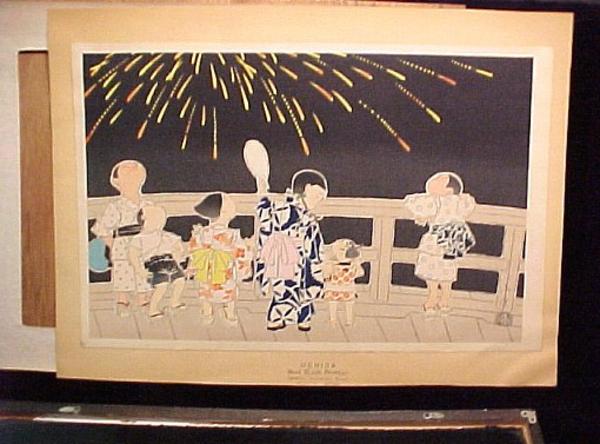
Children and Fireworks (Summer)
花火と子供たち
c. 1960
Color woodblock print