Shin-hanga
新版画
The "New Prints" movement
c. 1915–1960
About Shin-hanga
What is Shin-hanga?
Shin-hanga (新版画), literally "new prints," is the early twentieth-century revival of the collaborative Japanese woodblock workshop, organized between roughly 1915 and 1960 by the Tokyo publisher Watanabe Shōzaburō (1885–1962) and a handful of competing houses. The movement reassembled the four-role production chain inherited from Edo-period ukiyo-e — designer, carver, printer, publisher — for designs aimed at modern Japanese audiences and a Western export market. Its prints — atmospheric landscape, beauties, bird-and-flower images, actor portraits — kept the technical vocabulary of the Edo trade alive through near-extinction in the Meiji era and into the postwar reconstruction.
Historical context
The collapse shin-hanga set out to reverse began in the 1870s. After the Meiji Restoration of 1868, Japan's print trade lost its captive audience: photography, lithography, and imported magazines absorbed demand for the cheap urban imagery that had supported Edo workshops. By the 1890s the network of carvers and printers had thinned to a few aging specialists, and serious painters worked in oil or Nihonga rather than on woodblocks.
Watanabe Shōzaburō began his career inside that decline. Trained as an apprentice exporter under Kobayashi Bunshichi, he founded his own publishing house in 1909, selling reprints of Hiroshige and Hokusai to foreign collectors. Around 1915 he began commissioning new designs from contemporary painters — starting with Itō Shinsui and his teacher Kaburaki Kiyokata, then expanding to Kawase Hasui, Hashiguchi Goyō, Ohara Koson (signing as Shōson), and Natori Shunsen. Watanabe coined the term shin-hanga in 1915 to distinguish these designs from reprint stock and from the contemporaneous sōsaku-hanga movement.
Two disasters reshaped the trade. The Great Kantō Earthquake of September 1923 destroyed Watanabe's shop, stock, and most of his cherrywood blocks; surviving "first edition pre-earthquake" sheets are now the rarest shin-hanga objects in the market. Watanabe rebuilt, and the late 1920s and 1930s became peak production years. The Pacific War curtailed publication after 1939; the 1945 firebombings of Tokyo destroyed many remaining blocks, and Hasui's house and archive burned. A reduced industry resumed under Allied occupation; Hasui was named a Living National Treasure in 1956 and died in 1957, and the movement effectively ended around 1960.
The Watanabe workshop system
Shin-hanga is defined less by a visual style than by a production model. A single sheet required four specialists under the publisher's coordination. The designer (eshi) supplied a finished brush drawing — a hanshita-e — which the block-carver (horishi) pasted face-down onto a planked block of mountain cherry (sakura) and cut as a key-block, then carved separate blocks for each color, registering them with kentō corner-marks. The printer (surishi) hand-rubbed each impression with a baren over dampened washi, often layering twenty to forty runs per image. The publisher (hanmoto) selected the designer, financed the blocks, paid the workshops, distributed editions, and stamped each sheet with his seal.
This model inverts the parallel sōsaku-hanga movement, which insisted that a "modern" print be designed, carved, and printed by a single artist. Watanabe's defense of the division of labor was pragmatic: a great printer could produce gradations and overprints a painter could not match. The shin-hanga designers often agreed — Hiroshi Yoshida described carving and printing as crafts he had no intention of learning, though he later supervised his own workshop more directly than Hasui ever did.
Key artists
The canon centers on a small group whose designs Watanabe and his rivals issued in repeating series for decades. Kawase Hasui produced roughly 620 designs over forty years, almost all atmospheric landscapes of Japanese villages, temples, and harbors observed in snow, rain, dusk, or moonlight. Hiroshi Yoshida, a Western-style painter who ran his own workshop semi-independently after 1925, designed roughly 260 prints including Japanese landscapes, Indian and Himalayan subjects, and the famous Alpine series produced after a 1925 European tour. Itō Shinsui, Watanabe's first commissioned designer, produced roughly 200 prints — most slender modern beauties at the bath, mirror, and window.

Hashiguchi Goyō is the great outlier: a designer who completed exactly fourteen prints before his death from meningitis in 1921. His paper and printing standards became the benchmark by which later shin-hanga beauties were judged. Ohara Koson, who also signed as Shōson and Hōson under different publishers, designed roughly 500 bird-and-flower prints — the largest single oeuvre in the movement. Natori Shunsen revived the actor portrait, producing closely observed kabuki likenesses in the late 1920s and again postwar. Around them sit Torii Kotondo, Shirō Kasamatsu, Tsuchiya Kōitsu, Takahashi Shōtei, and Yamamura Kōka; the foreign-born designers Elizabeth Keith and Paul Jacoulet applied the workshop method to Korean, Chinese, and Micronesian subjects.
Subject matter and genres
Shin-hanga inherited the Edo genres almost intact but recast each through early-twentieth-century pictorial conventions: atmospheric perspective, cast shadows, Western tonal modeling. Landscape is the dominant genre, and Hasui its defining practitioner. His designs follow a recognizable formula — a known location, a specific weather event, a twilight light source, and a single small human figure for scale — updating the meisho-e tradition for an era of railway travel and tourist guidebooks.

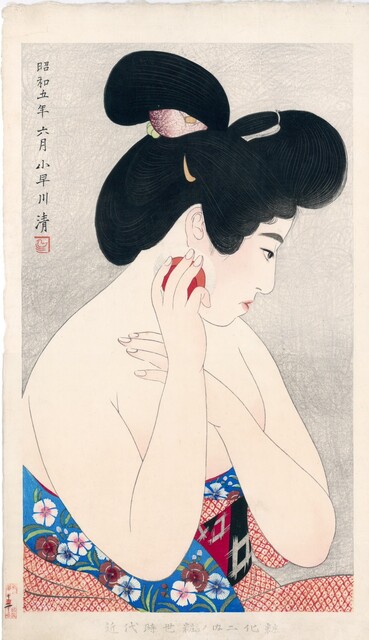
Bijin-ga shed the courtesan iconography of Edo prints for the contemporary domestic interior. Goyō, Shinsui, and Kotondo depicted modern women alone — combing hair, applying makeup, stepping from a bath — in compositions owing as much to European genre painting as to Edo models.

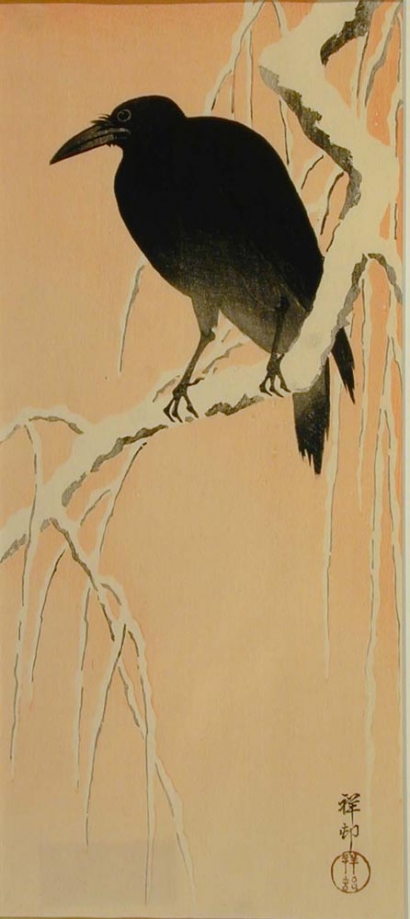
Kacho-e, or bird-and-flower prints, became Koson's specialty; his silhouetted crow against a moonlit sky is among the most reproduced of any shin-hanga design.
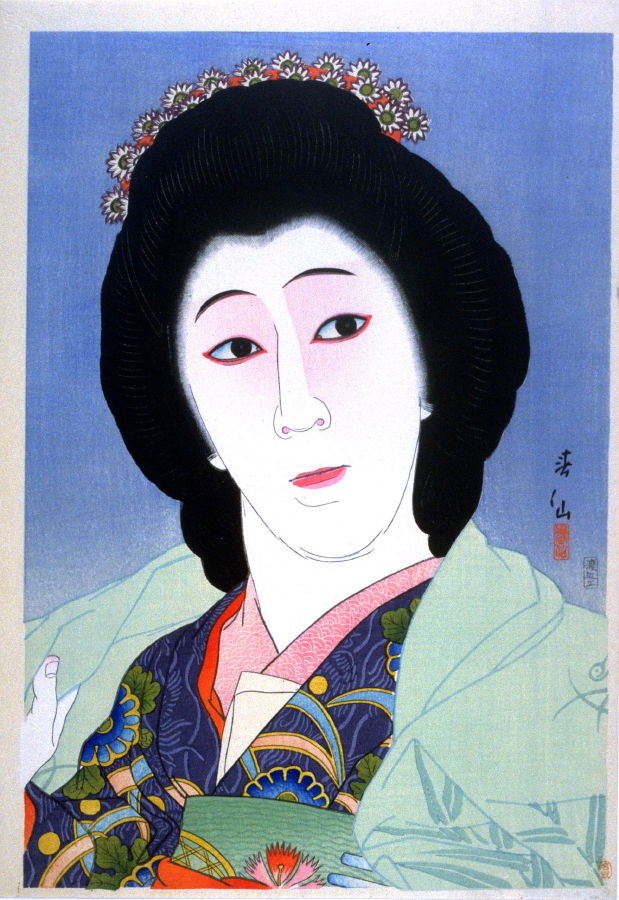
Yakusha-e under Shunsen returned the actor portrait to the close-cropped bust format of the 1790s, with modern pigment and heightened psychological focus.
Techniques and materials
A shin-hanga sheet is recognizable in part because its workshop preserved the full Edo technical vocabulary at the moment sōsaku-hanga artists were abandoning much of it. Watanabe's printers worked on hōshō paper milled from kōzo fiber, sized with dōsabiki — a glue-and-alum coating that prevented pigment bleed. Most sheets were printed at the standard ōban format; Goyō and the bijin-ga designers also used larger vertical sheets.
The defining technique is bokashi, the hand-graded color wash applied by wiping a damp brush across the wet block before each impression. Hasui's twilight skies and Shinsui's diffused interior light depend on a printer's ability to lay down twenty or more gradations in register. Other Edo techniques revived selectively include karazuri blind embossing, kirazuri mica-dusted backgrounds, and gomazuri sesame-seed under-inking. The full-color outcome of these layered processes is what the Edo trade called nishiki-e, "brocade prints" — a term Watanabe's marketing revived.
Iconic series
Hasui worked in numbered series nearly his entire career, and the series titles form the spine of his catalogue raisonné. Souvenirs of Travel, First Series (1919–1920) was his early breakthrough, drawn from sketching trips through Shiobara and northern Honshu; early impressions were among the prints destroyed in 1923. Twenty Views of Tokyo (1925–1930) reasserted his presence in the rebuilt city. The two Collection of Scenic Views of Japan editions — Eastern Japan and Kansai — and the late Selection of Views of Japan ran from the mid-1930s through the war years. Outside Hasui, Natori Shunsen's Creative Prints: Collection of Portraits of Actors (1925–1929) is the canonical actor series, 36 prints over four years.

How to identify a shin-hanga print
The most useful identification tool for a Watanabe sheet is the publisher's seal on the verso or lower margin. Six seal periods are commonly distinguished, corresponding to workshop rebuilds:
- Seal A — pre-September 1923; almost all stock destroyed in the Kantō Earthquake.
- Seal B — c. 1923–1929, the immediate post-earthquake rebuild.
- Seal C — c. 1929–1942, the long pre-war seal covering peak production years.
- Seal D — c. 1953–1957, post-occupation lifetime seal for Hasui.
- Seal E — c. 1957–1962, posthumous seal applied to Hasui prints after his death.
- Seal F — c. 1962 onward, used by Watanabe's successors for posthumous editions from surviving blocks.
The seal periods do not date the design — popular sheets were reprinted across multiple periods — but they date the impression, which drives value. A C-seal pre-war impression from original blocks trades at a substantial premium to an E or F posthumous strike. Other diagnostic features include the paper (heavier and cream-toned earlier, brighter and thinner later), the crispness of the bokashi, and additional seals from the carver, printer, or artist. Yoshida self-published much of his work after 1925; his "jizuri" (self-printed) seal marks impressions made under his direct supervision. For a longer walkthrough see how to identify a genuine Japanese woodblock print.
Buying and collecting
The shin-hanga market spans a wide range and is among the more accessible entry points to serious Japanese print collecting. Common posthumous Hasui and Koson impressions trade in the $300–$1,200 range at auction; mid-tier lifetime impressions run $1,500–$5,000; rare C-seal pre-war Hasui sheets in good condition routinely exceed $10,000; Goyō's fourteen designs in their Goyō-printed states sit at the top, the best examples crossing six figures.
The dominant value driver is impression state, not design rarity. Pre-war sheets show sharper carving, deeper tonal gradations, and unbleached paper; late posthumous sheets are often printed from worn blocks on whitened postwar paper. The gap between a strong lifetime impression and a weak posthumous one of the same design is regularly 5× or more. Established dealers — Castle Fine Arts, Hara Shobō, Ronin Gallery, Egenolf Gallery — provide the safest path for entering buyers; auction houses (Bonhams, Christie's, Heritage; Mainichi and Shinwa in Japan) offer the deepest selection but demand self-education. For the lower end see collecting Japanese woodblock prints under $200; for the two best-known landscape designers compared see Hiroshi Yoshida vs. Kawase Hasui.
Shin-hanga vs. sōsaku-hanga and ukiyo-e
Shin-hanga is best understood by triangulating against its two reference movements. Against ukiyo-e, shin-hanga shares production methods — the four-role workshop, the cherrywood blocks, the baren and washi — but updates subject matter and pictorial language for the early twentieth century. Edo ukiyo-e served a domestic urban consumer market with mass-produced images of the floating world; shin-hanga served a hybrid Japanese-and-Western market with limited editions of a Japan self-consciously preserved against modernization.
Against sōsaku-hanga the contrast is sharper. The creative-print movement emerged at roughly the same moment from a different argument: that a "modern" print should be designed, carved, and printed by a single artist alone. Where shin-hanga restored the publisher and the workshop, sōsaku-hanga eliminated them; where shin-hanga sought continuity with the Edo trade and a foreign export market, sōsaku-hanga sought continuity with European modernism. The essay What is shin-hanga? covers the rivalry, and the workshop tradition itself continues today through the contemporary mokuhanga movement.
Where to see shin-hanga today
The major Western collections are at the Museum of Fine Arts in Boston (the largest single Hasui holding outside Japan, from the Bigelow and Paine bequests), the Art Institute of Chicago (extensive Hasui, Shinsui, and Goyō), the Library of Congress (strong Yoshida coverage), and the British Museum (a deep Watanabe set including pre-earthquake impressions). In Japan, the Watanabe Woodblock Print Shop and gallery still operates in Ginza, Tokyo, selling new strikes from surviving blocks and exhibiting historic impressions; the Edo-Tokyo Museum and the National Museum of Modern Art Tokyo hold reference collections.
Frequently asked questions
What is the difference between shin-hanga and ukiyo-e?
Ukiyo-e refers to the Edo-period (roughly 1670–1868) print trade producing imagery of the urban "floating world" — courtesans, kabuki actors, sumo, famous places — for a domestic mass market. Shin-hanga refers to the early twentieth-century revival of that same workshop method by Watanabe Shōzaburō for a hybrid Japanese and foreign export market. Production technique is largely shared: cherrywood blocks, washi paper, hand-printing, four-role workshop. What changed is subject matter, the use of bokashi for atmospheric tonal effects, the limited-edition publishing model, and the framing of the workshop as a preservation project rather than a commercial trade.
Are shin-hanga prints original artworks?
Yes, in the same sense any limited-edition multiple is original. Each impression is hand-pulled from the carved blocks by a trained printer and signed or sealed by the publisher and often the artist. The collector question is not whether a print is "original" but which impression state it represents — determined by publisher seal, paper, and carving condition. A C-seal pre-war Hasui and an F-seal posthumous Hasui of the same design are both original impressions, but they are not equivalent objects in the market.
How many designs did Kawase Hasui produce?
Roughly 620 designs over a four-decade career from 1918 to 1957, organized into named series including the Souvenirs of Travel groups, Twenty Views of Tokyo, and the Collection of Scenic Views of Japan volumes. The number is approximate: Hasui issued some designs in multiple sizes and reissued earlier subjects with revised palettes, and the standard Narazaki catalogue and the Watanabe shop list differ by several dozen entries depending on how variants are tallied. The pre-earthquake portion of the oeuvre is the smallest and rarest, since most early blocks burned in 1923.
Why are some Hashiguchi Goyō prints so much more expensive than others?
Goyō completed only fourteen designs before his death in 1921, and the original printings of those fourteen were produced under his personal supervision with exceptional carving, hand-mixed pigments, and unusual sheet sizes. Posthumous strikes from his blocks, made by his estate at a different workshop, lack his supervisory touch and trade at a fraction of the price. A documented Goyō-supervised impression of a beauty such as "Woman at the Bath" can cross six figures at auction. Provenance documentation — exhibition labels, dealer invoices, museum deaccessions — substantially affects price within the Goyō-supervised tier.
Can I still buy new shin-hanga prints today?
Yes. The Watanabe shop in Tokyo continues to issue new strikes from surviving blocks, including many Hasui and Yoshida designs, sold as identified posthumous editions with current seals — honest objects, but not equivalent to lifetime impressions. A living woodblock tradition descended from shin-hanga also continues in the contemporary mokuhanga movement, where artists in dialogue with the shin-hanga lineage issue limited editions through small workshops in Japan and abroad. Some second-generation Watanabe artists' estates also issue authorized new printings from preserved blocks at a slower cadence.
Shin-hanga Artists (83)
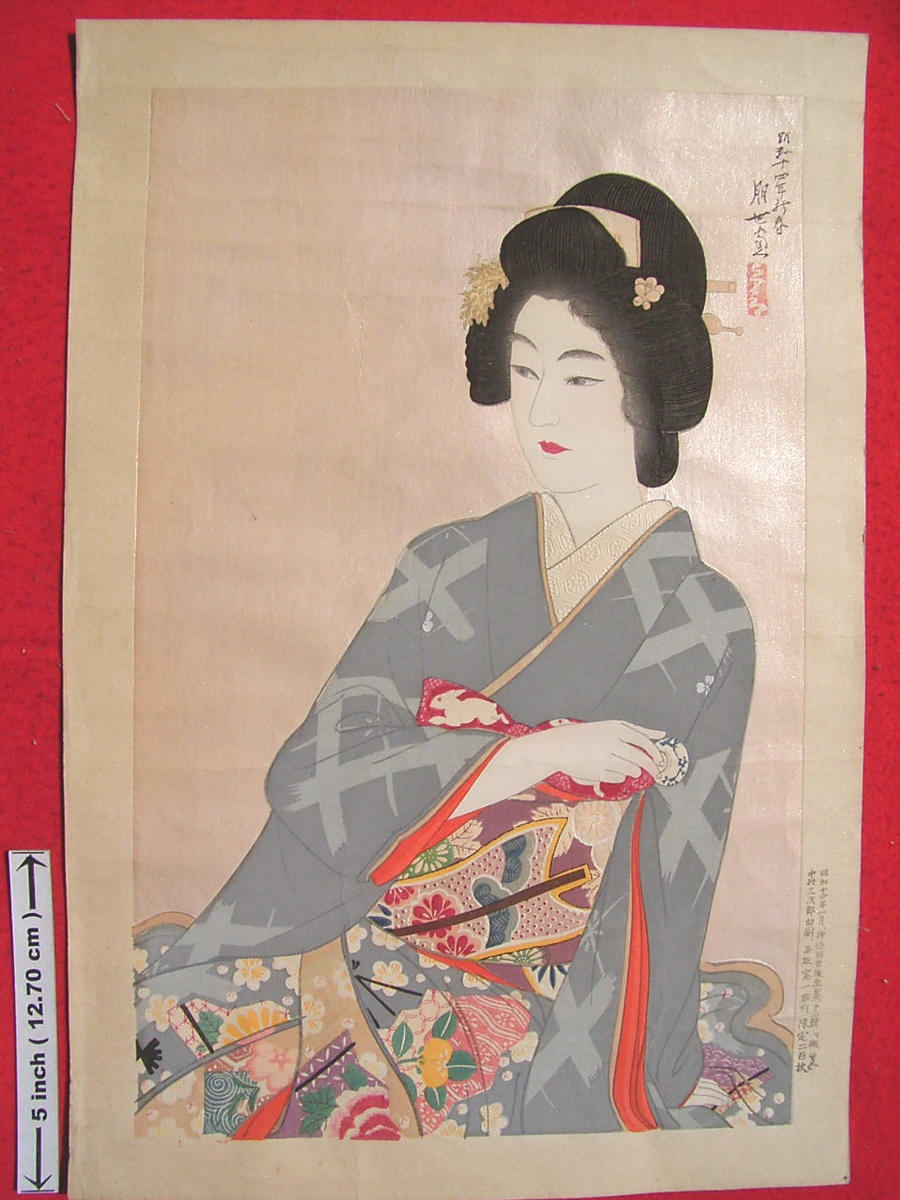
Tomoyo Jinbo
神保朋世

Narazaki Eisho
楢崎栄昌
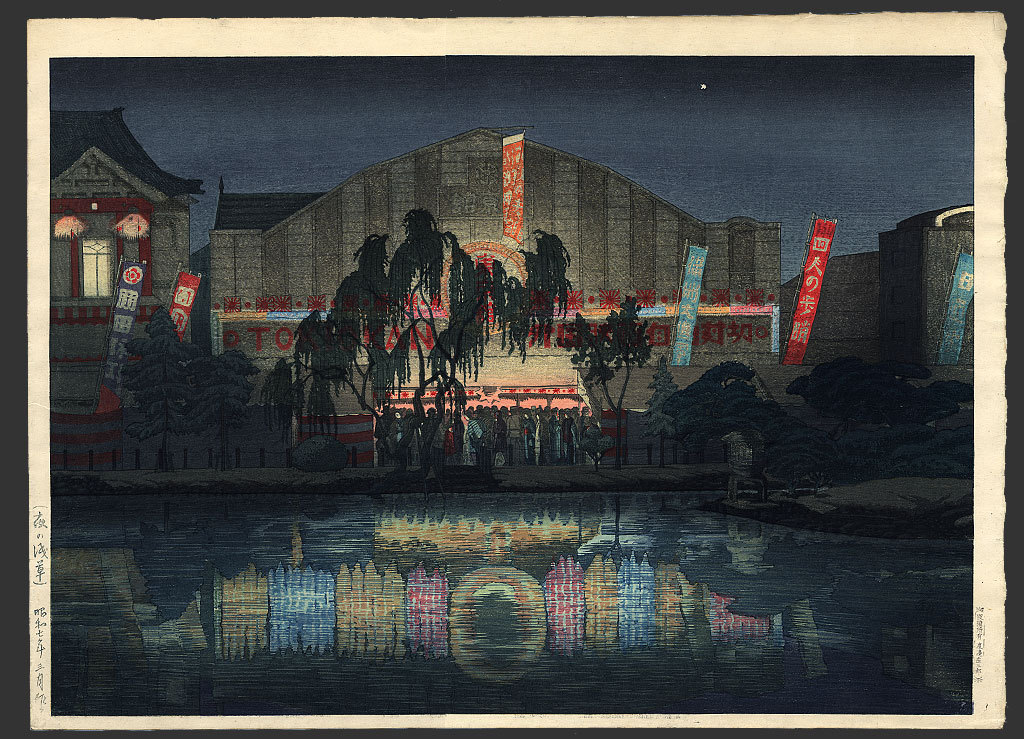
Ishiwata Koitsu
石渡光逸
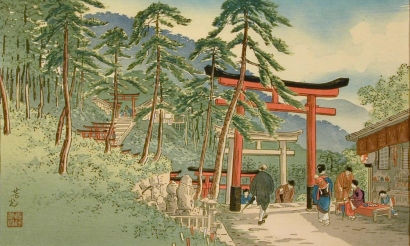
Nomura Yoshimitsu
野村義光

Yuhan Ito
伊藤雄半
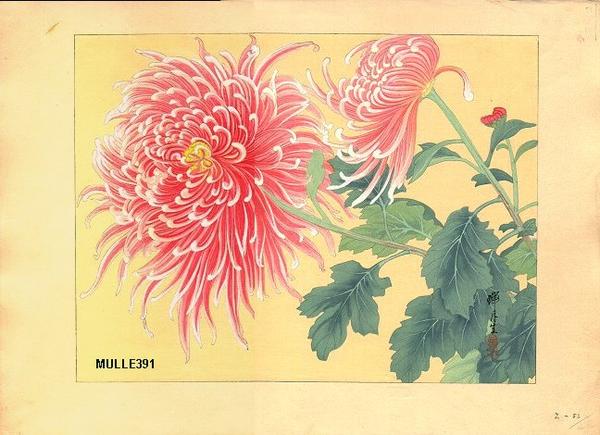
Ikeda Zuigetsu
池田瑞月
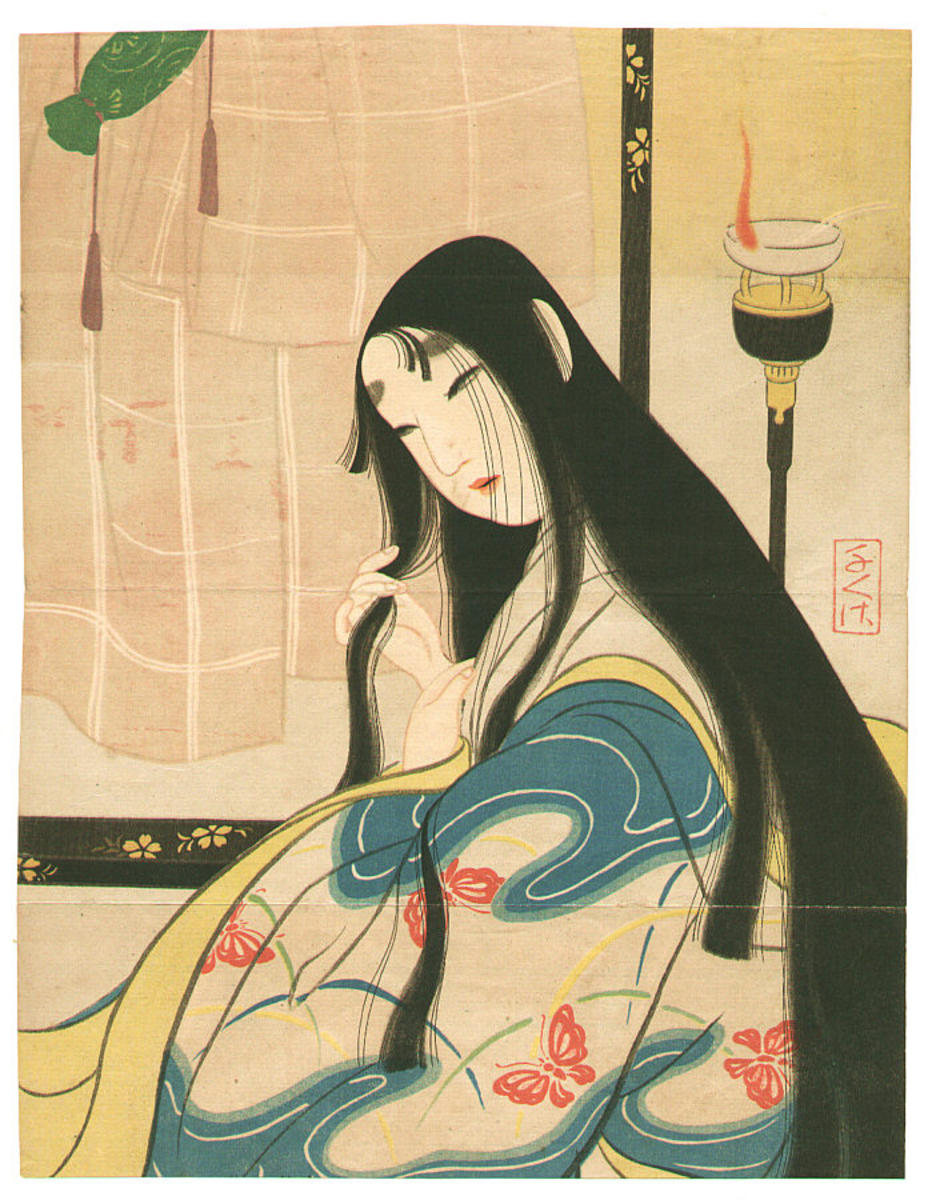
Chigusa Kotani
小谷千草
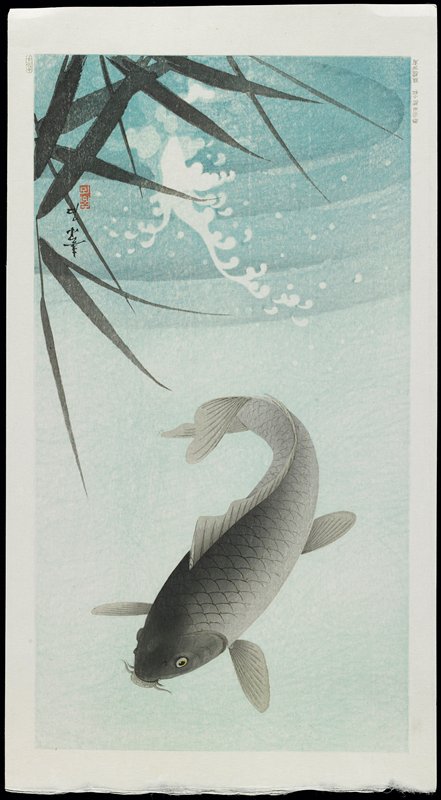
Komori Soseki
小森漱石
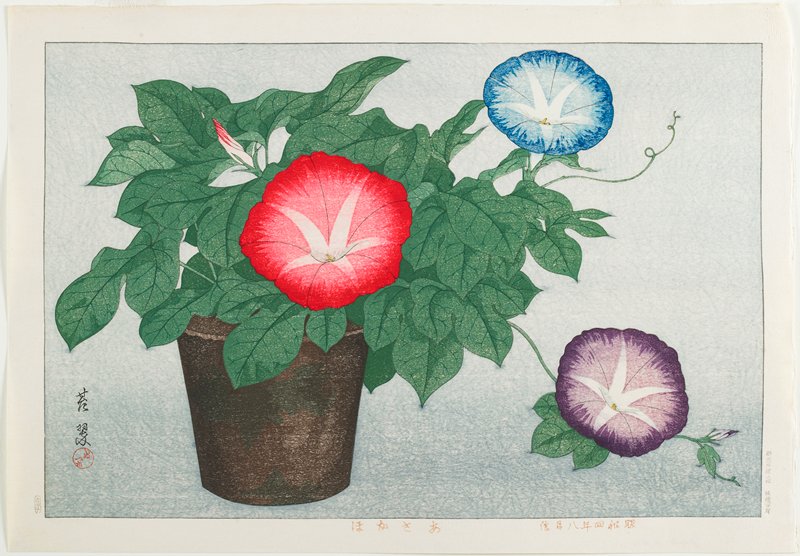
Inuzuka Taisui
犬塚泰水
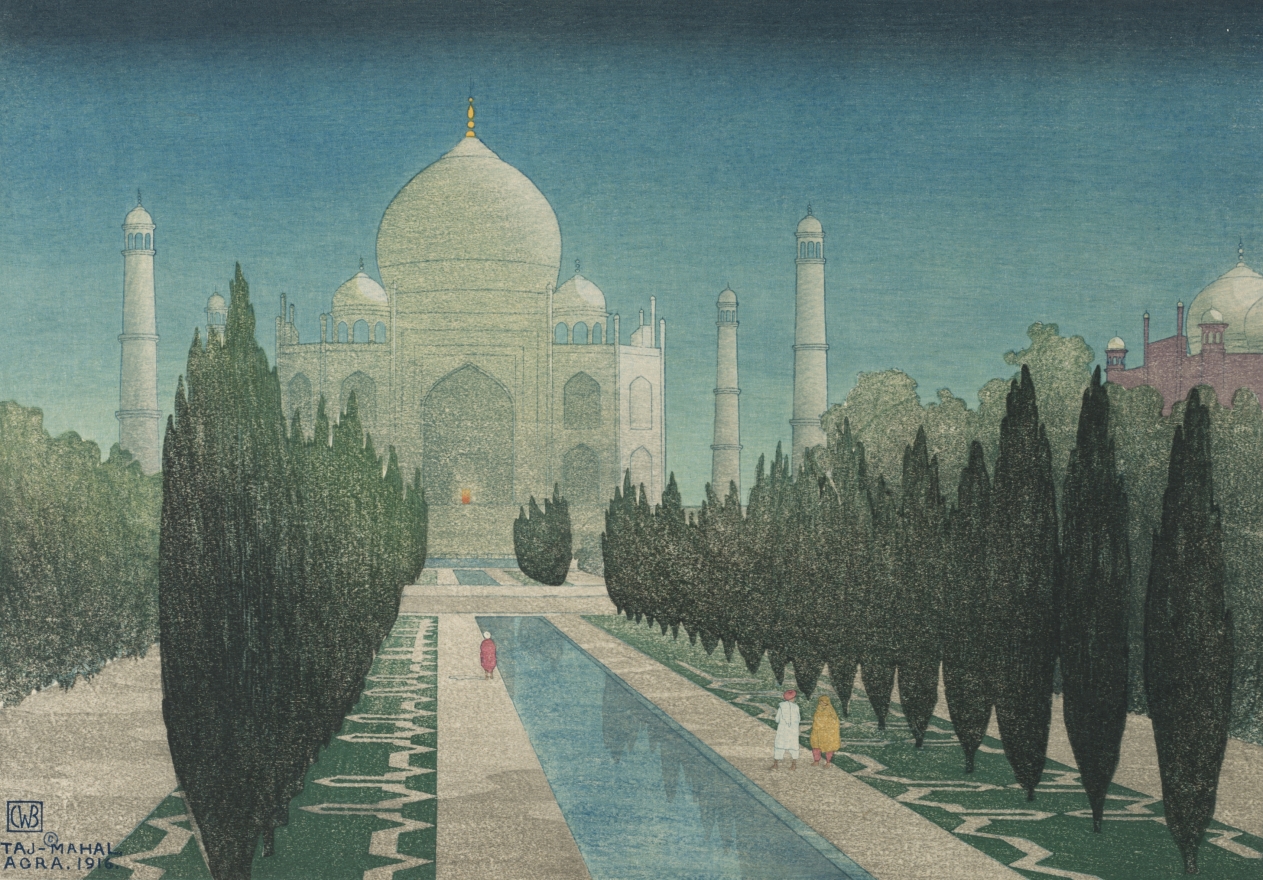
Charles W. Bartlett
1860–1940

Helen Hyde
1868–1913
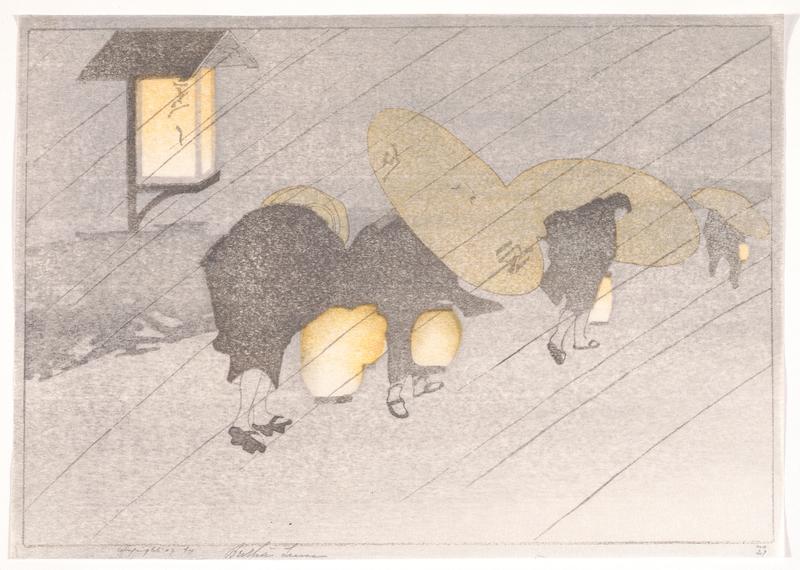
Bertha Lum
1869–1954
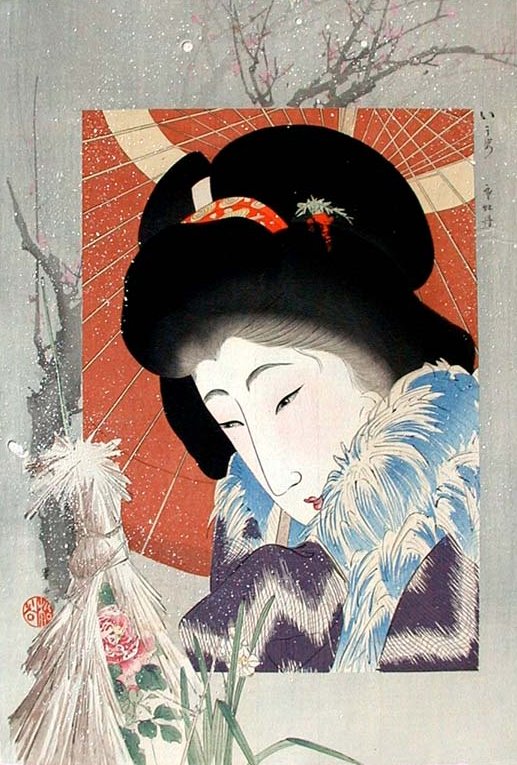
Yamamoto Shoun
山本昇雲
1870–1965

Tsuchiya Koitsu
土屋光逸
1870–1949
Kajita Hanko
梶田半古
1870–1917
Takahashi Shotei
高橋松亭
1871–1945

Koho Shoda
庄田耕峰
1871–1946
Yoshimune Arai
荒井芳宗
1873–1945
Kamoshita Chōko
鴨下晁湖
1874–1950
Mabel Royds
1874–1941
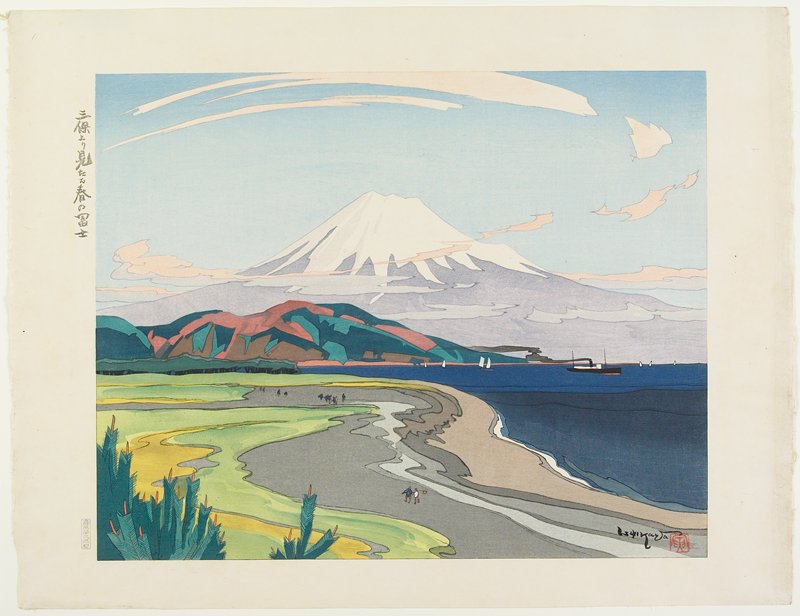
Ishikawa Toraji
石川寅治
1875–1964

Hamada Josen
浜田如洗
1875
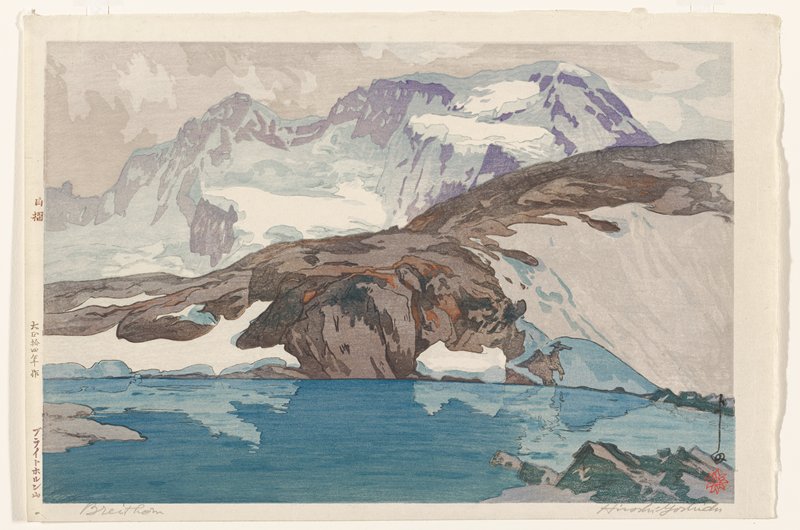
Hiroshi Yoshida
吉田博
1876–1950
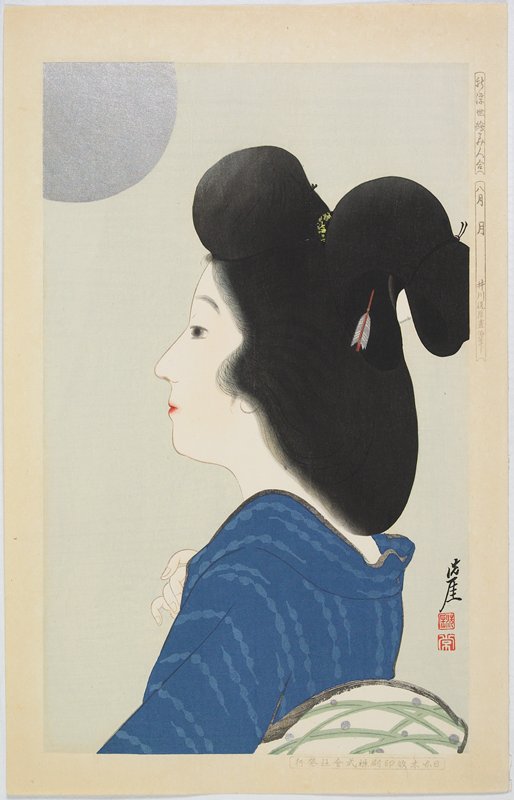
Igawa Sengai
井川洗崖
1876–1961
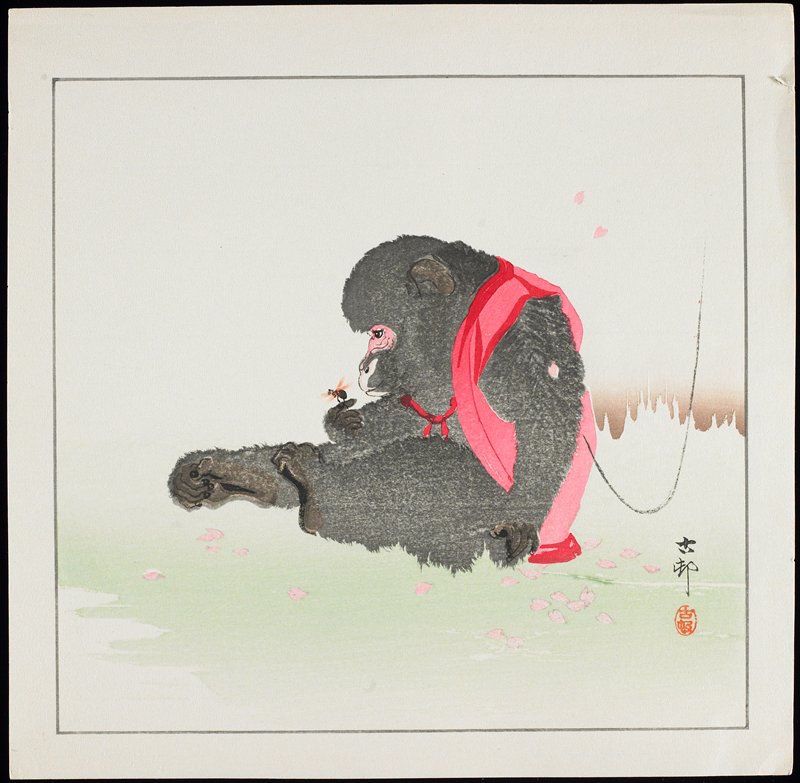
Ohara Koson
小原古邨
1877–1945
Kaburaki Kiyokata
鏑木清方
1878–1972

Uehara Konen
上原古年
1878–1940
Hirano Hakuhō
平野白峰
1879–1957

Tanigami Kōnan
谷上廣南
1879–1928

Hashiguchi Goyo
橋口五葉
1880–1921

Kitano Tsunetomi
北野恒富
1880–1947
Hasegawa Sadanobu III
長谷川貞信三世
1881–1963
Gesso Yoshimoto
吉本月荘
1881–1936
Hirezaki Eiho
鰭崎英朋
1881–1968
Ishii Hakutei
石井柏亭
1882–1958

Oda Kazuma
織田一磨
1882–1956

Kawase Hasui
川瀬巴水
1883–1957
Miki Suizan
三木翠山
1883–1957
Fritz Capelari
フリッツ・カペラリ
1884–1950

Ito Sozan
伊藤宗山
1884
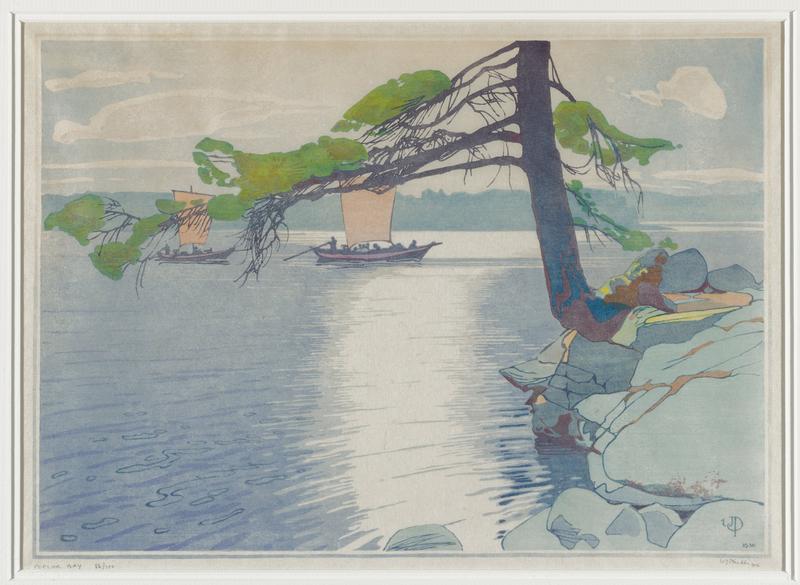
Walter J. Phillips
1884–1963

Yamamura Toyonari
山村豊成
1885–1942
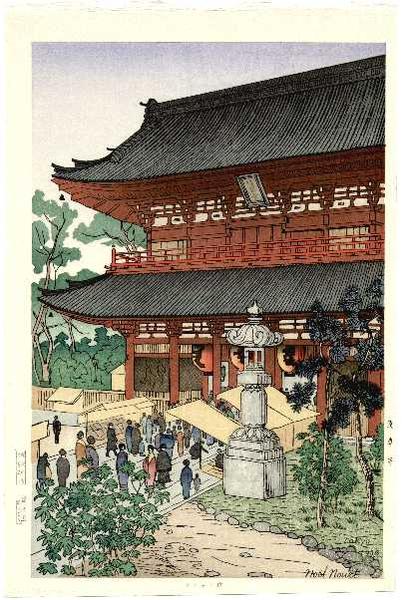
Noël Nouët
1885–1969

Yamamura Kōka
山村耕花
1885–1942

Natori Shunsen
名取春仙
1886–1960

Elizabeth Keith
エリザベス・キース
1887–1956

Komura Settai
小村雪岱
1887–1940
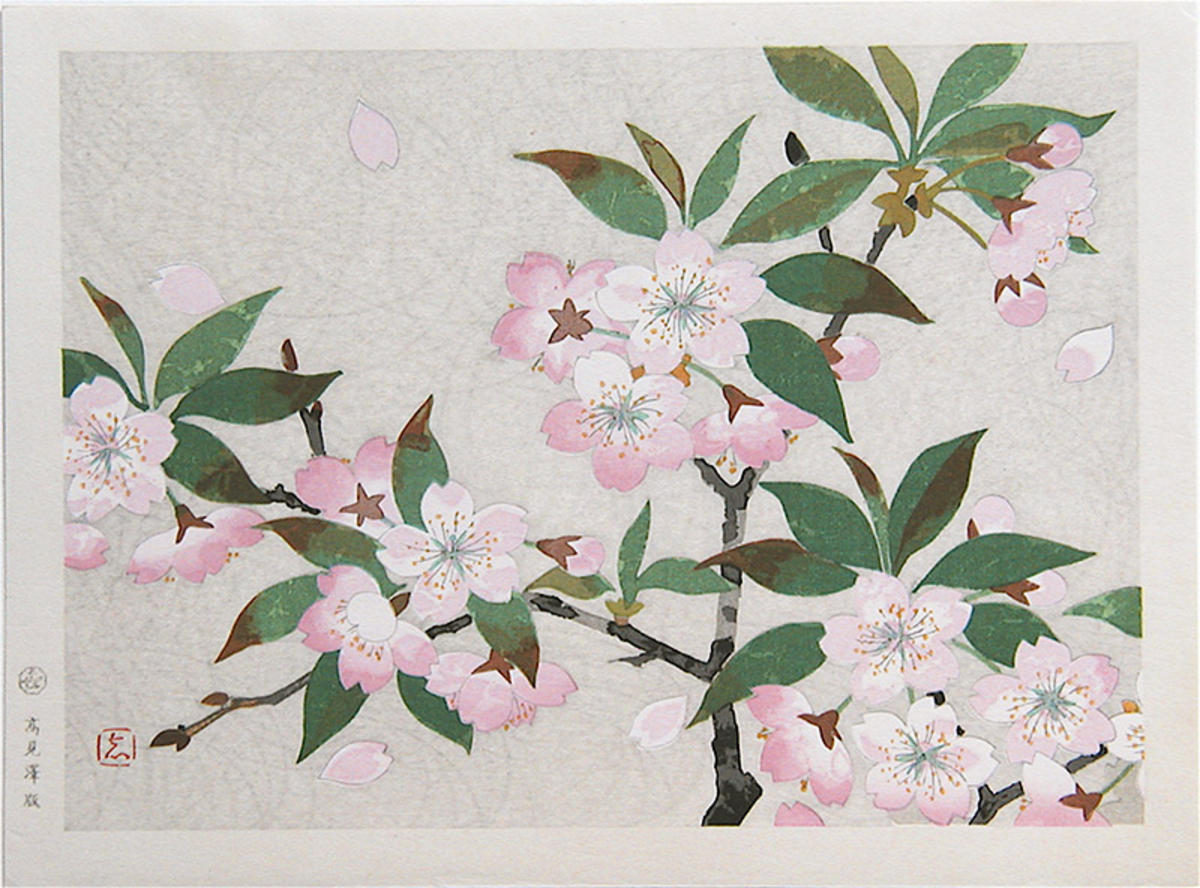
Kato Shinmei
加藤晋明
1887
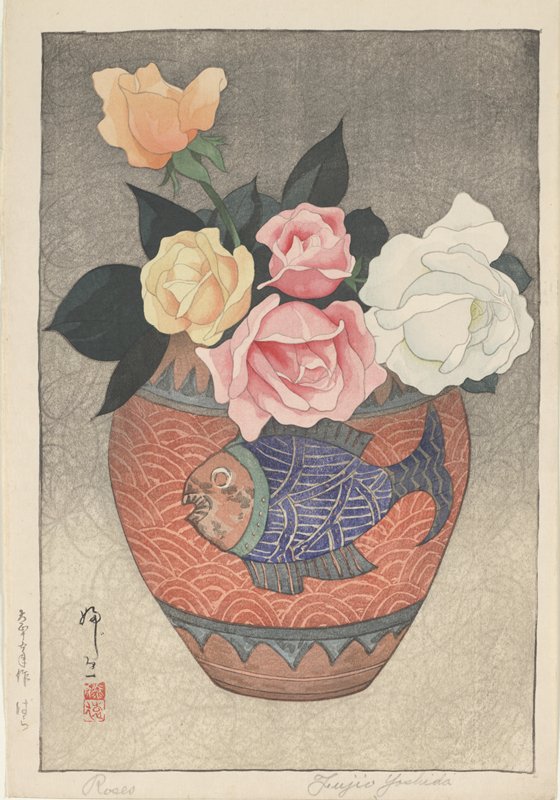
Fujio Yoshida
吉田ふじを
1887–1987

Ohno Bakufu
大野麦風
1888–1976

Yoshijiro Urushibara
漆原木虫
1888–1953
Cyrus Leroy Baldridge
1889–1977
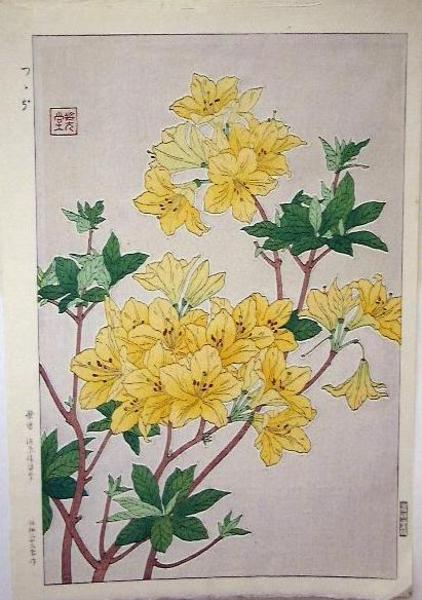
Shodo Kawarazaki
河原崎奨堂
1889–1973

Insho Domoto
堂本印象
1891–1975
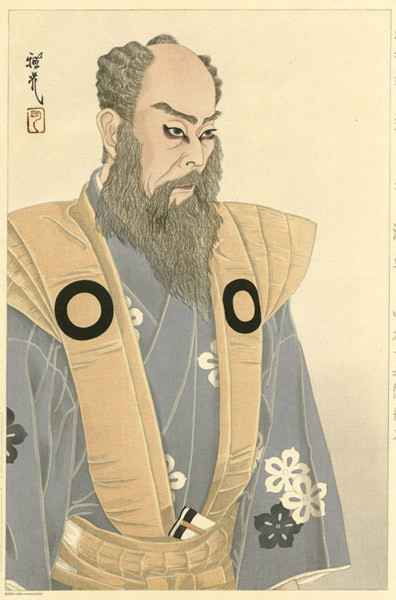
Ota Masamitsu
太田雅光
1892–1975

Kishio Koizumi
小泉癸巳男
1893–1945

Ito Takashi
伊東孝
1894–1982

Kanpo Yoshikawa
吉川観方
1894–1979

Hayami Gyoshū
速水御舟
1894–1935

Lillian May Miller
1895–1943
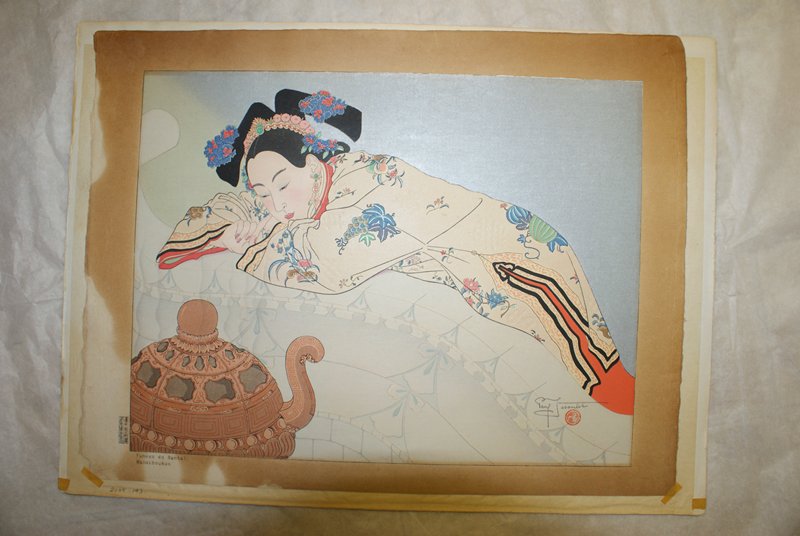
Paul Jacoulet
ポール・ジャクレー
1896–1960
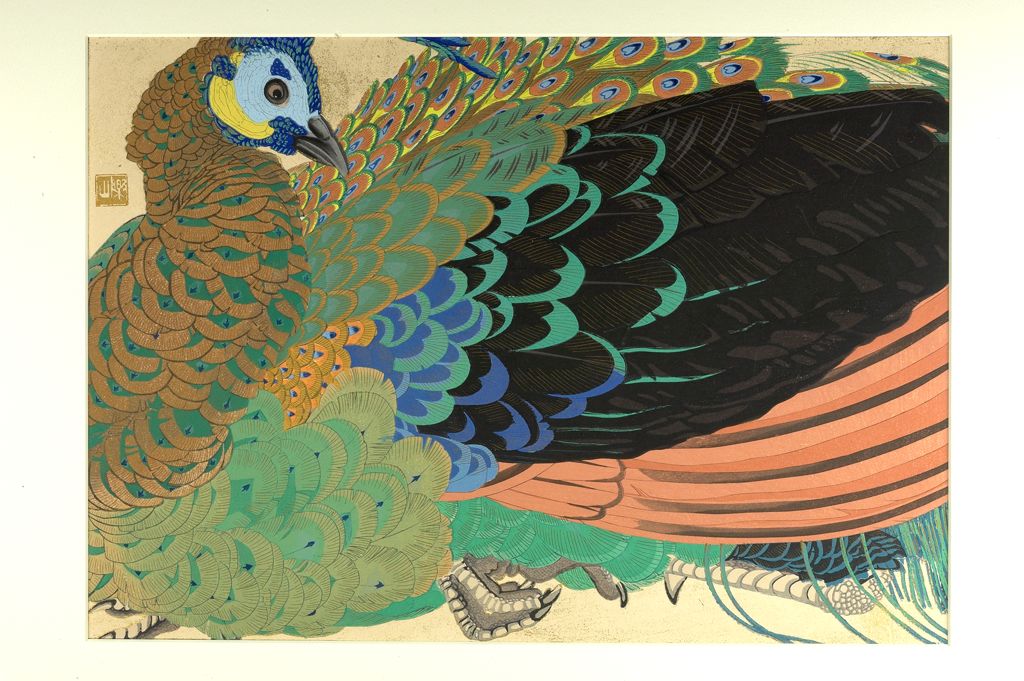
Tsuchiya Rakuzan
土屋楽山
1896–1976

Shiro Kasamatsu
笠松紫浪
1898–1991

Ito Shinsui
伊東深水
1898–1972
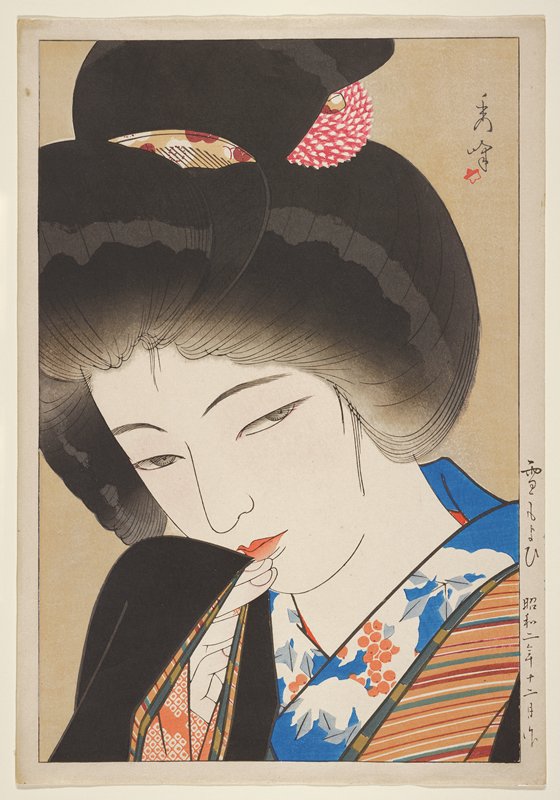
Yamakawa Shuho
山川秀峰
1898–1944
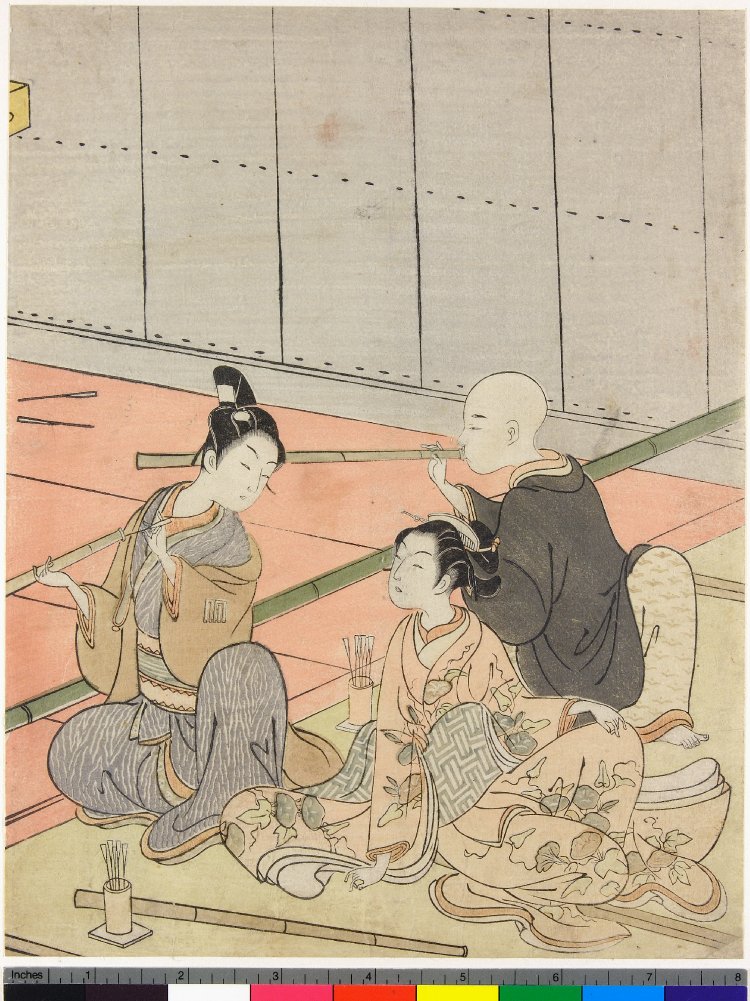
Koji Fukiya
蕗谷虹児
1898–1979

Kobayakawa Kiyoshi
小早川清
1899–1948
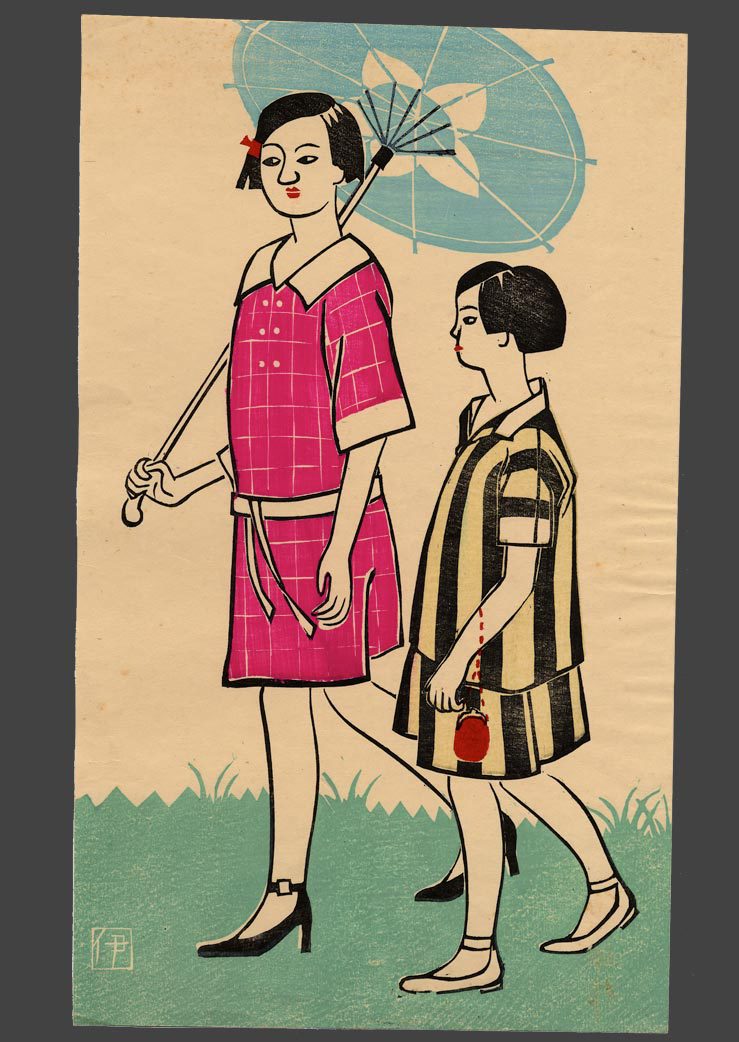
Asada Benji
浅田弁治
1899–1984
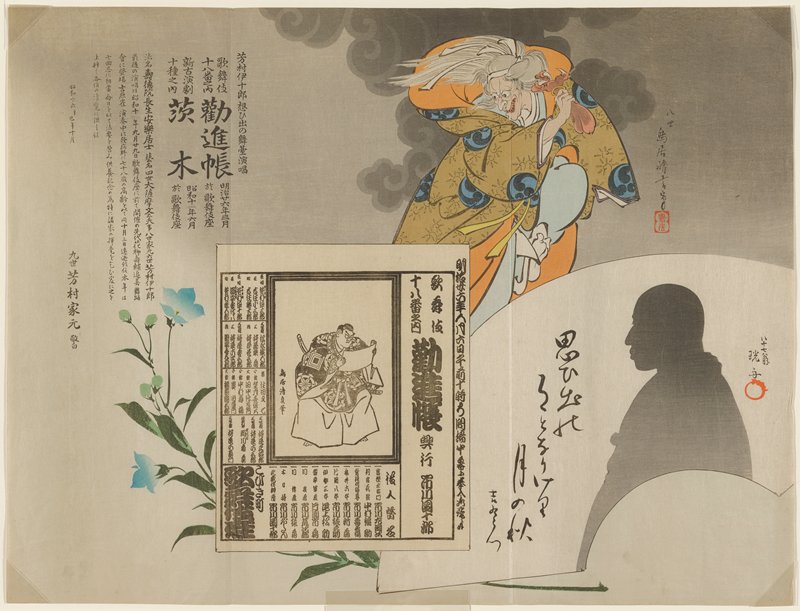
Torii Kotondo
鳥居言人
1900–1976
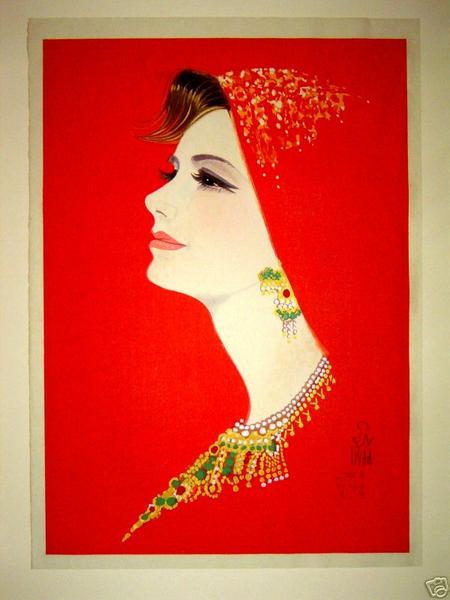
Sentaro Iwata
岩田専太郎
1901–1974
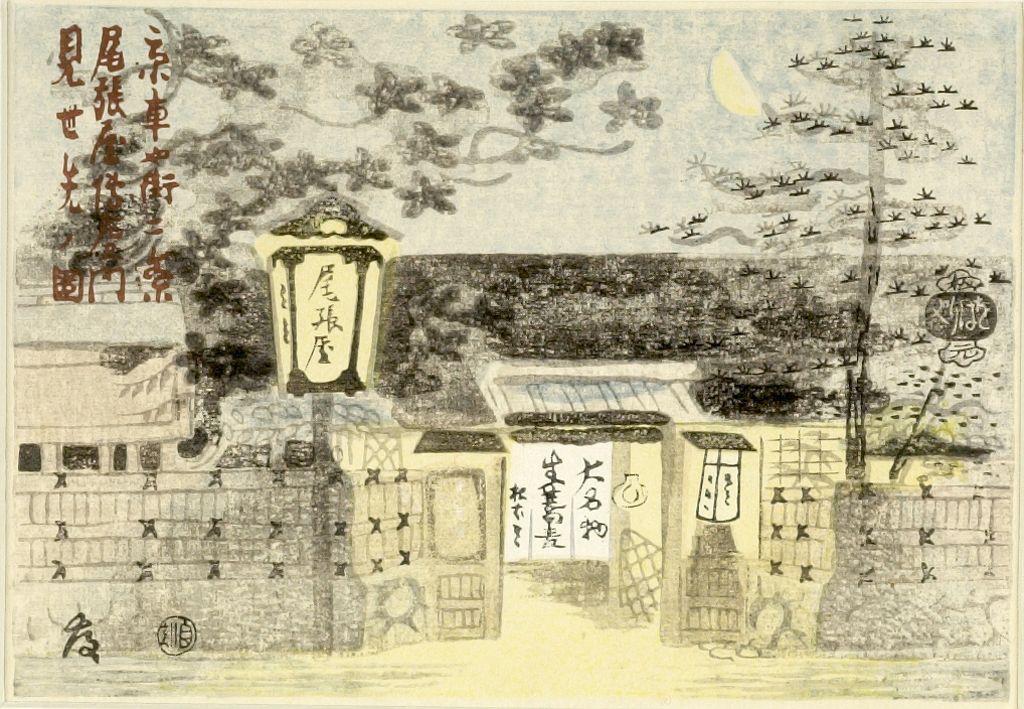
Kamei Tobei
亀井東平
1901–1977
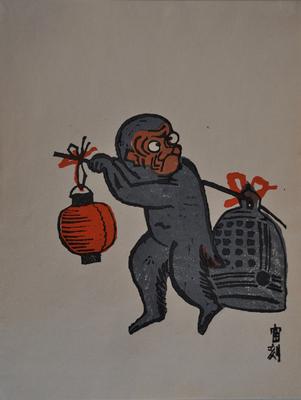
Tomikichiro Tokuriki
徳力富吉郎
1902–1999
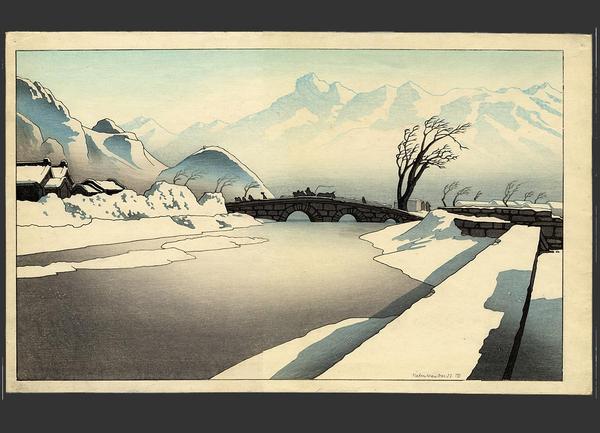
Pieter Irwin Brown
1903–1988
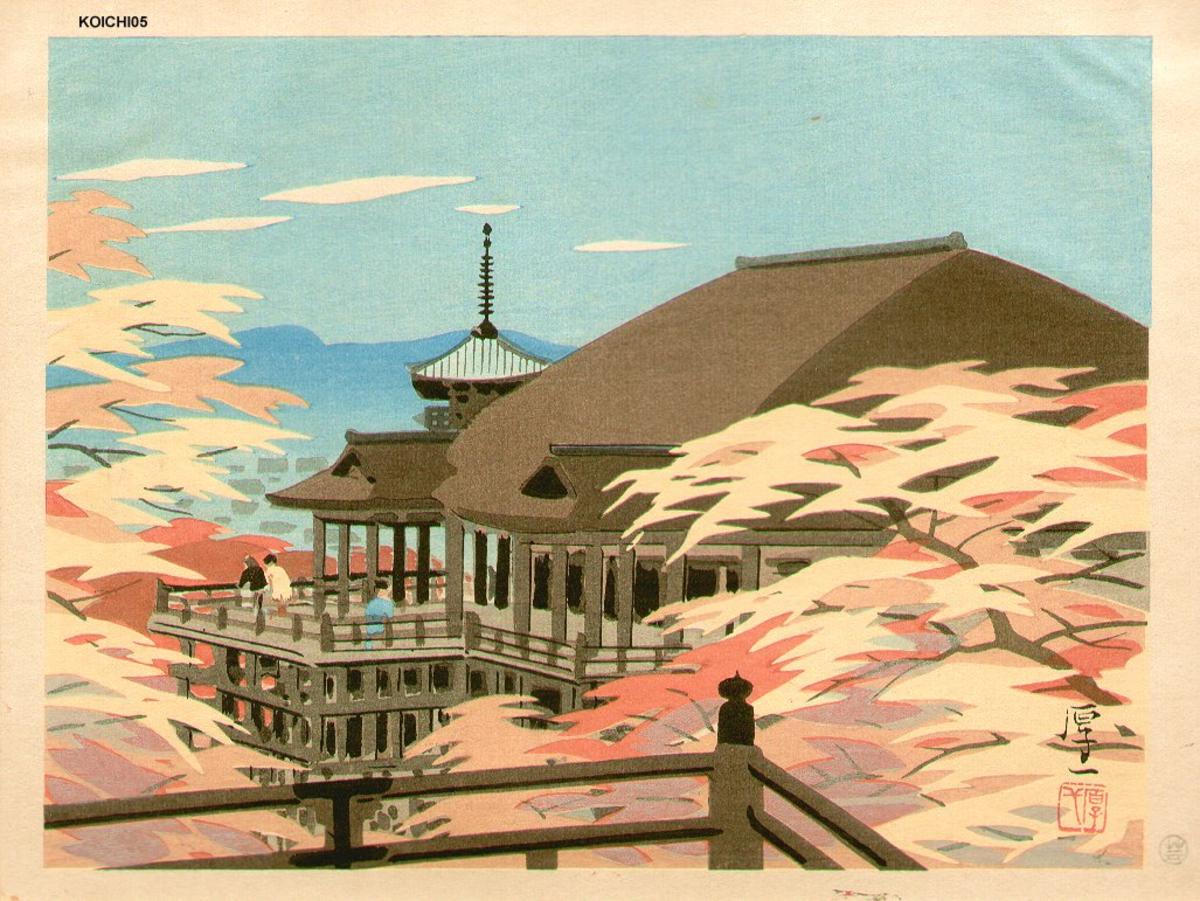
Okumura Koichi
奥村厚一
1904–1974

Maeda Masao
前田政雄
1904–1974
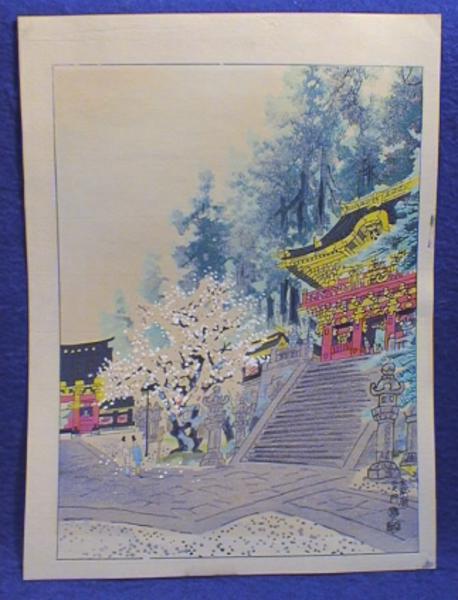
Kotozuka Eiichi
琴塚英一
1906–1979
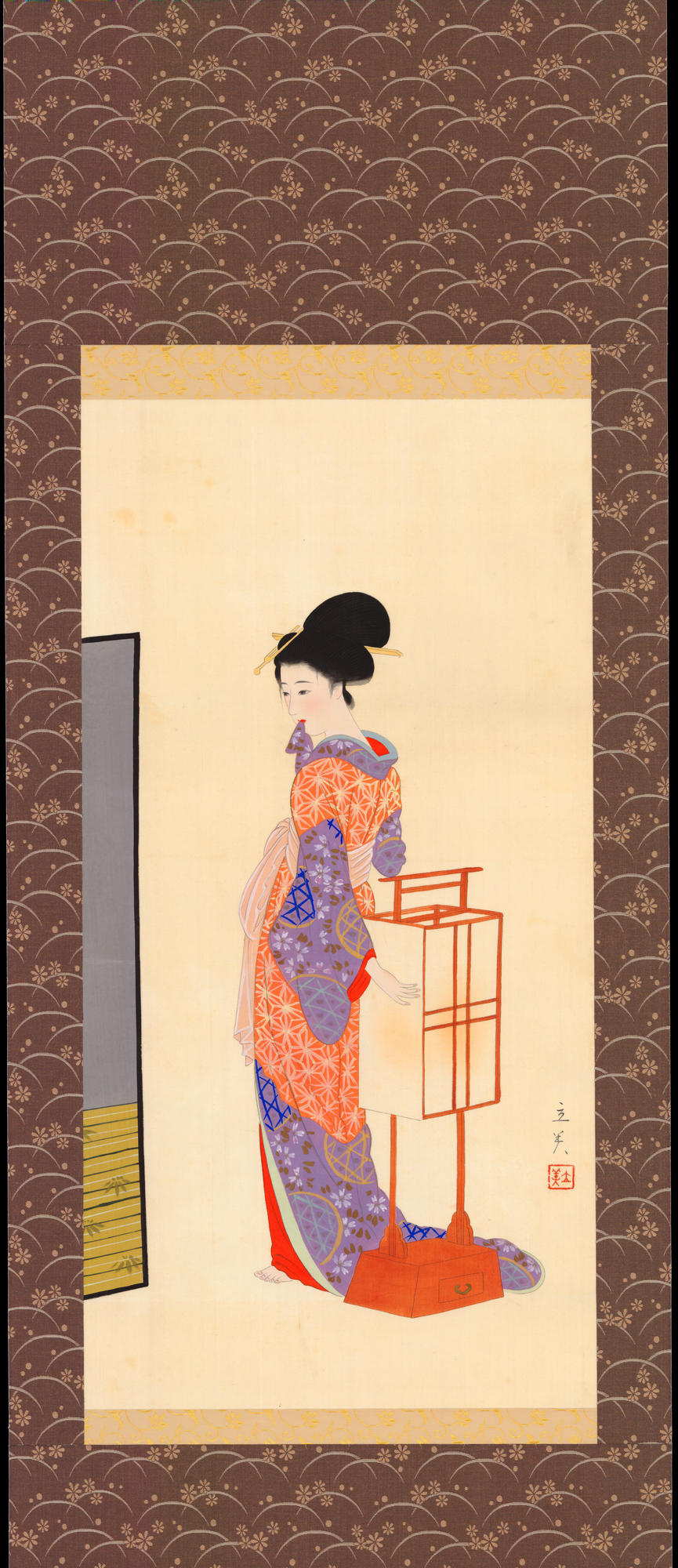
Shimura Tatsumi
志村立美
1907–1980

Tsukioka Gyokusei
月岡玉成
1908–1994
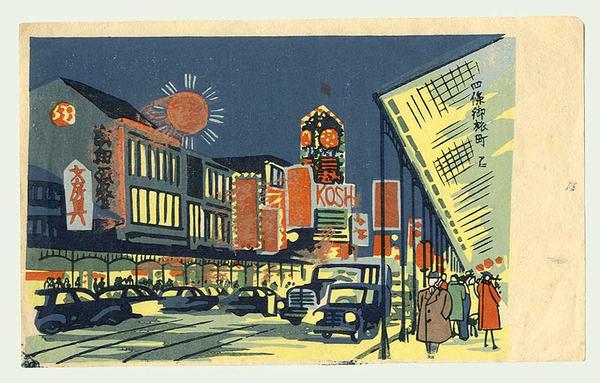
Ito Nisaburo
伊藤仁三郎
1910–1988

Toshi Yoshida
吉田遠志
1911–1995
Nishiyama Hideo
西山英雄
1911–1989
Hasegawa Konobu (Sadanobu IV)
長谷川小信 / 四代目長谷川貞信
1914–1999
Hodaka Yoshida
吉田穂高
1926–1995
Notable Works
Makeup in Modern Times
1930
Woodblock Print
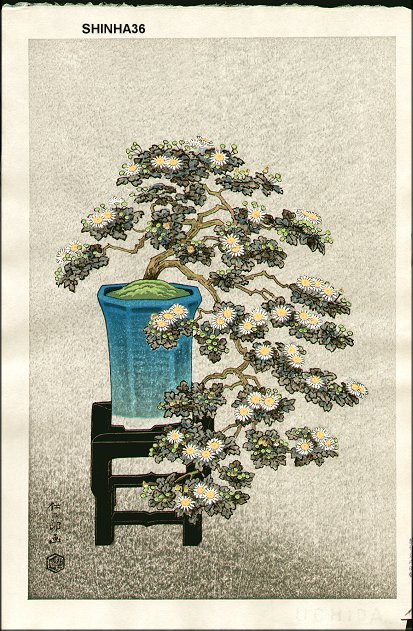
, Bonsai
Woodblock print
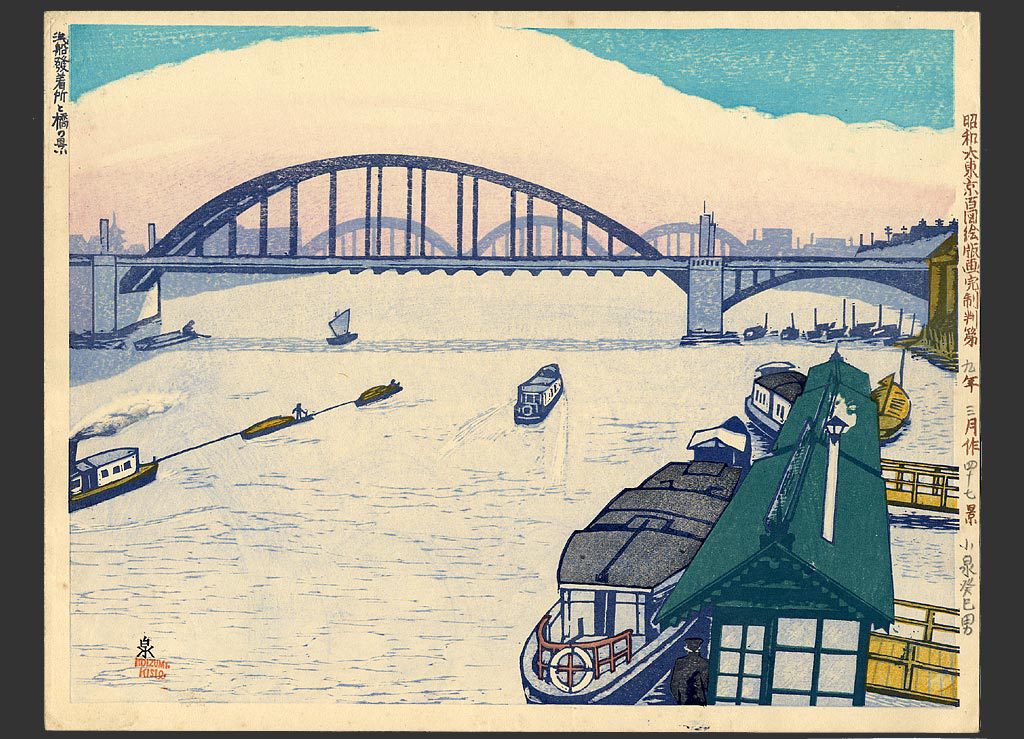
"#47 Komagata Bridge & the steamship port"
Woodblock print
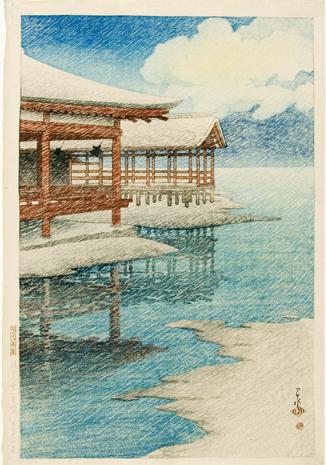
"A Fine Winter's Sky, Miyajima, from the series Souvenirs of Travel, Second Series"
Woodblock print
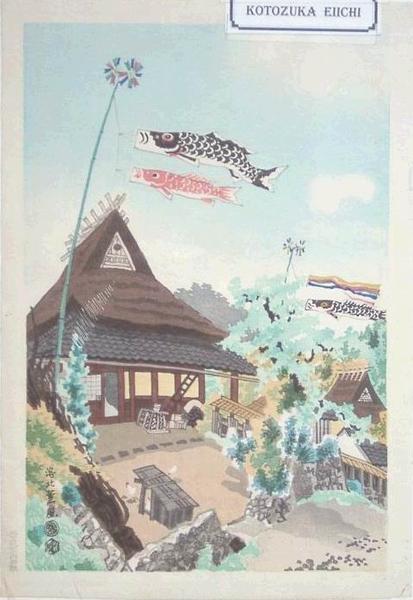
"BOY'S DAY"
Woodblock print
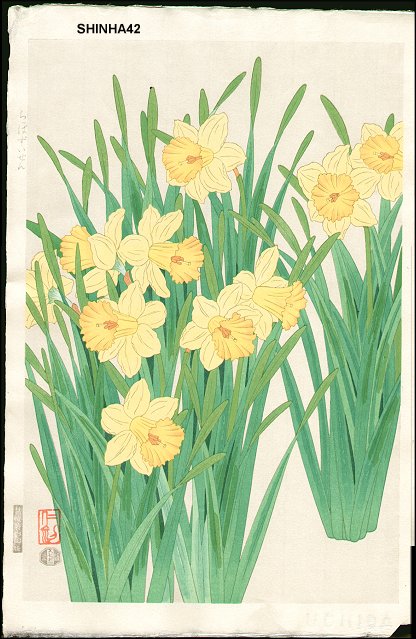
"Daffodil"
Woodblock print
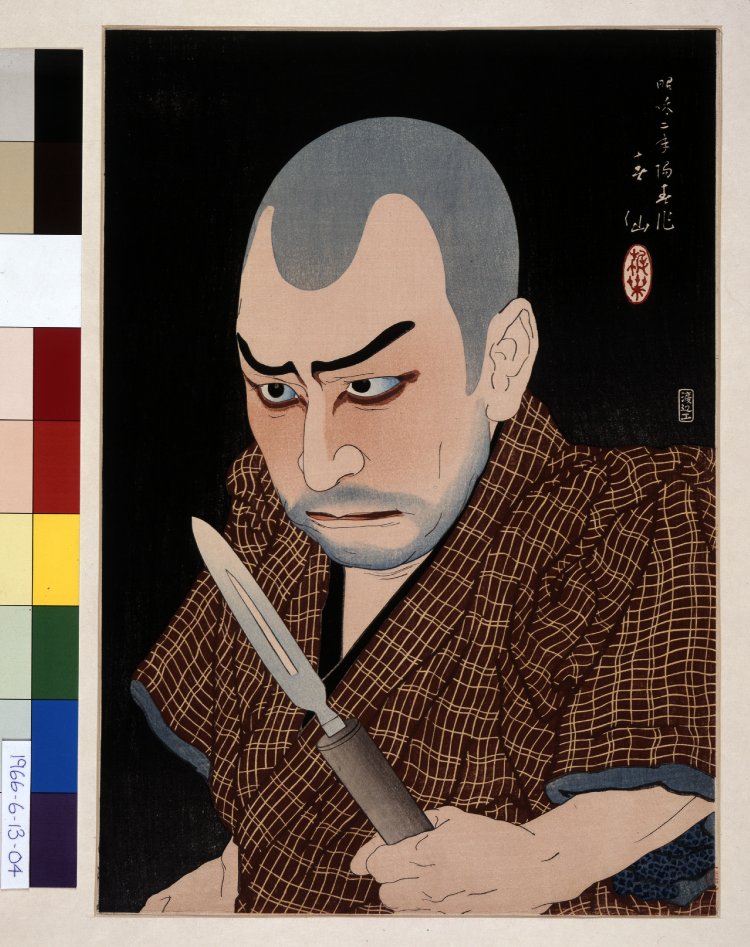
"Ichikawa Ennosuke as Kakudayu in 'Toyama seidan' / Shunsen nigao-e-shu (Collection of Shunsen Portraits)"
Woodblock print
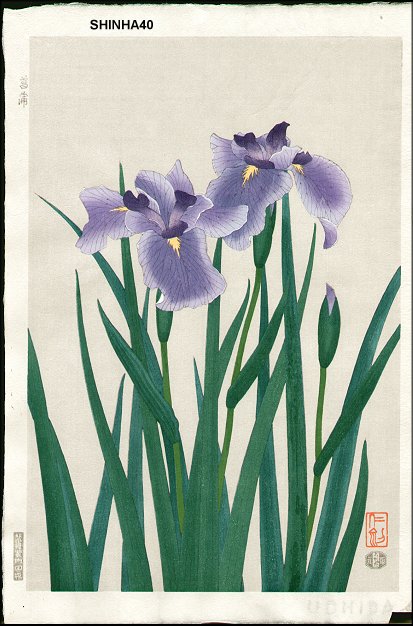
"Iris, purple"
Woodblock print
Key Techniques
Key Publishers
Frequently Asked Questions
## What is Shin-hanga?
The Shin-hanga movement was active from approximately 1915 to 1960.
Notable Shin-hanga artists include Tomoyo Jinbo, Narazaki Eisho, Ishiwata Koitsu, Nomura Yoshimitsu, Yuhan Ito, and 78 more.
## What is Shin-hanga? Shin-hanga (新版画), literally "new prints," is the early twentieth-century revival of the collaborative Japanese woodblock workshop, organized between roughly 1915 and 1960 by the Tokyo publisher Watanabe Shōzaburō (1885–1962) and a handful of competing houses. The movement reassembled the four-role production chain inherited from Edo-period [ukiyo-e](/movements/ukiyo-e) — designer, carver, printer, publisher — for designs aimed at modern Japanese audiences and a Western export market. Its prints — atmospheric [landscape](/glossary/fukeiga), beauties, bird-and-flower images, actor portraits — kept the technical vocabulary of the Edo trade alive through near-extinction in the Meiji era and into the postwar reconstruction.
Related Movements
Want to rate Shin-hanga prints?
Sign up to start rating