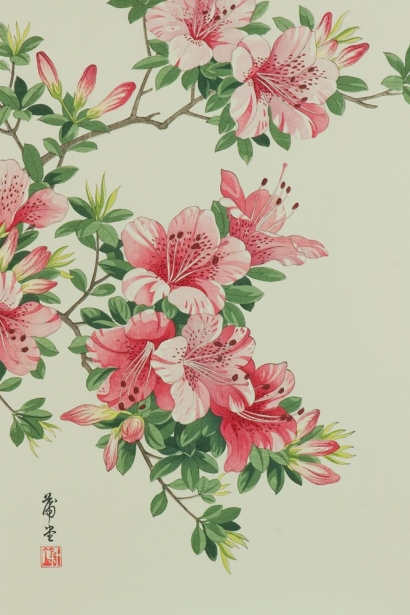
Nishimura Hodo
西村蒲堂
Japan
Biography
Hōdō Nishimura (西村蒲堂, active circa 1930–1941) is a Japanese woodblock print designer of the late shin-hanga period whose career is documented almost entirely through his surviving prints rather than through preserved biographical records. The dates of his birth and death are not known, and no contemporary biographical text on him survives in the English-language literature; what is known has been reconstructed from publisher imprints, collector archives, and the group of his prints associated with the Robert O. Muller Collection in the United States (Artelino, https://www.artelino.com/articles/hodo-nishimura.asp; Annex Galleries, https://www.annexgalleries.com/artists/biography/1032/Hodo/Nishimura; More of My Japanese Hanga, https://www.moreofmyjapanesehanga.com/home/artist-index/nishimura-hod%C5%8D-%E8%A5%BF%E6%9D%91%E8%92%B2%E5%A0%82-active-1930s). He is generally believed to have served as an in-house artist for the publisher Takemura Hideo of Yokohama from about 1930 until the firm ceased operations in 1941, when wartime austerity and paper rationing forced the closure of many small Japanese print houses in the run-up to and during the Pacific War (Artelino, https://www.artelino.com/articles/hodo-nishimura.asp). That closure helps explain the relatively compact scope of his surviving œuvre: most of his identifiable prints can be dated to roughly the late 1930s. His prints appear under two distinct names: Nishimura Hōdō in formal Japanese inscription, and the alternate art-name Saitō Hōdō, which is also recorded on his work (Artelino, https://www.artelino.com/articles/hodo-nishimura.asp; Moonlit Sea Prints, https://moonlitseaprints.com/category/artists/hodo-nishimura/). The relationship between the two names — whether they reflect adoption (a not-uncommon situation in interwar Japan, where artistic identities sometimes followed family registration changes), an art-name change, or a publisher-imposed signature — has not been resolved in current print scholarship.
Stylistically Nishimura belongs to the kachō-e (bird-and-flower print) wing of late shin-hanga, working in a quieter and more decorative register than the major landscape designers (Kawase Hasui, Hiroshi Yoshida) and bijin-ga designers (Itō Shinsui, Hashiguchi Goyō) of the period. His characteristic subjects include cockatoos, parrots, pigeons, egrets, rabbits, peonies, lilies, irises, cosmos, magnolia branches, narcissus, and seasonal still-life arrangements, rendered with what the dealer Moonlit Sea Prints describes as "careful natural observation, decorative clarity, and polished woodblock execution" — qualities that align his work with the classical Edo-period kachō-ga tradition of Itō Jakuchū and Maruyama Ōkyo as much as with twentieth-century print modernism (Moonlit Sea Prints, https://moonlitseaprints.com/category/artists/hodo-nishimura/). The compositions typically isolate a single bird or floral specimen against a flat or atmospheric ground, with strong attention to the silhouette of the subject and the patterning of feathers, petals, and leaves. Beyond his bird-and-flower prints, he also produced a smaller number of landscape and urban views. Compared to the major shin-hanga publishers Watanabe Shōzaburō or Doi Hangaten, Takemura Hideo was a smaller operation; Nishimura's prints carry his publisher's seal and were produced using the conventional shin-hanga division of labor among artist-designer, carver, and printer, in which Nishimura supplied the original drawing and watercolor and trained professional workshop craftsmen translated it into a woodblock edition.
Awareness of Nishimura's work outside Japan owes much to the American collector and dealer Robert O. Muller (1911–2003), who over some seventy years assembled a collection of more than four thousand Japanese prints spanning the mid-nineteenth to the mid-twentieth century; on his death the collection was bequeathed to the Arthur M. Sackler Gallery at the Smithsonian Institution in Washington, D.C., where it is preserved as a discrete unit (Smithsonian / Sackler Gallery press release, https://asia-archive.si.edu/press-release/sackler-gallery-receives-unrivaled-collection-of-japanese-prints-from-the-estate-of-art-dealer-and-collector-robert-o-muller/). Muller collected a number of Nishimura's prints; Artelino alone records several dozen sheets associated with his collection. Beyond that material, Nishimura's prints are dispersed across private collections and the inventories of specialist dealers including Artelino, Annex Galleries, Moonlit Sea Prints, and Japanese Gallery in London; Artelino records approximately 129 attributed works passing through its archive (Artelino, https://www.artelino.com/articles/hodo-nishimura.asp). For an artist whose biography is otherwise effectively a blank — no securely attested birth or death year, no documented training, no recorded teachers — that surviving corpus is the principal scholarly evidence of his hand and of his place in the late shin-hanga decorative tradition, and any future biographical advance will likely come from Japanese-language publisher records of Takemura Hideo rather than from new Western-language scholarship.
Key Facts
- Nationality
- 🇯🇵Japan
- Works Indexed
- 96
Frequently Asked Questions
Hōdō Nishimura (西村蒲堂, active circa 1930–1941) is a Japanese woodblock print designer of the late shin-hanga period whose career is documented almost entirely through his surviving prints rather than through preserved biographical records. The dates of his birth and death are not known, and no contemporary biographical text on him survives in the English-language literature; what is known has been reconstructed from publisher imprints, collector archives, and the group of his prints associated with the Robert O. Muller Collection in the United States (Artelino, https://www.artelino.com/articles/hodo-nishimura.asp; Annex Galleries, https://www.annexgalleries.com/artists/biography/1032/Hodo/Nishimura; More of My Japanese Hanga, https://www.moreofmyjapanesehanga.com/home/artist-index/nishimura-hod%C5%8D-%E8%A5%BF%E6%9D%91%E8%92%B2%E5%A0%82-active-1930s). He is generally believed to have served as an in-house artist for the publisher Takemura Hideo of Yokohama from about 1930 until the firm ceased operations in 1941, when wartime austerity and paper rationing forced the closure of many small Japanese print houses in the run-up to and during the Pacific War (Artelino, https://www.artelino.com/articles/hodo-nishimura.asp). That closure helps explain the relatively compact scope of his surviving œuvre: most of his identifiable prints can be dated to roughly the late 1930s. His prints appear under two distinct names: Nishimura Hōdō in formal Japanese inscription, and the alternate art-name Saitō Hōdō, which is also recorded on his work (Artelino, https://www.artelino.com/articles/hodo-nishimura.asp; Moonlit Sea Prints, https://moonlitseaprints.com/category/artists/hodo-nishimura/). The relationship between the two names — whether they reflect adoption (a not-uncommon situation in interwar Japan, where artistic identities sometimes followed family registration changes), an art-name change, or a publisher-imposed signature — has not been resolved in current print scholarship.
Nishimura Hodo's prints frequently feature birds & flowers, abstract, landscapes, figures, bijin-ga, still life.
Original prints by Nishimura Hodo can be found in collections including Japanese Art Open Database, Asian Collection Internet Auction, ukiyo-e.org, Art Gallery of Greater Victoria.
Woodblock Prints by Nishimura Hodo (96)
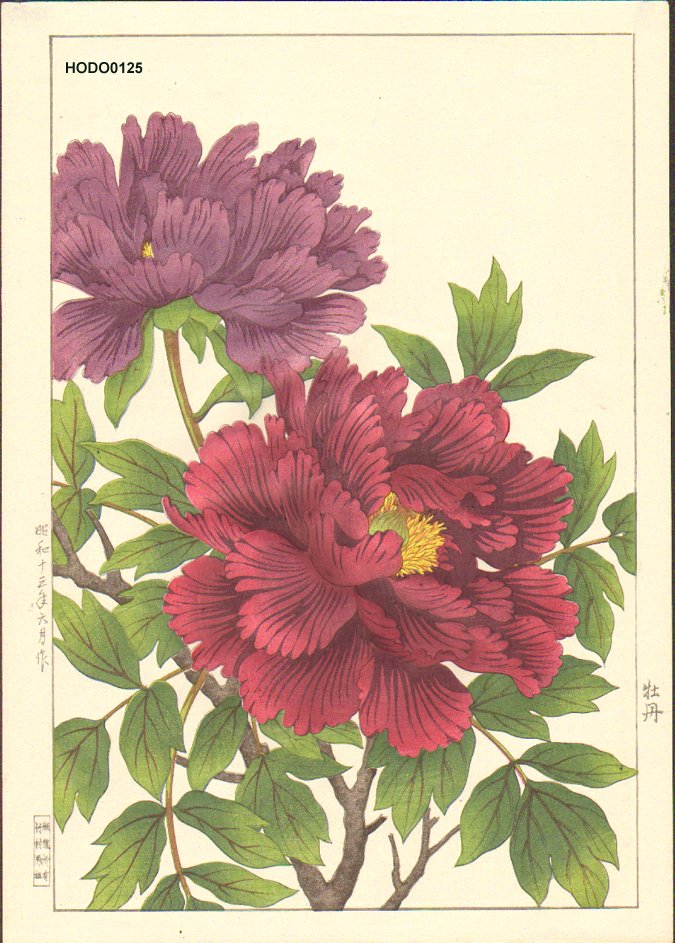
Peony
Woodblock print
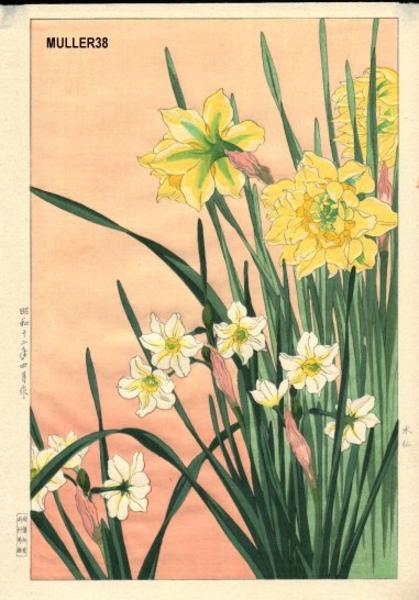
Daffodils
Woodblock print
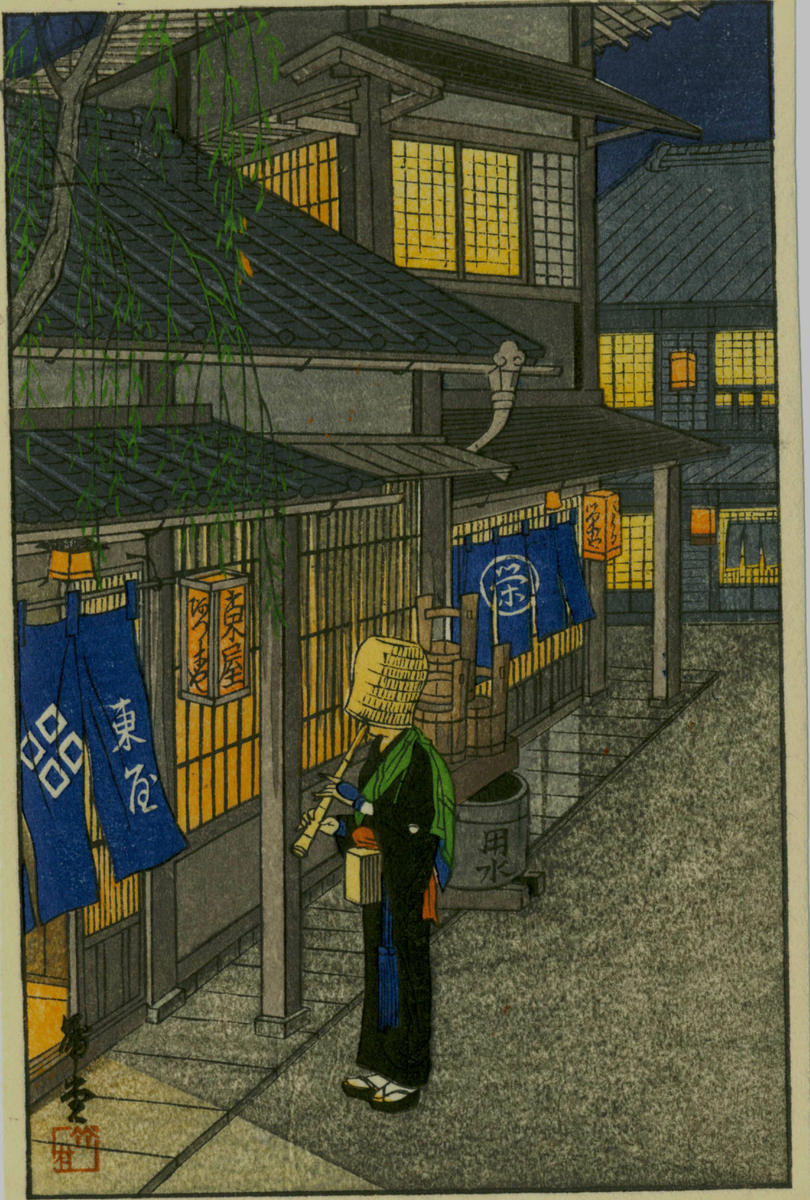
Untitled (hodo-nishimura)
Woodblock print
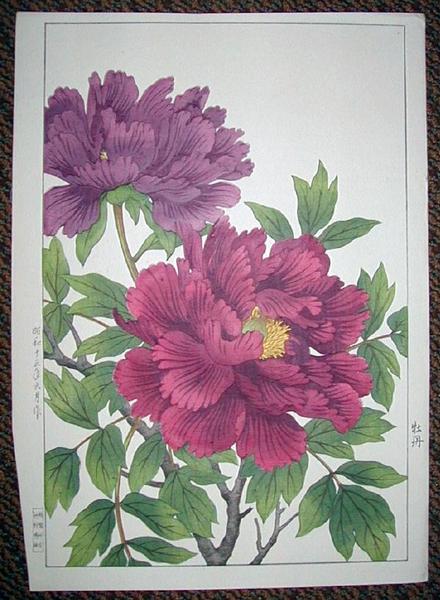
Untitled (hodo-nishimura)
Woodblock print
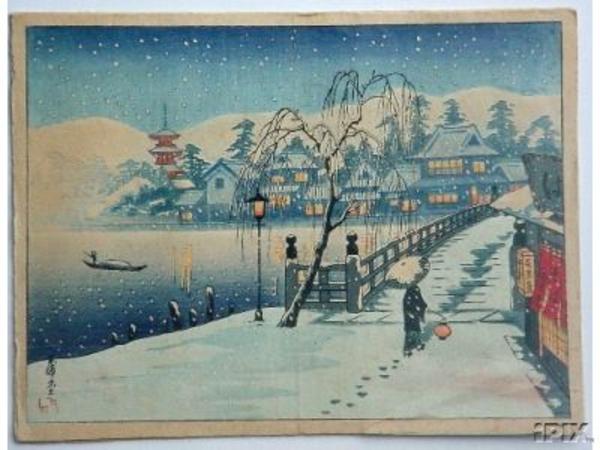
Untitled snow scene
Woodblock print
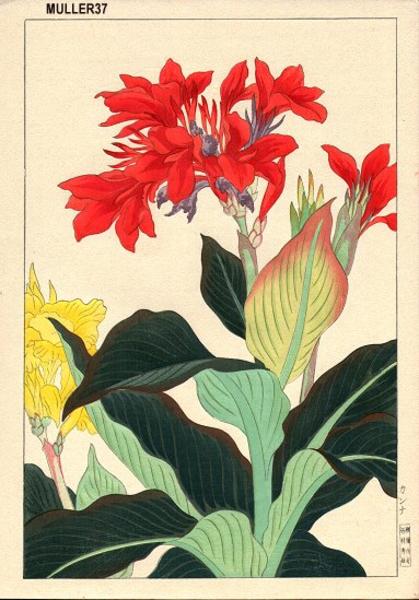
Untitled (hodo-nishimura)
Woodblock print
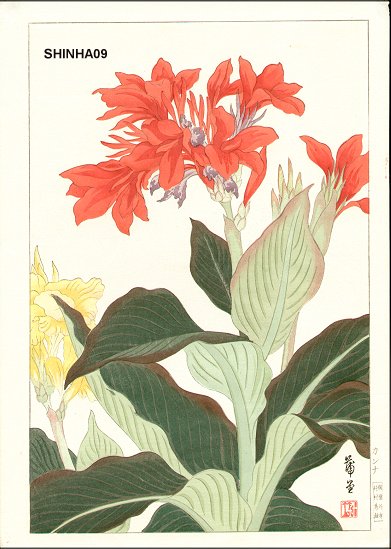
Floral
Woodblock print
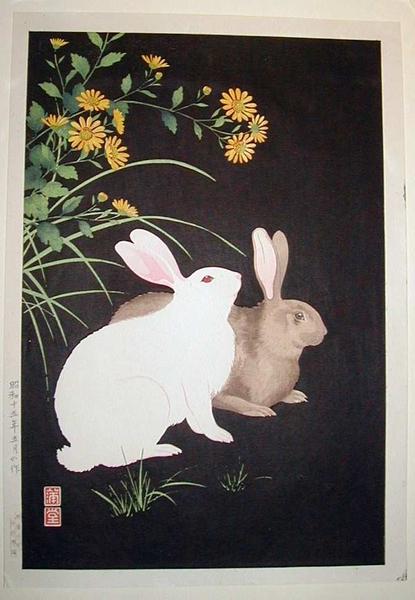
Two Rabbits- 2
Woodblock print
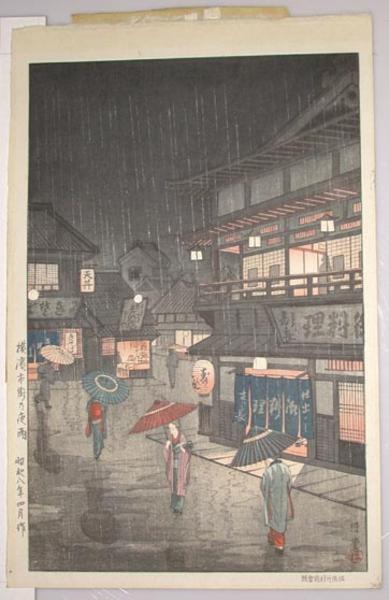
Night Rain at Yokohama City
Woodblock print

View of Lake and Mt Fuji

Shamisen
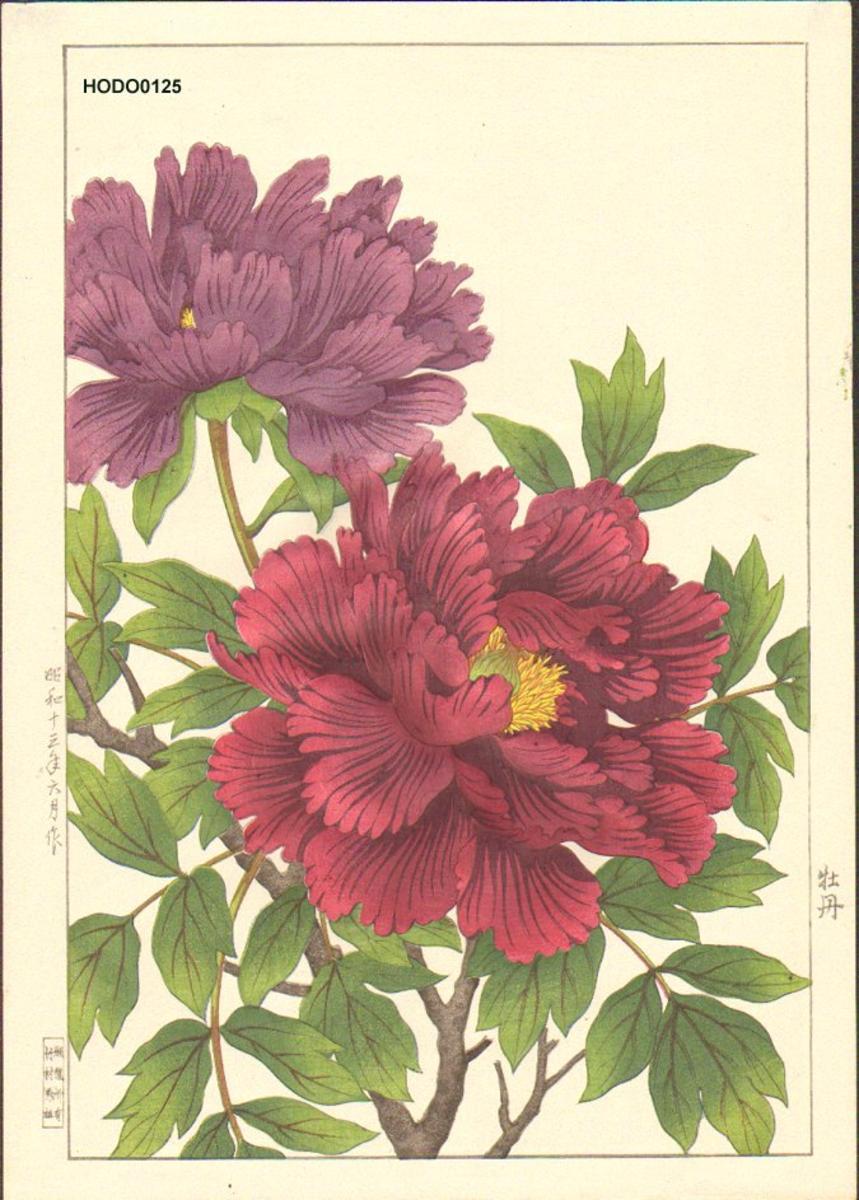
Peony
Woodblock print
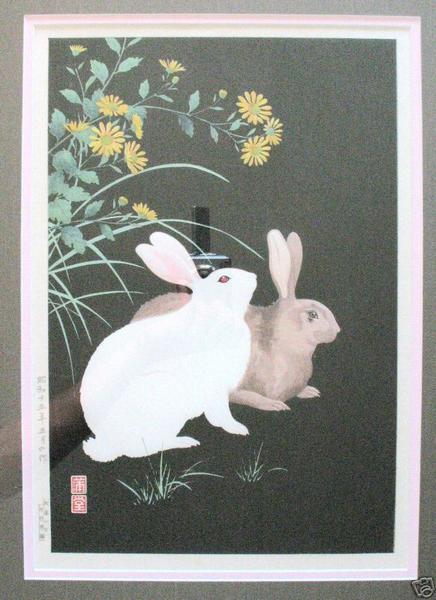
Two Rabbits- 2
Woodblock print

Camellia
Woodblock print
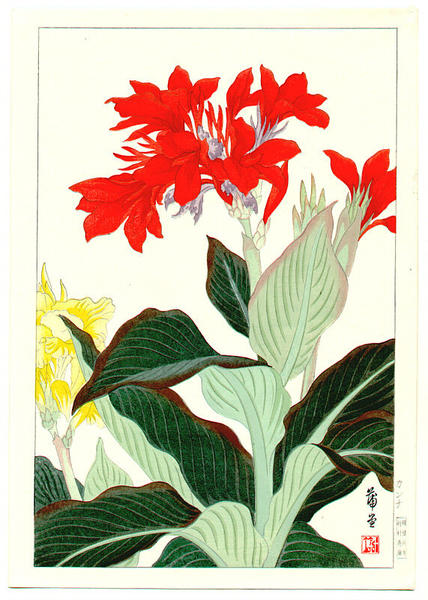
Canna Lily
Woodblock print
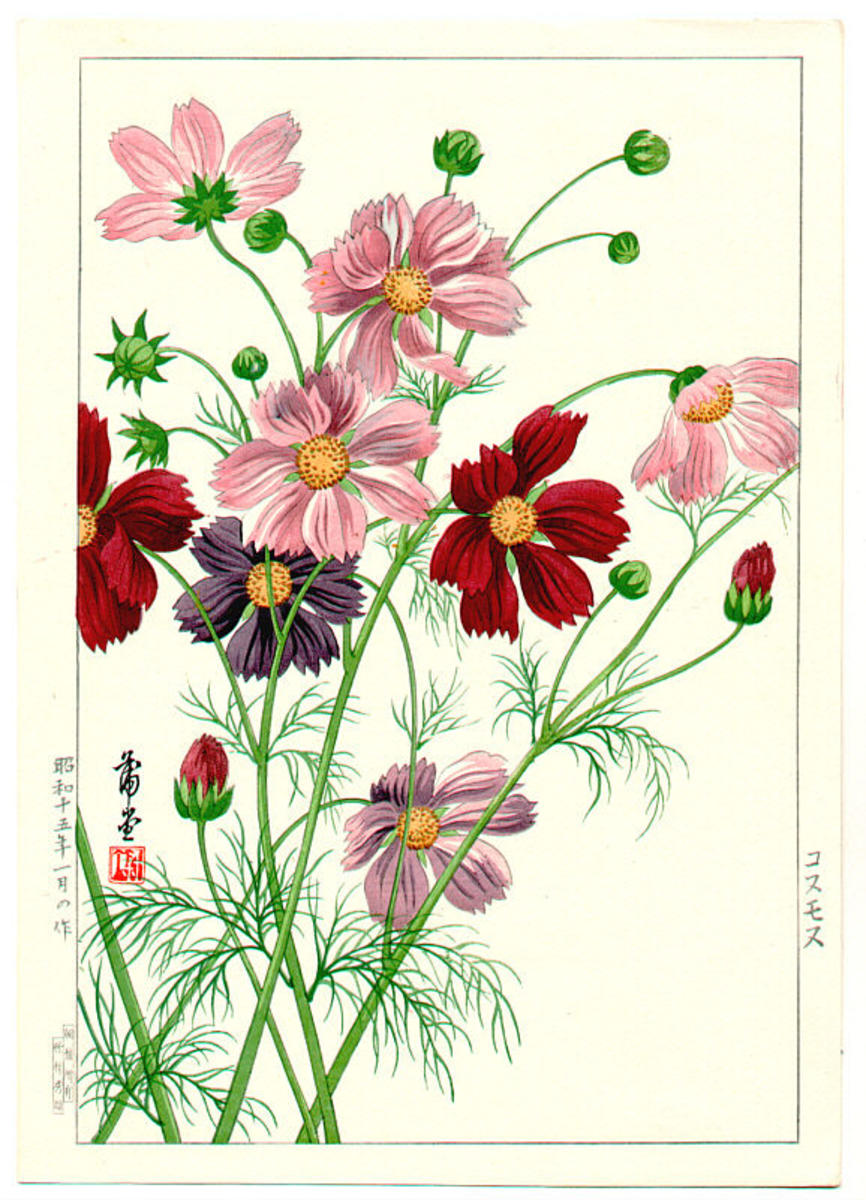
Cosmos
Woodblock print
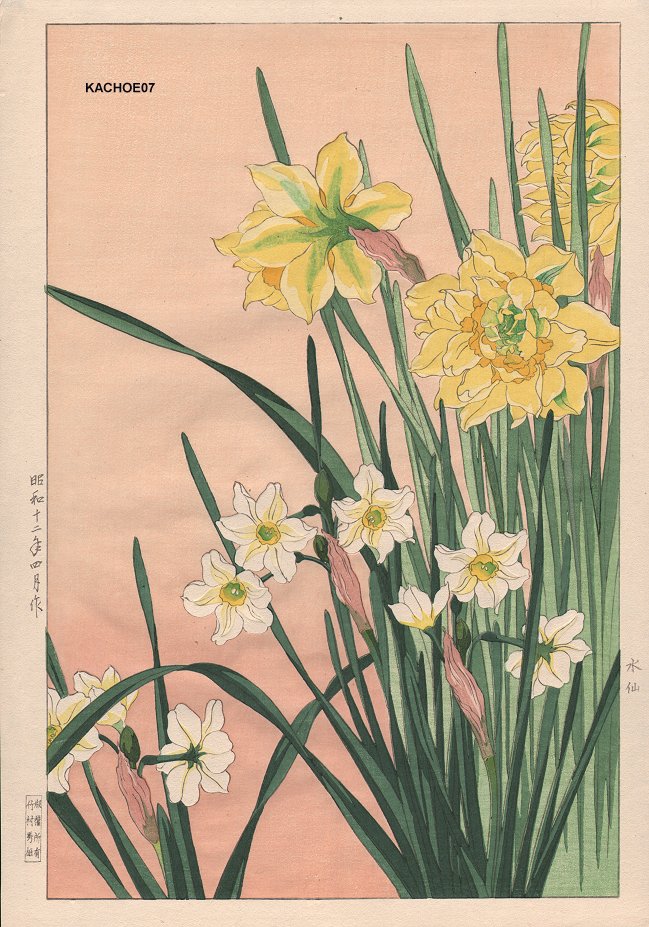
Daffodil
Woodblock print
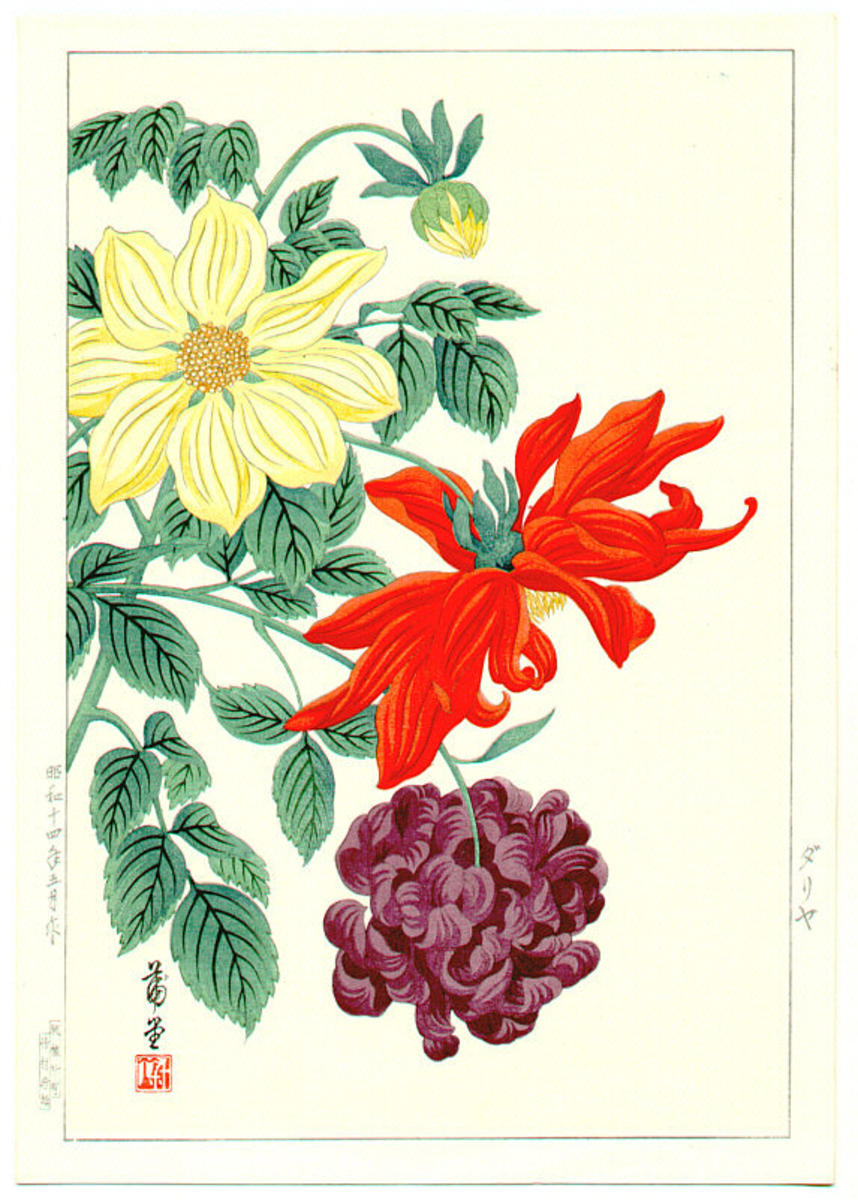
Dahlias
Woodblock print
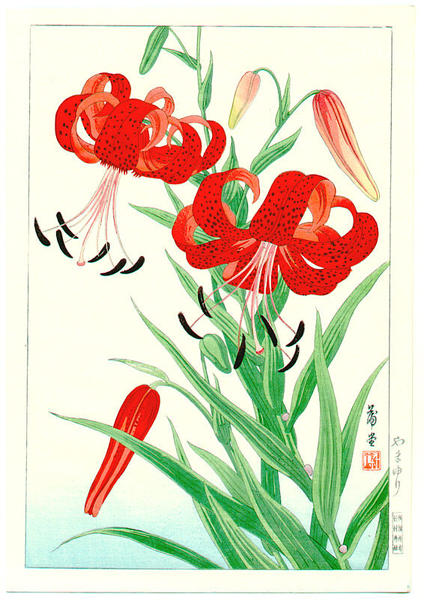
Lilies
Woodblock print
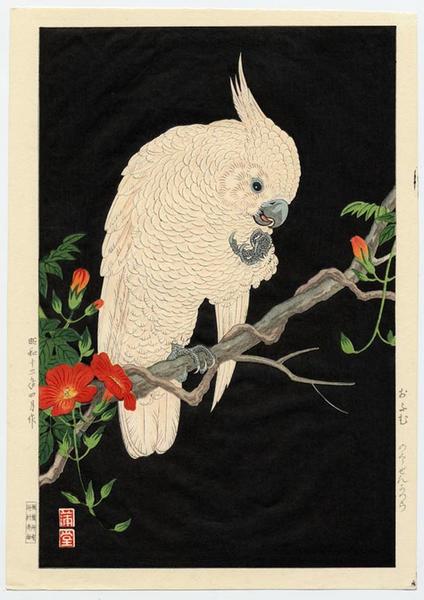
Omu, Parrot
Woodblock print
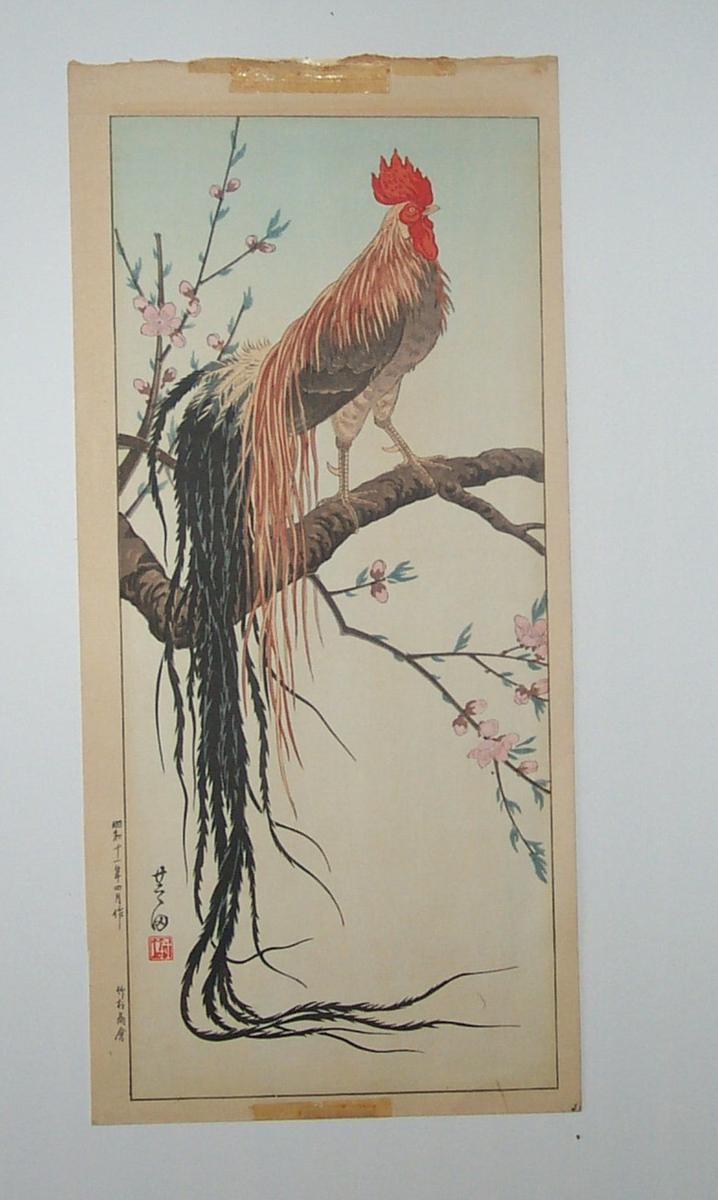
Onaga-dori
Woodblock print
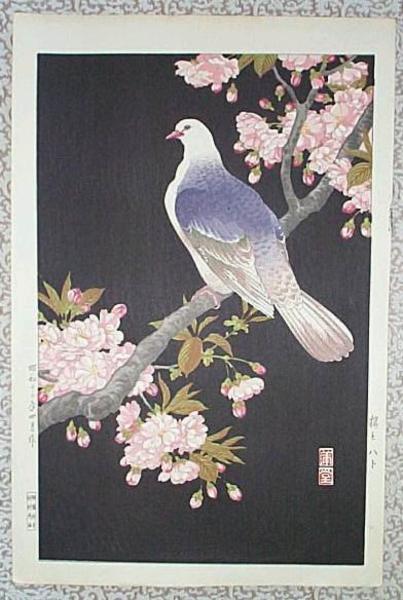
Pigeon
Woodblock print
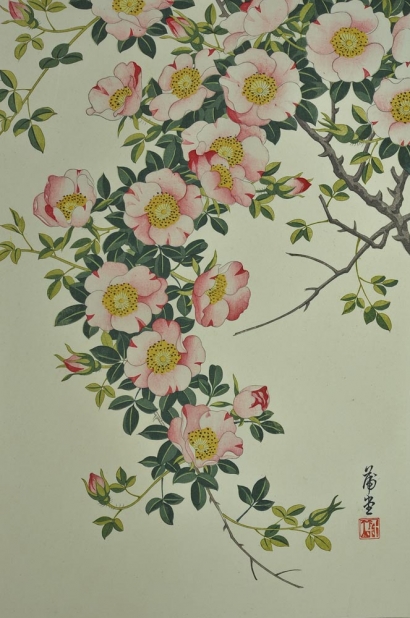
Primrose
Woodblock print
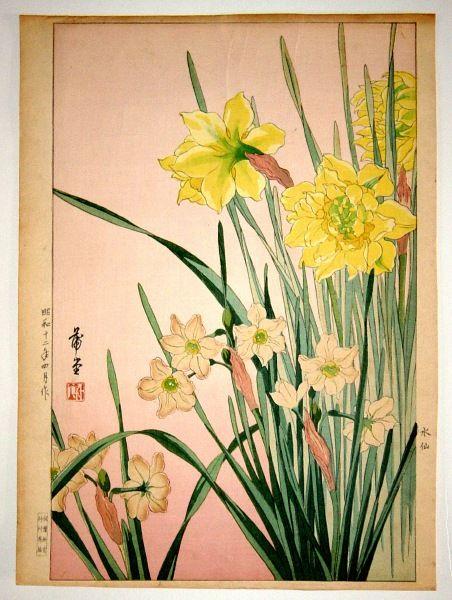
Daffodils
Woodblock print