Biography
Katsushika Isai (1821-1880) was a late-Edo and early-Meiji ukiyo-e designer and illustrated-book artist of the Katsushika school, best known today as the author of the woodblock-printed drawing manuals Banbutsu zukai Isai gashiki (Universal Illustrations: Isai's Drawing Method, 1864) and Kachō sansui saiga zushiki (Detailed Sketches for Drawings of Birds and Flowers and Landscapes). A pupil of Katsushika Hokusai (1760-1849), Isai inherited and extended the encyclopedic graphic culture associated with Hokusai's own Manga, producing reference albums and pattern books that supplied designs for painters, craftsmen, and decorators well into the Meiji period.
Little is recorded of Isai's family or early training apart from his entry into the studio of Hokusai, who in his final decades was producing his late masterworks — the Thirty-Six Views of Mount Fuji, the One Hundred Views of Mount Fuji, and the later Manga volumes — and whose household had become a kind of teaching workshop for a generation of pupils who carried his graphic style forward. Isai studied under Hokusai in the master's later years, taking the gō Isai (為斎) and signing his work Katsushika Isai. He absorbed the encyclopedic ambition of Hokusai's printed-book practice — the conviction that the world's birds, fish, plants, tools, costumes, gestures, and landscapes could be captured in compact graphic notation suitable for woodblock reproduction — and made it the foundation of his own career.
Isai's most consequential works belong to the genre of edehon (drawing manuals) and zushiki (design albums): woodblock-printed books that served both as catalogs of motifs and as instructional models for younger artists and craftsmen. The Banbutsu zukai Isai gashiki, published in Edo in 1864 in two volumes, gathers hundreds of small sketches across every category of subject matter — figures, animals, plants, landscapes, tools, vessels, costume details, and decorative ornament — laid out for easy reference. The related Kachō sansui saiga zushiki, issued in the mid-1860s, narrows the focus to birds and flowers (kachō) and landscapes (sansui), two central genres of Edo-period painting outside the figural tradition. These books circulated widely among professional and amateur artists, were reissued through the Meiji period, and reached Western collections during the later nineteenth-century wave of Japonisme.
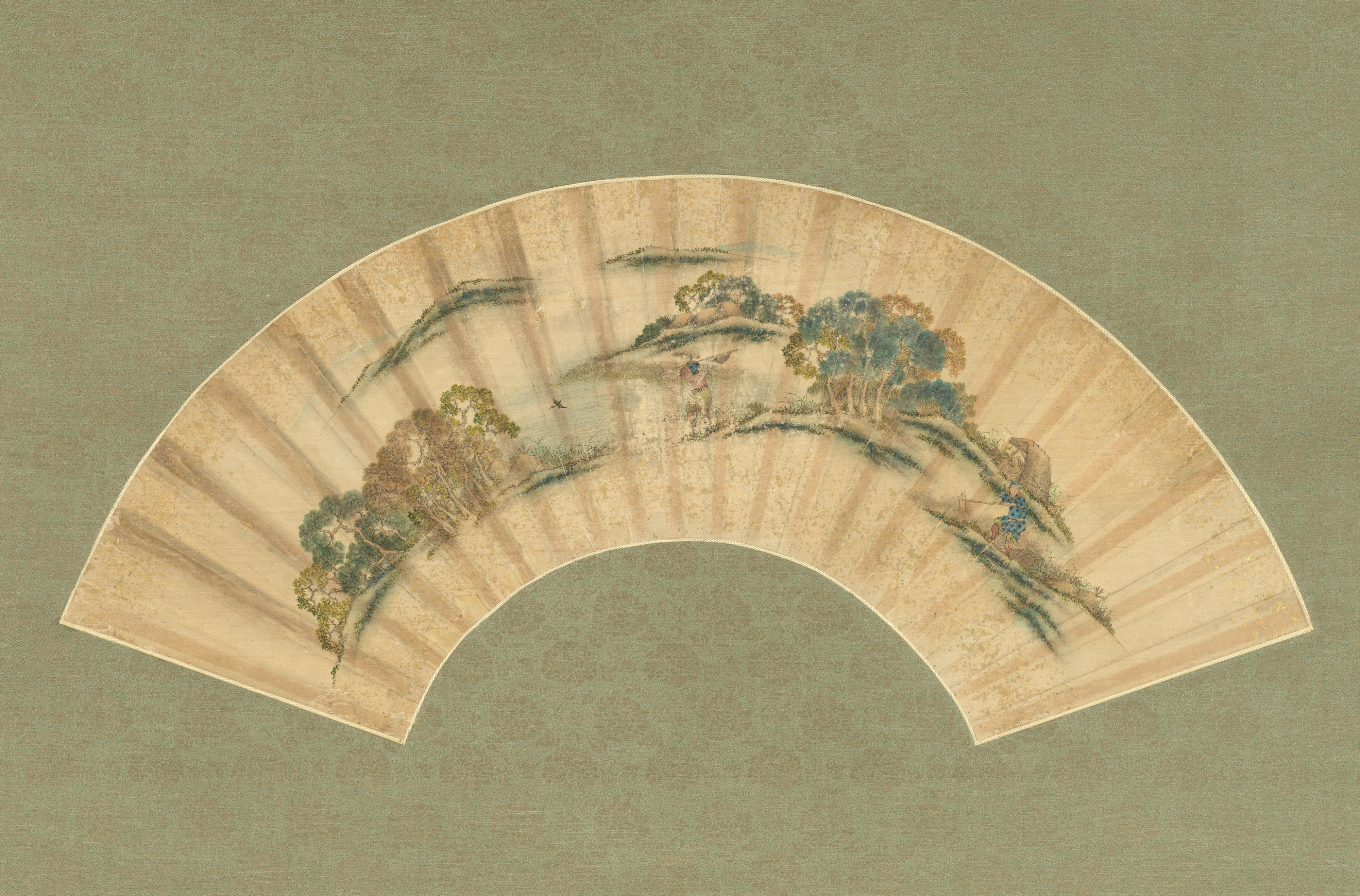
Alongside the drawing manuals, Isai continued to produce paintings and single-sheet prints throughout his career. Surviving works include fan paintings — among them seasonal farming scenes now in the Metropolitan Museum of Art, whose figure types, treatment of foliage, and clearly defined recession into space reveal how closely his manner tracked that of his teacher. He also produced occasional book illustrations and prints in the Hokusai-school manner he had been taught.
Isai died in 1880, in the early Meiji period, having lived through the transition from the Tokugawa shogunate to the new imperial state. His drawing manuals continued to be reprinted in the Meiji decades and supplied design vocabulary to craftsmen working in textiles, lacquer, metalwork, and ceramics. Today Isai is represented in major Western collections including the Metropolitan Museum of Art, the Museum of Fine Arts Boston, and the Victoria and Albert Museum, where his drawing manuals remain reference points for the study of late-Edo Katsushika-school printmaking and the broader history of Japanese pattern-book culture.
Key Facts
- Active Period
- 1821–1880
- Nationality
- 🇯🇵Japan
- Movement
- Ukiyo-e
- Works Indexed
- 6
Frequently Asked Questions
Katsushika Isai (1821-1880) was a late-Edo and early-Meiji ukiyo-e designer and illustrated-book artist of the Katsushika school, best known today as the author of the woodblock-printed drawing manuals Banbutsu zukai Isai gashiki (Universal Illustrations: Isai's Drawing Method, 1864) and Kachō sansui saiga zushiki (Detailed Sketches for Drawings of Birds and Flowers and Landscapes). A pupil of Katsushika Hokusai (1760-1849), Isai inherited and extended the encyclopedic graphic culture associated with Hokusai's own Manga, producing reference albums and pattern books that supplied designs for painters, craftsmen, and decorators well into the Meiji period.
Katsushika Isai was active from 1821 to 1880. They were associated with the Ukiyo-e movement.
Katsushika Isai's work was shaped by the Ukiyo-e tradition in Japanese woodblock printmaking. Ukiyo-e: ## What is ukiyo-e? Ukiyo-e ([浮世絵](/glossary/ukiyo-e)) — literally "pictures of the floating world" — is the Edo-period Japanese print and painting tradition that flourished from roughly 1660 to 1868, depicting the pleasures of urban life in Edo (modern Tokyo): courtesans, kabuki actors, sumo wrestlers, famous landscapes, and seasonal beauties.
Original prints by Katsushika Isai can be found in collections including Metropolitan Museum of Art, Victoria and Albert Museum, Harvard Art Museums, Art Institute of Chicago.
Woodblock Prints by Katsushika Isai (6)
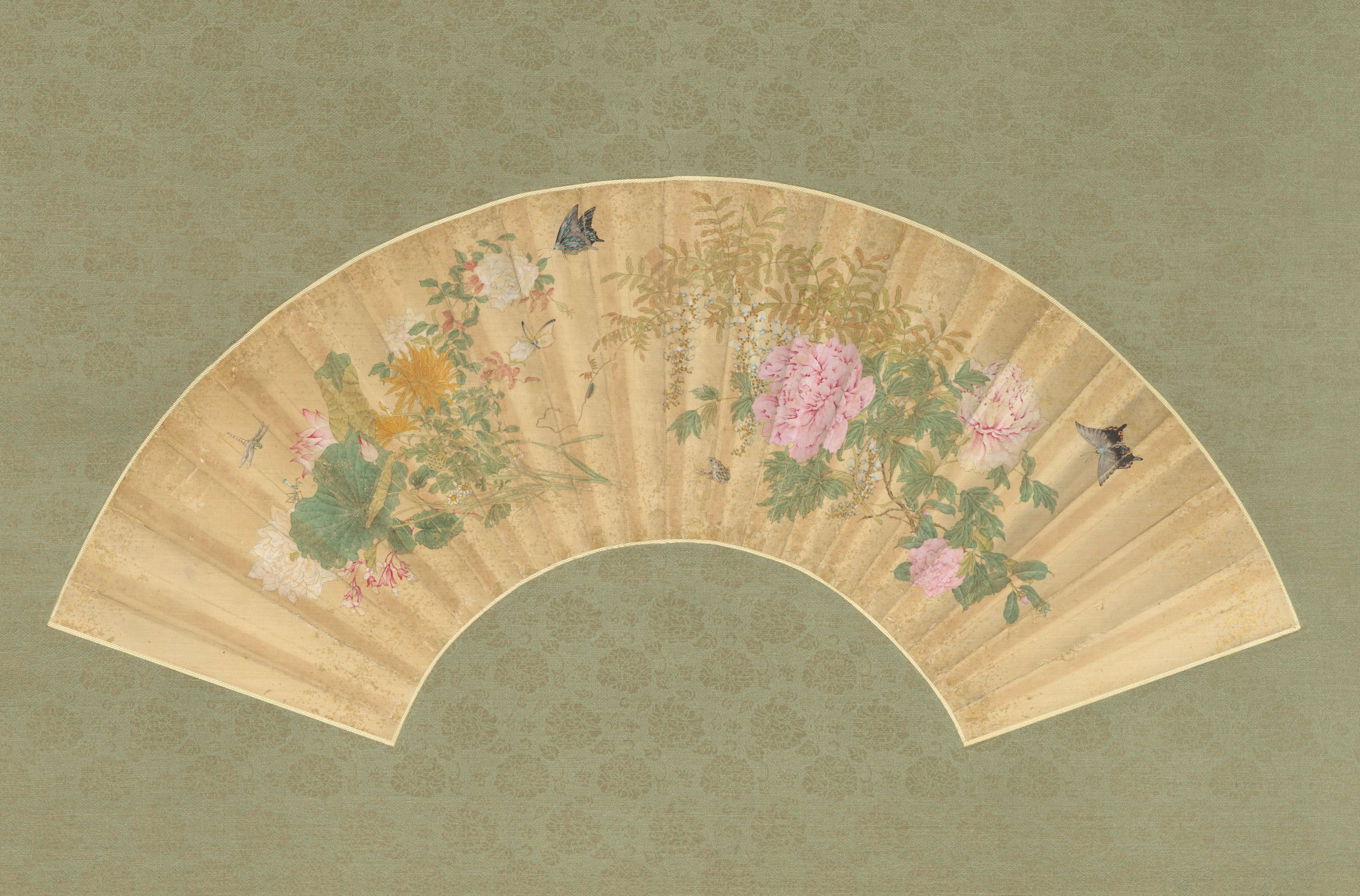
Summer Flowers
夏花図
Edo period (1615–1868)
Folding fan remounted as a hanging scroll; ink and color on silk
Spring Farming Scene
春耕図
Edo period (1615–1868)
Folding fan, remounted as a hanging scroll; ink and color on silk
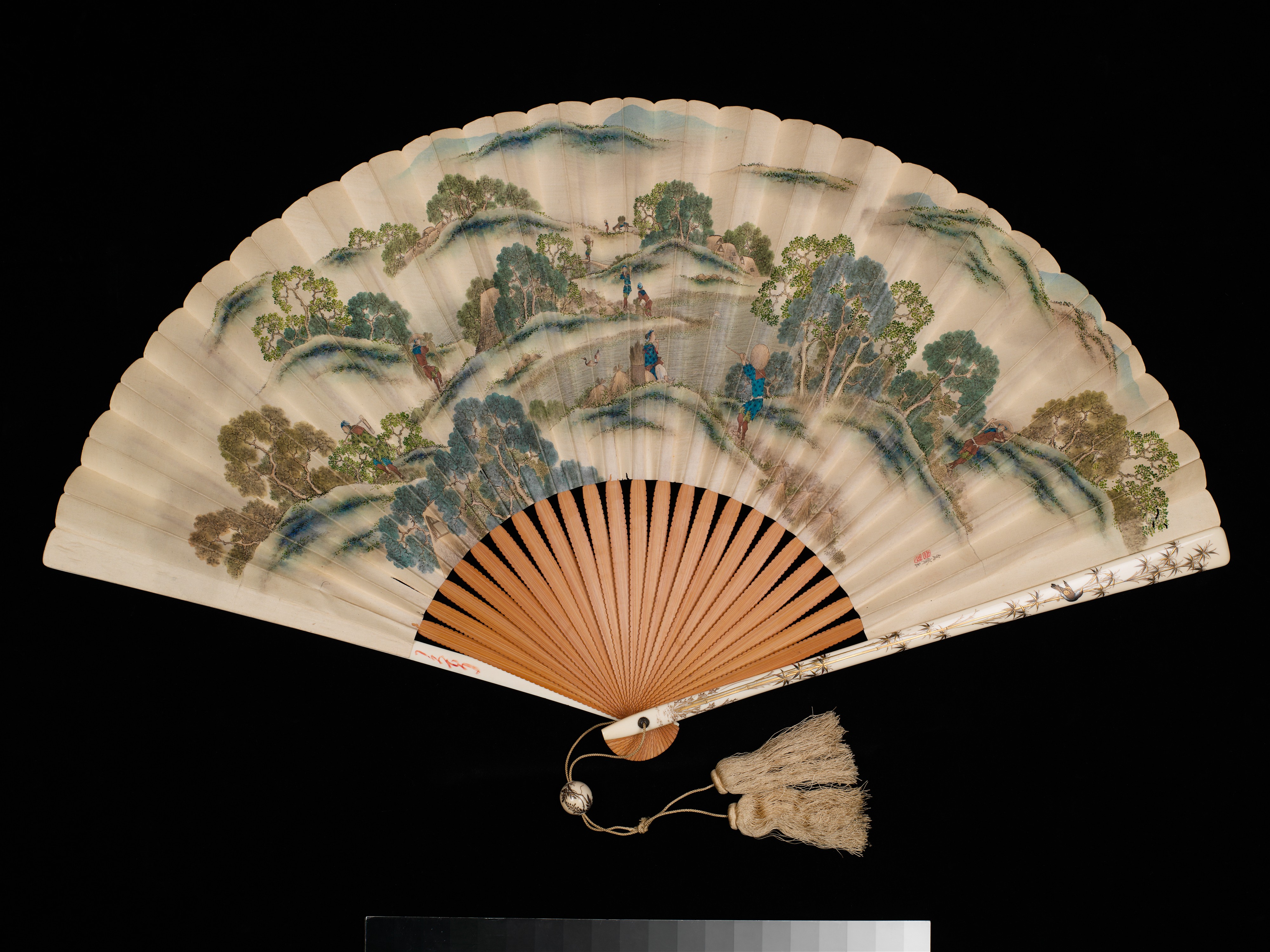
Winter Farming Scene; (verso) Autumn Farming Scene
冬耕図/秋耕図
Edo period (1615–1868)
Folding fan; ink and color on paper, with mounting in ivory
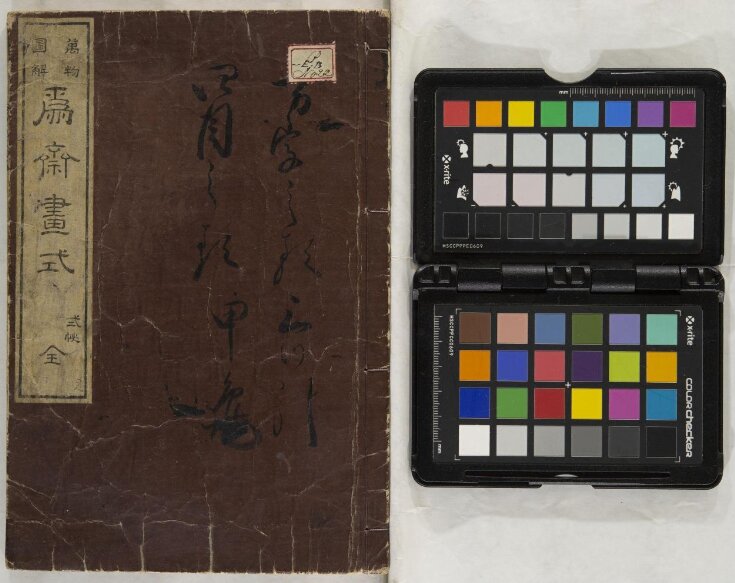
(Universal Illustrations) Isai's Drawing Method (Banbutsu zukai Isai gashiki), vol. 2
万物図会 為斎画式 二編
c. 1864
Woodblock-printed book; ink on paper

Banbutsu zukai Isai gashiki (Isai's Drawing Method)
万物図会 為斎画式
1864
Woodblock-printed book; ink on paper
Detailed Sketches for Drawings of Birds and Flowers and Landscapes (Kachō sansui saiga zushiki)
花鳥山水細画図式
1865 (Keiō 1)
Woodblock-printed book; ink on paper