Ukiyo-e
About Ukiyo-e
What is ukiyo-e?
Ukiyo-e (浮世絵) — literally "pictures of the floating world" — is the Edo-period Japanese print and painting tradition that flourished from roughly 1660 to 1868, depicting the pleasures of urban life in Edo (modern Tokyo): courtesans, kabuki actors, sumo wrestlers, famous landscapes, and seasonal beauties. The name itself contains a deliberate pun. The medieval Buddhist term *ukiyo* (憂き世) meant the "sorrowful world" of transient suffering; Edo writers and artists swapped a single character to produce a homophone, 浮き世, the "floating world" of fleeting pleasure. The shift in characters captured an entire worldview — embrace the moment, because nothing lasts.
Historical context
Ukiyo-e cannot be understood apart from the city that produced it. In 1603 Tokugawa Ieyasu established the shogunate at Edo, and over two centuries the village swelled into one of the largest cities on Earth — roughly a million people by 1720, more than London or Paris. The samurai nominally ruled; the merchants who supplied them grew steadily richer despite being near the bottom of the Confucian social order. Forbidden from displaying their wealth conventionally, they spent it on entertainment — kabuki theatres, the Yoshiwara pleasure quarter, sumo, and the inexpensive printed images that celebrated all of it.
The Tokugawa *sankin-kōdai* policy required regional lords to alternate residence between their domains and the capital, feeding a continuous flow of travelers along the Tōkaidō linking Edo to Kyoto. By the early nineteenth century domestic tourism had become a craze, and prints of the road's fifty-three post stations sold by the hundreds of thousands. Ukiyo-e was a commercial product, consumed the way later generations would consume magazines.
The 1765 nishiki-e revolution
For the first century of its existence ukiyo-e was monochrome or hand-tinted. Early prints were sumi-ink black-and-white images; by the 1740s publishers were producing *benizuri-e* with one or two color blocks added. The medium was still essentially a colored drawing.
In 1765 the situation changed overnight. Suzuki Harunobu produced the first full-color prints using registration marks — the kentō — carved into each block so that successive impressions of five, ten, or twenty colors could be aligned with near-perfect precision. The new prints were called nishiki-e, "brocade pictures," because their dense coloration recalled woven silk. Harunobu's innovation depended on skilled horishi and surishi already in Edo, willing publishers (hanmoto), and wealthy surimono and egoyomi commissions that funded experimentation. Within a year or two the entire industry had converted. Every ukiyo-e print most readers will ever see — every Hokusai, Hiroshige, Utamaro — is a nishiki-e.
The three pillars
Ukiyo-e organized around three subjects: beautiful women (bijin-ga), kabuki actors (yakusha-e), and landscapes (fukei-ga). All three appear from the beginning, but each had its great period and defining masters.
Bijin-ga — courtesans, geisha, idealized beauties — launched the medium. Suzuki Harunobu's willowy figures defined its 1760s style; Torii Kiyonaga brought stately monumentality to his 1780s beauties; Kitagawa Utamaro achieved in the 1790s a psychological intimacy unmatched in the tradition, particularly in his close-cropped *ōkubi-e* (large-head) portraits.
Yakusha-e emerged from kabuki; prints served as souvenirs, advertisements, and fan portraiture. The genre's most famous practitioner — Tōshūsai Sharaku — was active for only ten months between 1794 and 1795, produced about 140 designs published by Tsutaya Jūzaburō, and vanished. Later, Utagawa Kunisada became the most commercially successful actor-print designer of all time, with output above twenty thousand designs.

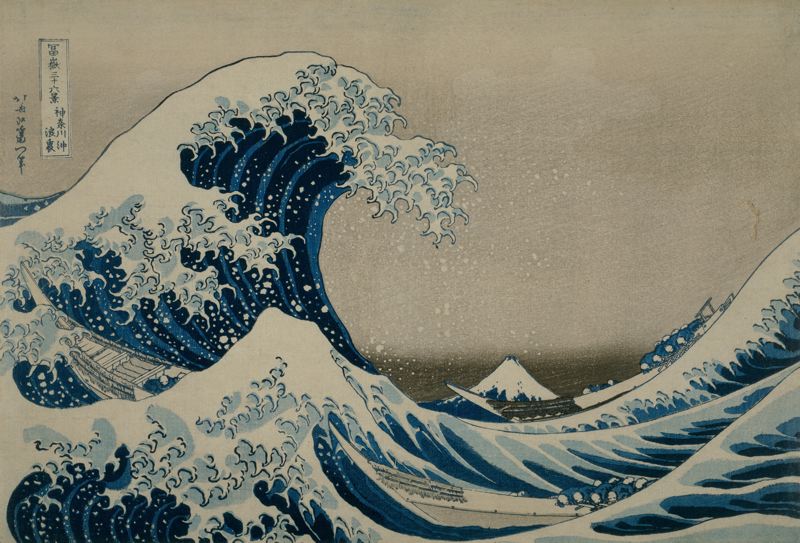
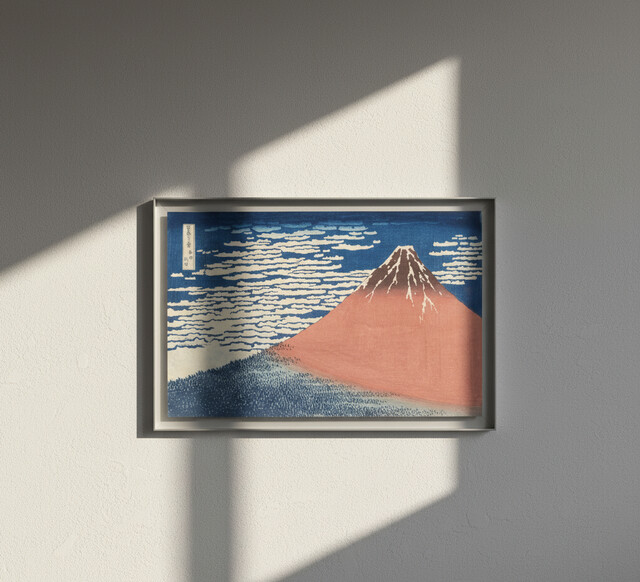
Fukei-ga, the landscape print, was the last pillar to mature. Landscape had appeared in earlier prints chiefly as a setting for figures; the idea of a series devoted to scenery emerged only around 1830, when Katsushika Hokusai published *Thirty-Six Views of Mount Fuji*. Utagawa Hiroshige answered within a year.
Other genres
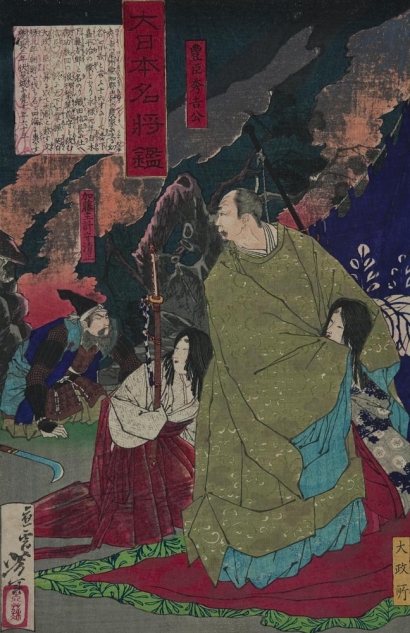
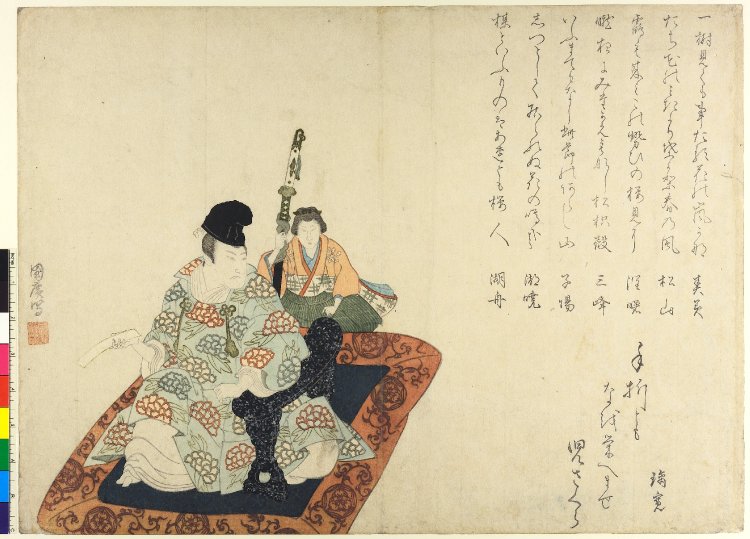
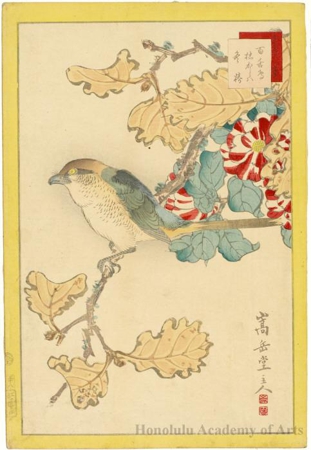
Beyond the three pillars, ukiyo-e supported subordinate genres. Musha-e, the warrior print, depicted samurai heroes from history and legend; Utagawa Kuniyoshi raised it to a peak in his 1827–30 series *One Hundred and Eight Heroes of the Popular Suikoden*, which sparked a fashion for tattoo-covered protagonists. Kacho-e, bird-and-flower prints, drew on Chinese painting tradition. Shunga, explicit erotic prints, were technically forbidden but circulated openly and were produced by virtually every major designer, often as their finest work. Surimono — privately commissioned prints with luxurious techniques for poetry societies and New Year gifts — supported some of the most refined craftsmanship in the tradition.
Key artists
The canonical lineage runs through designers who each defined a phase. Suzuki Harunobu (1725–1770) inaugurated the polychrome era and created the willow-figured beauties that dominated for a generation. Torii Kiyonaga (1752–1815) succeeded him with tall idealized women in spacious compositions. Kitagawa Utamaro (1753–1806) refined bijin-ga into psychologically charged half-length portraits and dominated the 1790s before being briefly imprisoned in 1804 for a print of Hideyoshi judged offensive to the shogunate.


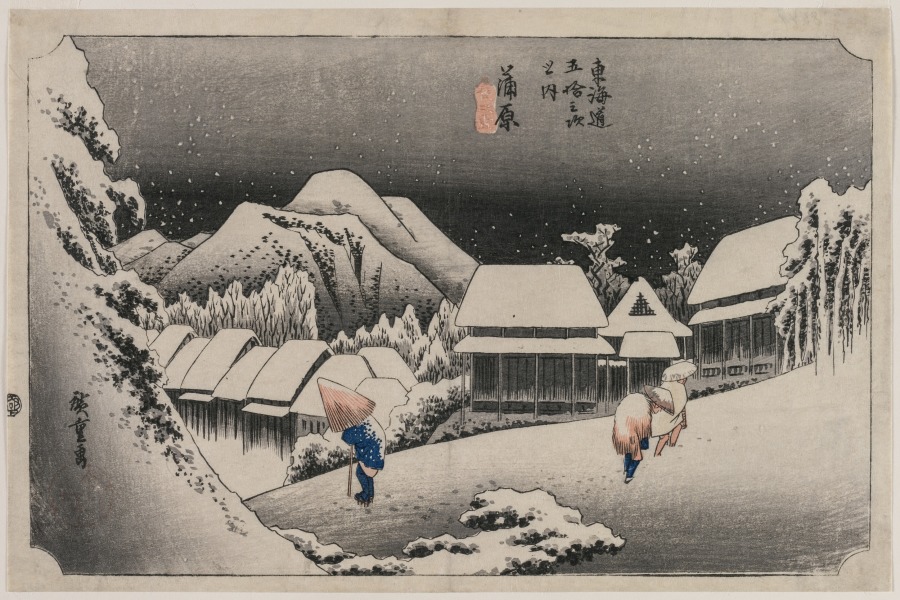
Tōshūsai Sharaku appeared in May 1794, produced his stark actor portraits, and disappeared in early 1795 — his identity still debated. Katsushika Hokusai (1760–1849) had the longest career in the medium, producing roughly thirty thousand designs over seventy years and publishing *Thirty-Six Views of Mount Fuji* around 1830–32 when he was past seventy. Utagawa Hiroshige (1797–1858) responded with *The Fifty-Three Stations of the Tōkaidō* in 1833–34 and closed his career with *One Hundred Famous Views of Edo* (1856–58), completed after his death. Utagawa Kuniyoshi (1798–1861) made the warrior print into a vehicle for political satire under Tenpō censorship. Tsukioka Yoshitoshi (1839–1892), Kuniyoshi's pupil, is the last great ukiyo-e master; his *One Hundred Aspects of the Moon* (1885–92) closed the tradition.
Techniques and materials
A ukiyo-e print is a collaboration. The designer (eshi) produced a finished drawing — the hanshita-e — which the block-cutter (horishi) glued face-down onto a plank of mountain cherry (sakura) wood and carved away to leave the key lines in relief. The printer (surishi) printed the key block in sumi ink; the carver cut a separate block for each color. Impressions were pulled by hand with a baren — a circular pad of twisted bamboo fiber — registered against the kentōbori cuts. A full polychrome print might require ten to fifteen impressions on one sheet of washi.
The printer's repertoire included a remarkable range of effects. Bokashi, the graded color wash, was achieved by brushing pigment unevenly onto the block; the trademark twilight skies of late Hiroshige are pure bokashi. Karazuri — blind printing — produced embossed patterns by pressing the baren onto an uninked block, used for white kimono patterns, snow, and feathers. Kirazuri added mica dust for metallic shimmer; gomazuri created mottled effects; nunomezuri impressed textile texture. The paper — hōsho, thick handmade washi of kōzo mulberry fiber sized with the dōsabiki gelatin-and-alum solution — was integral to the medium.
Print sizes and formats
Ukiyo-e prints were sold in standardized formats determined by the *minogami* paper sheet. The common adult-figure format was ōban, roughly 25 × 38 cm — the format of nearly all major Hokusai and Hiroshige landscapes. The smaller chūban (roughly 19 × 26 cm) was Harunobu's preferred size; the still-smaller koban was used for poetry-album illustrations and small calendars. Vertical pillar prints — hashira-e, roughly 13 × 73 cm — were designed to hang on the wooden pillars of merchant-house interiors. Some of Kiyonaga's and Kunisada's most ambitious pieces are full triptychs. Surimono used the small square shikishiban format on heavyweight paper for private circulation.
Iconic series
Five multi-print series stand at the canonical core. Hokusai's *Thirty-Six Views of Mount Fuji* (c.1830–32) was so popular the publisher added ten more designs before closing the run; *The Great Wave* and *Fine Wind, Clear Morning* (Red Fuji) belong to it. Hiroshige's *Fifty-Three Stations of the Tōkaidō* (1833–34, the Hōeidō edition) followed the road from Edo to Kyoto, one image per station plus terminals.
Kuniyoshi's *One Hundred and Eight Heroes of the Popular Suikoden* (1827–30) adapted a Chinese novel into operatic warrior portraits and triggered Japan's nineteenth-century tattoo revival. Hiroshige's *One Hundred Famous Views of Edo* (1856–58) closed his career with 119 prints across the seasons, several copied directly by Van Gogh. Yoshitoshi's *One Hundred Aspects of the Moon* (1885–92) frames one hundred Chinese and Japanese stories around the moon and is widely considered the last masterpiece of the tradition.

How to identify a genuine ukiyo-e print
"Genuine" does several jobs in the ukiyo-e market. A *genuine Edo-period impression* — pulled from the original blocks during the artist's lifetime or shortly after — is the most desirable and rarest category. Edo impressions show reliable indicators: a censor seal (the round *kiwame* from c.1790–1842, later *aratame* and date cartouches) carved into the key block; a publisher's mark also part of the block; rich, slightly mottled coloration from natural pigments; paper aged to a warm cream tone with visible mulberry fibers.
*Meiji-era reprints* (atozuri) were pulled from the same blocks decades later, often after wear or recutting. They show coarser linework, brighter aniline-dye color (entered Japan after 1864), and flatter paper — genuine woodblock prints at much lower prices. *Twentieth-century reprints* (particularly Watanabe and Adachi editions) were re-carved from scratch using traditional methods — recognized restrikes, not forgeries. *Modern offset and digital reproductions* are photomechanical and identifiable under magnification. The beginner's guide and identification guide cover these distinctions in detail.
Buying and collecting
The ukiyo-e market has a wider price band than almost any other area of Japanese art. A first-strike Edo *Great Wave* sells at auction in the high six figures; a fine Meiji atozuri is available in the low thousands; a 1950s Adachi restrike sits in the high hundreds. For collectors entering the market, Meiji reprints of major Hiroshige and Hokusai landscapes — produced in the 1880s and 1890s while the original blocks remained serviceable — are the most accessible authentic option, typically $300–$1,500. Mid-century Watanabe and Adachi restrikes are recognized fine objects from $400 upward. Whole-sheet examples from Kuniyoshi and Kunisada circles can be found under $500. The process explainer covers what is happening under the baren at each price tier.
Ukiyo-e vs. shin-hanga and sōsaku-hanga
Ukiyo-e ended in fact rather than in declaration. The Meiji Restoration of 1868 swept away the Edo social order; lithography and photomechanical reproduction undercut the commercial niche; and by the 1890s the publisher-designer-carver-printer system had largely collapsed. Two twentieth-century movements revived woodblock printmaking on different premises. Shin-hanga — "new prints," organized from 1915 by Watanabe Shōzaburō — preserved the four-handed collaborative system but updated subjects for early-twentieth-century taste and Western collectors. Sōsaku-hanga — "creative prints" — rejected the division of labor entirely and insisted the artist design, carve, and print the work themselves. The broader transition is treated in Meiji and Taishō prints.
Japonisme and Western influence
The export trade accelerated after Japan's opening in 1854, and Edo prints began appearing in Paris, London, and Boston by the 1860s. Their effect on European art was immediate and structural. Manet borrowed flattened picture planes and asymmetrical compositions; Whistler painted nocturnes in response to Hiroshige; Degas studied ukiyo-e cropping; Cassatt printed color etchings in the manner of Utamaro. Vincent van Gogh copied several Hiroshige prints in oil — including *Plum Garden at Kameido* and *Sudden Shower over Shin-Ōhashi Bridge* — and wrote that he wanted to live as a Japanese print designer. Claude Monet hung roughly two hundred prints at Giverny and built the famous Japanese bridge across the water-lily pond in deliberate quotation. The European enthusiasm for Japanese visual culture in the 1870s and 1880s was named *japonisme*, and ukiyo-e was its most consequential ingredient; the trajectory from impressionism through Art Nouveau to early modernism would not have taken the form it did without it.
Where to see ukiyo-e today
Major public collections are distributed across Japan, the United States, and Europe. In Tokyo, the Sumida Hokusai Museum is dedicated to Hokusai; the Tokyo National Museum holds the largest comprehensive Japanese collection. The Museum of Fine Arts, Boston houses roughly fifty thousand prints assembled chiefly by Ernest Fenollosa and William Sturgis Bigelow. The Art Institute of Chicago holds the Clarence Buckingham collection; the British Museum's holdings include the Arthur Morrison material; the Honolulu Museum of Art houses the James Michener collection. Boston, Chicago, and London digitize extensively; Honolulu and Sumida mount frequent rotating exhibitions. The history of the *Great Wave* is a useful primer on how a single image moves through these collections.
Frequently asked questions
What does ukiyo-e mean in English?
Ukiyo-e translates literally as "pictures of the floating world." The phrase is a deliberate pun: the medieval Buddhist term *ukiyo* (憂き世) described the sorrowful, transient world of human suffering, while Edo writers swapped a character to produce a homophone, *ukiyo* (浮き世), the "floating world" of fleeting pleasure. The new phrase captured the Edo merchant class's embrace of urban entertainment — kabuki, Yoshiwara, fashionable teahouses. Asai Ryōi's 1665 *Tales of the Floating World* fixed the meaning.
When did ukiyo-e begin and end?
The medium emerged in the late seventeenth century, with Hishikawa Moronobu as its first major figure in the 1670s–80s, and is conventionally treated as ending with the Meiji Restoration of 1868. The picture is messier in practice: painted *ukiyo* scenes existed earlier, and print production continued into the late Meiji period; Tsukioka Yoshitoshi is the tradition's last great master and worked until his death in 1892. After 1900 the surviving woodblock market was absorbed by shin-hanga and sōsaku-hanga.
Who actually made an ukiyo-e print?
Four people. The designer (eshi) — the named artist — produced a finished drawing, the hanshita-e. The block-cutter (horishi) carved it into mountain cherry (sakura) wood and cut a separate block for each color. The printer (surishi) pulled each impression by hand using a baren, aligned against the kentō registration marks. The publisher (hanmoto) financed the project and distributed the result. The designer received credit; the others almost never did.
Is *The Great Wave* the most famous ukiyo-e print?
Yes, by a significant margin. *The Great Wave off Kanagawa* — the opening print of Hokusai's *Thirty-Six Views of Mount Fuji*, published around 1830–32 — is reproduced more widely than any other Japanese image and arguably more widely than any other single artwork. Hokusai designed it when he was about seventy; the publisher Nishimuraya printed several thousand impressions from the original blocks, of which perhaps a few hundred survive in collectible condition. The print's history and meaning is treated separately.
What's the difference between ukiyo-e and shin-hanga?
The medium is the same; the period and framing differ. Both are color woodblock prints made through the four-handed collaborative system using washi, mountain cherry blocks, water pigments, and the baren. Ukiyo-e is a commercial Edo-period medium for urban Japanese consumers; shin-hanga is an early-twentieth-century revival organized from 1915 by Watanabe Shōzaburō and aimed substantially at Western collectors. Shin-hanga subjects continue ukiyo-e categories but treat them with the conventions of early-twentieth-century atmospheric painting, integrating Western perspective and chiaroscuro. Sōsaku-hanga broke from the collaborative system entirely.
Are old ukiyo-e prints expensive?
The market has an unusually wide price band. A genuine Edo first-strike of *The Great Wave* sold at Christie's in 2023 for $2.78 million; a fine Meiji atozuri of the same composition trades $2,000–$8,000; a 1950s Adachi workshop restrike — hand-pulled from new blocks — sells $400–$1,200. Fine Meiji reprints of major Hiroshige and Hokusai landscapes are typically available $300–$1,500; minor designers from Kunisada's and Kuniyoshi's circles can be found under $500. The collector's guide discusses where to buy and what most affects price.
Ukiyo-e Artists (170)
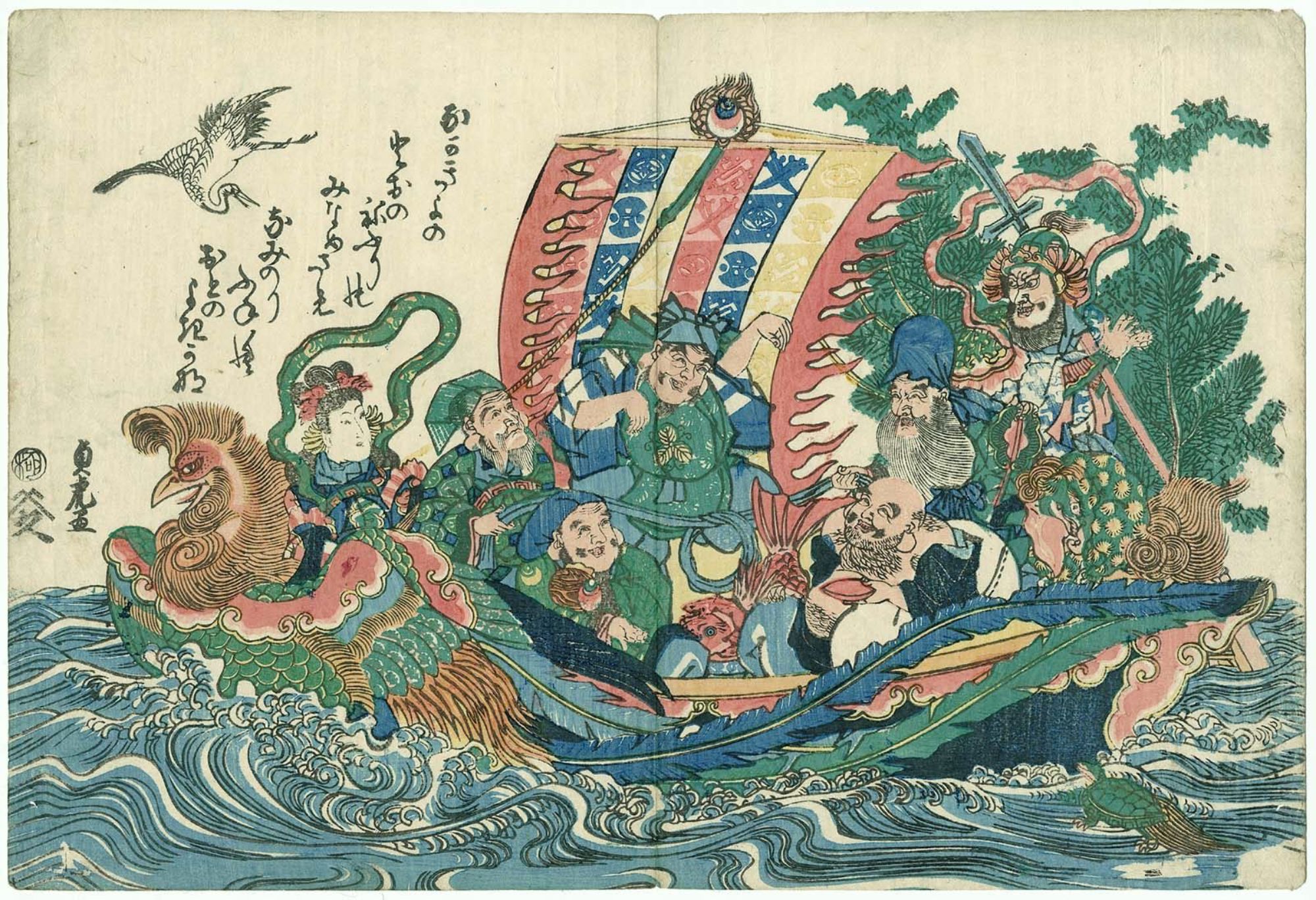
Utagawa Sadatora
歌川貞虎

Shōsai Ikkei
昇斎一景
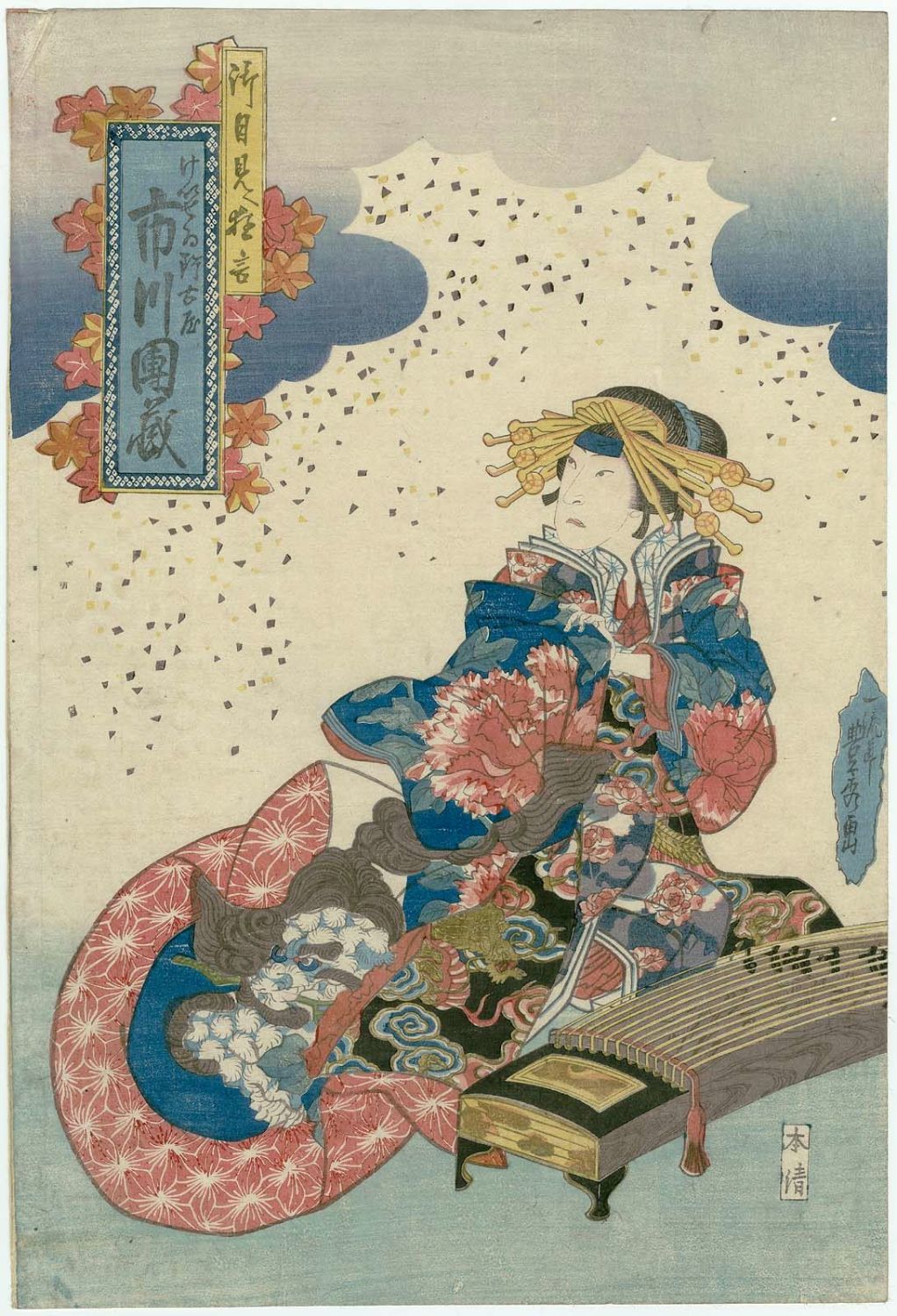
Kitagawa Toyohide
北川豊秀

Yoshida Hambei
吉田半兵衛
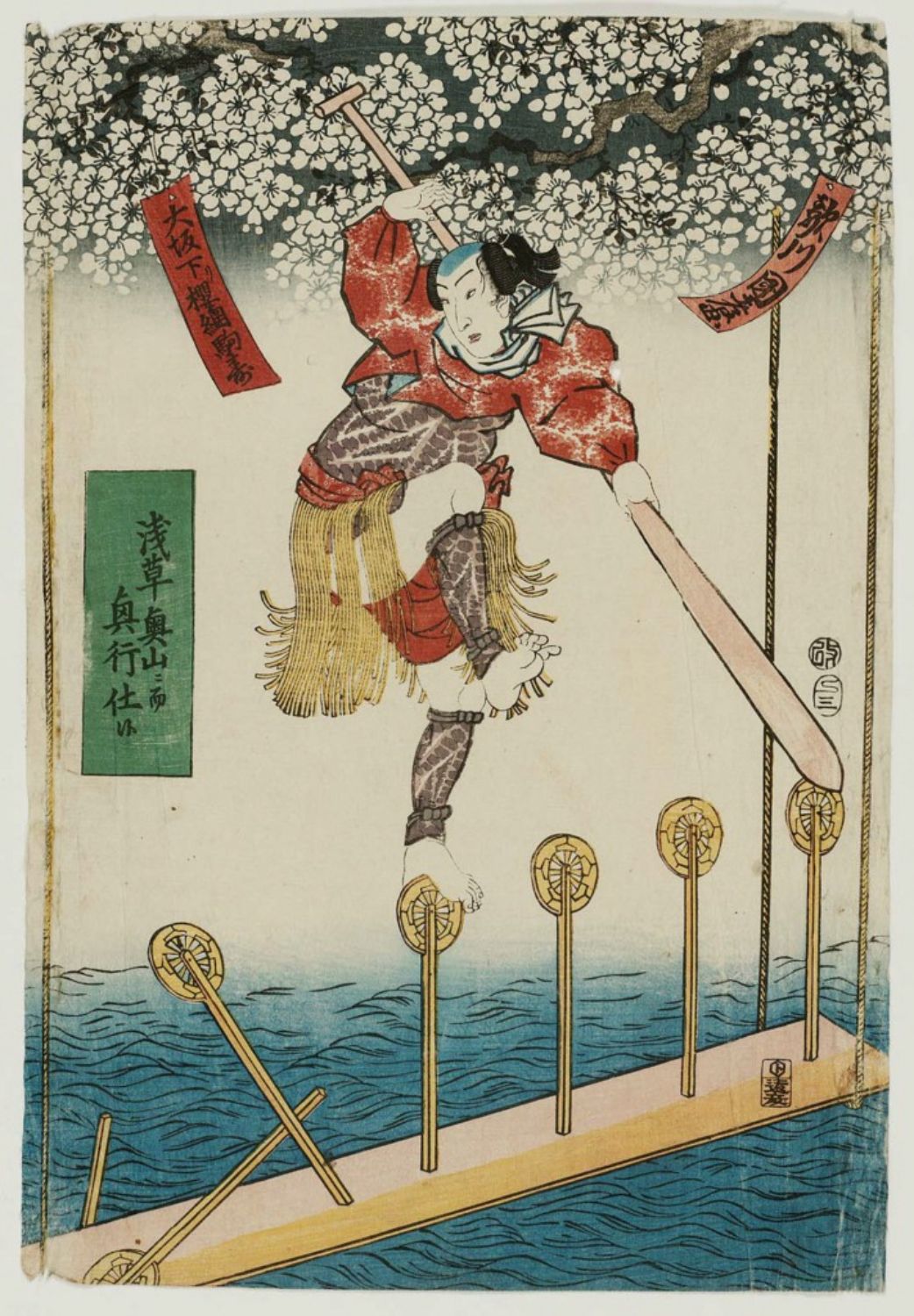
Utagawa Kunitaka
歌川国孝
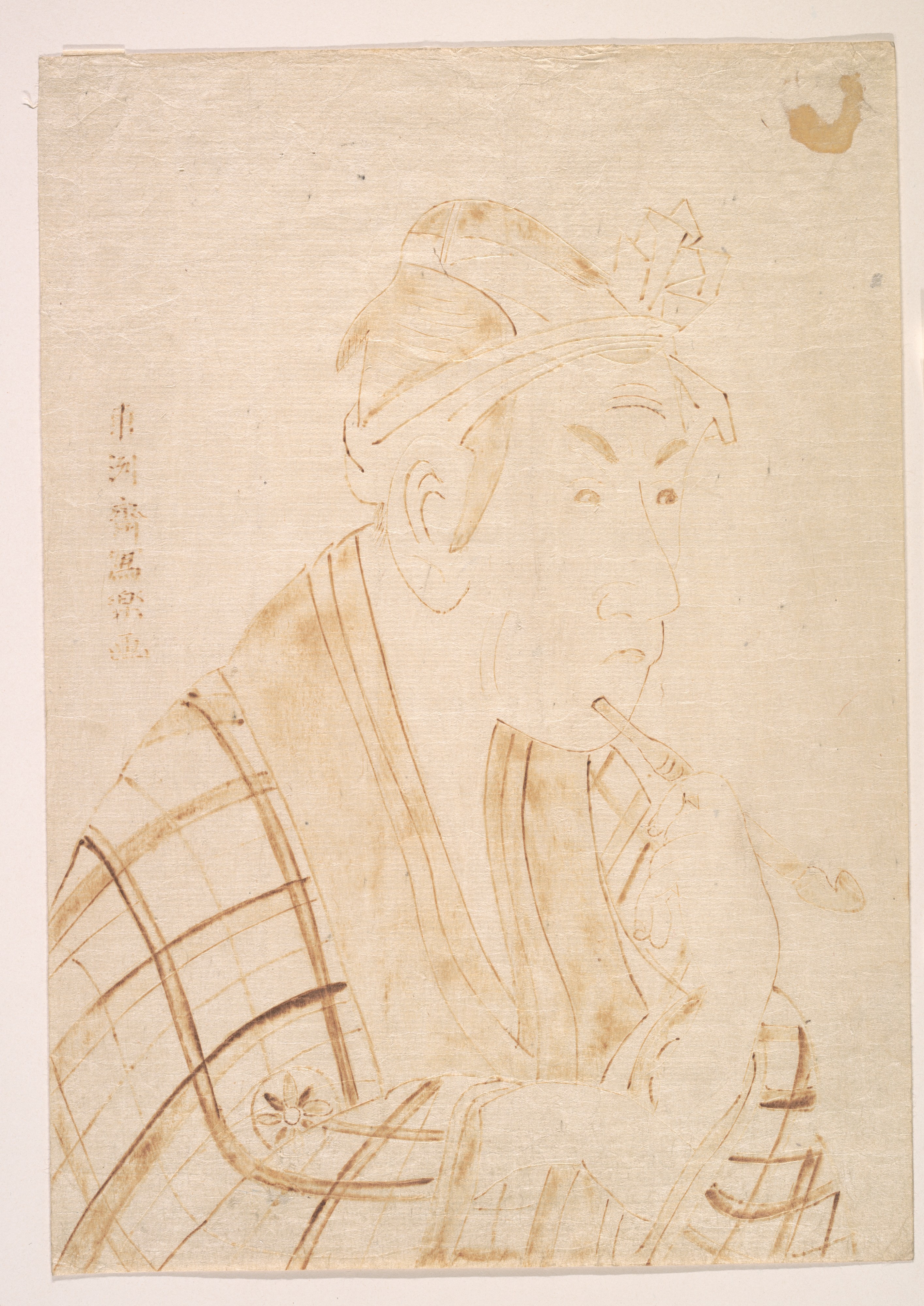
Tōshūsai Sharaku
東洲斎写楽

Ippitsusai Buncho
一筆斎文調
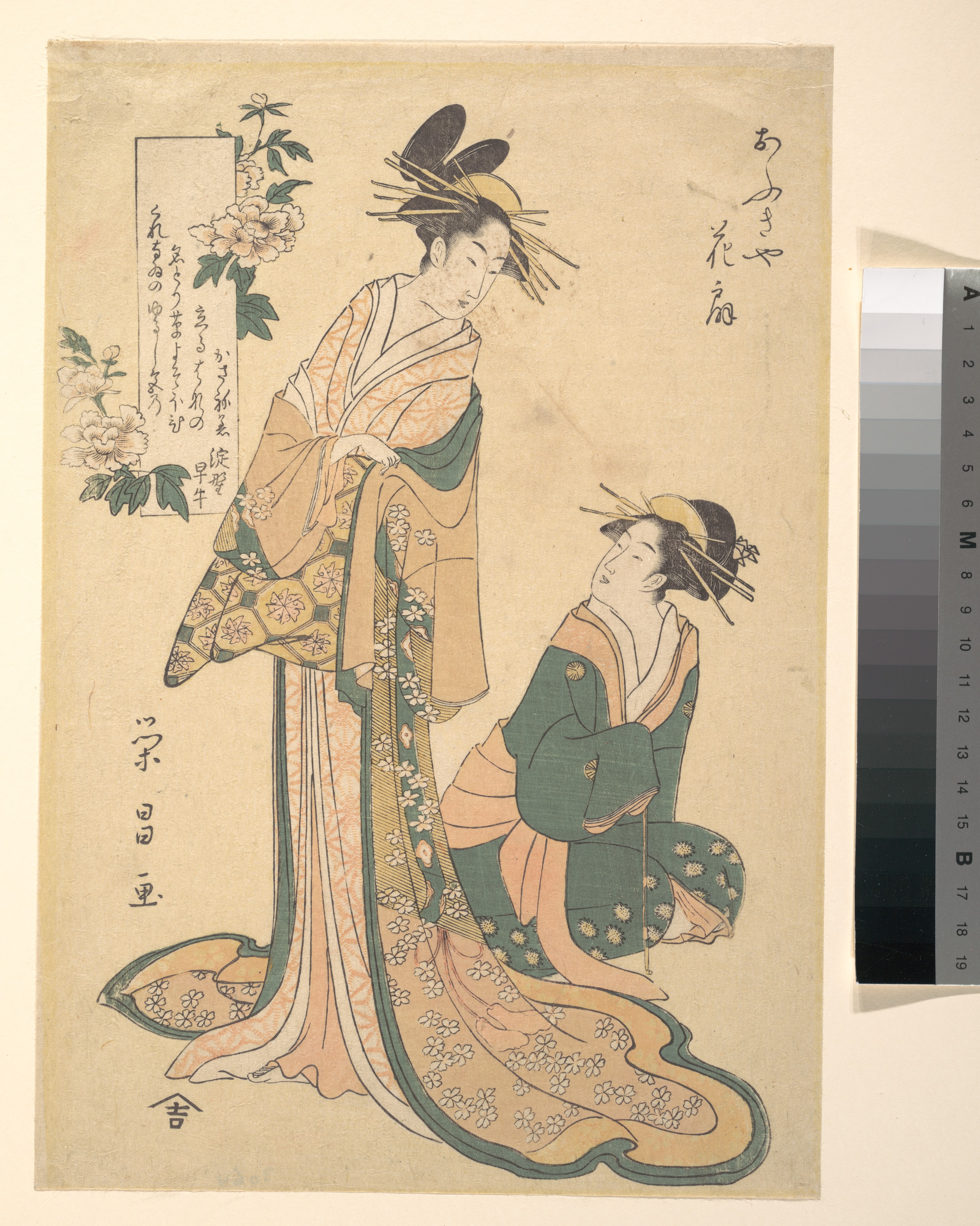
Chōkōsai Eishō
鳥高斎栄昌

Ichirakutei Eisui
一楽亭栄水

Katsukawa Shunchō
勝川春潮

Katsushika Hokuju
葛飾北寿
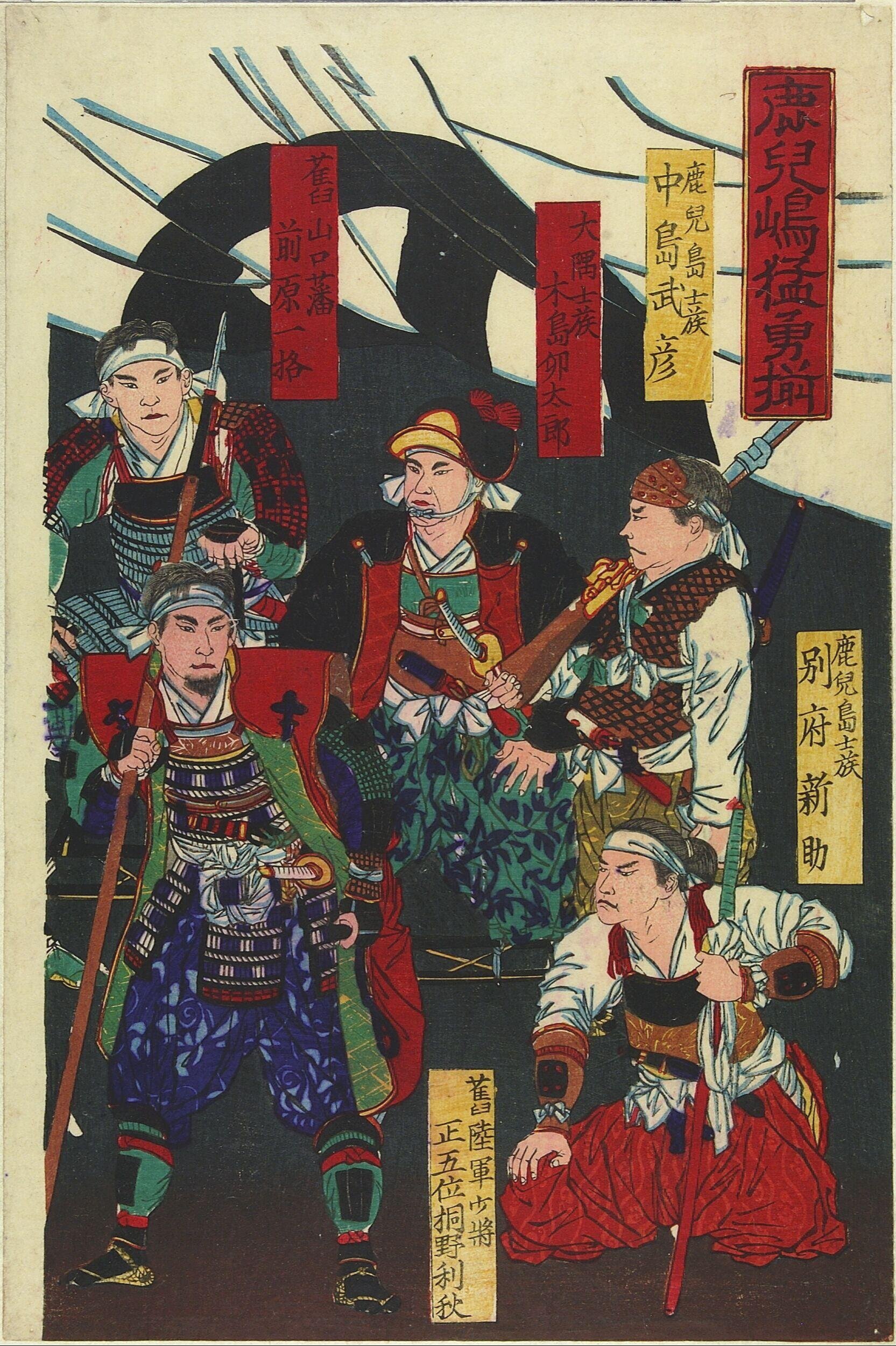
Adachi Ginkō
安達吟光

Katsushika Taito II
葛飾戴斗
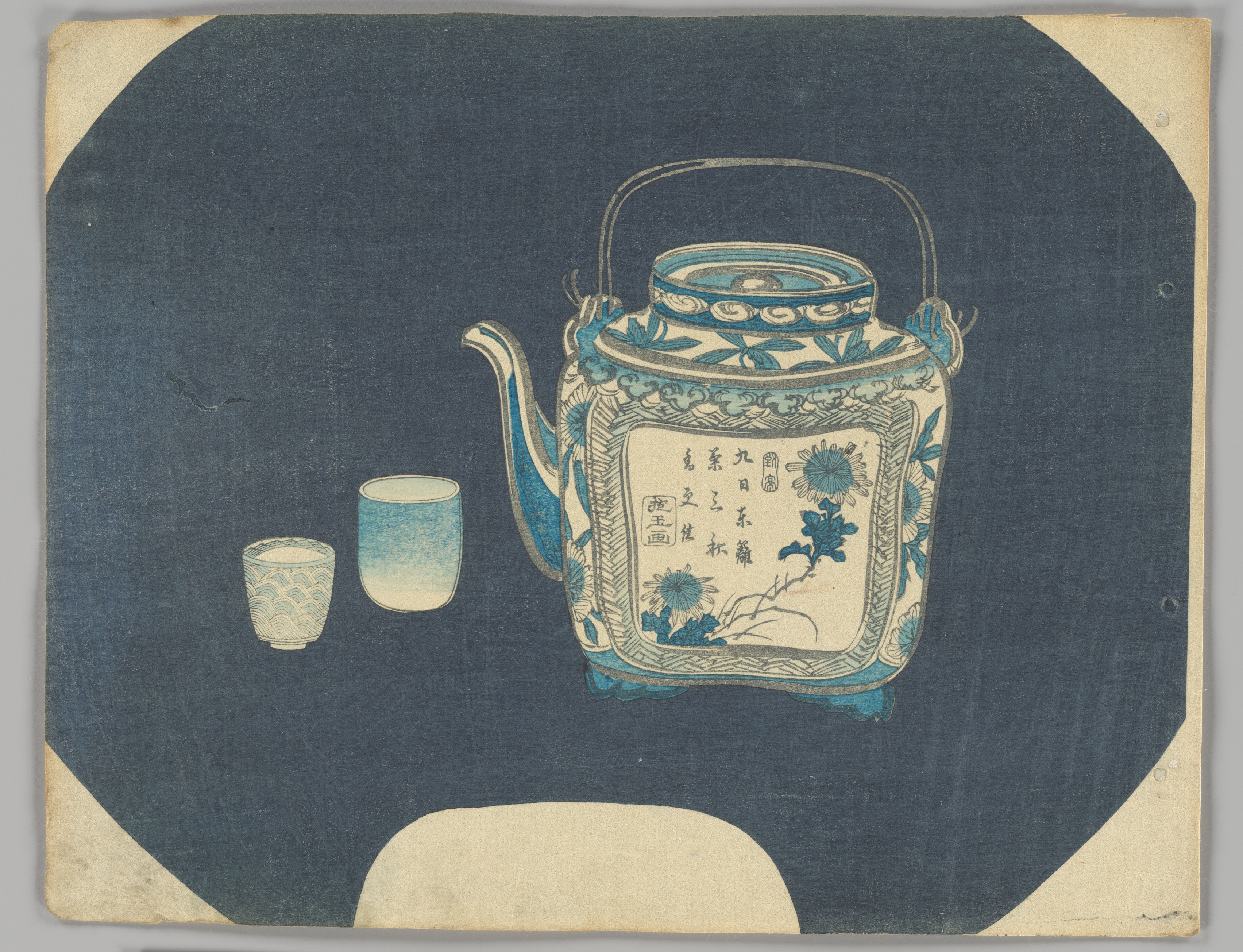
Yamada Hōgyoku
山田鳳鈺
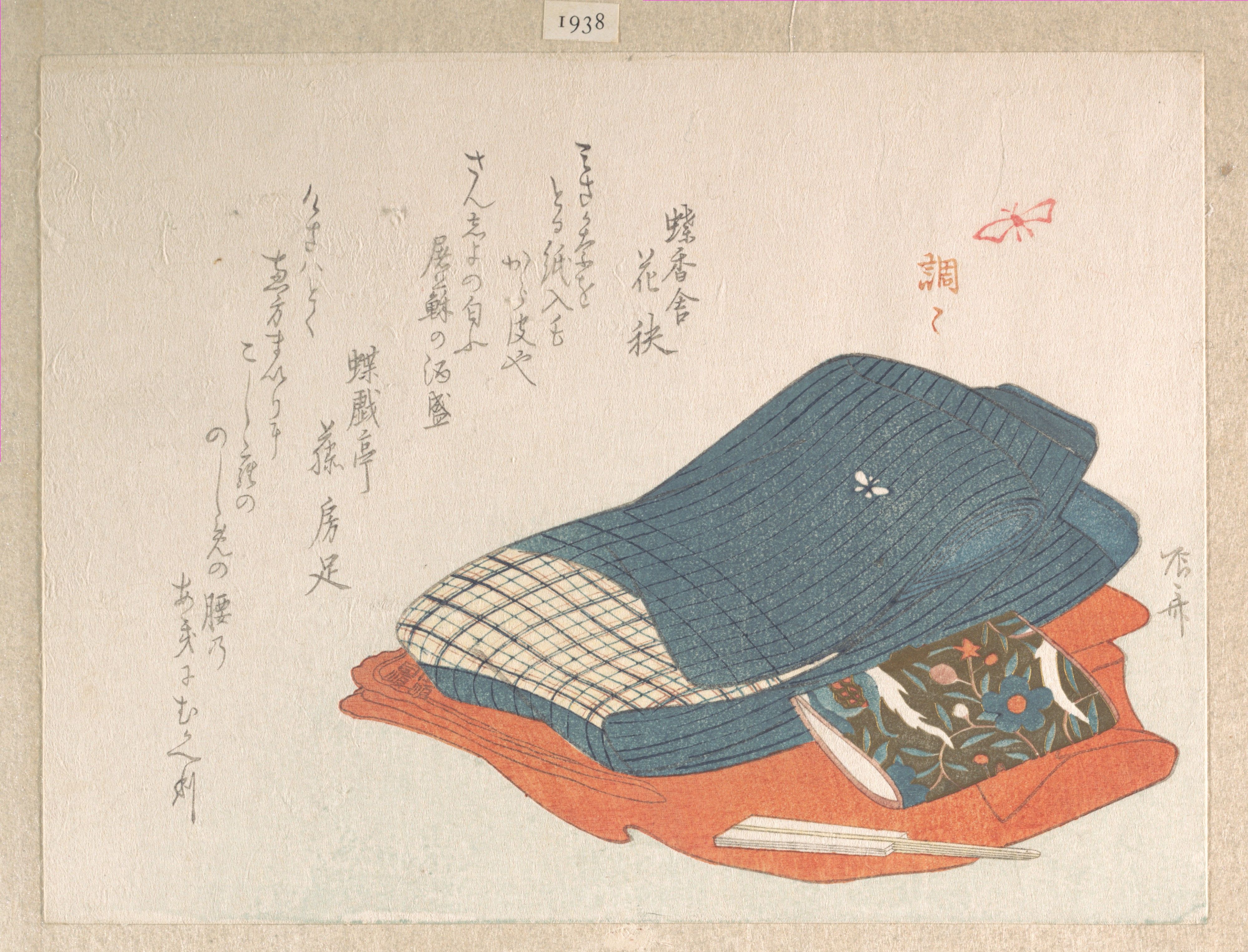
Ryūryūkyo Shinsai
柳々居辰斎
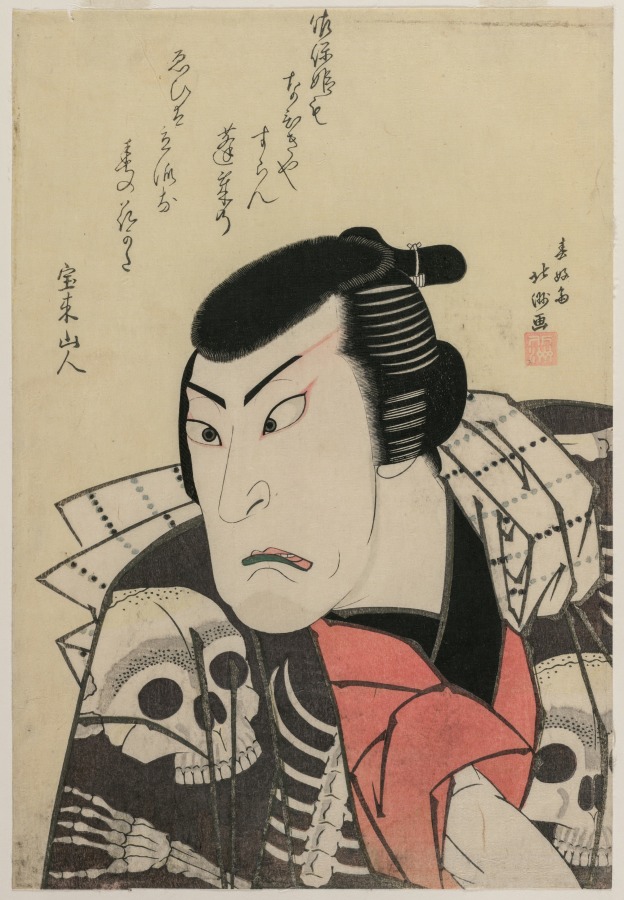
Shunkōsai Hokushū
春好斎北洲

Okumura Toshinobu
奥村利信
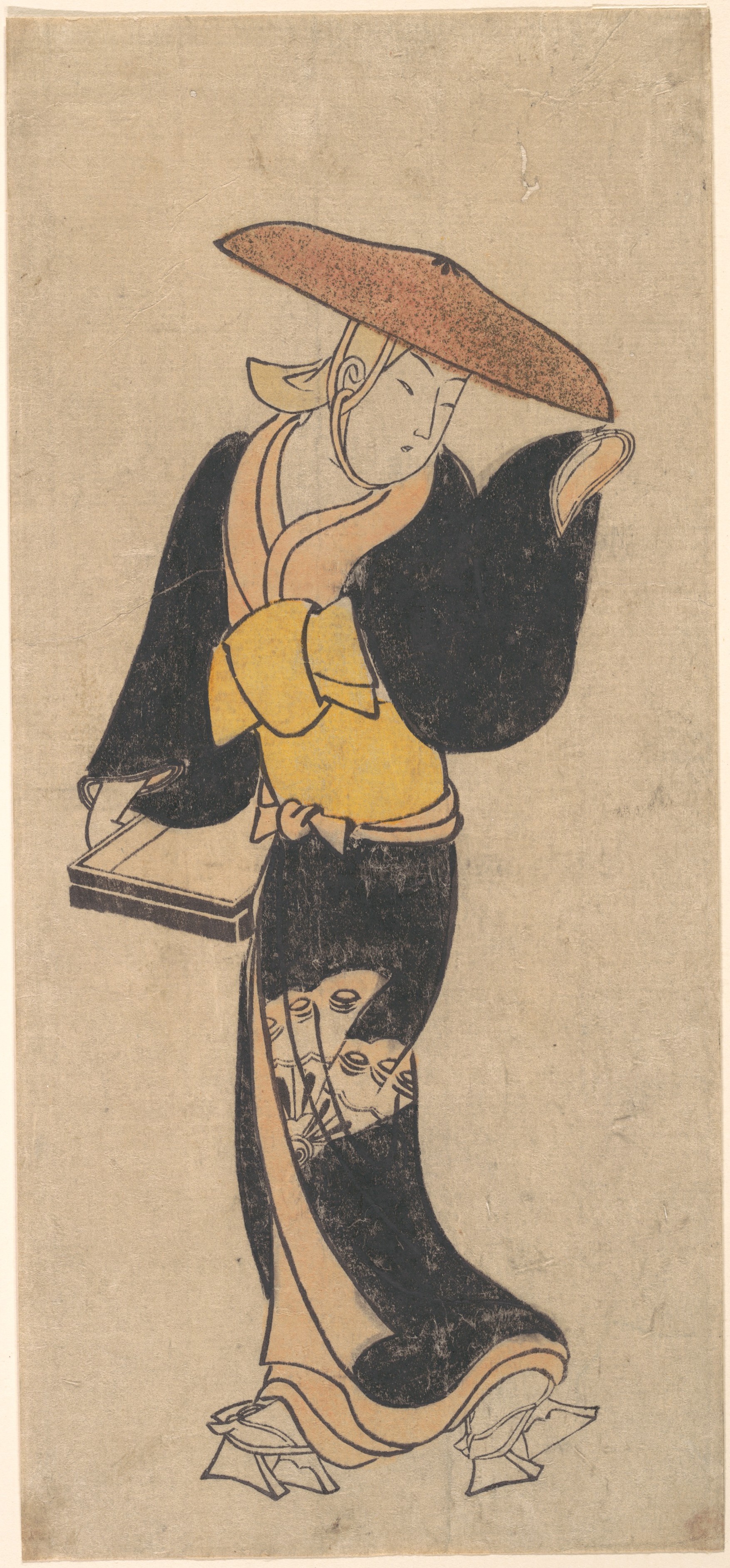
Kondō Kiyoharu
近藤清春

Katsukawa Shundō
勝川春童

Furuyama Moromasa
古山師政
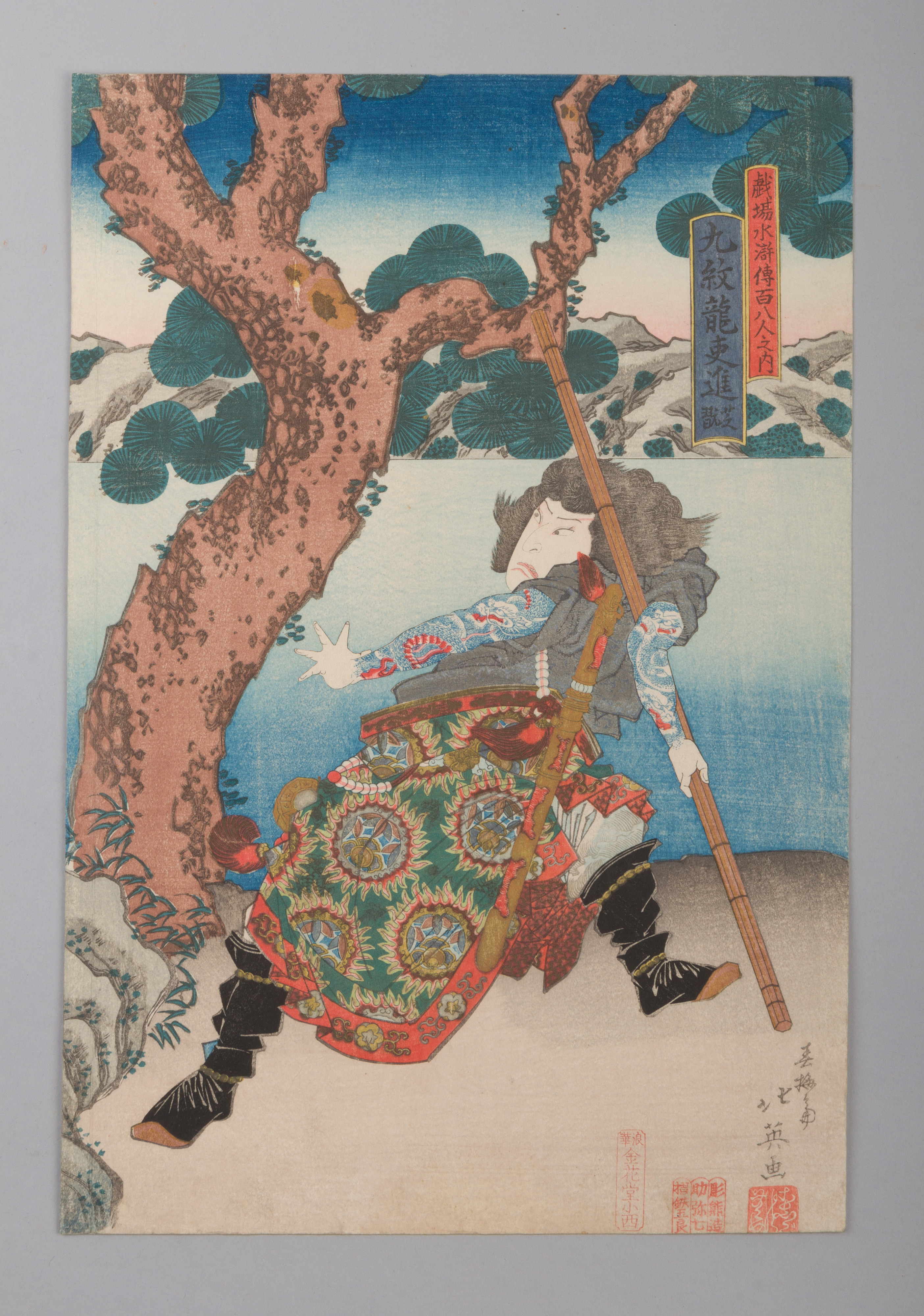
Shunbaisai Hokuei
春梅斎北英
1837

Torii Kiyomasu I
鳥居清倍

Sugimura Jihei
杉村治兵衛
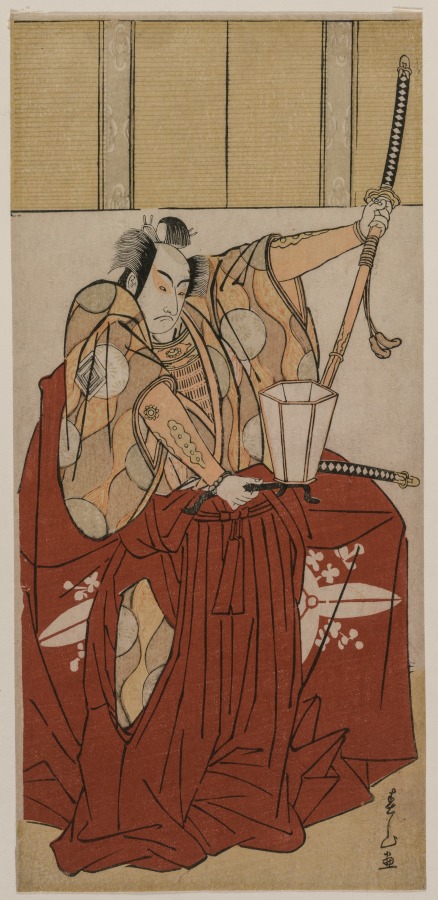
Katsukawa Shunzan
勝川春山
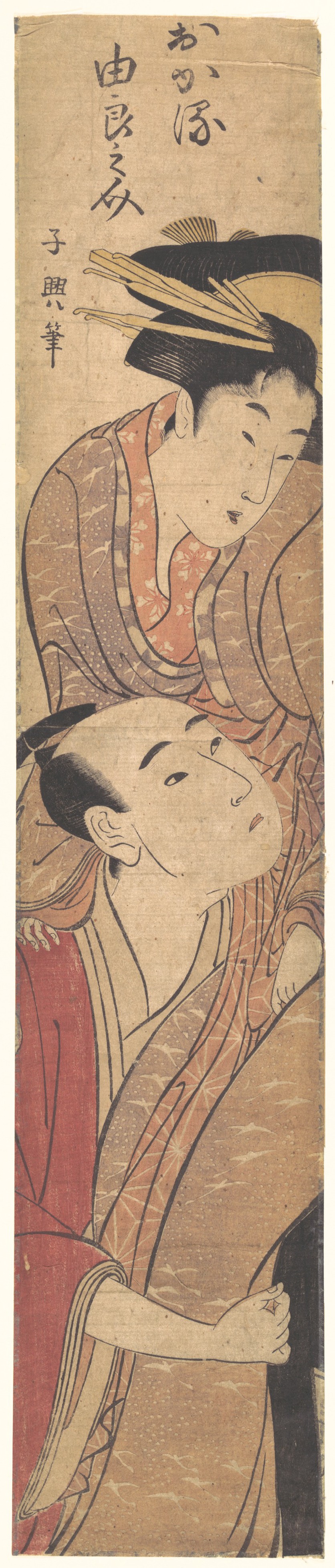
Eishōsai Chōki
栄松斎長喜
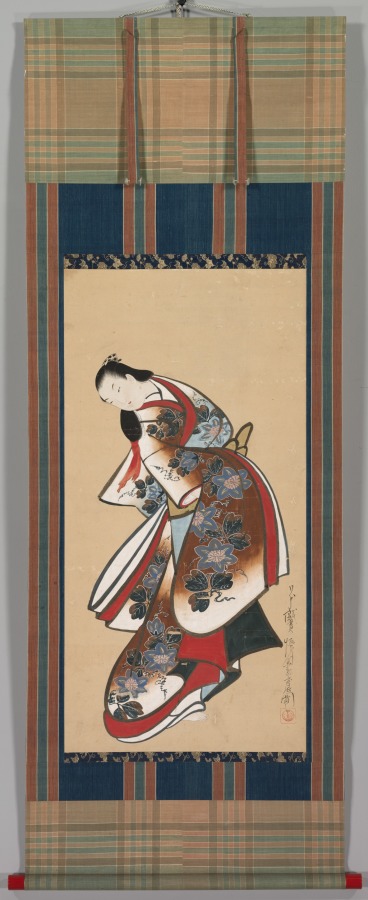
Kaigetsudō Doshin
懐月堂度辰

Kaigetsudō Doshū
懐月堂度秀

Tamagawa Shūchō
玉川舟調
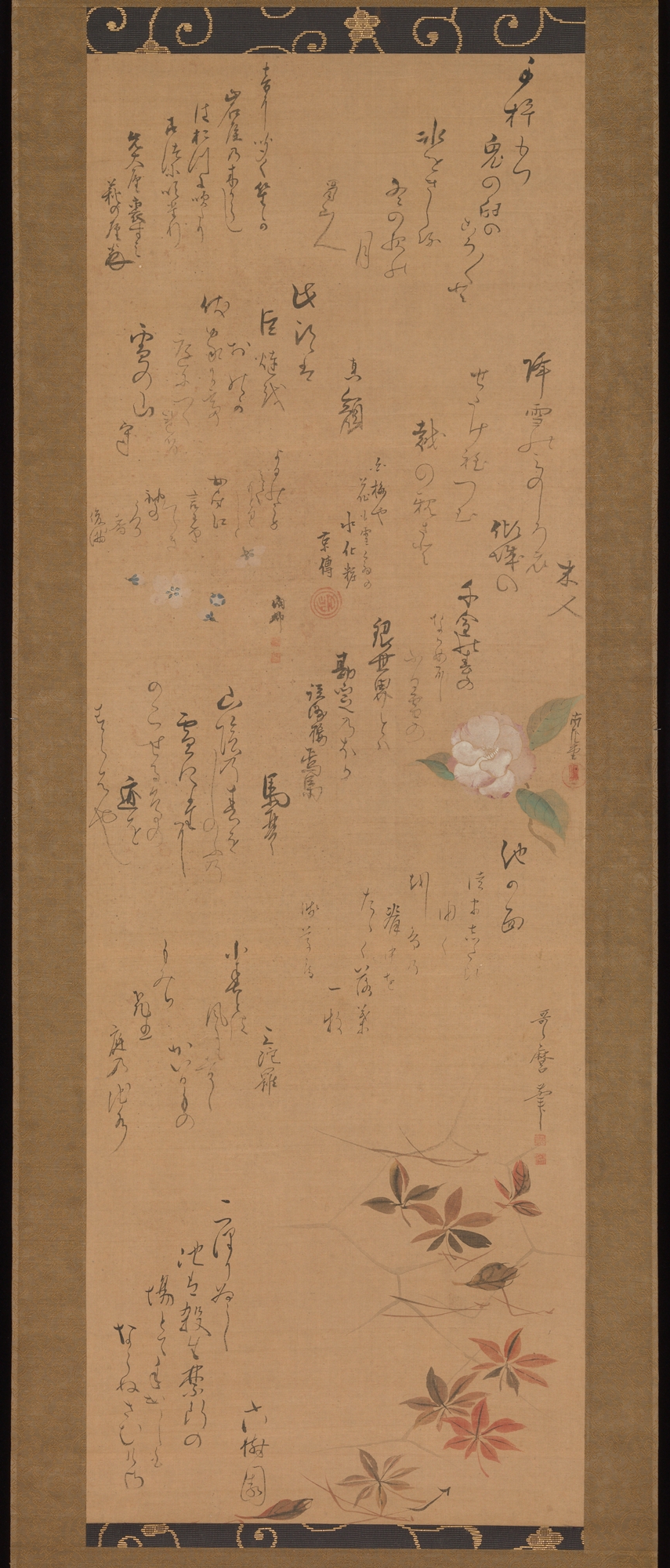
Kitagawa Utamaro II
二代目喜多川歌麿
1831
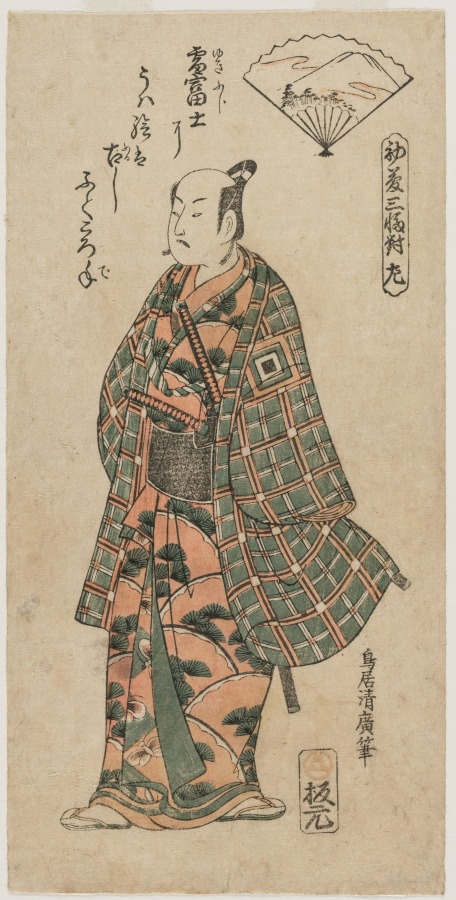
Torii Kiyohiro
鳥居清広
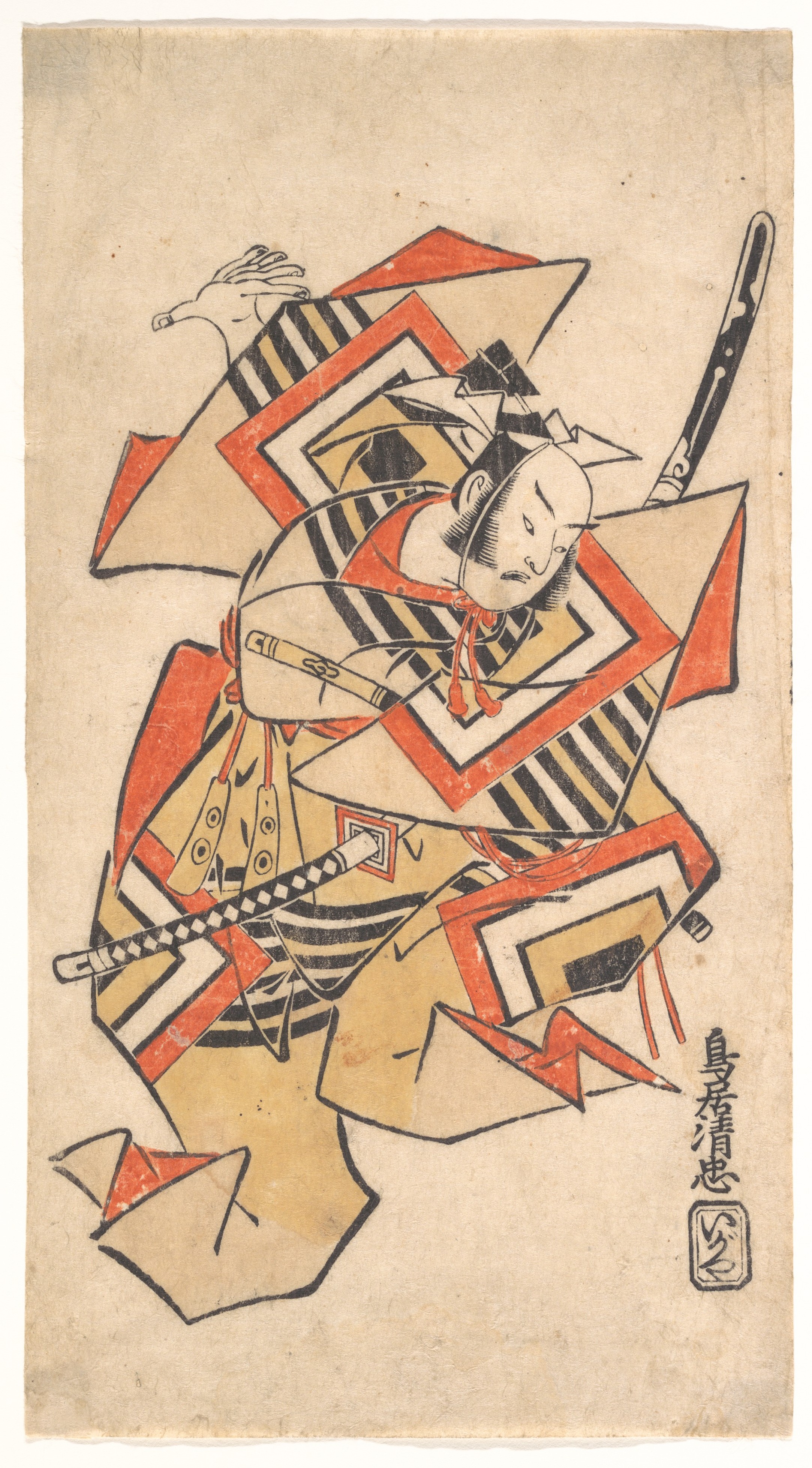
Torii Kiyotada I
鳥居清忠

Torii Kiyotsune
鳥居清経

Utagawa Yoshitora
歌川芳虎

Utagawa Yoshikazu
歌川芳員
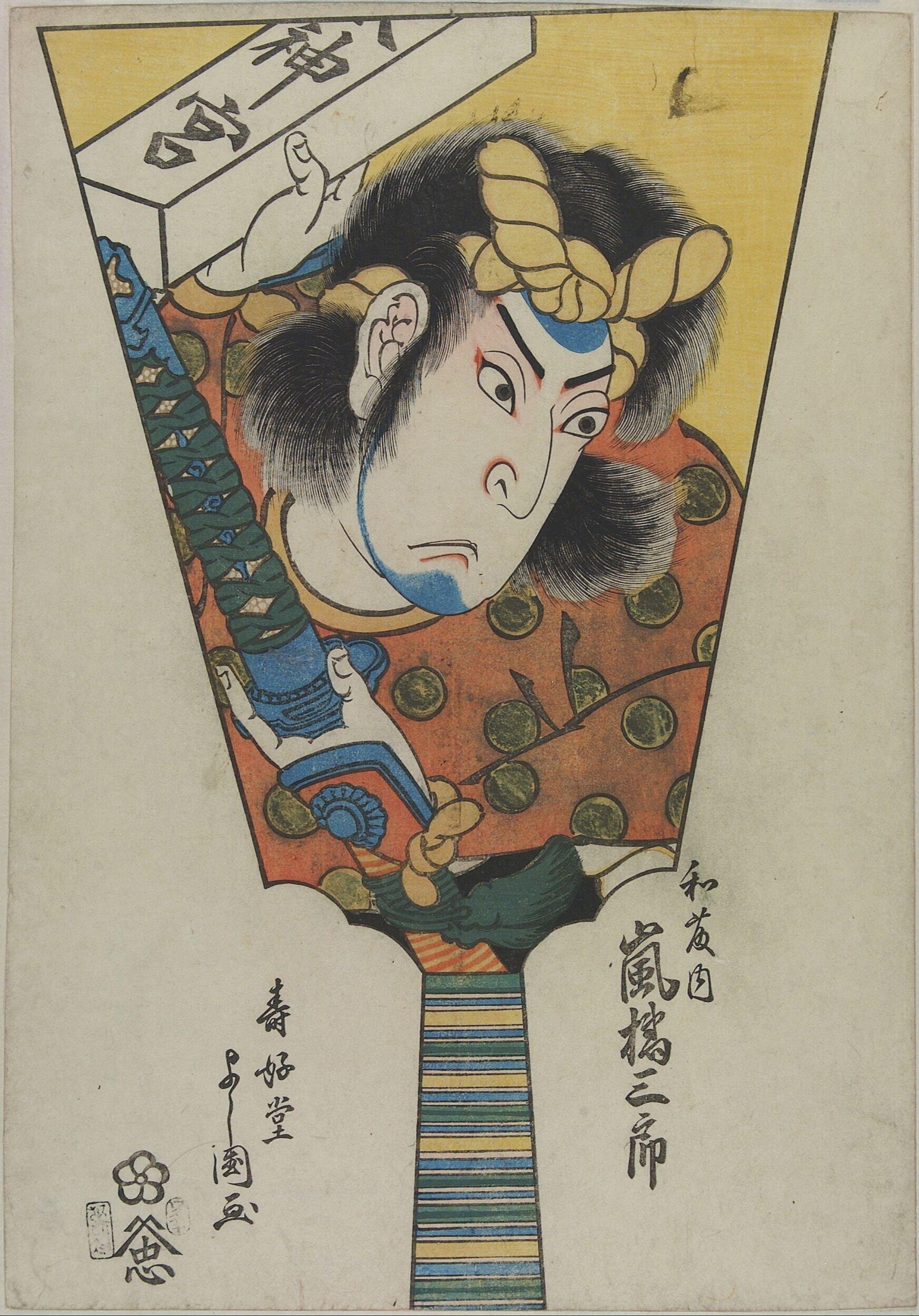
Utagawa Yoshikuni
歌川芳国
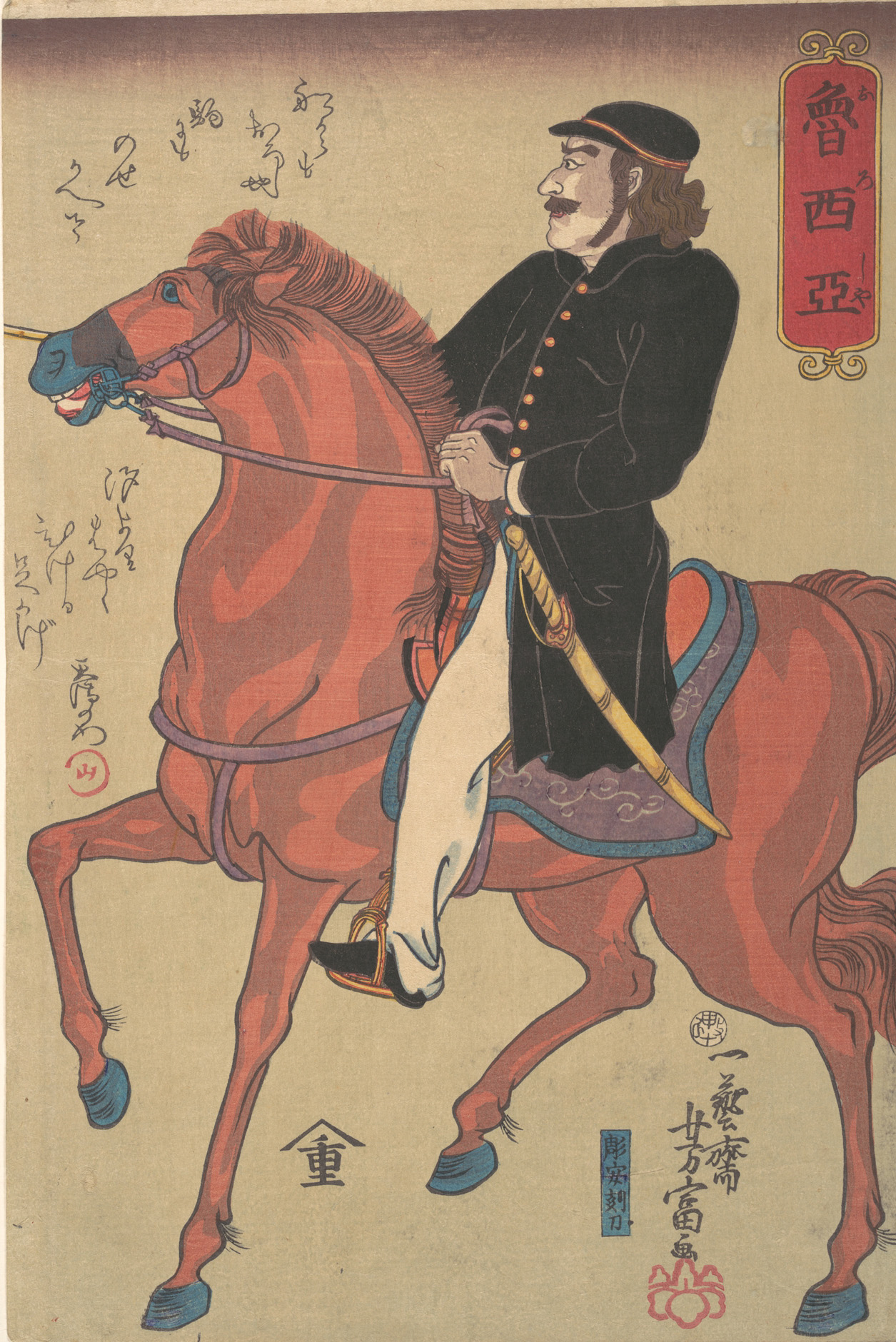
Utagawa Yoshitomi
歌川芳富
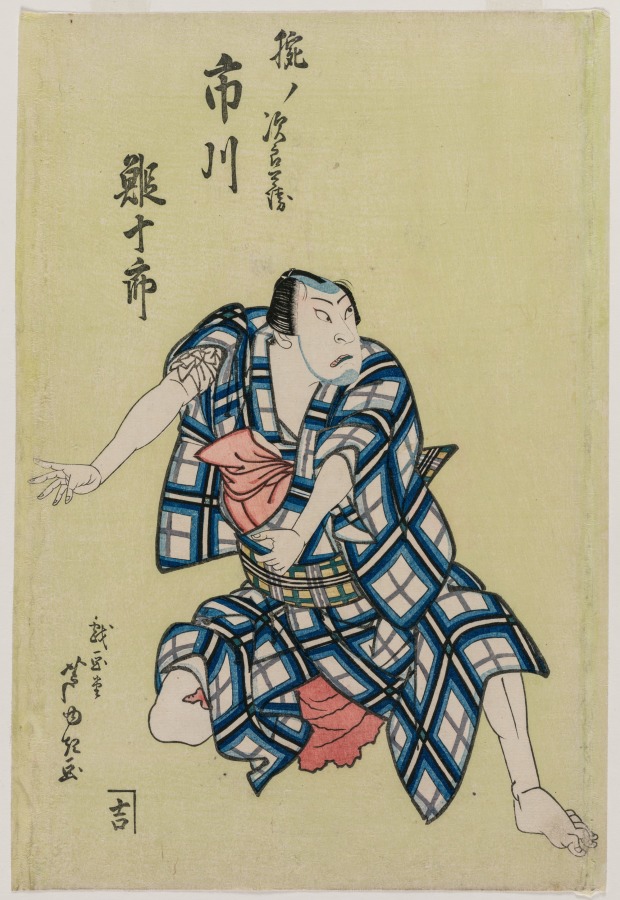
Gigadō Ashiyuki
戯画堂芦幸

Rekisentei Eiri
礫川亭永理
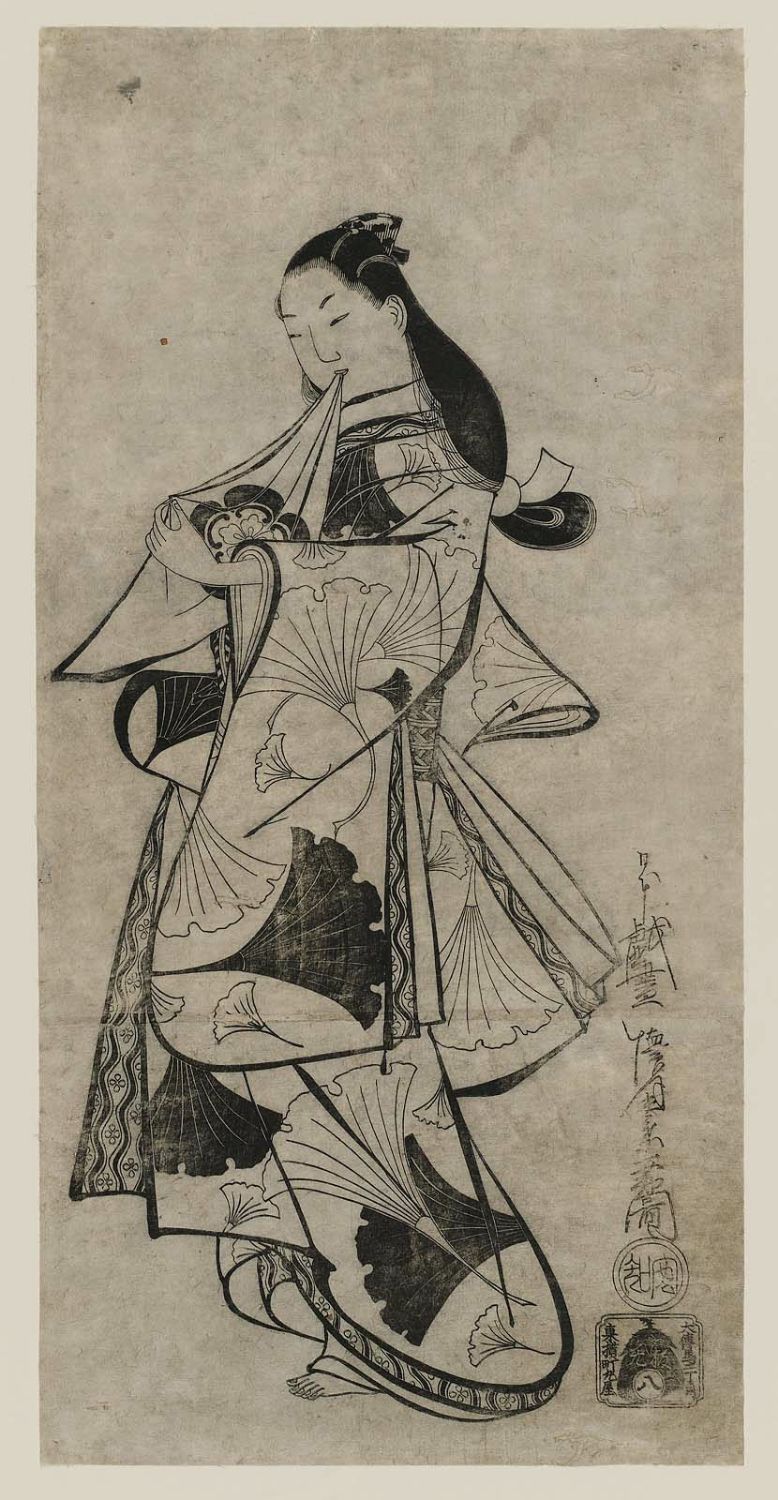
Kaigetsudō Anchi
懐月堂安知
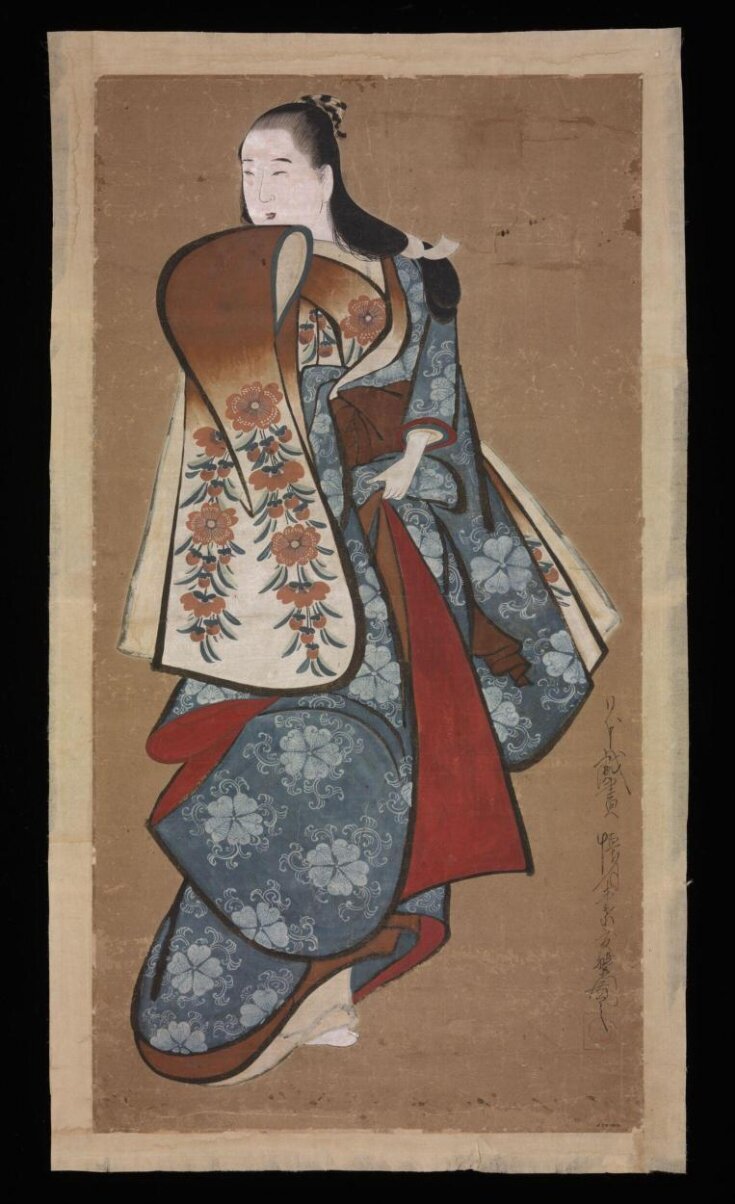
Kaigetsudō Dohan
懐月堂度繁
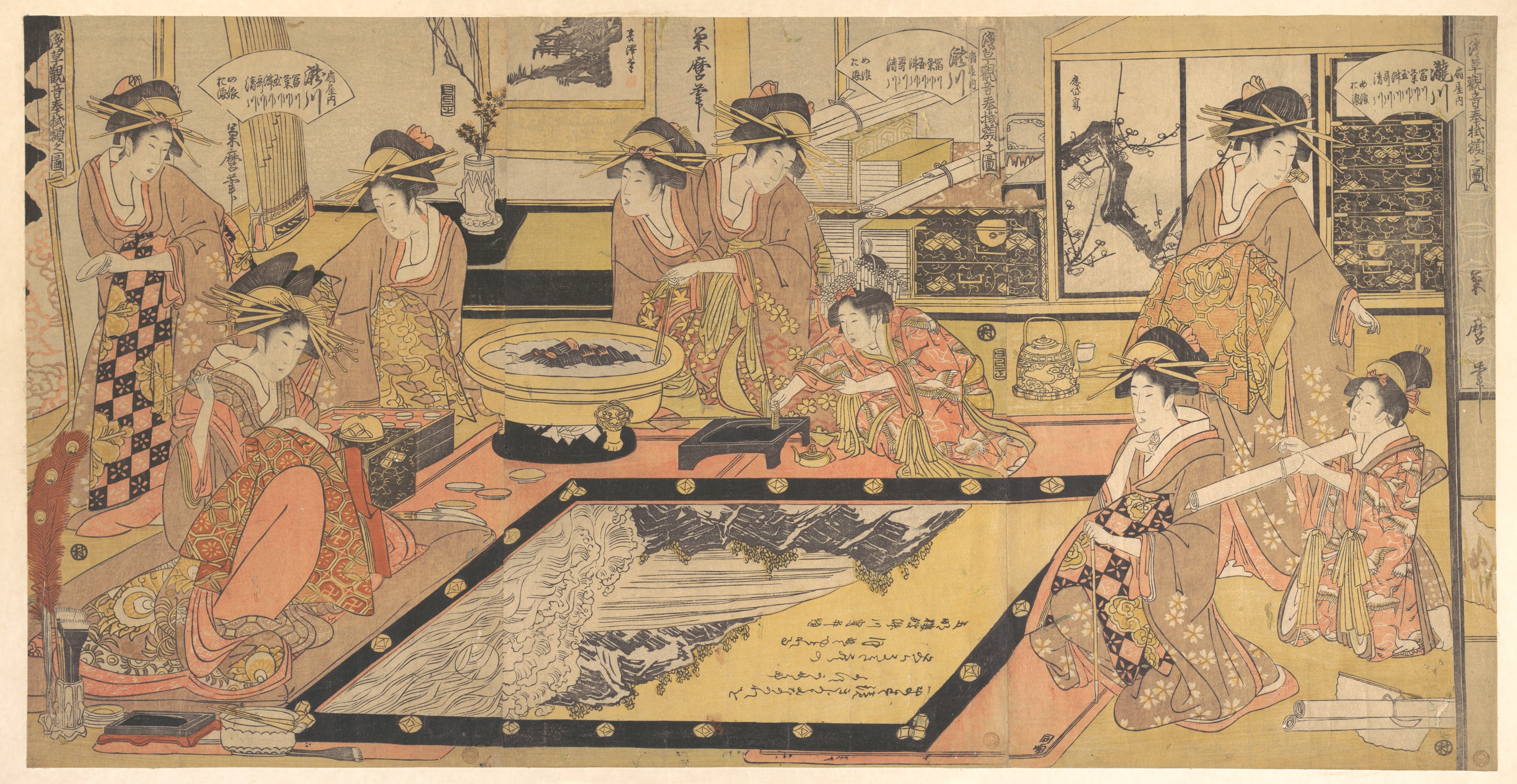
Kitagawa Tsukimaro
喜多川月麿

Kitagawa Hidemaro
喜多川秀麿
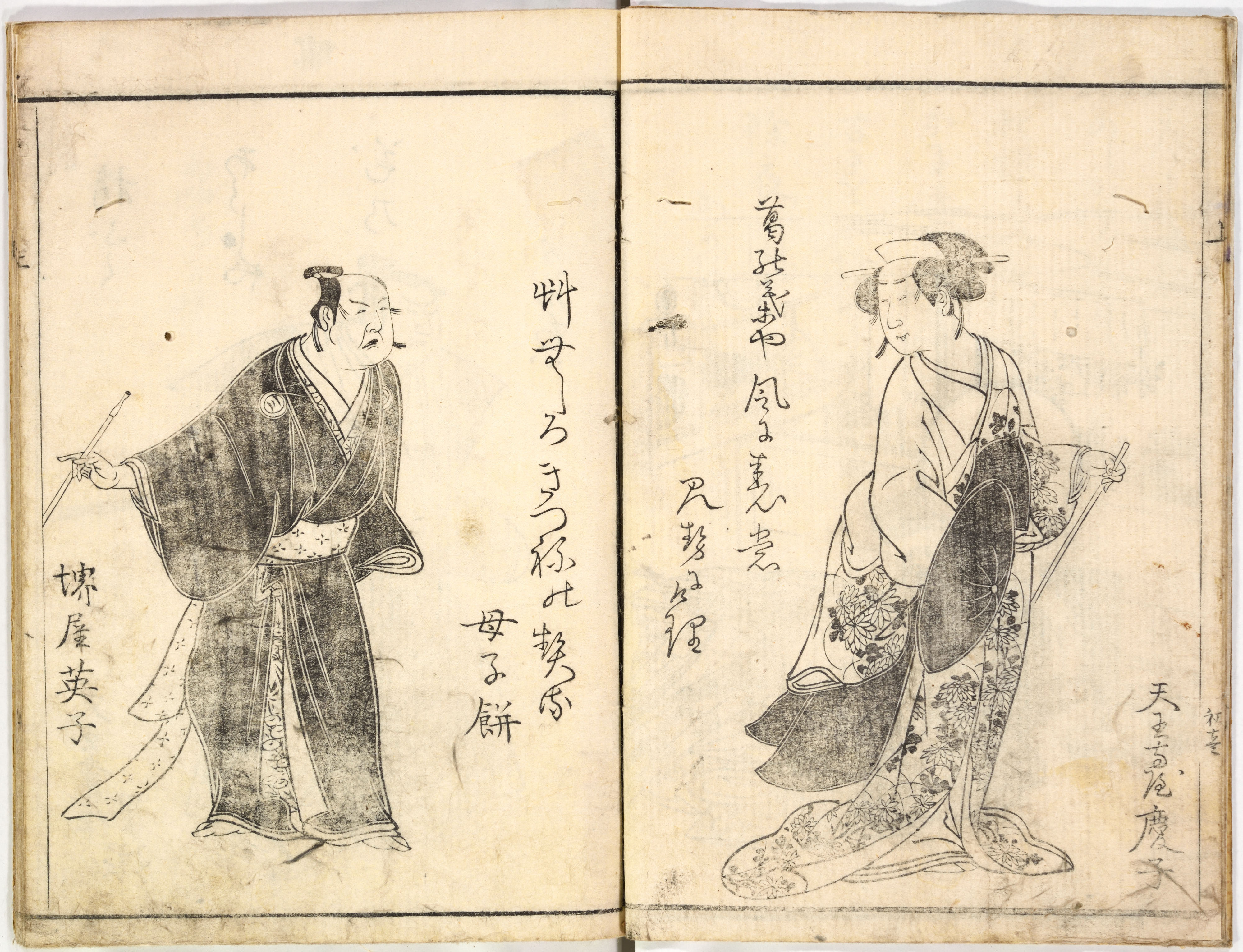
Ryūkōsai Jokei
流光斎如圭

Katsukawa Shunjō
勝川春常
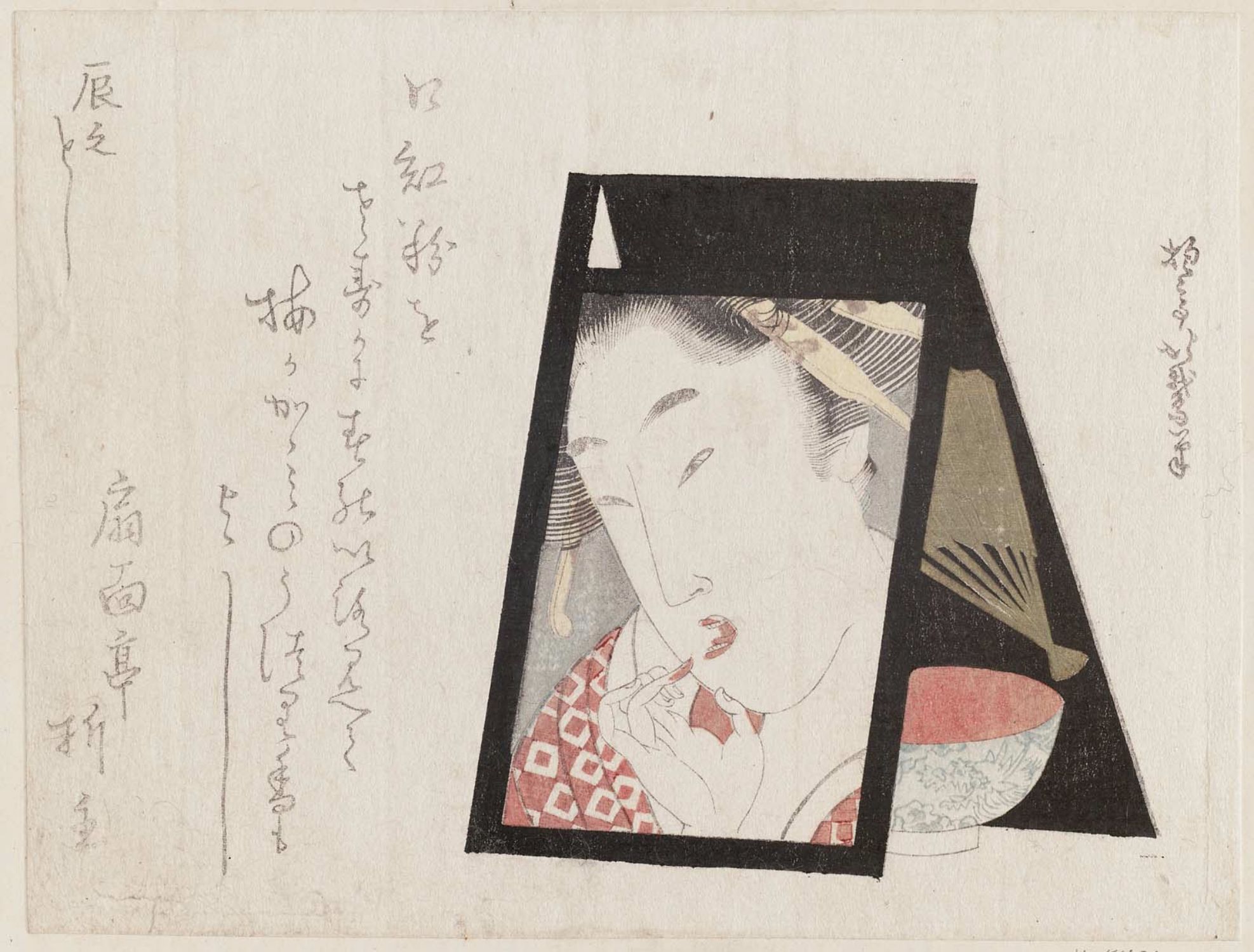
Katsushika Hokuga
葛飾北峩

Hishikawa Morofusa
菱川師房
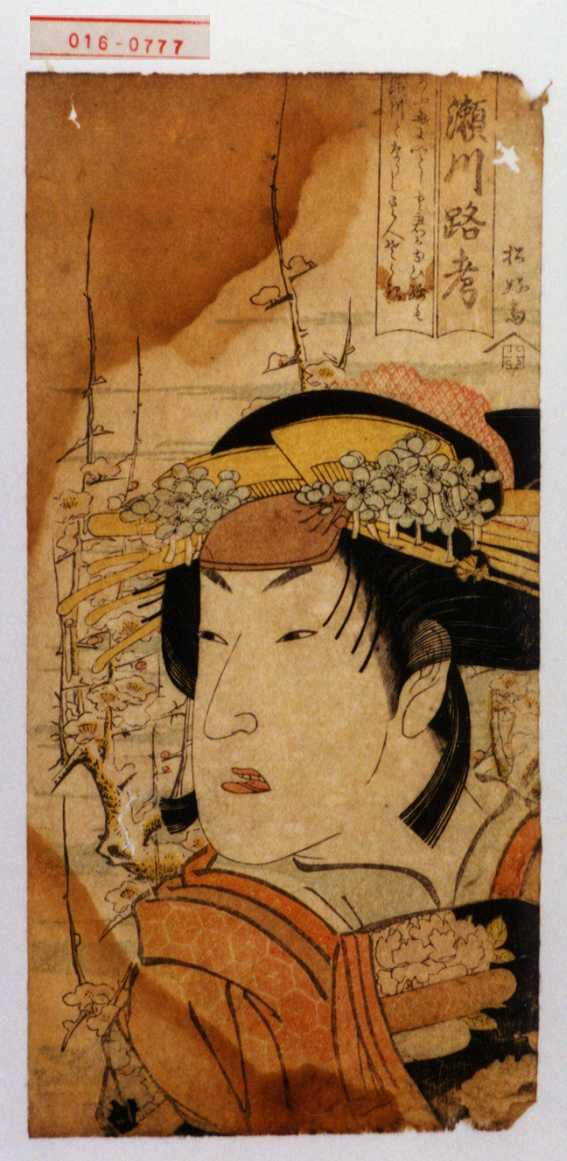
Shōkōsai Hanbei
松好斎半兵衛

Nishimura Shigenobu
西村重信
Utagawa Fusatane
歌川房種
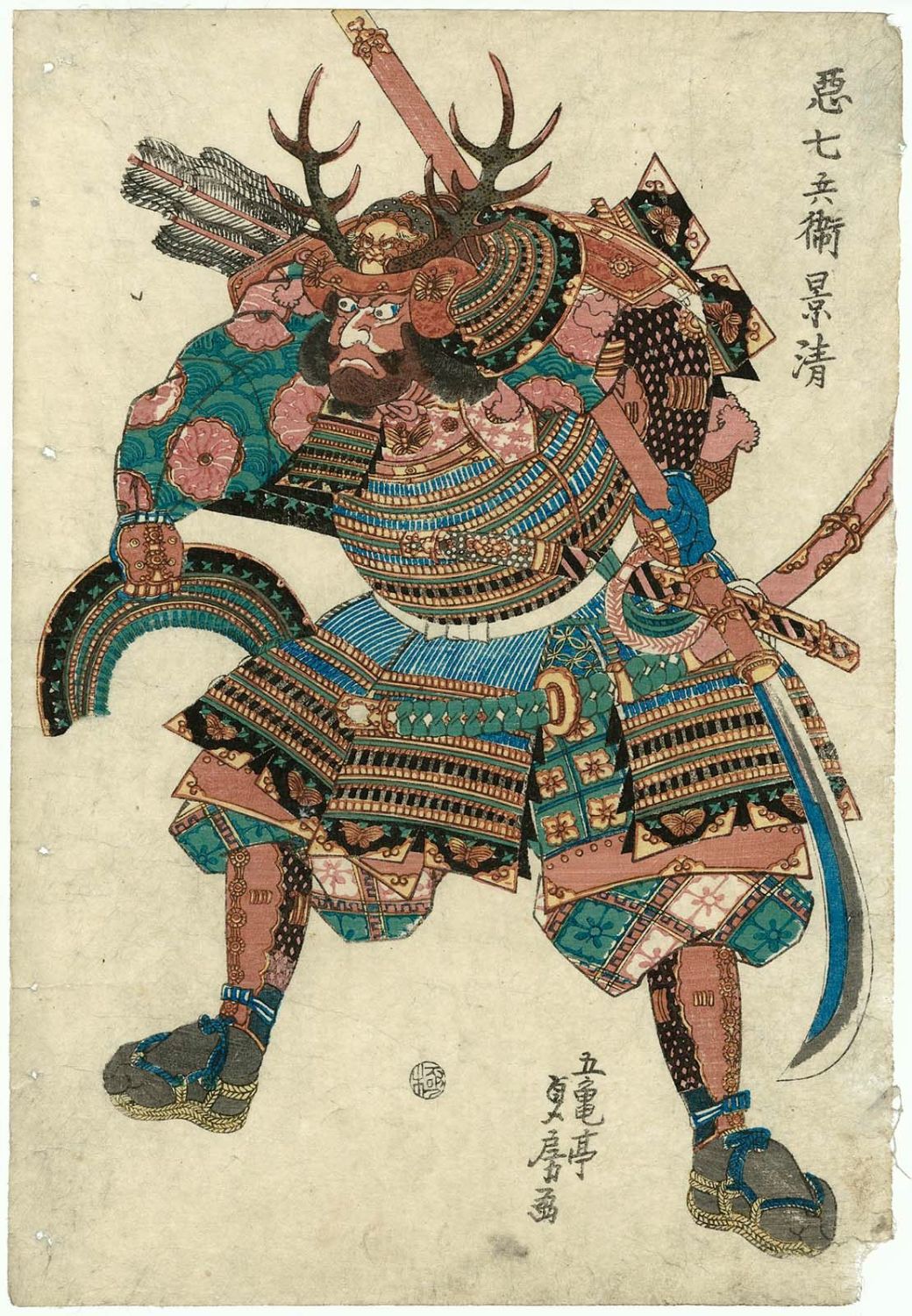
Utagawa Sadafusa
歌川貞房
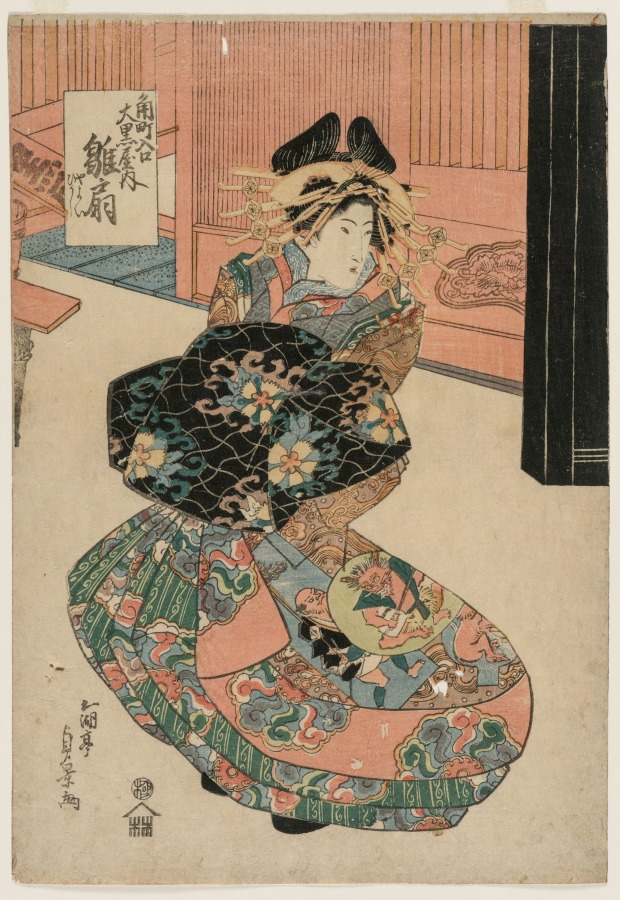
Utagawa Sadakage
歌川貞景
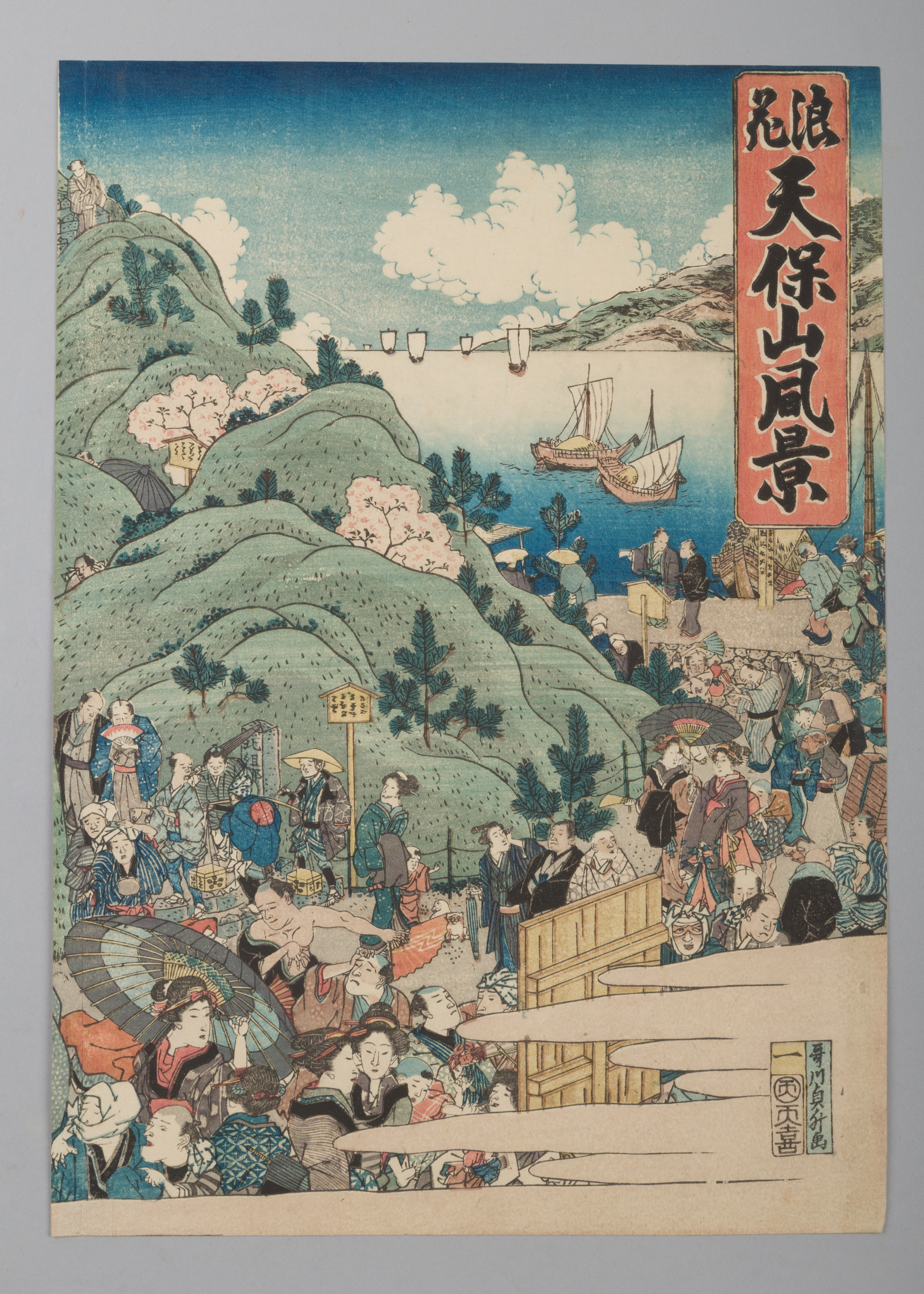
Utagawa Sadamasu
歌川貞升
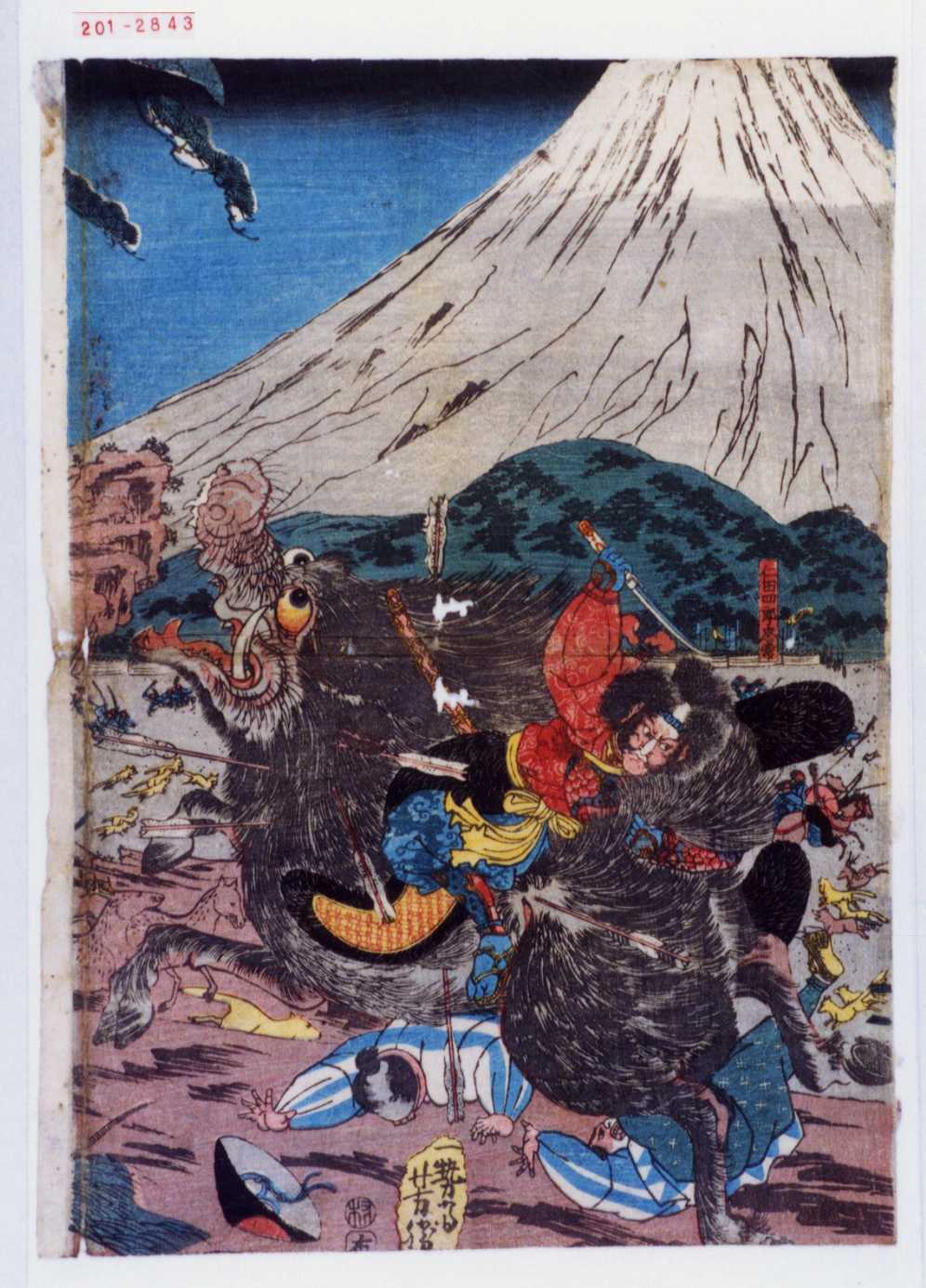
Utagawa Yoshikatsu
歌川芳勝
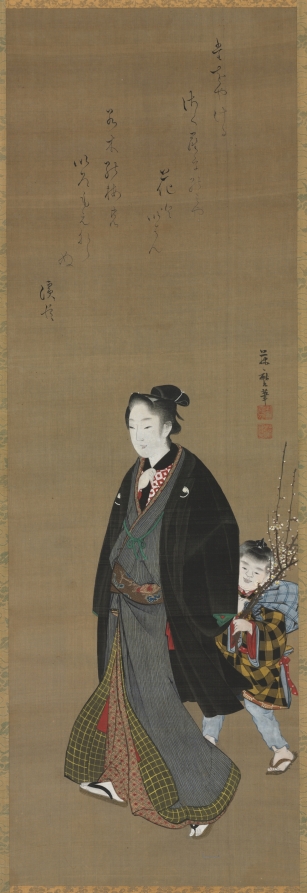
Kitagawa Fujimaro
喜多川藤麿

Tachibana Minkō
橘岷江

Torii Kiyoshige
鳥居清重
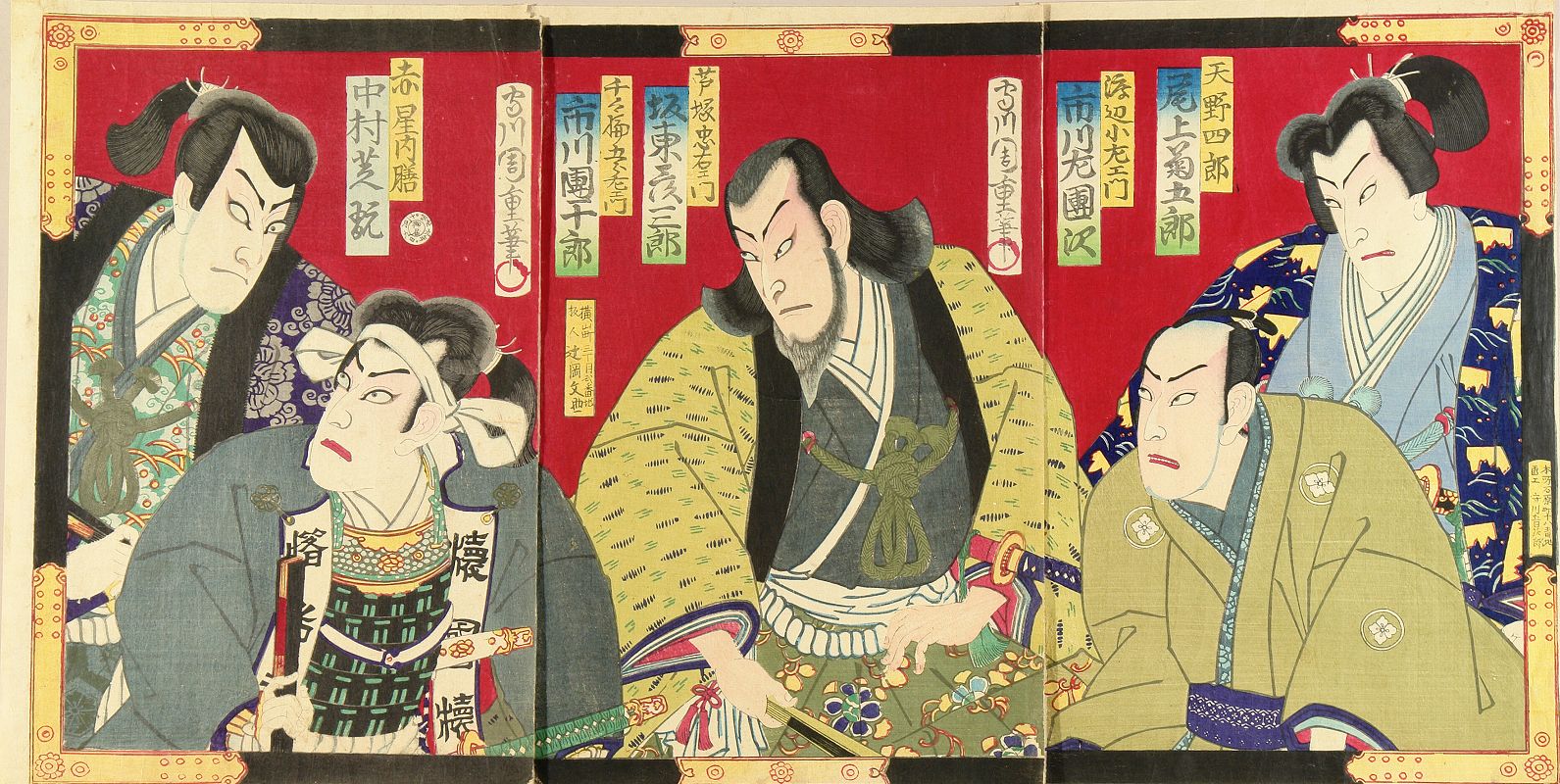
Morikawa Chikashige
森川周重
Yamamoto Yoshinobu
山本義信
Utagawa Kunihiro
歌川国広
Utagawa Yoshikata
歌川芳形
Utagawa Yoshikiyo
歌川芳清

Furuyama Moroshige
古山師重

Nishikawa Suketada
西川祐尹

Hishikawa Moroshige
菱川師重
Nakayama Sūgakudō
中山嵩岳堂

Torii Kiyotomo
鳥居清倫
Torii Kiyohisa
鳥居清久
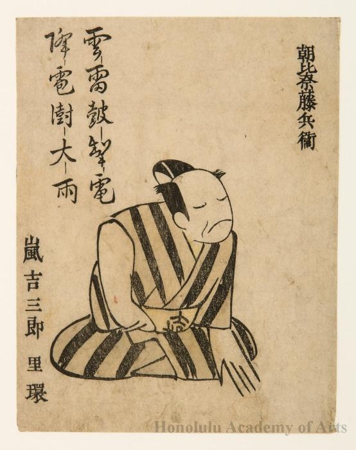
Jichōsai (Niwa Tōkei)
耳鳥斎

Katsushika Hokumei
葛飾北明

Tanaka Masunobu
田中益信

Kawamata Tsunemasa
川又常正

Kanbun Master (anonymous)
寛文の名手
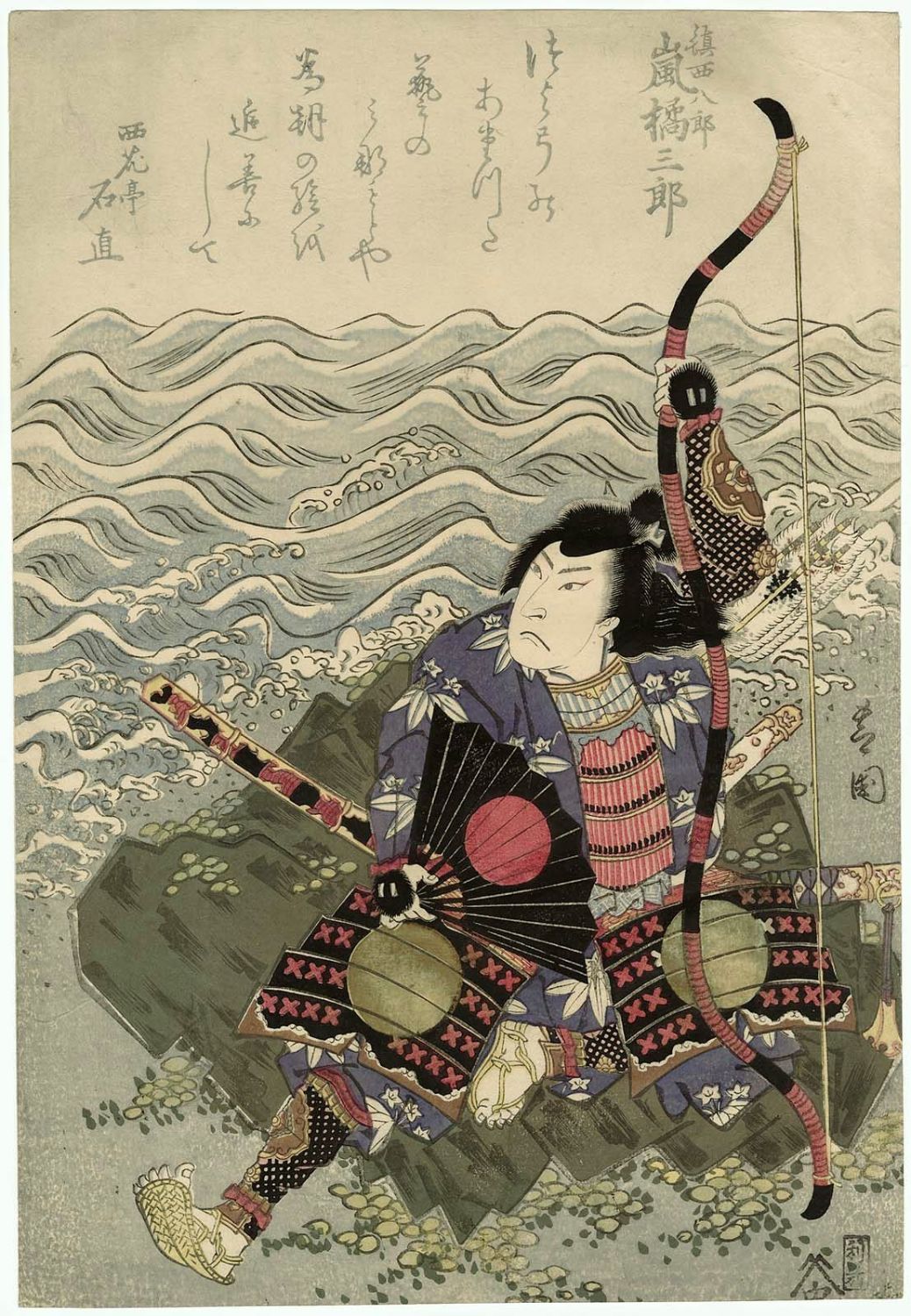
Nansenrō Shibakuni
南川楼芝国
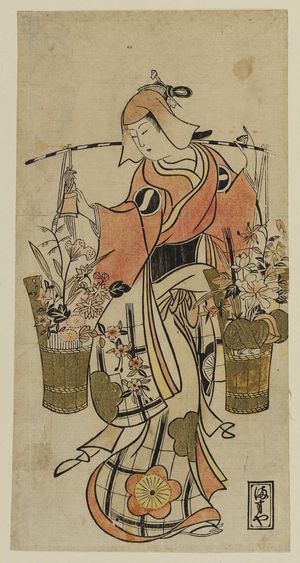
Torii Kiyoharu
鳥居清春
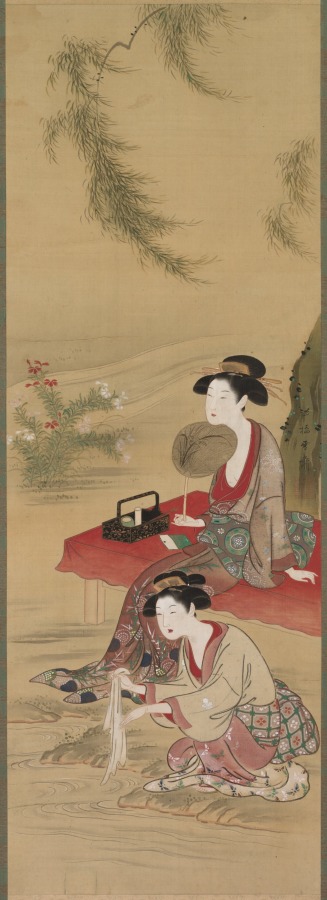
Tsukioka Sessai
月岡雪斎
1839

Utagawa Kunisato
歌川国郷
1860

Kawamata Tsuneyuki
川又常行

Kikugawa Eishin
菊川栄信

Utagawa Hirokage
歌川広景
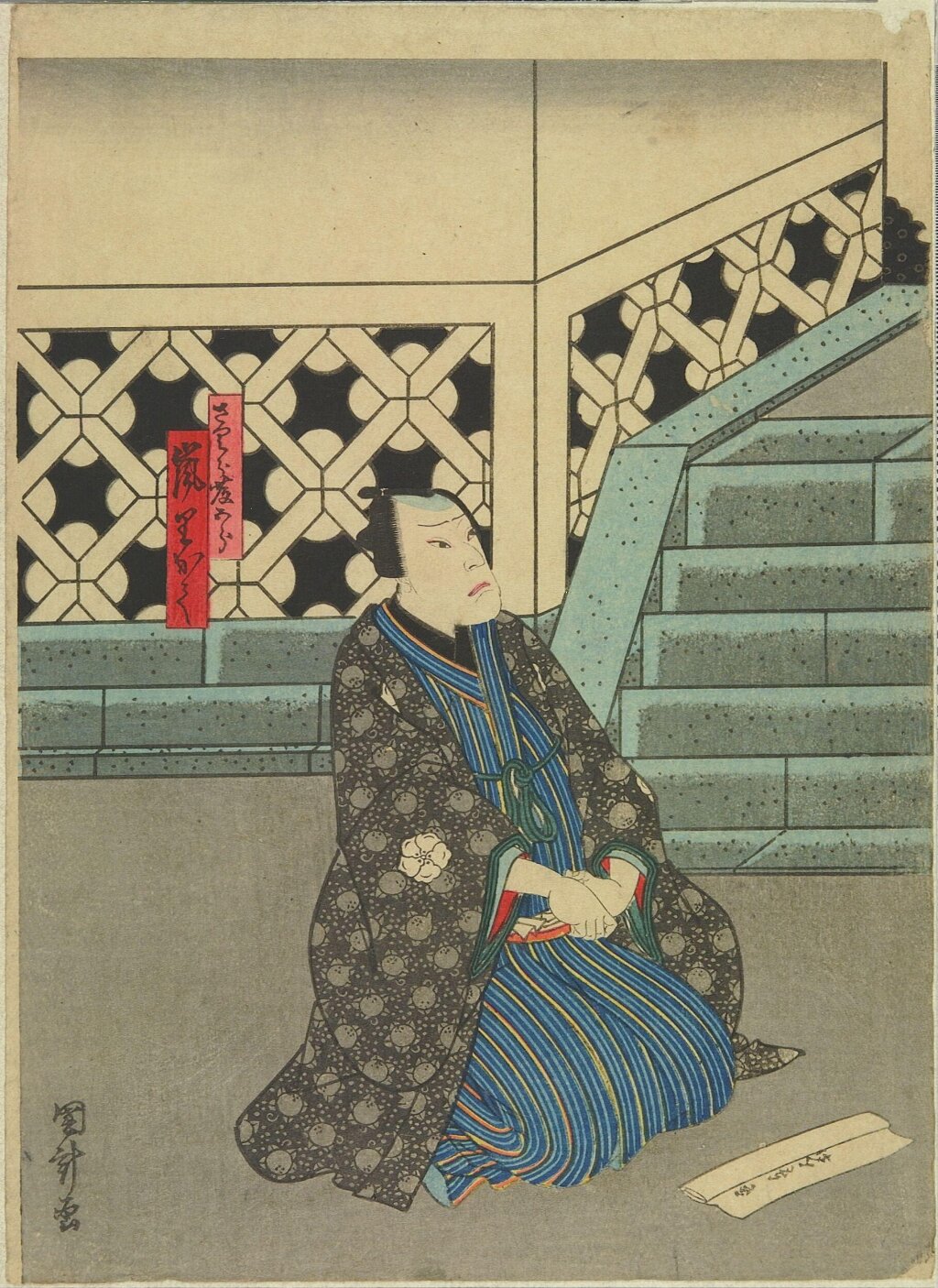
Utagawa Kunikazu
歌川国員
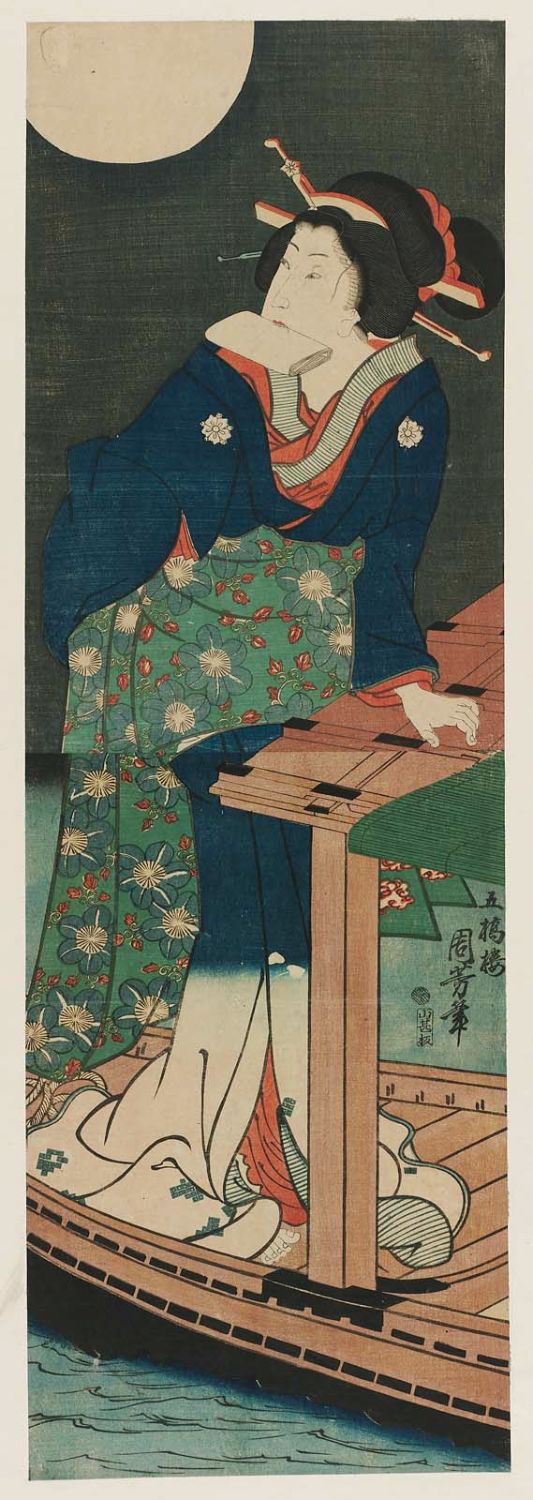
Toyohara Chikayoshi
豊原周美
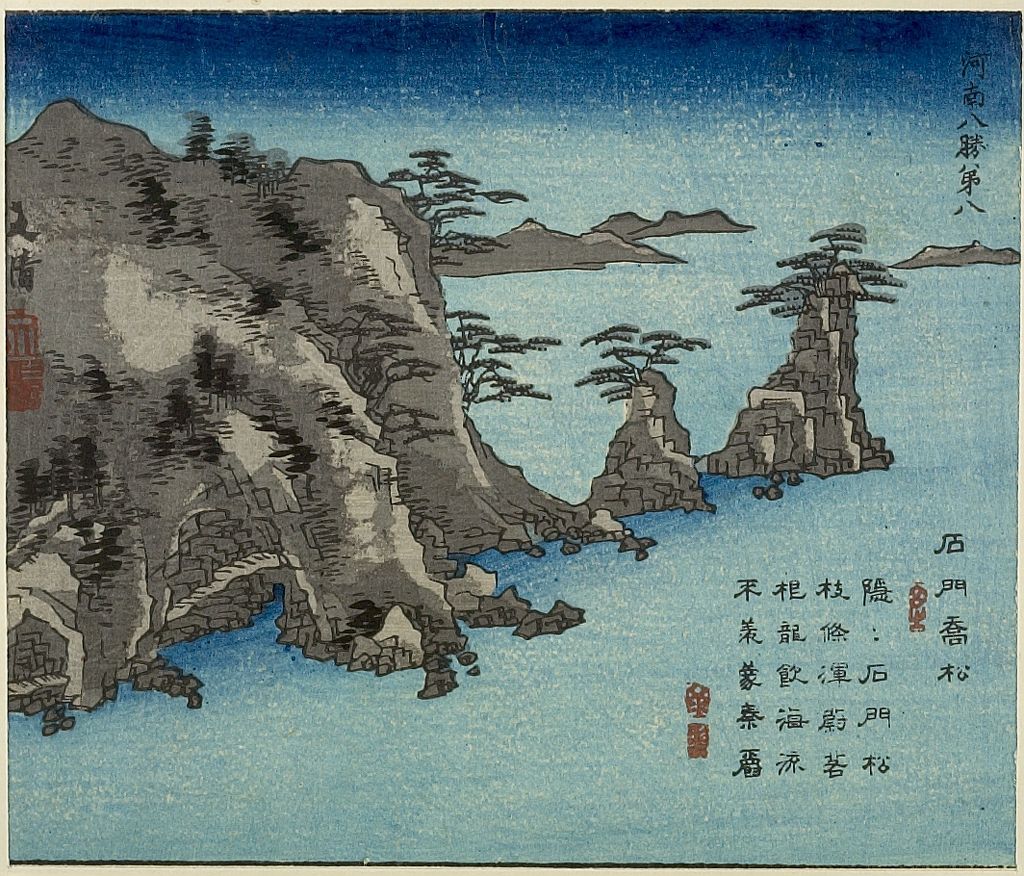
Sakai Bunsei
酒井文星
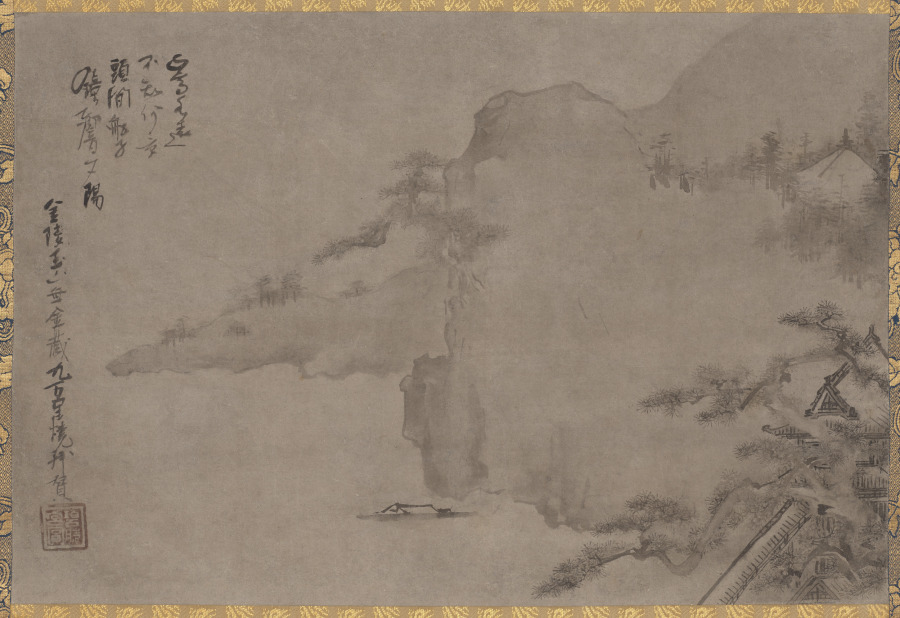
Iwasa Matabei
岩佐又兵衛
1578–1650

Hishikawa Moronobu
菱川師宣
1618–1694

Hanabusa Itchō
英一蝶
1652–1724

Torii Kiyonobu I
鳥居清信
1664–1729

Nishikawa Sukenobu
西川祐信
1671–1750
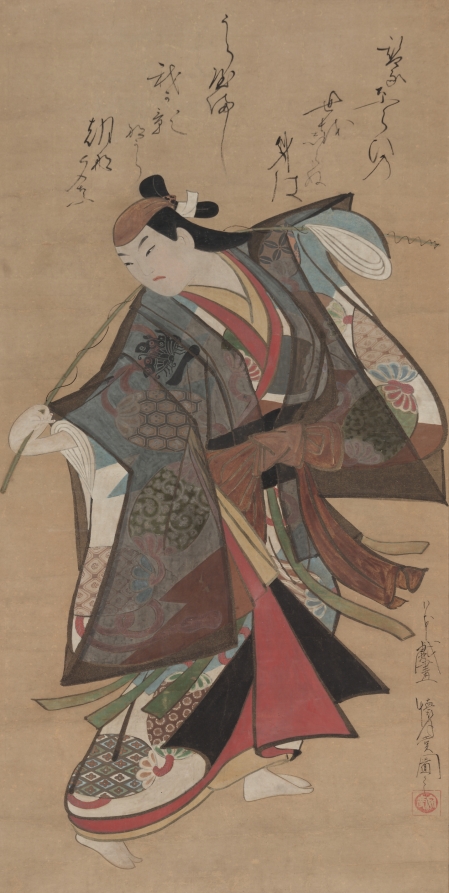
Kaigetsudō Ando
懐月堂安度
1671–1743

Hanekawa Chinchō
羽川珍重
1679–1754

Miyagawa Chōshun
宮川長春
1683–1753
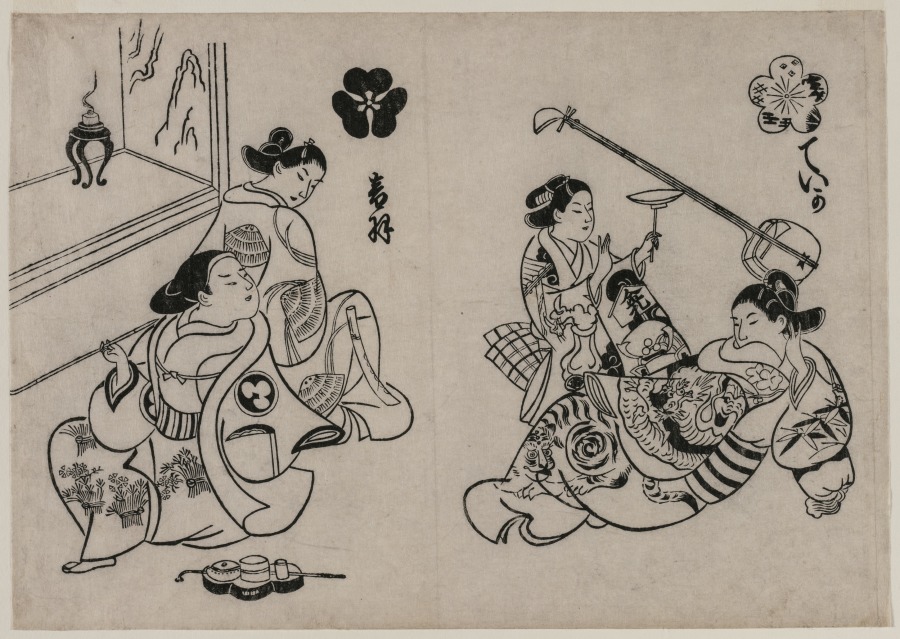
Okumura Masanobu
奥村政信
1686–1764
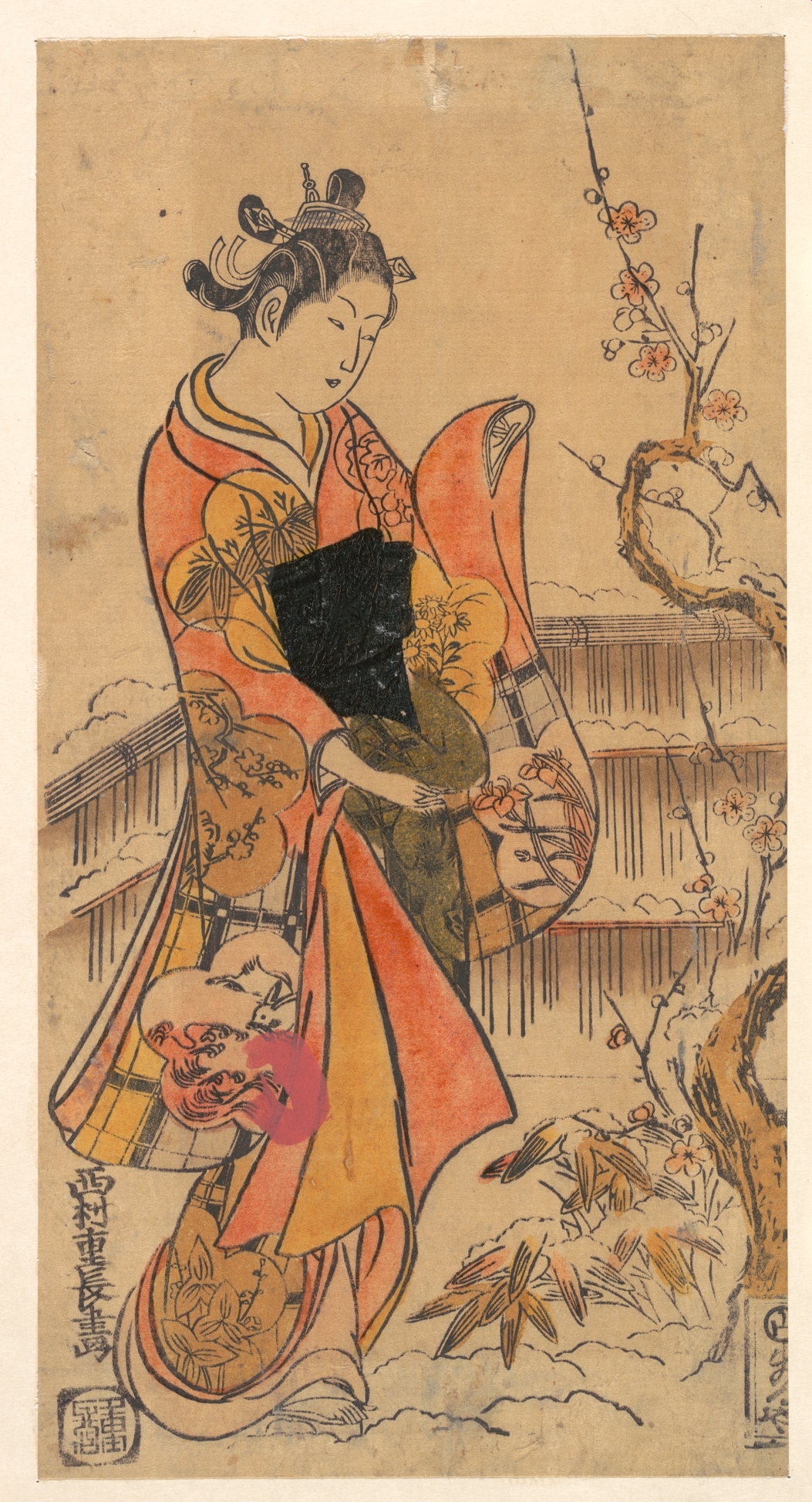
Nishimura Shigenaga
西村重長
1697–1756
Torii Kiyomasu II
二代鳥居清倍
1706–1763

Tsukioka Settei
月岡雪鼎
1710–1786

Ishikawa Toyonobu
石川豊信
1711–1785

Komatsuya Hyakki
小松屋百亀
1720–1794

Suzuki Harunobu
鈴木春信
1725–1770
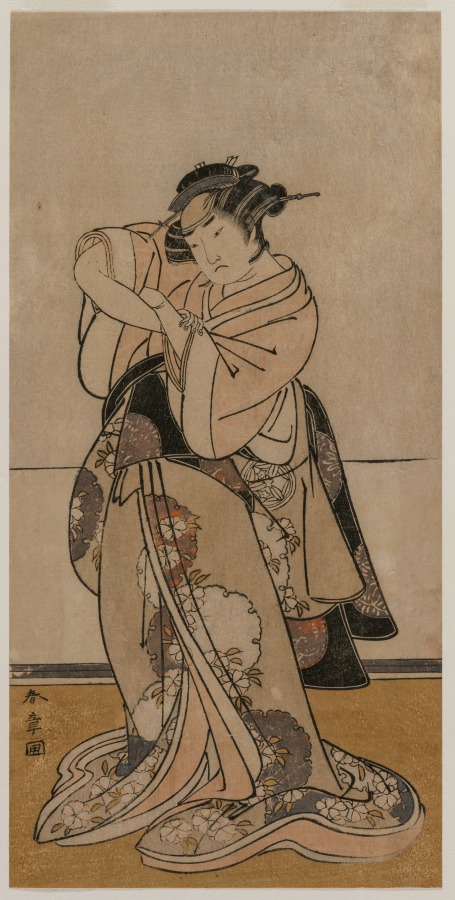
Katsukawa Shunshō
勝川春章
1726–1793
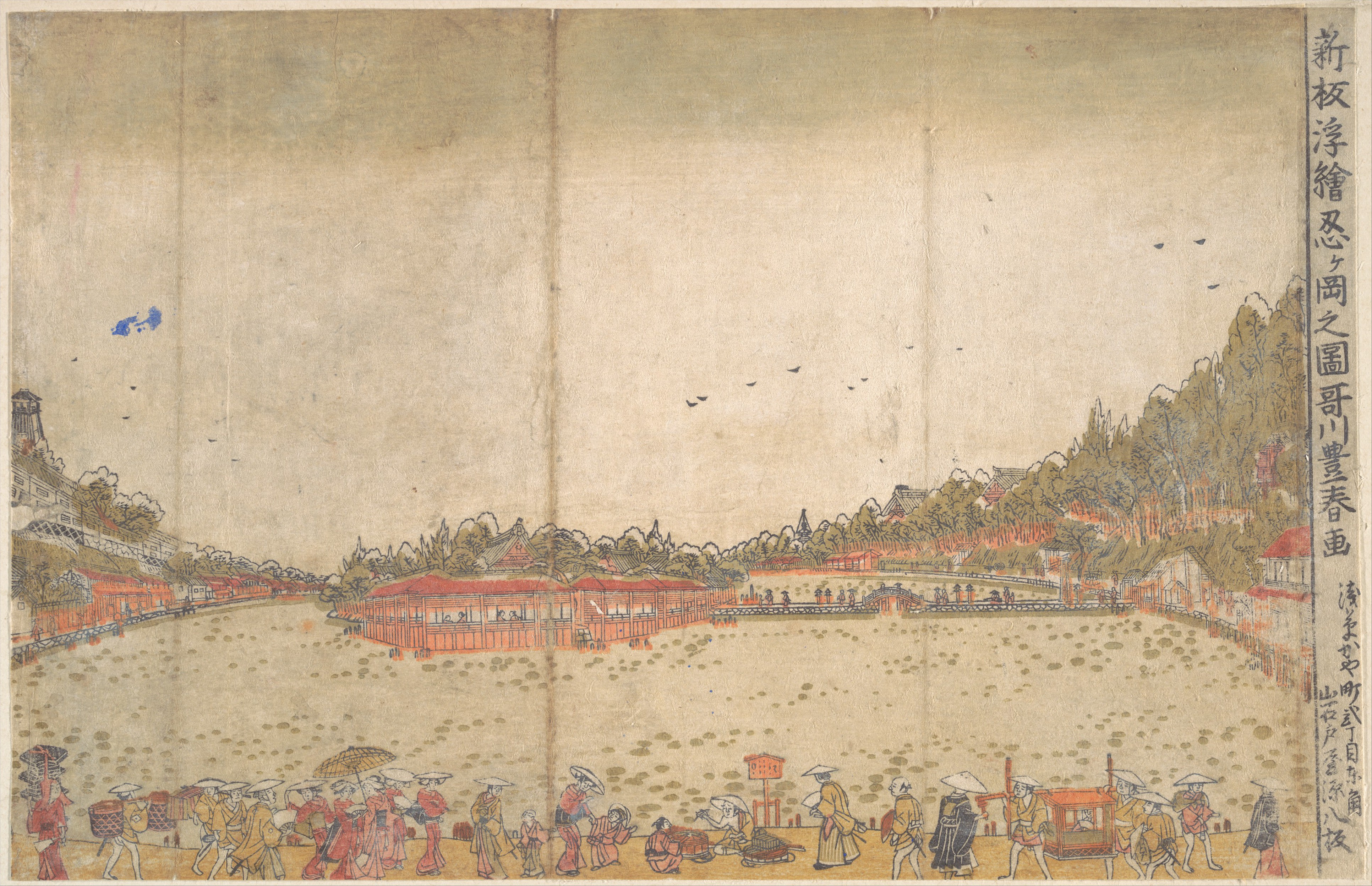
Utagawa Toyoharu
歌川豊春
1735–1814
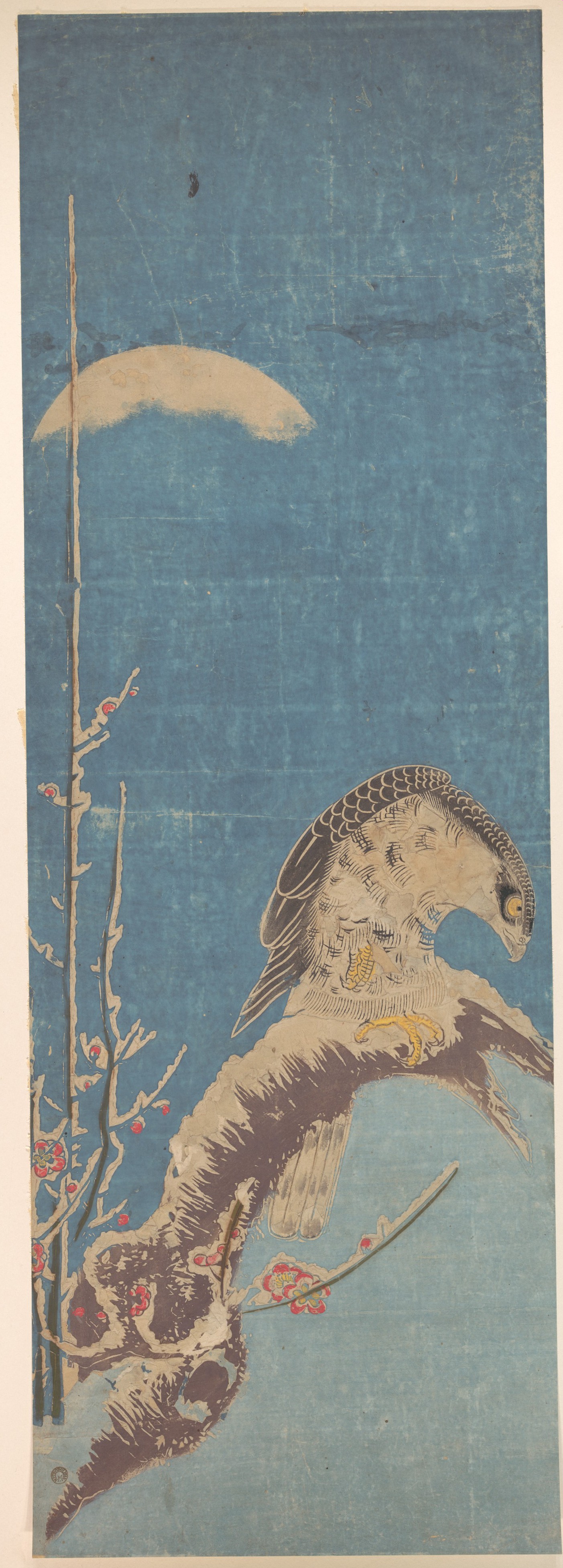
Isoda Koryūsai
礒田湖龍斎
1735–1790

Torii Kiyomitsu
鳥居清満
1735–1785
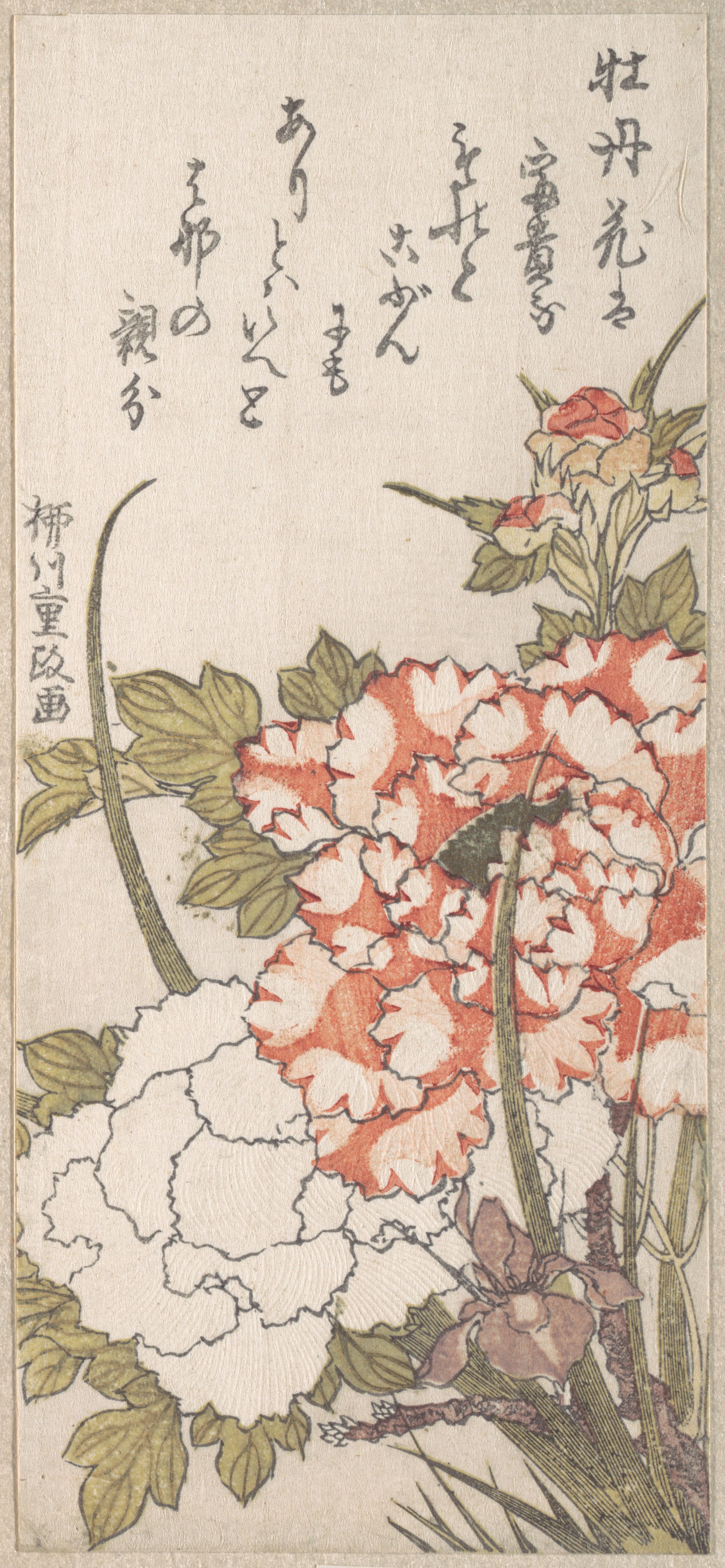
Kitao Shigemasa
北尾重政
1739–1820
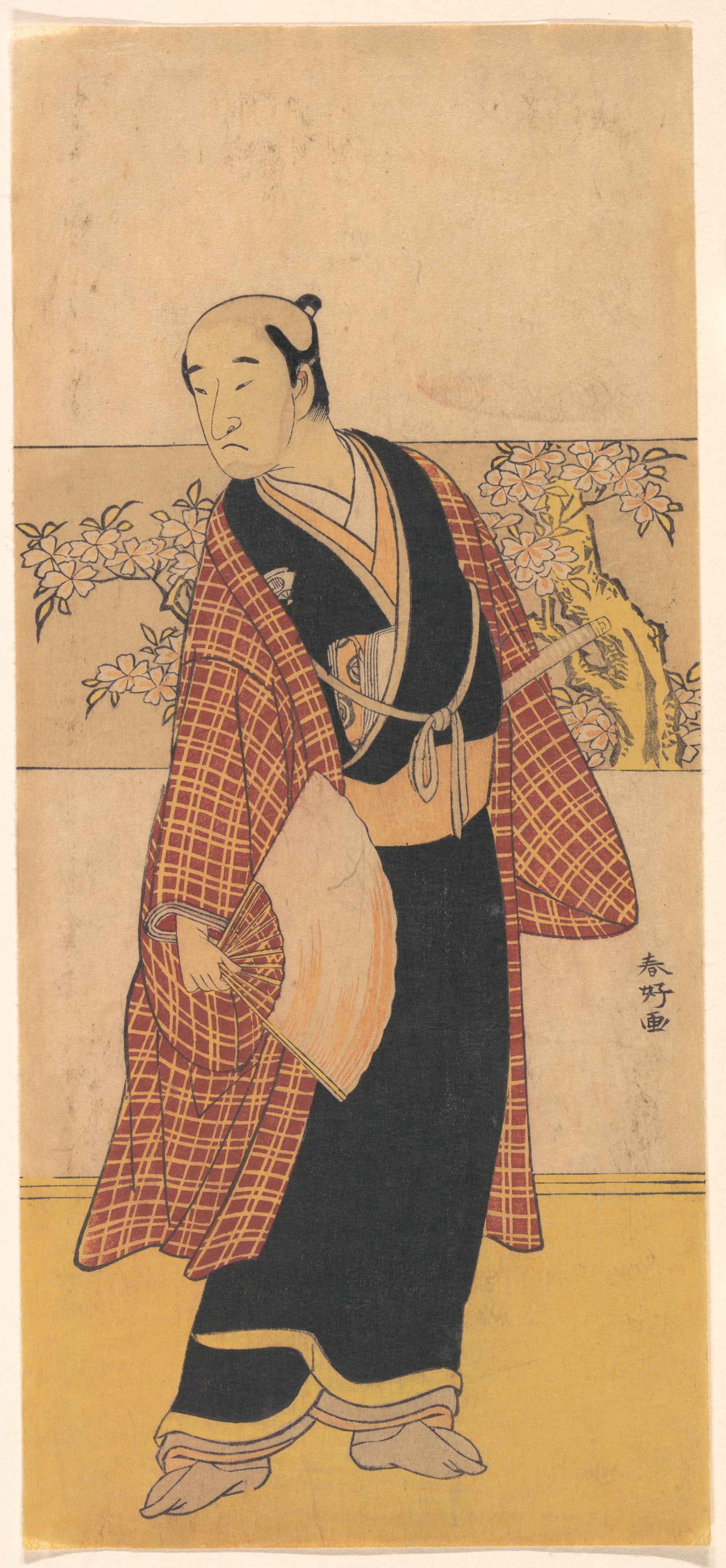
Katsukawa Shunkō
勝川春好
1743–1812

Suzuki Harushige (Shiba Kōkan)
鈴木春重
1747–1818
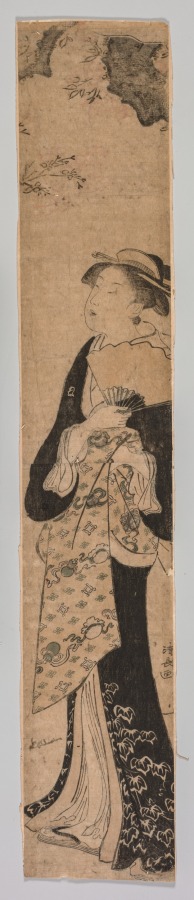
Torii Kiyonaga
鳥居清長
1752–1815
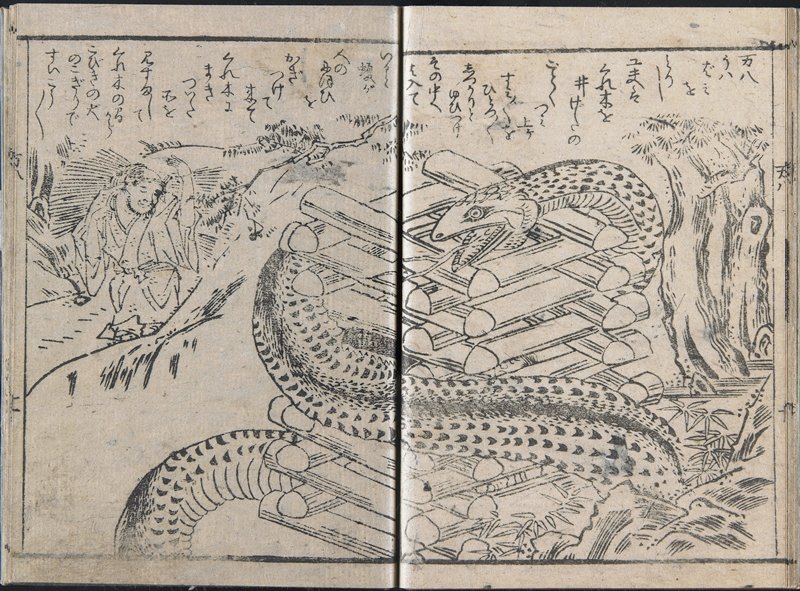
Kitagawa Utamaro
喜多川歌麿
1753–1806

Chōbunsai Eishi
鳥文斎栄之
1756–1829
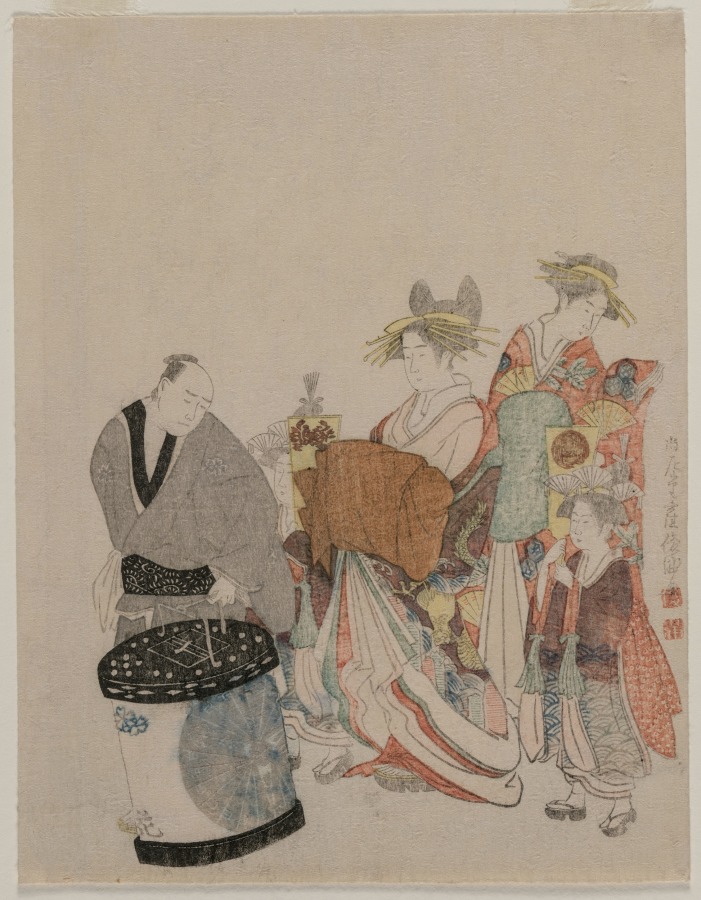
Kubo Shunman
窪俊満
1757–1820

Yamaguchi Soken
山口素絢
1759–1818
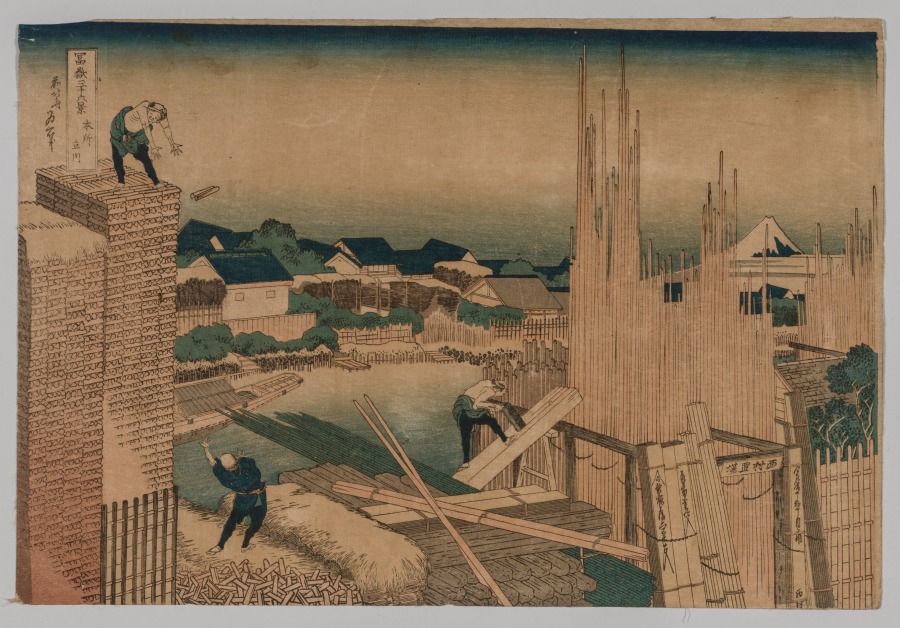
Katsushika Hokusai
葛飾北斎
1760–1849

Kitao Masanobu
北尾政演
1761–1816
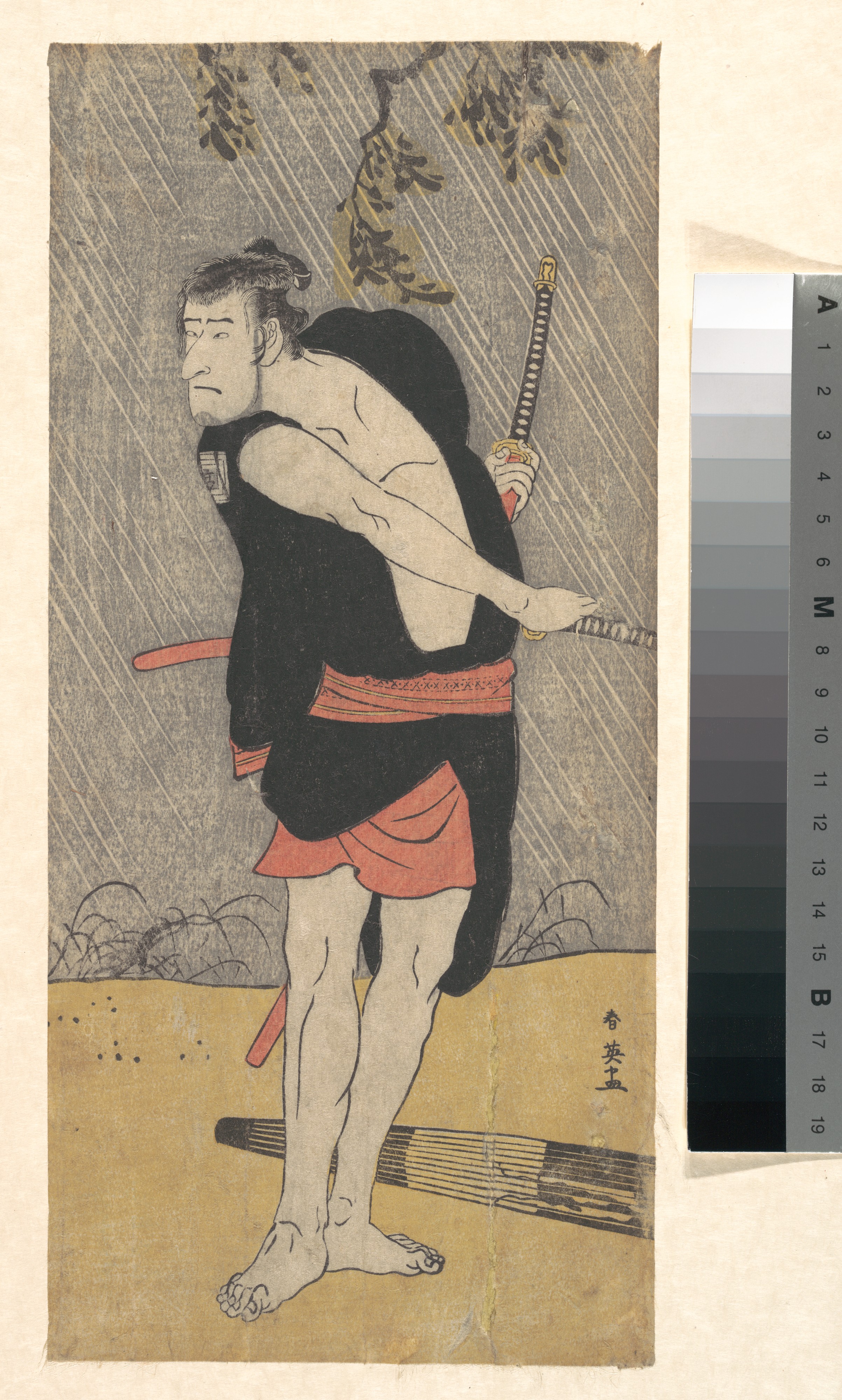
Katsukawa Shun'ei
勝川春英
1762–1819
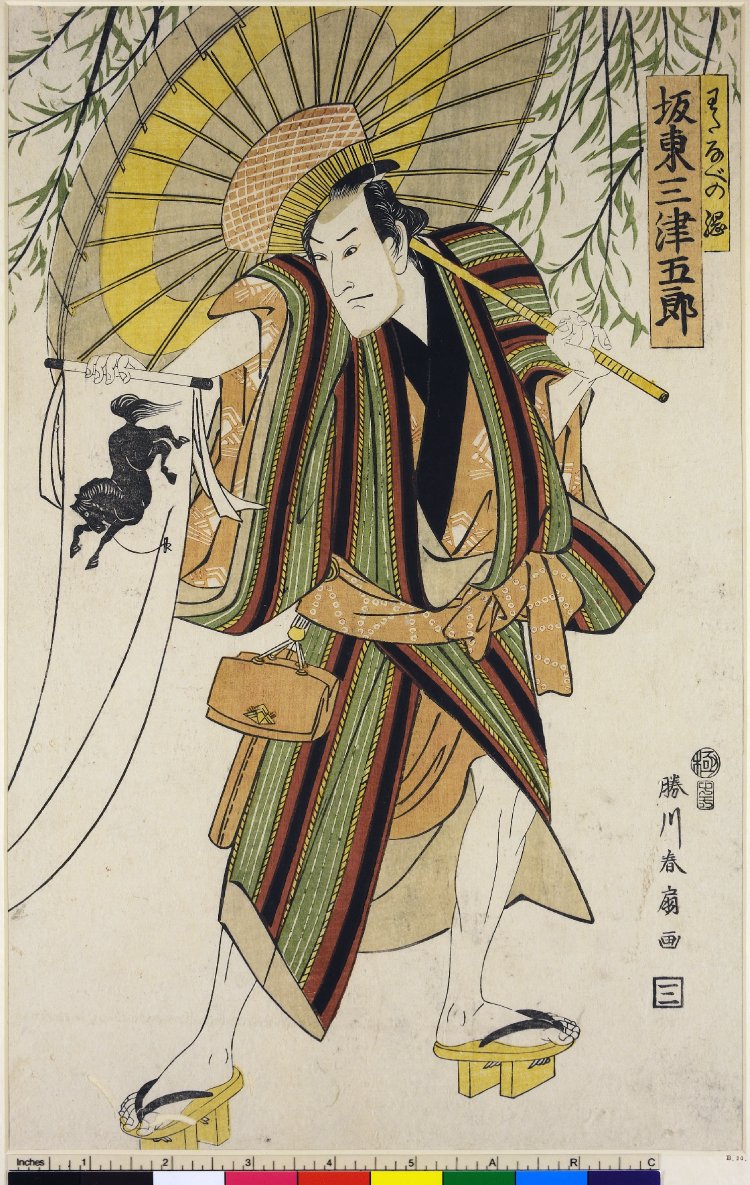
Katsukawa Shunsen
勝川春扇
1762–1830

Utagawa Toyohiro
歌川豊広
1763–1828

Kitao Masayoshi
北尾政美
1764–1824

Utagawa Toyokuni I
歌川豊国
1769–1825

Katsukawa Shuntei
勝川春亭
1770–1820

Teisai Hokuba
蹄斎北馬
1771–1844

Utagawa Kunimasa
歌川国政
1773–1810

Utagawa Toyokuni II
二代目歌川豊国
1777–1835

Totoya Hokkei
魚屋北渓
1780–1850
Utagawa Kunisada
歌川国貞
1786–1865
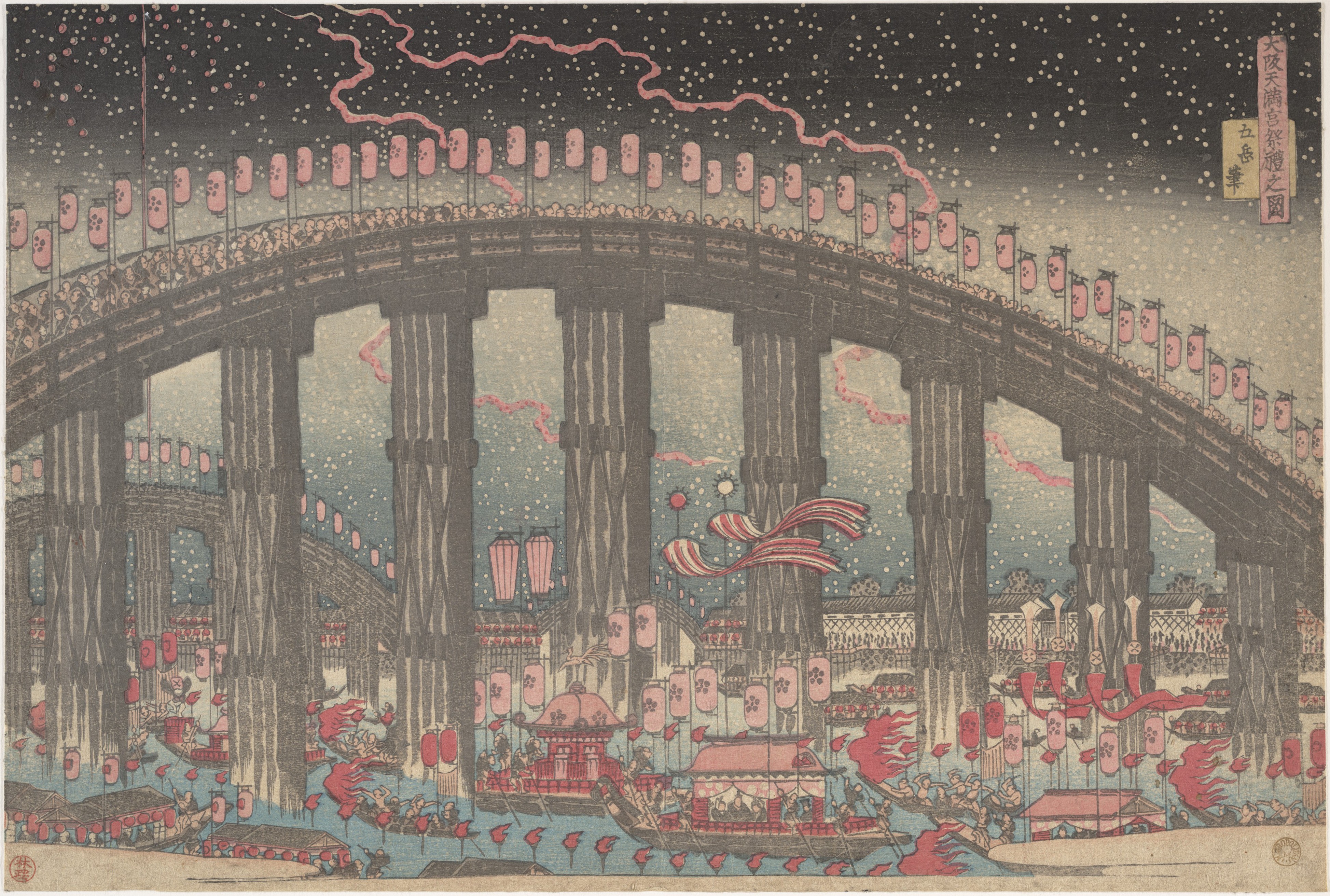
Yashima Gakutei
八島岳亭
1786–1868
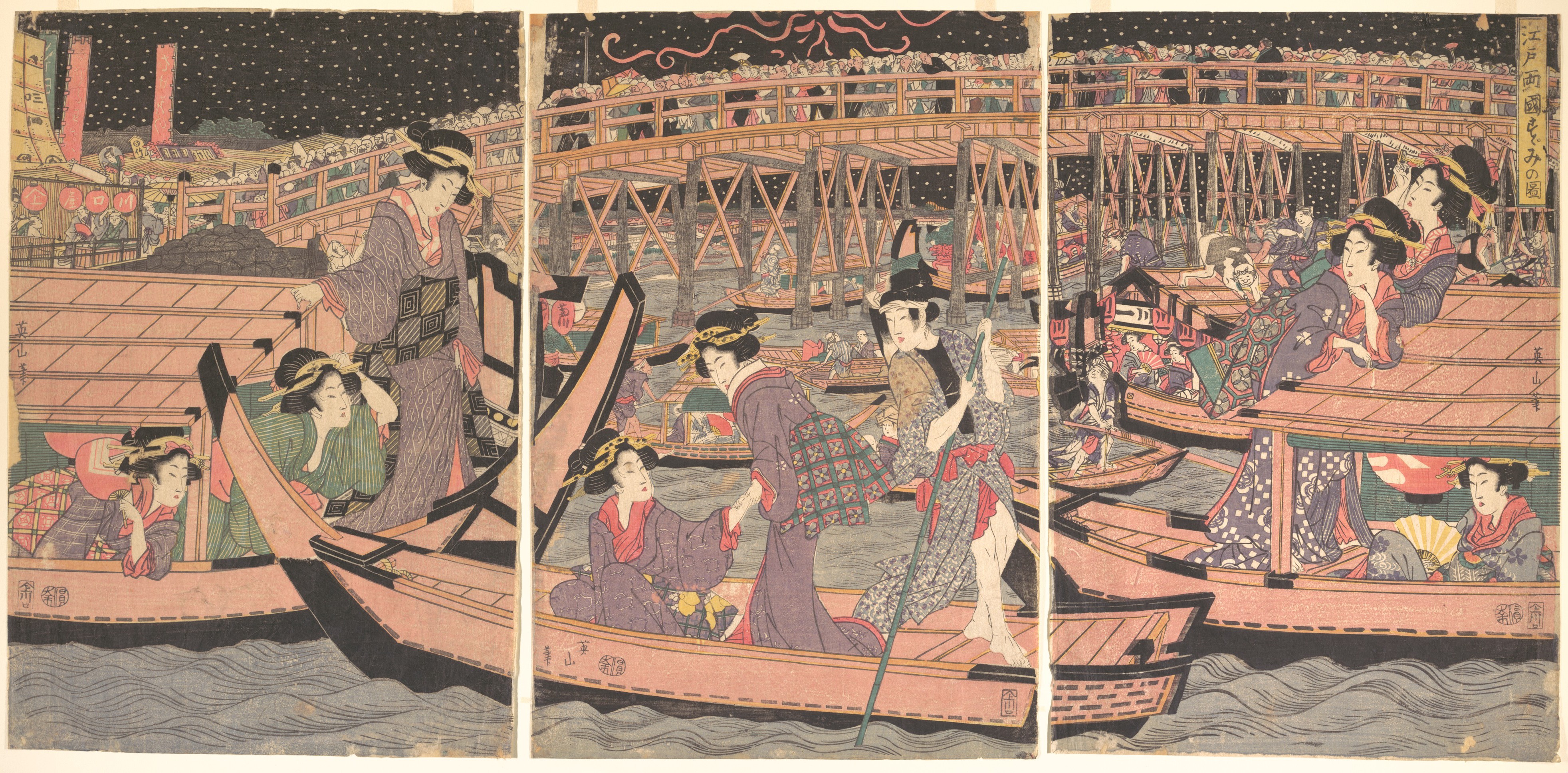
Kikukawa Eizan
菊川英山
1787–1867
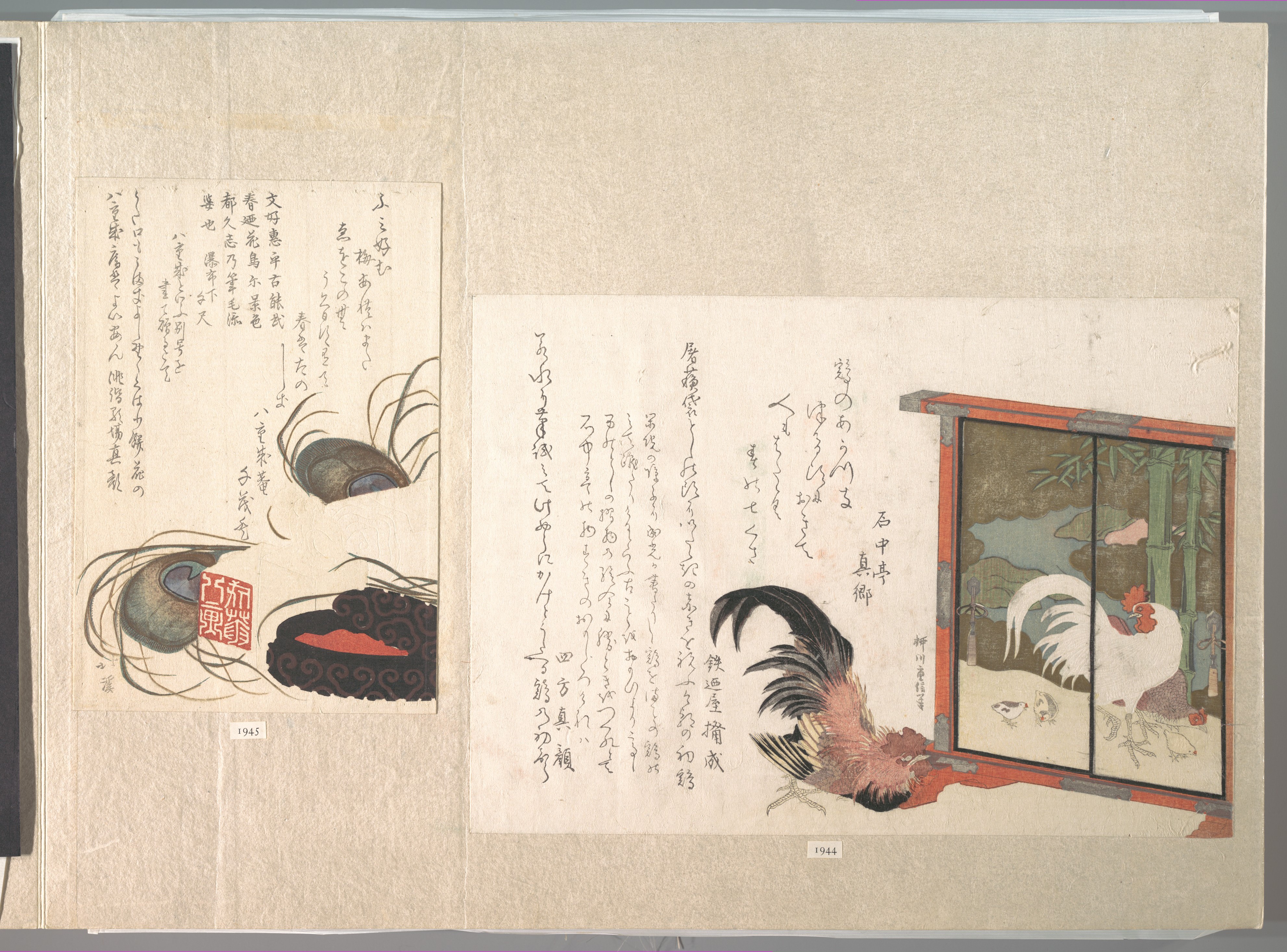
Yanagawa Shigenobu
柳川重信
1787–1832

Torii Kiyomine
鳥居清峰
1787–1868
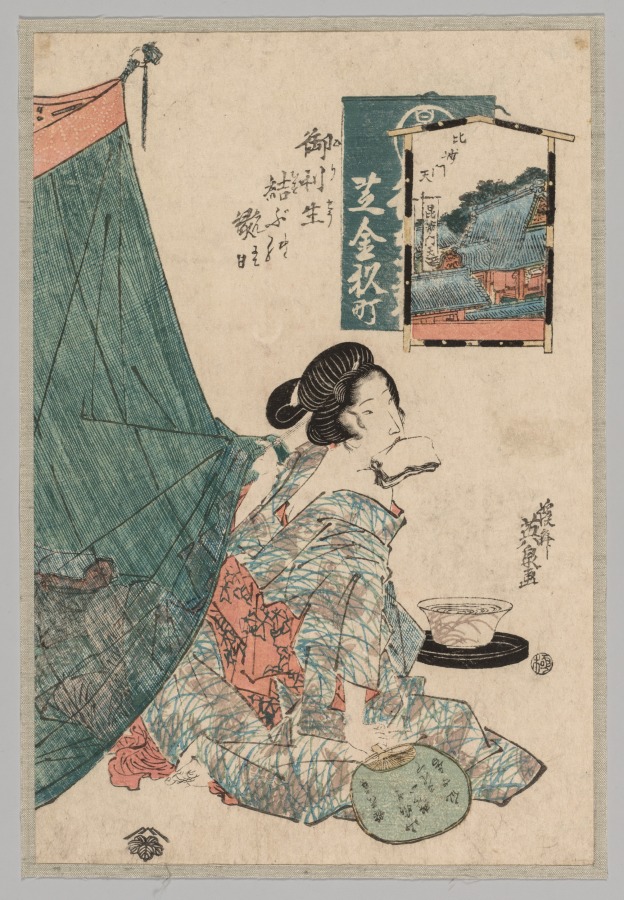
Keisai Eisen
渓斎英泉
1790–1848
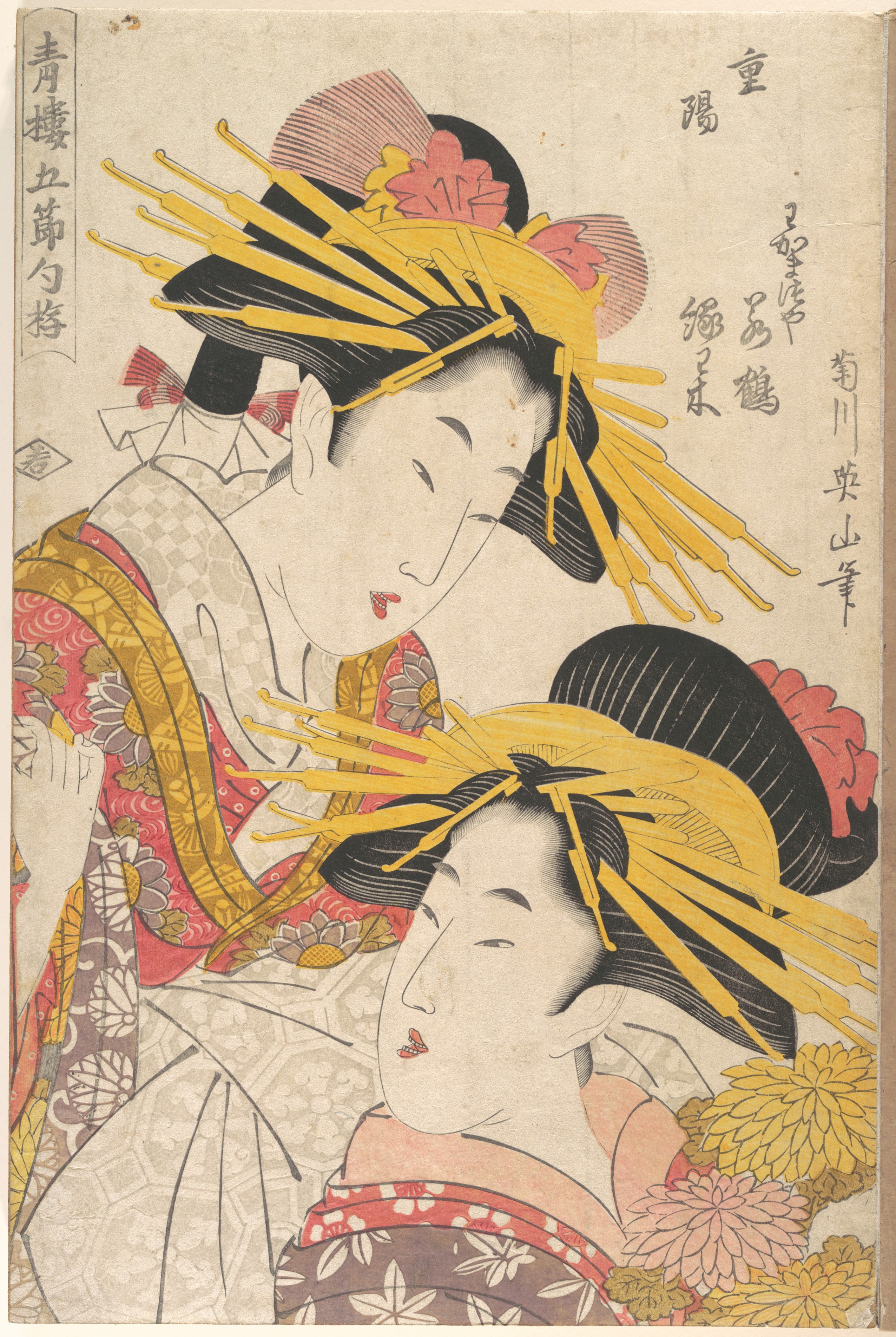
Utagawa Kunimaru
歌川国丸
1793–1829

Utagawa Kuniyasu
歌川国安
1794–1832
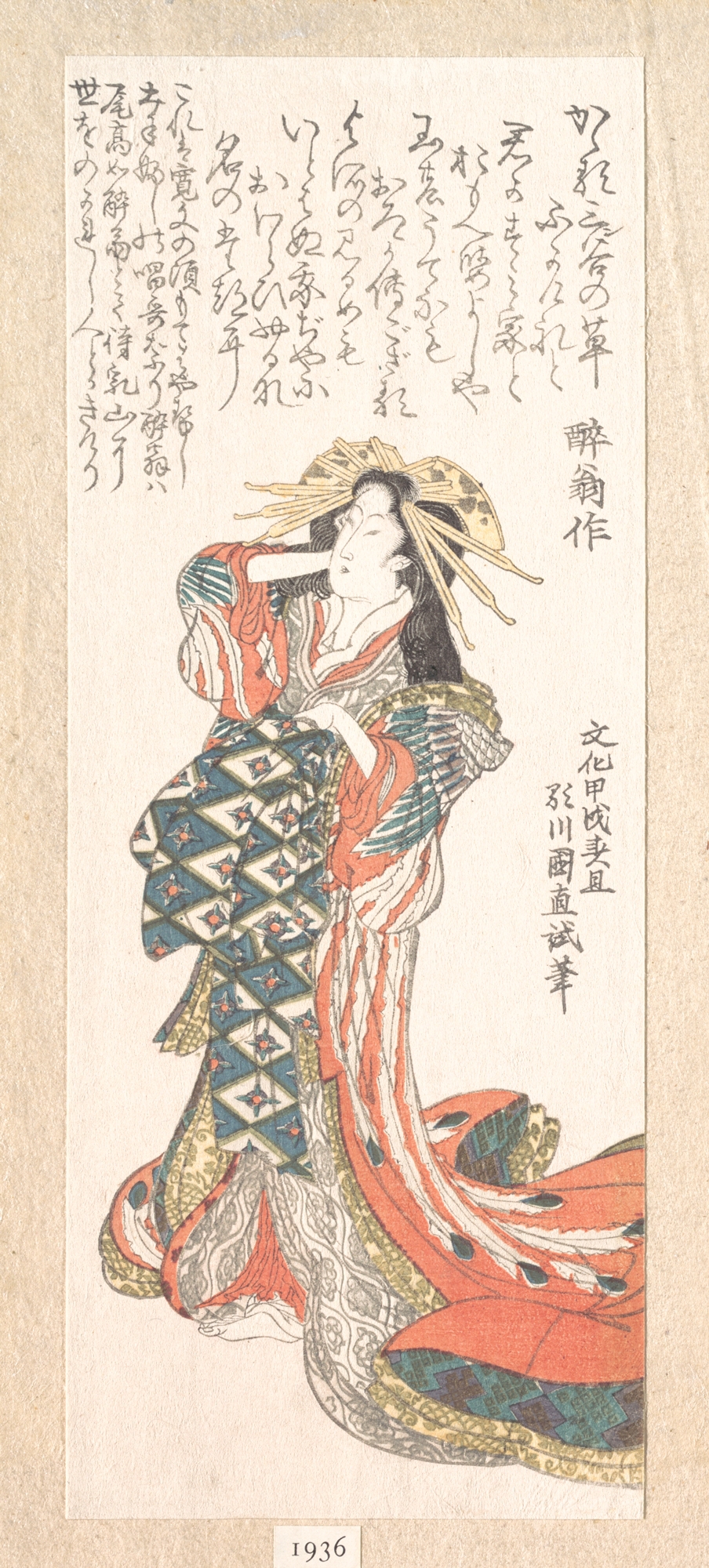
Utagawa Kuninao
歌川国直
1795–1854

Utagawa Hiroshige
歌川広重
1797–1858

Utagawa Kuniyoshi
歌川国芳
1798–1861

Katsushika Ōi
葛飾応為
1800–1866
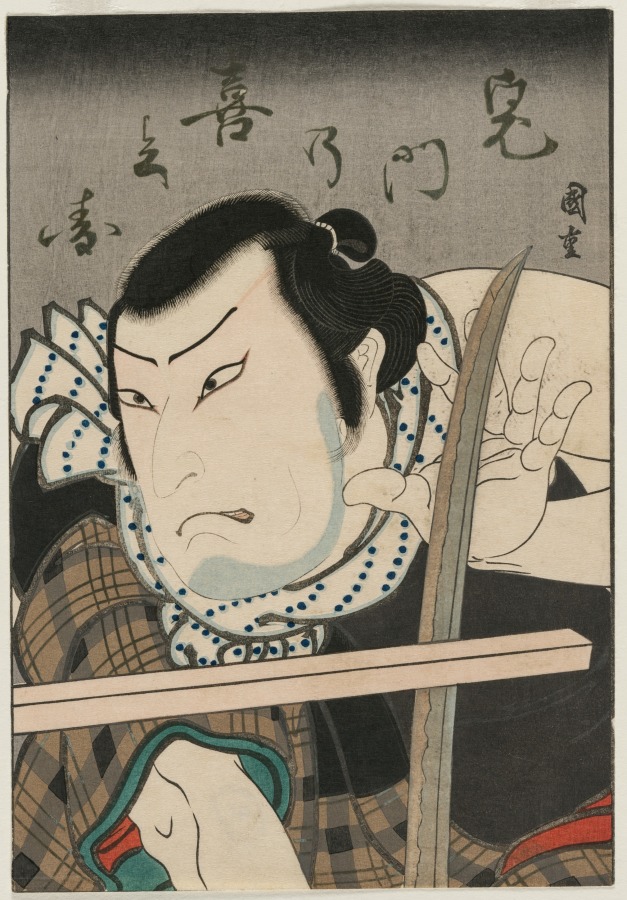
Ryūsai Shigeharu
柳斎重春
1803–1853
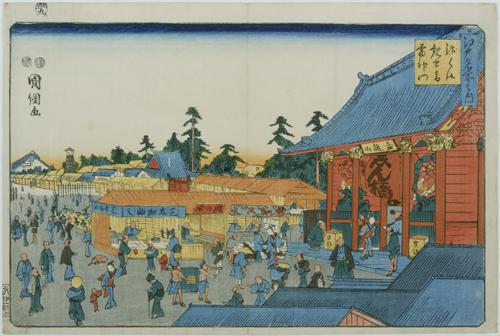
Utagawa Kunitsuna
歌川国綱
1805–1868
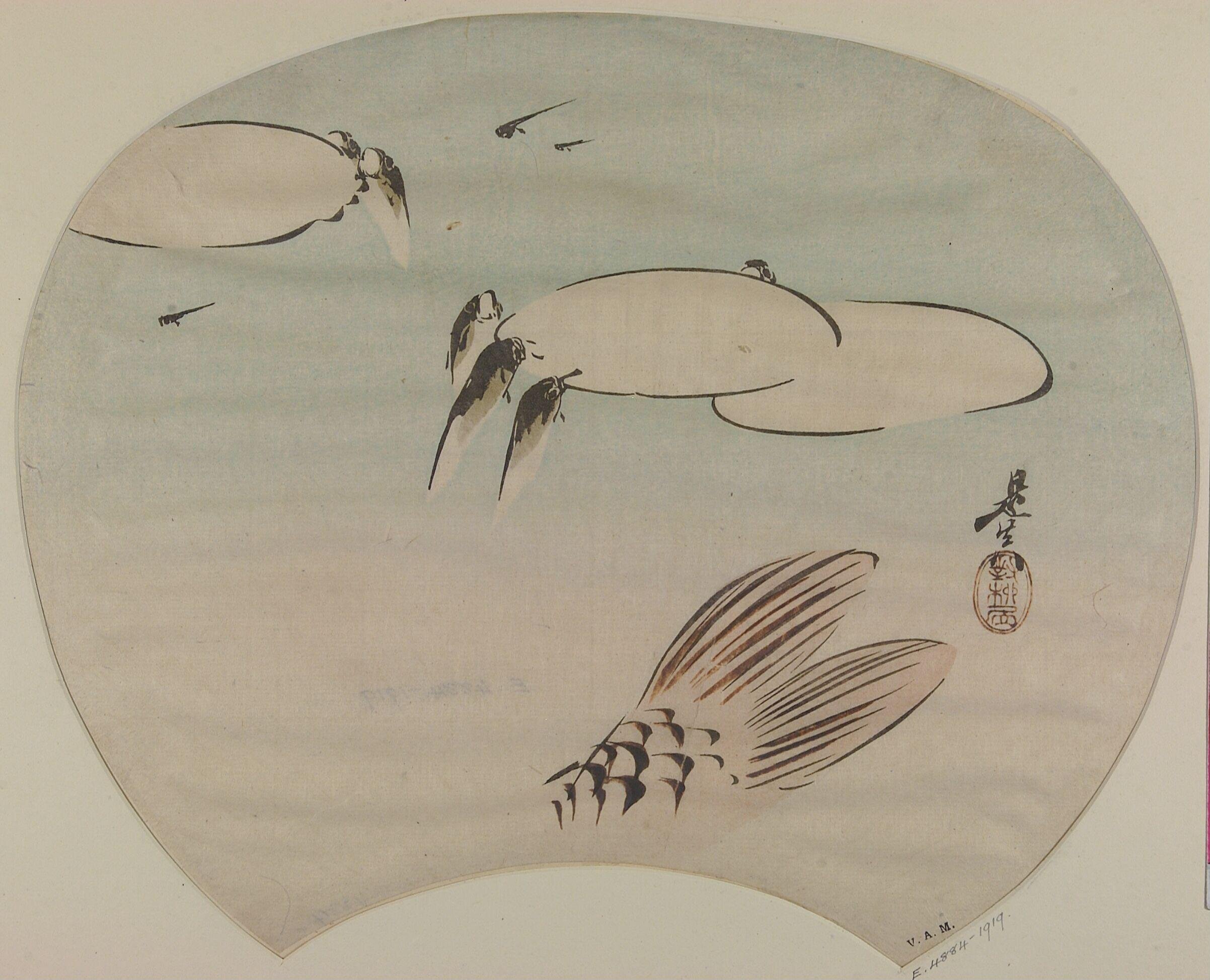
Shibata Zeshin
柴田是真
1807–1891
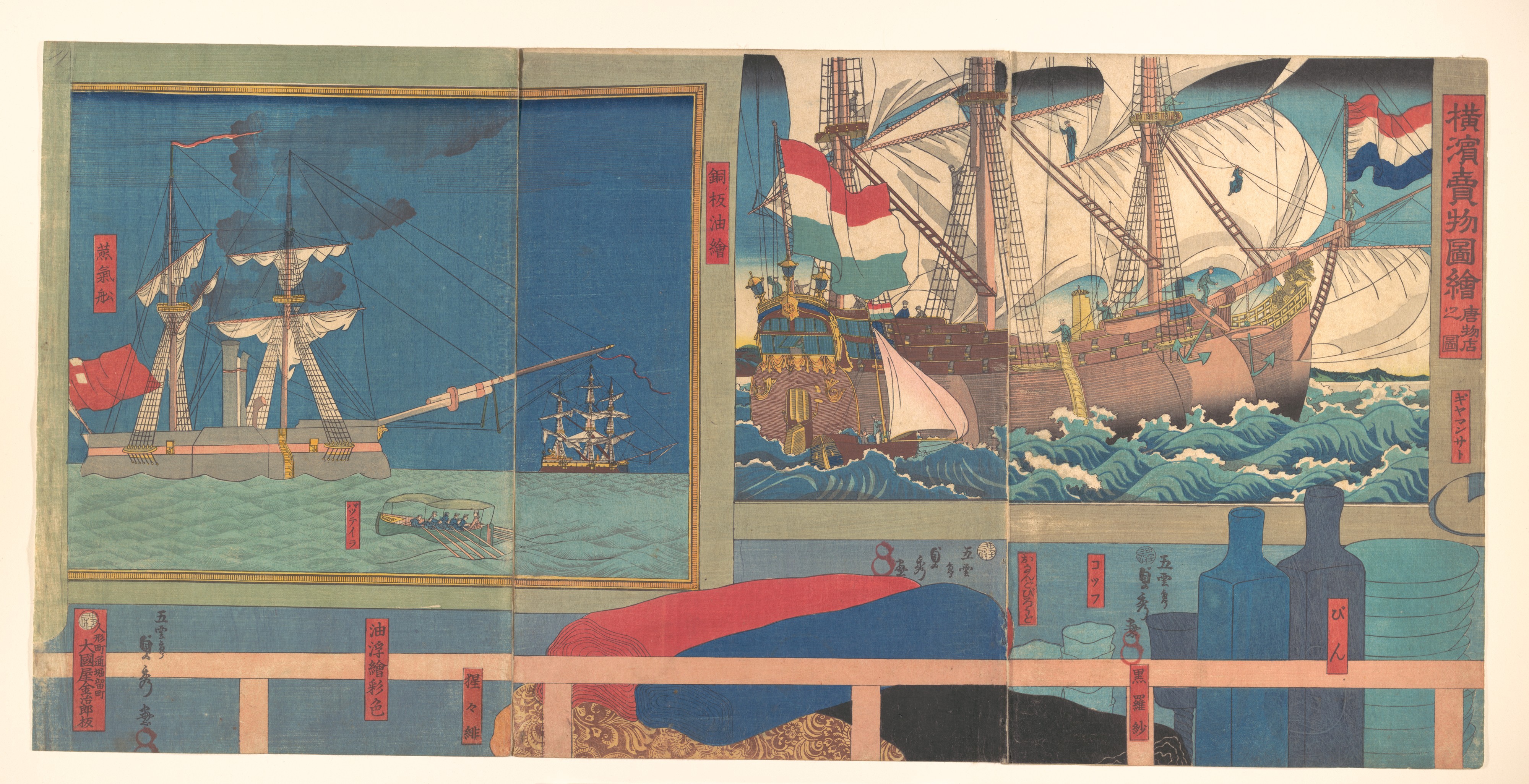
Utagawa Sadahide
歌川貞秀
1807–1873
Utagawa Kuniteru
歌川国輝
1808–1876
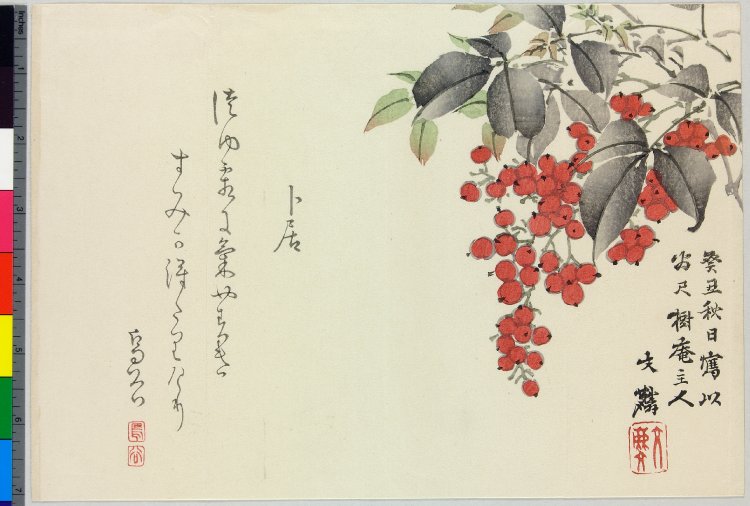
Shiokawa Bunrin
塩川文麟
1808–1877
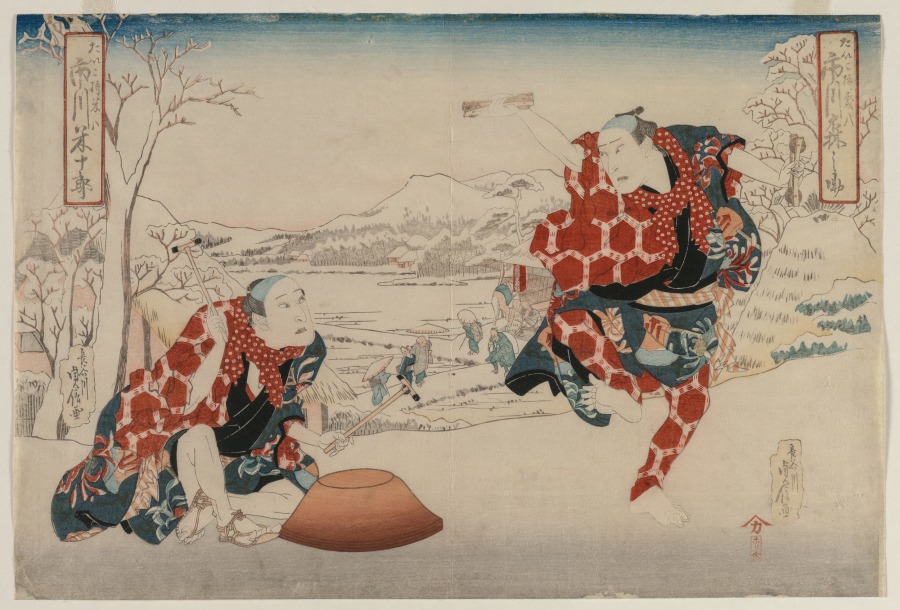
Hasegawa Sadanobu I
長谷川貞信
1809–1879

Utagawa Yoshimune
歌川芳宗
1817–1880
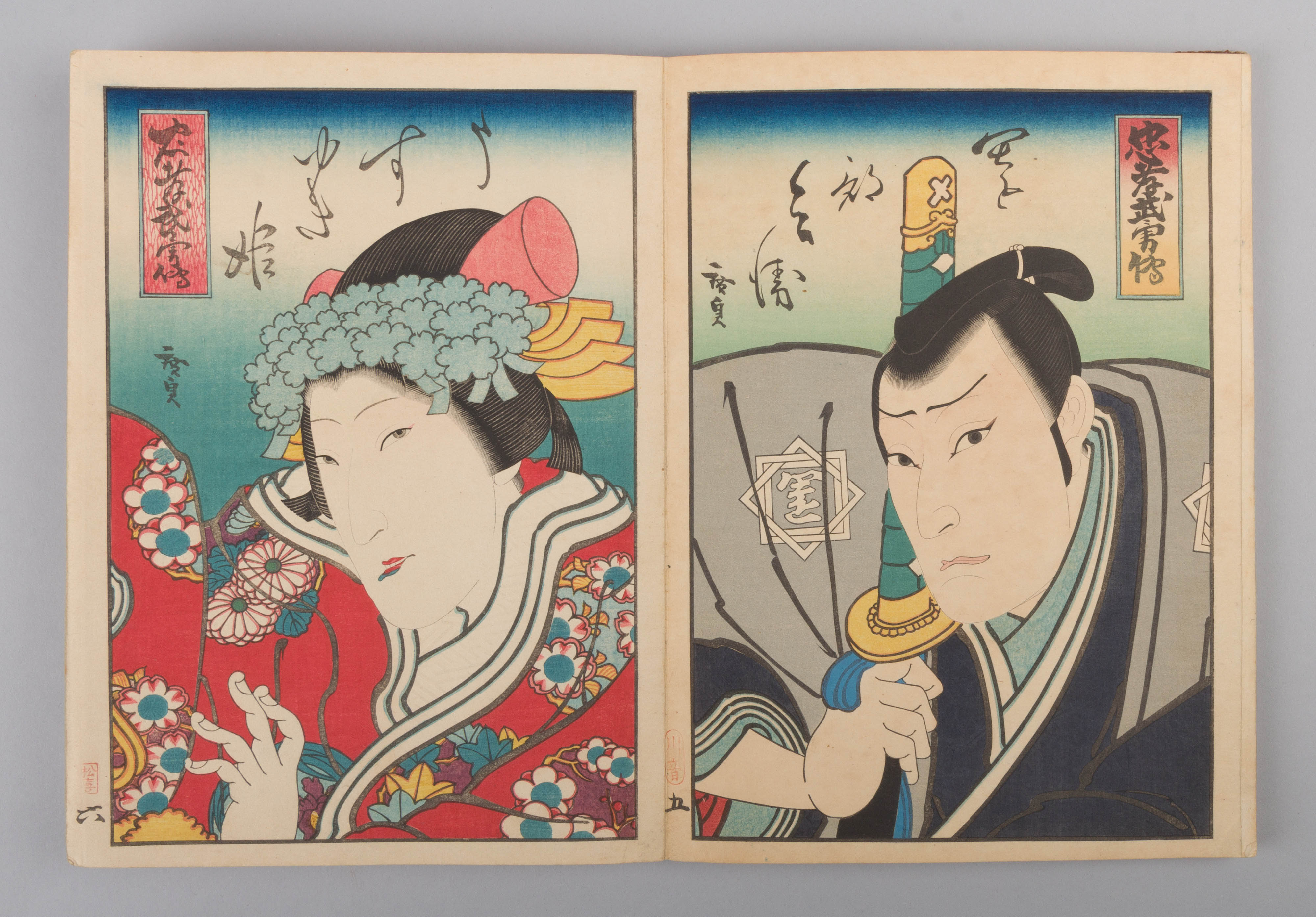
Konishi Hirosada
小西広貞
1819–1865
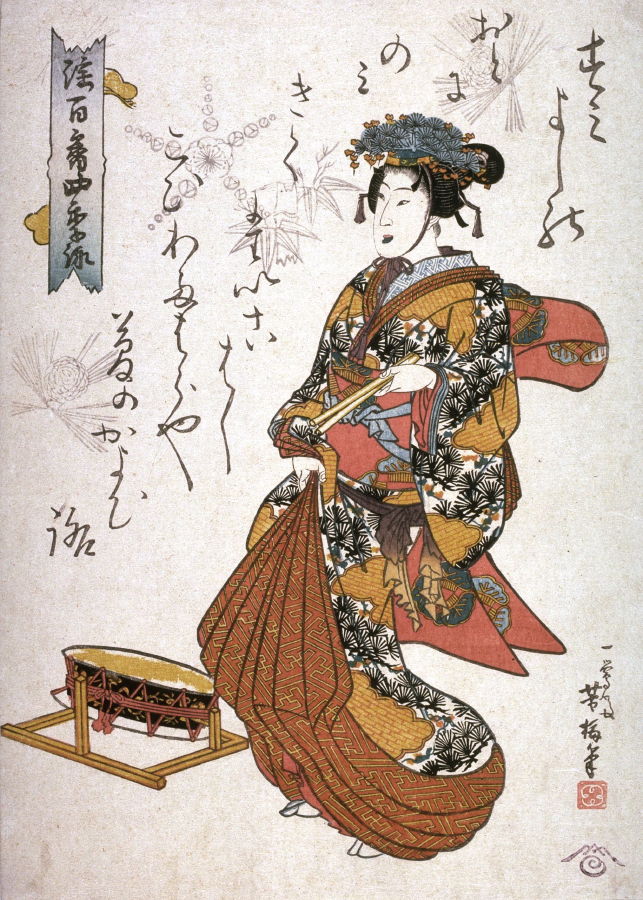
Utagawa Yoshiume
歌川芳梅
1819–1879
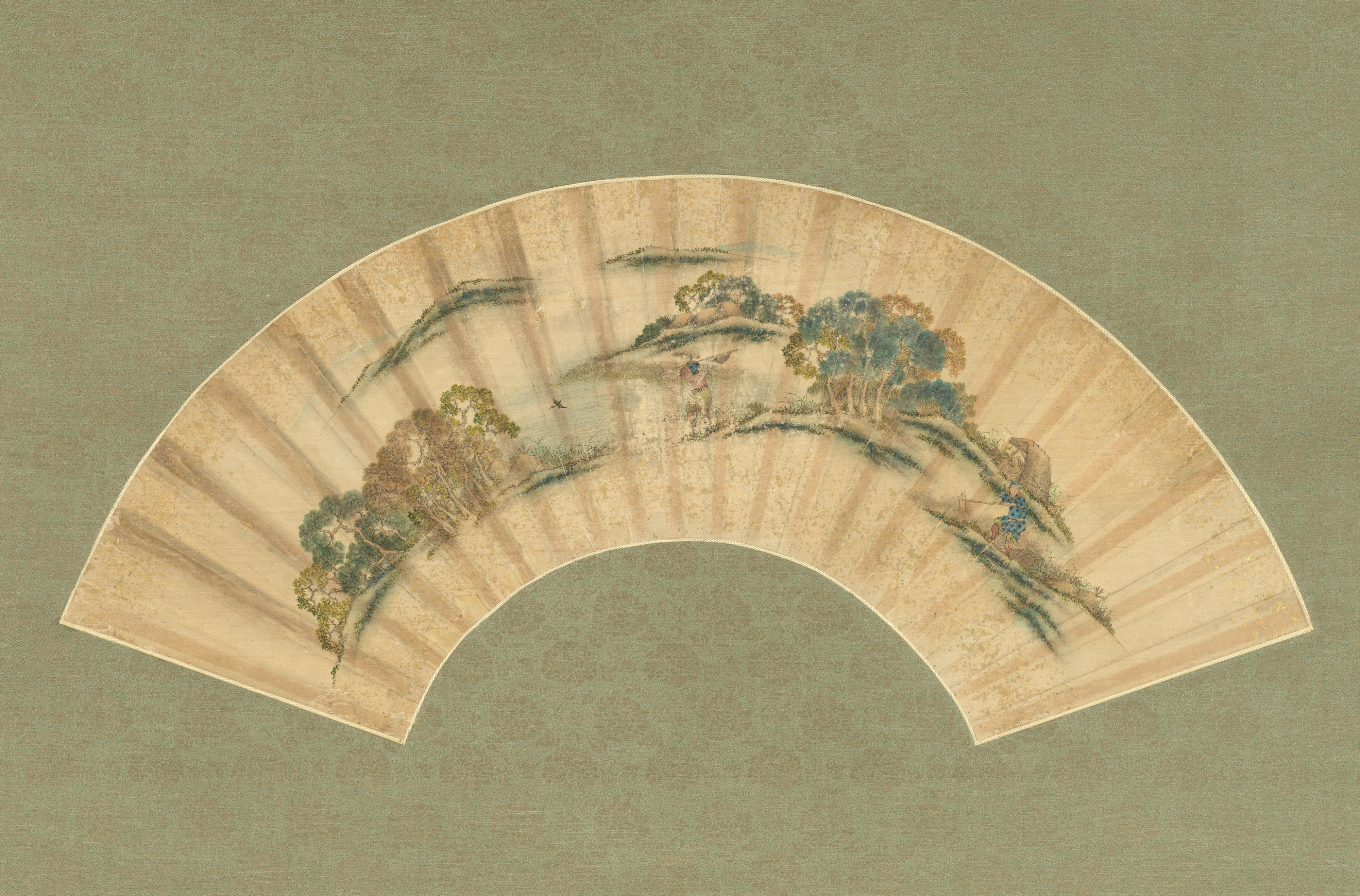
Katsushika Isai
葛飾為斎
1821–1880

Utagawa Yoshitsuya
歌川芳艶
1822–1866

Utagawa Kunisada II
二代目歌川国貞
1823–1880

Utagawa Hiroshige II
二代目歌川広重
1826–1869

Utagawa Yoshifuji
歌川芳藤
1828–1887
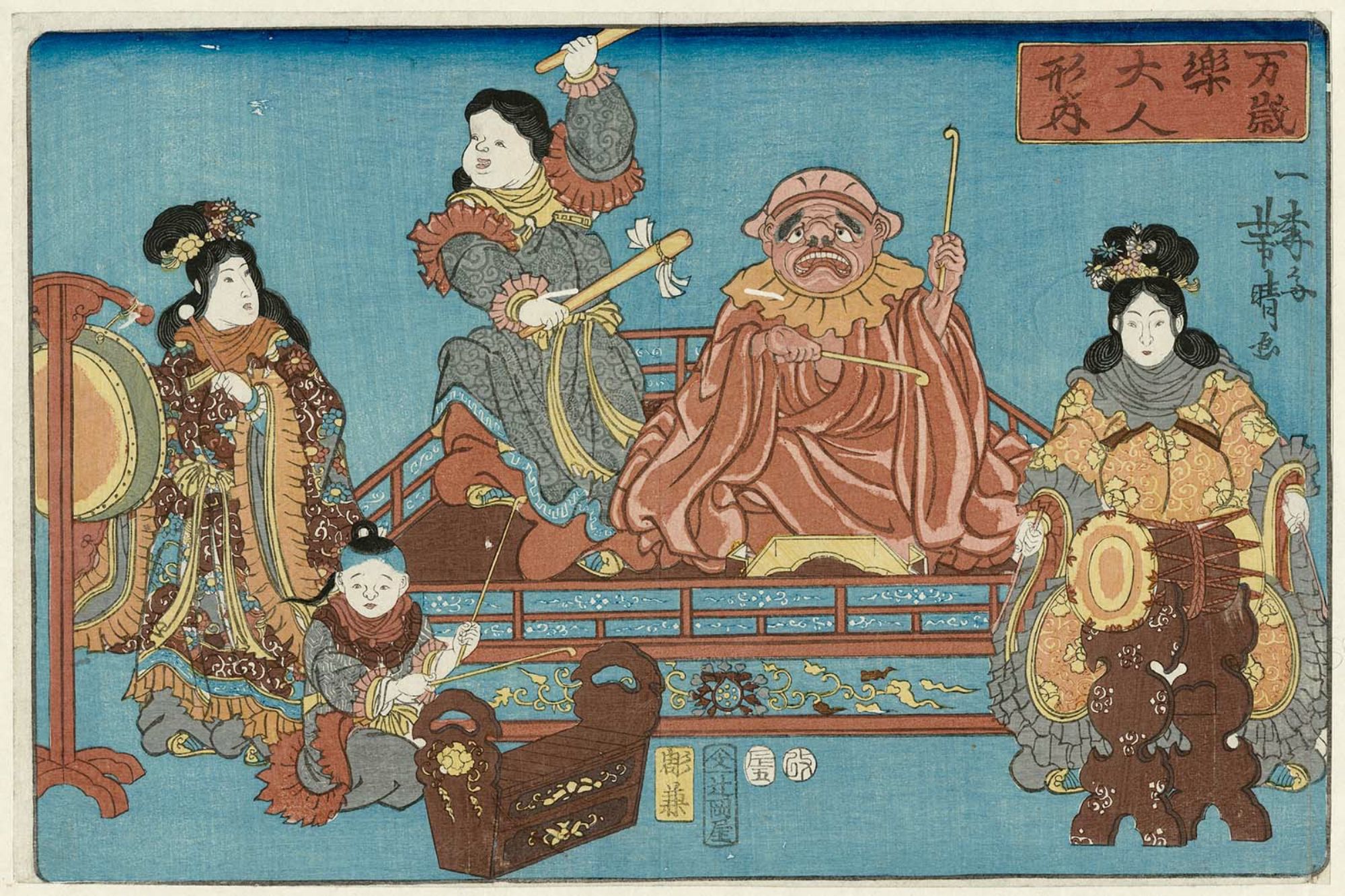
Utagawa Yoshiharu
歌川芳春
1828–1888
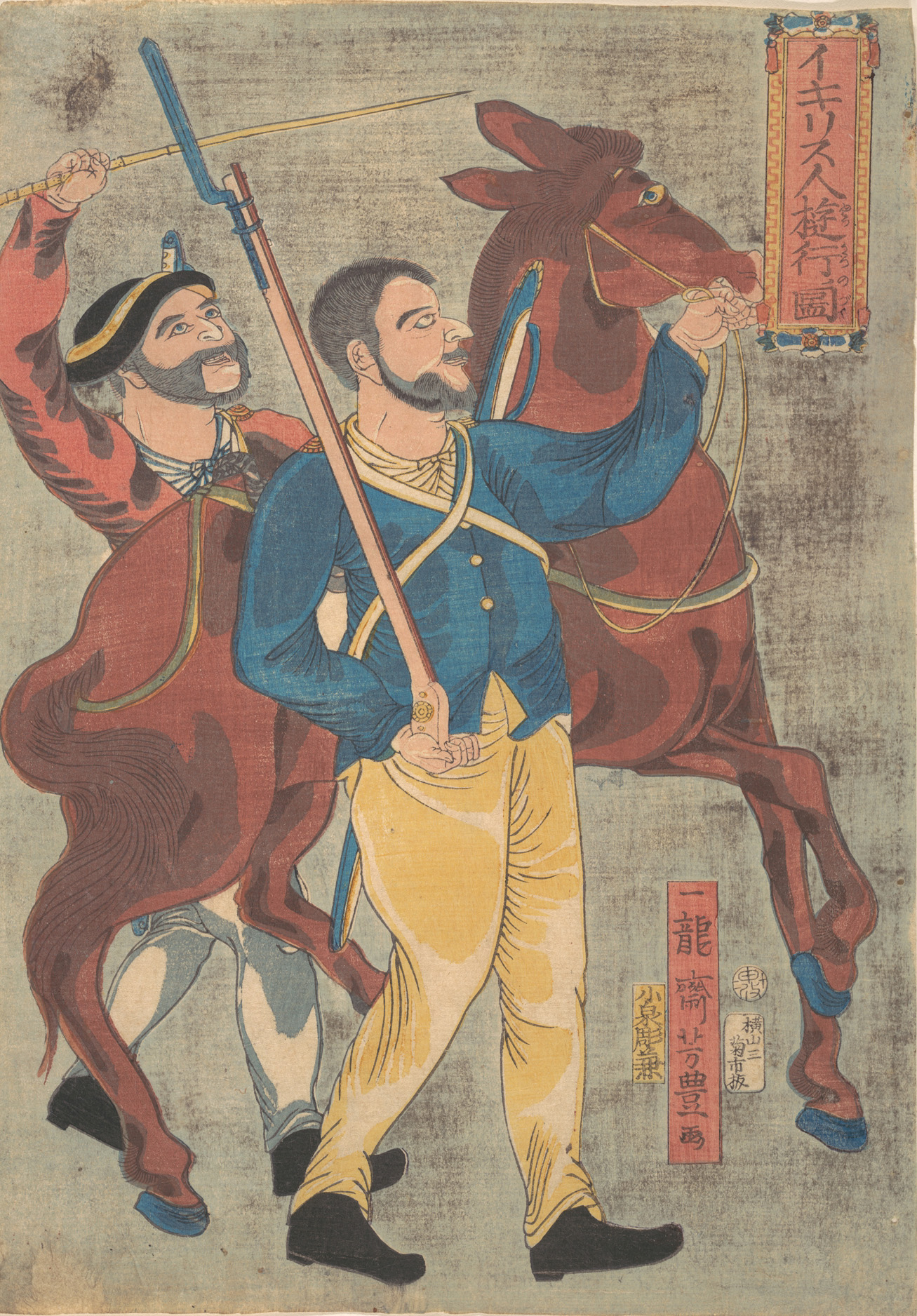
Utagawa Yoshitoyo
歌川芳豊
1830–1866
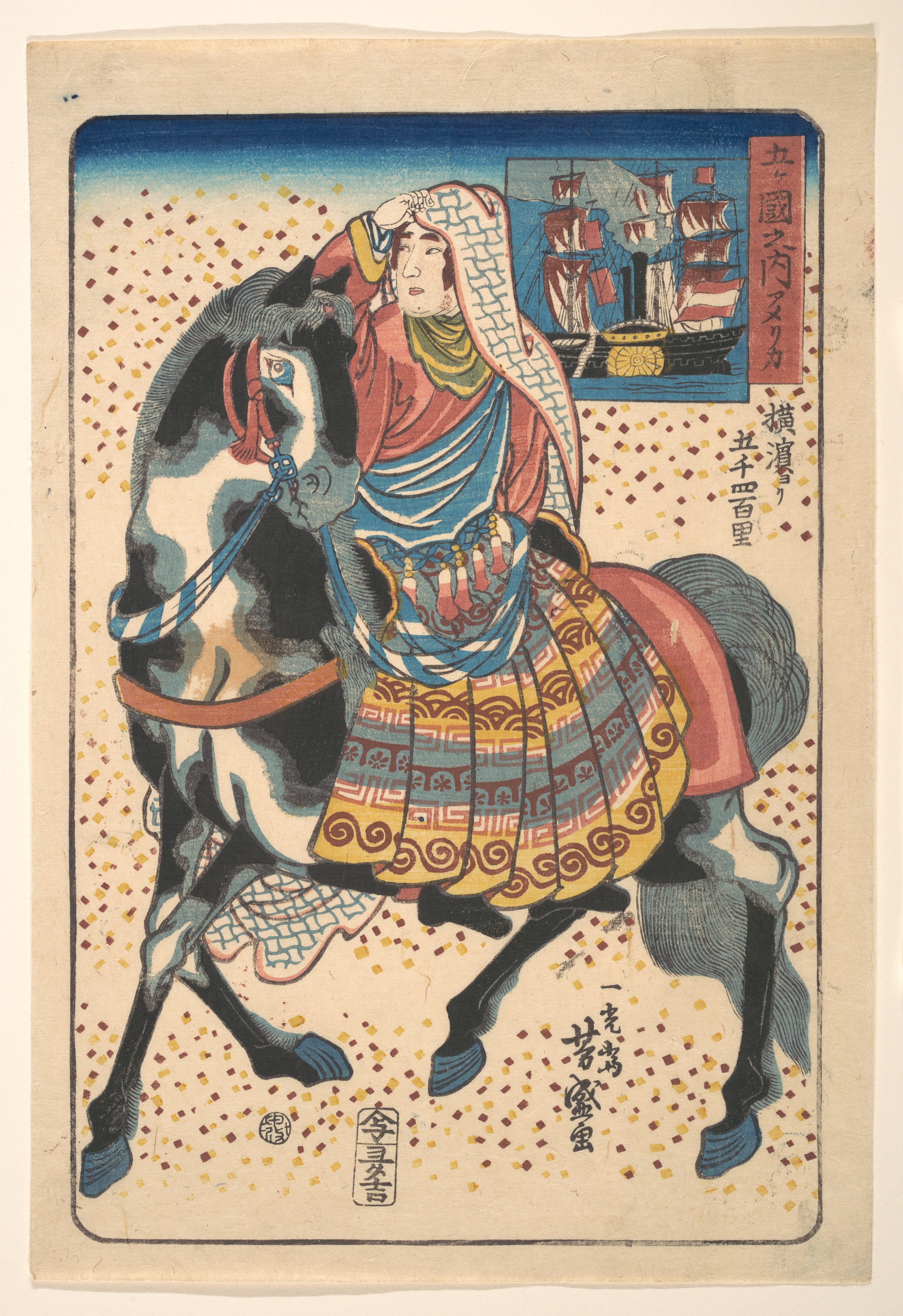
Utagawa Yoshimori
歌川芳盛
1830–1884

Ochiai Yoshiiku
落合芳幾
1833–1904

Toyohara Kunichika
豊原国周
1835–1900
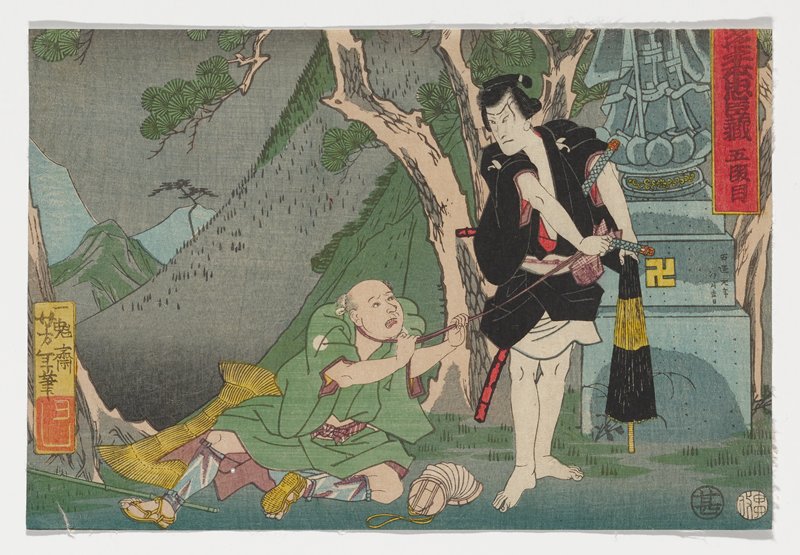
Tsukioka Yoshitoshi
月岡芳年
1839–1892

Utagawa Yoshitaki
歌川芳滝
1841–1899

Utagawa Hiroshige III
三代目歌川広重
1842–1894
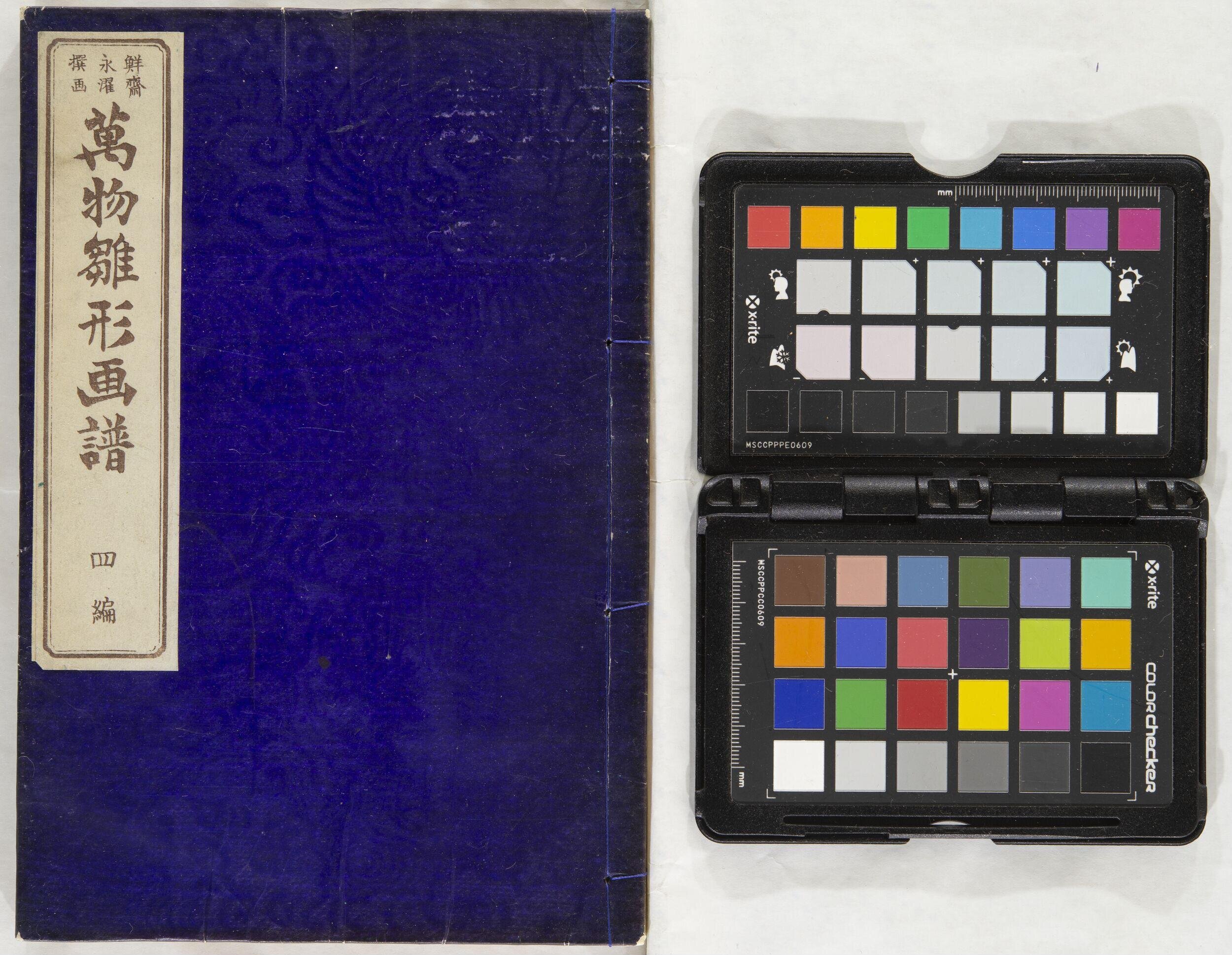
Kobayashi Eitaku
小林永濯
1843–1890
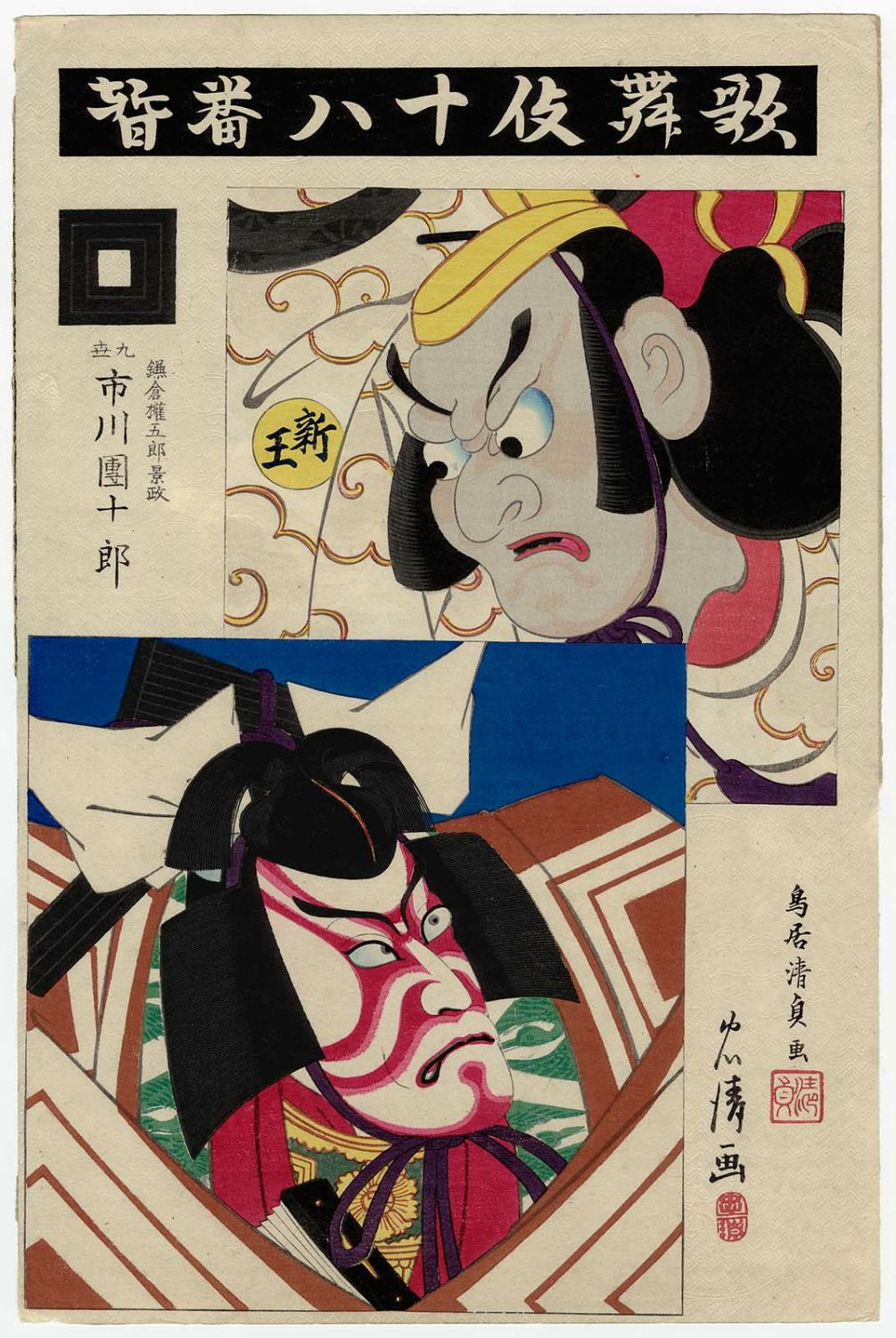
Torii Kiyosada
鳥居清貞
1844–1901

Utagawa Kunitoshi
歌川国利
1847–1899
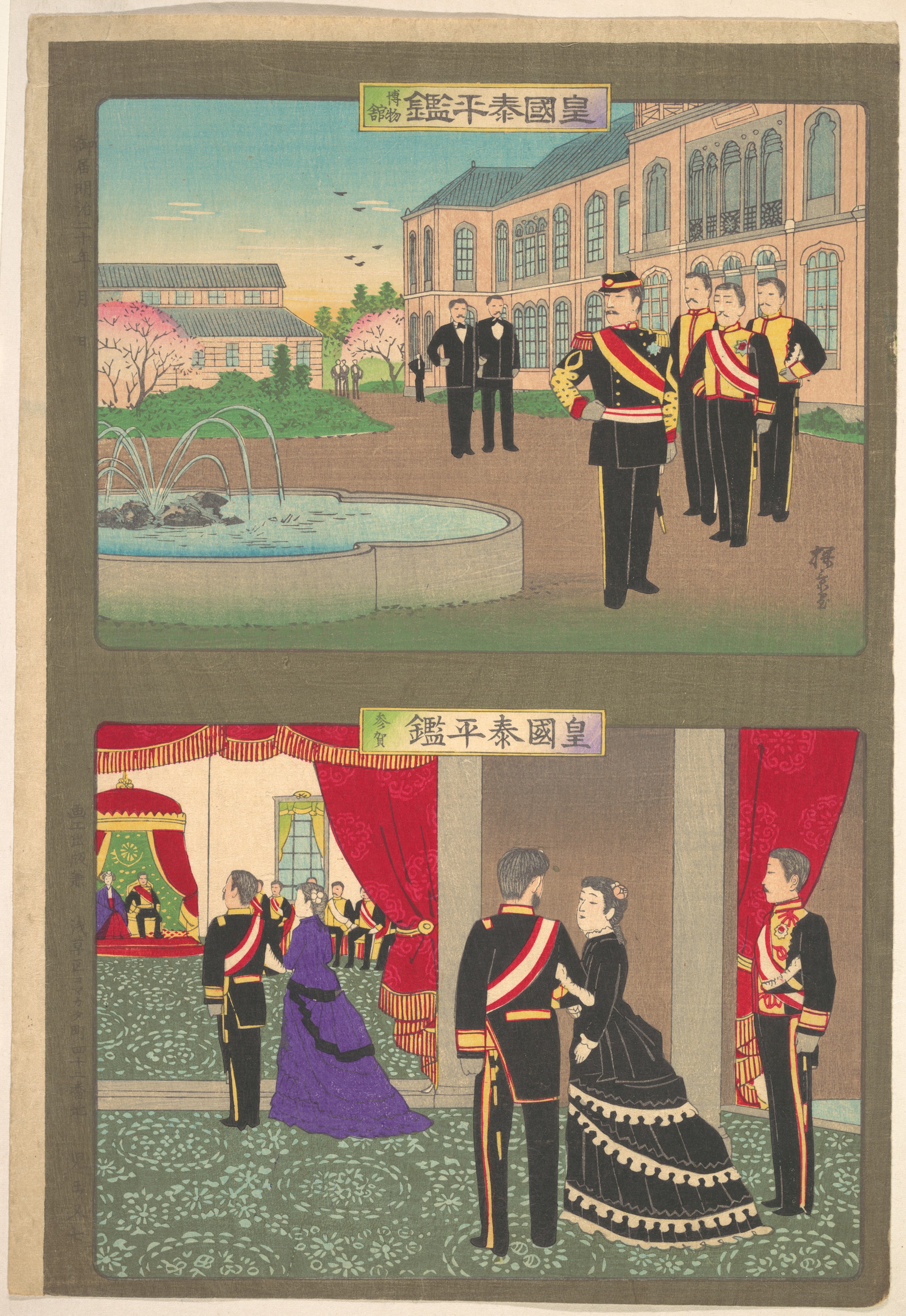
Utagawa Kunisada III
三代目歌川国貞
1848–1920
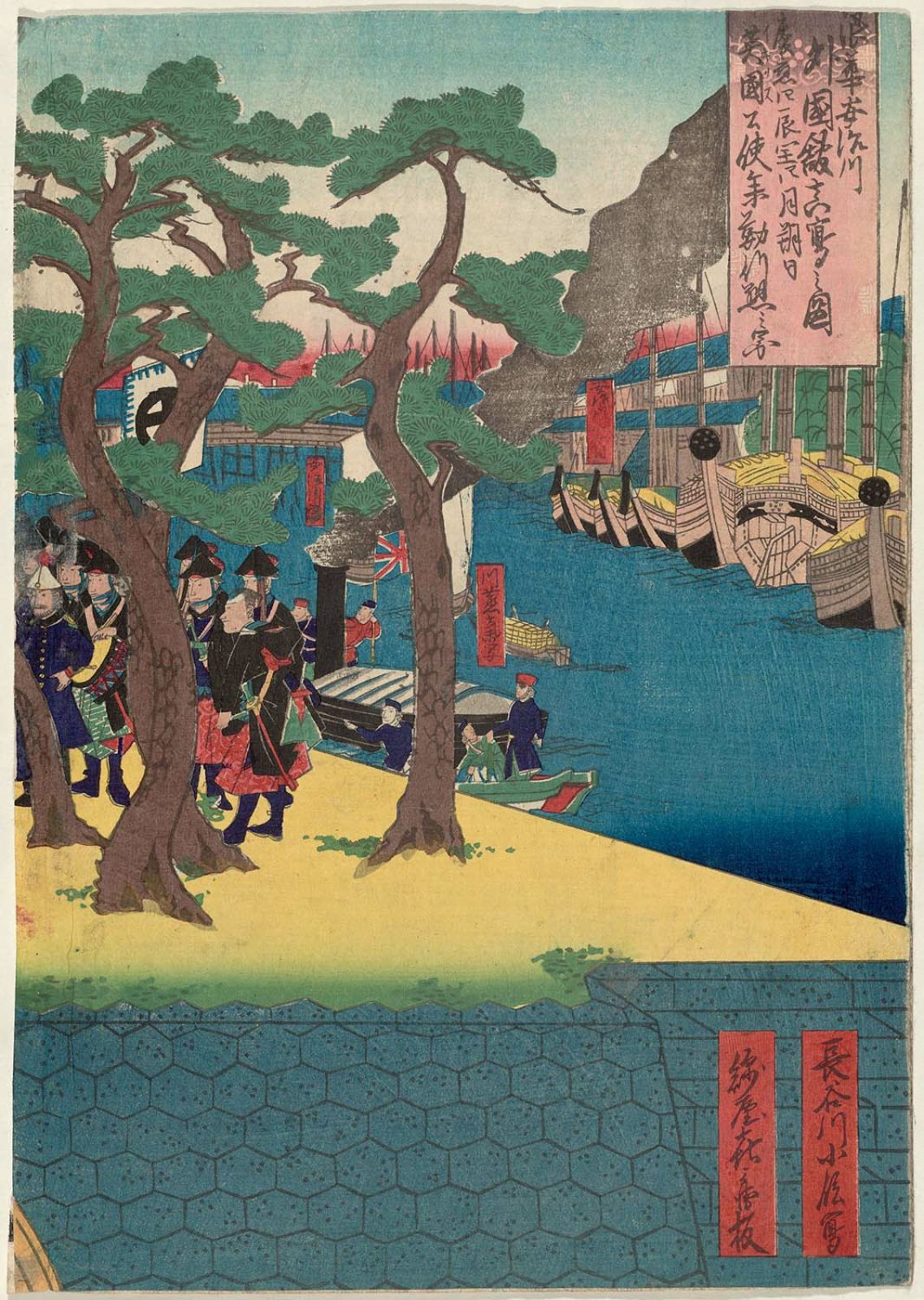
Hasegawa Sadanobu II
二代目長谷川貞信
1848–1940
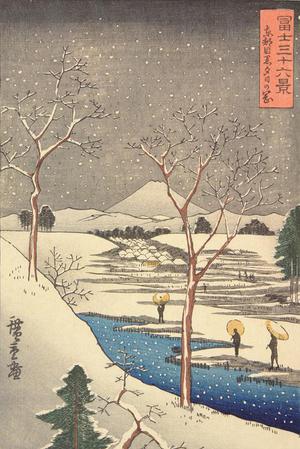
Andō Hiroshige IV
安藤広重四代
1849–1925

Shibata Shinsai
柴田真斎
1858–1895
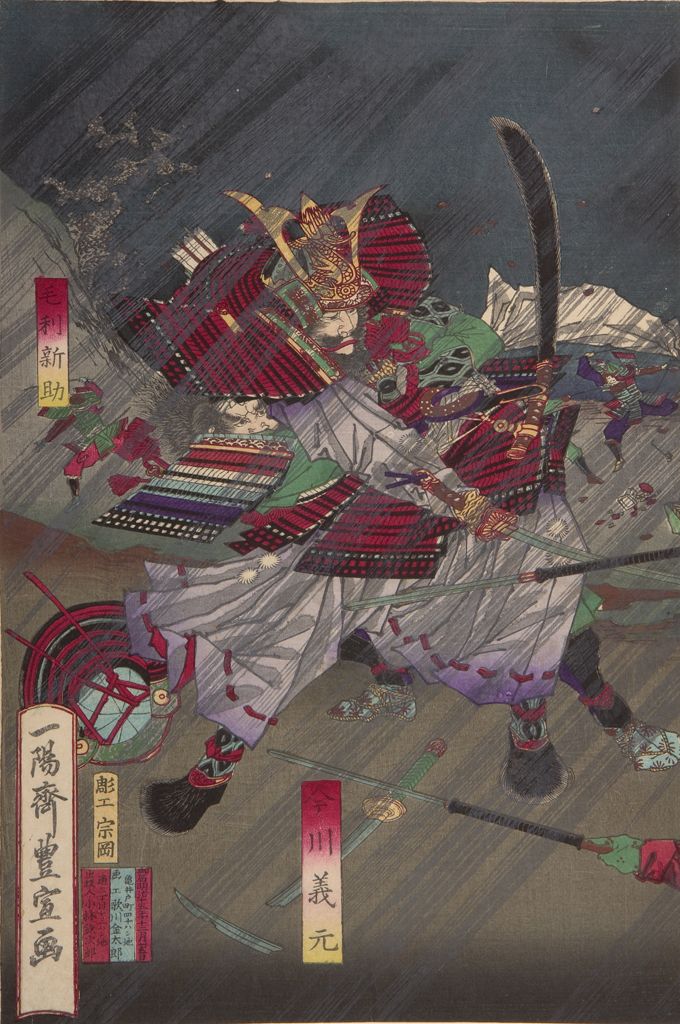
Utagawa Toyonobu
歌川豊宣
1859–1886

Migita Toshihide
右田年英
1863–1925
Tomioka Eisen
富岡永洗
1864–1905
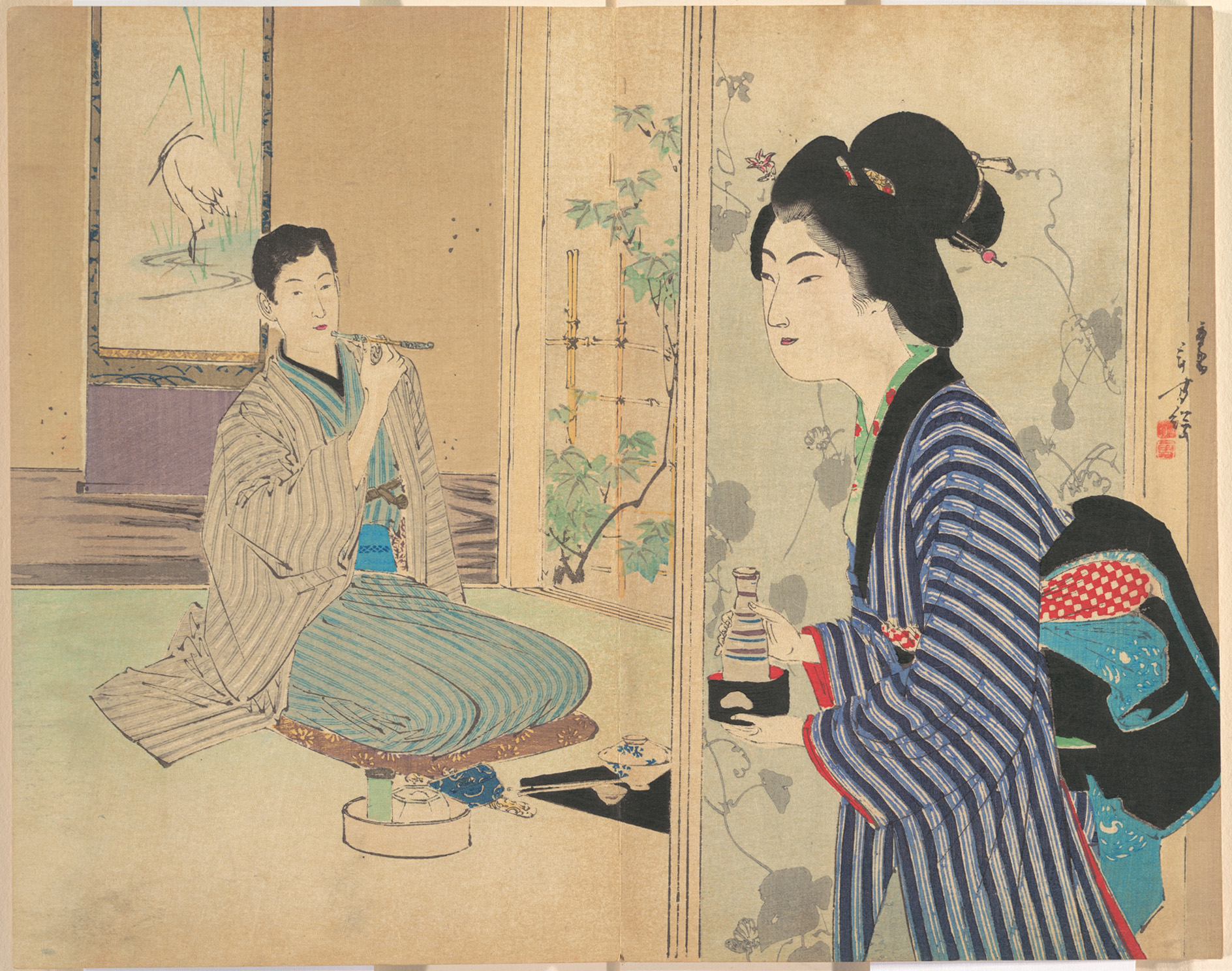
Mizuno Toshikata
水野年方
1866–1908

Kawanabe Kyōsui
河鍋暁翠
1868–1935

Tsukioka Kōgyo
月岡耕漁
1869–1927
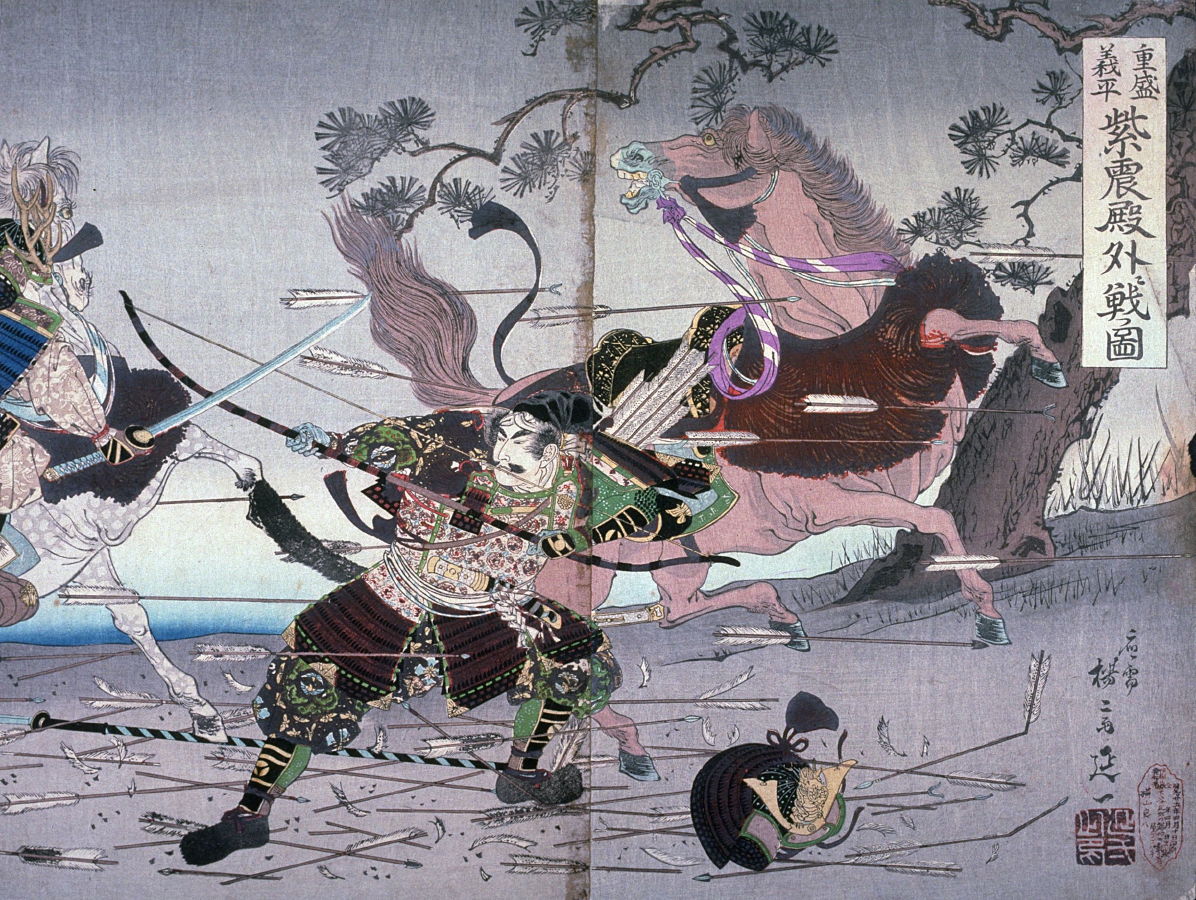
Watanabe Nobukazu
渡辺延一
1874–1944
Notable Works

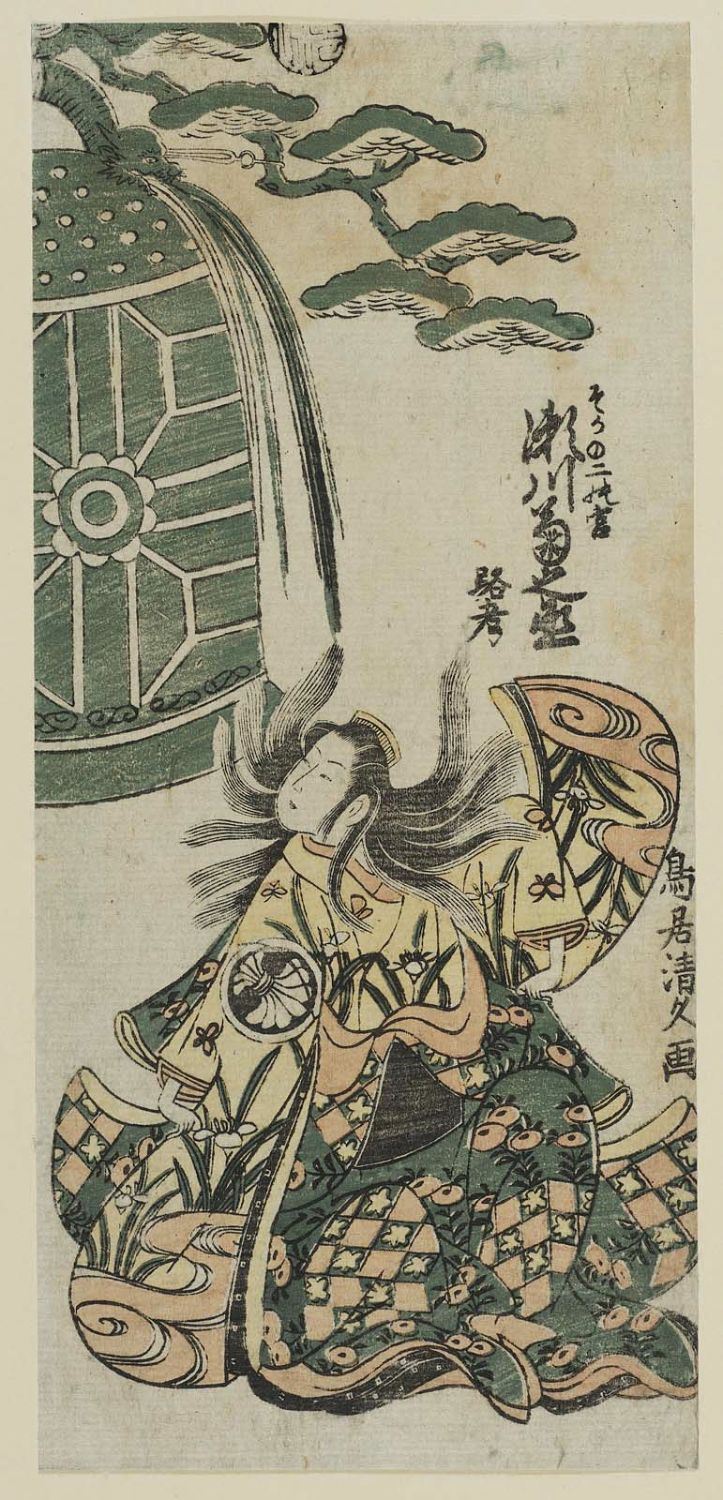
Umegae and Genta in the Bell of Hell Scene from Jо̄ruri Drama Hiragana Seisuiki, New Edition, Part I
ca.1830-35
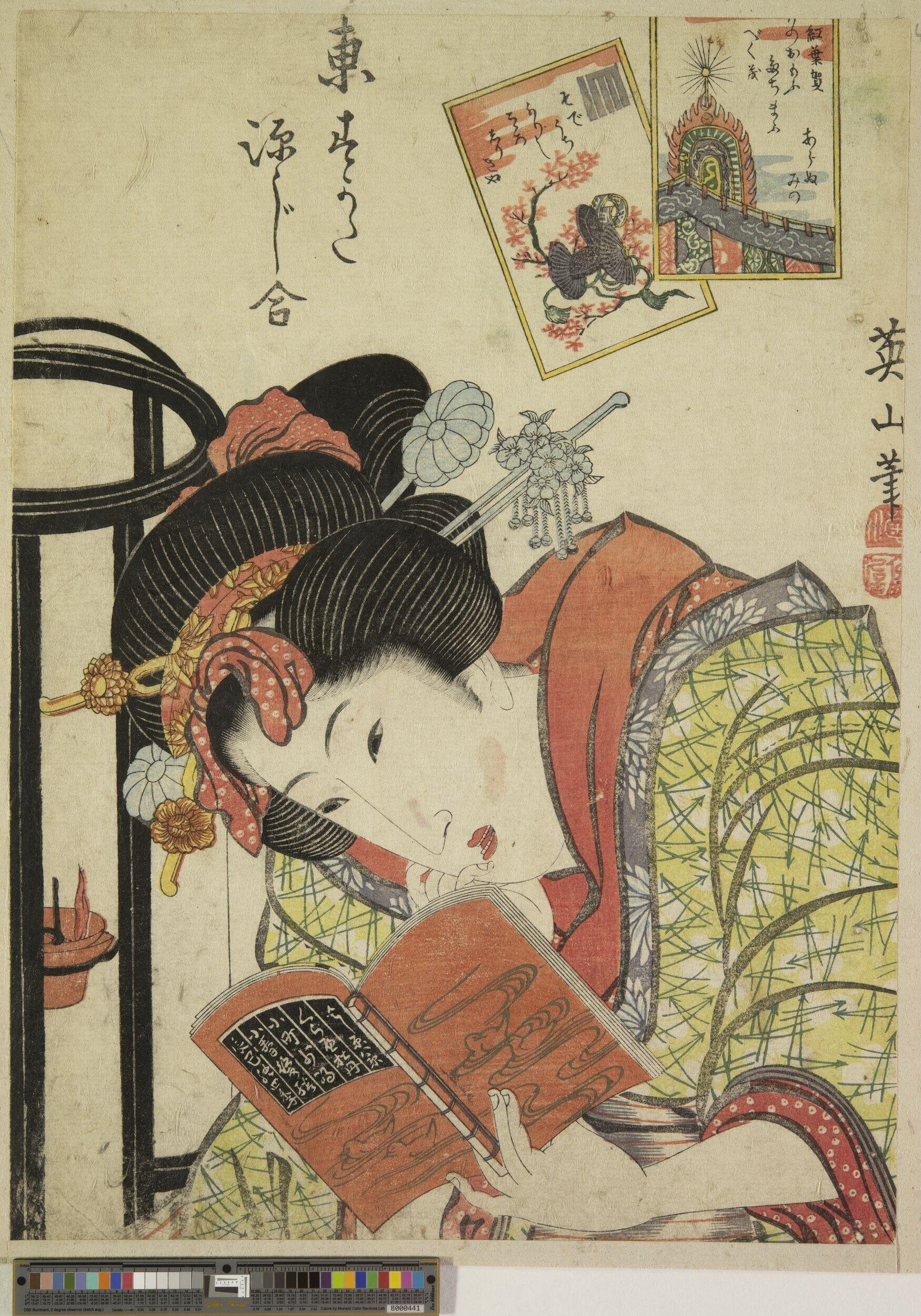
'Celebration of Autumn Foliage'
1818-1823
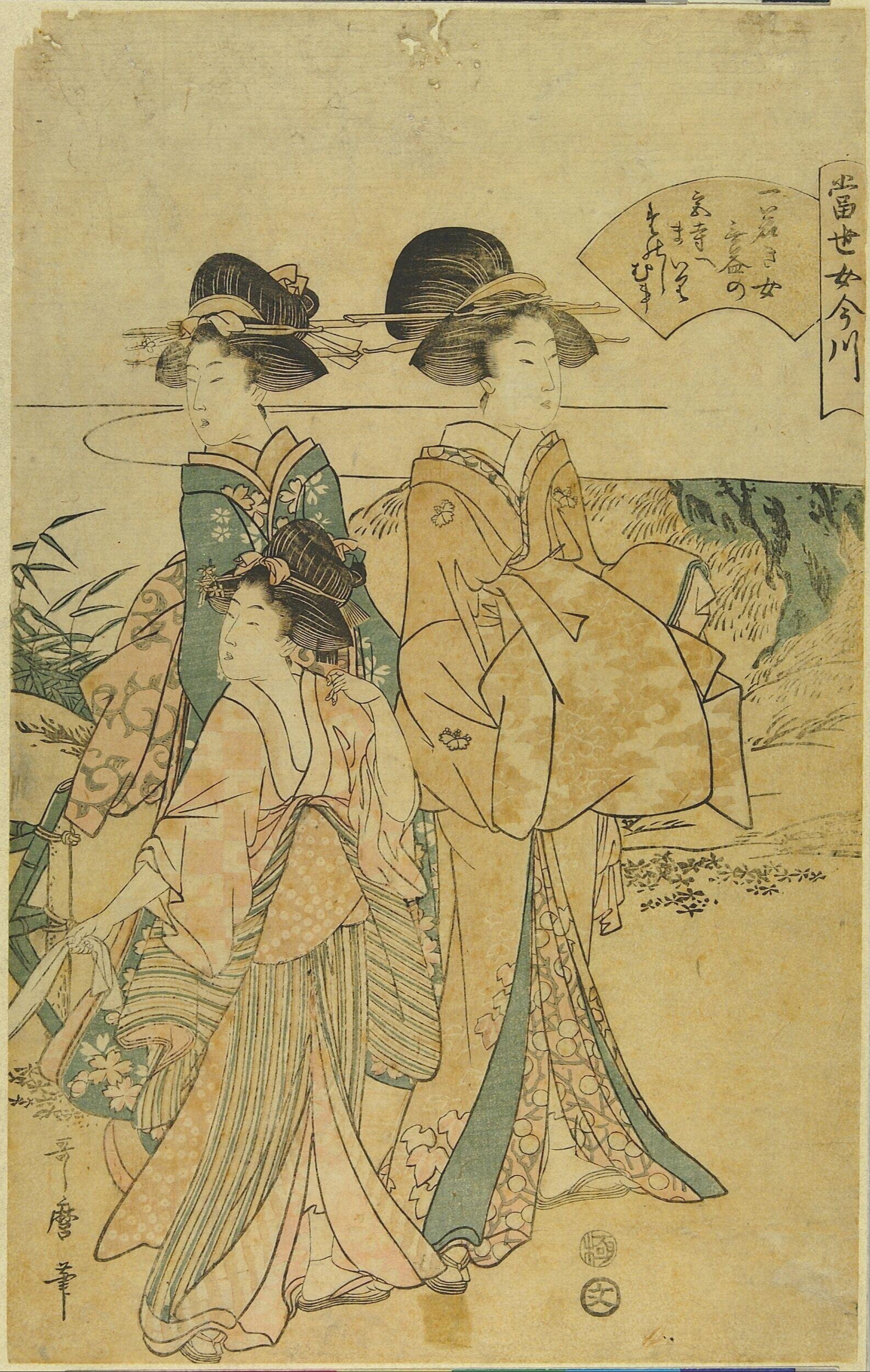
'Contemporary Women of the Imagawa Type'
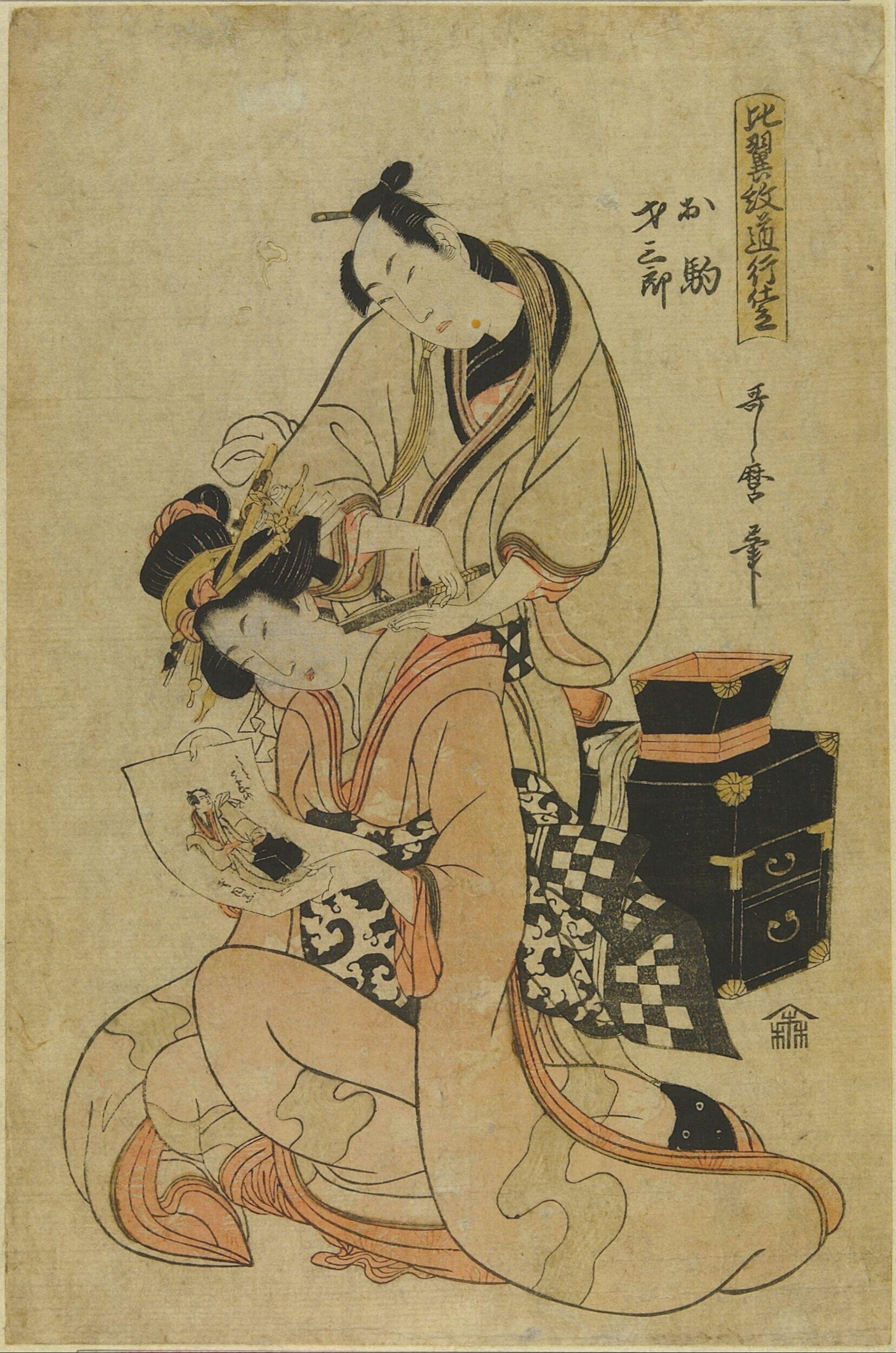
'Education along the way in the doctring of Hiyoku'
'Kagoshima Mōyū Soroi'
1877
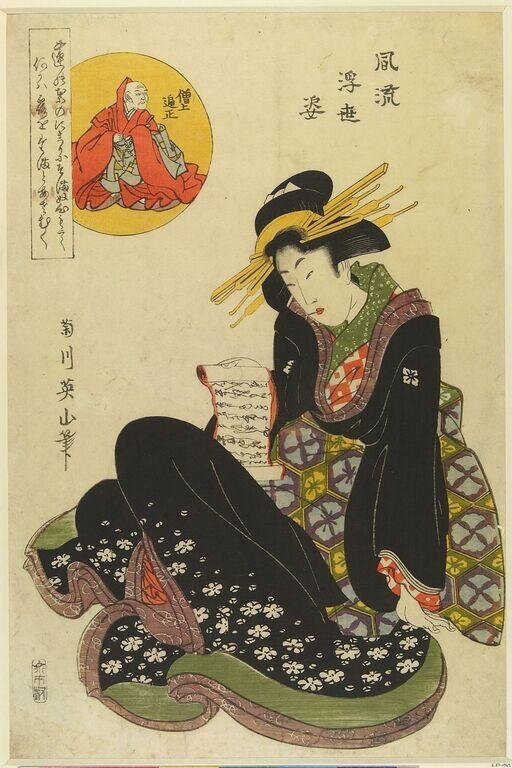
'The Elegant Shapes of the Floating World'

'The fox woman of Suwa in Shinano'
19th century
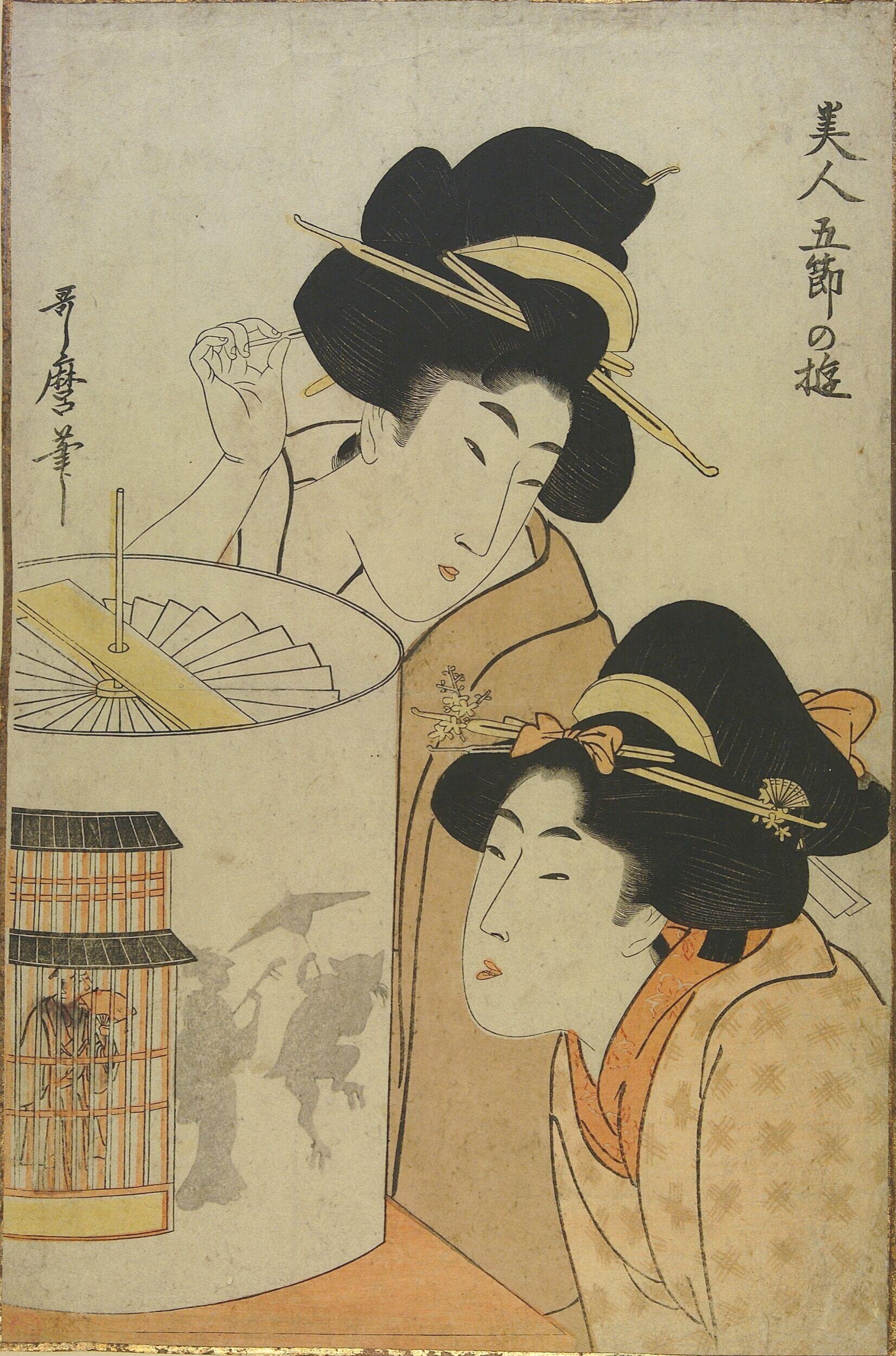
'The Games of the Five Festivals: twisting the shadow lantern'
ca. 1790-1799
Frequently Asked Questions
## What is ukiyo-e?
Notable Ukiyo-e artists include Utagawa Sadatora, Shōsai Ikkei, Kitagawa Toyohide, Yoshida Hambei, Utagawa Kunitaka, and 165 more.
## What is ukiyo-e? Ukiyo-e ([浮世絵](/glossary/ukiyo-e)) — literally "pictures of the floating world" — is the Edo-period Japanese print and painting tradition that flourished from roughly 1660 to 1868, depicting the pleasures of urban life in Edo (modern Tokyo): courtesans, kabuki actors, sumo wrestlers, famous landscapes, and seasonal beauties. The name itself contains a deliberate pun. The medieval Buddhist term *ukiyo* (憂き世) meant the "sorrowful world" of transient suffering; Edo writers and artists swapped a single character to produce a homophone, 浮き世, the "floating world" of fleeting pleasure. The shift in characters captured an entire worldview — embrace the moment, because nothing lasts.
Related Movements
Want to rate Ukiyo-e prints?
Sign up to start rating