Biography
Haruka Matsumoto (born 1993, Kyoto Prefecture) — sometimes romanized as Matsumoto Yū from her given name 悠 — is a Japanese printmaker, courtroom artist, and contemporary fine artist whose practice rests on a single sustained idea: returning printmaking to the journalistic function it briefly held in the early Meiji period, when illustrated woodblock newspapers and broadsheet prints reported the day's events. Her lithographs translate contemporary news stories into single composed images in which Matsumoto inserts herself as a stand-in for the people involved.
She completed two consecutive printmaking degrees in Kyoto. In 2015 she graduated from Kyoto Seika University's Faculty of Arts, Department of Media Design, Printmaking Course, and in 2018 she completed a graduate program at Kyoto City University of Arts (Kyoto Geidai), Graduate School of Fine Arts, also in Printmaking. She subsequently held an assistant position in the Regional Practice Department research lab at Seian University of Art and Design and joined the Kyoto Seika University printmaking faculty.
Matsumoto's working method begins with the news. She picks up incidents or familiar events from newspaper articles, then travels to the location to observe what the actors in the story would have seen. She photographs the site, sometimes performs the actions described, collages the resulting source material, and translates the assembled image into lithography on aluminum plates. The figures involved in the original event are replaced in the print by self-portraits — Matsumoto wearing the relevant clothes, holding the relevant objects, occupying the relevant space — so that the journalistic image becomes simultaneously a documentary print and a kind of sustained re-enactment performance.
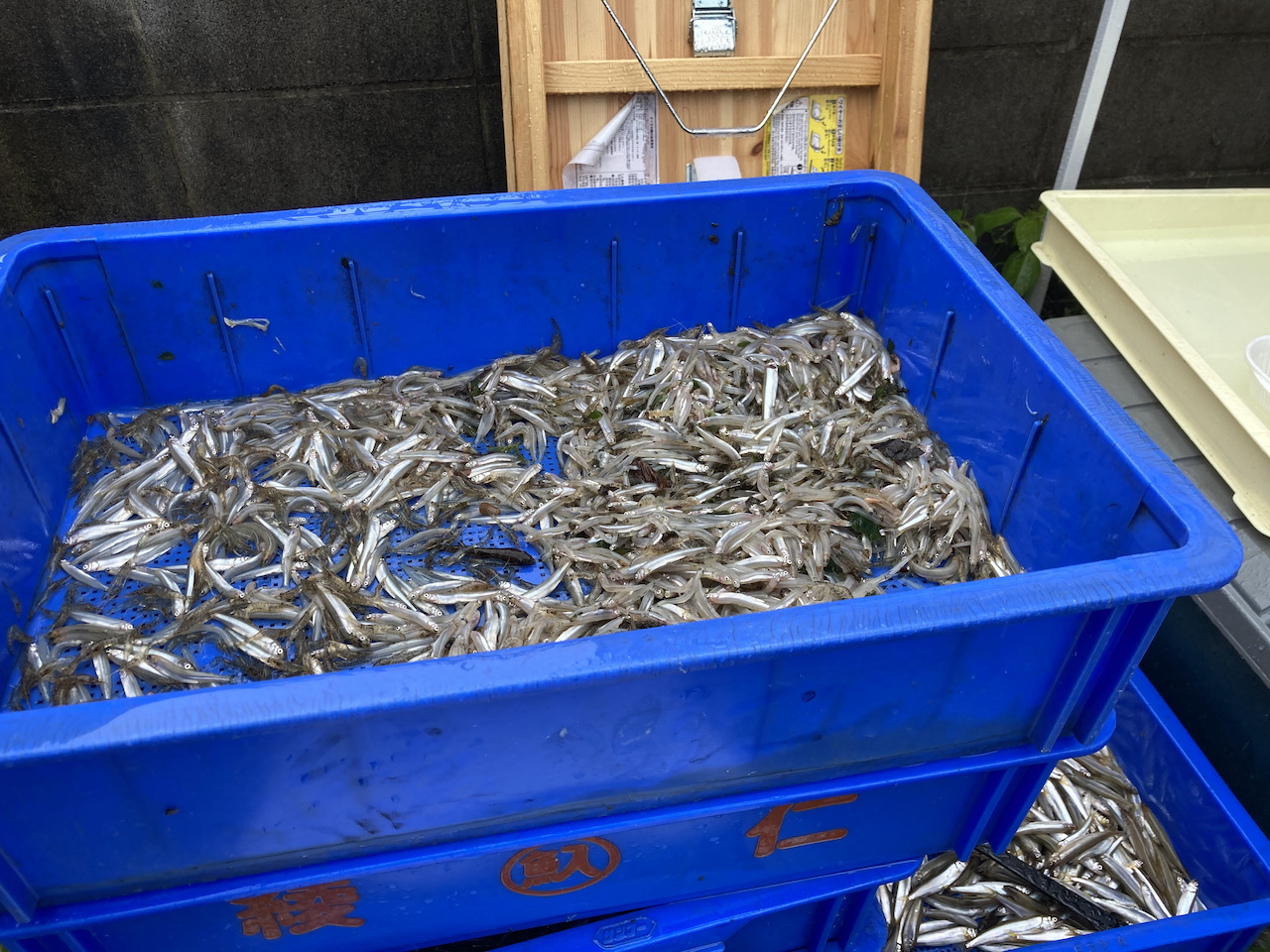
Notable works in this method include Sato-Umi Gengorō Funa Monogatari (Lake Biwa) (2021), a lithograph created after she interviewed local fishermen on the lake and observed their traditional eri arrow-shaped net fishing. The composition shows the artist returning small crucian carp to the water to keep the fish population stable — a quiet ecological gesture rendered in print. Other lithographs in her ongoing journalism-print series include Mizu (Kitayamada-chō) and several pieces drawn from rural Kyoto and Niigata fieldwork.
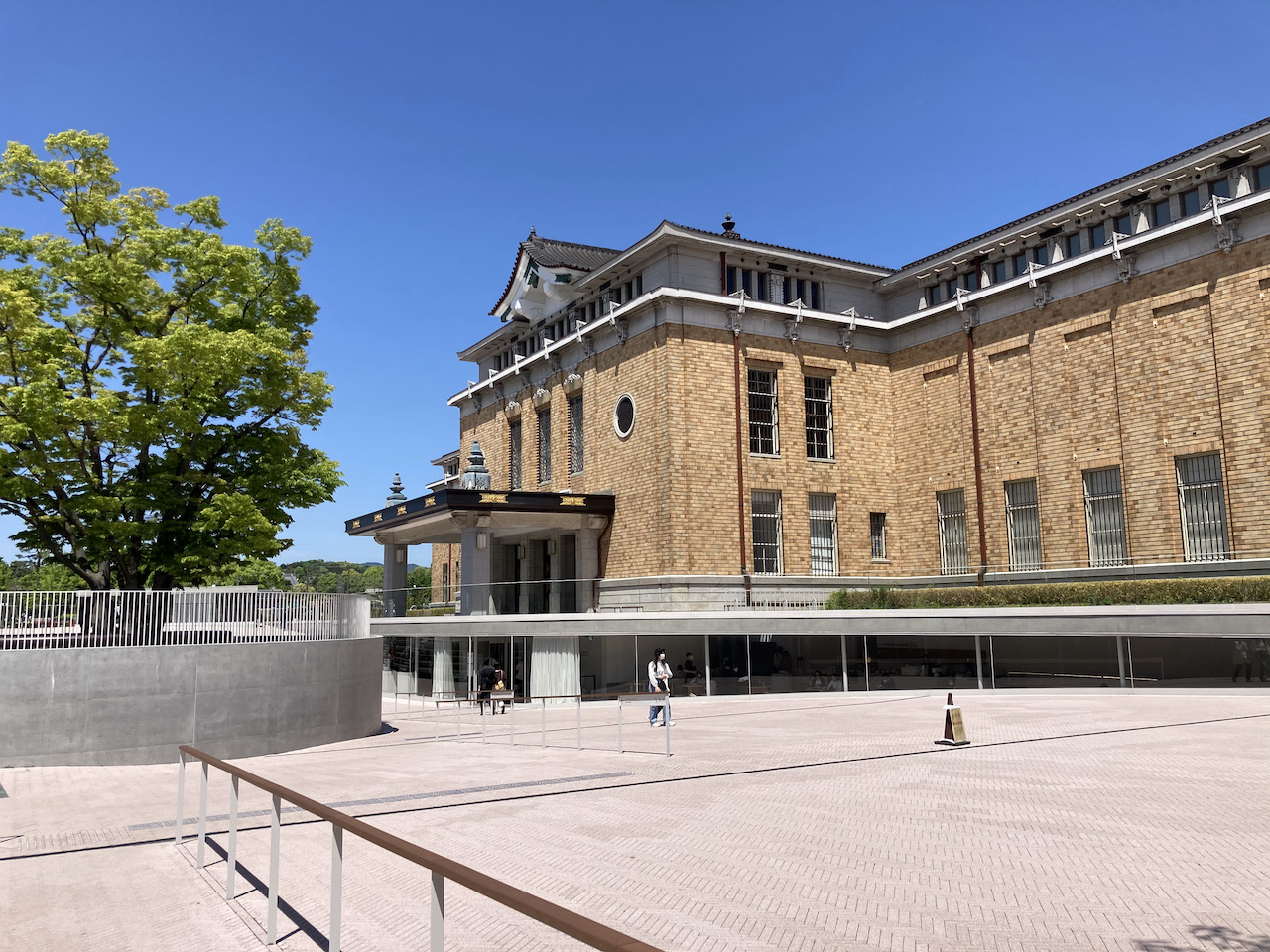
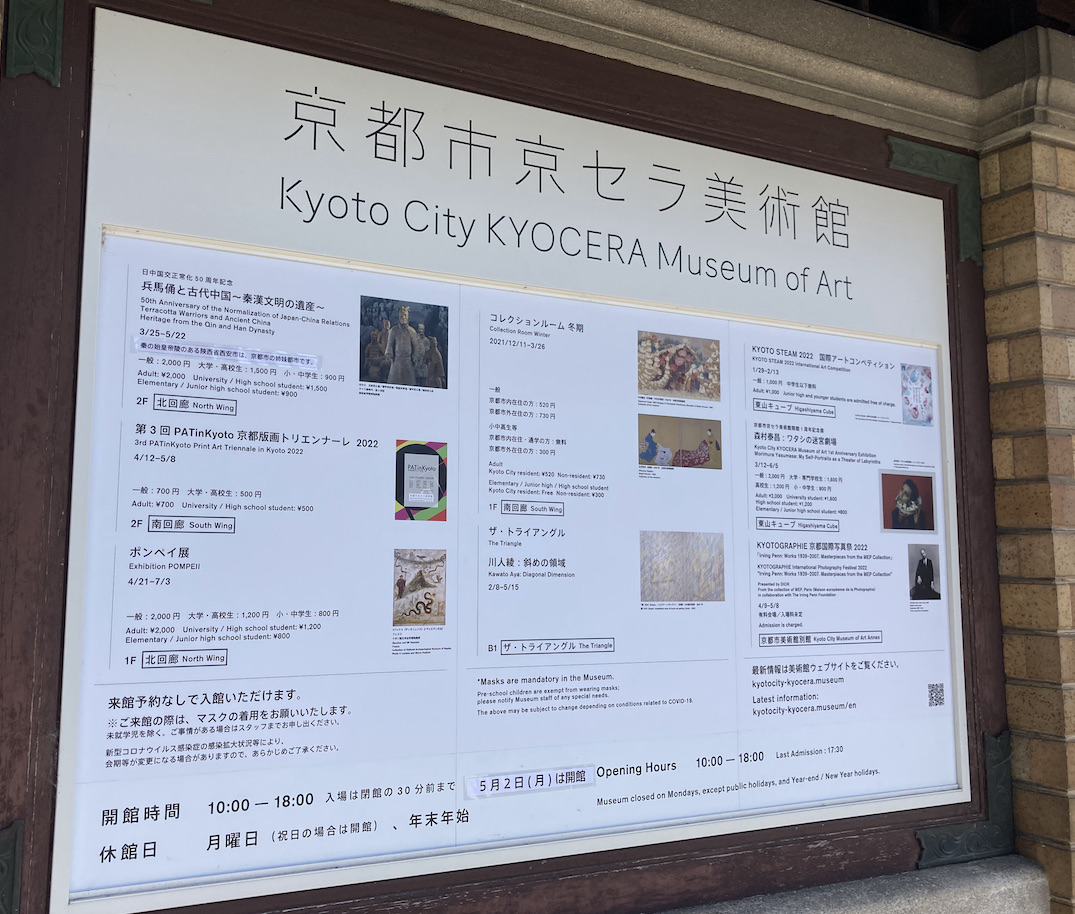
Her solo exhibition history has accumulated quickly since 2018: Kaorama at the Kyoto Art Center (2018); Bloodstone and Spider at YEBISU ART LABO in Aichi (2019); Live Crab with Cover at the Mitsubishi Ichigokan Museum in Tokyo (2019); The Fate of an Udo at Medel Gallery Shu in Tokyo (2020); Riding an Imaginary Dragon Across the Sea to a Phantom Island at kara-S Gallery in Kyoto (2021); and Print Report, Road Moves at the Echigo-Tsumari Satoyama Museum of Contemporary Art (MonET) in Niigata (2023). Group exhibitions include the 2021 Gunma Biennale for Youth, the 3rd PATinKyoto Print Art Triennale (2022), the Echigo-Tsumari MonET Exhibition Series Vol. 2 "Graphcast Shiftpast" (2023), Distance from Events – How News, War, and Daily Life Were Described at the Machida City Museum of Graphic Arts (2023), and ARTISTS' FAIR KYOTO 2024.
Matsumoto held a residency at Art Studio Itsukaichi in Tokyo in 2022. Her practice operates at the intersection of printmaking, performance, and journalism — a position that has made her one of the more analytically interesting voices in the younger Japanese print scene, and one of the artists most closely associated with the Kyoto Seika printmaking program's contemporary-art trajectory.
Key Facts
- Active Period
- 1993
- Nationality
- 🇯🇵Japan
- Movement
- Contemporary Mokuhanga
- Subjects
- Rivers & LakesMusic
- Works Indexed
- 3
Frequently Asked Questions
Haruka Matsumoto (born 1993, Kyoto Prefecture) — sometimes romanized as Matsumoto Yū from her given name 悠 — is a Japanese printmaker, courtroom artist, and contemporary fine artist whose practice rests on a single sustained idea: returning printmaking to the journalistic function it briefly held in the early Meiji period, when illustrated woodblock newspapers and broadsheet prints reported the day's events. Her lithographs translate contemporary news stories into single composed images in which Matsumoto inserts herself as a stand-in for the people involved.
Haruka Matsumoto was active born in 1993. They were associated with the Contemporary Mokuhanga movement.
Haruka Matsumoto's work was shaped by the Contemporary Mokuhanga tradition in Japanese woodblock printmaking. Contemporary Mokuhanga: Contemporary mokuhanga (literally "wood-block print") encompasses artists working from approximately 1970 to the present who continue or reinvent traditional Japanese woodblock printing techniques.
Haruka Matsumoto's prints frequently feature rivers & lakes, music.