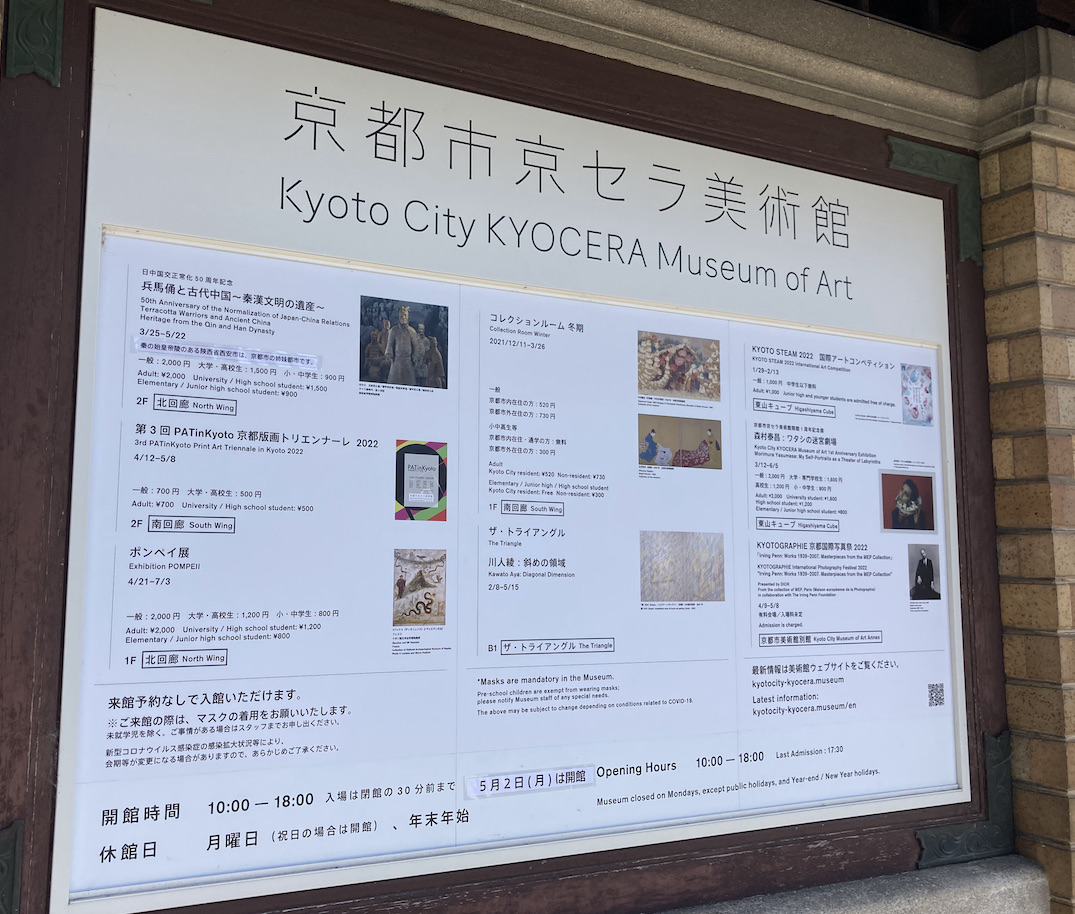
Sato-Umi Gengoro Funa Monogatari (Lake Biwa)
里海ゲンゴロウ鮒物語(琵琶湖)
- Date:
- 2021
- Medium:
- Lithograph on aluminum plate
- Image courtesy of
- Seian University Center for Community Design
Description
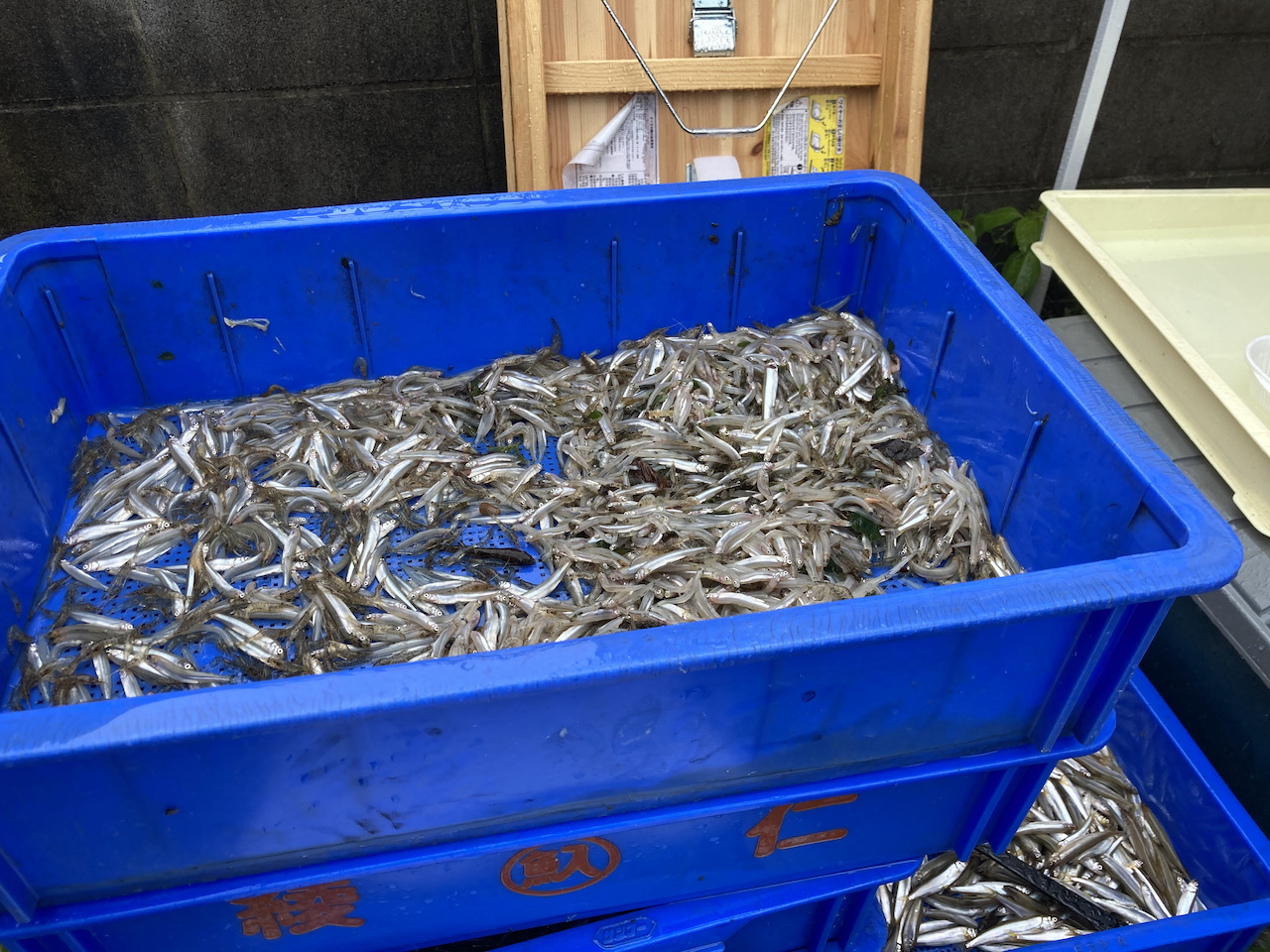
The title sets up a chain of specific Japanese terms: "sato-umi" (a human-managed body of water, the aquatic parallel to satoyama), "gengorō-buna" (Carassius cuvieri, a carp endemic to Lake Biwa whose wild population has collapsed under habitat loss and competition from introduced species), and "monogatari" (tale). Lake Biwa, Japan's largest freshwater lake, sits northeast of Kyoto in Shiga and has been the subject of decades of ecological reporting tied to its endemic fauna and its managed fisheries. Matsumoto's print, executed as a lithograph on aluminum plate rather than carved relief, uses a planographic surface that records drawn mark-making directly. The work fits her broader practice of restaging contemporary stories — environmental, civic, judicial — as composed single images in which she inserts herself as a stand-in for the reported subject, recovering the journalistic function woodblock prints briefly held in the early Meiji period through illustrated newspapers and shinbun nishiki-e.
More Prints by Haruka Matsumoto
More Music Prints

Frequently Asked Questions
Sato-Umi Gengoro Funa Monogatari (Lake Biwa) (里海ゲンゴロウ鮒物語(琵琶湖)) was created by Haruka Matsumoto (松元 悠) in 2021.
Sato-Umi Gengoro Funa Monogatari (Lake Biwa) depicts music and rivers & lakes.