Biography
Hana Sawada (born 1990, Kyoto) is a Japanese contemporary artist whose practice originated in printmaking — she completed the first half of the doctoral program at the Graduate School of Art, Kyoto Seika University in 2016 — and has subsequently expanded into a hybrid mode that uses inkjet print, laser print, video, audio, and sculpture in installation works investigating the chains of reproduction that connect found photography, printed materials, and screen-based image circulation. She was selected for the 3rd PATinKyoto Print Art Triennale in 2022, where her work was framed as an “expanded concept of print|information” that uses print logic — particularly indexicality and chains of reproduction — without conventional matrix-and-paper print form.
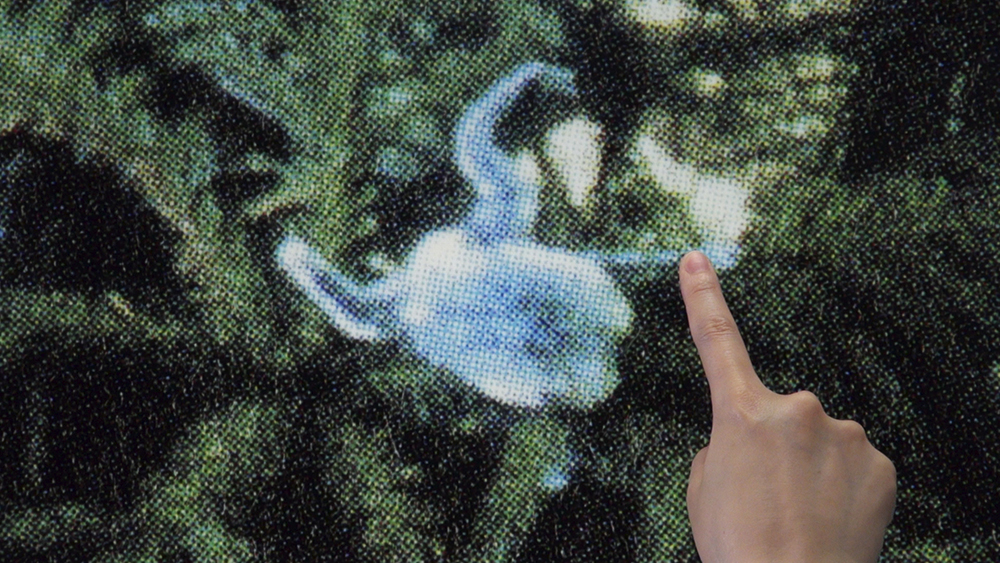
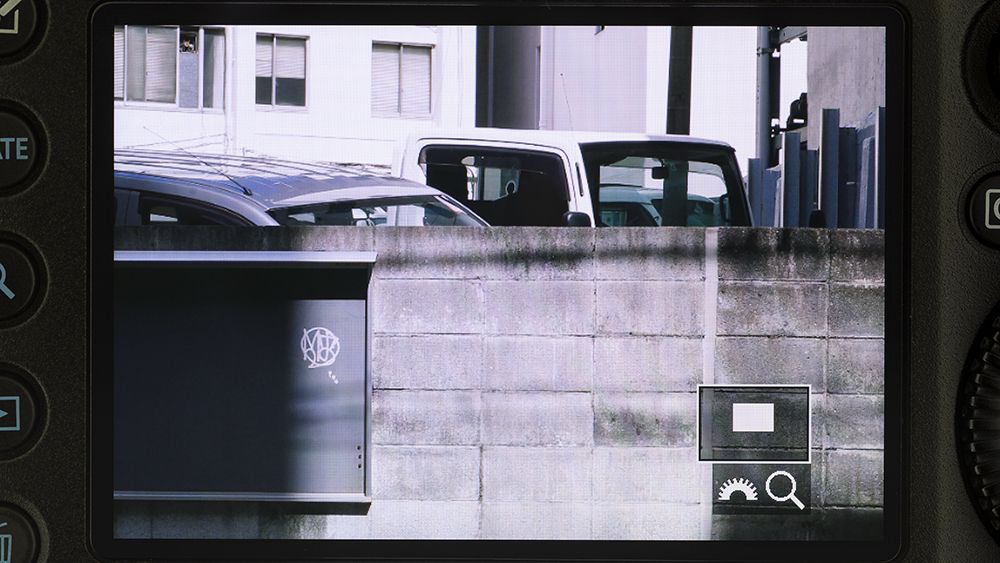
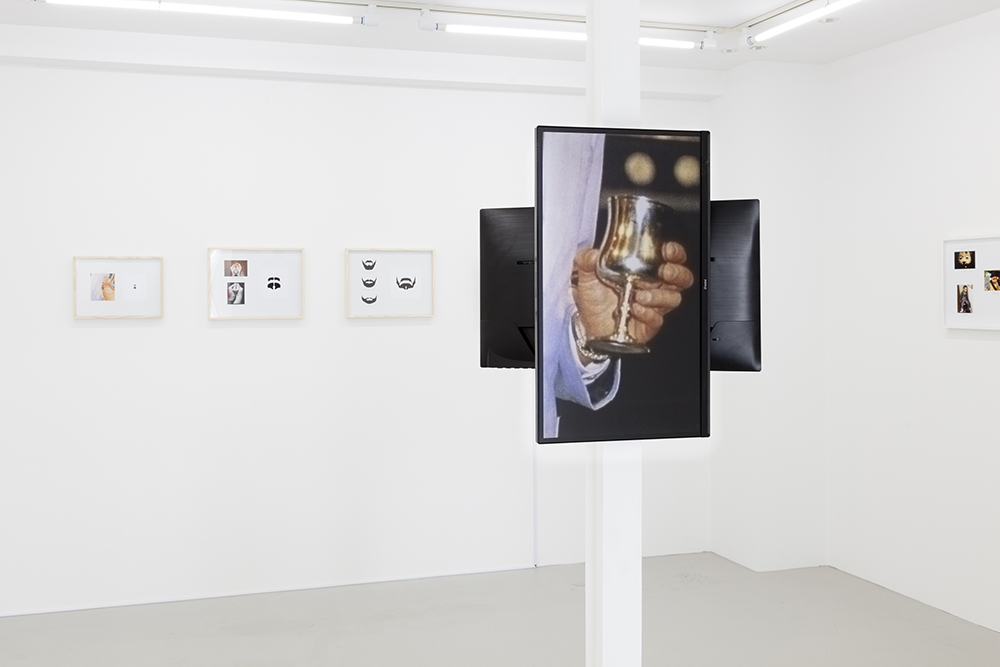
Sawada's principal long-running project is “Gesture of Rally,” an investigative practice in which she isolates a small, unidentifiable object appearing in a found photograph (typically drawn from printed catalogues or image-sharing websites) and then constructs an installation that traces the object's possible identities through inkjet prints, laser prints, video, audio, modeling clay, and sculpture. Each iteration presents the artist's research process across print and time-based media in variable-dimension installations. Her subsequent “Lightning Rods and Circumstances” project, shown as a solo exhibition at Gallery PARC in Kyoto in 2022, continues the same investigative procedure across print, video, and sculptural elements.
The PATinKyoto recommendation noted that Sawada “does not emphasize conventional printmaking techniques” but works across photography, video, internet-sourced information, and installation to explore the propagation and reproduction of images — a framing that has been central to her exhibition placement.
Her exhibition history includes the solo shows “Lightning Rods and Circumstances” at Gallery PARC, Kyoto (2022), the Summer Open Lab “360° Detour” at the Hiroshima City Museum of Contemporary Art (2020), “Bouncing Sounds of an Invisible Ball” at Gallery PARC (2018), and “Gesture of Rally” at KUNST ARZT, Kyoto (2017). Her group exhibitions include the Aichi Triennale 2019 and shows at the Tokyo Photographic Art Museum, alongside further exhibitions in Kyoto, Shiga, Hyogo, and Aichi. She received an Encouragement Award at the Gunma Biennale for Young Artists 2019 and an Excellence Award in the 2017 New Cosmos of Photography competition.
Sawada is represented by Gallery PARC in Kyoto and has been included in the KG+ programme of the KYOTOGRAPHIE festival. The combination of her “expanded” practice, her institutional exhibition record at the Hiroshima City Museum of Contemporary Art and the Aichi Triennale, and her PATinKyoto and KG+ inclusions establish her as one of the more visible mid-career Japanese artists working across the print–photography boundary.
Key Facts
- Active Period
- 1990
- Nationality
- 🇯🇵Japan
- Movement
- Contemporary Mokuhanga
- Works Indexed
- 3
Frequently Asked Questions
Hana Sawada (born 1990, Kyoto) is a Japanese contemporary artist whose practice originated in printmaking — she completed the first half of the doctoral program at the Graduate School of Art, Kyoto Seika University in 2016 — and has subsequently expanded into a hybrid mode that uses inkjet print, laser print, video, audio, and sculpture in installation works investigating the chains of reproduction that connect found photography, printed materials, and screen-based image circulation. She was selected for the 3rd PATinKyoto Print Art Triennale in 2022, where her work was framed as an “expanded concept of print|information” that uses print logic — particularly indexicality and chains of reproduction — without conventional matrix-and-paper print form.
Hana Sawada was active born in 1990. They were associated with the Contemporary Mokuhanga movement.
Hana Sawada's work was shaped by the Contemporary Mokuhanga tradition in Japanese woodblock printmaking. Contemporary Mokuhanga: Contemporary mokuhanga (literally "wood-block print") encompasses artists working from approximately 1970 to the present who continue or reinvent traditional Japanese woodblock printing techniques.