Biography
Shiokawa Bunrin (塩川文麟, 1808-1877) was a Kyoto painter who carried the Shijō school of poetic naturalism from the late Edo period into the early Meiji era and presided over the Kyoto art world during the turbulent decades when traditional painting confronted Westernization. Trained in the realist plein-air sketching manner that Maruyama Ōkyo and Matsumura Goshun had established in the late eighteenth century, Bunrin developed a softer, more atmospheric variation of the Shijō idiom, specializing in misty mountain landscapes, moonlit river scenes populated by fireflies, and intimate seasonal subjects rendered in the muted ink-and-color palette that would later influence the nascent Kyoto nihonga movement.
Bunrin was born in Kyoto in 1808 (Bunka 5) into a family of samurai descent that had settled in the capital in the service of its court aristocracy. He is universally known today by the art name (gō) Bunrin, one of several names he adopted over the course of his career. He entered the studio of Okamoto Toyohiko (岡本豊彦, 1773-1845), one of Matsumura Goshun's most accomplished direct disciples and a leading second-generation Shijō painter active in Kyoto during the first half of the nineteenth century. Through Toyohiko, Bunrin inherited the central Shijō technical vocabulary: the boneless wash technique (mokkotsu), the rapid tonally graded brushwork (tsuke-tate), and the school's preference for atmospheric, season-specific compositions that drew on plein-air sketching rather than on the formally bounded landscape vocabularies of the Kanō and Tosa academies. After Toyohiko's death in 1845 Bunrin, then in his late thirties, emerged as one of the senior heirs of the Shijō tradition in Kyoto and increasingly took on a leadership role in the city's painting culture.
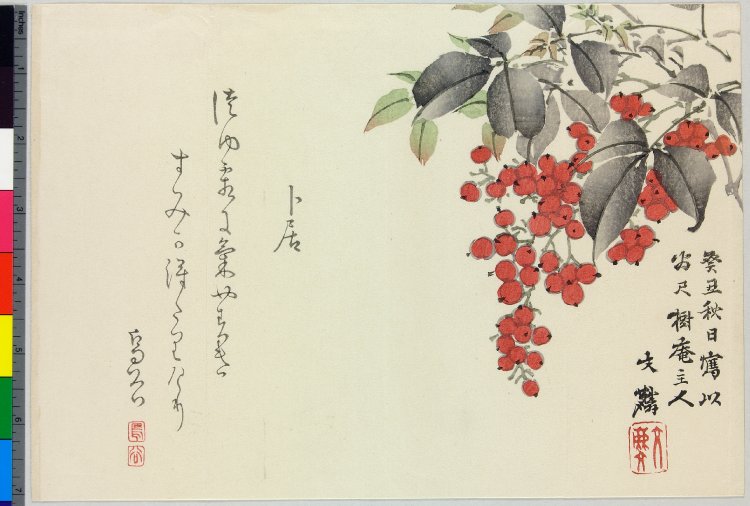
Throughout the 1840s and 1850s Bunrin developed his mature manner. His landscapes were particularly noted for moonlit scenes, fireflies along summer rivers, and mist-veiled mountains, in which the Shijō technique of leaving large areas of silk or paper unworked allowed the support itself to carry atmospheric effect. His bird-and-flower painting (kachō-e) drew on the same observational tradition while incorporating the lyrical inflections that Toyohiko and other Shijō painters had absorbed from Chinese bird-and-flower precedents. He also contributed designs to surimono, the privately commissioned, lavishly produced woodblock prints that Kyoto poetry circles used to mark New Year and seasonal celebrations, and examples of his surimono survive in the collection of the British Museum.
The 1860s brought Bunrin to his most productive and publicly recognized period. He worked extensively on folding screens and large-format scrolls for elite Kyoto patrons, and his 1867 (Keiō 3) handscroll Famous Views of Ōmi (Ōmi meisho), now in the Honolulu Museum of Art, represents the meisho-e (famous-place pictures) tradition transposed into the Shijō landscape idiom. In 1874 (Meiji 7) he completed River Landscape with Fireflies, a six-fold screen now held by the Nelson-Atkins Museum of Art in Kansas City, which exemplifies his late mastery of the moonlit summer landscape, executed predominantly in ink with slight color and gold paint on paper. The following year, 1875, he produced The Poet Li Bo's Visit to Mount Emei, a pair of six-panel folding screens now in the Metropolitan Museum of Art, which adapts a Chinese literary subject to a Shijō-inflected gold-ground composition combining figural narrative with atmospheric landscape.
During the transition from late Edo into the early Meiji era Bunrin played a leading role in the institutional life of Kyoto painting. In the late 1860s he became a central figure in the founding of the Joun-sha (如雲社), an influential Kyoto art society that brought together painters from across the city's traditional schools—Shijō, Maruyama, Kanō, and Nanga—to coordinate exhibitions, share techniques, and respond collectively to the rapid cultural changes of the new era. The Joun-sha and its successor organizations laid the institutional groundwork for what would become the Kyoto branch of the modern nihonga movement, and Bunrin's leadership confirmed his standing as one of the most respected senior painters of late-Edo and early-Meiji Kyoto. Among his pupils was Kōno Bairei (1844-1895), who would become the dominant Kyoto Shijō painter of the late nineteenth century and the principal teacher of Takeuchi Seihō and other founding figures of twentieth-century Kyoto painting. In this sense Bunrin functioned as a bridge between the Edo-period studio tradition and the institutional art world of modern Japan.
Bunrin died in Kyoto in 1877 (Meiji 10) at the age of sixty-nine. He did not live to see the institutional consolidation of nihonga, but the artists he had trained and the painting society he had helped found ensured that his soft-edged, atmospheric vision of Shijō naturalism remained one of the defining aesthetic threads in Kyoto painting well into the twentieth century. Major examples of his work survive in the Metropolitan Museum of Art, the Nelson-Atkins Museum of Art, the Honolulu Museum of Art, and the British Museum, documenting both his painted oeuvre and his contributions to nineteenth-century Kyoto woodblock print culture.
Key Facts
- Active Period
- 1808–1877
- Nationality
- 🇯🇵Japan
- Movement
- Ukiyo-e
- Subjects
- SummerMoonlightBirds & Flowers
- Works Indexed
- 7
Frequently Asked Questions
Shiokawa Bunrin (塩川文麟, 1808-1877) was a Kyoto painter who carried the Shijō school of poetic naturalism from the late Edo period into the early Meiji era and presided over the Kyoto art world during the turbulent decades when traditional painting confronted Westernization. Trained in the realist plein-air sketching manner that Maruyama Ōkyo and Matsumura Goshun had established in the late eighteenth century, Bunrin developed a softer, more atmospheric variation of the Shijō idiom, specializing in misty mountain landscapes, moonlit river scenes populated by fireflies, and intimate seasonal subjects rendered in the muted ink-and-color palette that would later influence the nascent Kyoto nihonga movement.
Shiokawa Bunrin was active from 1808 to 1877. They were associated with the Ukiyo-e movement.
Shiokawa Bunrin's work was shaped by the Ukiyo-e tradition in Japanese woodblock printmaking. Ukiyo-e: ## What is ukiyo-e? Ukiyo-e ([浮世絵](/glossary/ukiyo-e)) — literally "pictures of the floating world" — is the Edo-period Japanese print and painting tradition that flourished from roughly 1660 to 1868, depicting the pleasures of urban life in Edo (modern Tokyo): courtesans, kabuki actors, sumo wrestlers, famous landscapes, and seasonal beauties.
Shiokawa Bunrin's prints frequently feature summer, moonlight, birds & flowers.
Original prints by Shiokawa Bunrin can be found in collections including Metropolitan Museum of Art, British Museum, Nelson-Atkins Museum of Art, Fine Arts Museums of San Francisco.
Woodblock Prints by Shiokawa Bunrin (7)
Surimono with Nanten Berries
1853
Surimono; woodblock print
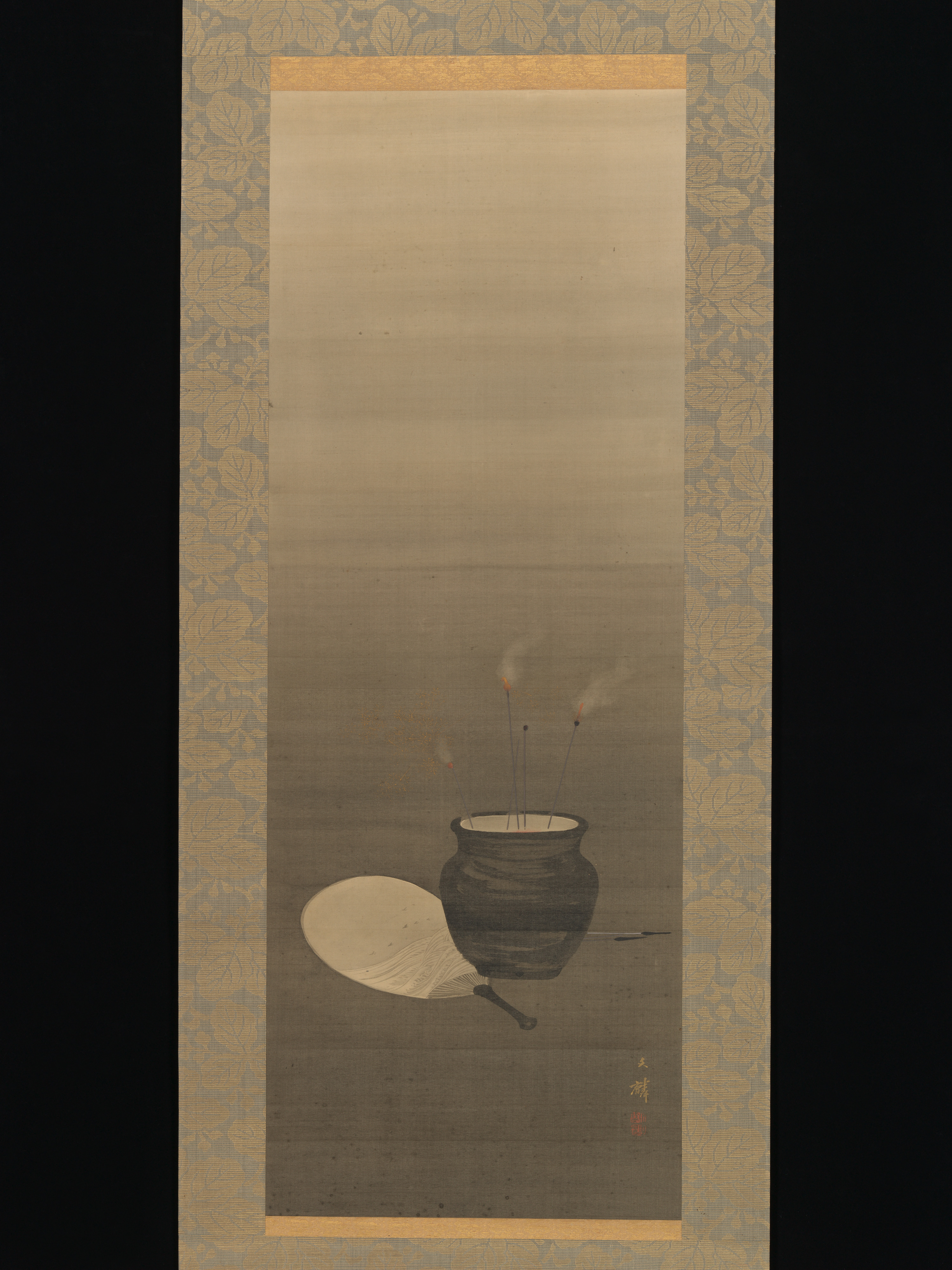
Sparklers on Summer Evening
Edo period (1615-1868)
Hanging scroll; ink, color and gold on silk
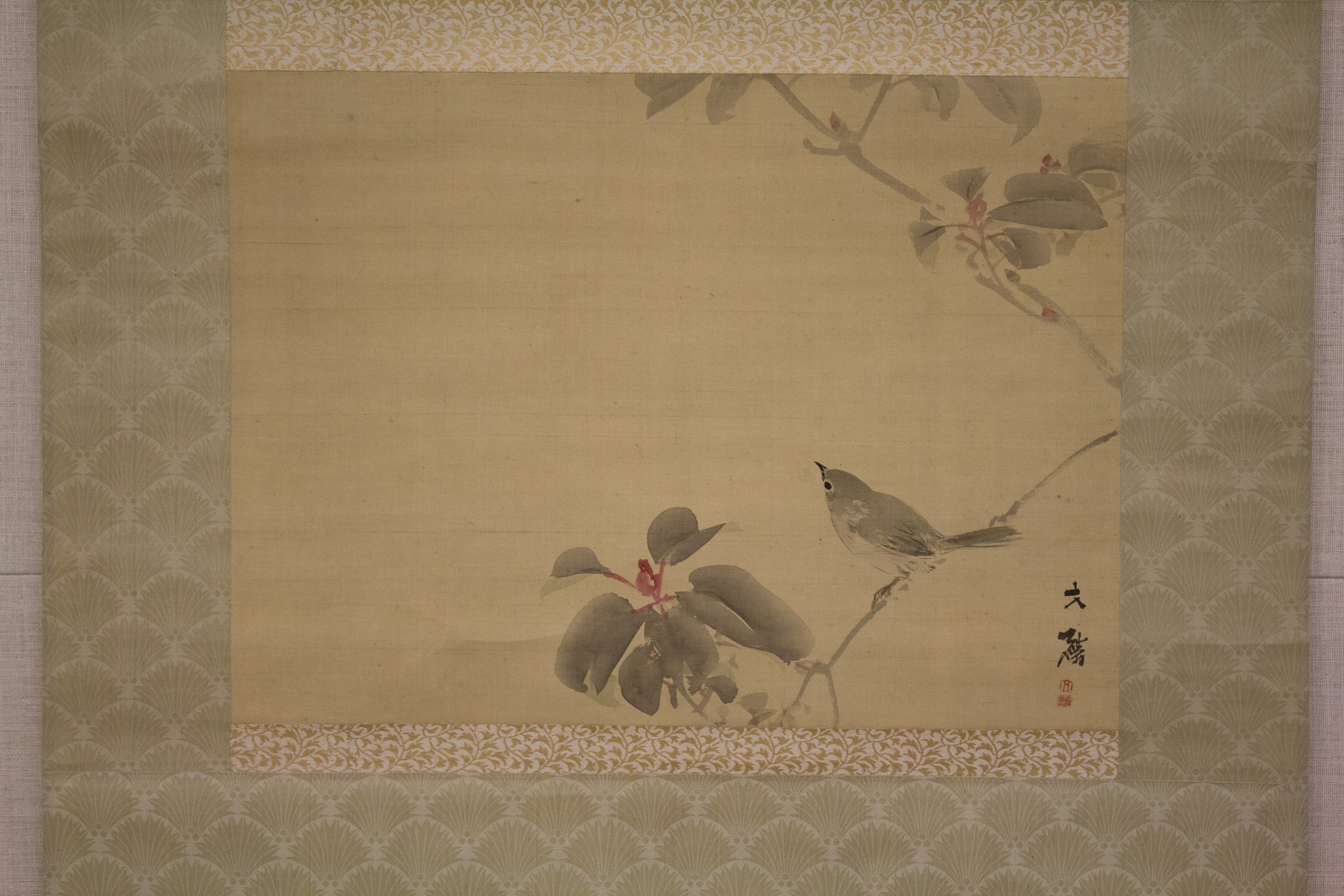
Bird on a Branch
Edo period (1615-1868)
Hanging scroll; ink and color on silk
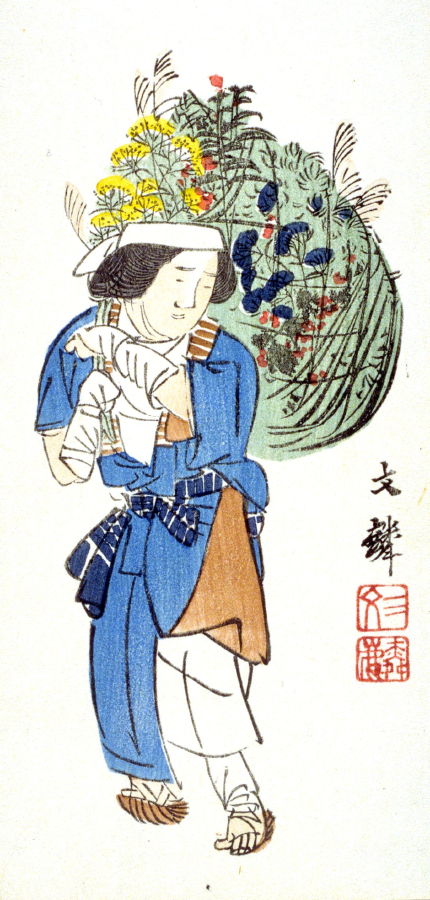
Woman Carrying a Basket of Summer Herbs
1861-1867
Color woodcut
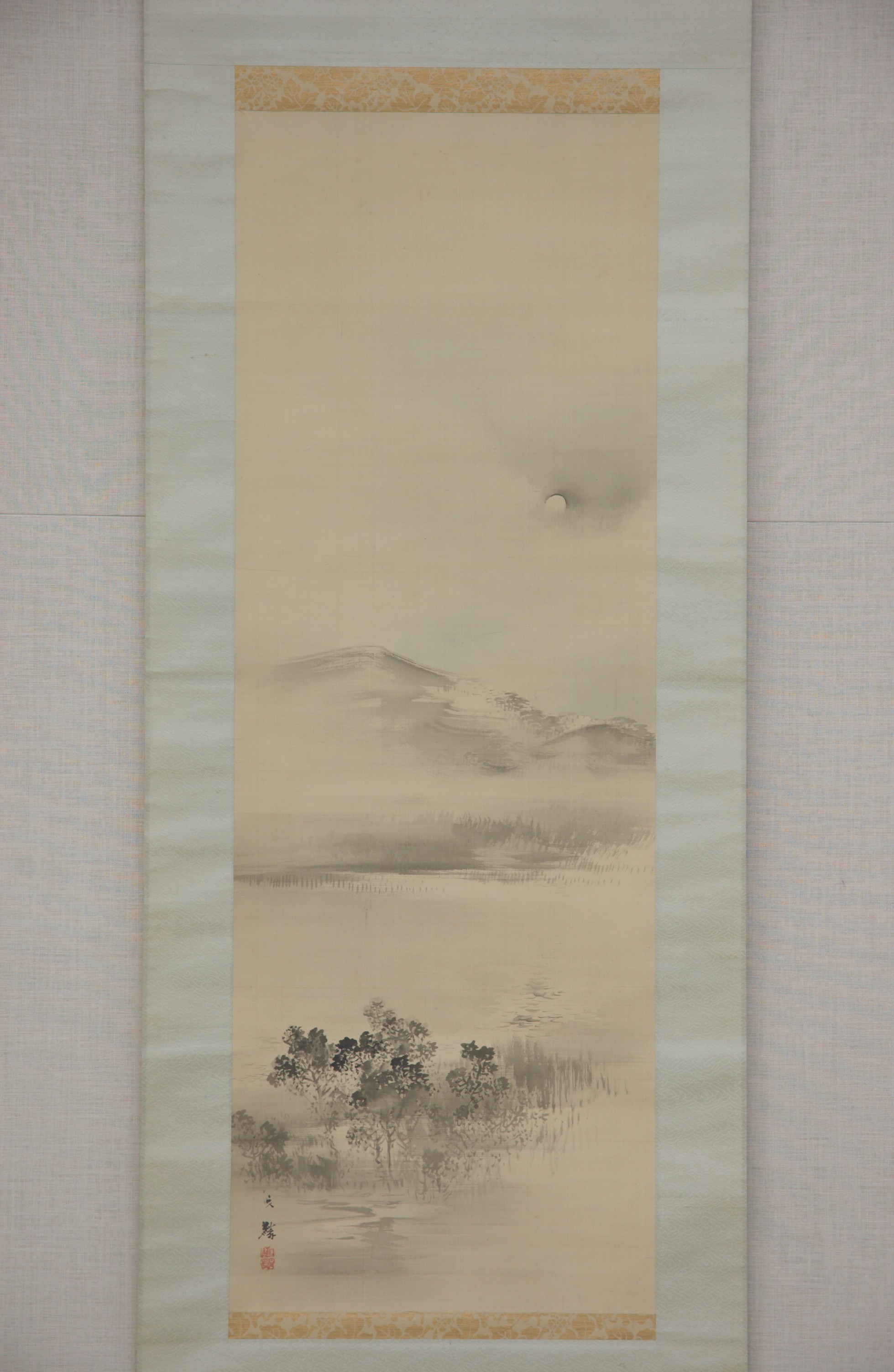
Landscape with the Moon
19th century
Hanging scroll; ink and color on silk

River Landscape with Fireflies
1874
Pair of six-fold screens; ink with slight color and gold paint on paper
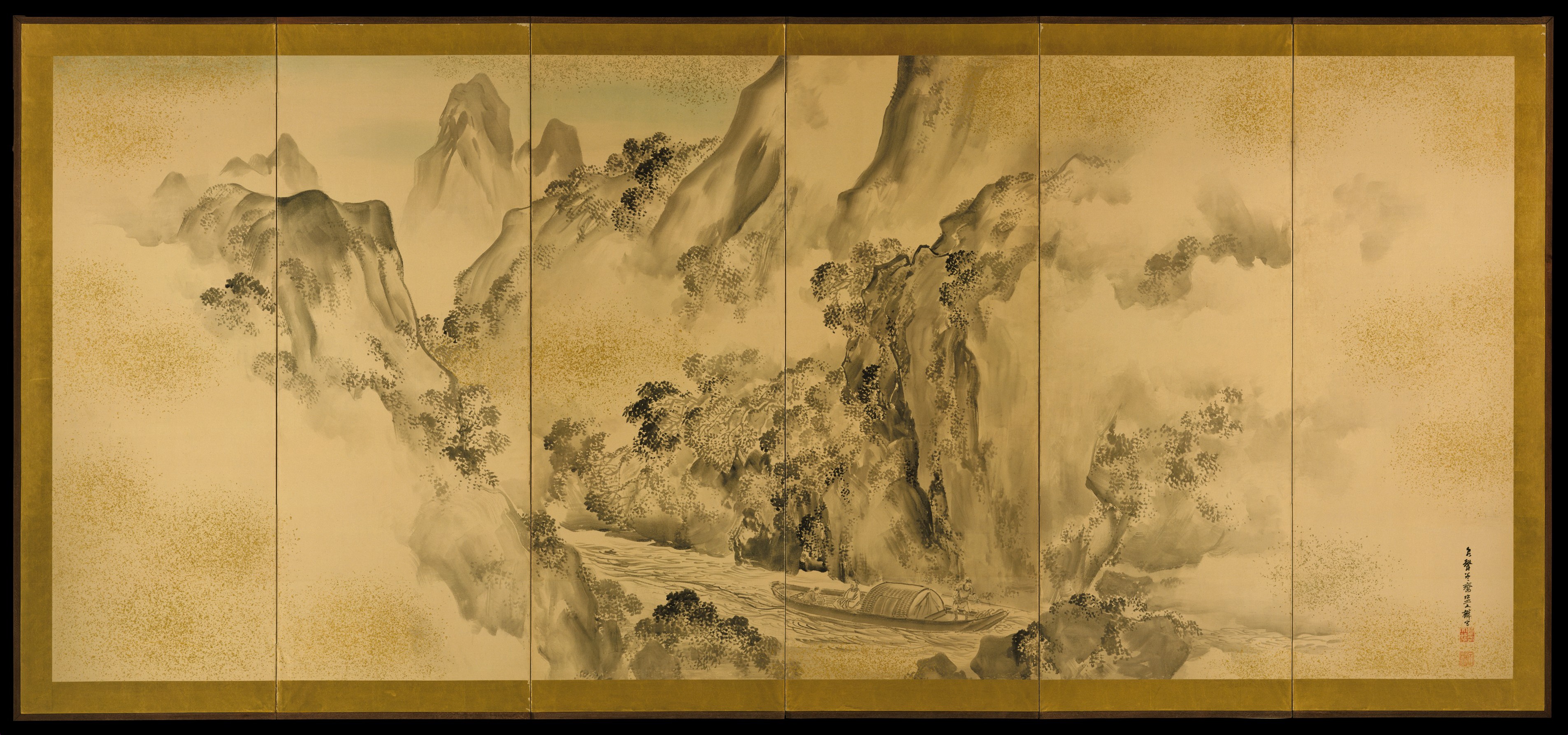
The Poet Li Bo's Visit to Mount Emei
1875
Pair of six-panel folding screens; ink and gold on paper