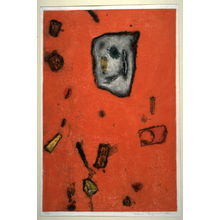
Biography
Tokio Miyashita was one of the leading Japanese post-war printmakers, known internationally for his experimental approach to woodblock printing and his rugged, expressive visual style. Born in 1930 in Tokyo, Miyashita initially pursued a degree in literature before turning to the visual arts, where he developed an enduring passion for printmaking.
Miyashita studied under two giants of the sosaku hanga (creative print) movement: Unichi Hiratsuka, the pioneering advocate of artist-made prints, and Junichiro Sekino, known for his bold figurative woodblocks. This training grounded Miyashita in the traditions of Japanese woodblock printing while encouraging the spirit of artistic independence that defined the sosaku hanga philosophy.
While traditional Japanese woodblock printing remained his primary method throughout his career, Miyashita was a restless experimenter who constantly expanded his technical vocabulary. He worked with multiple printmaking techniques including woodblock, intaglio, and photoengraving, and achieved his most distinctive visual effect by soldering wire to the printing plate — a highly unconventional technique that produced the rugged, textured lines for which his prints are recognized. This method created a visual quality unlike anything achievable through conventional carving or etching.
Miyashita's participation in major international print biennales brought his work to a global audience, and he became one of the most recognized Japanese printmakers of the post-war generation. His prints are represented in prestigious museum collections worldwide, including the Museum of Modern Art in New York and the British Museum in London. He exhibited widely in Tokyo, at international biennales, and through galleries specializing in Japanese prints.
Miyashita continued working and exhibiting until his death in 2011. His legacy is that of an artist who honored the traditions of sosaku hanga while constantly pushing the boundaries of what the woodblock print medium could achieve.
Key Facts
- Active Period
- 1930–2011
- Nationality
- 🇯🇵Japan
- Movements
- Contemporary MokuhangaSōsaku-hanga
- Works Indexed
- 11
Frequently Asked Questions
Tokio Miyashita was one of the leading Japanese post-war printmakers, known internationally for his experimental approach to woodblock printing and his rugged, expressive visual style. Born in 1930 in Tokyo, Miyashita initially pursued a degree in literature before turning to the visual arts, where he developed an enduring passion for printmaking.
Tokio Miyashita was active from 1930 to 2011. They were associated with the Contemporary Mokuhanga and Sōsaku-hanga movements.
Tokio Miyashita's work was shaped by the Contemporary Mokuhanga and Sōsaku-hanga traditions in Japanese woodblock printmaking. Contemporary Mokuhanga: Contemporary mokuhanga (literally "wood-block print") encompasses artists working from approximately 1970 to the present who continue or reinvent traditional Japanese woodblock printing techniques. Sōsaku-hanga: ## What is sōsaku-hanga? Sōsaku-hanga (創作版画, "creative prints") was a twentieth-century Japanese print movement defined by a single commitment: the artist must design, carve, and print every work alone.
Tokio Miyashita's prints frequently feature abstract, seascapes, animals, cats, lithograph, landscapes.
Woodblock Prints by Tokio Miyashita (11)
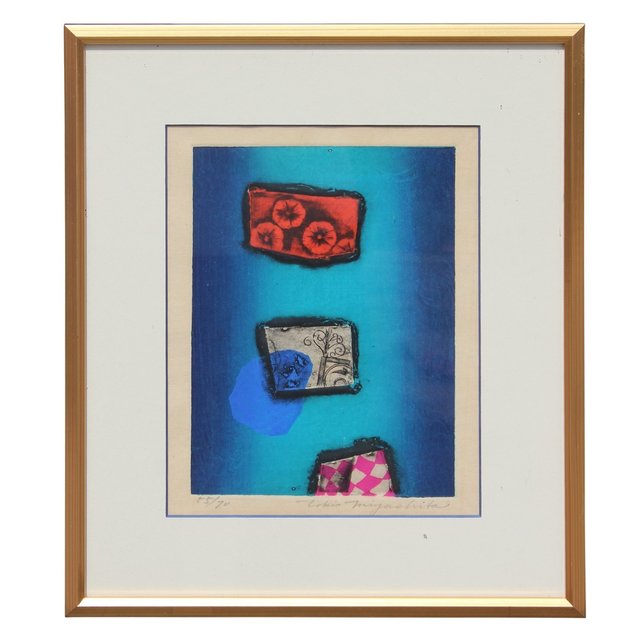
Abstract "Flowers" with Red, Blue and Pink Tones
20
Lithograph
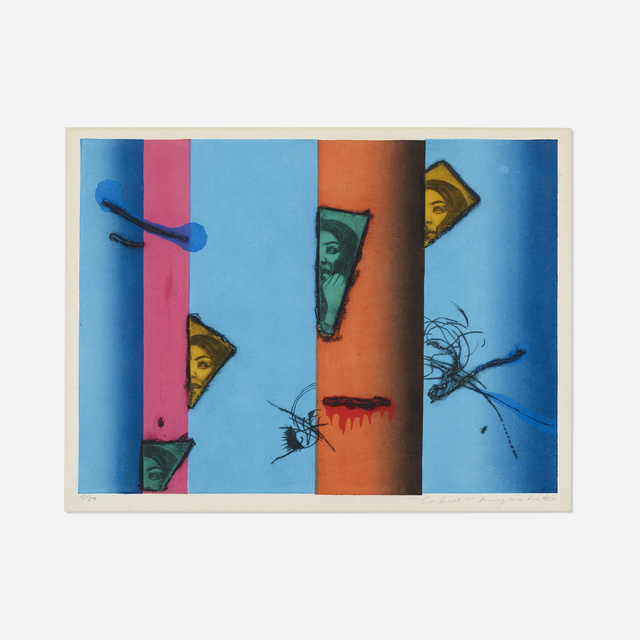
Mail from the Sea
Woodcut and etching in colors
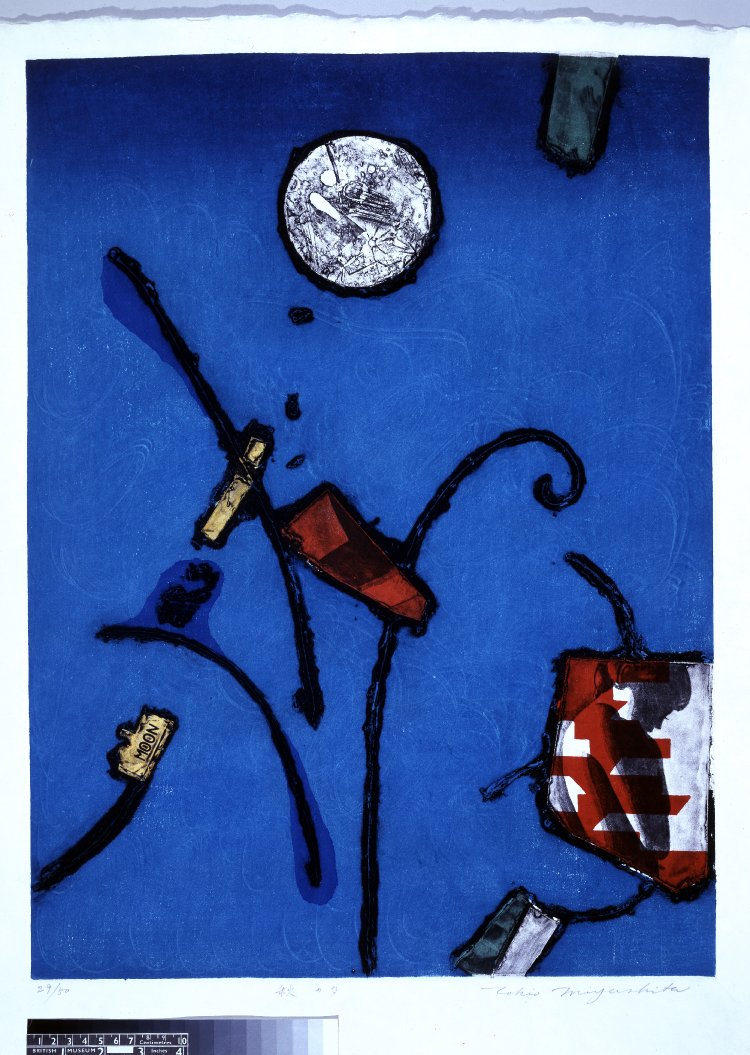
Untitled
Woodblock print
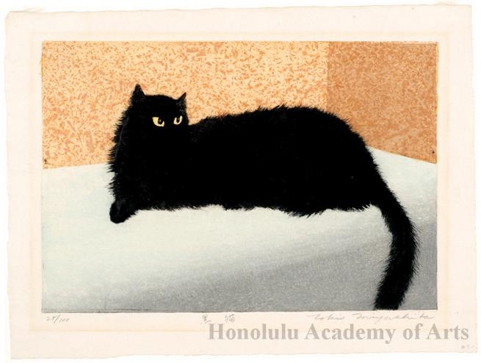
Black Cat
Woodblock print
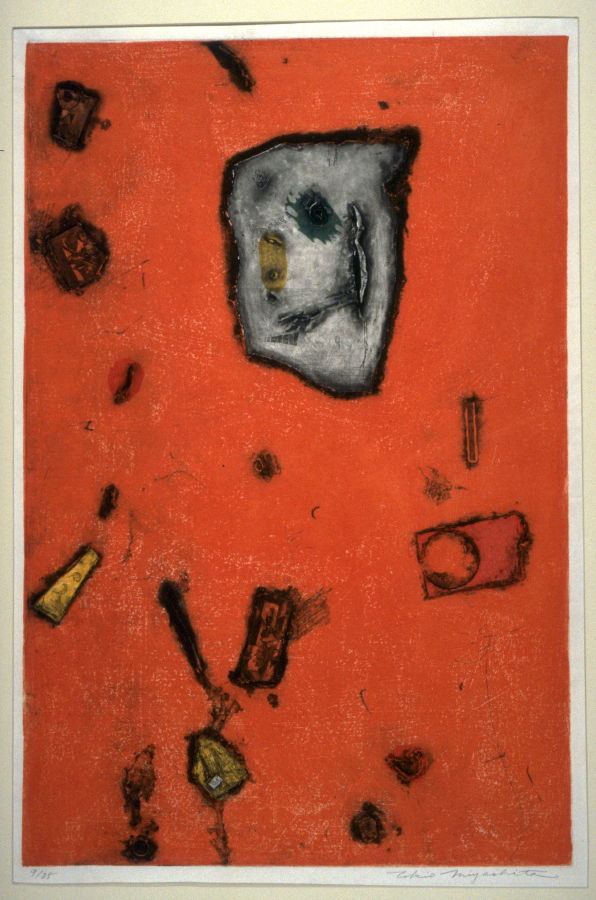
Work V-5
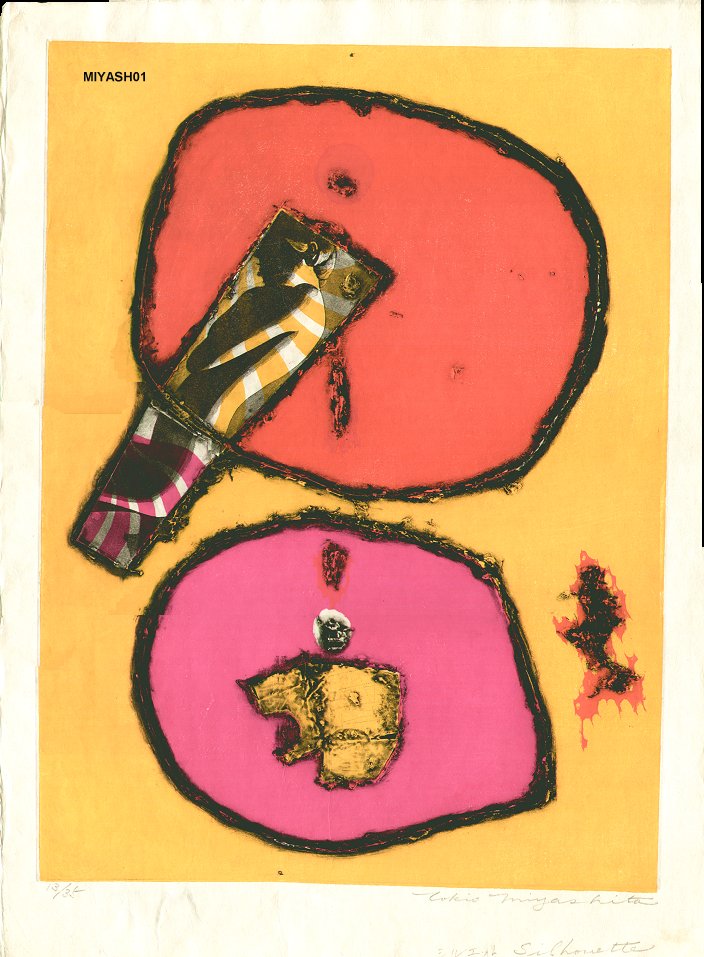
Silhouette
Woodblock print
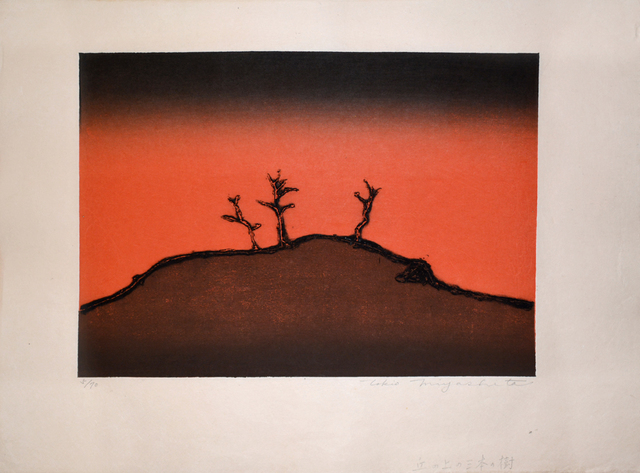
Three Trees on Hill
Woodblock Print
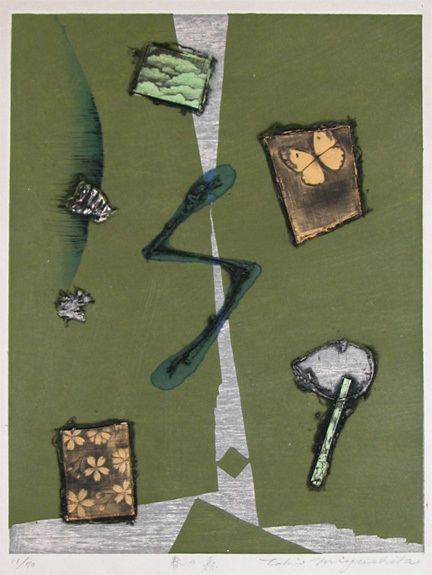
Forest in Spring
N/A
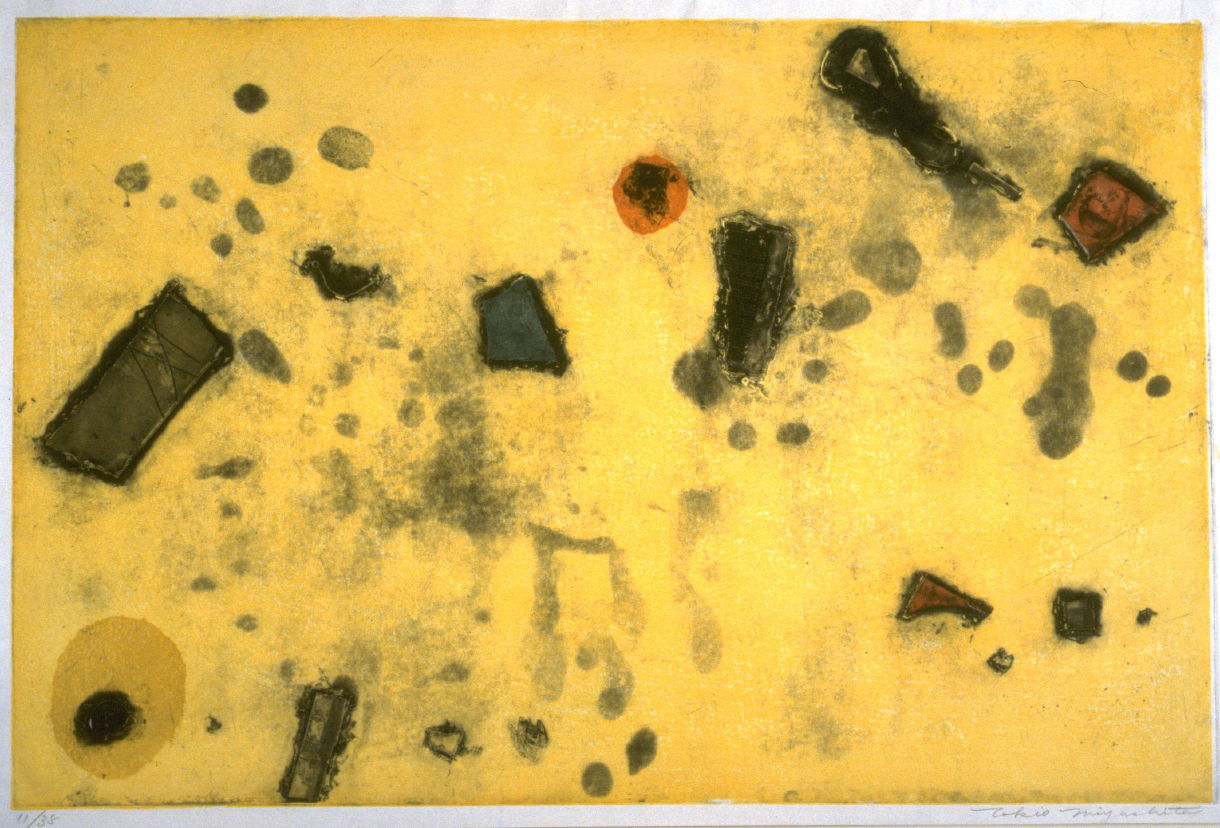
Work Y-4
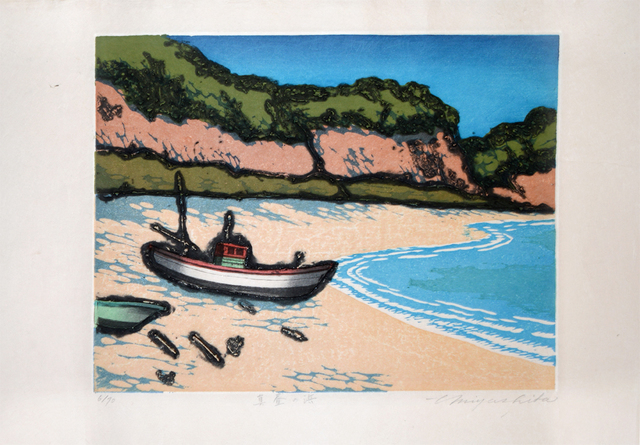
Beach at High Noon
Woodblock Print
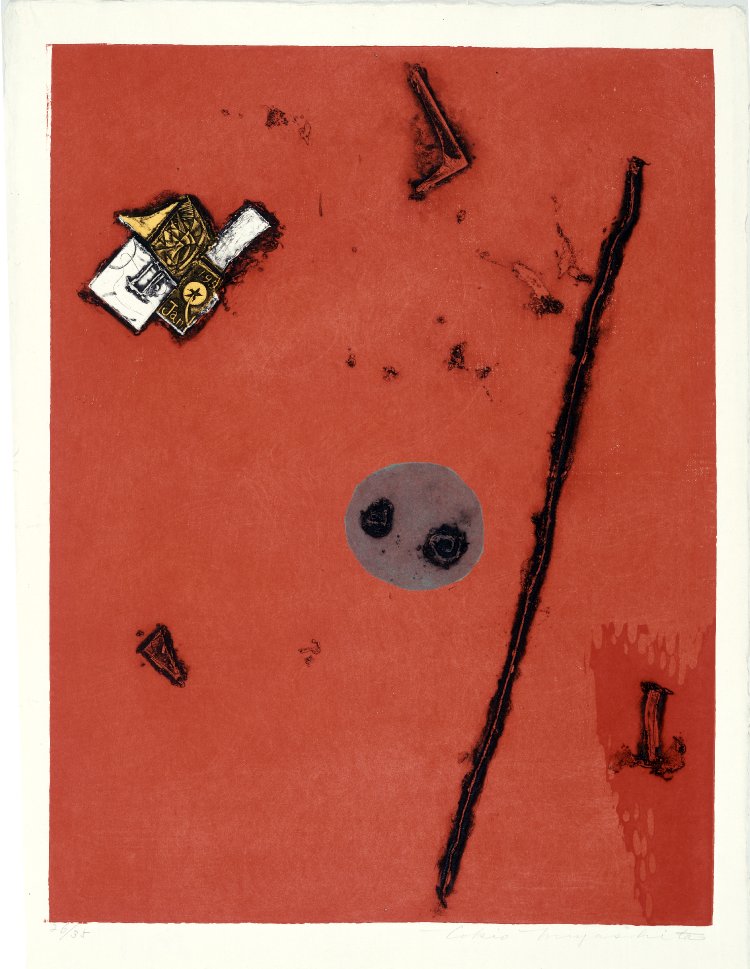
Untitled
Woodblock print