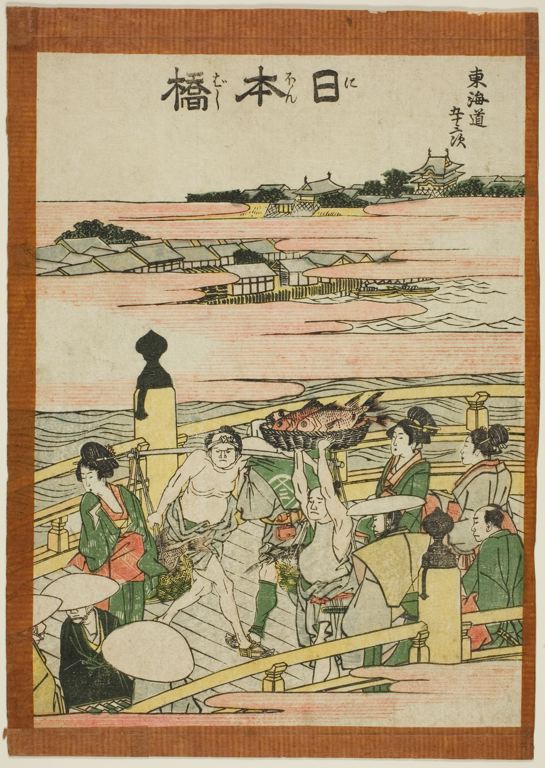
Nihonbashi, from the series Fifty-three Stations of the Tokaido (Tokaido gojusan tsugi)
- Series:
- Fifty-three Stations of the Tokaido (print 1 of 55)
- Medium:
- Woodblock print
- Format:
- Oban
- Source:
- Art Institute of Chicago
Description
Nihonbashi — the Bridge of Japan at the very center of Edo, from which all distances in the country were officially measured — appears as the starting point of the Tokaido highway in this print from Hokusai's Fifty-three Stations of the Tokaido series (Tokaido gojusan tsugi). The bridge's ritual and commercial significance as the navel of the nation suffuses this depiction of the fish market and early-morning traffic beneath its arching span.
More Prints by Katsushika Hokusai
Hokusai manga (Hokusai Sketchbooks)
19th century
Woodblock-printed book; ink and light color on paper
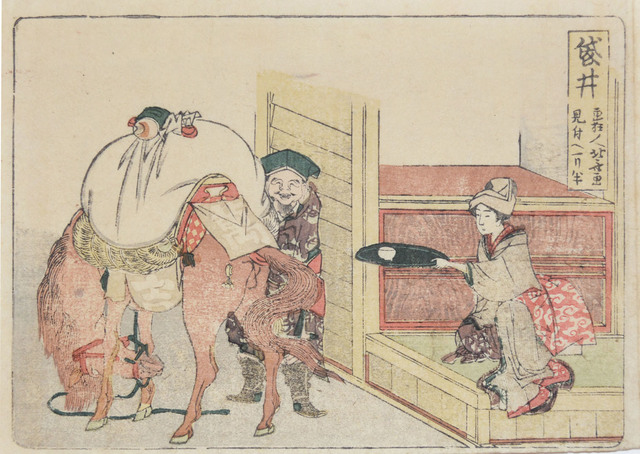
Fukuroi
1804
Japanese woodblock print

The Fishermen of Katase Hauling in Their Nets: The Purple Shell (Murasakigai)
1821
Color woodblock print with metallic pigments; surimono shikishiban

Burdock Root (Kurama gobo), from the series "A Selection of Horses (Uma-zukushi)"
1822
Color woodblock print; shikishiban, surimono
More Urban Scenes Prints
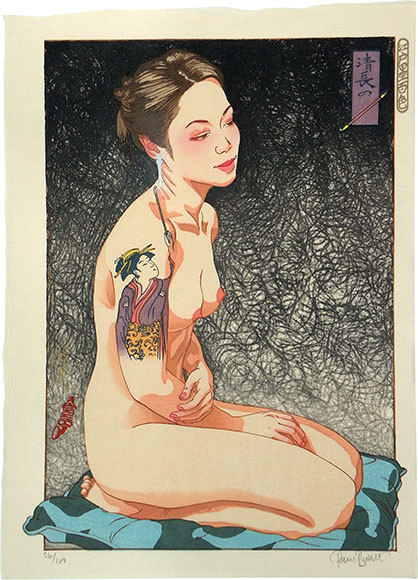
A Hundred Shades of Ink of Edo: Kiyonaga's Pipe (Edo zumi hyaku shoku: Kiyonaga no kiseru)
Woodblock print

View of Kabuki Theater from Matsuya (Ginza Matsuya yori Kabukiza), no. 3 from the series "Pictures of Ginza, First Series (Gashu Ginza dai isshu)"
1928
Color lithograph

Distant View of Mitsukoshi Movie Theater in Shinjuku from the Sixth Floor of Hoteiya (Hoteiya rokkai kara Shinjuku Mitsukoshi Musashi no kan enbo zu), no. 1 from the series "Scenery of Shinjuku (Gashu Shinjuku fukei)"
1930
Color lithograph
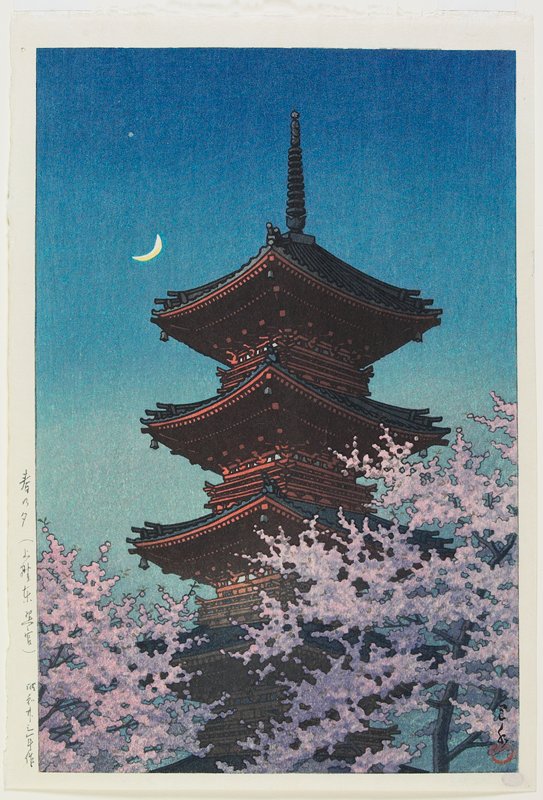
Spring Dusk at the Tōshō Shrine in Ueno
1948
Woodblock print, ink and color on paper
Frequently Asked Questions
Nihonbashi, from the series Fifty-three Stations of the Tokaido (Tokaido gojusan tsugi) was created by Katsushika Hokusai (葛飾北斎).
Yes — Nihonbashi, from the series Fifty-three Stations of the Tokaido (Tokaido gojusan tsugi) is part of the Fifty-three Stations of the Tokaido series (print 1 of 55) by Katsushika Hokusai.
Nihonbashi, from the series Fifty-three Stations of the Tokaido (Tokaido gojusan tsugi) depicts urban scenes, tōkaidō, and travel scenes, set at Nihonbashi.