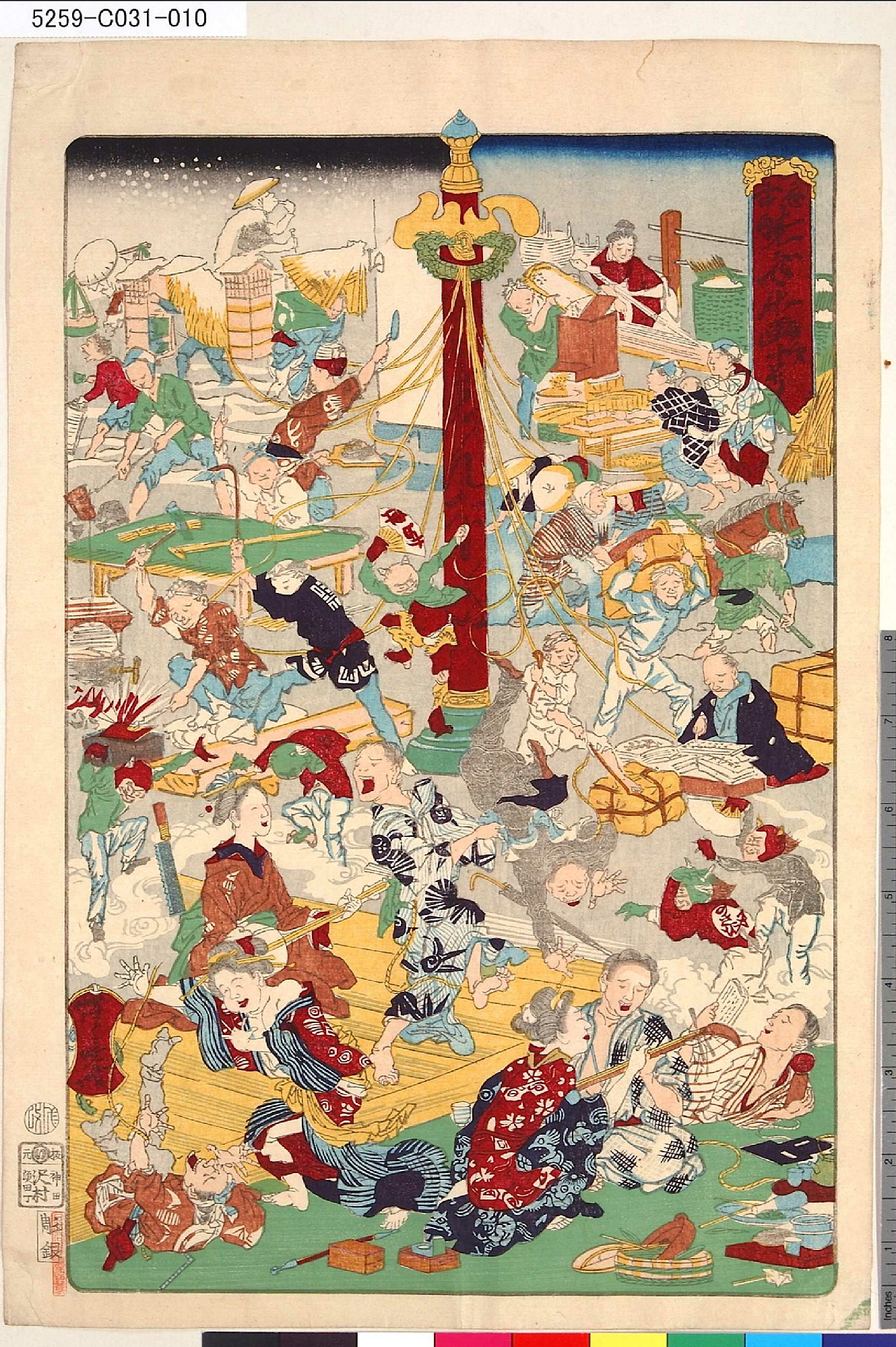
「応需暁斎楽画」 「第十号」
- Medium:
- Woodblock print
- Source:
- Metropolitan Museum of Art
- Image courtesy of
- Metropolitan Museum of Art
Description
The tenth number in the Kyosai Rakuga series lacks a surviving descriptive subtitle in its title inscription, making precise identification of subject matter dependent on visual examination. Within the sequence, number ten falls between the Aesop's fables adaptations of numbers six and eight and the Jigoku Dayu dream scene of number nine, suggesting the series at this point was alternating between imported Western narrative subjects and subjects from Japanese tradition. The Rakuga prints consistently maintain a distinctive graphic character: loose, brush-informed outlines translated into woodblock with minimal reformatting, flat or simply graded color areas, and a compositional economy that privileges gesture and expression over elaborate decorative detail. This approach contrasts sharply with the commercial nishiki-e mainstream of the period and reflects Kyosai's resistance to the division between painting and printmaking that had increasingly separated those arts in the preceding century.
More Prints by Kawanabe Kyosai
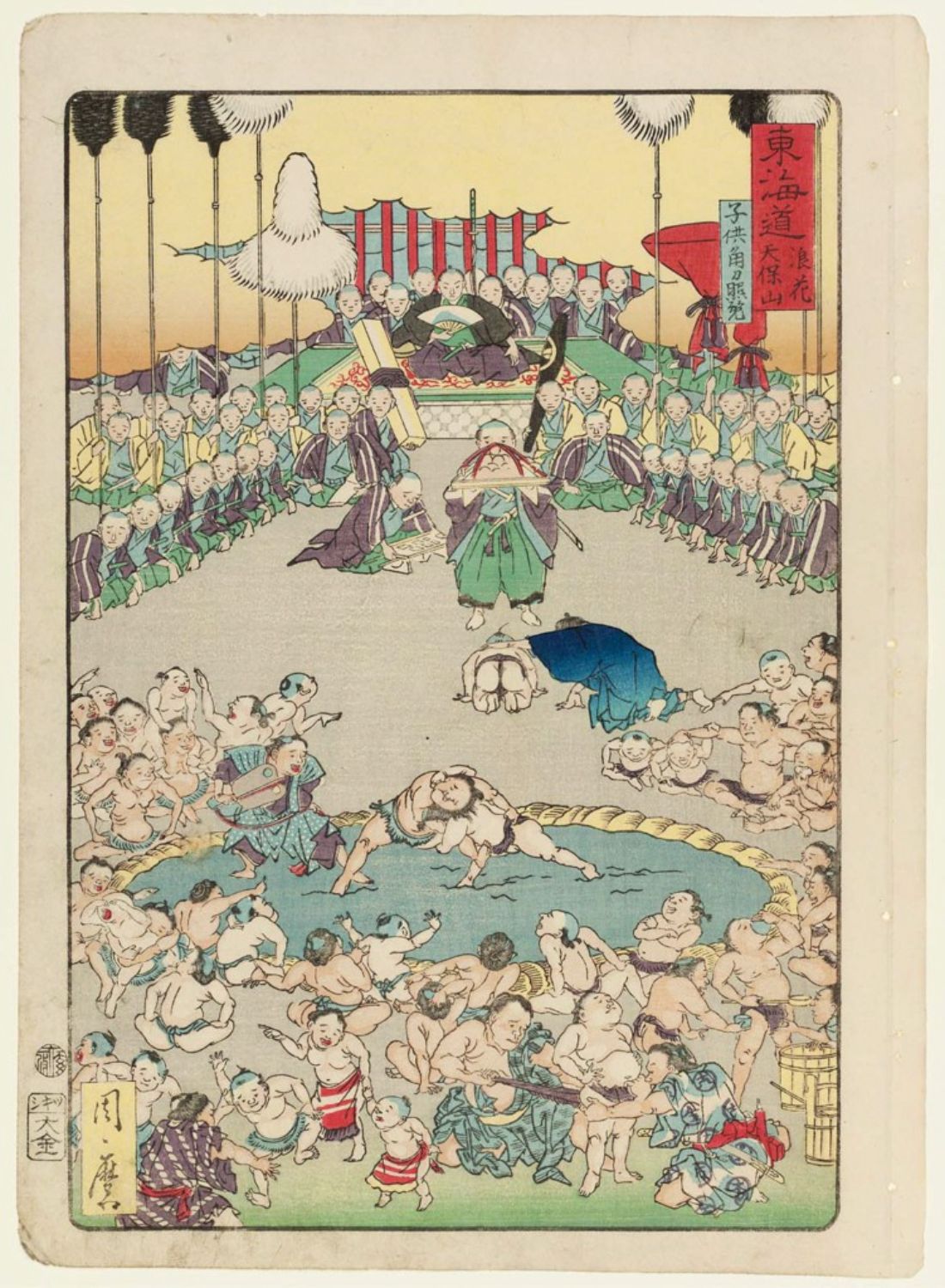
Tenpôzan in Osaka: Viewing Children's Sumo (Naniwa Tenpôzan kodomo sumô shôran), from the series Scenes of Famous Places along the Tôkaidô Road (Tôkaidô meisho fûkei), also known as the Processional Tôkaidô (Gyôretsu Tôkaidô), here called Tôkaidô
1863
Woodblock print
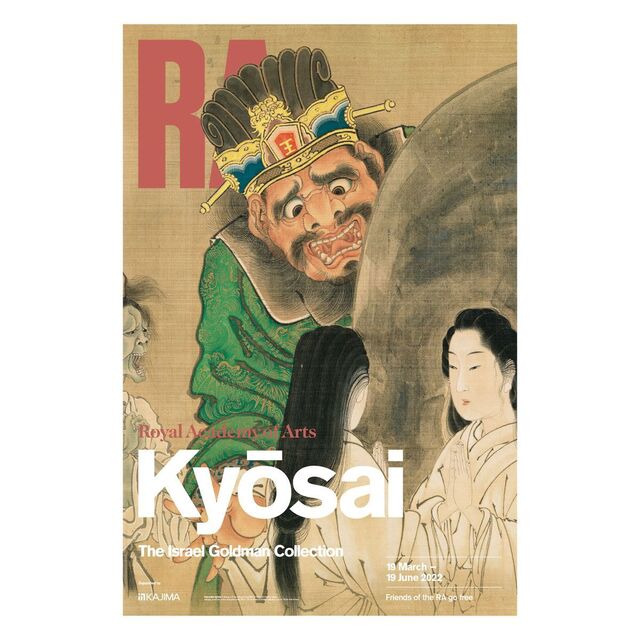
Kyosai, Royal Academy, London, FREE DOMESTIC SHIPPING
2022
Original Museum Lithographic Exhibition Poster
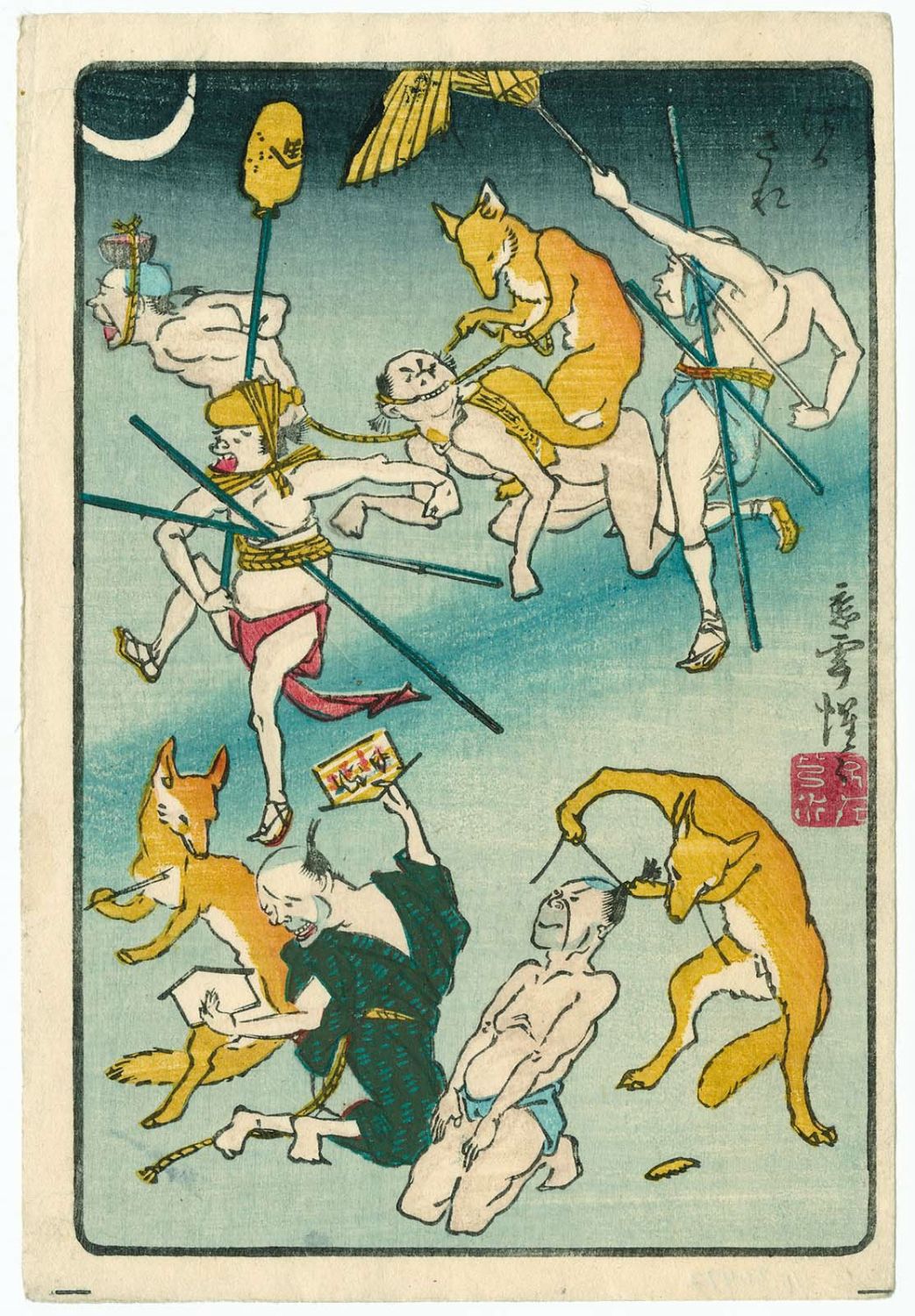
from the series One Hundred Pictures by Kyôsai (Kyôsai hyakuzu)
Woodblock print
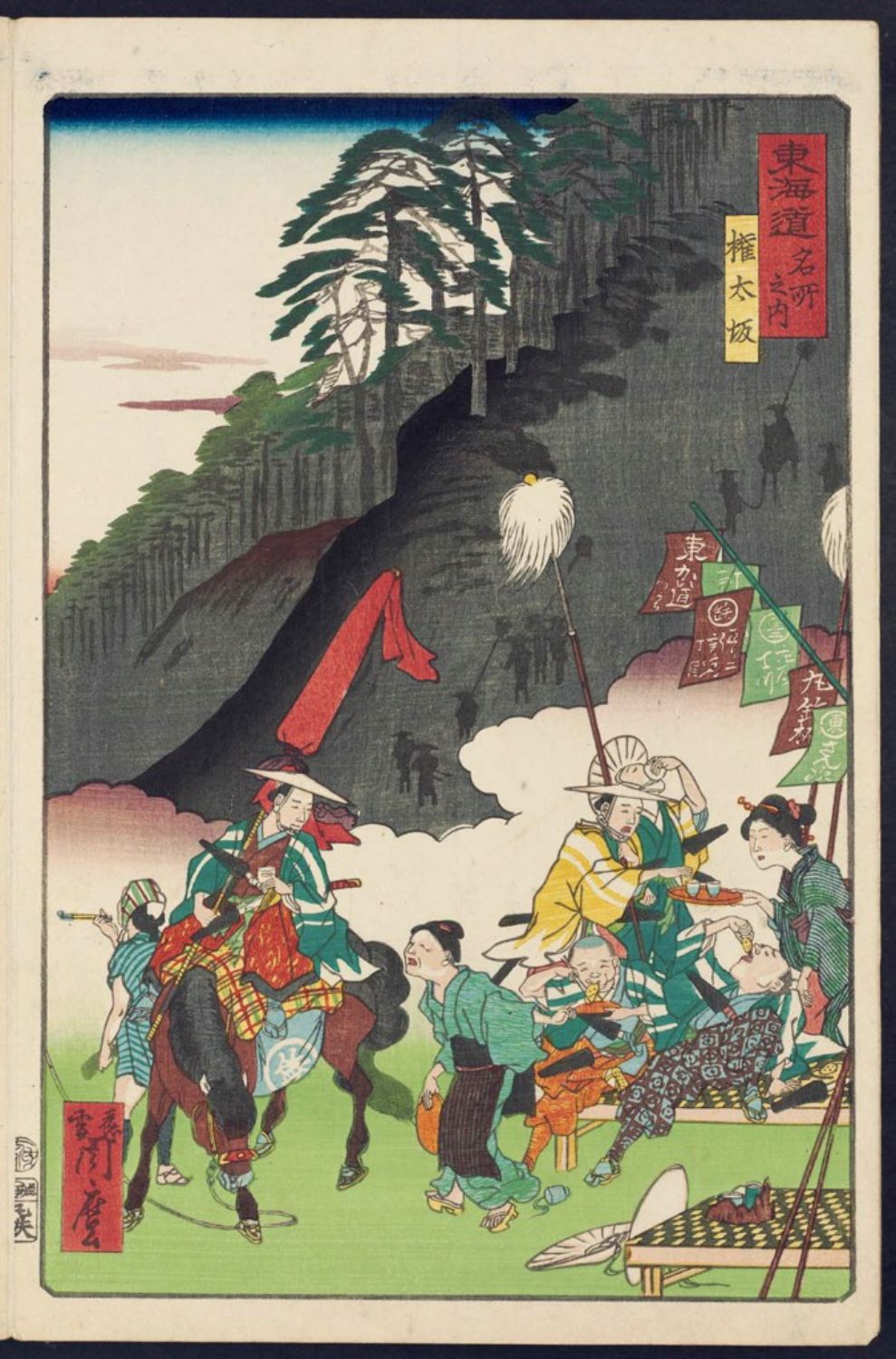
Gontazaka, from the series Scenes of Famous Places along the Tôkaidô Road (Tôkaidô meisho fûkei), also known as the Processional Tôkaidô (Gyôretsu Tôkaidô), here called Tôkaidô meisho no uchi
Woodblock print
Frequently Asked Questions
「応需暁斎楽画」 「第十号」 was created by Kawanabe Kyosai (河鍋暁斎).