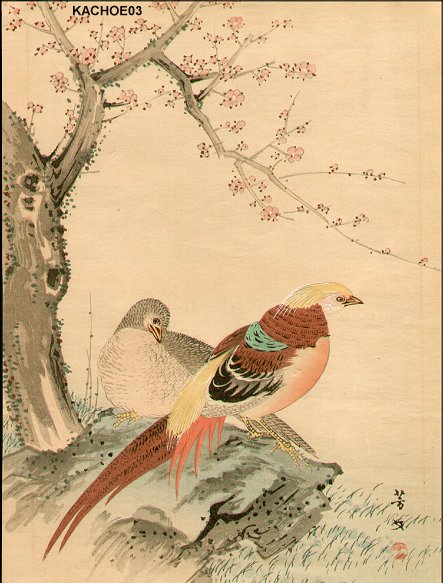
Pheasant
雉
- Date:
- 1930s (posthumous printing)
- Medium:
- Color woodblock print (kachō-e)
Description
Pheasant (Kiji) is a color woodblock print after Kikuchi Hōbun's original drawing, published in the Shima Art Co. kachō-e edition of the 1920s and 1930s — a posthumous series in which the Osaka publisher Shima Art Co. issued woodblock-printed adaptations of Hōbun's bird-and-flower paintings for the international decorative-print market. The print depicts a single male pheasant in profile, the long tail trailing behind it, against a quiet ground in the close observational manner that distinguished Hōbun's mature kachō-e production. The pheasant (kiji) is one of the most heavily encoded subjects in the Japanese bird-and-flower tradition: as the national bird of Japan since 1947 and as one of the standard subjects of the Edo-period kachō-e specialists, it carries strong associations of pictorial display, courtly elegance, and the seasonal vocabulary of late winter and early spring when the male birds enter their mating plumage. Hōbun's handling combines the close drawing of feather and tail structure that the Maruyama-Shijō tradition had developed in the late eighteenth century with the restrained, almost ink-painterly background that distinguished his work from the brighter decoration of the contemporary Tokyo kachō-e specialists. The Shima Art Co. edition was widely distributed through department stores and decorative-print dealers in Osaka, Tokyo, and the Pacific Rim ports in the inter-war decades, and surviving impressions are now held in many North American and European collections.
More Prints by Kikuchi Hōbun
Nihon Mōhitsu Gachō (Japanese Paintbrush Picture Album), Volume 1
日本毛筆画帖
1900
Woodblock-printed picture album; ink and color on paper

Five Painted Lacquer-on-Wood Plates (with Taniguchi Kōkyō, Tsuji Kakō, and Yamamoto Shunkyo)
c. 1910
Painted lacquer on wood; set of five plates
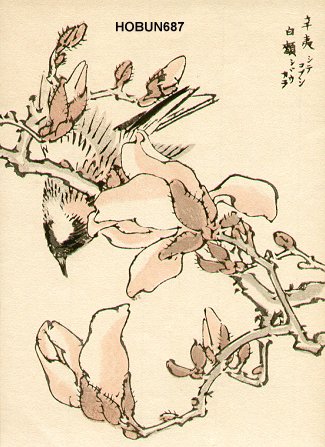
Sparrow
雀
c. 1900s (late Meiji)
Color woodblock print (kachō-e)
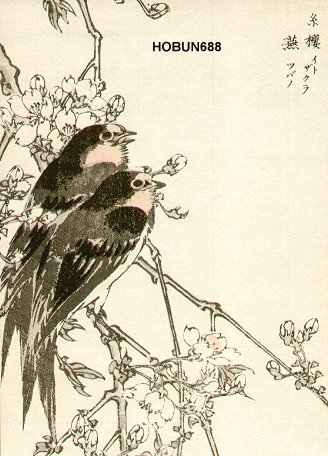
Sparrows
群雀
c. 1900s (late Meiji)
Color woodblock print (kachō-e)
Frequently Asked Questions
Pheasant (雉) was created by Kikuchi Hōbun (菊池芳文) in 1930s (posthumous printing).