
Canal in Venice, San Trovaso Quarter
by Robert Blum
- Date:
- 1885
- Medium:
- Oil on canvas
- Source:
- Smithsonian American Art Museum
Description
Painted in 1885 and held in the Smithsonian American Art Museum (1909.7.7), Canal in Venice, San Trovaso Quarter is one of the principal Venetian canvases of Robert Blum's middle years and a characteristic statement of the American painters' Venetian school that flourished between 1880 and 1890. The medium-scale oil depicts a quiet canal in the San Trovaso quarter of Dorsoduro — the area in which the city's gondolas were repaired at the small squero on the Rio di San Trovaso — with the line of stuccoed houses reflected in the water on the left, the curving line of the canal running to a distant bridge, and a single moored boat in the foreground. The handling is brilliantly fluent in the Fortuny manner, with the small accents of red brick and pale ochre struck against the silvery grey of the water and the warm cream of the sun-bleached stucco.
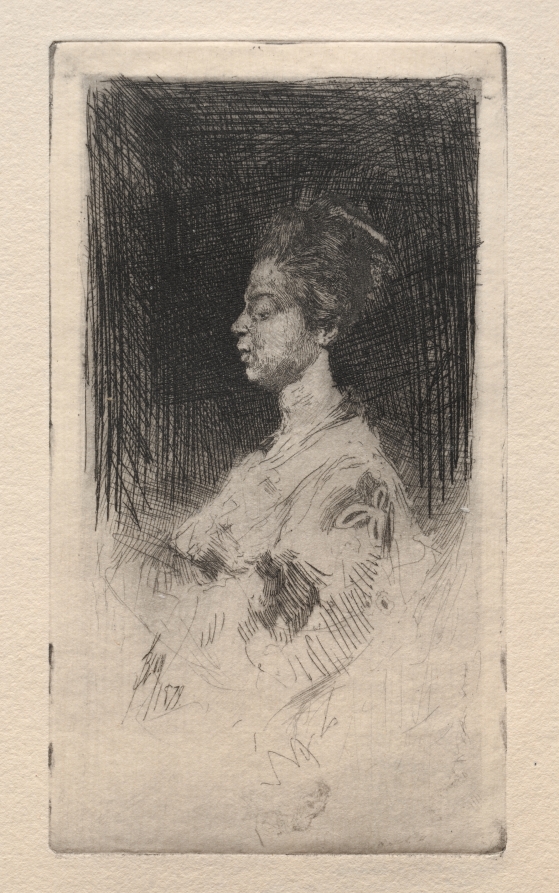
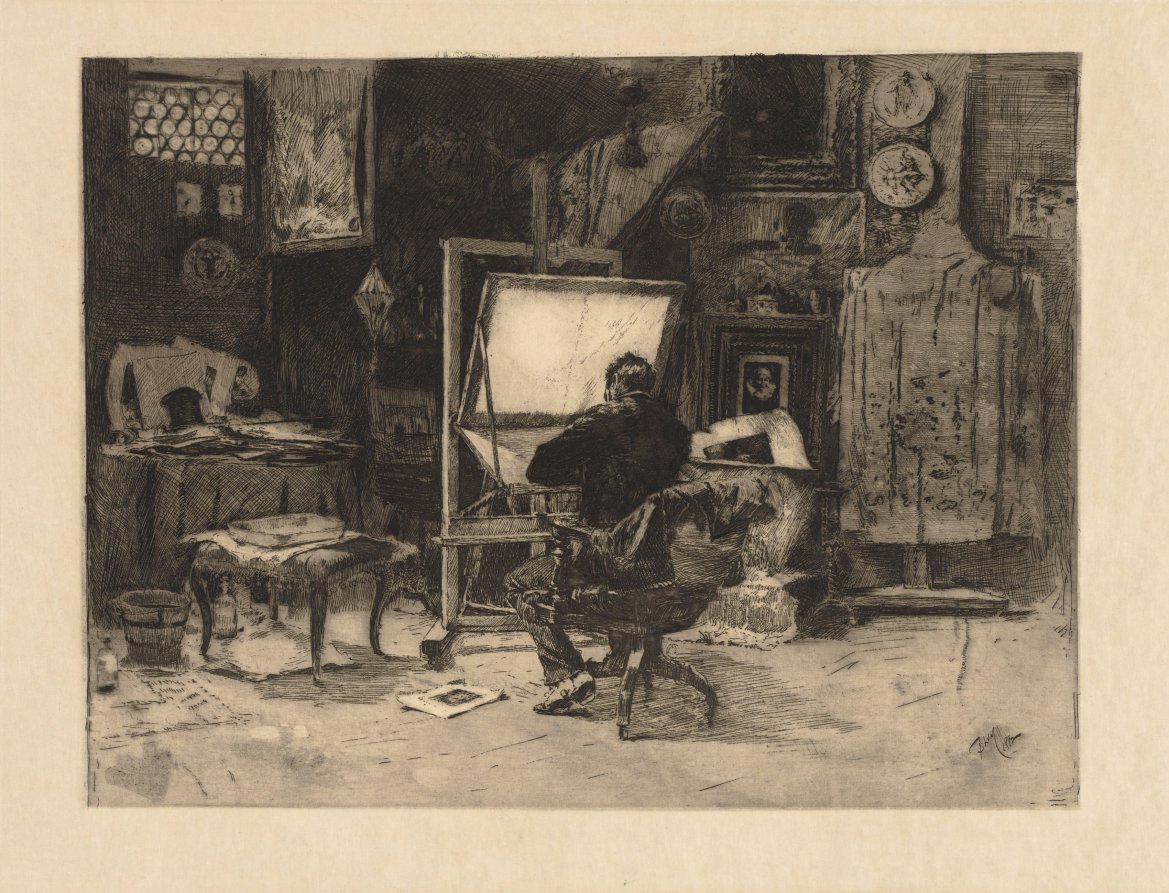
The canvas entered the Smithsonian American Art Museum in 1909 through the William T. Evans gift, one of the foundational gifts of American painting that established the museum's national collection. Together with the Cincinnati Venetian Lacemakers and the long series of small etchings in the Cleveland Museum of Art and the Art Institute of Chicago, it records the central body of Blum's Venetian work in the years immediately before his attention turned to Japan; it is one of the most concentrated American statements of the kind of canal painting that the generation of Blum, Whistler, Sargent and Bunce had established as the dominant Western pictorial vocabulary of Venice in the closing decades of the nineteenth century.
More Prints by Robert Blum


Frequently Asked Questions
Canal in Venice, San Trovaso Quarter was created by Robert Blum in 1885.