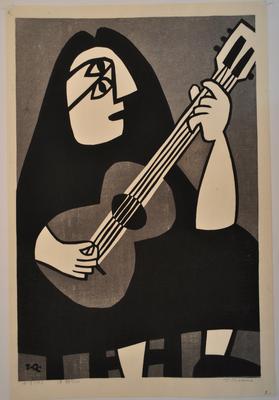
Guitarist
by Takeji Asano
- Medium:
- Woodblock print, ink on paper
- Source:
- Minneapolis Institute of Art
Description
Guitarist, dated 1960 and preserved in the collection of the Minneapolis Institute of Art (https://collections.artsmia.org/art/135548), represents Asano Takeji's postwar engagement with the simpler, more abstracted compositional manner that the sosaku-hanga ('creative prints') movement had brought to the broader Japanese print field by mid-century. Asano (1900-1999), Kyoto-trained at the Kyoto City School of Fine Arts and Crafts and long established as one of the leading shin-hanga landscape designers of his generation, never fully crossed over into the sosaku-hanga ideology of self-carving and self-printing, but his postwar designs of the 1950s and 1960s increasingly absorbed the movement's preference for flattened color planes, simplified silhouettes, and modern figural and genre subjects. A guitarist as a print subject in 1960 belongs to the postwar internationalization of Japanese visual culture, in which Western musical instruments and the figures who played them entered the iconographic vocabulary of artists across the print field, and the subject would have read as strikingly modern in contrast to the temple and shrine landscapes for which Asano had built his prewar reputation. The Minneapolis Institute of Art, whose Japanese print holdings constitute one of the most important collections of mid-twentieth-century Japanese printmaking in North America, has assembled a representative group of Asano's late designs that document this shift in his idiom. Because the institutional record provides title, date, and source but not full publisher attribution, researchers should consult the museum's catalog directly for technique, edition, and provenance details. As a document of the late Asano hand, the print testifies to the willingness of even the most established Kyoto shin-hanga designers to absorb the formal and thematic lessons of the postwar sosaku-hanga moment.
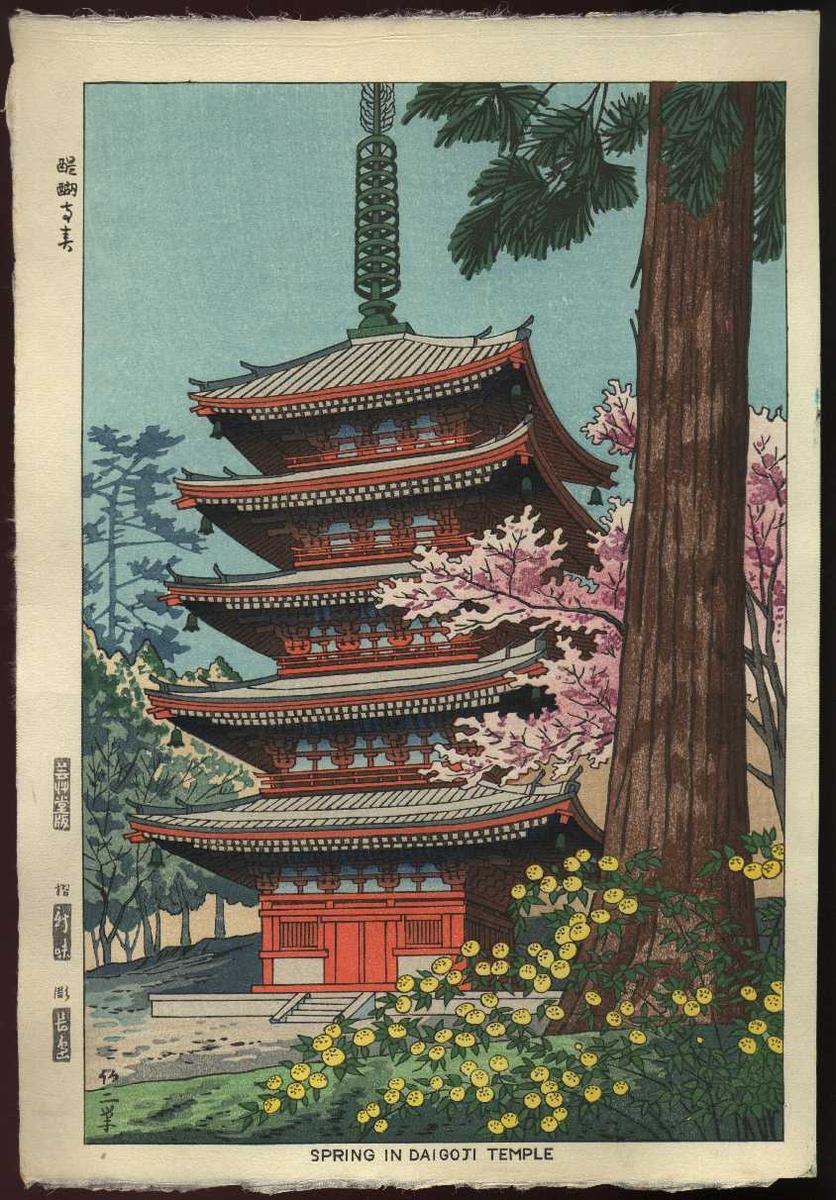
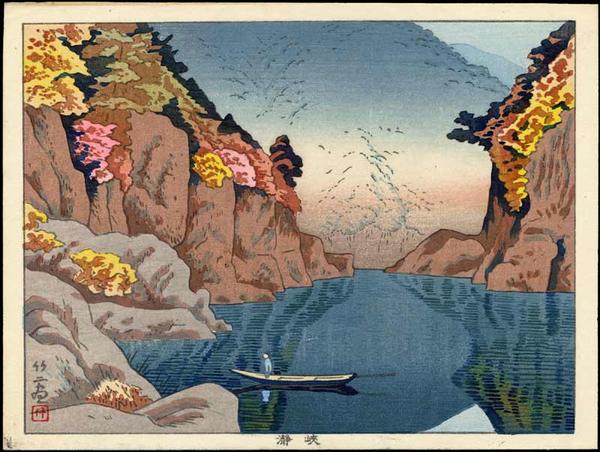
More Prints by Takeji Asano


Featured in Collections
Curated cross-cuts that include this print.
Frequently Asked Questions
Guitarist was created by Takeji Asano (浅野竹二).