
Haru No Fu
- Source:
- ukiyo-e.org
Description
Haru No Fu by Takumi Shinagawa is a Japanese woodblock print rooted in the postwar sosaku-hanga (creative print) movement, a tradition that prized the artist's complete authorship of design, carving, and printing. The title translates loosely as a poem or musical phrase of spring, and the work approaches that subject through the abstracted, design-forward sensibility that defined Shinagawa's mature practice rather than through literal seasonal imagery. Where earlier ukiyo-e masters depicted spring with cherry blossoms and figures in landscape, Shinagawa works in the modernist idiom that sosaku-hanga artists embraced from the 1950s onward, distilling seasonal feeling into pattern, rhythm, and the tactile interplay of carved line against the printed surface. The print reflects the movement's emphasis on the woodblock as a medium of personal expression, with Shinagawa treating the grain of the block, the weight of the carved mark, and the layered registration of color as expressive elements in their own right. As a member of the generation that consolidated sosaku-hanga's reputation internationally, Shinagawa contributed to the broadening of what Japanese woodblock could represent, moving the medium decisively into the language of twentieth-century abstraction while retaining the hand-pulled intimacy that distinguishes hanga from other forms of printmaking. Haru No Fu is documented in the ukiyo-e.org aggregator, which collates Japanese print holdings from museums and dealers worldwide and serves as a primary research index for sosaku-hanga works that circulate outside the major institutional collections. The print exemplifies Takumi Shinagawa's contribution to a generation of Japanese woodblock artists who transformed a centuries-old craft into a vehicle for individual artistic vision.
More Prints by Takumi Shinagawa

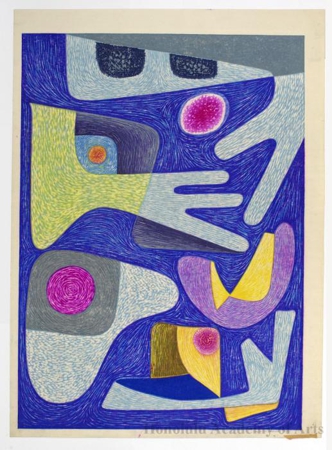

![Music in Spring (Shunfu [Haru no fu]), Shôwa period, mid 20th century by Takumi Shinagawa](https://data.ukiyo-e.org/harvard/images/HUAM-CARP06220.jpg)
Featured in Collections
Curated cross-cuts that include this print.
Frequently Asked Questions
Haru No Fu was created by Takumi Shinagawa (品川工).