Untitled
- Medium:
- Source:
- Victoria and Albert Museum
Description
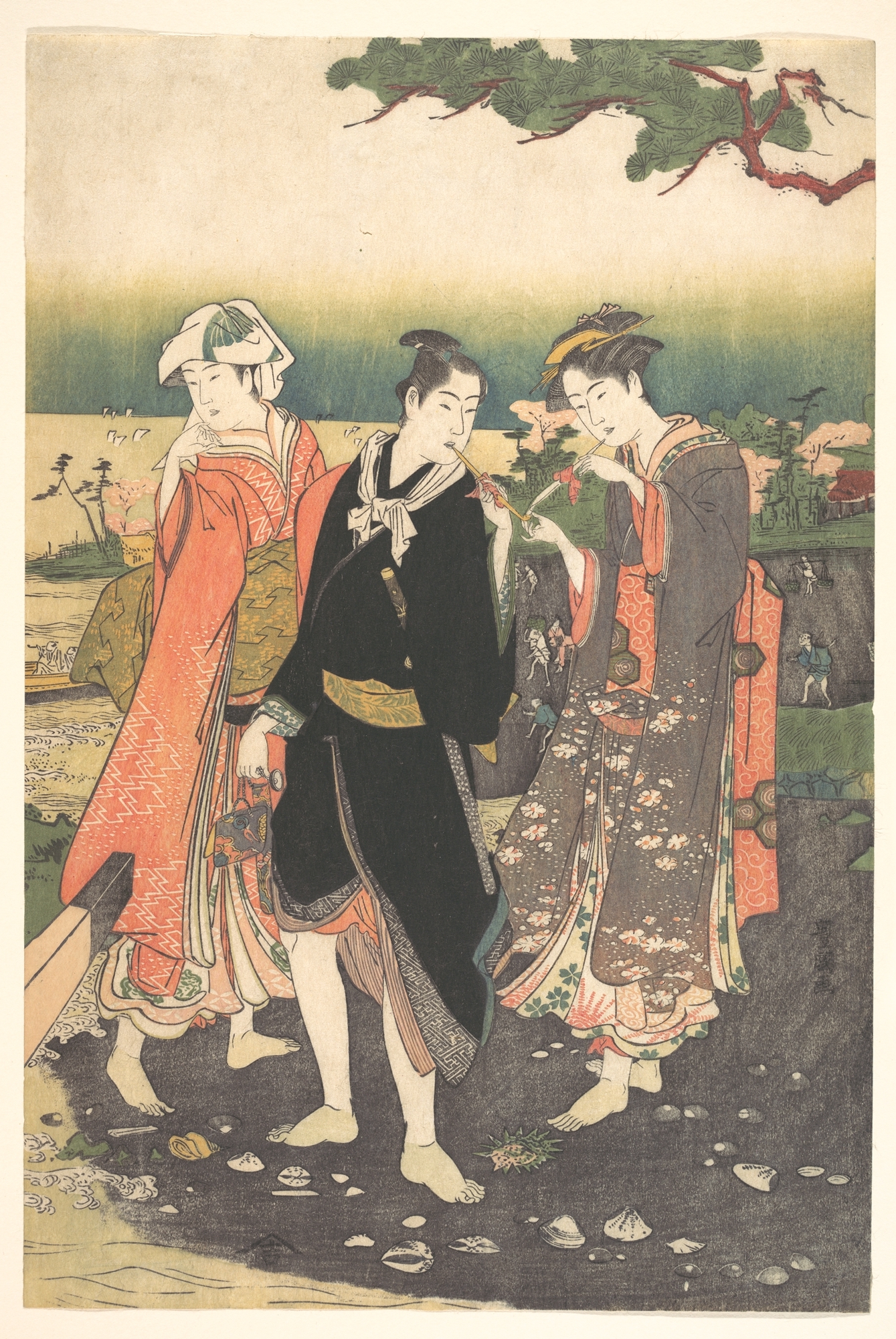
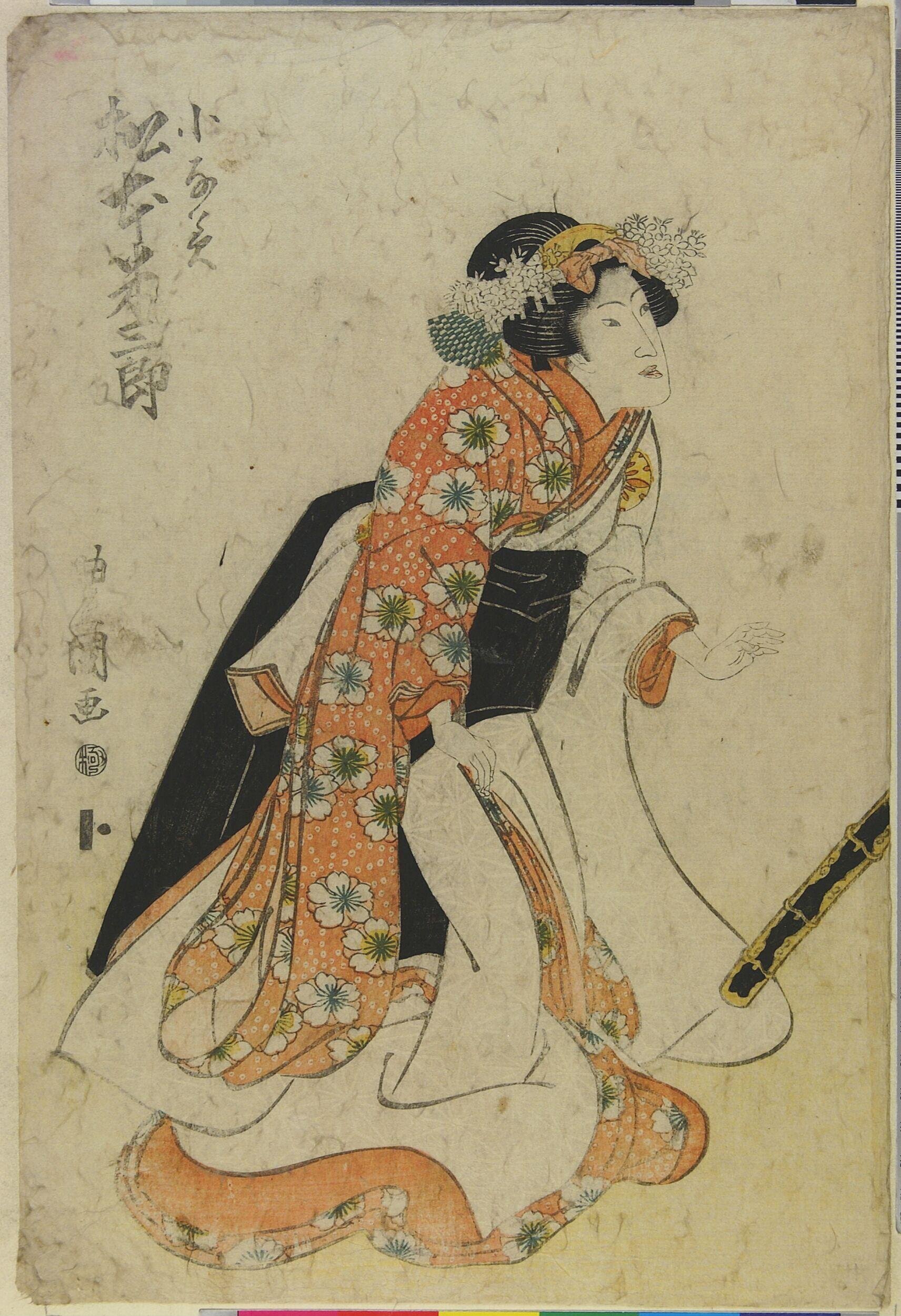
This untitled print by Utagawa Toyokuni, preserved in the Victoria and Albert Museum (object O414251), is one of the many sheets by the Utagawa school founder that entered British collections during the European craze for Japanese woodblock prints in the late nineteenth and early twentieth centuries. The V&A's holdings of Edo [ukiyo-e](/glossary/ukiyo-e) were assembled in part to document Japan's contribution to the decorative arts, and Toyokuni — as the dominant designer of [yakusha-e](/glossary/yakusha-e) and bijinga in his lifetime — is well represented across the collection. Without inscribed title or date, the sheet must be read through its visual characteristics: the assured outline, the patterned textiles, and the compositional balance characteristic of his mature Edo work. Toyokuni began his career under Utagawa Toyoharu in the 1780s and rose to prominence with his actor portrait series Yakusha butai no sugata-e in the mid-1790s, eventually heading a school whose pupils — Kunisada, Kuniyoshi, and Kuniyoshi's followers — defined nineteenth-century ukiyo-e. The V&A impression preserves the workshop standards of registration and pigment that distinguished Edo print production at its peak. Even without firm attribution data, the sheet contributes to the broad picture of Toyokuni's output, which spanned actor portraits, beauties, mitate-e, and genre scenes drawn from the entertainments of the capital. Museum study of such untitled prints continues to refine attribution and chronology within the Utagawa workshop's prolific output.