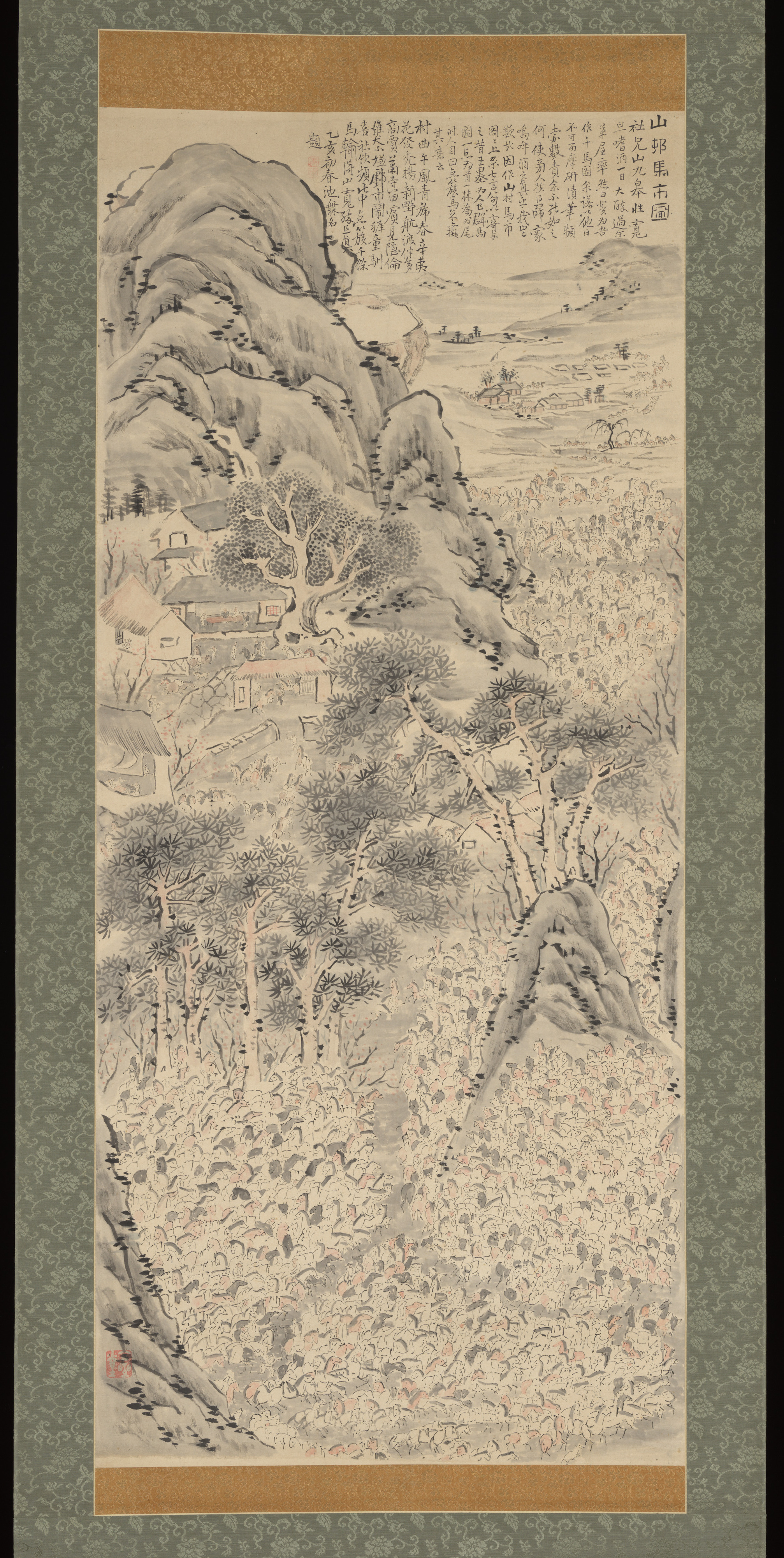
After Ike no Taiga's "Horse Market in a Mountain Village"
- Date:
- 1820s
- Medium:
- Hanging scroll; ink and color on paper
- Source:
- The Metropolitan Museum of Art
Description
After Ike no Taiga's 'Horse Market in a Mountain Village' is a hanging scroll by Watanabe Kazan (渡辺崋山, 1793-1841) dated to the 1820s and held in the Metropolitan Museum of Art (accession 2020.396.38). Painted in ink and color on paper, the scroll is a deliberate homage by Kazan to Ike Taiga (1723-1776), the great mid-eighteenth-century nanga master whose landscape work defined the Kyoto literati tradition that Kazan inherited through his teacher Tani Bunchō. In nanga practice the copy after a respected predecessor was a recognized genre in its own right, both a private exercise in absorbing an admired idiom and a public declaration of pictorial lineage. Kazan's choice of subject — a market scene in a mountain village, with horses, traders, and small narrative incidents set within a literati landscape — gave him the opportunity to work simultaneously in Taiga's landscape conventions and in the kind of observed figural sketching that became his own particular strength. The Met scroll is a substantial document of Kazan's early-to-mid-career engagement with the eighteenth-century nanga canon and of the way nineteenth-century Edo literati painters constructed their relationship to the Kyoto masters of the previous generation.
More Prints by Watanabe Kazan
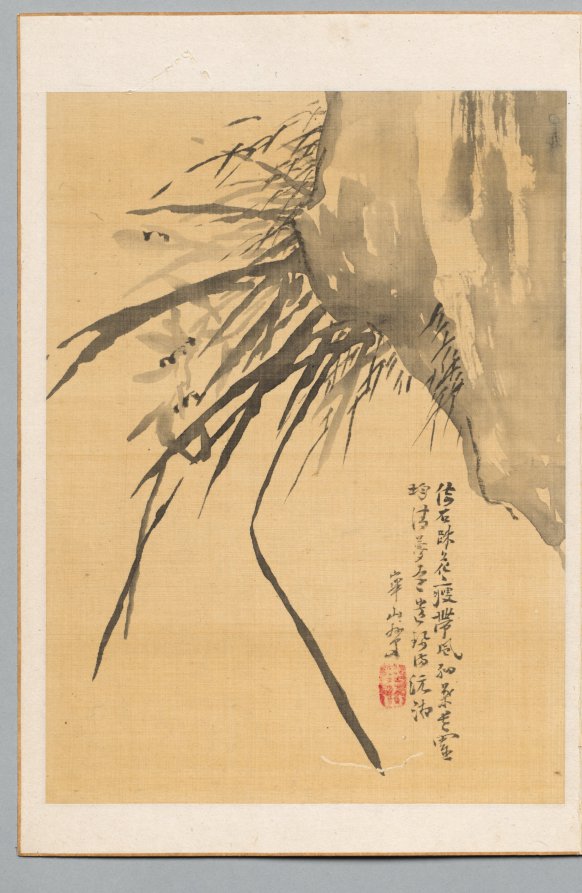
Orchid
early to mid-1800s
Leaf from folding album; ink and light color on paper
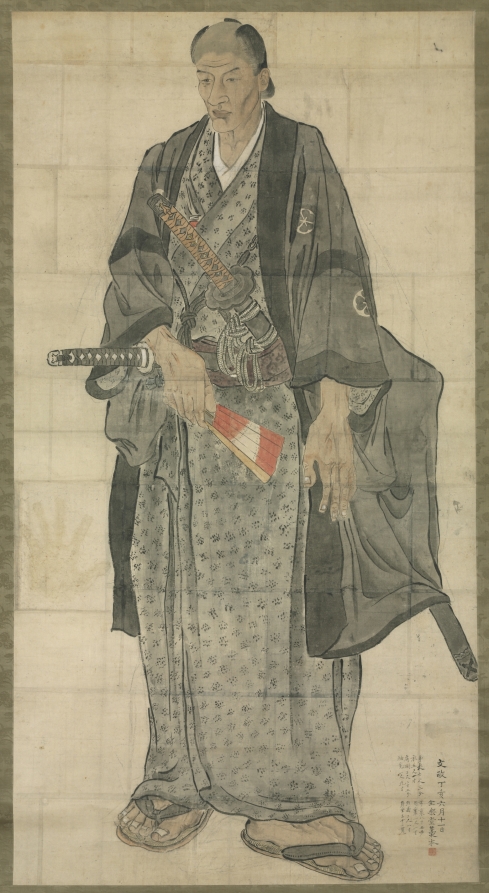
Portrait of Ōzora Buzaemon
1827
Hanging scroll; ink and color on paper
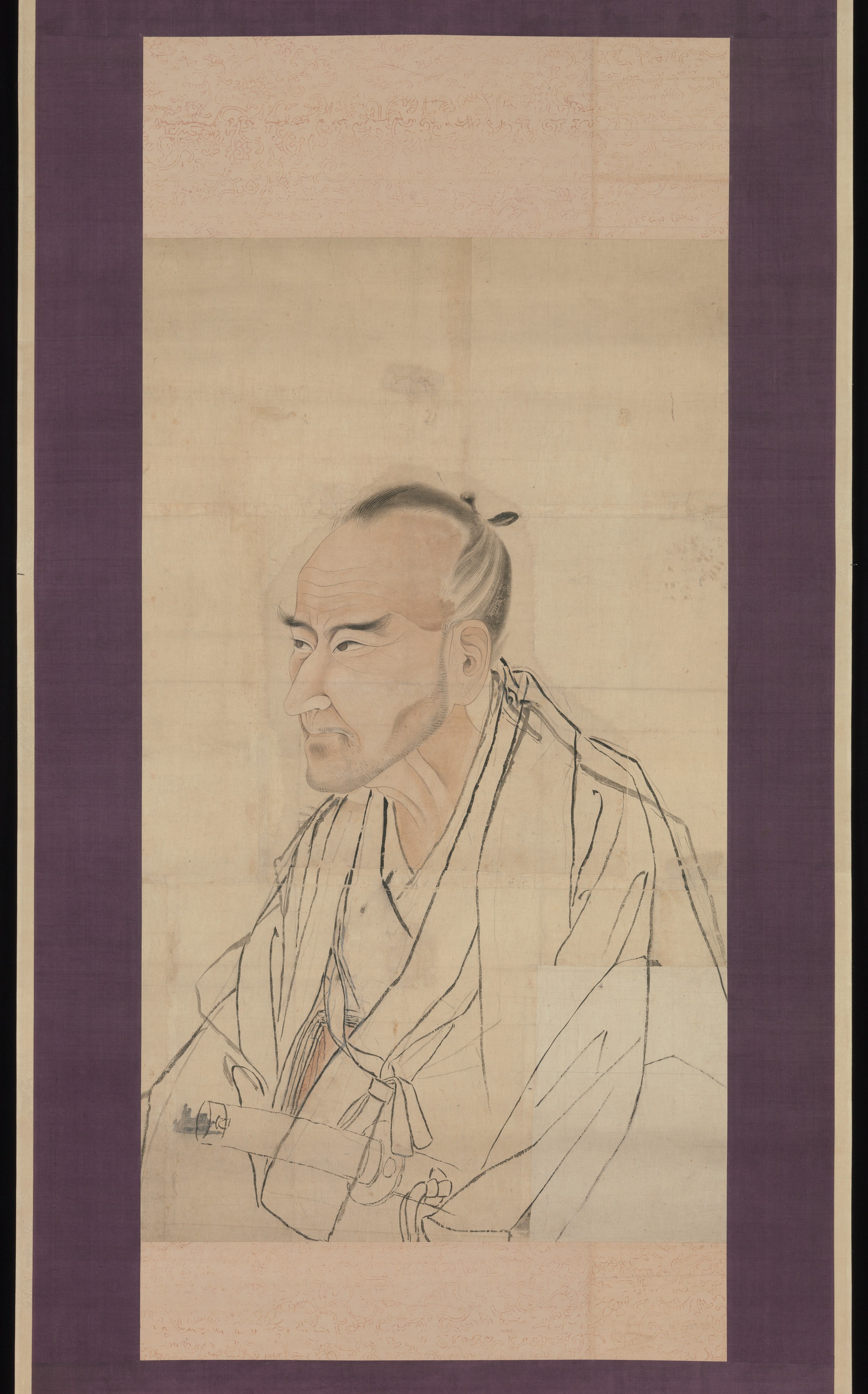
Sketch for the Portrait of Tachihara Suiken
ca. 1823
Hanging scroll; ink and color on paper
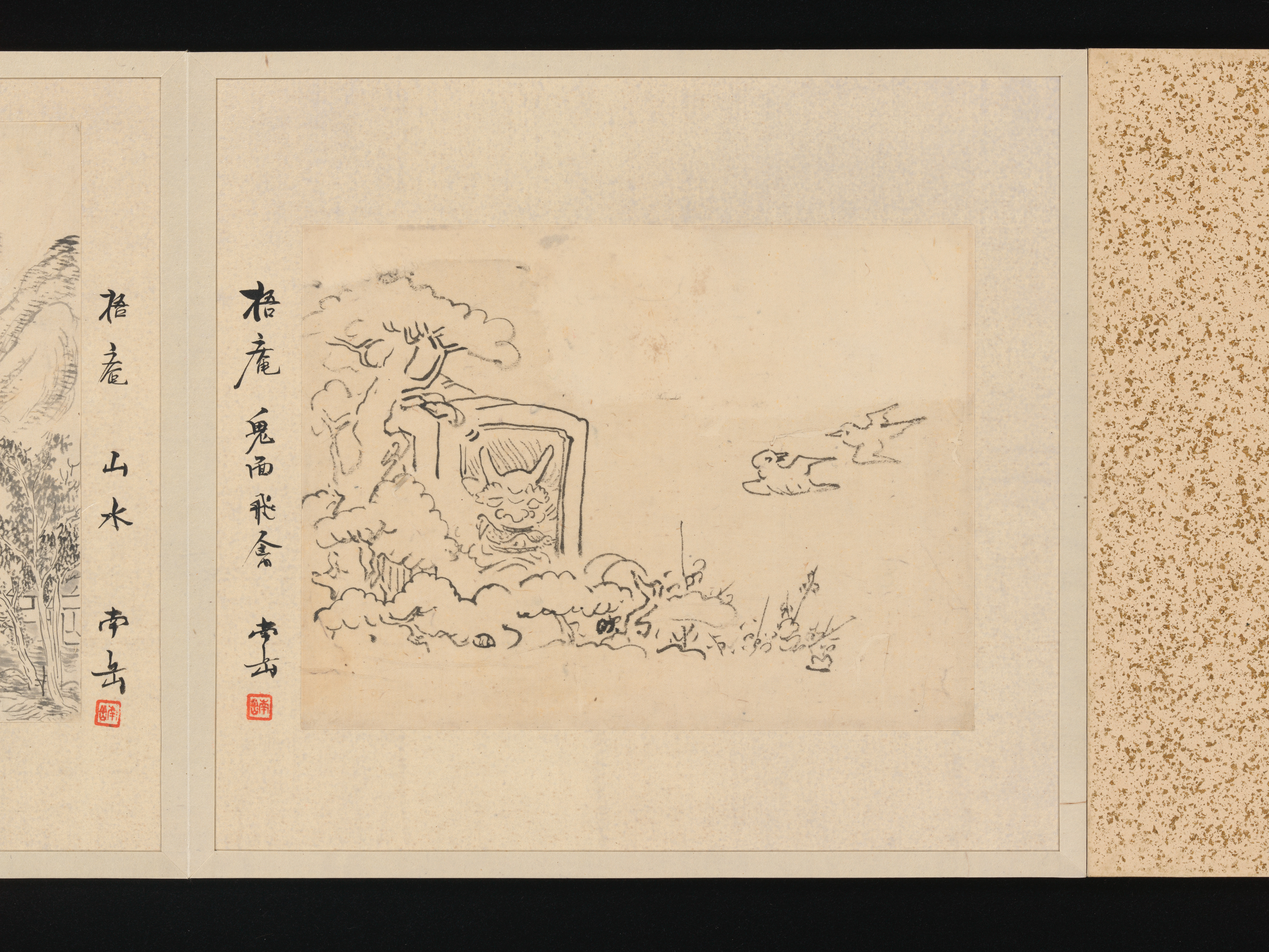
Album of Fifty-four Sketches
19th century
Album of fifty-four sketches; ink and color on paper
Frequently Asked Questions
After Ike no Taiga's "Horse Market in a Mountain Village" was created by Watanabe Kazan (渡辺崋山) in 1820s.