Watanabe Kazan
渡辺崋山
1793–1841
Japan
Biography
Watanabe Kazan (渡辺崋山, 1793-1841) was the most important Japanese painter of the late Edo period to absorb and reinterpret Western pictorial convention, and one of the central figures of the nineteenth-century nanga (Southern School literati painting) movement. Born Watanabe Sadayasu in 1793 in Edo (present-day Tokyo), into a samurai family that served the small Tahara domain of Mikawa Province (present-day Aichi), he carried the dual identity of a Confucian bureaucrat and an artist throughout his life — a doubling that shaped both his subject matter and, ultimately, his fate. The Watanabe family served the Miyake clan of Tahara as low-ranking retainers and was severely impoverished during Kazan's youth, a hardship he later recalled as the spur to his early commercial work as a painter of lanterns and decorative objects sold to support his parents and siblings.
He began his formal training as a child under the Edo nanga painter Shirakawa Shizan, and by his twenties had moved into the studio of Tani Bunchō, the central figure of late-eighteenth-century Edo literati painting. Through Bunchō and his circle Kazan absorbed the broad nanga inheritance — Chinese Southern School landscape, bird-and-flower painting, and the tradition of refined ink work cultivated by the eighteenth-century masters Ike Taiga and Yosa Buson — but he was equally drawn to a body of European pictorial material reaching Edo through the Nagasaki Dutch trade and the rangaku (Dutch learning) intellectuals who studied it. He read what he could of Western anatomical and perspectival treatises in Japanese translation, examined imported engravings, and trained himself in a kind of chiaroscuro modeling and proportional construction that had no parallel in earlier Japanese portraiture.
The result was a body of portrait work — most famously his portraits of the Confucian scholar Satō Issai and other contemporaries — in which the sitter is rendered with a physiognomic specificity and tonal three-dimensionality drawn from European convention but mounted, framed, and brushed in the Japanese literati manner. These hanging-scroll portraits, several of which survive in major Japanese museum collections, established a new pictorial standard for the depiction of living individuals and are now widely regarded as the most ambitious experiments in cross-cultural portraiture produced anywhere in Edo Japan. Alongside the formal portraits Kazan filled sketchbooks with rapidly observed studies of beggars, retainers, travelers, animals, and street figures, producing a documentary corpus of Edo and Tahara life that the Metropolitan Museum's Album of Fifty-four Sketches preserves in concentrated form.
In parallel with his painting Kazan rose within the Tahara domain bureaucracy, eventually becoming a senior retainer (karō) responsible for the domain's economic and defense policy. From this position he became a leading voice in the Bangaku Shachū, an informal Edo study circle that combined rangaku scholarship with concrete reflection on the threat posed by encroaching Western maritime powers. In 1839, in the so-called Bansha no goku (Crackdown on the Barbarian-Studies Group), the shogunate moved against the circle on charges of subversive criticism of official foreign policy. Kazan was arrested, his property confiscated, and after a short imprisonment he was sentenced to permanent house arrest in his domain at Tahara. He continued to paint to support his family during the house-arrest years, but in 1841, fearing that his continuing sale of paintings was damaging his lord's reputation, he committed seppuku at the age of forty-eight. His death sealed his transformation from a working bureaucrat-painter into one of the canonical tragic figures of late Edo intellectual history, and his portraits, sketchbooks, and ink landscapes are today preserved in collections including the Metropolitan Museum, the Cleveland Museum of Art, and the major Japanese institutions that hold his designated National Treasure works.
Key Facts
- Active Period
- 1793–1841
- Nationality
- 🇯🇵Japan
- Subjects
- Spring
- Works Indexed
- 8
Frequently Asked Questions
Watanabe Kazan (渡辺崋山, 1793-1841) was the most important Japanese painter of the late Edo period to absorb and reinterpret Western pictorial convention, and one of the central figures of the nineteenth-century nanga (Southern School literati painting) movement. Born Watanabe Sadayasu in 1793 in Edo (present-day Tokyo), into a samurai family that served the small Tahara domain of Mikawa Province (present-day Aichi), he carried the dual identity of a Confucian bureaucrat and an artist throughout his life — a doubling that shaped both his subject matter and, ultimately, his fate. The Watanabe family served the Miyake clan of Tahara as low-ranking retainers and was severely impoverished during Kazan's youth, a hardship he later recalled as the spur to his early commercial work as a painter of lanterns and decorative objects sold to support his parents and siblings.
Watanabe Kazan was active from 1793 to 1841.
Watanabe Kazan's prints frequently feature spring.
Original prints by Watanabe Kazan can be found in collections including Cleveland Museum of Art, The Metropolitan Museum of Art.
Woodblock Prints by Watanabe Kazan (8)
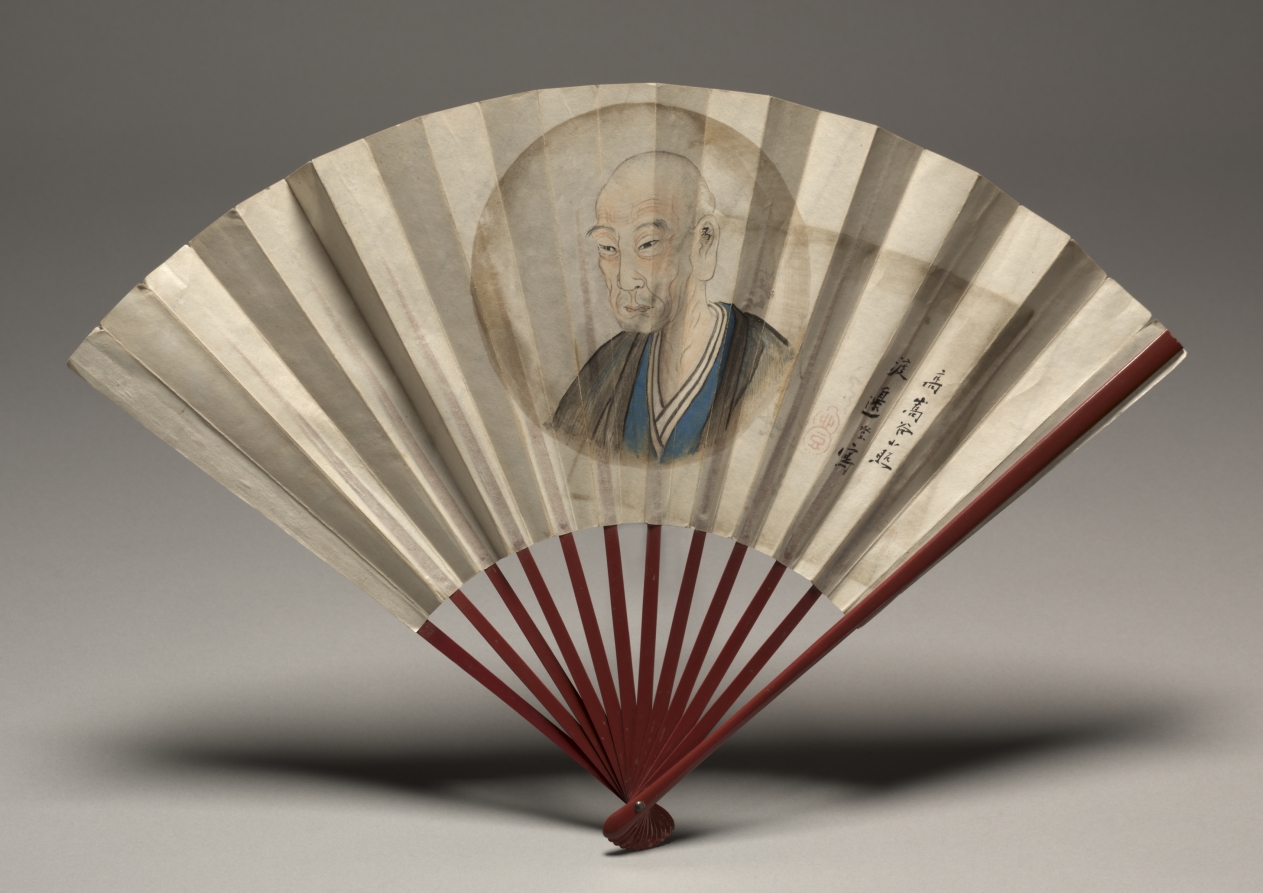
Portrait of Kō Sūkoku
possibly 1817
Fan, wood with ink, color, gold, and silver on paper
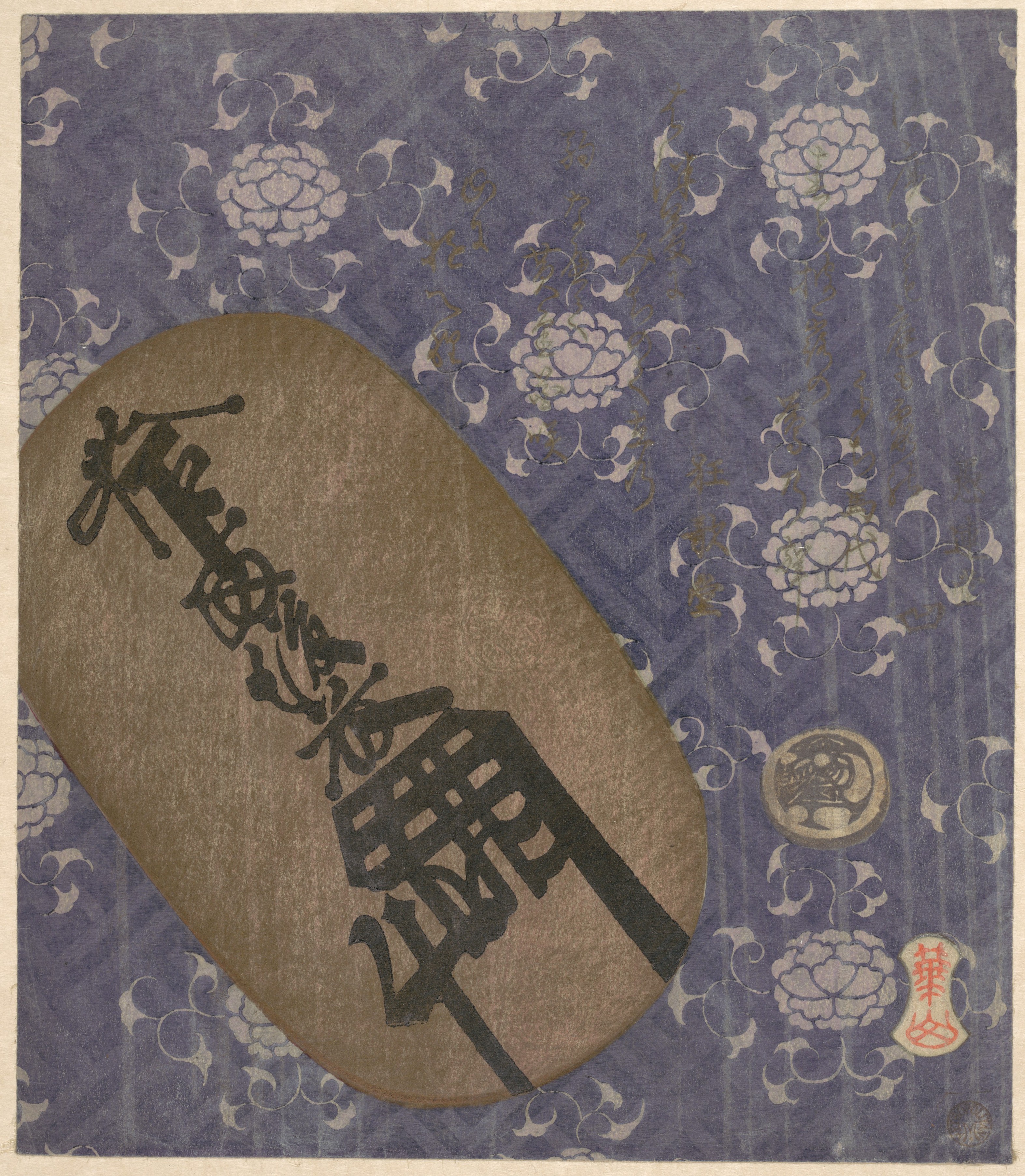
Ōban gold coin and mameita-gin silver "bean coin" against peony-motif decorated paper
1822, year of the horse
Woodblock print (surimono); ink and color on paper
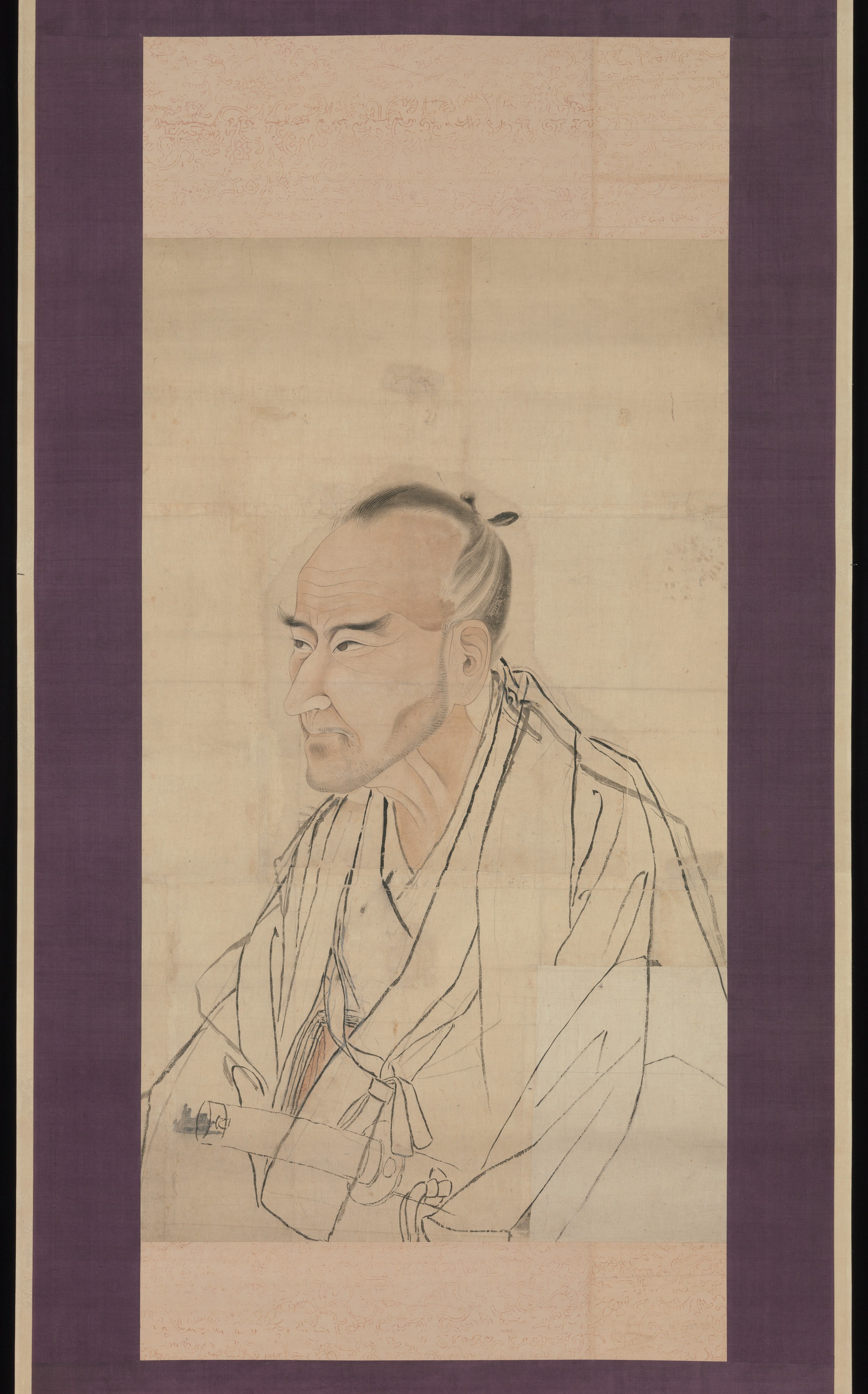
Sketch for the Portrait of Tachihara Suiken
ca. 1823
Hanging scroll; ink and color on paper
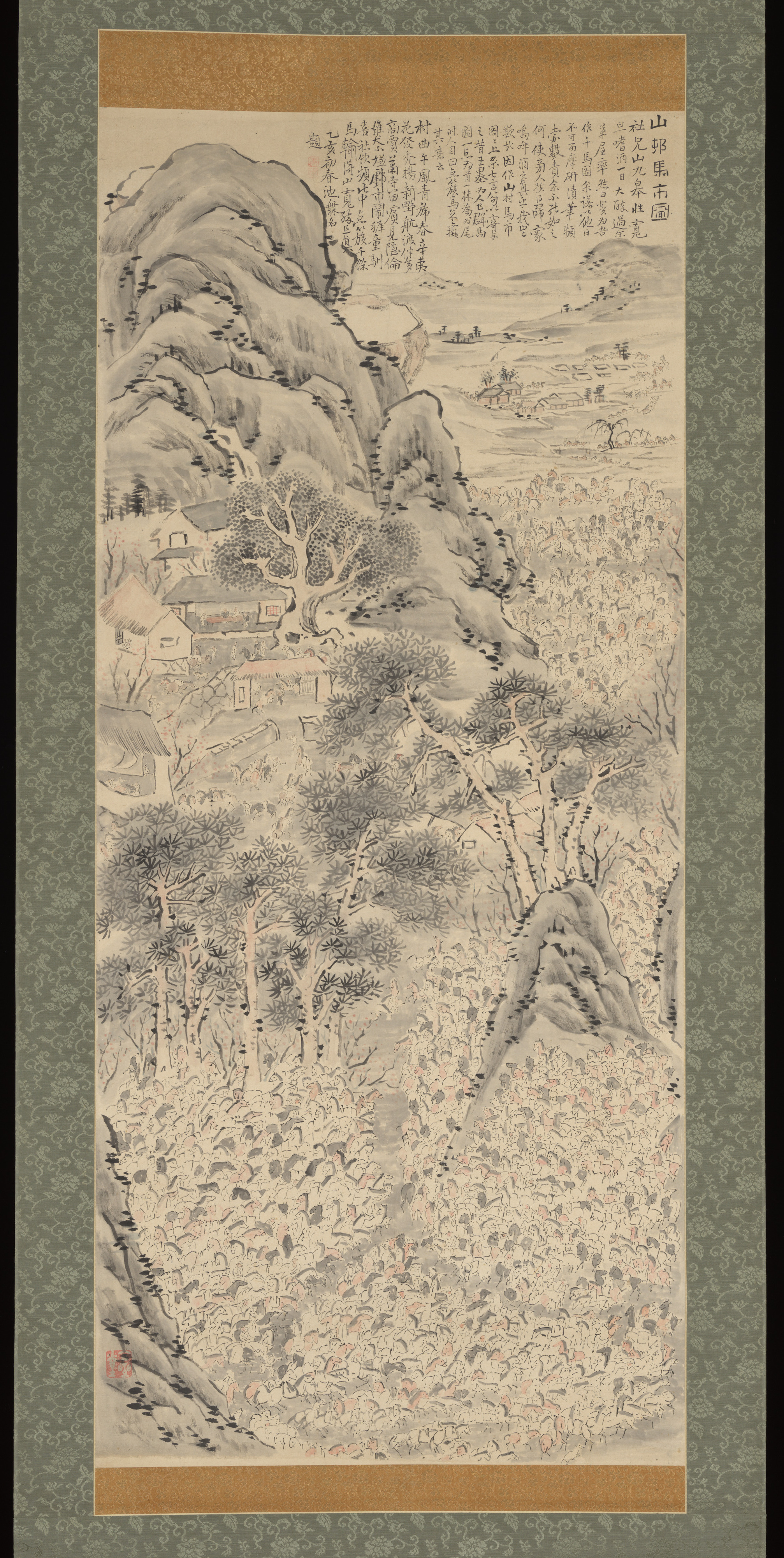
After Ike no Taiga's "Horse Market in a Mountain Village"
1820s
Hanging scroll; ink and color on paper
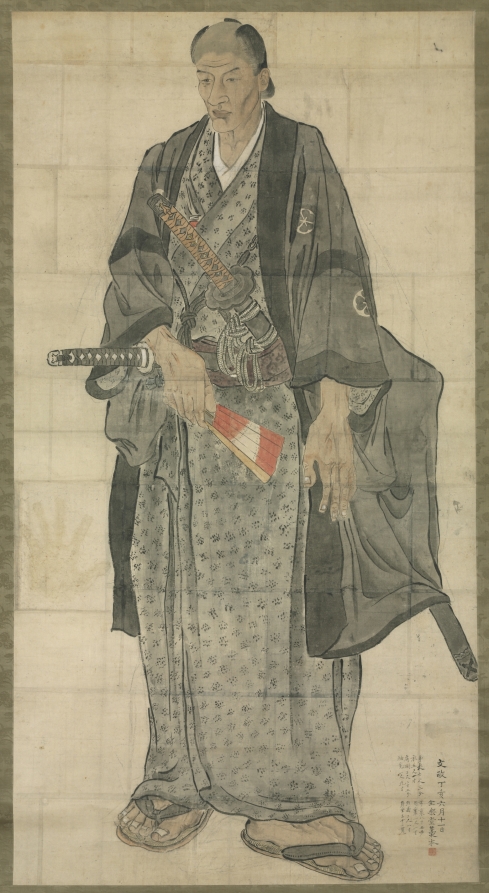
Portrait of Ōzora Buzaemon
1827
Hanging scroll; ink and color on paper
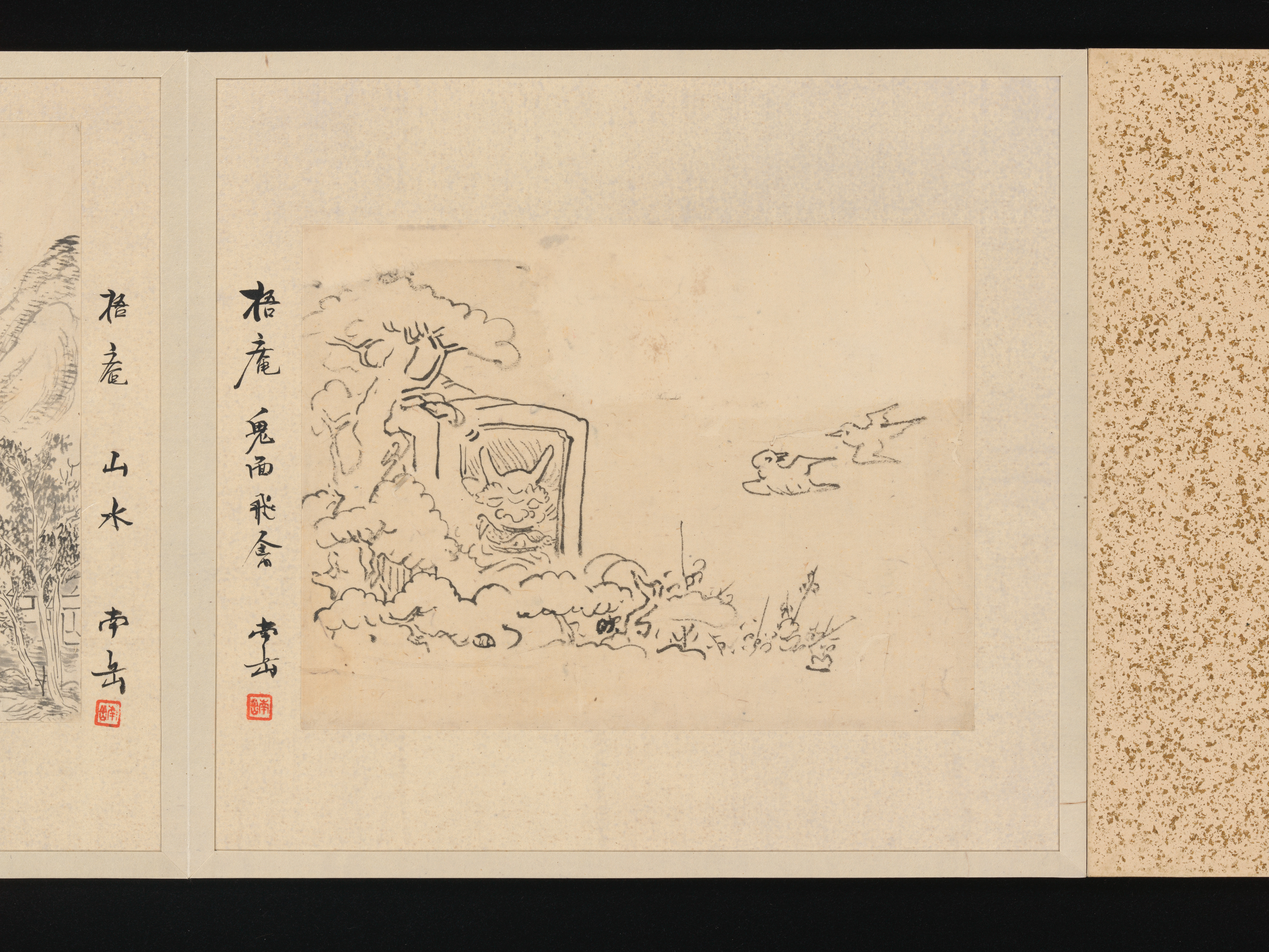
Album of Fifty-four Sketches
19th century
Album of fifty-four sketches; ink and color on paper
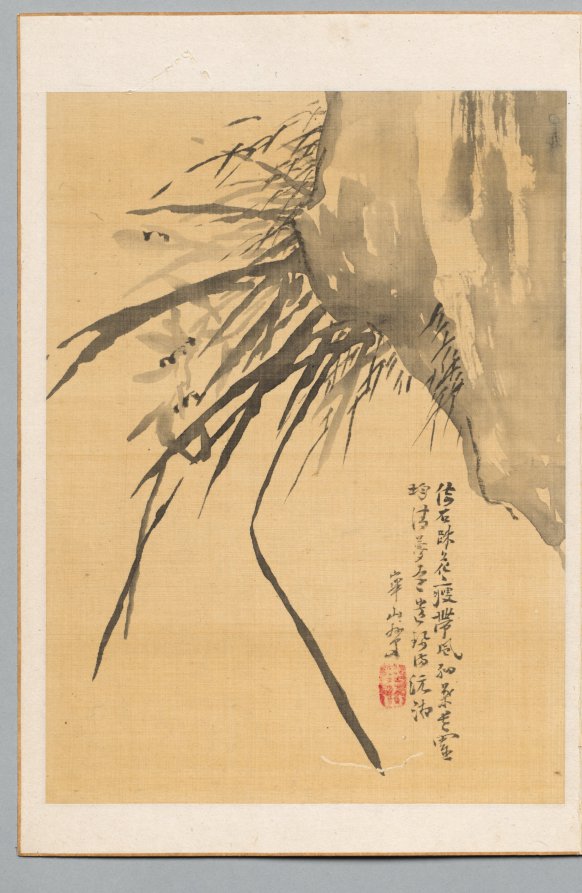
Orchid
early to mid-1800s
Leaf from folding album; ink and light color on paper
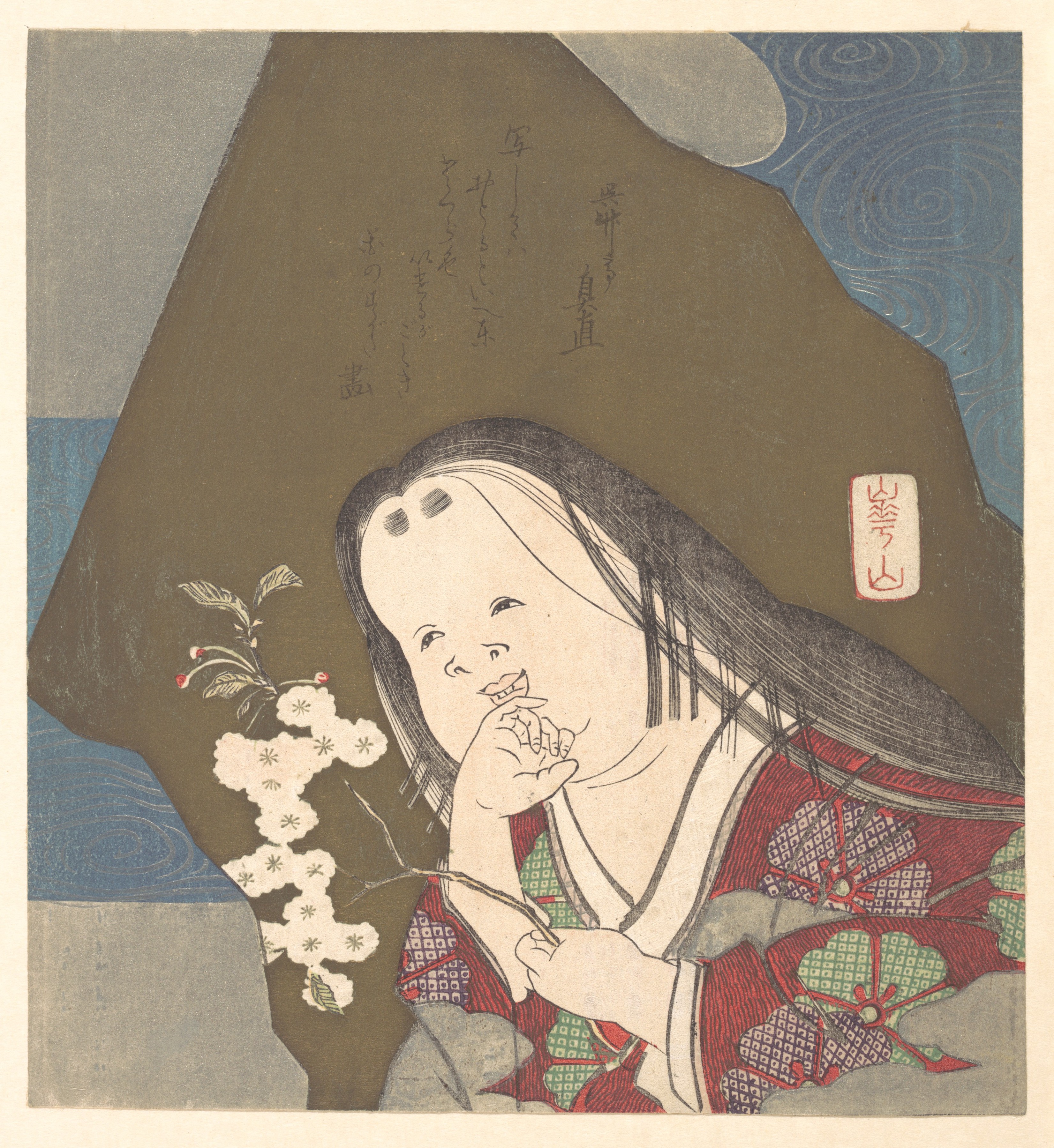
Otafuku Holding a Branch of Double White Cherry Blossoms
ca. 1840
Woodblock print (surimono); ink and color on paper