Hiroshima (広島)
5 prints by 4 artists
About Hiroshima
Hiroshima is a city in southwestern Honshu on the delta of the Ota River where it enters the Seto Inland Sea, the principal city of Hiroshima Prefecture in the Chugoku region. The city was founded as a castle town in the late sixteenth century by the daimyo Mori Terumoto, who built Hiroshima Castle on the central delta island in 1589, and it served across the Edo period as the seat of the Asano clan domain after the Mori were transferred to Choshu following the Battle of Sekigahara in 1600. The name means broad island, referring to the delta geography on which the city was laid out, with multiple branches of the Ota River dividing the city into a series of low islands connected by bridges. Hiroshima developed as a regional commercial and administrative center, with the castle and the surrounding samurai and merchant districts forming the urban core, and with the nearby sacred island of Itsukushima, known as Miyajima, serving as the principal religious site of the surrounding region. After the Meiji Restoration the city became an important military headquarters and during the Sino-Japanese War of 1894-1895 the imperial court temporarily relocated to Hiroshima Castle as the wartime command center. The city is internationally known today primarily for its destruction by atomic bombing on 6 August 1945, when the United States dropped the uranium-based atomic bomb known as Little Boy on the city center, killing approximately 140,000 people by the end of 1945 from the immediate blast and subsequent radiation effects, and the subsequent rebuilding and dedication as a city of peace, with the Peace Memorial Park designed by Tange Kenzo, the surviving Atomic Bomb Dome (the former Industrial Promotion Hall designed by the Czech architect Jan Letzel), and the Hiroshima Peace Memorial Museum forming the principal contemporary commemorative landscape. For Japanese printmaking Hiroshima appears most often through depictions of nearby Itsukushima Shrine on Miyajima, which is treated under its own entry in this database, and through individual sheets of the castle and the city by late Edo and Meiji artists. Utagawa Hiroshige treated the city in his Famous Views of the Sixty-Odd Provinces (Rokujuyoshu meisho zue) issued from 1853 to 1856, in which a sheet of Aki Province depicts Itsukushima Shrine with its torii in the sea. Edo-period printed travel guides to the Sanyo road region included views of the castle and the surrounding districts. The shin-hanga revival included Hiroshima and the surrounding Seto Inland Sea subjects in the work of Kawase Hasui, Yoshida Hiroshi, and Tsuchiya Koitsu, who treated the harbor, the castle, and Miyajima in seasonal compositions, with Hasui producing notable Hiroshima Castle and harbor sheets and Yoshida Hiroshi treating the Inland Sea in his celebrated 1926 Sailing Boats series. After the atomic bombing, a number of postwar sosaku-hanga artists treated the surviving Atomic Bomb Dome and the Peace Memorial Park, with prints by Hiratsuka Un'ichi and others contributing to the commemorative iconography. The visual character of Hiroshima in prints across the historical depth is built on water and bridges of the delta, the castle keep against the surrounding plain, and the islands and inland sea views of the broader region, with the postwar commemorative iconography centered on the skeletal dome of the surviving Industrial Promotion Hall against the cleared park beyond. Contemporary visitors approach the city principally for the Peace Memorial sites and for the day trip to Miyajima via the Sanyo Shinkansen and the JR Sanyo Line.
Prints Depicting Hiroshima (5)
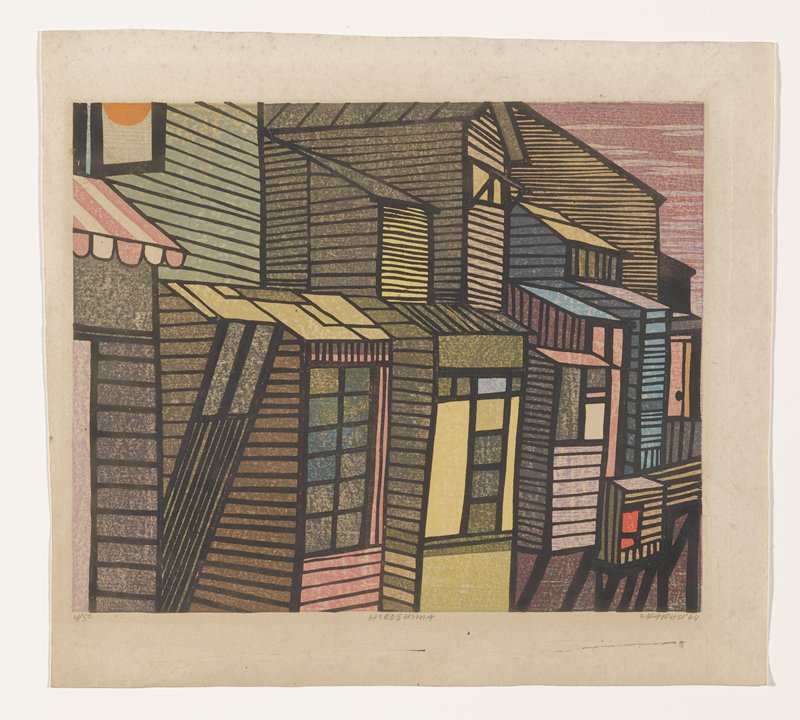
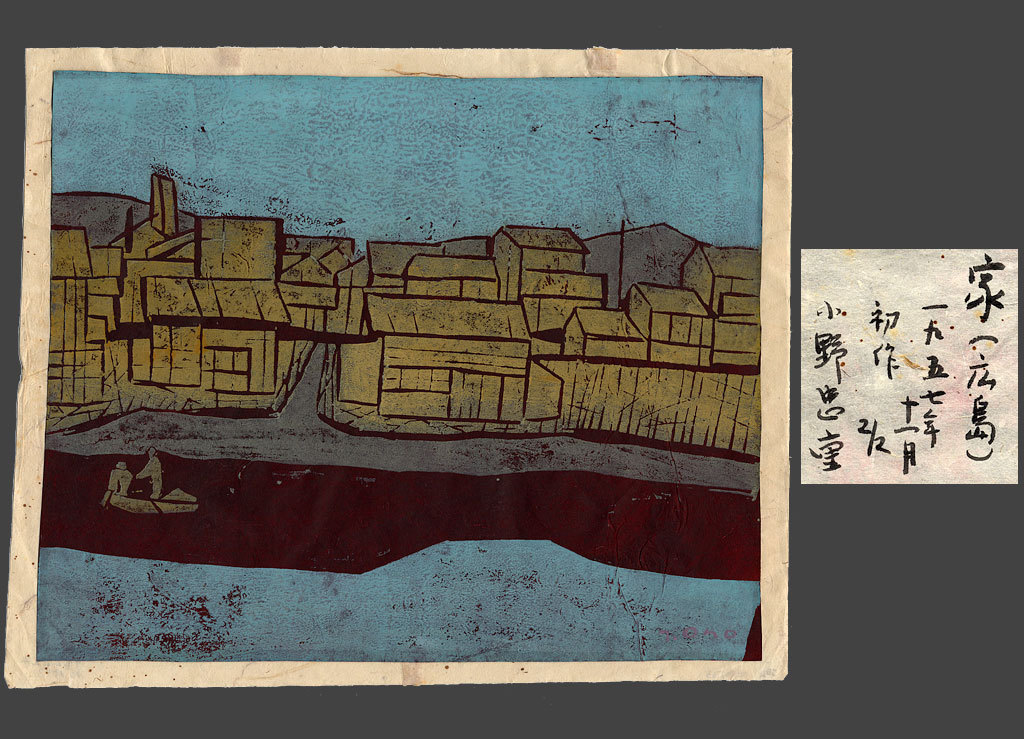


Artists Who Depicted Hiroshima (4)
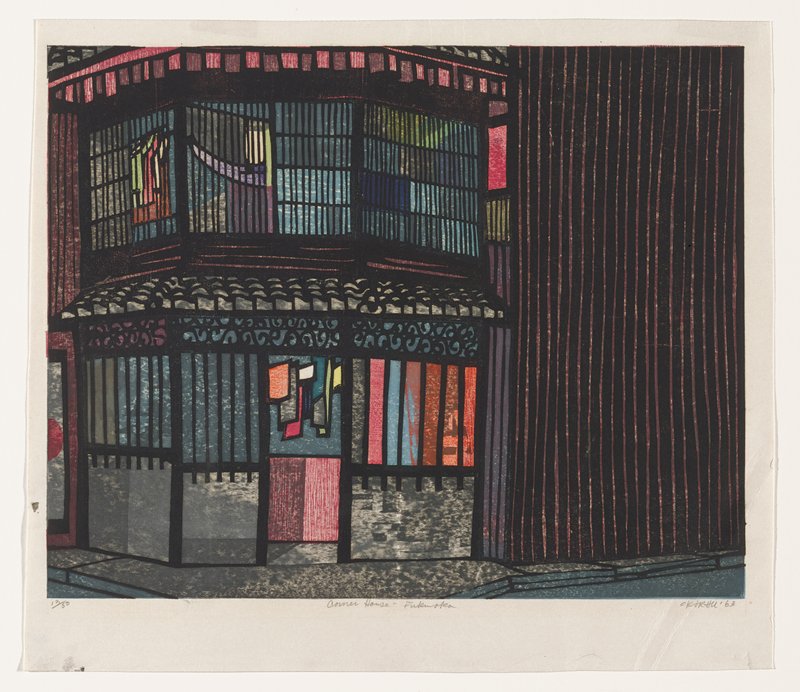


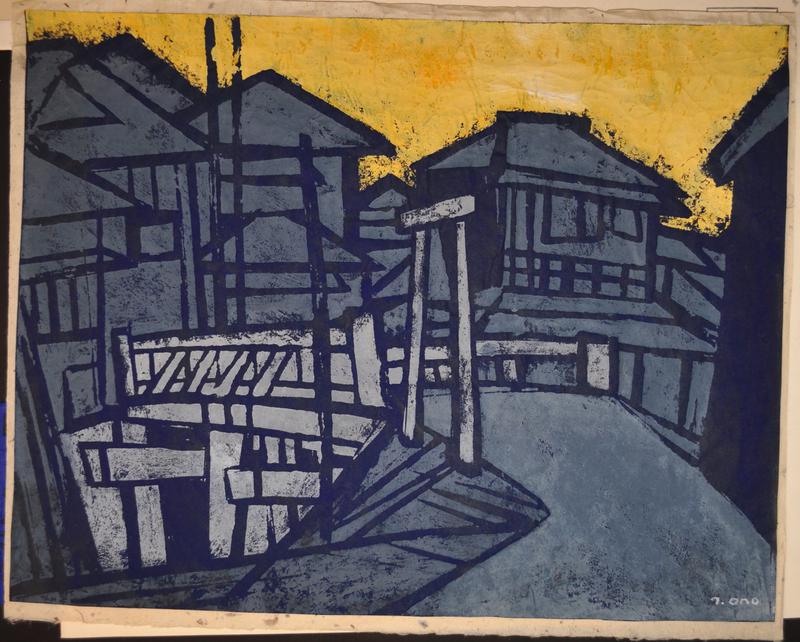
Frequently Asked Questions
Hiroshima is a city in southwestern Honshu on the delta of the Ota River where it enters the Seto Inland Sea, the principal city of Hiroshima Prefecture in the Chugoku region. The city was founded as a castle town in the late sixteenth century by the daimyo Mori Terumoto, who built Hiroshima Castle on the central delta island in 1589, and it served across the Edo period as the seat of the Asano clan domain after the Mori were transferred to Choshu following the Battle of Sekigahara in 1600. The name means broad island, referring to the delta geography on which the city was laid out, with multiple branches of the Ota River dividing the city into a series of low islands connected by bridges. Hiroshima developed as a regional commercial and administrative center, with the castle and the surrounding samurai and merchant districts forming the urban core, and with the nearby sacred island of Itsukushima, known as Miyajima, serving as the principal religious site of the surrounding region. After the Meiji Restoration the city became an important military headquarters and during the Sino-Japanese War of 1894-1895 the imperial court temporarily relocated to Hiroshima Castle as the wartime command center. The city is internationally known today primarily for its destruction by atomic bombing on 6 August 1945, when the United States dropped the uranium-based atomic bomb known as Little Boy on the city center, killing approximately 140,000 people by the end of 1945 from the immediate blast and subsequent radiation effects, and the subsequent rebuilding and dedication as a city of peace, with the Peace Memorial Park designed by Tange Kenzo, the surviving Atomic Bomb Dome (the former Industrial Promotion Hall designed by the Czech architect Jan Letzel), and the Hiroshima Peace Memorial Museum forming the principal contemporary commemorative landscape. For Japanese printmaking Hiroshima appears most often through depictions of nearby Itsukushima Shrine on Miyajima, which is treated under its own entry in this database, and through individual sheets of the castle and the city by late Edo and Meiji artists. Utagawa Hiroshige treated the city in his Famous Views of the Sixty-Odd Provinces (Rokujuyoshu meisho zue) issued from 1853 to 1856, in which a sheet of Aki Province depicts Itsukushima Shrine with its torii in the sea. Edo-period printed travel guides to the Sanyo road region included views of the castle and the surrounding districts. The shin-hanga revival included Hiroshima and the surrounding Seto Inland Sea subjects in the work of Kawase Hasui, Yoshida Hiroshi, and Tsuchiya Koitsu, who treated the harbor, the castle, and Miyajima in seasonal compositions, with Hasui producing notable Hiroshima Castle and harbor sheets and Yoshida Hiroshi treating the Inland Sea in his celebrated 1926 Sailing Boats series. After the atomic bombing, a number of postwar sosaku-hanga artists treated the surviving Atomic Bomb Dome and the Peace Memorial Park, with prints by Hiratsuka Un'ichi and others contributing to the commemorative iconography. The visual character of Hiroshima in prints across the historical depth is built on water and bridges of the delta, the castle keep against the surrounding plain, and the islands and inland sea views of the broader region, with the postwar commemorative iconography centered on the skeletal dome of the surviving Industrial Promotion Hall against the cleared park beyond. Contemporary visitors approach the city principally for the Peace Memorial sites and for the day trip to Miyajima via the Sanyo Shinkansen and the JR Sanyo Line.
Hanga catalogues 5 prints depicting Hiroshima (広島), by 4 different artists.
Clifton Karhu, Kawase Hasui, and Koichi Maeda are among the 4 artists who depicted Hiroshima in our collection.
Want to rate prints from Hiroshima?
Sign up to start rating