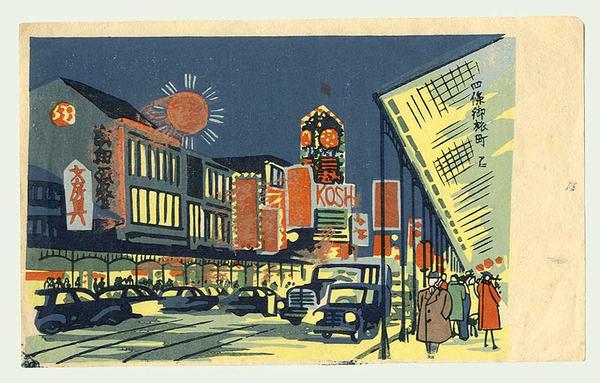
Biography
Ito Nisaburo (伊藤仁三郎, 1910–1988) spent his career translating the temples, gardens, and seasonal moods of Kyoto into woodblock prints of quiet refinement, producing one of the most sustained and intimate visual records of the ancient capital in the shin-hanga medium.
Born in Kyoto in 1910, Ito grew up surrounded by the city's cultural landscape — the forested hillsides of Higashiyama, the stone gardens of Zen monasteries, the lantern-lit pathways of Shinto shrines — and these subjects became the foundation of a printmaking career that would span more than four decades. He studied painting at the Kyoto City Specialist School of Painting under Tsuchida Bakusen and entered the shin-hanga system as a print designer, creating compositions that were carved and printed by professional craftsmen using traditional techniques of multiple-block color registration.
Ito's Kyoto prints reveal an artist who understood his subjects with the intimacy of long acquaintance rather than the curiosity of a visitor. His views of the Golden Pavilion, the pagoda of Kiyomizu-dera, and the moss garden of Saihoji — together with the stone and pond gardens of temples such as Nanzen-ji, Daitoku-ji, and Daisen-in — demonstrate an instinct for the precise moment and angle at which a familiar scene becomes luminous. He favored seasonal transitions — the last cherry blossoms drifting across a temple pond, the first snow settling on a pagoda roof — and his palette shifted accordingly from the pale pinks and greens of spring through the deep crimsons of autumn to the silver-grey quietude of winter.
Beyond Kyoto, Ito extended his scope to Nara, where the ancient temples, the famous deer park, and the tranquil expanse of Sarusawa Pond provided subjects well suited to his contemplative sensibility. His Nara prints share the atmospheric delicacy of his Kyoto work while capturing the distinct character of Japan's first permanent capital — its wider horizons, older timber architecture, and the gentle presence of the sacred deer among the temple grounds.
Ito worked chiefly with the Kyoto publisher Uchida, and his prints reached both Japanese collectors and the foreign visitors who passed through the city's tourist circuits. This commercial context meant his work found a wide audience during his lifetime, though his reputation remained regional compared to the nationally prominent shin-hanga landscape artists. He continued producing prints through the postwar decades, maintaining the movement's aesthetic principles even as the collaborative publisher system that had sustained shin-hanga gradually contracted.
Ito died in 1988 at the age of seventy-eight. His prints endure as a remarkably focused body of work — a lifelong conversation with the temples and gardens of the old capital, rendered in the woodblock medium with patience, skill, and genuine affection.
Key Facts
- Active Period
- 1910–1988
- Nationality
- 🇯🇵Japan
- Movement
- Shin-hanga
- Works Indexed
- 68
Frequently Asked Questions
Ito Nisaburo (伊藤仁三郎, 1910–1988) spent his career translating the temples, gardens, and seasonal moods of Kyoto into woodblock prints of quiet refinement, producing one of the most sustained and intimate visual records of the ancient capital in the shin-hanga medium.
Ito Nisaburo was active from 1910 to 1988. They were associated with the Shin-hanga movement.
Ito Nisaburo's work was shaped by the Shin-hanga tradition in Japanese woodblock printmaking. Shin-hanga: ## What is Shin-hanga? Shin-hanga (新版画), literally "new prints," is the early twentieth-century revival of the collaborative Japanese woodblock workshop, organized between roughly 1915 and 1960 by the Tokyo publisher Watanabe Shōzaburō (1885–1962) and a handful of competing houses.
Ito Nisaburo's prints frequently feature birds & flowers, temples & shrines, snow scenes, landscapes, rivers & lakes, still life.
Original prints by Ito Nisaburo can be found in collections including Japanese Art Open Database, japancoll, Asian Collection Internet Auction, ukiyo-e.org.
Woodblock Prints by Ito Nisaburo (68)
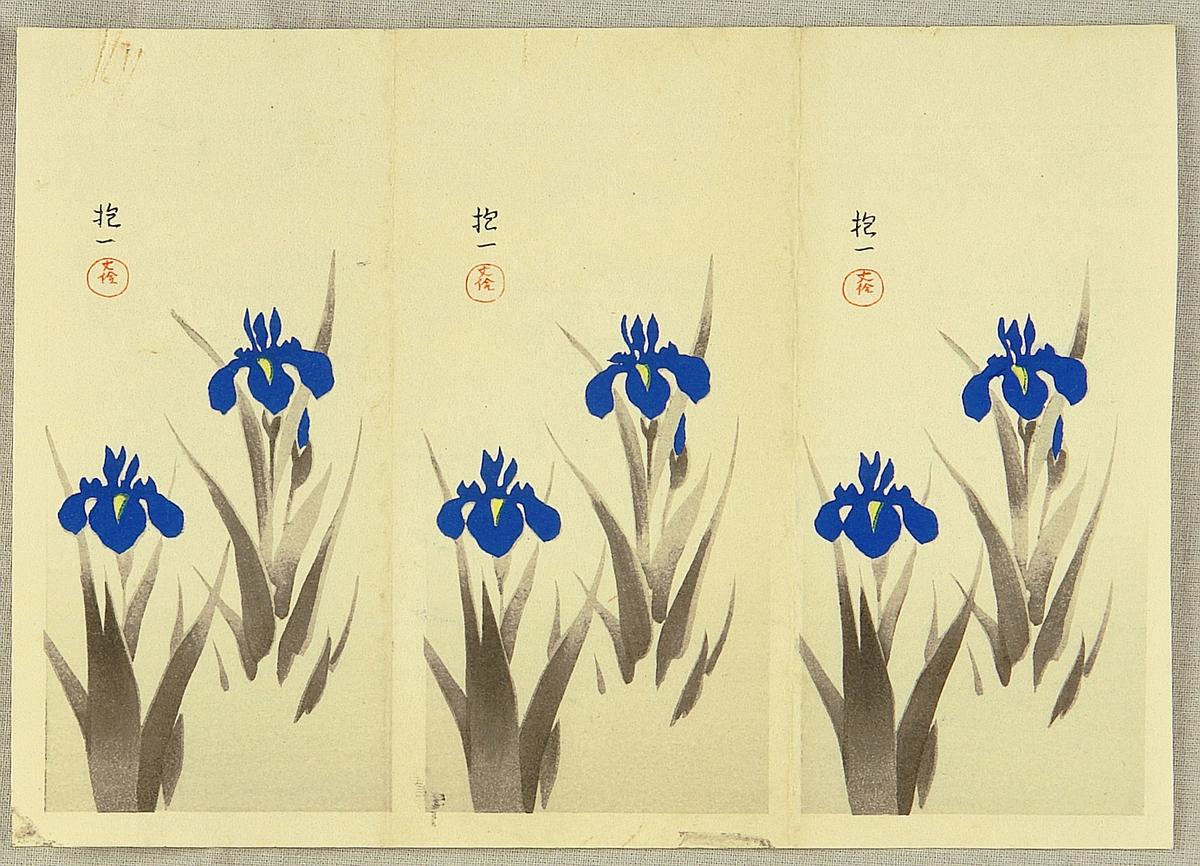
Two Iris - trial prints
Woodblock print
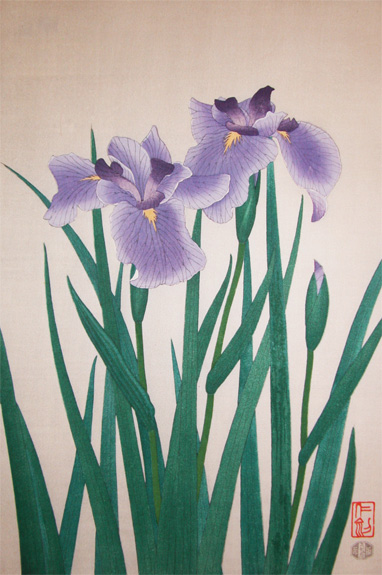
Iris
Woodblock print
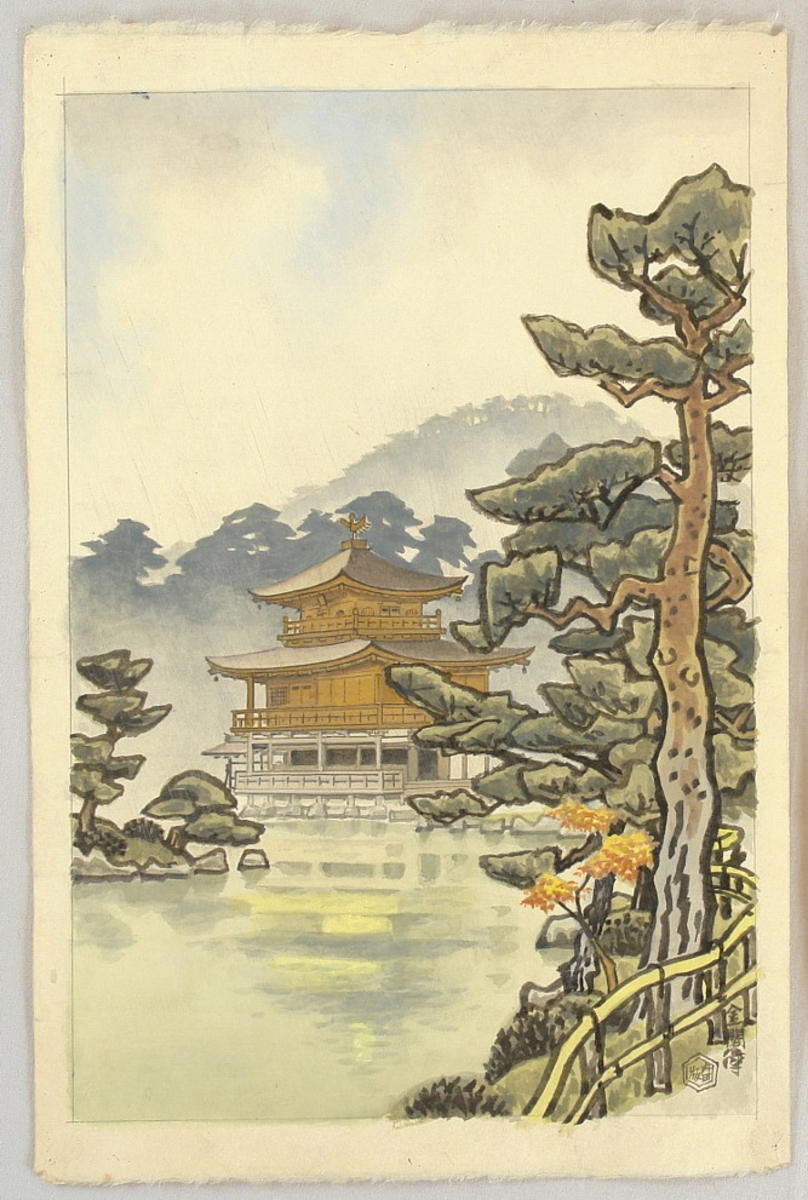
Kinkakuji- Golden Pavilion
Woodblock print
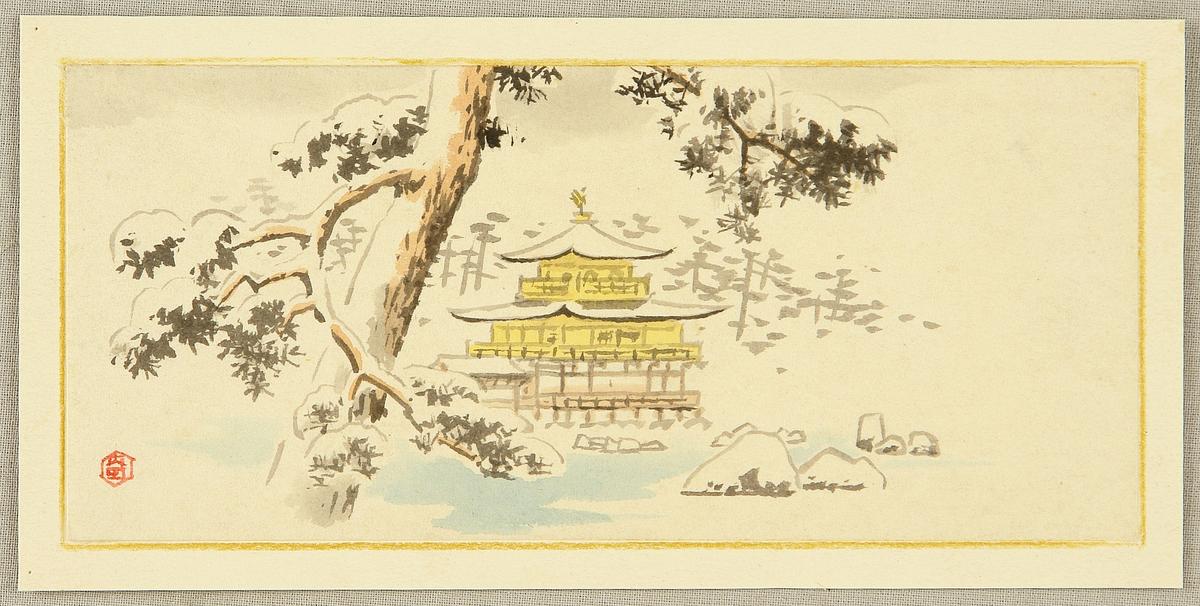
Golden Pavilion - Kinkakuji
Woodblock print
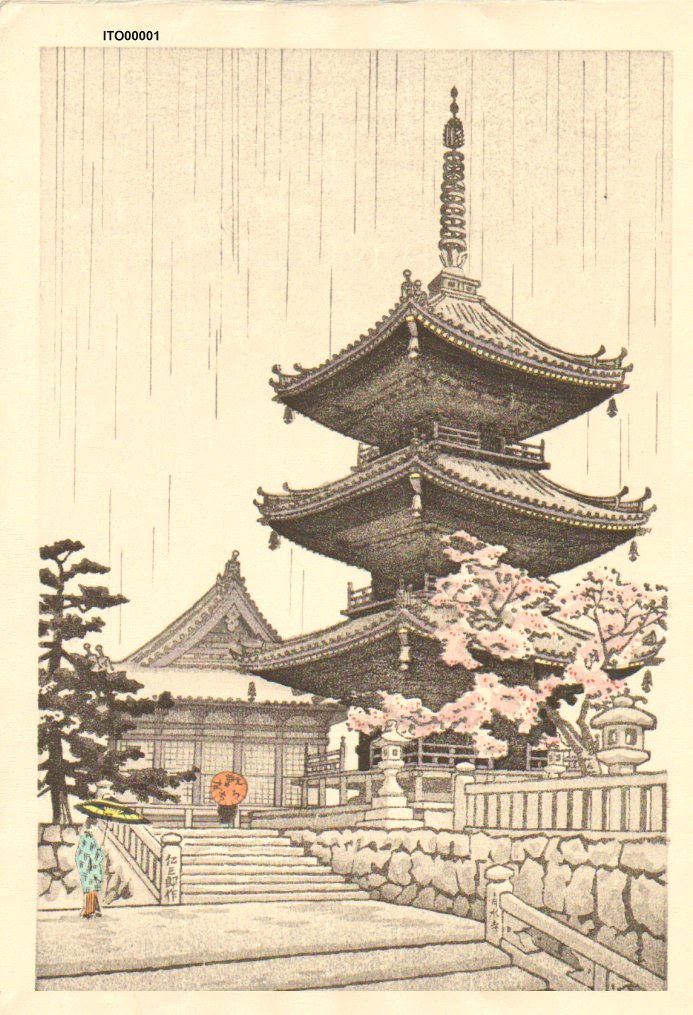
The Pagoda of Kiyomizu Temple in Kyoto
Woodblock print
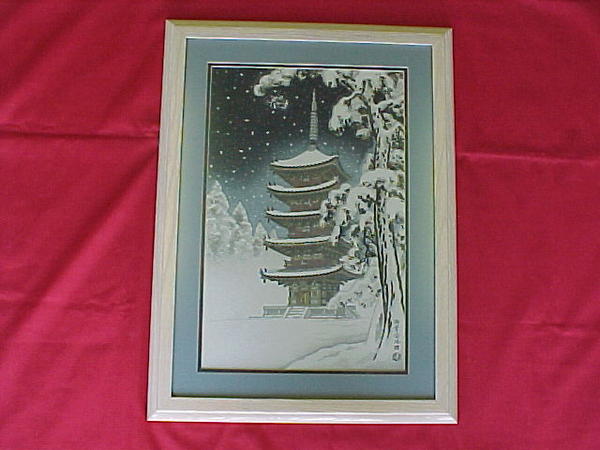
No Series Pagoda Of Ninnaji Temple In Snow
Woodblock print

Magnolia
Woodblock print
Pagoda of Ninnaji Temple in Snow — 御室雪塔 おむろせっとう
Woodblock print

Arima Hotspring
Woodblock print
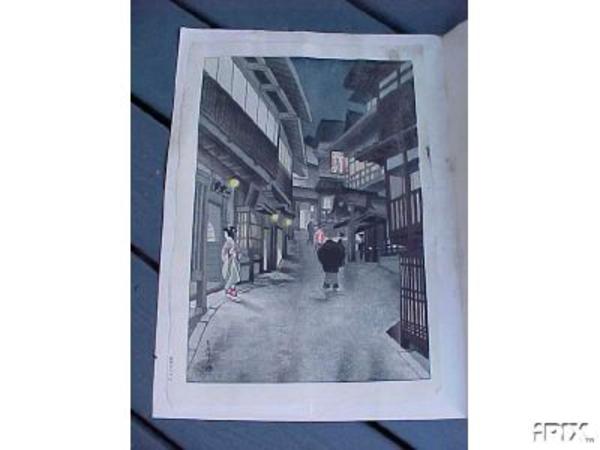
Arima Hotspring
Woodblock print
Mt Arashi in Rain
Woodblock print
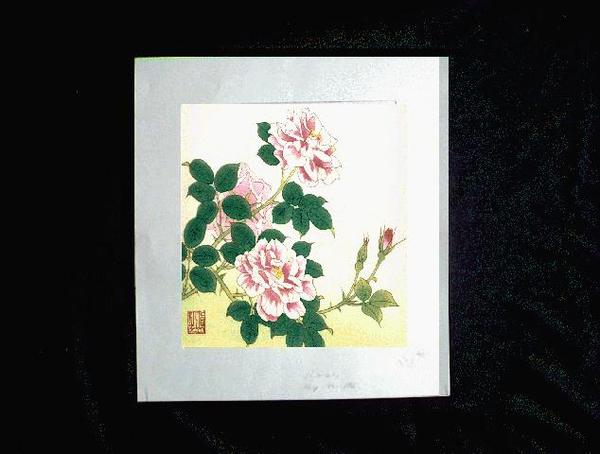
Roses
Woodblock print

Hotsugawa Kudari- Drifting the Hotsu River
Woodblock print
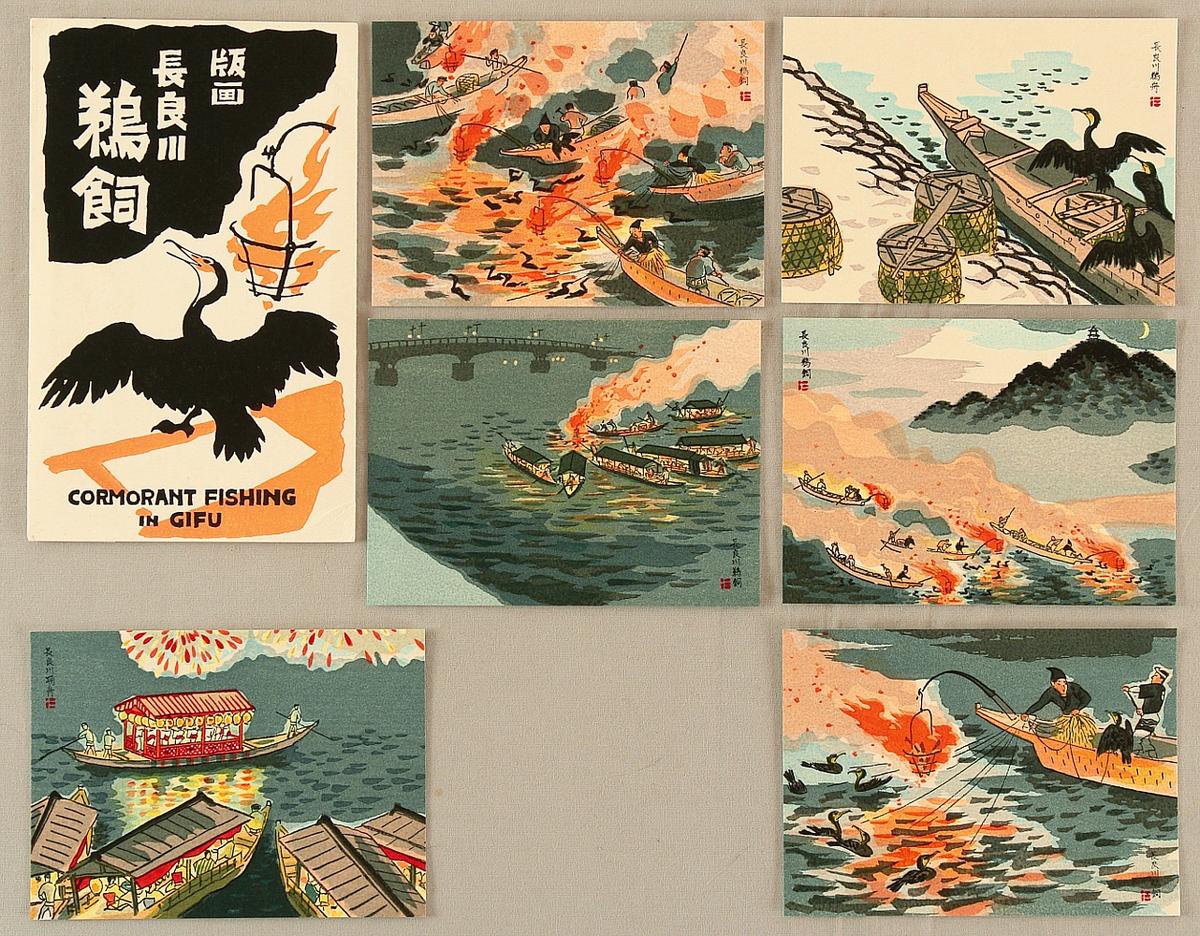
Ito, Nisaburo
Woodblock print
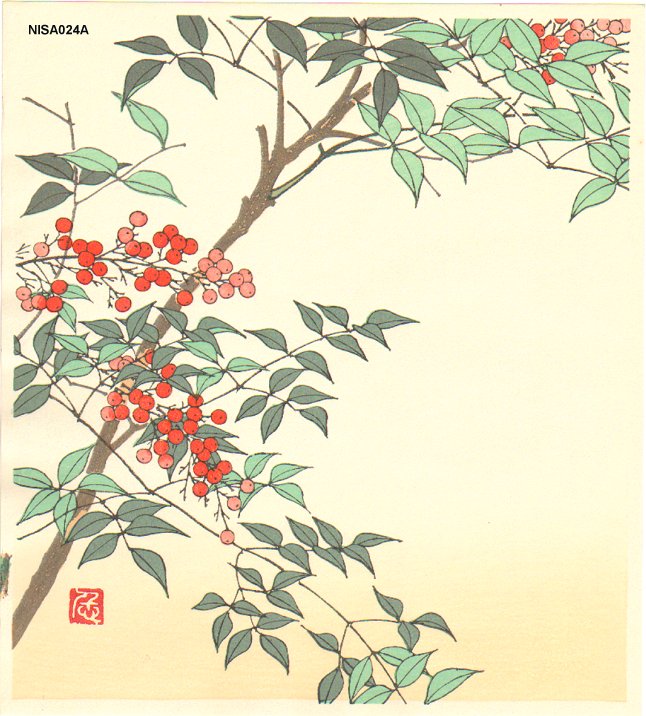
Nadina Tree
Woodblock print
No Series Arima Hotspring
Woodblock print
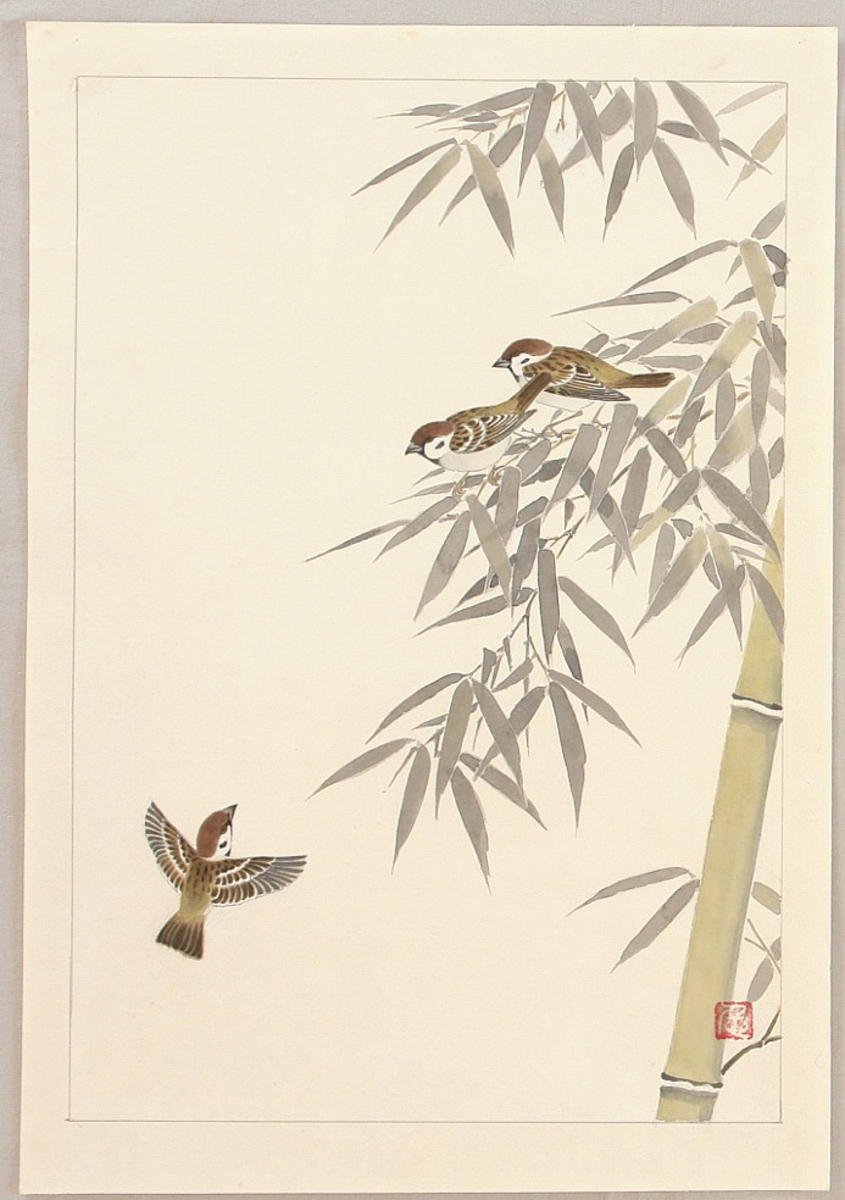
Sparrows and Bamboo
Woodblock print
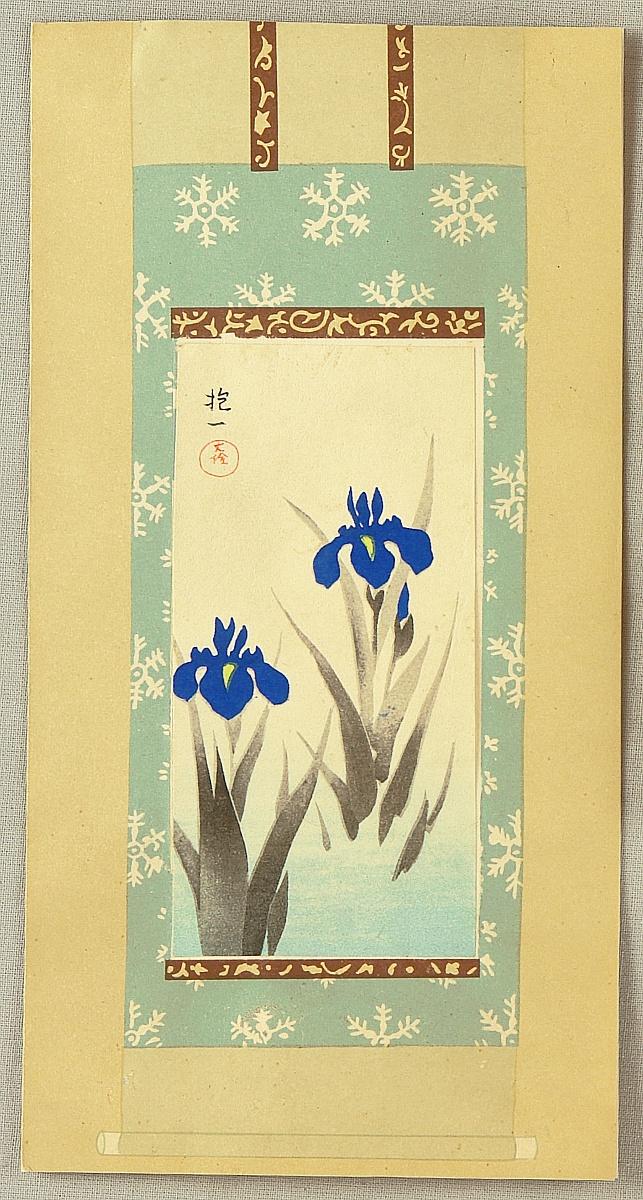
Two Iris
Woodblock print
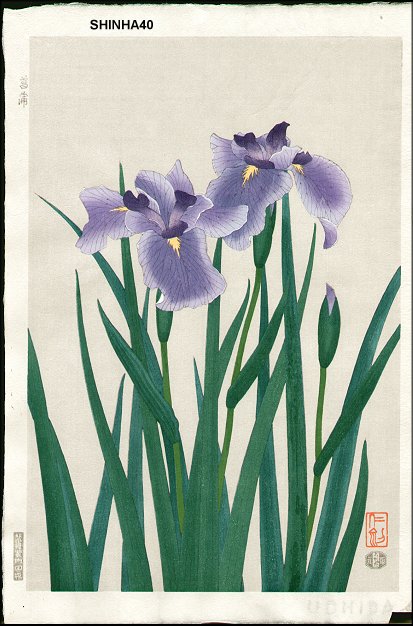
"Iris, purple"
Woodblock print
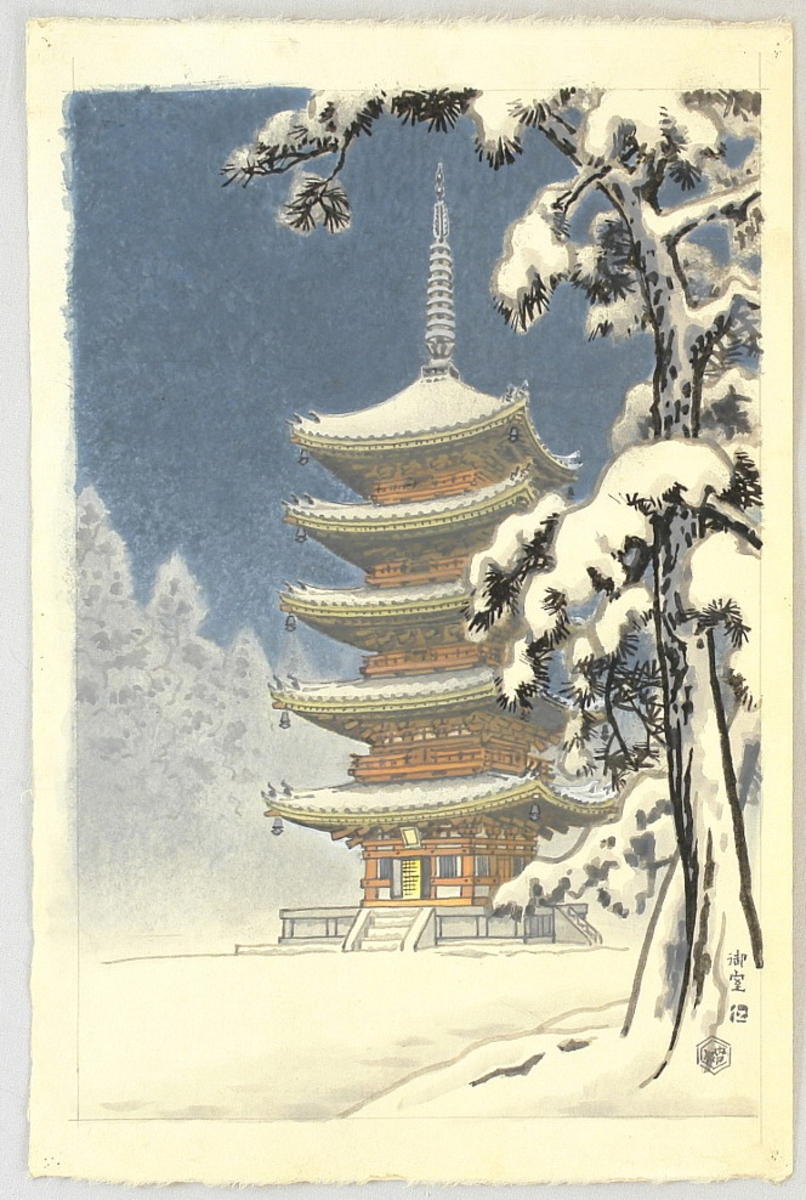
Pagoda of Ninnaji Temple in Snow — 御室
Woodblock print
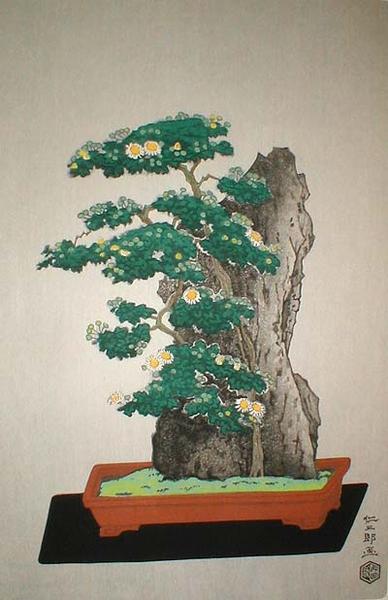
Potted Chrysanthyemum
Woodblock print
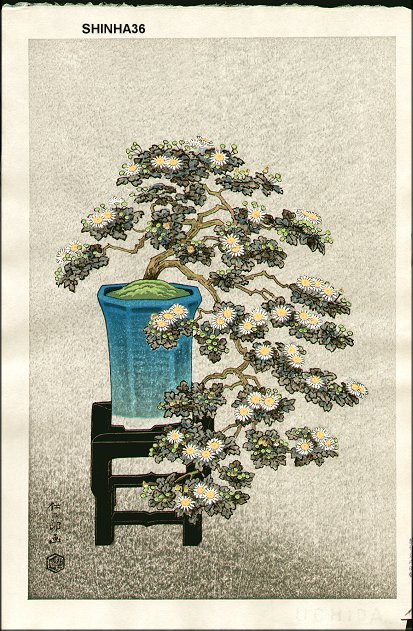
"Potted Chrysanthemum", Bonsai
Woodblock print
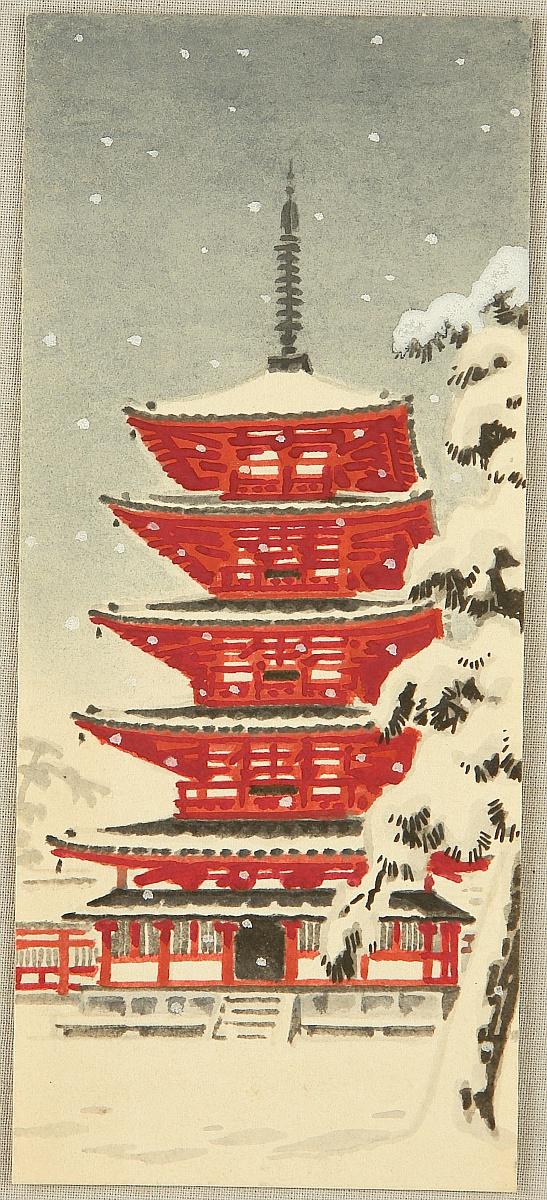
Five Storey Pagoda
Woodblock print
Untitled (ito-nisaburo)
Woodblock print