
Biography
Ito Takashi (伊藤孝之, 1894–1982) designed shin-hanga landscape prints for the publisher Watanabe Shozaburo, who counted him among his principal landscape designers alongside better-known figures such as Kawase Hasui and Ito Shinsui.
Born in 1894 in Hamamatsu, Shizuoka Prefecture, Ito trained in traditional Japanese painting, a grounding in ink technique and compositional structure that he carried into his woodblock design before turning to print work. Like the other landscape artists in the Watanabe stable, he drew on views gathered from across Japan — mountain villages, lake shores, harbor views, and river scenes that he refined into finished designs. The resulting prints were carved and printed at the Watanabe workshop by professional craftsmen, following the collaborative shin-hanga model in which the publisher coordinated the entire production chain from design through printing to distribution.
Ito's prints are atmospheric landscapes of the Japanese countryside, frequently placing small, solitary figures within expansive natural settings and favoring effects of season and weather — snow, rain, and the transitional light of dawn and dusk. Lake Ashi in Rain and Distant View of Mt. Tateyama from Mt. Hakuba demonstrate his capacity for atmospheric landscape on a grander scale, while a work such as Spring Snow at Kamikochi shows his handling of snow. Rather than the flat color areas of classical ukiyo-e, his designs rely on subtle, painterly color gradations — the carefully controlled bokashi passes, graduated color blocks, and moisture control of the washi paper all contributing to the enveloping mood his best prints achieve.
Ito's active printmaking period was concentrated primarily in the 1920s and 1930s — he published his first shin-hanga print in 1922 — with more modest output continuing after the war. His body of woodblock designs was far smaller than that of Kawase Hasui, who produced over six hundred prints, but what he created maintained a consistently high standard of design and technical execution. His compositions tended toward carefully framed, contemplative views rather than crowded panoramas, giving his prints a sense of quiet, personal observation, as though the artist had paused to record a scene before it dissolved into the light.
Ito lived to the age of eighty-eight, one of the longer-lived shin-hanga artists, dying in 1982. His prints are held in museum collections including the Art Institute of Chicago, whose holdings include his 1932 Distant View of Mt. Tateyama from Mt. Hakuba.
Key Facts
- Active Period
- 1894–1982
- Nationality
- 🇯🇵Japan
- Movement
- Shin-hanga
- Works Indexed
- 44
Frequently Asked Questions
Ito Takashi (伊藤孝之, 1894–1982) designed shin-hanga landscape prints for the publisher Watanabe Shozaburo, who counted him among his principal landscape designers alongside better-known figures such as Kawase Hasui and Ito Shinsui.
Ito Takashi was active from 1894 to 1982. They were associated with the Shin-hanga movement.
Ito Takashi's work was shaped by the Shin-hanga tradition in Japanese woodblock printmaking. Shin-hanga: ## What is Shin-hanga? Shin-hanga (新版画), literally "new prints," is the early twentieth-century revival of the collaborative Japanese woodblock workshop, organized between roughly 1915 and 1960 by the Tokyo publisher Watanabe Shōzaburō (1885–1962) and a handful of competing houses.
Ito Takashi's prints frequently feature landscapes, snow scenes, mountains, rivers & lakes, mount fuji, night scenes.
Original prints by Ito Takashi can be found in collections including Scholten Japanese Art, Japanese Art Open Database, Art Institute of Chicago, wbp.
Woodblock Prints by Ito Takashi (44)
Lake Ashinoko in Rain, Hakone
1929
Color woodblock print

Distant View of Mt. Tateyama from Mt. Hakuba
1932
Color woodblock print
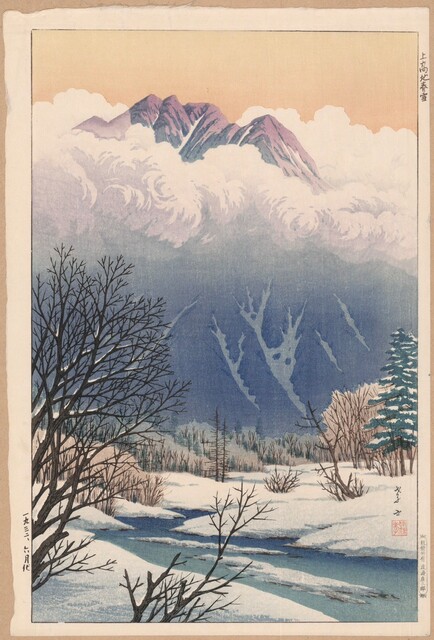
Spring Snow at Kamikochi
1932
Woodblock Print
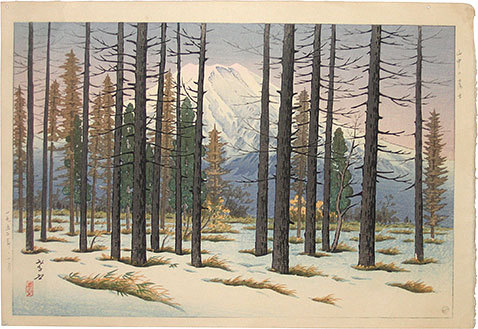
Ito Takahashi
Woodblock print
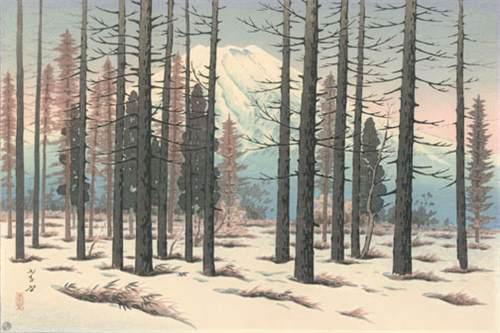
Robyn Buntin of Honolulu
Woodblock print

Snow at Akabane
Mokuhanga (Japanese woodblock)
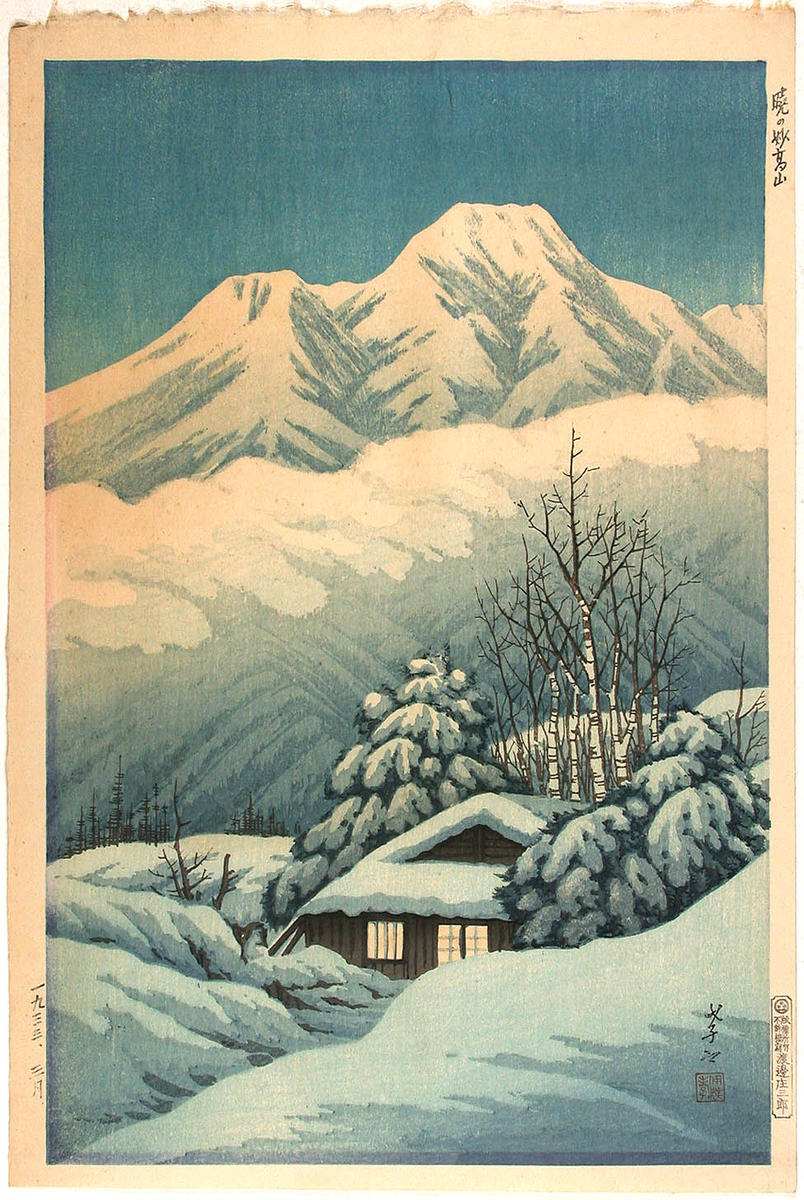
Mt Myoko-zan at dawn
Woodblock print
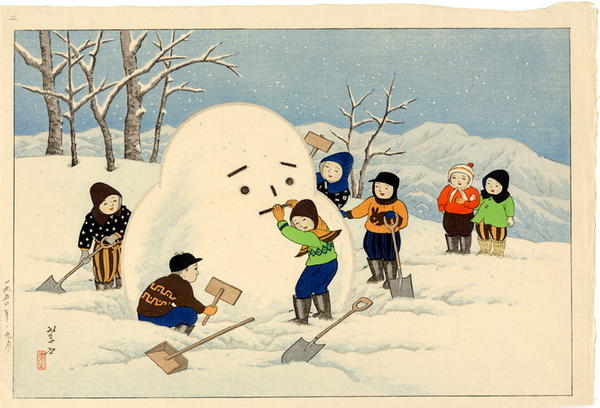
Children making a Snowman in the Northeast District
Woodblock print
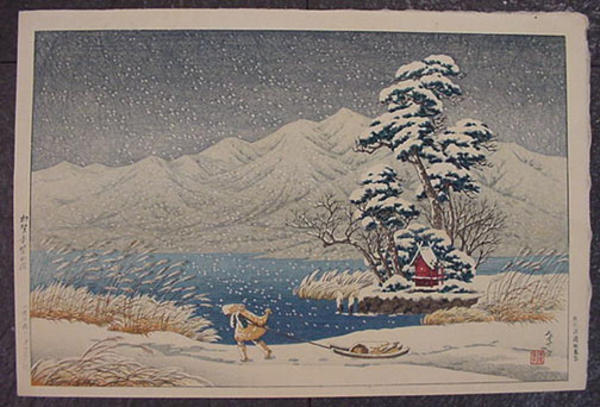
Lake Shibayama in Kaga
Woodblock print
Snowy Day
Woodblock print
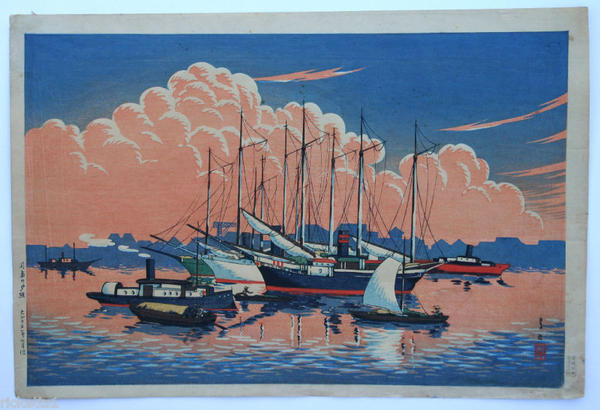
Sunset Glow at Tsukishima by Takashi Ito
Woodblock print

Mt Ontake, Kiso — 木曽御嶽
Woodblock print
Children building snowman
Woodblock print
Sunset glow at Tsukishima
Woodblock print
Takagawa River at Dawn, Shôwa period, dated 1932
Woodblock print
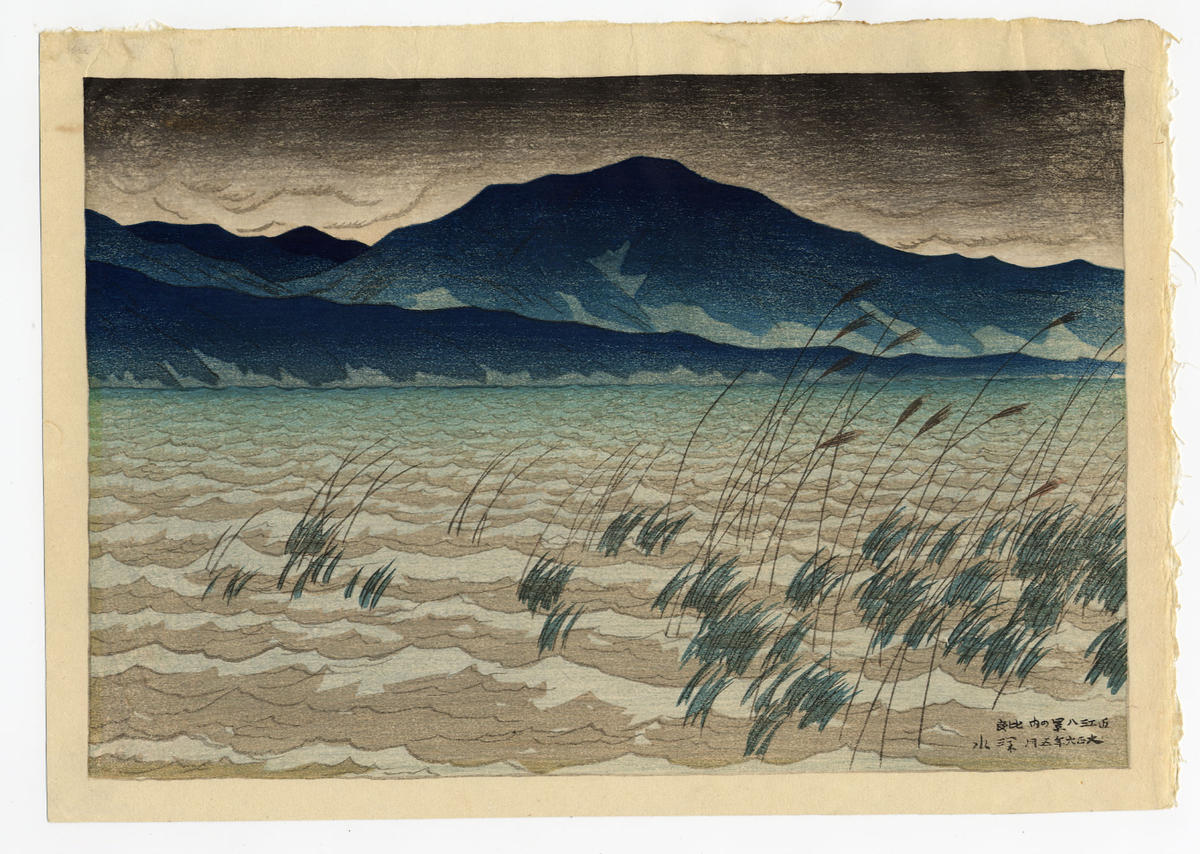
Hira
Woodblock print
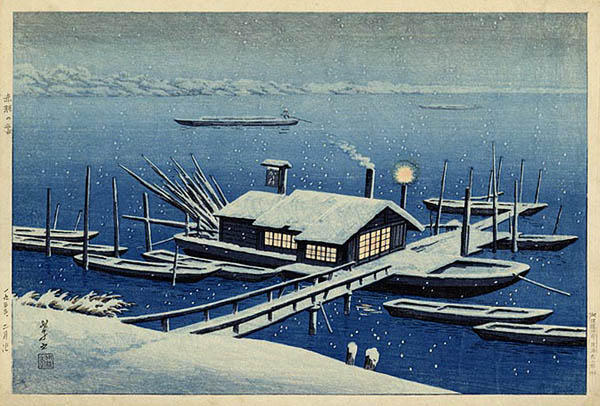
Ferry in Snow at Akabane, Tokyo
Woodblock print
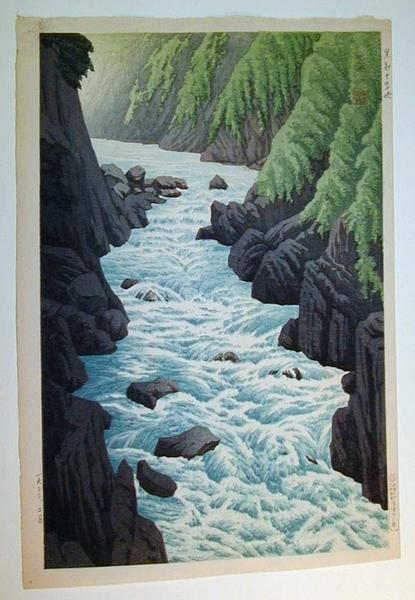
Guji Gorge At Kurobe
Woodblock print
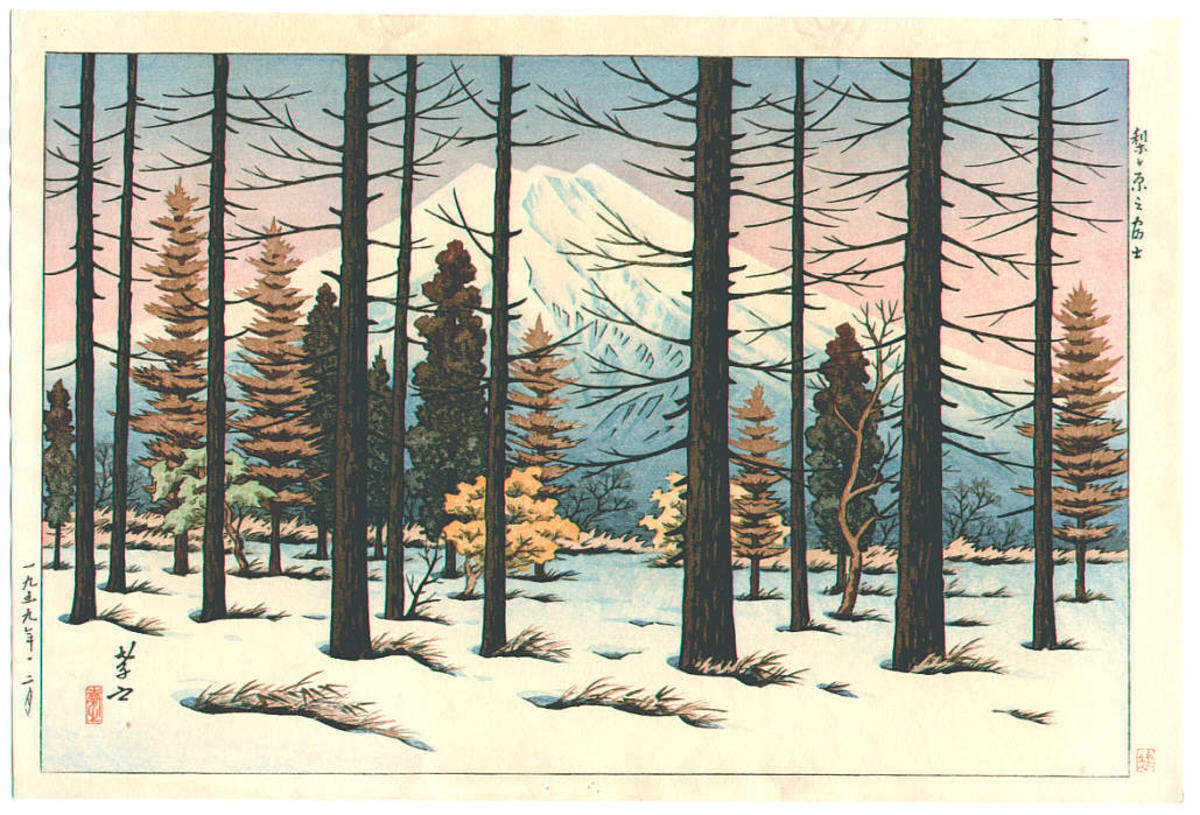
Mt. Fuji seen from Nashigahara
Woodblock print
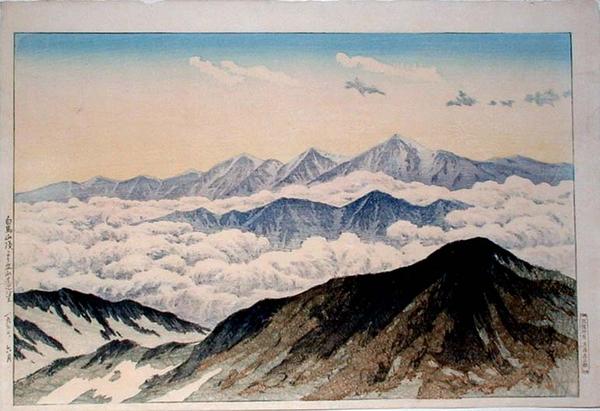
Tateyama Mountains from White Horse Peak (Hakuba Peak)
Woodblock print
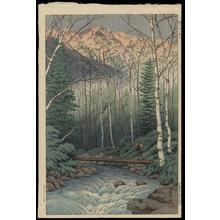
Takegawa River at Dawn
Woodblock print
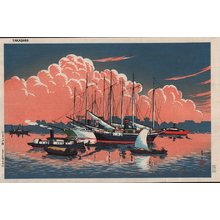
Sunset at Tsukishima
Woodblock print
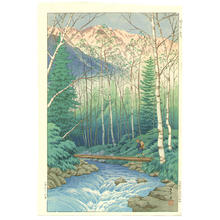
Takegawa River at Dawn
Woodblock print
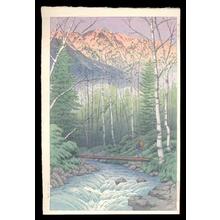
Takegawa River at Dawn
Woodblock print