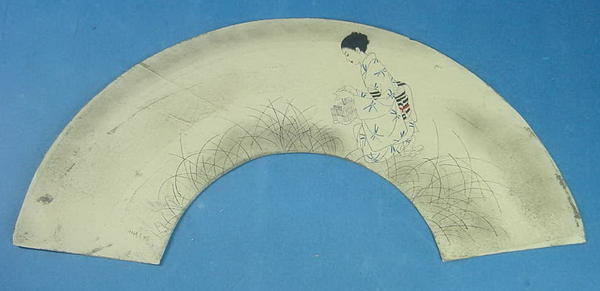
Takasawa Keiichi
高沢圭一
1914–1984
Japan
Biography
Keiichi Takasawa (高沢圭一, 1914–1984) was a Japanese painter and woodblock-print designer whose mature career was devoted almost exclusively to bijin-ga, the genre of "pictures of beautiful women." His prints sit on the late-shin-hanga side of twentieth-century Japanese printmaking — produced in collaboration with publisher-coordinated carvers and printers rather than self-cut and self-pulled in the sōsaku-hanga manner — but their pencil-signed, limited-edition format and their cool, modernized handling of the female figure place him within the postwar interest in updating classical bijin-ga subjects for a contemporary audience. Born in Gunma Prefecture in 1914, he entered Nihon University in 1936 but left before completing his studies. In 1939 he received the Asahi Award for one of his paintings, an early mark of national recognition. During the Pacific War he worked as a war reporter, an assignment that interrupted but did not end his independent practice; after 1945 he supported himself primarily through commercial illustration for women's magazines while continuing to paint bijin-ga in his studio. His female subjects are characteristically slender, with elongated necks, refined features, and cool, restrained palettes — a modernized, decorative treatment of a subject with a long history in Japanese art; it is widely believed that the recurring model in many of his works was his wife. His woodblock prints were made by professional carvers and printers in the older shin-hanga division of labor and issued through two studios in particular: Yūyūdō, the best-known publisher of his pencil-signed limited editions and the source of most of the sheets that circulate today, and Katō Hanga Kenkyūsho. Within the postwar print landscape Takasawa belongs to a strand of "new bijin-ga" designers whose work descended from shin-hanga rather than from the more iconoclastic sōsaku-hanga lineage. Individual sheets such as "Arrow Feather Pattern" (Yagasuri), "Hair," and the abstract-titled "Number 1" and "Number 2" demonstrate the basic vocabulary of his bijin-ga prints: a single woman, often seen from waist or shoulder up, set against a flat tonal field that throws the kimono pattern and the cool oval of the face into relief. In 1974 and 1975 he held two exhibitions in Paris, which raised his international visibility and helped build the small but stable European market for his pencil-signed prints. He died in 1984 at the age of seventy. Major institutional holdings of his work are not well documented in the English-language literature, and the precise chronology of individual print editions remains imperfectly fixed across sources; he is best represented in private collections and through dealer archives such as JAODB and the Ohmi Gallery's Takasawa Keiichi collection, which together preserve a substantial portion of his print output.
Key Facts
- Active Period
- 1914–1984
- Nationality
- 🇯🇵Japan
- Works Indexed
- 49
Frequently Asked Questions
Keiichi Takasawa (高沢圭一, 1914–1984) was a Japanese painter and woodblock-print designer whose mature career was devoted almost exclusively to bijin-ga, the genre of "pictures of beautiful women." His prints sit on the late-shin-hanga side of twentieth-century Japanese printmaking — produced in collaboration with publisher-coordinated carvers and printers rather than self-cut and self-pulled in the sōsaku-hanga manner — but their pencil-signed, limited-edition format and their cool, modernized handling of the female figure place him within the postwar interest in updating classical bijin-ga subjects for a contemporary audience. Born in Gunma Prefecture in 1914, he entered Nihon University in 1936 but left before completing his studies. In 1939 he received the Asahi Award for one of his paintings, an early mark of national recognition. During the Pacific War he worked as a war reporter, an assignment that interrupted but did not end his independent practice; after 1945 he supported himself primarily through commercial illustration for women's magazines while continuing to paint bijin-ga in his studio. His female subjects are characteristically slender, with elongated necks, refined features, and cool, restrained palettes — a modernized, decorative treatment of a subject with a long history in Japanese art; it is widely believed that the recurring model in many of his works was his wife. His woodblock prints were made by professional carvers and printers in the older shin-hanga division of labor and issued through two studios in particular: Yūyūdō, the best-known publisher of his pencil-signed limited editions and the source of most of the sheets that circulate today, and Katō Hanga Kenkyūsho. Within the postwar print landscape Takasawa belongs to a strand of "new bijin-ga" designers whose work descended from shin-hanga rather than from the more iconoclastic sōsaku-hanga lineage. Individual sheets such as "Arrow Feather Pattern" (Yagasuri), "Hair," and the abstract-titled "Number 1" and "Number 2" demonstrate the basic vocabulary of his bijin-ga prints: a single woman, often seen from waist or shoulder up, set against a flat tonal field that throws the kimono pattern and the cool oval of the face into relief. In 1974 and 1975 he held two exhibitions in Paris, which raised his international visibility and helped build the small but stable European market for his pencil-signed prints. He died in 1984 at the age of seventy. Major institutional holdings of his work are not well documented in the English-language literature, and the precise chronology of individual print editions remains imperfectly fixed across sources; he is best represented in private collections and through dealer archives such as JAODB and the Ohmi Gallery's Takasawa Keiichi collection, which together preserve a substantial portion of his print output.
Takasawa Keiichi was active from 1914 to 1984.
Takasawa Keiichi's prints frequently feature bijin-ga, figures, portraits, nude, urban scenes, travel scenes.
Original prints by Takasawa Keiichi can be found in collections including Ohmi Gallery, Japanese Art Open Database.
Woodblock Prints by Takasawa Keiichi (49)

Large snowflakes
Mokuhanga (Japanese woodblock)
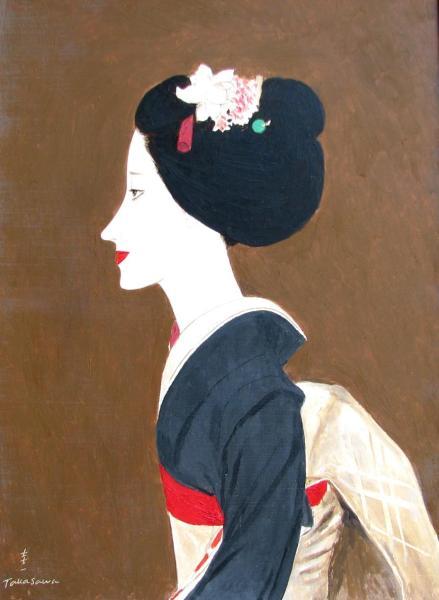
Maiko — 舞妓
Not set
Woodblock print
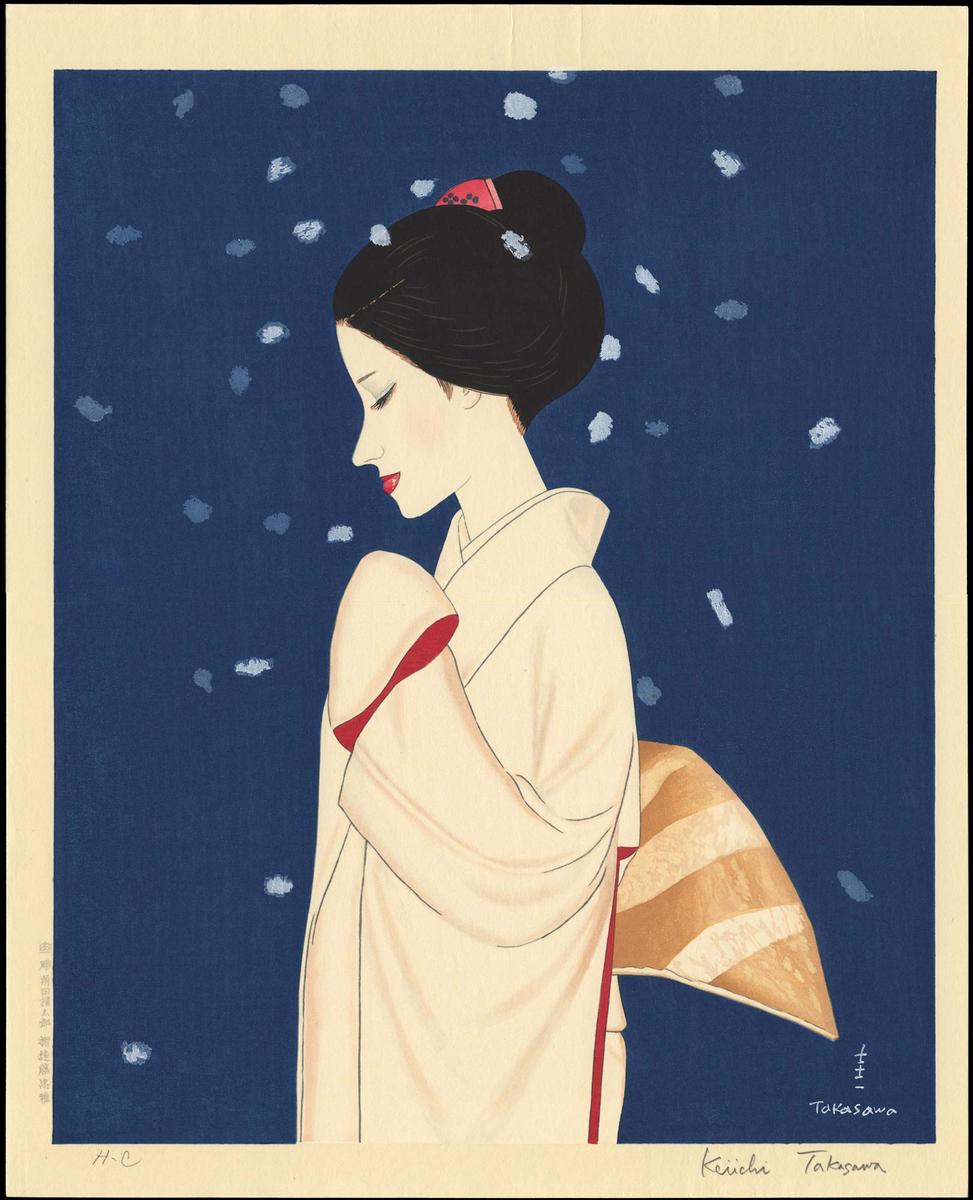
Woman and Snowflakes
Not set
Woodblock print
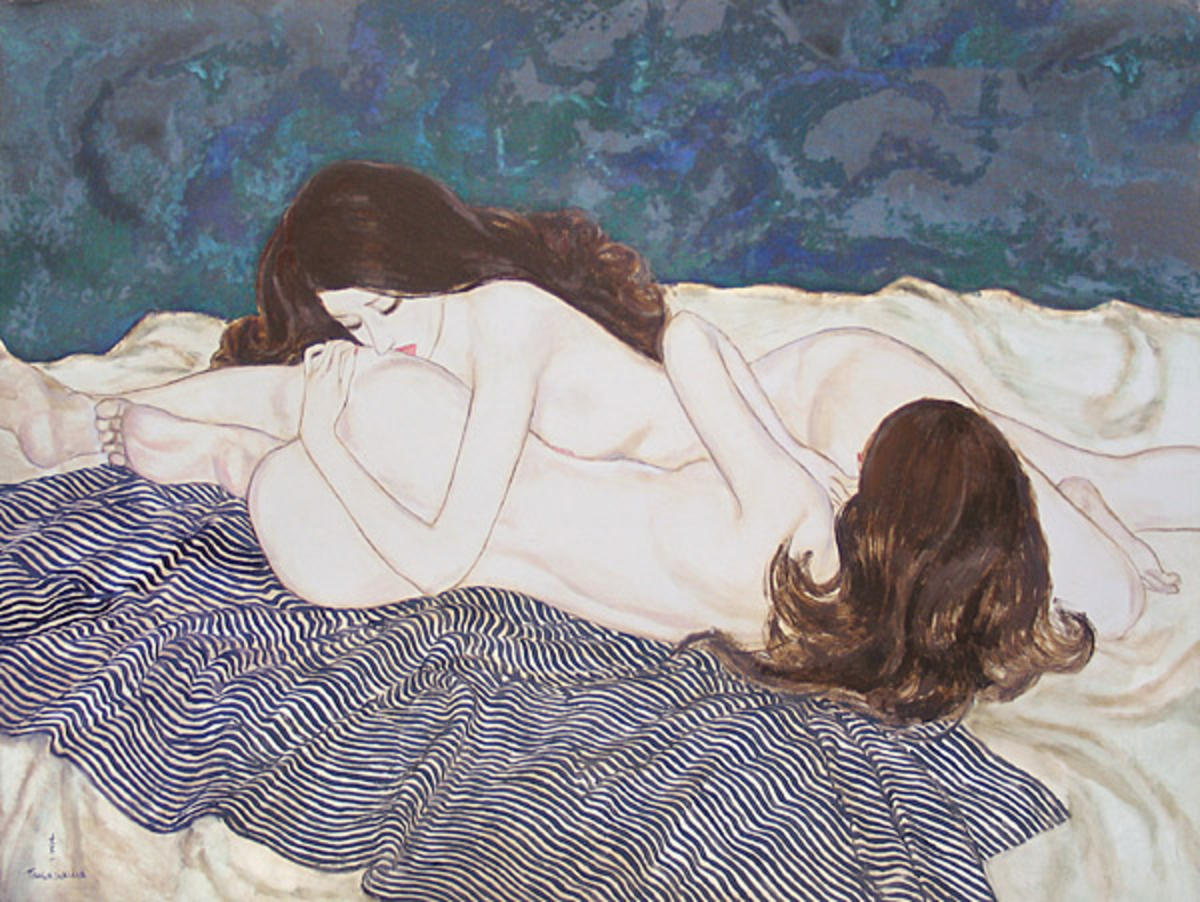
Woman and Woman- oil painting — 女と女
Not set
Woodblock print
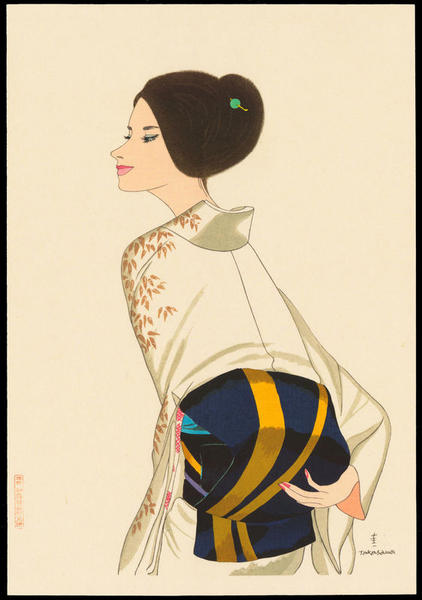
No 4
Woodblock print
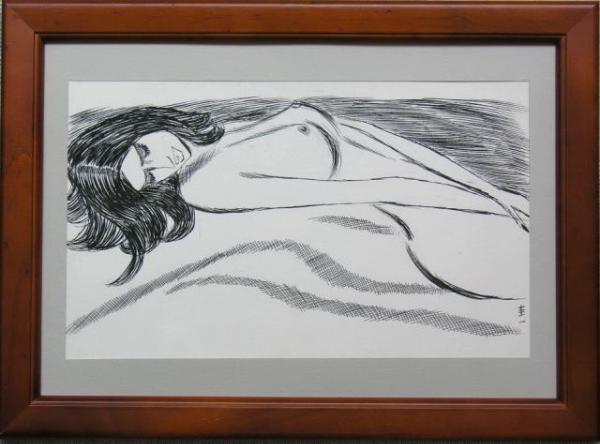
Nude woman — 裸婦
Woodblock print
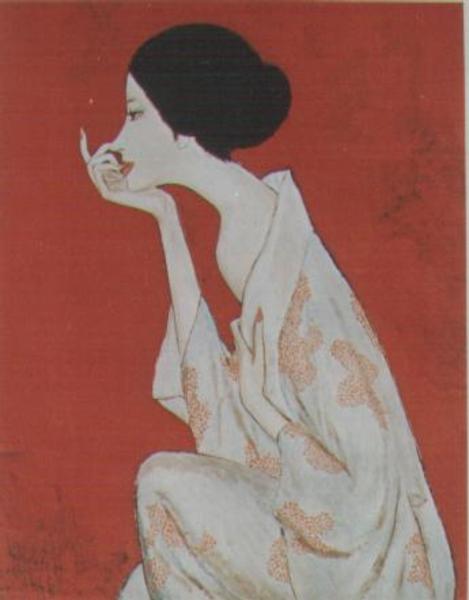
Crimson
Not set
Woodblock print
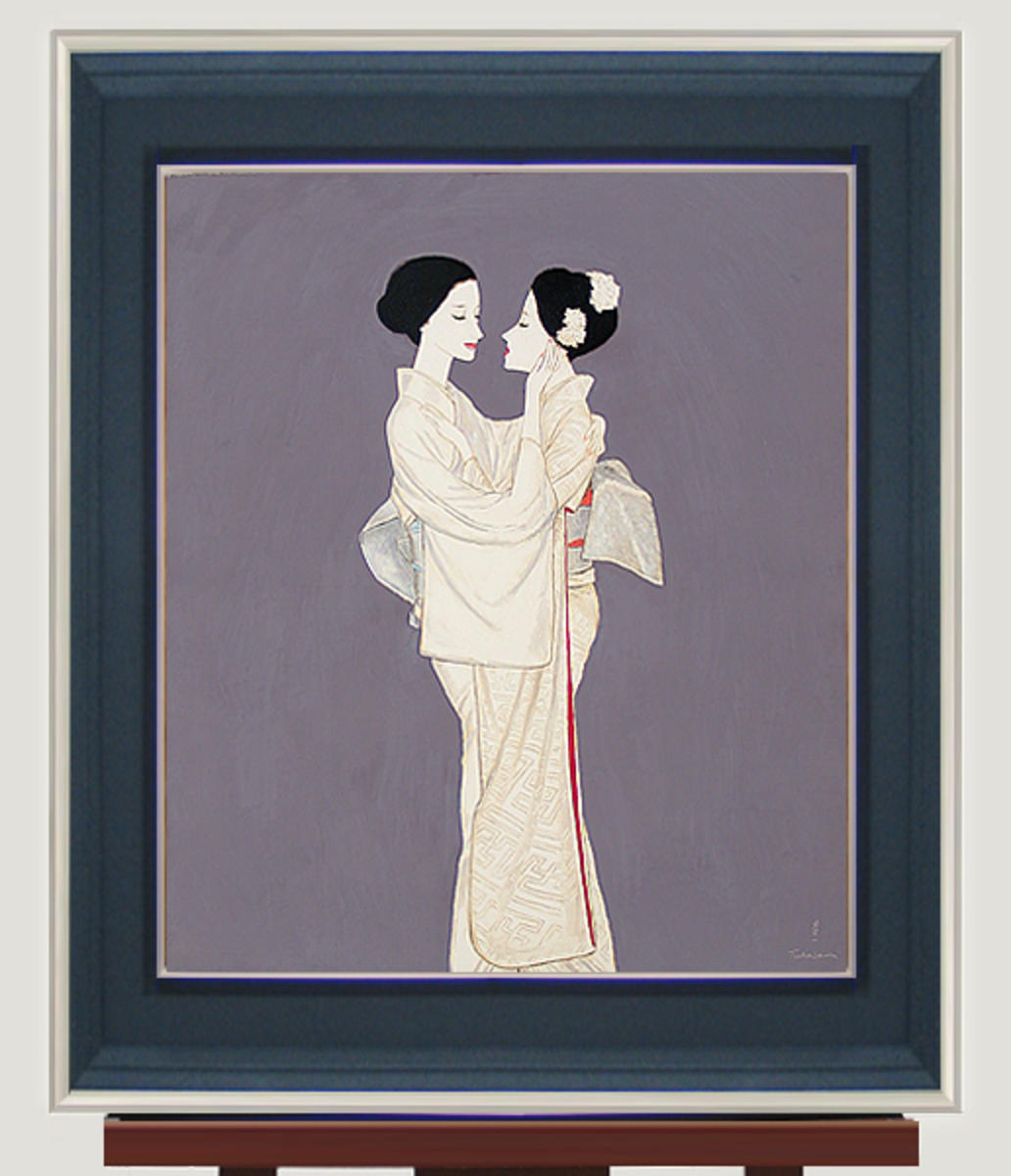
Kiss — くちづけ
Not set
Woodblock print
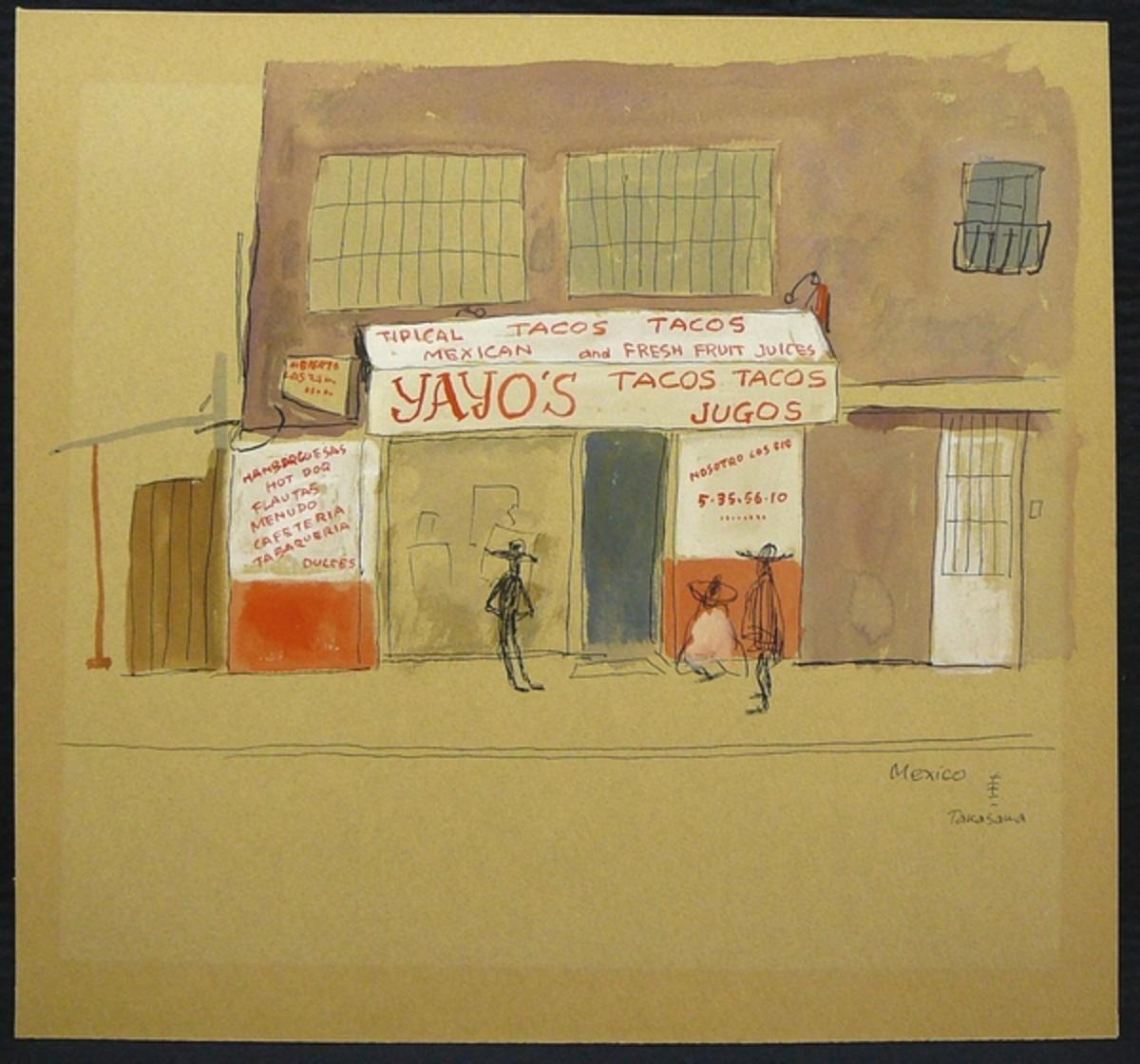
Mexico
Not set
Woodblock print
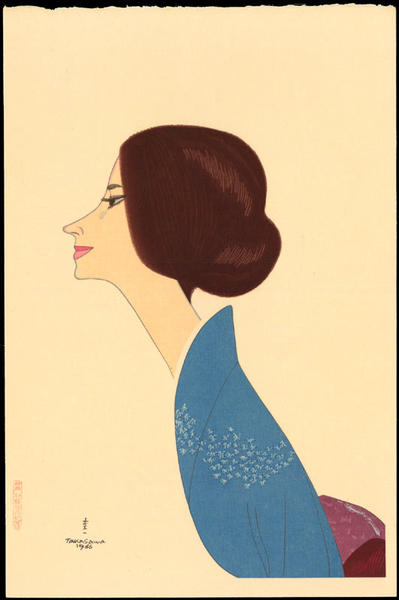
No 2
Not set
Woodblock print
Nude Woman 2 — 裸婦
Not set
Woodblock print
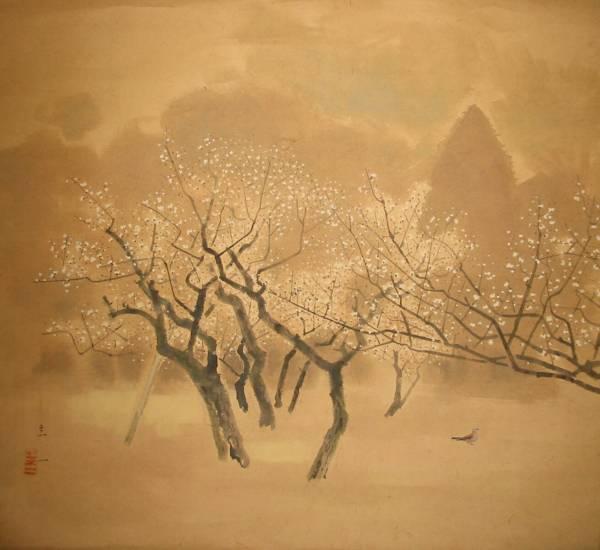
Plum Trees and Dove — 梅林図
Not set
Woodblock print
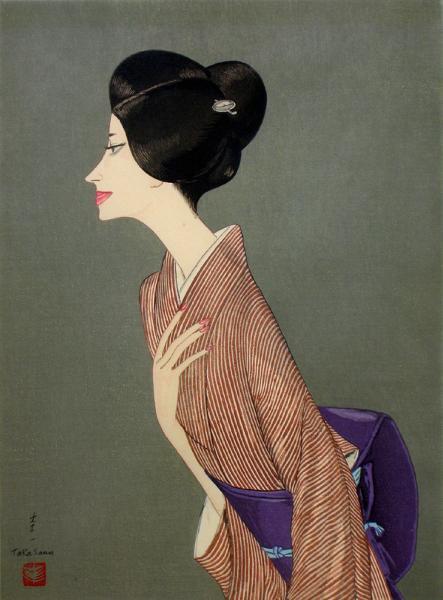
Portrait of a Woman Wearing a Kimono — 着物の婦人像
Not set
Woodblock print
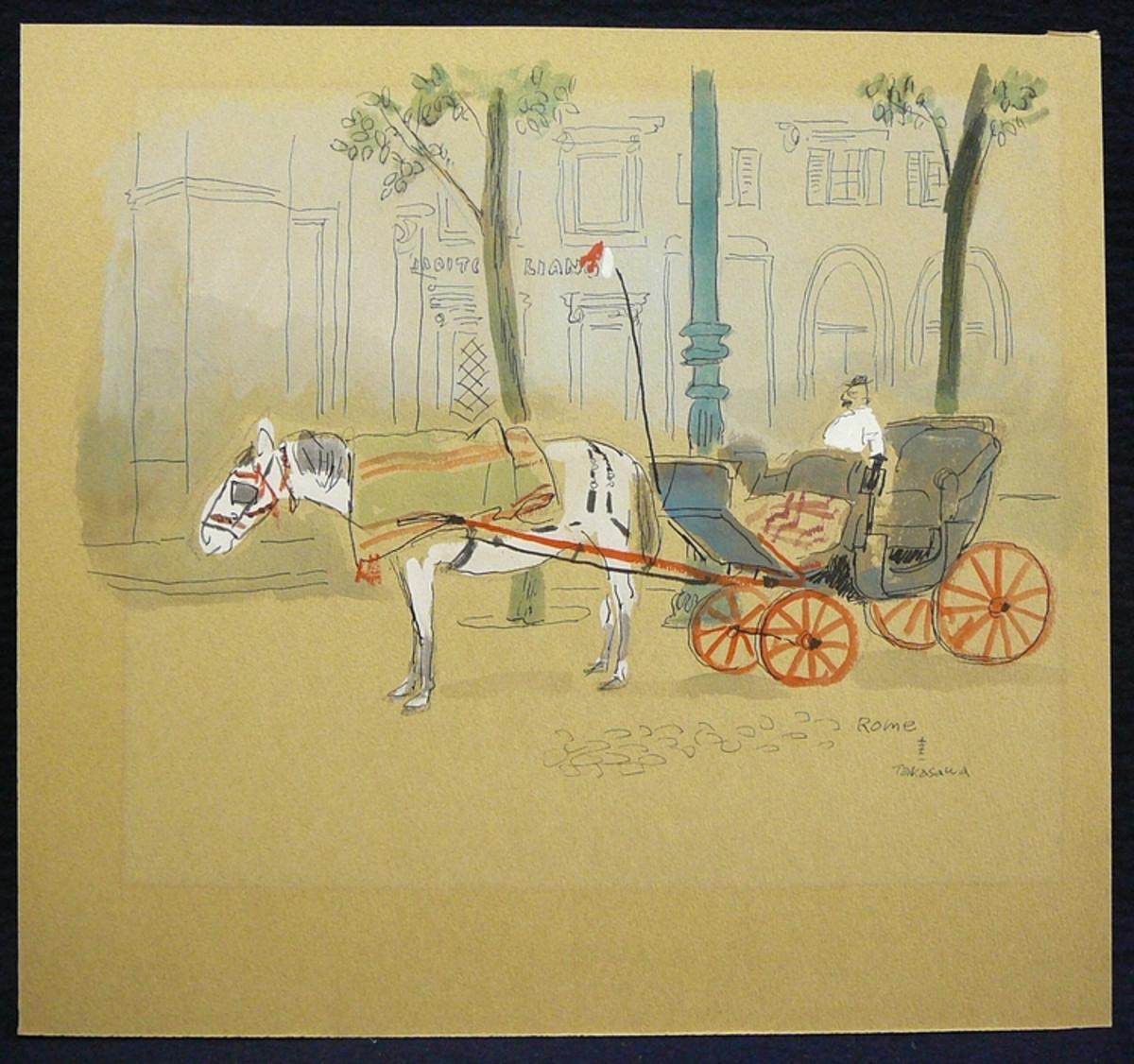
Rome
Not set
Woodblock print
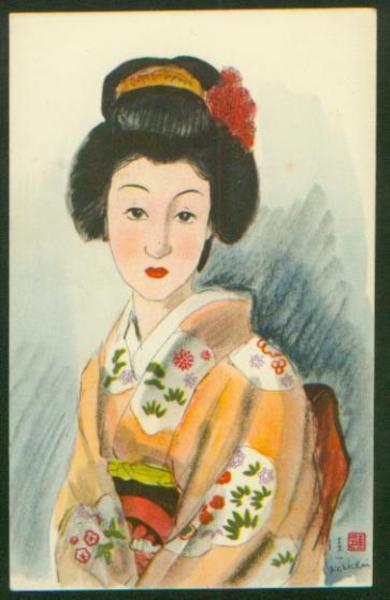
Young Bijin in Kimono
Not set
Woodblock print
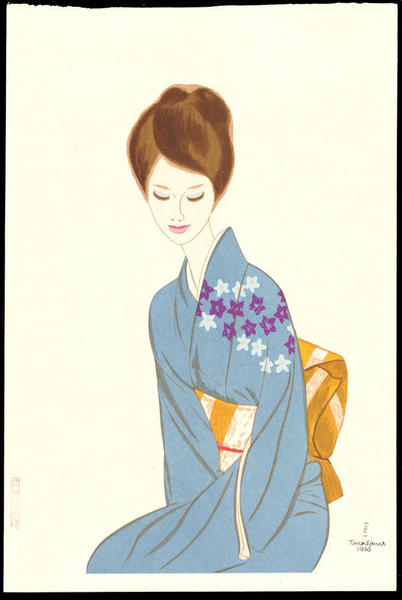
No 3
Woodblock print
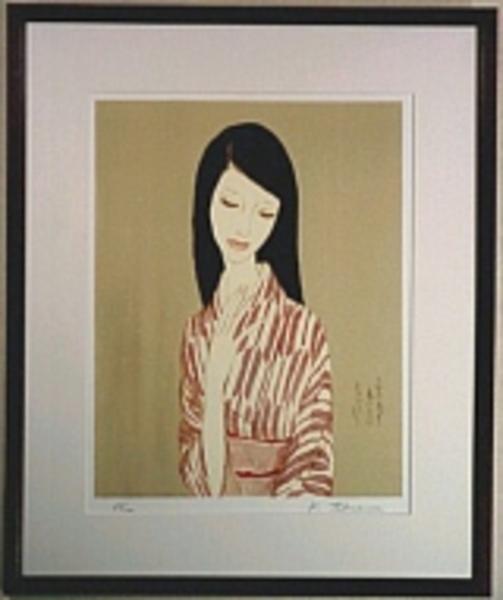
Sad Love — 哀しい恋
Not set
Lithograph
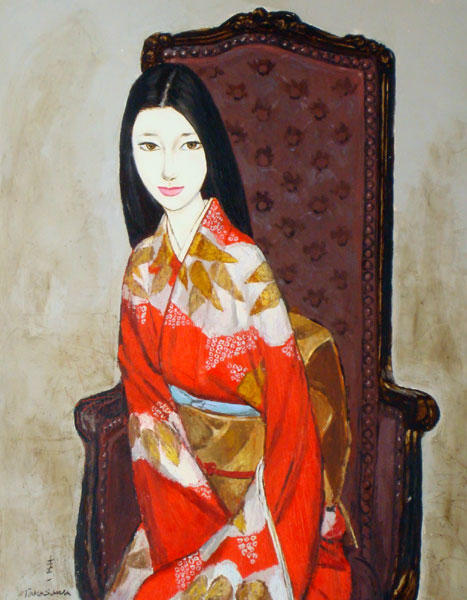
Sunday Best — 晴着
Not set
Woodblock print
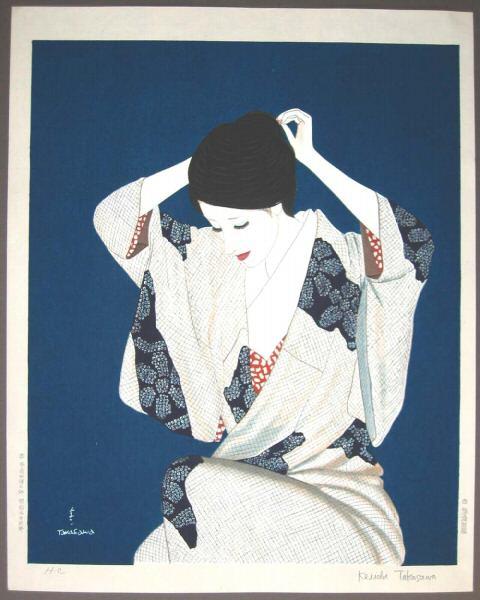
Young Woman Dressing
Not set
Woodblock print

Woman With bare shoulders
Mokuhanga (Japanese woodblock)

Woman In profile
Mokuhanga (Japanese woodblock)

Woman In a kimono
Mokuhanga (Japanese woodblock)

Woman Holding a Nô mask
Mokuhanga (Japanese woodblock)

Sharkskin pattern
Mokuhanga (Japanese woodblock)