Biography
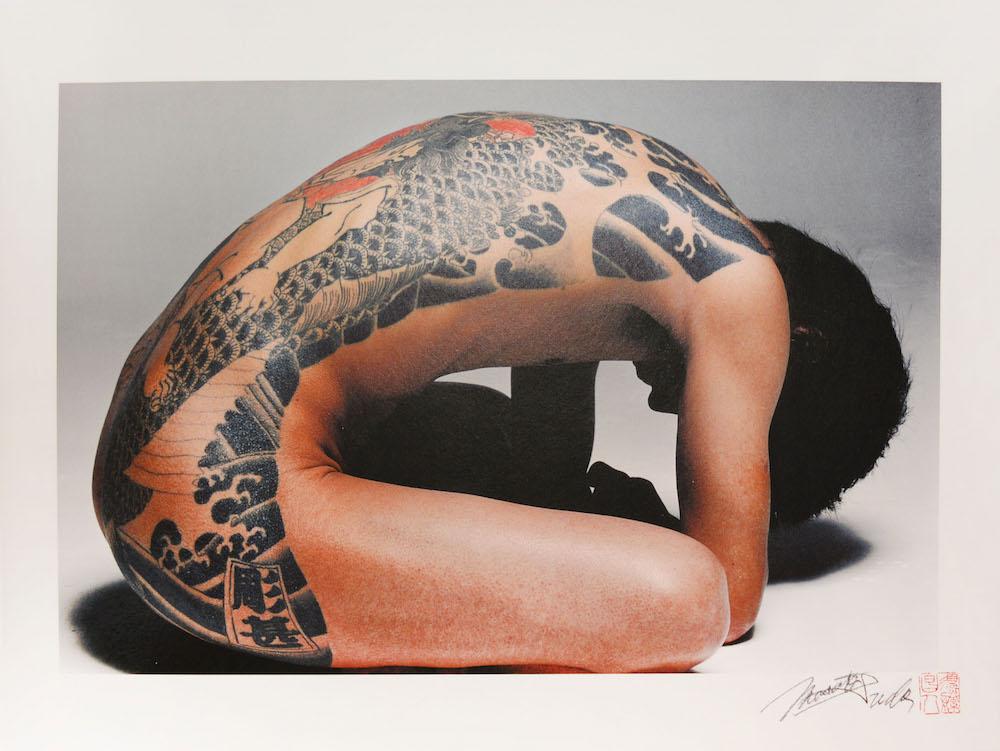
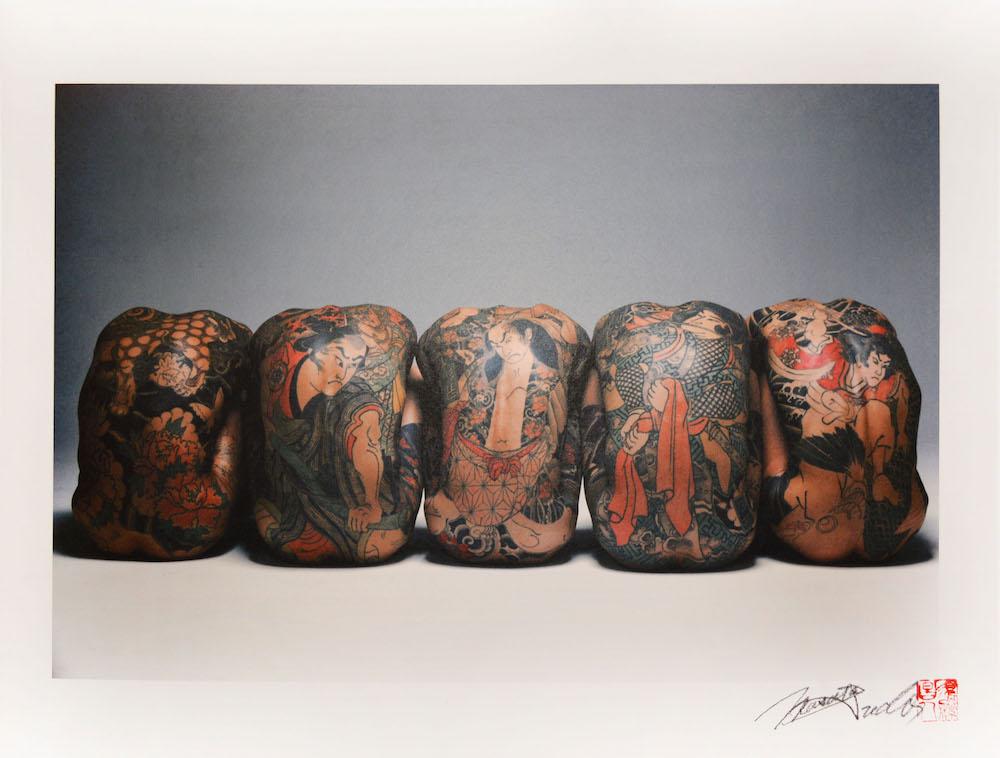
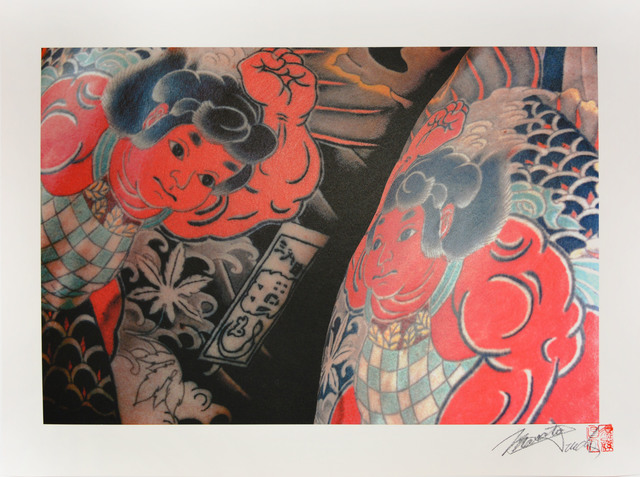
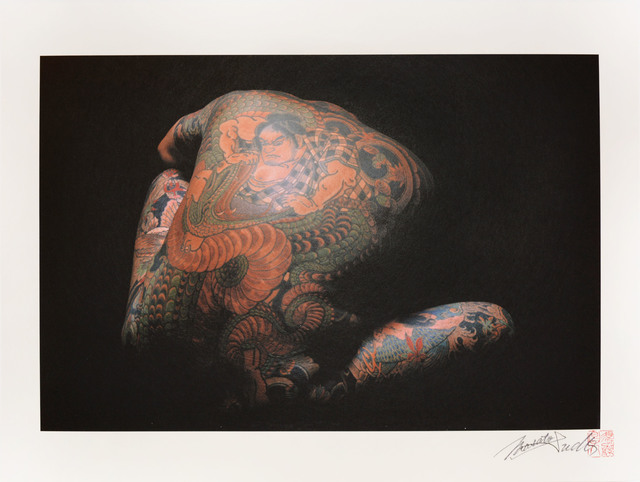
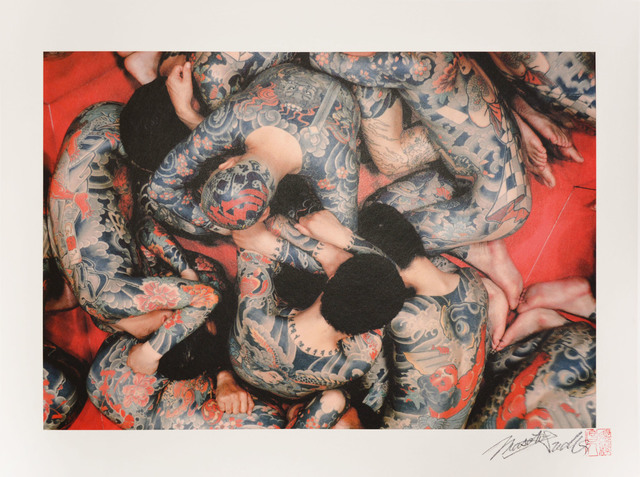
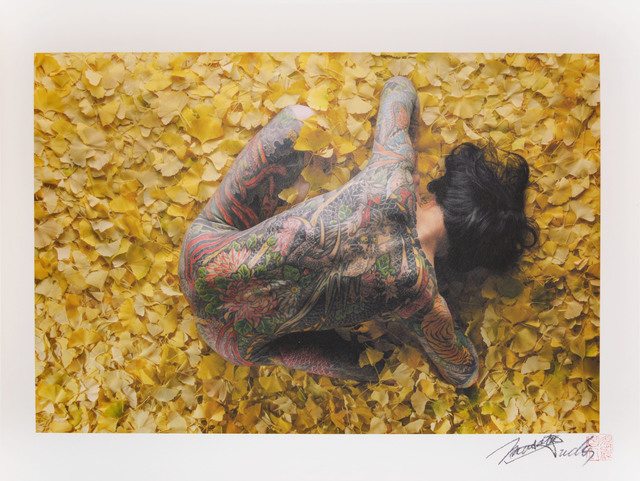
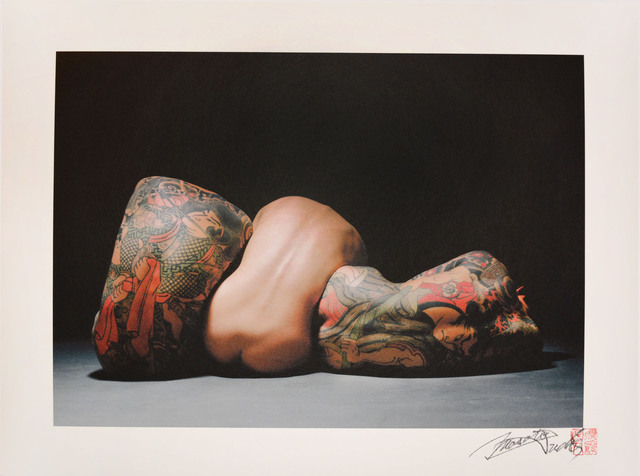
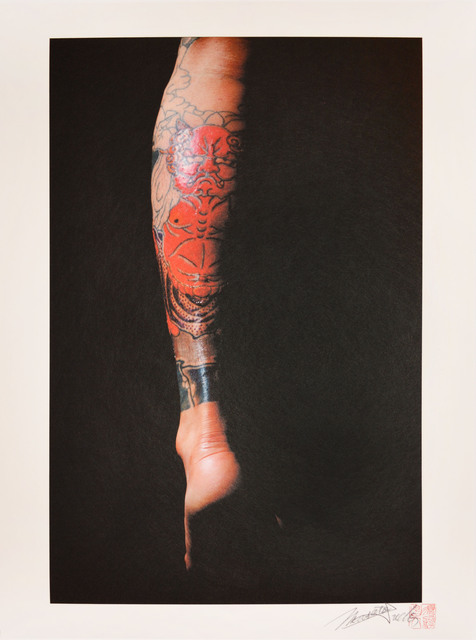
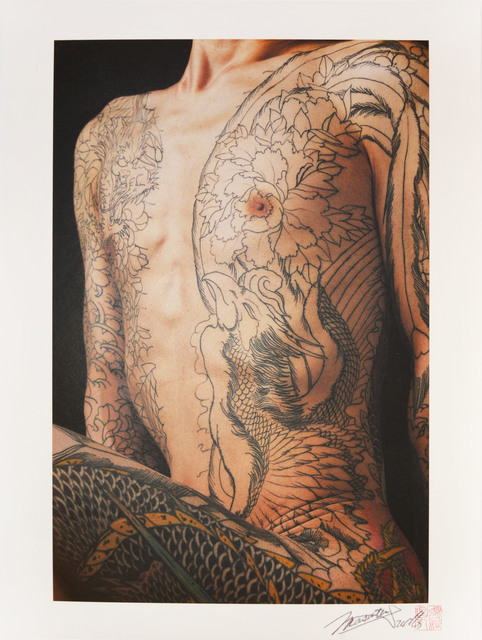
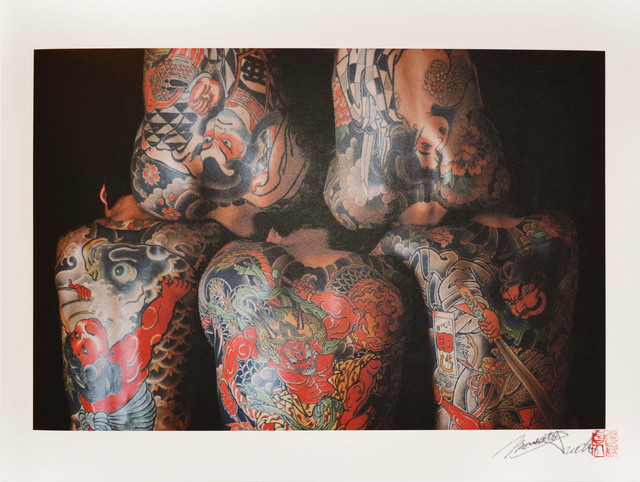
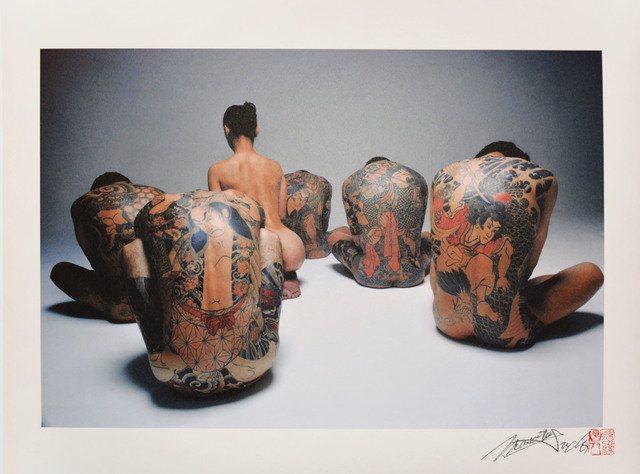
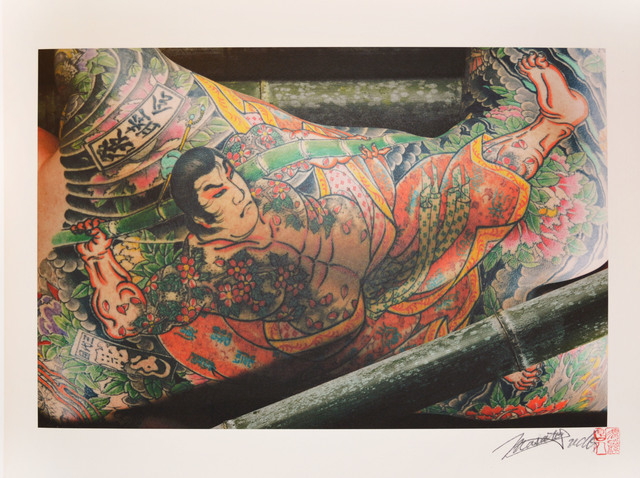
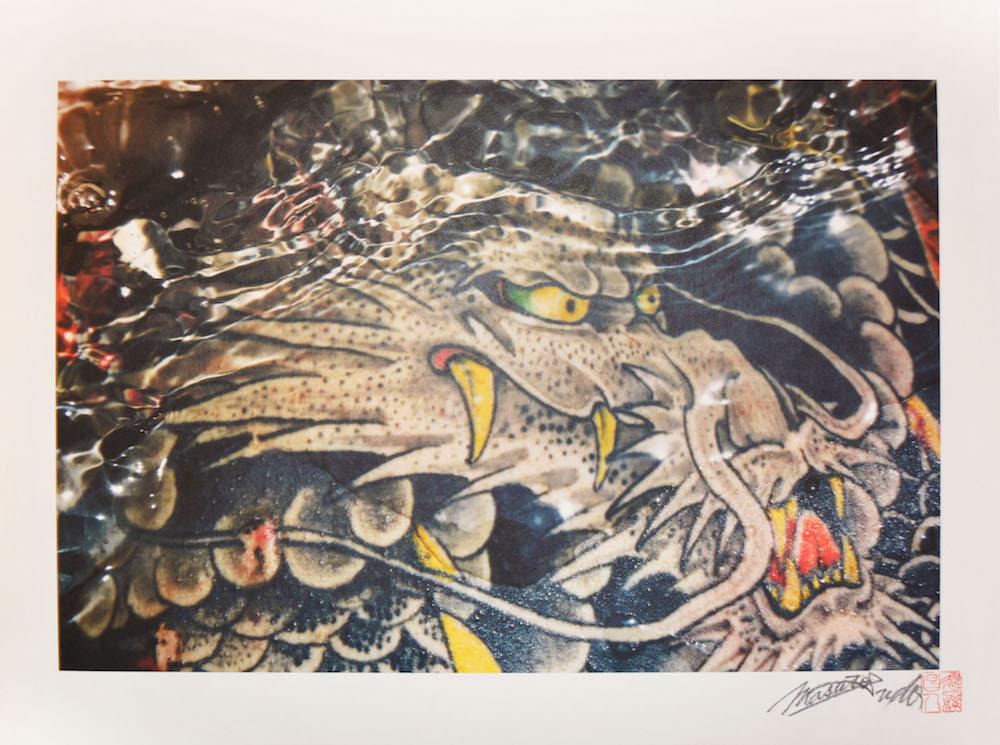
Masato Sudo is a contemporary Japanese photographer who has spent more than three decades documenting the art of traditional Japanese tattooing, elevating the genre through his mastery of large-format photography and innovative archival printing techniques. Born in 1955, he began his career photographing the lavishly decorated long-haul trucks that are a distinctive feature of Japanese highways. While working on one of these studies, he encountered a truck driver whose bodily designs outdid those of his vehicle, and the encounter redirected the course of his artistic life.
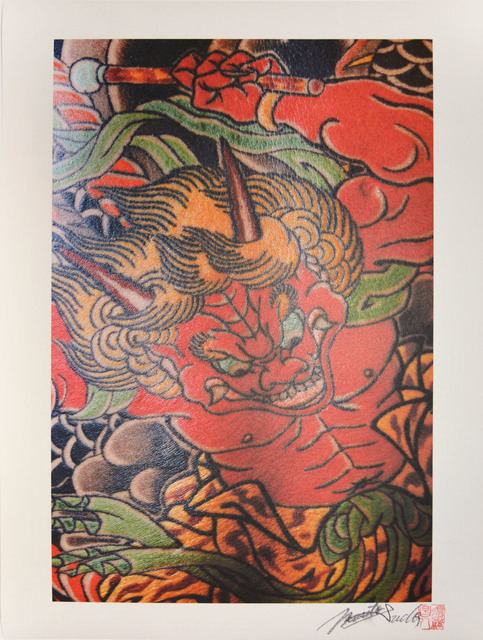
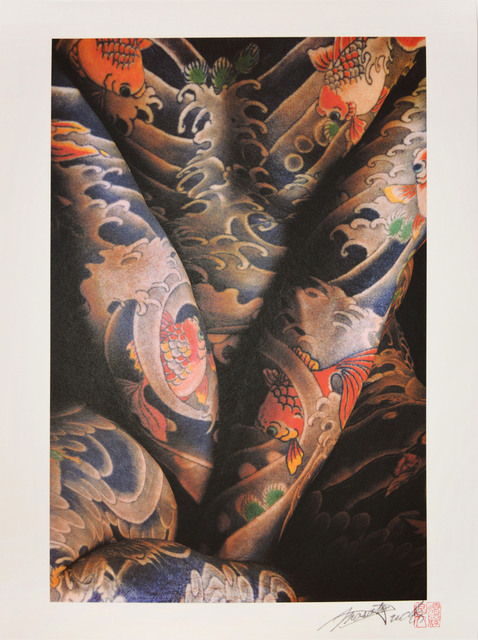
Enamored by the individualized bodily expression of traditional Japanese tattooing, Sudo built his career as a photographer capturing the beauty of irezumi and the intimate relationship between tattoo artists and their human canvases. In 1985, he published Ransho: Japanese Tattooing, a landmark one-hundred-and-forty-three-page photographic exploration of tebori (hand tattooing) as practiced by the celebrated masters Horiyoshi III, Horijin, and Horikin. The book remains a seminal document of the art form. Three decades later, he published a sequel, Ransho II (2015), through Shogakukan.
Sudo combines large-format photography with a cutting-edge archival fresco pigment printing process developed by FL Tokuyama Corporation. This technology embeds photographs within a soft layer of plaster, similar to how traditional fresco technique preserves pigments, creating images that are heat, light, and moisture resistant and intended to endure for centuries. The result transforms his photographs of the tattooed body into objects that aspire to the permanence of the art they document.
In 2010, his work was featured in the exhibition Seeing Beauty at Balboa Park's Museum of Photographic Arts in San Diego. His photographs are held in collections worldwide, including the Muscarelle Museum and the Morikami Museum of Art. He is represented by Ronin Gallery in New York.
Key Facts
- Active Period
- 1955
- Nationality
- 🇯🇵Japan
- Movement
- Contemporary Mokuhanga
- Works Indexed
- 14
Frequently Asked Questions
Masato Sudo is a contemporary Japanese photographer who has spent more than three decades documenting the art of traditional Japanese tattooing, elevating the genre through his mastery of large-format photography and innovative archival printing techniques. Born in 1955, he began his career photographing the lavishly decorated long-haul trucks that are a distinctive feature of Japanese highways. While working on one of these studies, he encountered a truck driver whose bodily designs outdid those of his vehicle, and the encounter redirected the course of his artistic life.
Masato Sudo was active born in 1955. They were associated with the Contemporary Mokuhanga movement.
Masato Sudo's work was shaped by the Contemporary Mokuhanga tradition in Japanese woodblock printmaking. Contemporary Mokuhanga: Contemporary mokuhanga (literally "wood-block print") encompasses artists working from approximately 1970 to the present who continue or reinvent traditional Japanese woodblock printing techniques.
Masato Sudo's prints frequently feature figures, nature.