Biography
Natasha Norman is a South African relief print artist based in Cape Town whose practice connects the formal traditions of South African printmaking with the aesthetic sensibilities of Japanese mokuhanga. Born in 1982, she studied at the University of Cape Town's Michaelis School of Fine Art, earning a BA in Fine Arts with a focus on print media in 2005 and a Masters in Fine Arts in 2011, her thesis 'Further Fictions in Print' exploring narrative possibilities within the print medium.
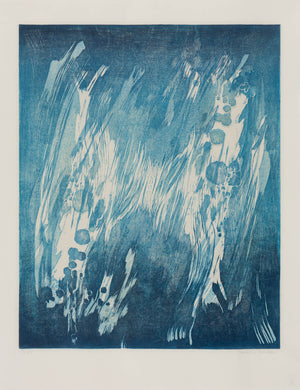
Norman trained in traditional Western relief printing methods at UCT before seeking out residencies in Japan to study mokuhanga, the Japanese watercolor woodblock printing technique. This cross-cultural training has produced a distinctive artistic voice that draws on South African visual traditions while embracing Japanese concepts of beauty, particularly the wabi-sabi aesthetic that finds value in imperfection, impermanence, and the marks of natural process. Her work often depicts water, tides, and coastal landscapes, rendered through the layered transparency that mokuhanga's water-based pigments allow.
Her recent work includes the Kala Pani series (2024), which draws on the historical and emotional resonance of ocean crossings, rendered through the atmospheric effects she achieves with careful ink modulation on washi paper.
Norman is deeply engaged in building mokuhanga communities beyond Japan's borders. In 2019, she co-founded Mokuhanga Kai, a Cape Town-based society working to further access to mokuhanga materials and learning for South African artists. She is a member of the Mokuhanga Sisters, an international collective of women printmakers, and of The Printing Girls, and since 2025 she has served on the board of the International Mokuhanga Association. Her work has been exhibited in more than forty group shows internationally, including venues in London, Japan, Brooklyn, and throughout South Africa, and is held in the collections of the IZIKO South African National Gallery, the Victoria and Albert Museum in London, the Richard F. Brush Art Gallery at St. Lawrence University, and the National Museum Bloemfontein. She continues to lecture part-time at universities and institutions in South Africa.
Key Facts
- Active Period
- 1982
- Nationality
- 🇿🇦South Africa
- Movement
- Contemporary Mokuhanga
- Works Indexed
- 12
Frequently Asked Questions
Natasha Norman is a South African relief print artist based in Cape Town whose practice connects the formal traditions of South African printmaking with the aesthetic sensibilities of Japanese mokuhanga. Born in 1982, she studied at the University of Cape Town's Michaelis School of Fine Art, earning a BA in Fine Arts with a focus on print media in 2005 and a Masters in Fine Arts in 2011, her thesis 'Further Fictions in Print' exploring narrative possibilities within the print medium.
Natasha Norman was active born in 1982. They were associated with the Contemporary Mokuhanga movement.
Natasha Norman's work was shaped by the Contemporary Mokuhanga tradition in Japanese woodblock printmaking. Contemporary Mokuhanga: Contemporary mokuhanga (literally "wood-block print") encompasses artists working from approximately 1970 to the present who continue or reinvent traditional Japanese woodblock printing techniques.
Natasha Norman's prints frequently feature rivers & lakes, night scenes, abstract, washi, architecture, nature.
Woodblock Prints by Natasha Norman (12)

Woven Water
Mokuhanga on washi

Dry Brush
Mokuhanga on washi
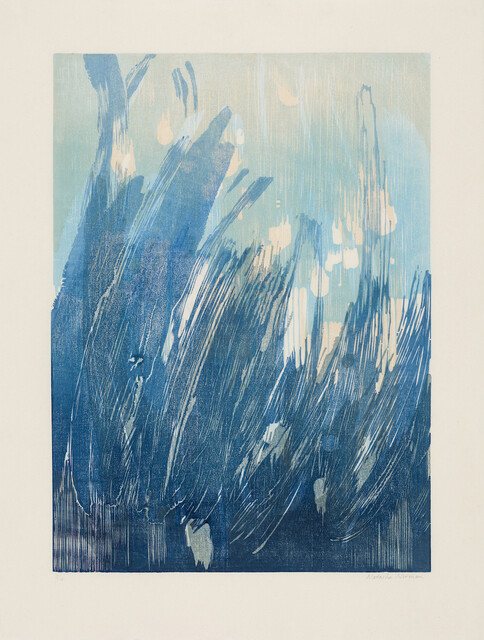
What Joy to Come Falling
2023
Mokuhanga woodblock print
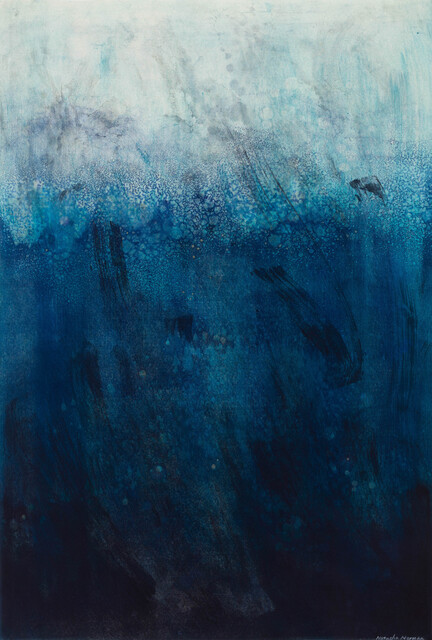
The Landing
2024
Monotype print on washi
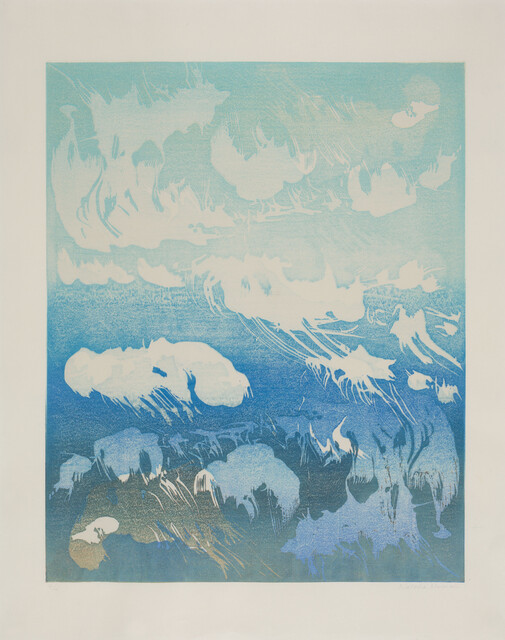
The Invisible Sea (Naval Hill)
2024
Mokuhanga woodblock print
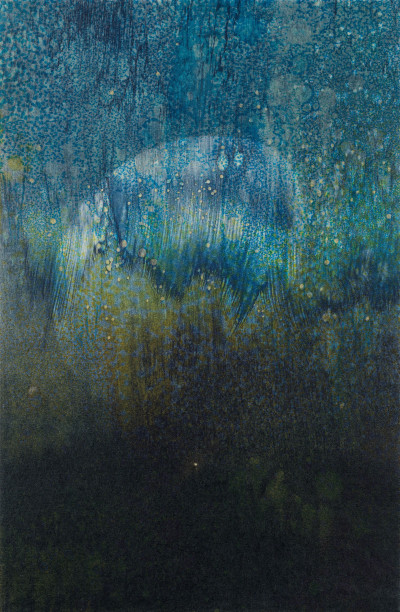
Time and Tide (Quarter Moon)
Mokuhanga woodblock print on washi

Echoes from the Deep
Mokuhanga woodblock print on washi
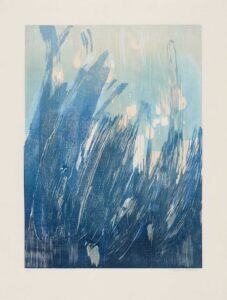
IMC 2024 Echizen submission
Mokuhanga (Japanese woodblock)
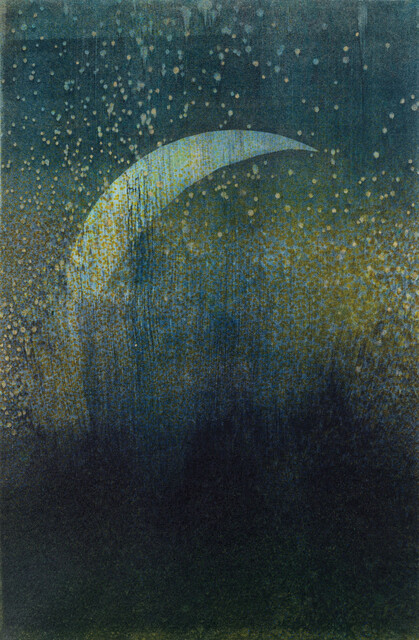
Time and Tide | Sliver Moon
2024
Monotype print on washi
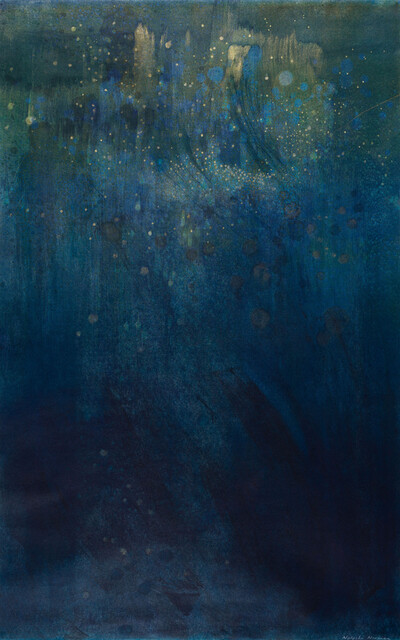
Cargo Haul of Stars
2024
Monotype print on washi
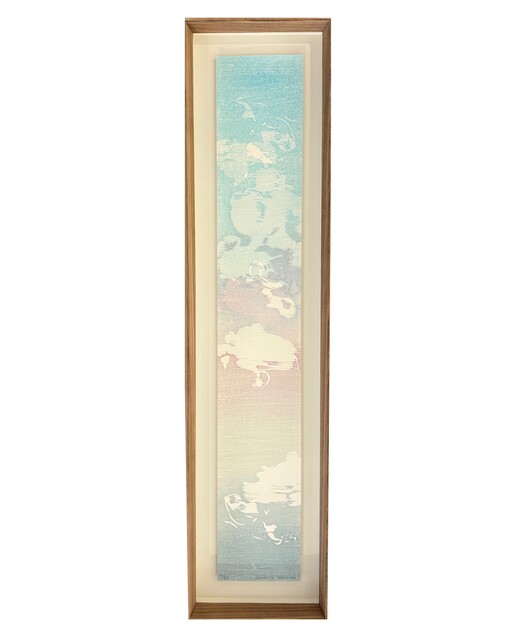
For the Birds (Pillar print)
2025
Mokuhanga (woodblock print)

A Sudden Lightness, Mokuhanga Woodblock print
Mokuhanga (Japanese woodblock)