Biography
Ogawa Usen (小川芋銭, 1868–1938) was an idiosyncratic nihonga painter and occasional printmaker known for his whimsical depictions of kappa (water sprites), frogs, and other creatures drawn from Japanese folklore and rural nature. His work stands apart from the more formal traditions of nihonga painting through its playful spirit, eccentric subject matter, and a personal artistic vision that drew as much from folk imagination as from classical training.
Born Ogawa Mokichi on March 11, 1868, in Edo (present-day Tokyo), Usen came from a family whose roots lay in Ushiku, in Ibaraki Prefecture — the rural landscape of rice paddies, rivers, and marshlands on the Kanto plain that would come to inspire his art. The world of water — its creatures, its moods, its mythological inhabitants — became his defining subject matter, and the art name "Usen" (literally "potato coin") reflects his identification with humble, earthy things rather than the refined subjects of conventional nihonga.
Usen initially studied Western-style painting and worked for a time as a newspaper illustrator in Tokyo, but he eventually settled at his family's home near Ushiku and devoted himself to nihonga painting in relative seclusion. Working outside the major art circles of Tokyo and Kyoto, he developed a highly personal style that combined loose, expressive brushwork with a keen observation of the natural world. His paintings of rural landscapes, wetlands, and agricultural scenes capture the atmosphere of the Japanese countryside with a directness and warmth that reflects his deep connection to the land.
Usen's most celebrated subjects are his paintings of kappa — the mischievous water sprites of Japanese folklore who inhabit rivers and ponds. His kappa are not the fearsome creatures of some folk traditions but gentle, comical beings rendered with affection and humor. Through these paintings, Usen engaged with a rich vein of Japanese folk imagination while also creating images that are uniquely his own — simultaneously traditional and deeply personal.
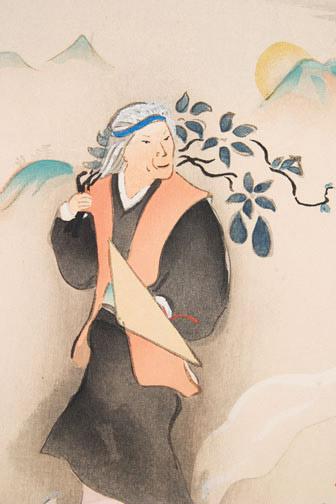
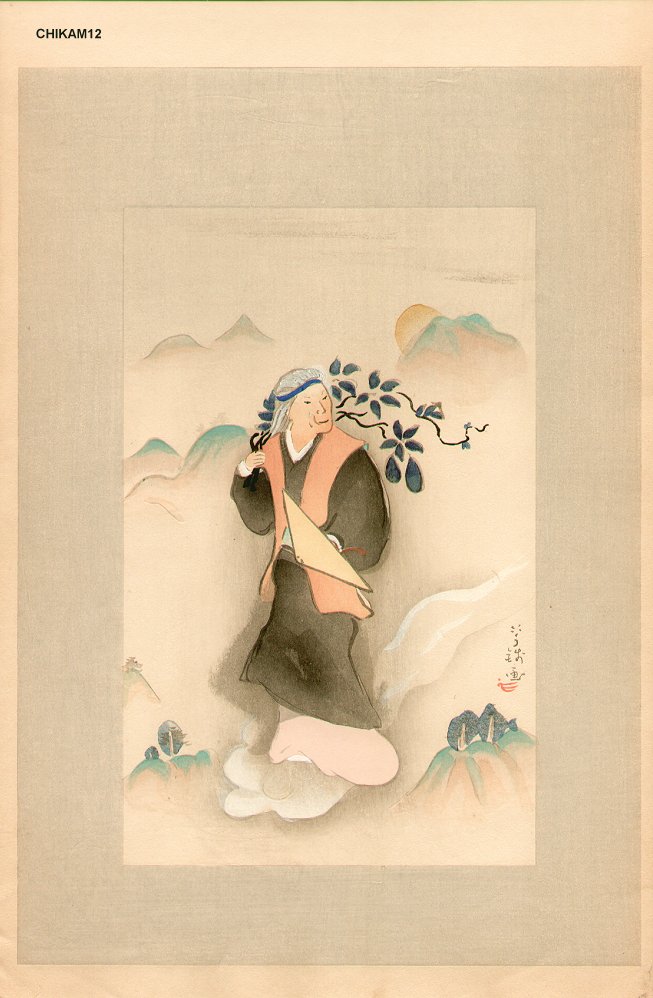
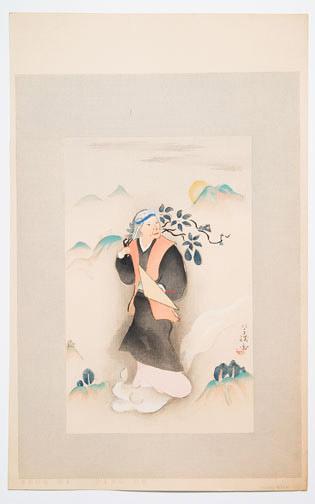
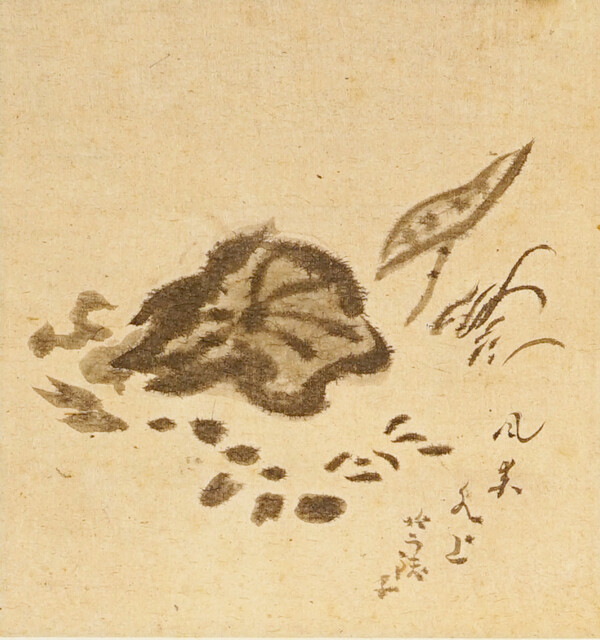
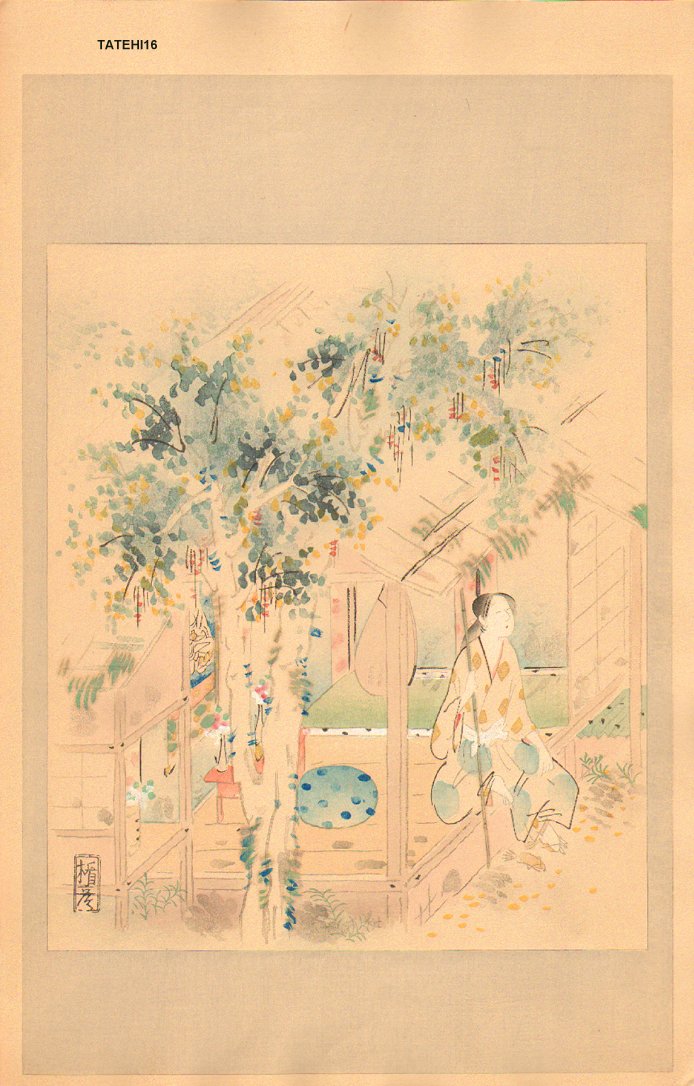
In addition to his paintings, Usen produced some printed works, including contributions to collaborative albums and occasional woodblock-printed illustrations. These prints, while forming a small part of his total output, share the distinctive character of his paintings — the loose brushwork, the whimsical subjects, and the quiet humor that set his work apart from more conventional nihonga production.
Usen died on December 17, 1938, in Ushiku, where he had long made his home. He is commemorated by the Ogawa Usen Memorial Museum in Ushiku and is recognized as one of the most original and endearing nihonga painters of the modern era. His paintings and prints are held primarily in Japanese collections, where they are appreciated for their warmth, humor, and the unique artistic vision they represent.
Key Facts
- Active Period
- 1868–1938
- Nationality
- 🇯🇵Japan
- Movement
- Meiji/Taishō Prints
- Works Indexed
- 5
Frequently Asked Questions
Ogawa Usen (小川芋銭, 1868–1938) was an idiosyncratic nihonga painter and occasional printmaker known for his whimsical depictions of kappa (water sprites), frogs, and other creatures drawn from Japanese folklore and rural nature. His work stands apart from the more formal traditions of nihonga painting through its playful spirit, eccentric subject matter, and a personal artistic vision that drew as much from folk imagination as from classical training.
Ogawa Usen was active from 1868 to 1938. They were associated with the Meiji/Taishō Prints movement.
Ogawa Usen's work was shaped by the Meiji/Taishō Prints tradition in Japanese woodblock printmaking. Meiji/Taishō Prints: Meiji and Taishō era prints (1868–1926) bridge the transition from traditional ukiyo-e to the modern shin-hanga and sosaku-hanga movements.
Ogawa Usen's prints frequently feature figures, bijin-ga, music, landscapes, nature, sumi ink.
Original prints by Ogawa Usen can be found in collections including Robyn Buntin of Honolulu, Watanabe Print, ukiyo-e.org, wbp.