Sumi Ink Prints (26)
Sumi ink (墨) as a primary medium in printmaking, employing the traditional black ink ground from soot and animal glue. Artists like Toko Shinoda elevated sumi ink lithography to a refined contemporary art form.
Artists Known for Sumi Ink
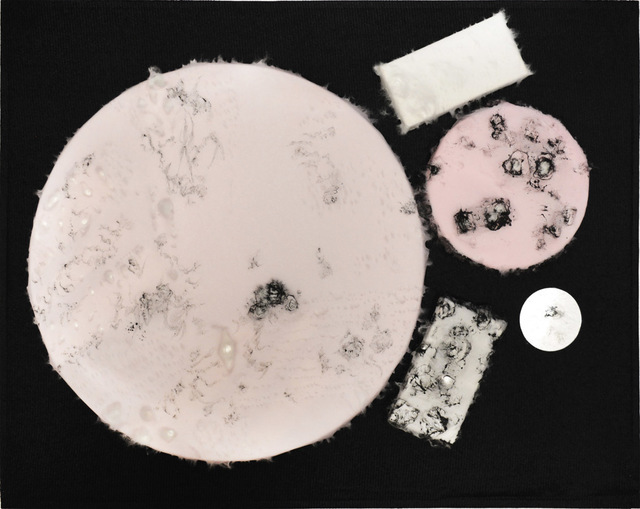



Thinking Process
2018
Paperworks
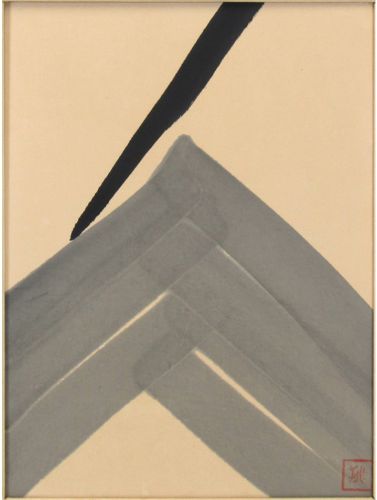
Nexus
Sumi-e painting
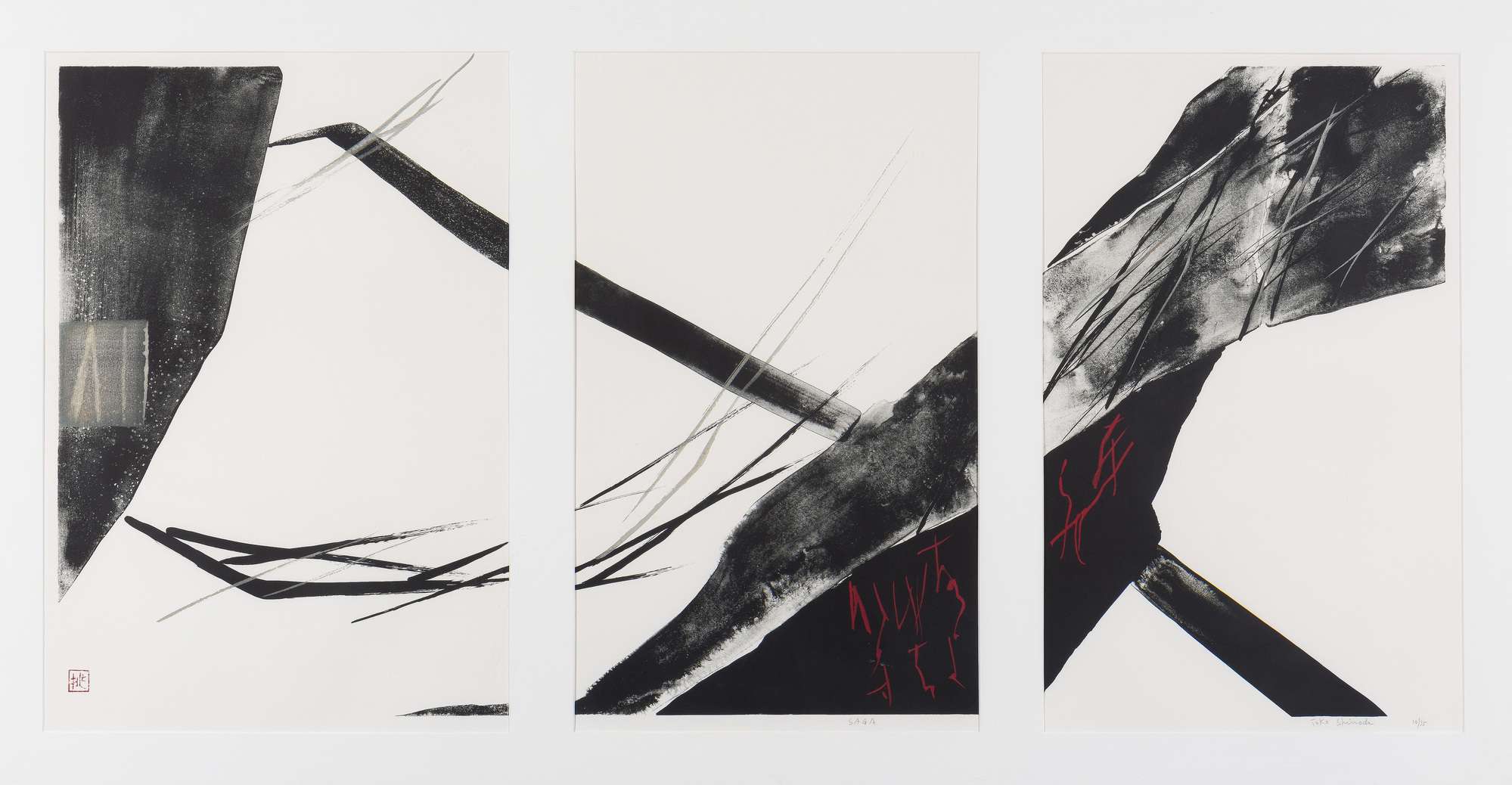
Saga
Lithograph with hand-applied sumi-e ink
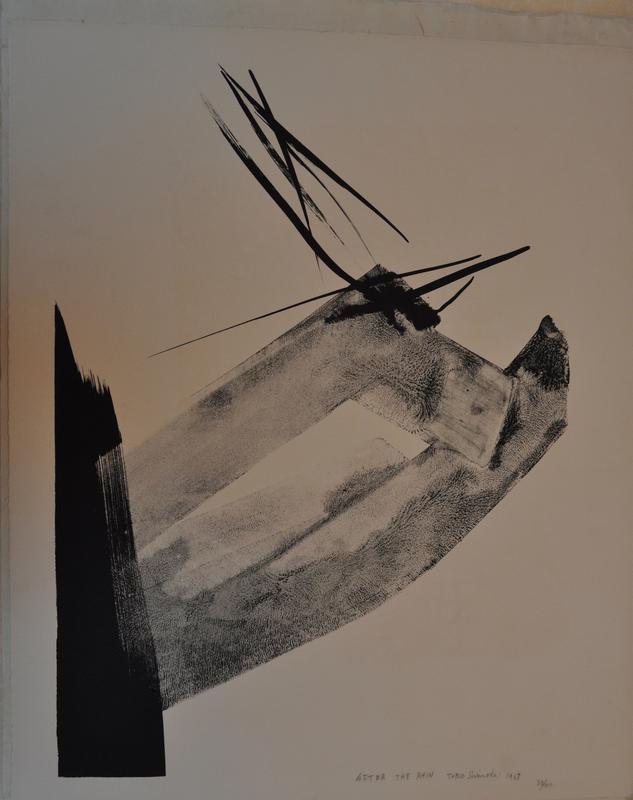
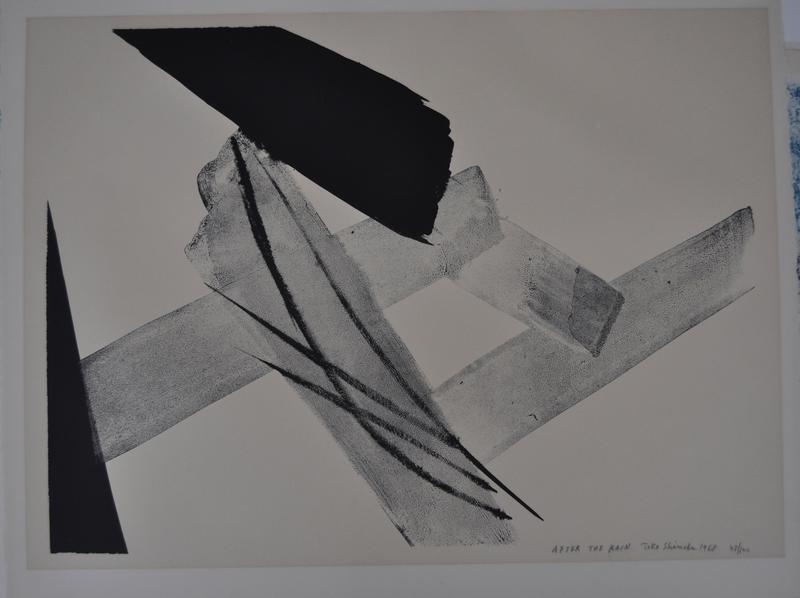
After the Rain
1968
Woodblock print, ink on paper
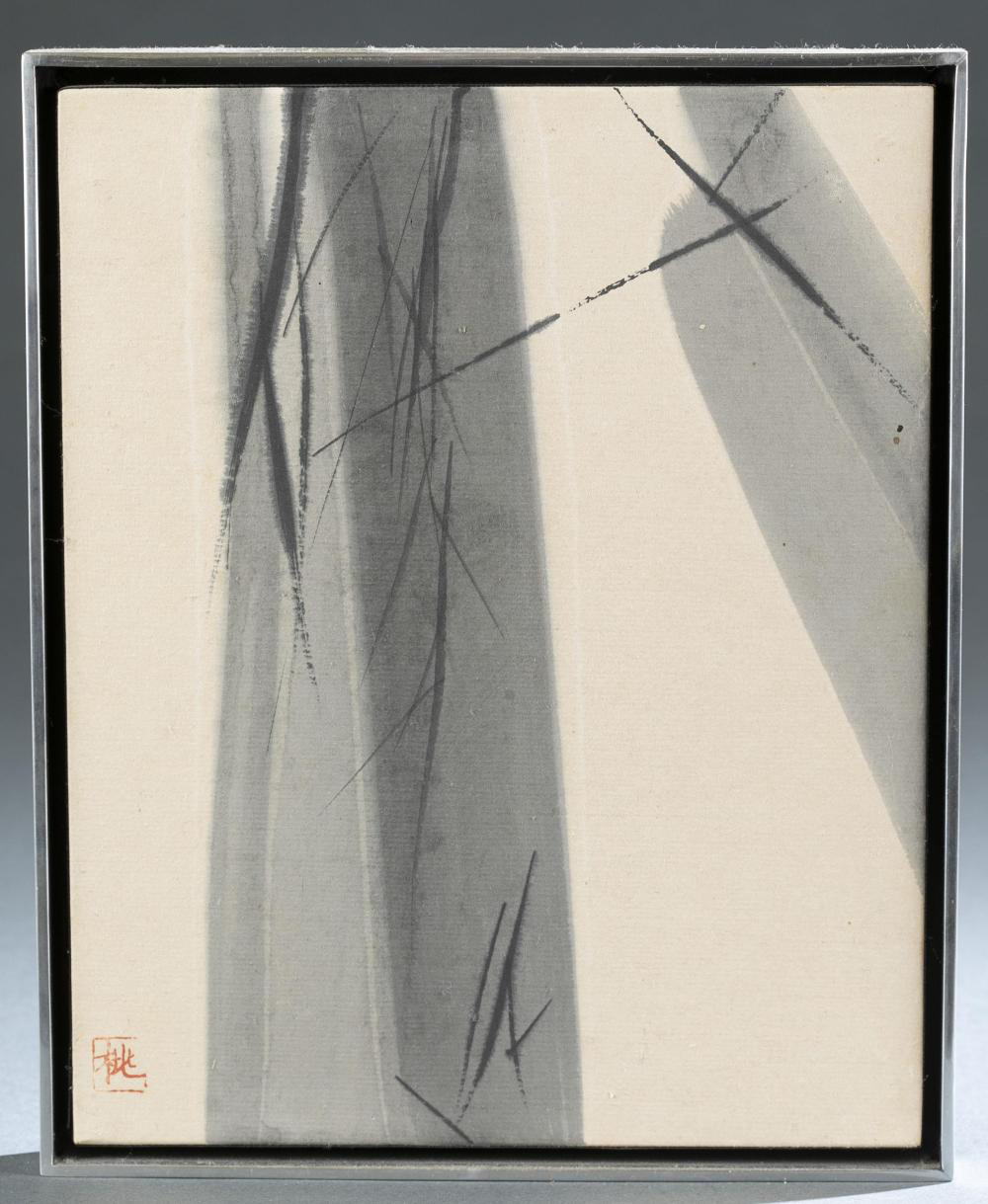
Take II (Bamboo B2)
竹 B2
Sumi ink on paper mounted on plywood
Again and again
Nihonga (sumi, pigments, gold leaf on washi mounted on board)

Dappled Light V
Sumi ink on Hosho paper (mokuhanga)
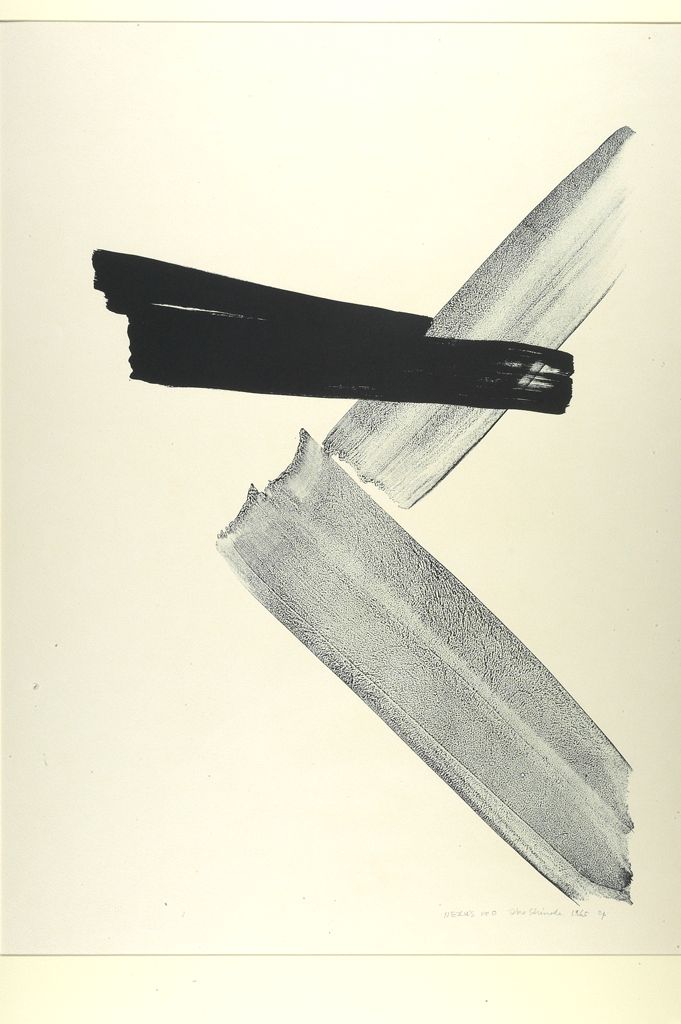
Nexu's No O
Woodblock print
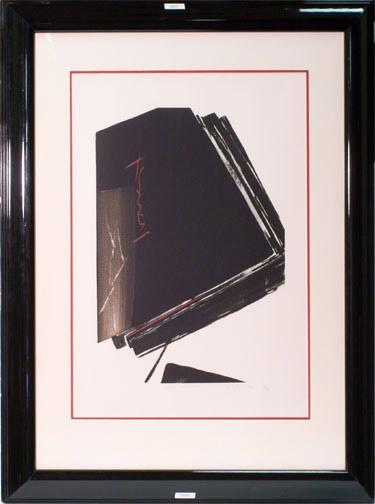
New Illusion
Woodblock print
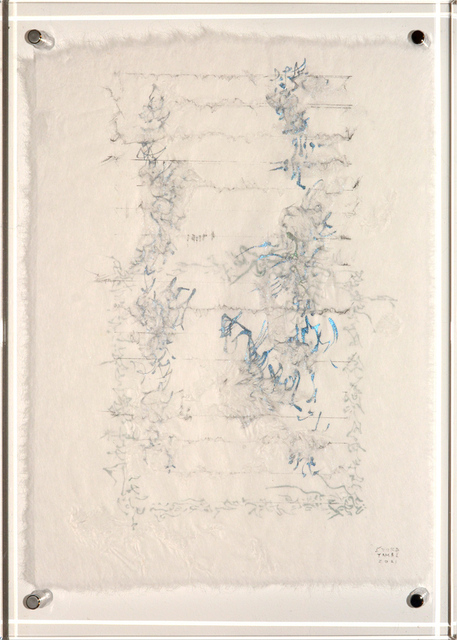
Resonance
2021
Japanese paper, sumi ink, and pigment.
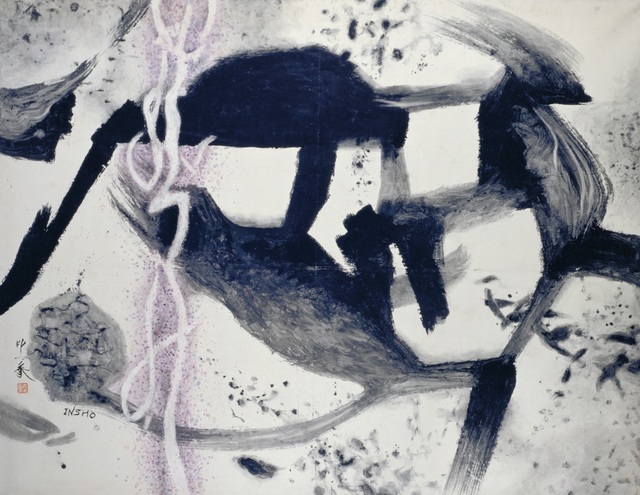
Reaction against Standard
1960
Oil, sumi on canvas
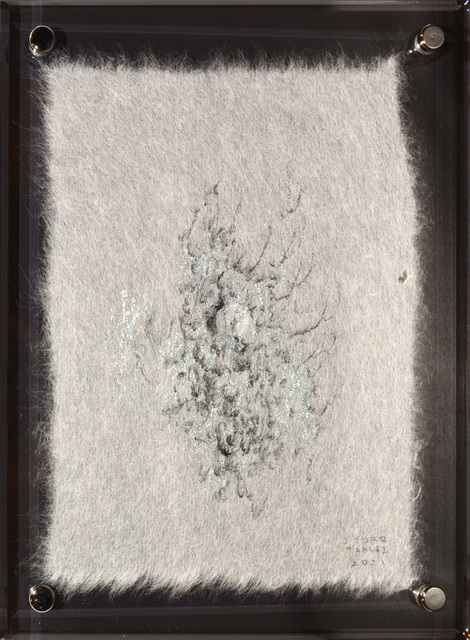
Flame Sound
2021
Japanese paper, sumi ink, and pigment.
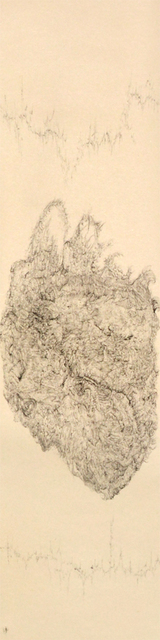
Heartbeat ( 心音図)
2021
Japanese paper and sumi ink. Mounted on scroll
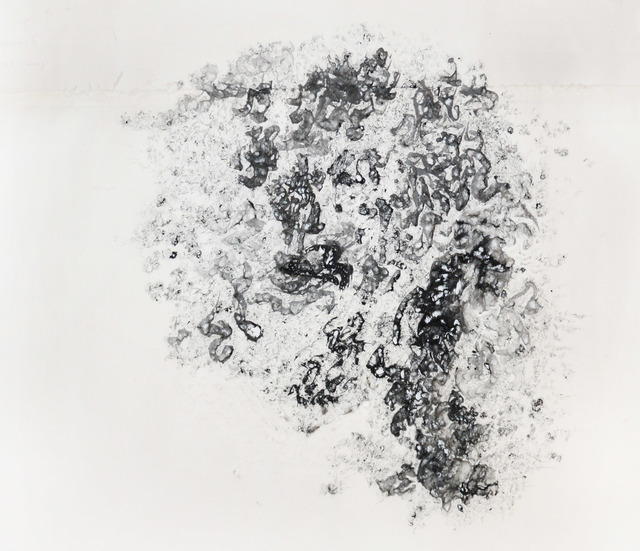
NY Portrait 5
2015
Washi Paper with Sumi Ink
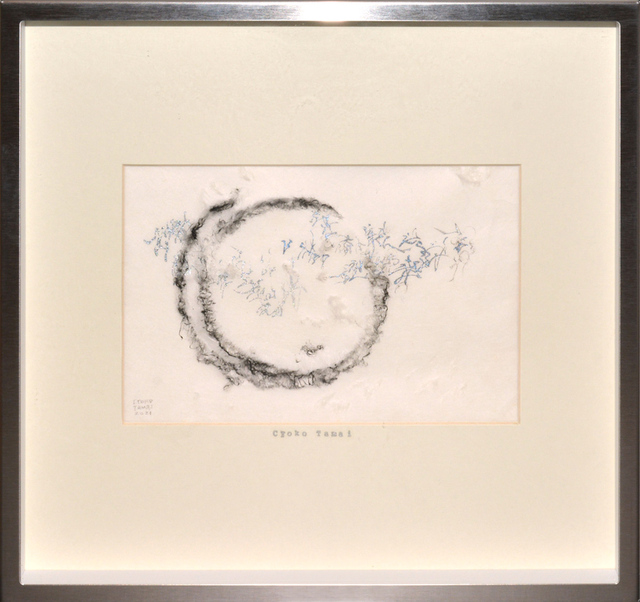
Phonon III
2021
Japanese paper, sumi ink, and pigment.
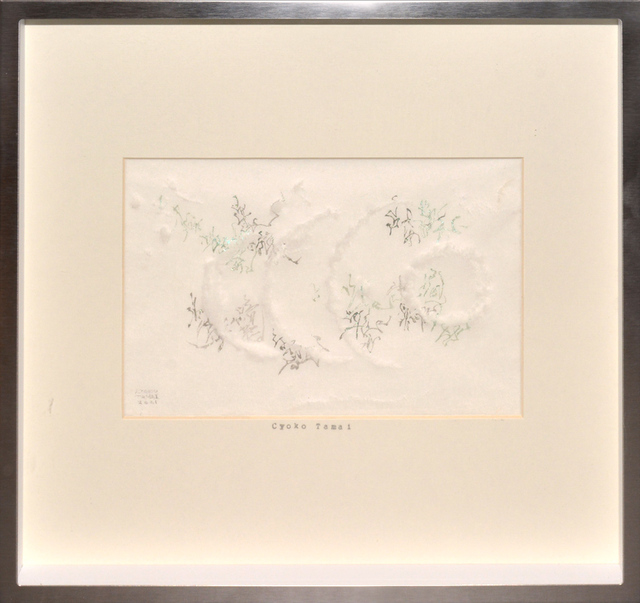
Phonon IV
2021
Japanese paper, sumi ink, and pigment.
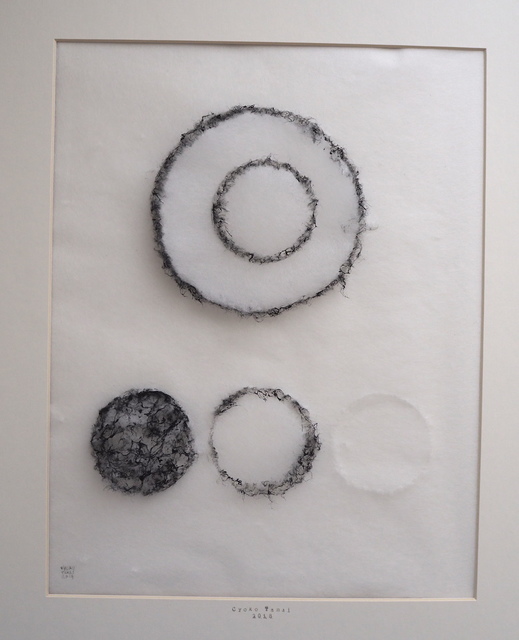
Soft Diagram I
2018
Japanese Paper, Sumi-Ink
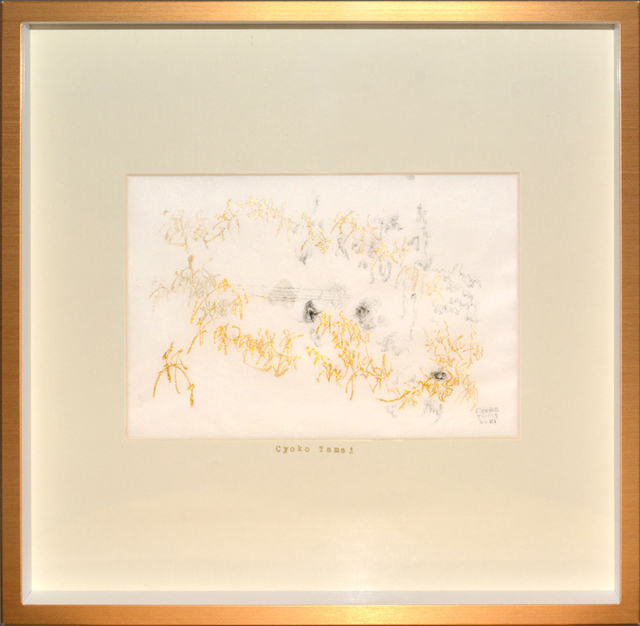
Sonner III
2021
Japanese paper, sumi ink, and pigment.
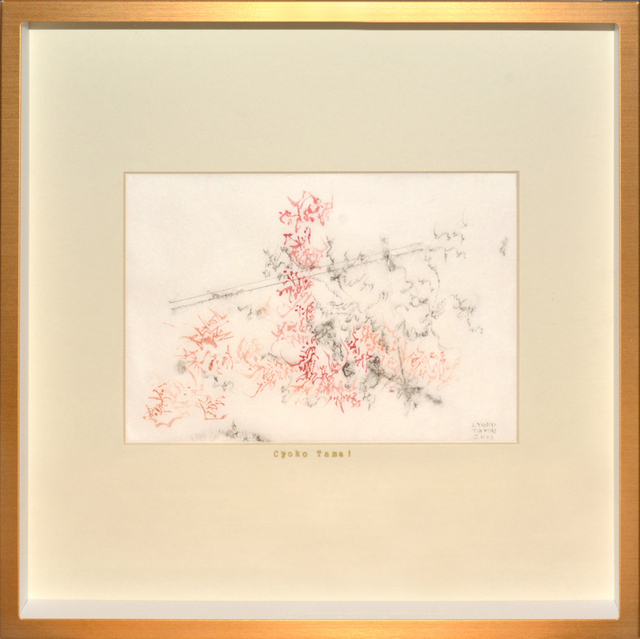
Sonner IV
2021
Japanese paper, sumi ink, and pigment.
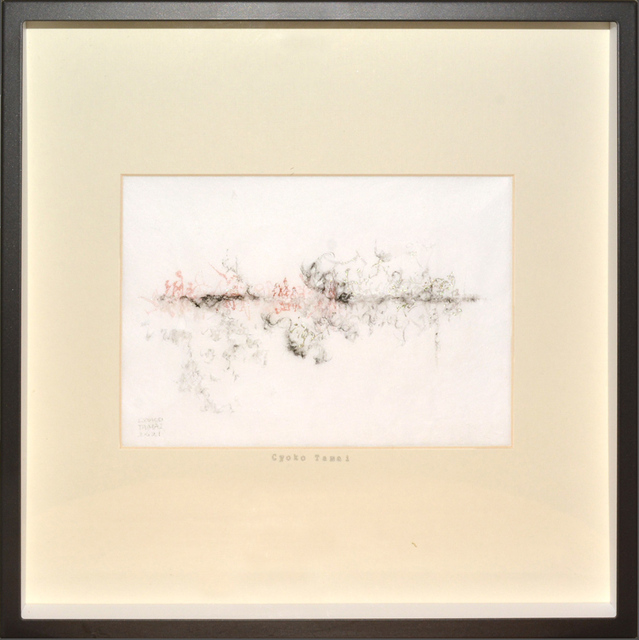
Sonner VI
2021
Japanese paper, sumi ink, and pigment.
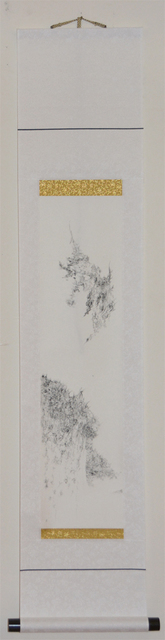
The Firebird
2018
Japanese Paper, Sumi-Ink
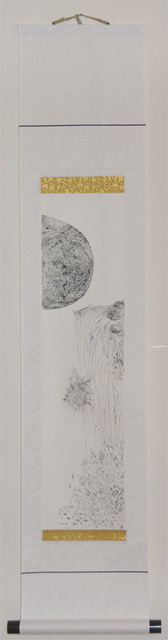
The Moondrunk
2018
Japanese Paper, Sumi-Ink
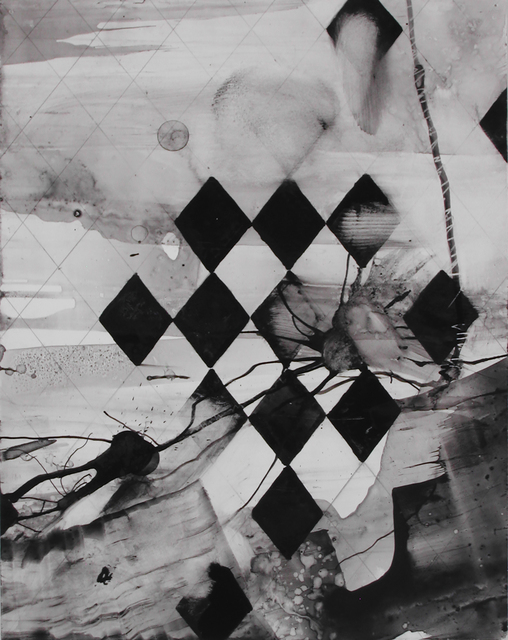
Flashback, “December 14”, 2020
2020
Sumi ink on yupo
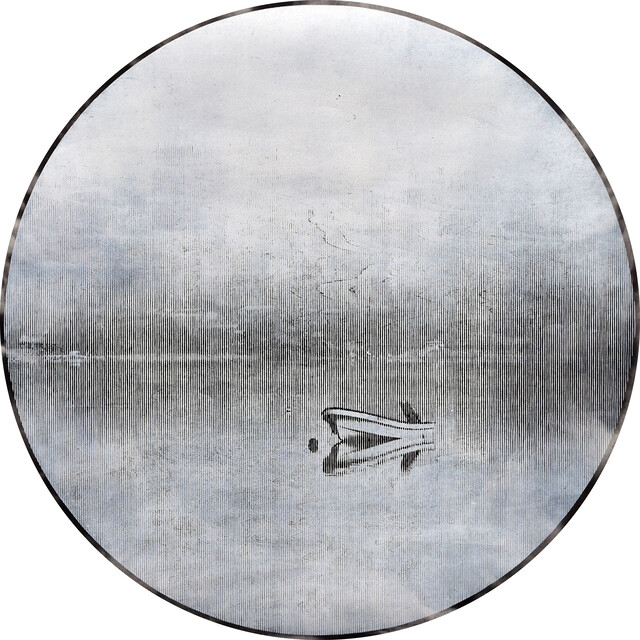
Silence #1
2020
Woodcut, oil-based ink, Sumi ink on Japanese paper
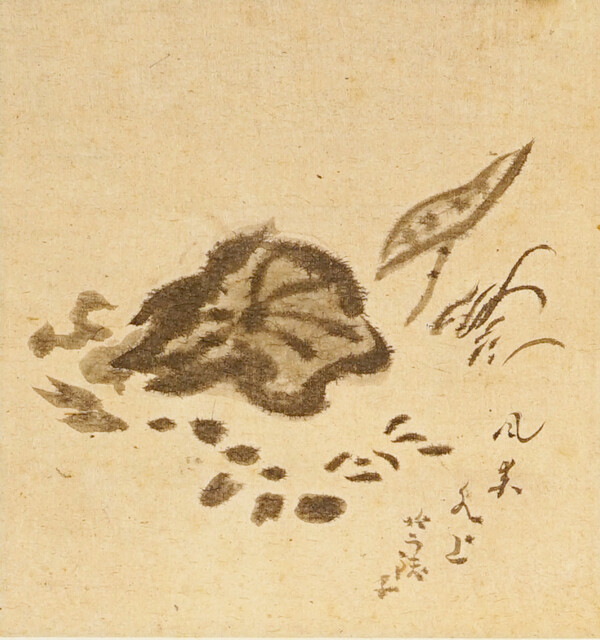
Wind's touch on water (風来水上)
Chinese ink on paper
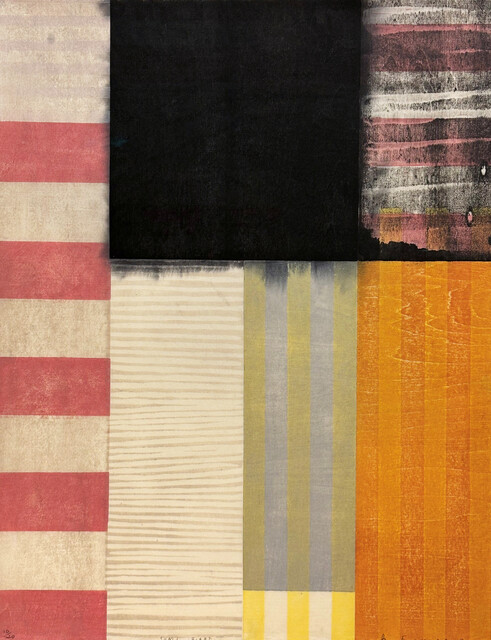
Sumi Bleed
Mokuhanga
Related Subjects
Frequently Asked Questions
Sumi ink (墨) as a primary medium in printmaking, employing the traditional black ink ground from soot and animal glue. Artists like Toko Shinoda elevated sumi ink lithography to a refined contemporary art form.
Cyoko Tamai, Toko Shinoda, and Hayaki Nishigaki are among the artists most associated with sumi ink in our collection. Browse the full list of artists who explored this subject above.
Hanga currently catalogues 26 prints tagged with sumi ink, spanning ukiyo-e, shin-hanga, and sōsaku-hanga traditions where applicable.