Biography
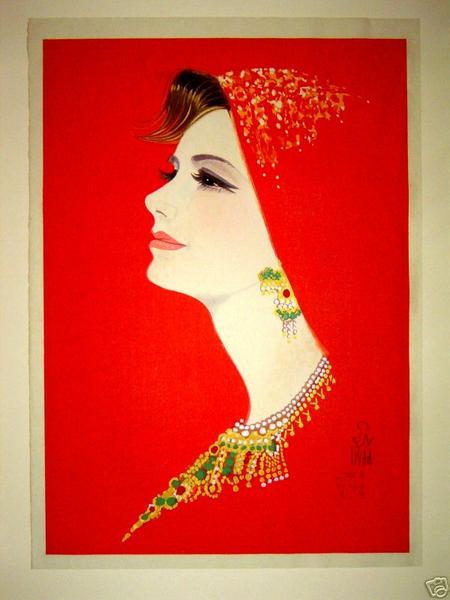
Sentaro Iwata (岩田専太郎, 1901–1974) was a Japanese illustrator and woodblock print designer who achieved widespread fame for his magazine illustrations and bijin-ga (beautiful women) imagery that defined popular visual culture in mid-twentieth-century Japan. One of the most commercially successful illustrators of his generation, Iwata brought a dynamic, accessible approach to the depiction of female beauty that resonated with a broad Japanese audience while maintaining artistic standards that earned him respect in fine art circles.
Born in 1901 in Tokyo, Iwata entered the art world during a period of vibrant cultural exchange between Japanese and Western visual traditions. He studied painting and developed a versatile illustrative style that drew on both nihonga refinement and Western graphic dynamism. His talent for creating compelling images of women quickly attracted the attention of magazine publishers, and he became one of the most sought-after illustrators for popular magazines, serialized novels, and advertising during the 1920s through the 1960s.
Iwata's magazine illustrations, appearing in leading publications, depicted women in a range of settings — from traditional kimono-clad beauties in classical arrangements to modern women in contemporary dress engaged in the activities of urban life. His style combined the elegant line work of traditional bijin-ga with a modern sense of composition and color that reflected the influence of Western illustration and graphic design. The result was an imagery of feminine beauty that felt simultaneously rooted in Japanese tradition and thoroughly contemporary.
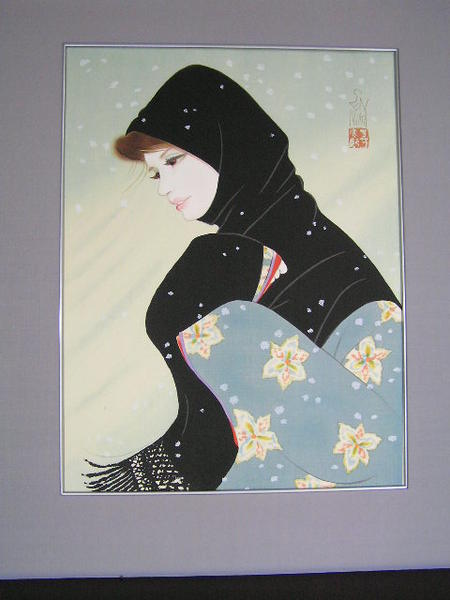
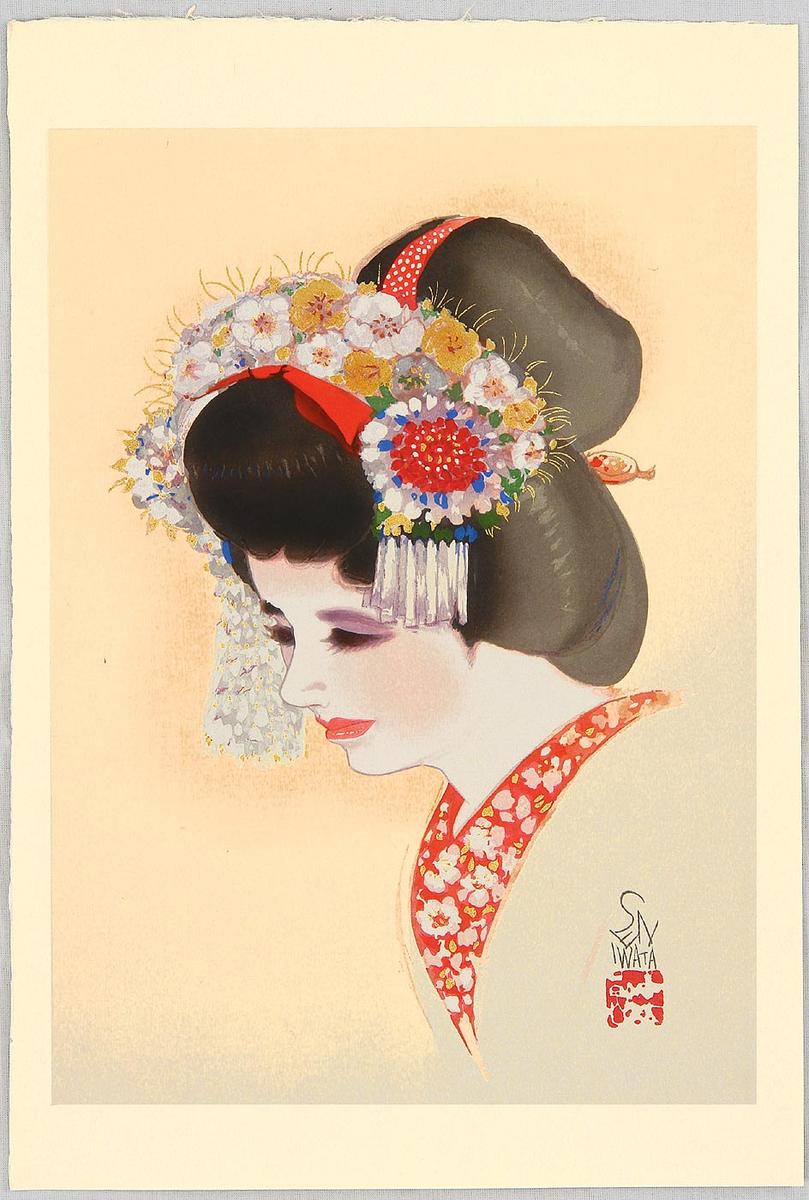
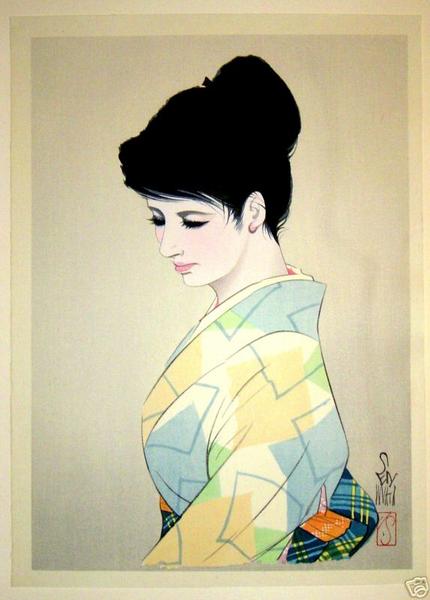
Beyond his illustration work, Iwata produced woodblock prints in the shin-hanga tradition that demonstrate the same facility with the female figure and refined aesthetic sensibility. These prints, designed for the fine art market rather than for commercial reproduction, display a more contemplative quality than his magazine work, with careful attention to the subtleties of woodblock printing technique — bokashi gradations, embossed textures, and the luminous quality of pigment on handmade paper.
Iwata was also known for his depictions of scenes from Japanese literature and theater, bringing his visual storytelling skills to the illustration of classic and contemporary texts. His ability to create narrative images that combined dramatic composition with atmospheric mood made him one of the premier visual interpreters of Japanese fiction.
Widely recognized in his lifetime as one of Japan's foremost popular illustrators, Iwata remained active into his later years. He died in 1974 in Tokyo, leaving a vast body of illustration work and a smaller but significant group of fine art prints. His prints are valued by collectors who appreciate his distinctive blend of commercial polish and artistic refinement in the bijin-ga tradition.
Key Facts
- Active Period
- 1901–1974
- Nationality
- 🇯🇵Japan
- Movement
- Shin-hanga
- Works Indexed
- 47
Frequently Asked Questions
Sentaro Iwata (岩田専太郎, 1901–1974) was a Japanese illustrator and woodblock print designer who achieved widespread fame for his magazine illustrations and bijin-ga (beautiful women) imagery that defined popular visual culture in mid-twentieth-century Japan. One of the most commercially successful illustrators of his generation, Iwata brought a dynamic, accessible approach to the depiction of female beauty that resonated with a broad Japanese audience while maintaining artistic standards that earned him respect in fine art circles.
Sentaro Iwata was active from 1901 to 1974. They were associated with the Shin-hanga movement.
Sentaro Iwata's work was shaped by the Shin-hanga tradition in Japanese woodblock printmaking. Shin-hanga: ## What is Shin-hanga? Shin-hanga (新版画), literally "new prints," is the early twentieth-century revival of the collaborative Japanese woodblock workshop, organized between roughly 1915 and 1960 by the Tokyo publisher Watanabe Shōzaburō (1885–1962) and a handful of competing houses.
Sentaro Iwata's prints frequently feature bijin-ga, figures, snow scenes, spring, summer, rivers & lakes.
Original prints by Sentaro Iwata can be found in collections including Japanese Art Open Database, ukiyo-e.org, Ohmi Gallery, Scholten Japanese Art.
Woodblock Prints by Sentaro Iwata (47)
Untitled (sentaro-iwata)
Woodblock print
Flowers — 華燈
Woodblock print
No Series Summer Elegance
Woodblock print

Stream of stars
Mokuhanga (Japanese woodblock)

Blizzard
Woodblock print
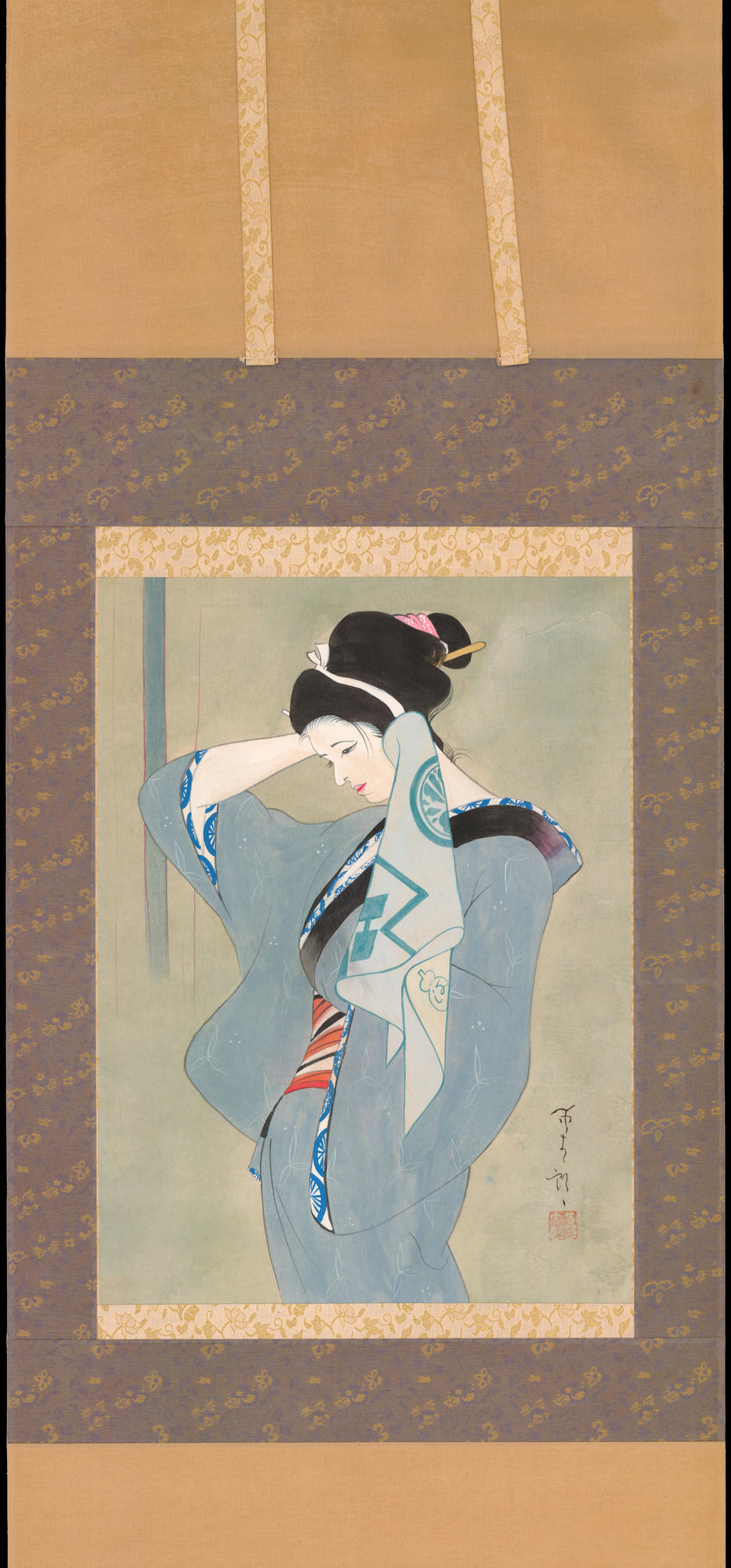
Iwata, Sentaro
Woodblock print
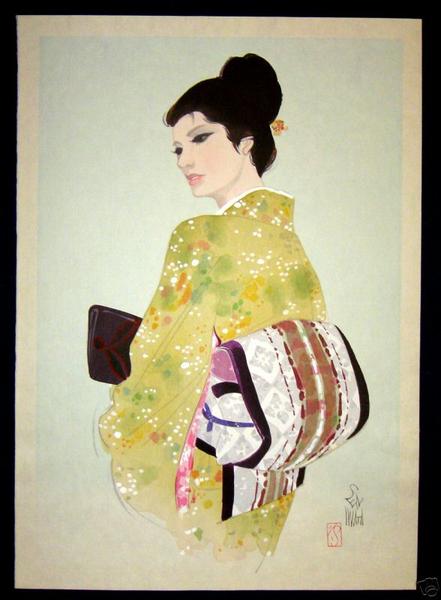
Obi - Kimono — Obi帯
Woodblock print
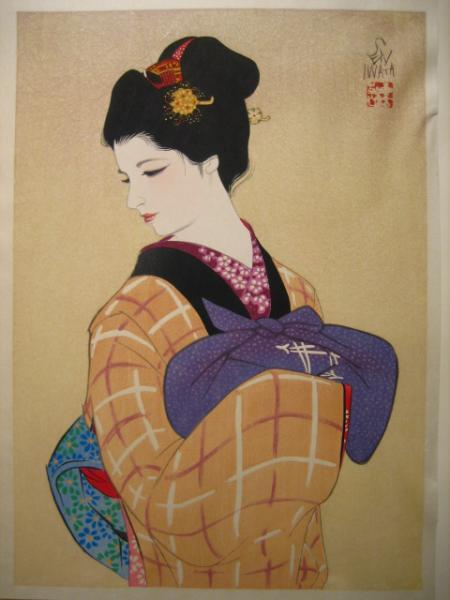
Returning From Practice — 稽古がえり
Woodblock print
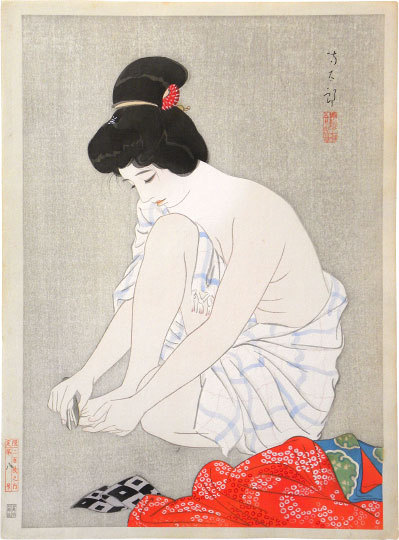
Spring Day (Shun cu)
Woodblock print

Irohanihoheto
Mokuhanga (Japanese woodblock)
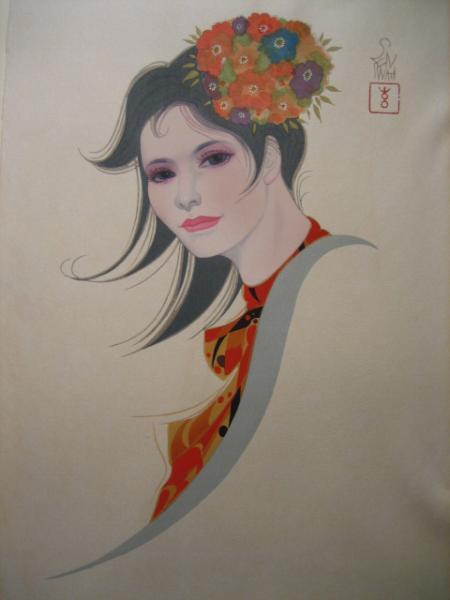
Spring Mild — 春浅く
Woodblock print

Kurenai, Red Flower

Afternoon
Mokuhanga (Japanese woodblock)

Flower calendar
Mokuhanga (Japanese woodblock)

Bijin and Fan
Woodblock print
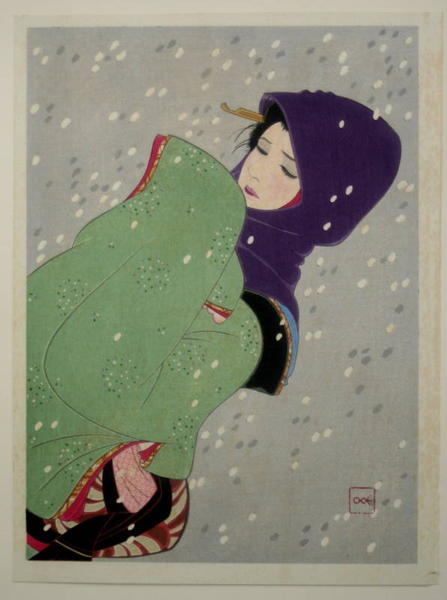
Snowstorm
Woodblock print
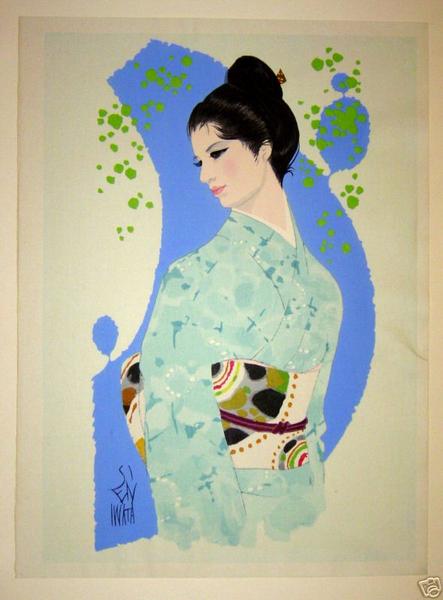
Afternoon
Woodblock print

Shooting Star - 星の流れ
Woodblock print
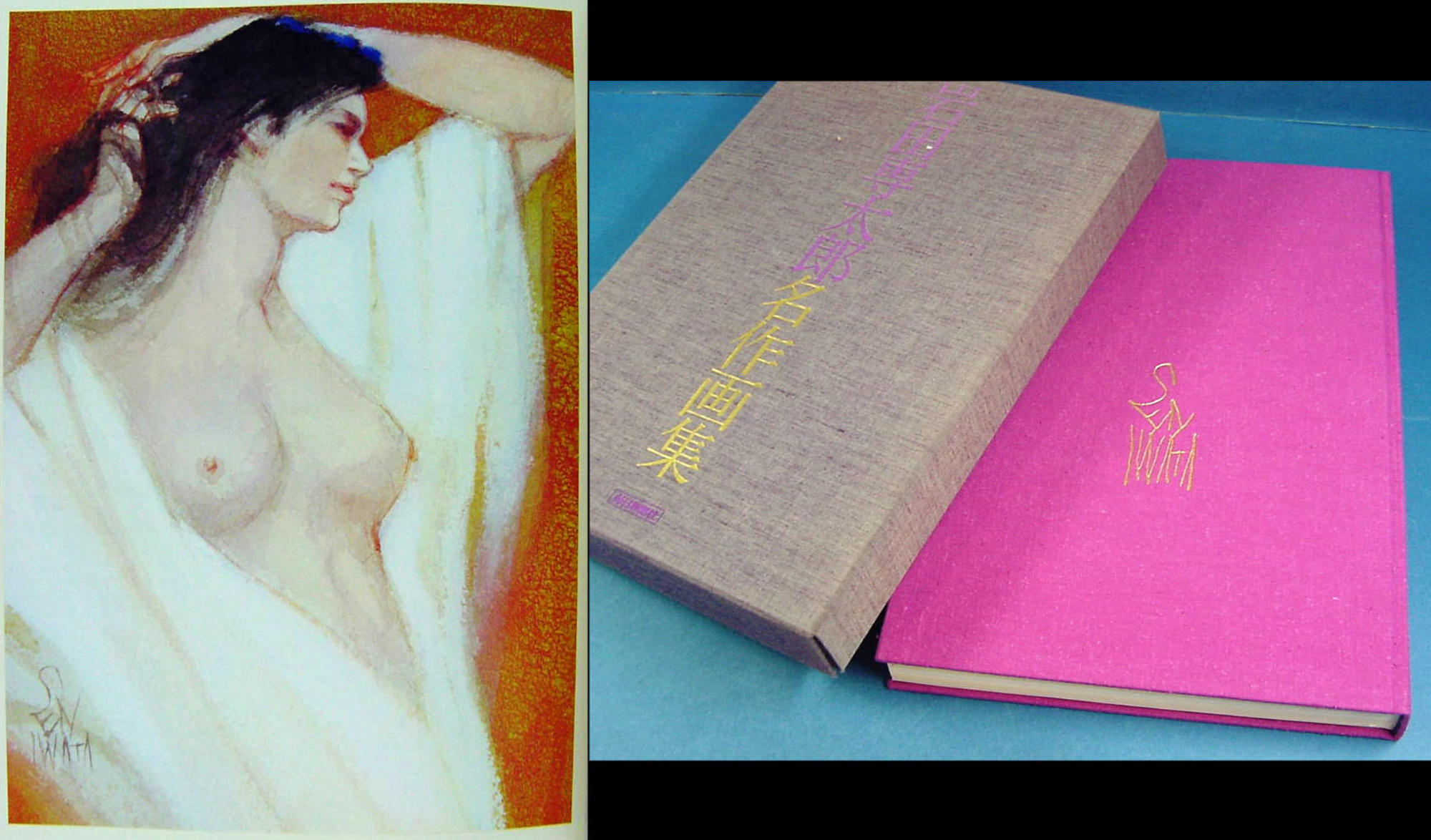
Iwata Sentaro Famous Works Collection - 岩田専太郎名作画集
Woodblock print

Cool
Mokuhanga (Japanese woodblock)

Obi
Mokuhanga (Japanese woodblock)

Irohanihoheto
Mokuhanga (Japanese woodblock)

Shyness
Mokuhanga (Japanese woodblock)

Returning from the lesson
Mokuhanga (Japanese woodblock)