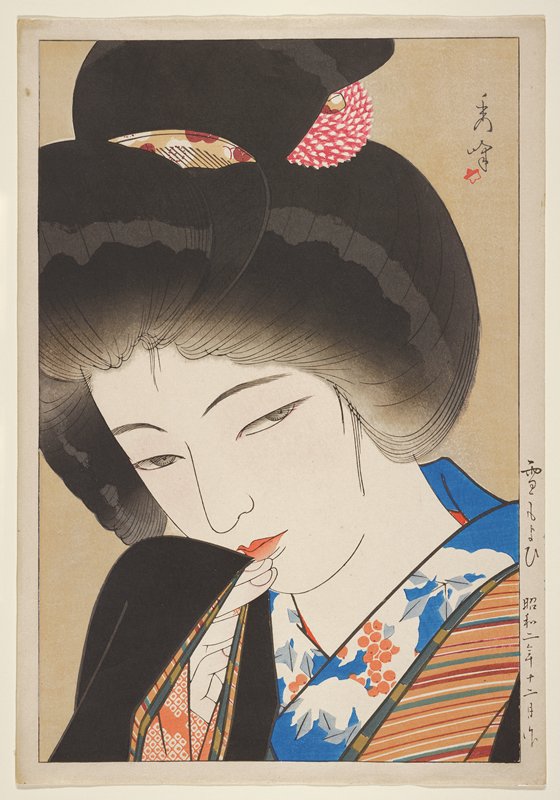
Biography
Yamakawa Shuho (山川秀峰, 1898–1944) was a Japanese painter and woodblock print designer who produced some of the most refined and elegant bijin-ga (beautiful women) prints of the shin-hanga movement. A pupil of the celebrated nihonga master Kaburagi Kiyokata, Yamakawa brought the sophistication of high Japanese painting to the woodblock medium, creating images of women that balanced traditional grace with a contemporary sensibility.
Born in 1898 in Kyoto, Yamakawa first studied under the painter Ikegami Shuho, who bestowed on him the art name by which he became known, before entering the circle of Kaburagi Kiyokata — the lineage of bijin-ga painting that produced so many of the shin-hanga movement's leading figure artists. He came to be regarded as one of Kiyokata's most promising pupils, ranked alongside Ito Shinsui. Under this training he mastered the subtleties of nihonga technique — mineral pigments on silk, delicate brushwork, the rendering of fabric patterns and hair — skills that translated directly into his woodblock print designs.
Beginning in the late 1920s, Yamakawa's prints were published primarily by Watanabe Shozaburo, the central publisher of the shin-hanga movement. His bijin-ga subjects depicted women of the 1920s and 1930s in a variety of settings: geisha in formal attire, modern women in Western dress, women at leisure in domestic interiors, and figures set against seasonal backgrounds. His style occupied a distinctive middle ground between the classical refinement of Ito Shinsui and the bolder modernism of Kobayakawa Kiyoshi, offering images of feminine beauty that were elegant without being austere, modern without being confrontational.
Among his most admired designs are his images of women in classical Japanese dance — a subject to which he devoted a notable series in the late 1930s — along with bijin-ga that paired figures with seasonal motifs. His prints are characterized by refined color harmonies, meticulous attention to textile patterns, and an underlying warmth of human observation that distinguishes his work from more formally austere bijin-ga designs.
Yamakawa was also an accomplished nihonga painter, and this dual career in painting and print design was common among shin-hanga artists, who were trained first as painters and came to woodblock printmaking through the initiative of publishers like Watanabe.
Yamakawa died of a cerebral hemorrhage in 1944 at the age of forty-six. His relatively small body of woodblock print designs, combined with the quality and refinement of his best work, has made his prints increasingly sought after by collectors. His work is held in public collections including the Art Institute of Chicago and the Honolulu Museum of Art.
Key Facts
- Active Period
- 1898–1944
- Nationality
- 🇯🇵Japan
- Movement
- Shin-hanga
- Works Indexed
- 42
Frequently Asked Questions
Yamakawa Shuho (山川秀峰, 1898–1944) was a Japanese painter and woodblock print designer who produced some of the most refined and elegant bijin-ga (beautiful women) prints of the shin-hanga movement. A pupil of the celebrated nihonga master Kaburagi Kiyokata, Yamakawa brought the sophistication of high Japanese painting to the woodblock medium, creating images of women that balanced traditional grace with a contemporary sensibility.
Yamakawa Shuho was active from 1898 to 1944. They were associated with the Shin-hanga movement.
Yamakawa Shuho's work was shaped by the Shin-hanga tradition in Japanese woodblock printmaking. Shin-hanga: ## What is Shin-hanga? Shin-hanga (新版画), literally "new prints," is the early twentieth-century revival of the collaborative Japanese woodblock workshop, organized between roughly 1915 and 1960 by the Tokyo publisher Watanabe Shōzaburō (1885–1962) and a handful of competing houses.
Yamakawa Shuho's prints frequently feature bijin-ga, landscapes, figures, snow scenes, winter, rivers & lakes.
Original prints by Yamakawa Shuho can be found in collections including Japanese Art Open Database, Ohmi Gallery, Minneapolis Institute of Art, kruml.
Woodblock Prints by Yamakawa Shuho (42)
Approaching Snow
December 1927
Woodblock print, ink and color on paper
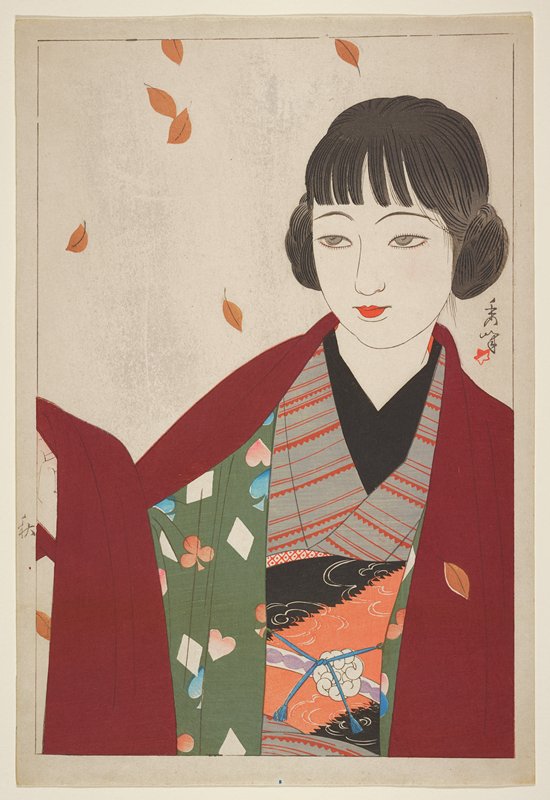
Autumn
1927
Woodblock print, ink and color on paper
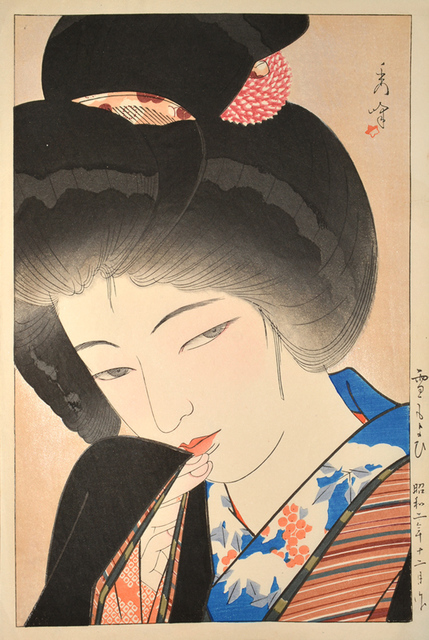
It Looks Like Snow
1927
Woodblock Print
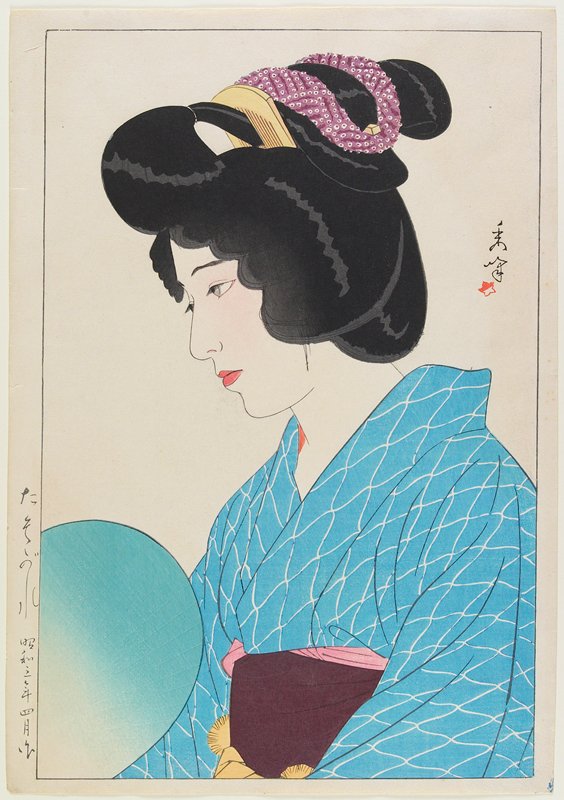
Twilight
April 1928
Woodblock print, ink and color on paper with mica and embossing
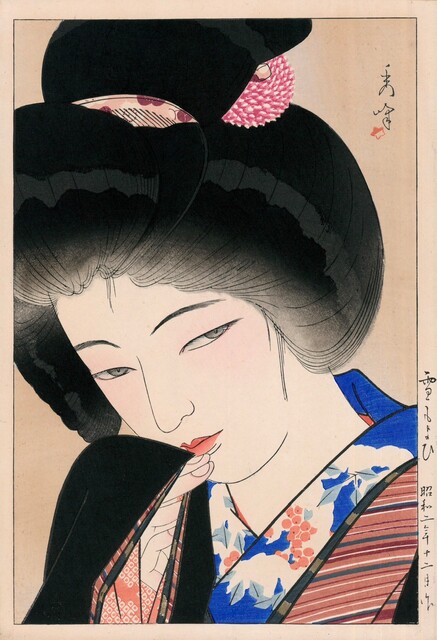
Snow Day
1928
Woodblock Print
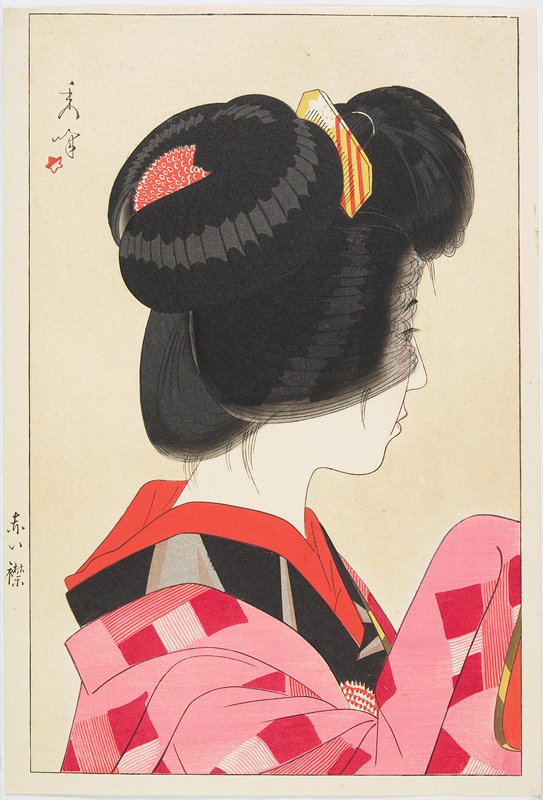
Red Collar
1928
Woodblock print, ink and color on paper with mica
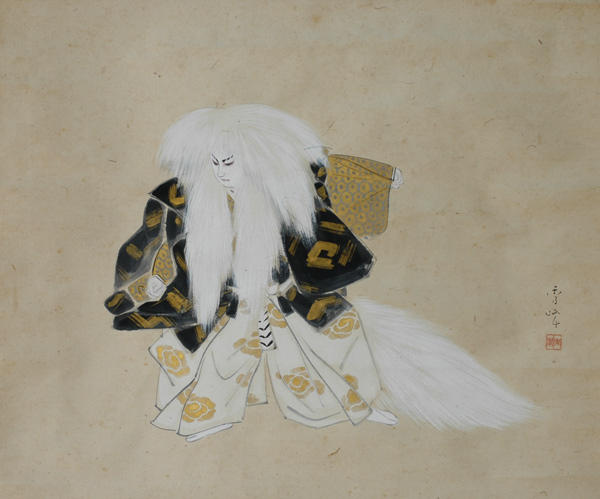
Kagamijishi — 鏡獅子
Woodblock print
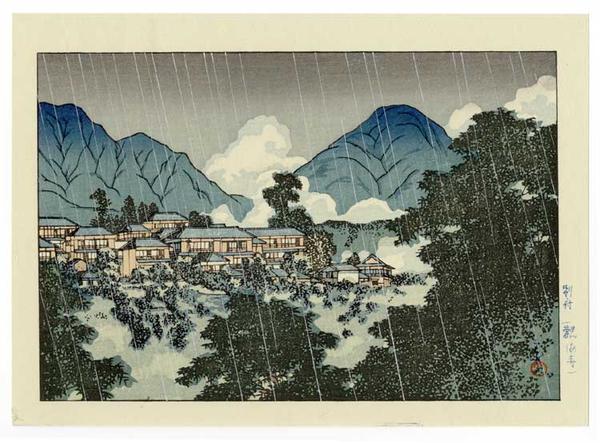
Kannonji Temple in Beppu- Kankaiji Temple — 別府温泉
Woodblock print

Kiso River- at Inuyama — 木曽川
Woodblock print
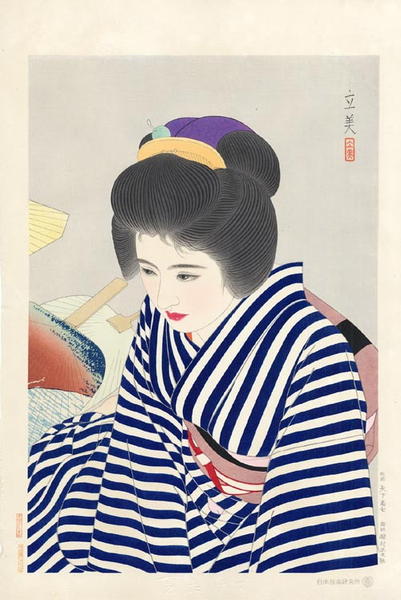
Late Summer - Natsu Takete — 夏たけて
Woodblock print
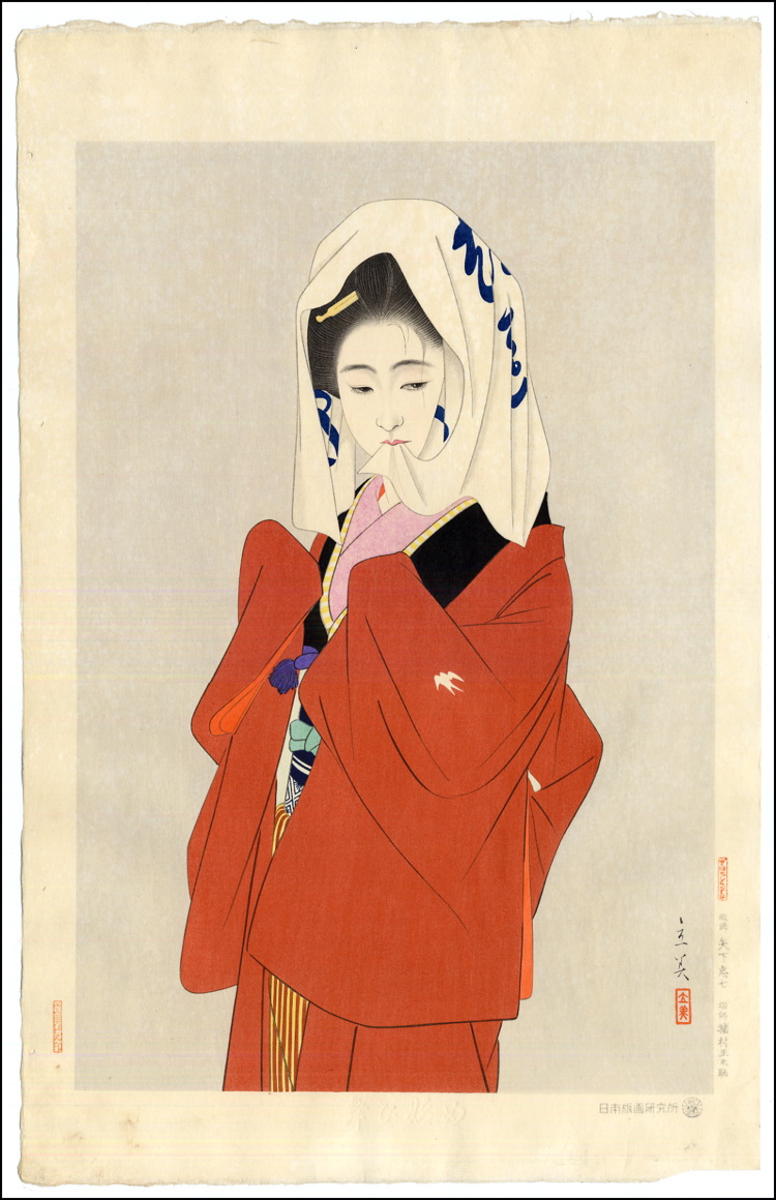
Maihime (Dancing Girl)
Woodblock print
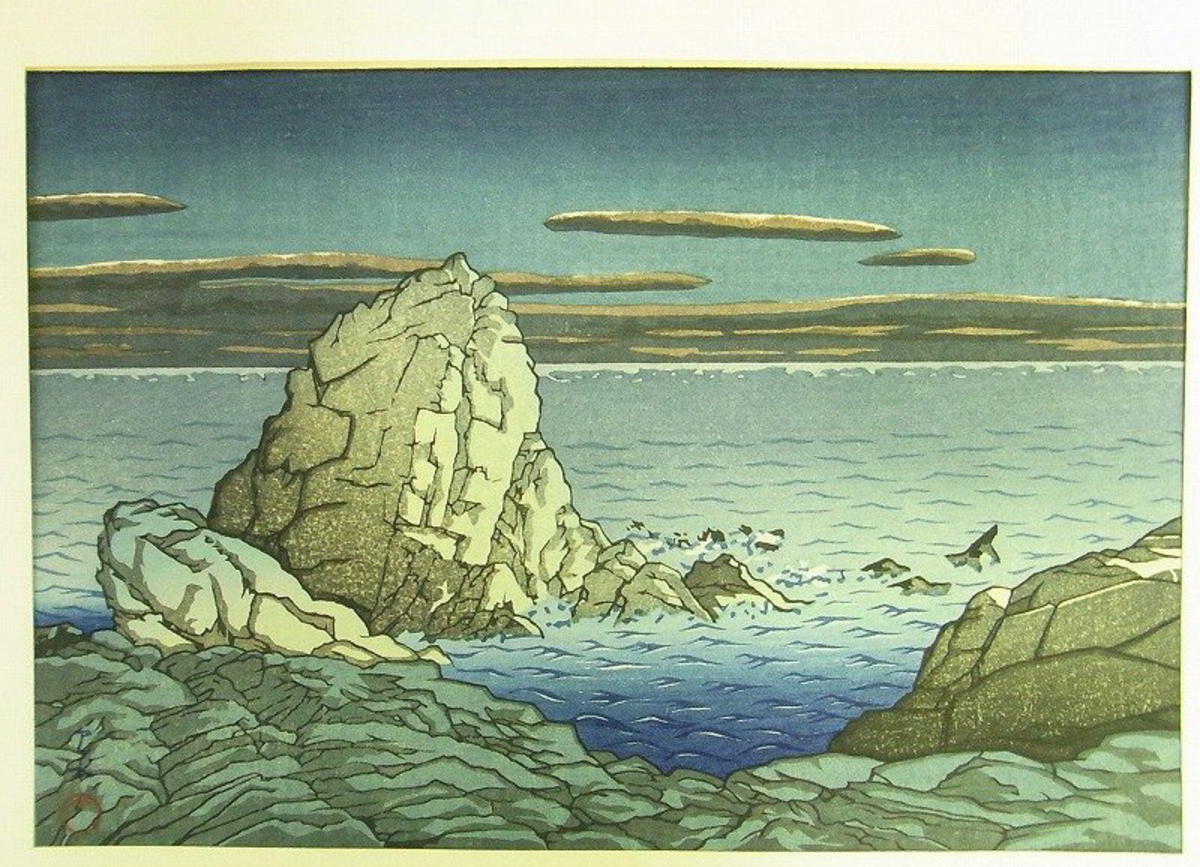
Muroto Peninsula, Tosa — 土佐室戸岬
Woodblock print
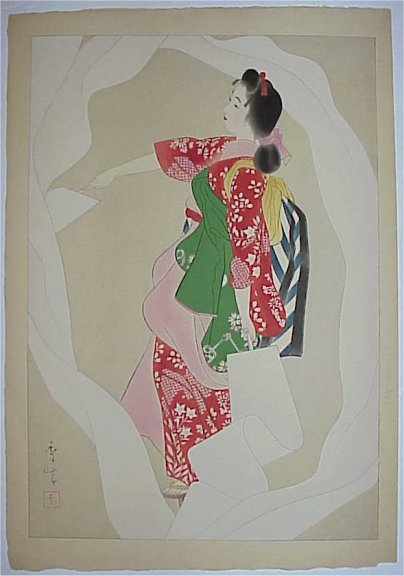
Shuho, Yamakawa
Woodblock print
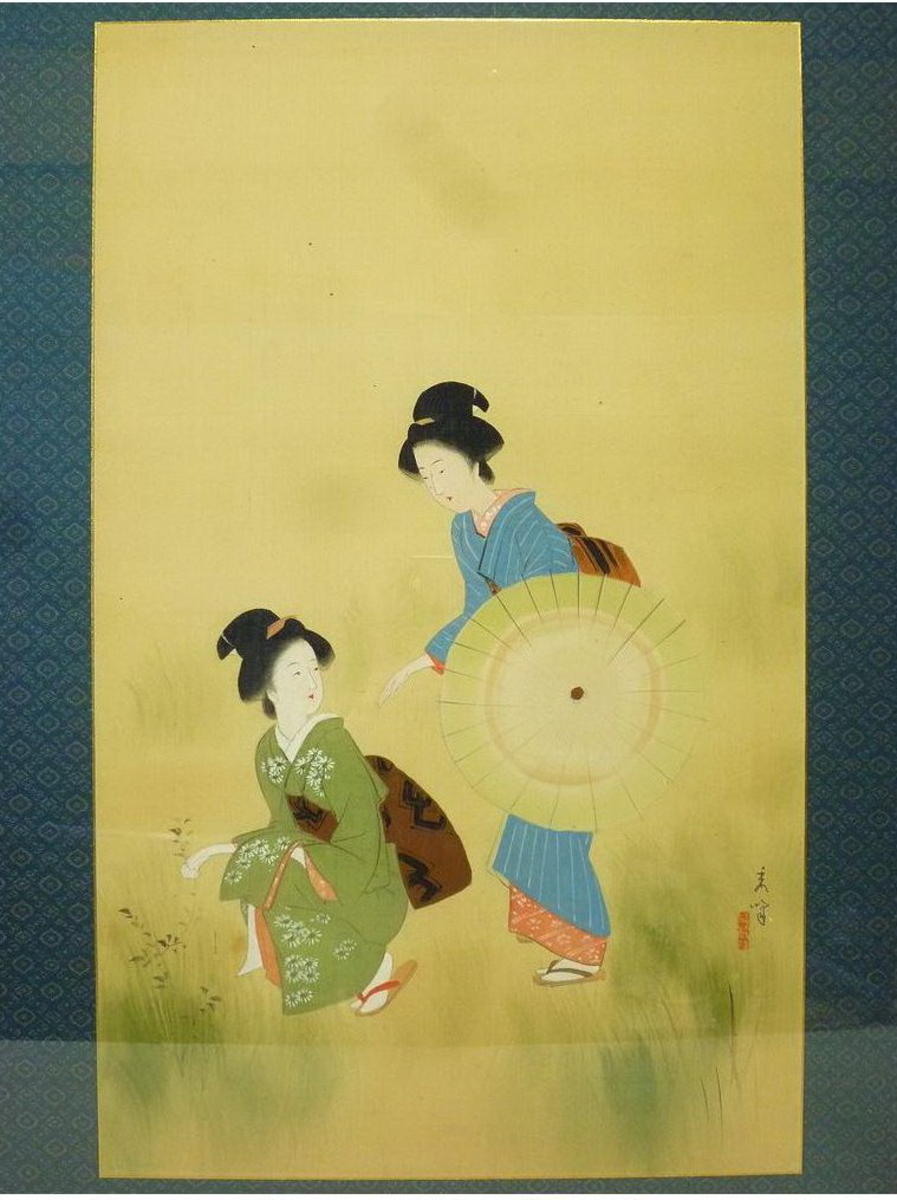
Two Bijin and Parasol
Woodblock print
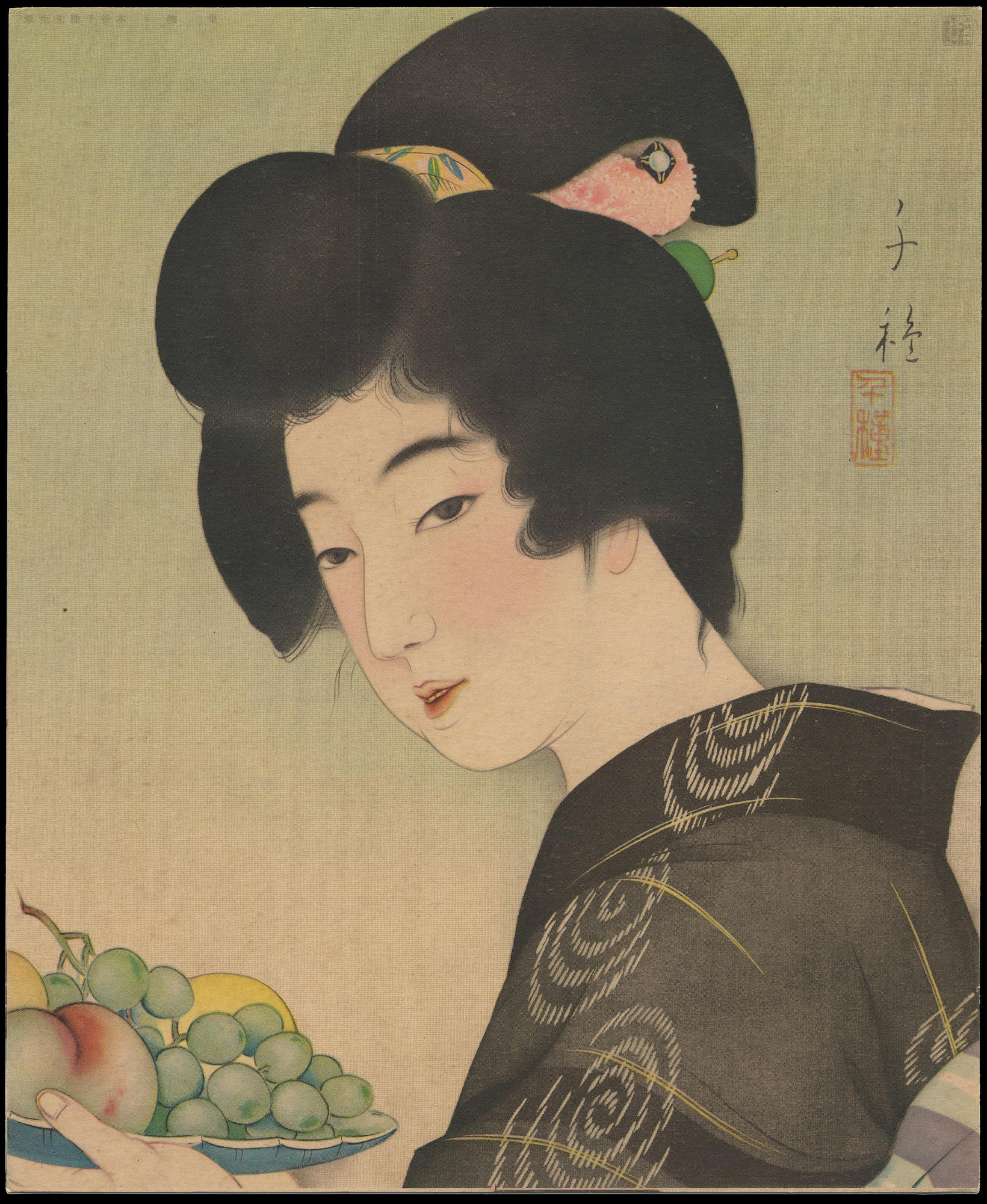
Various artists
Woodblock print

Snow Maiden
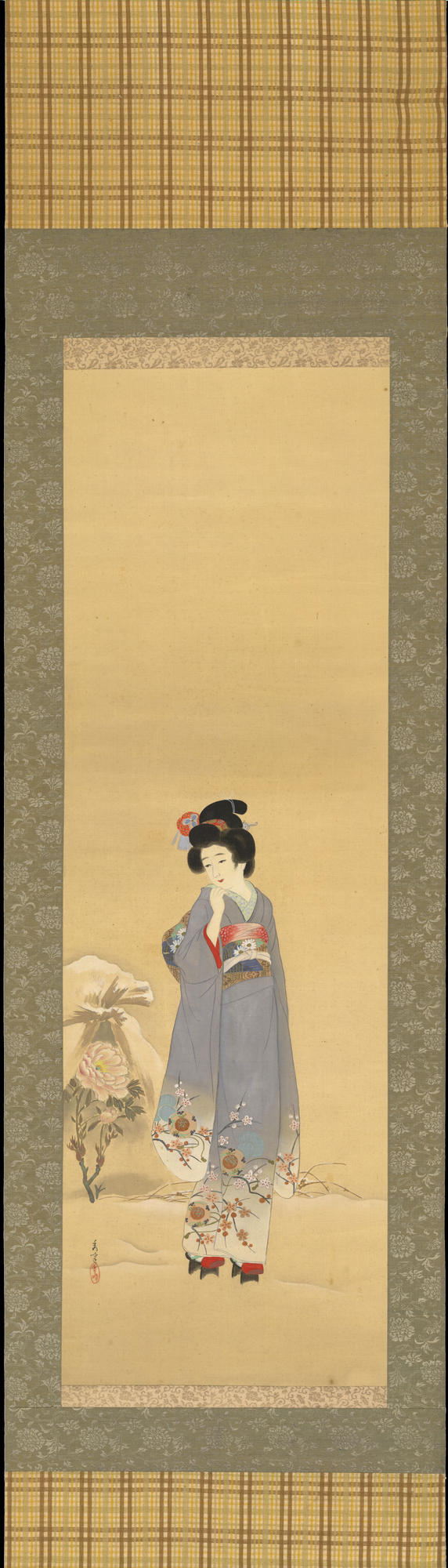
Bijin and Peony in Mid-Winter - 寒牡丹美人娘図
Woodblock print
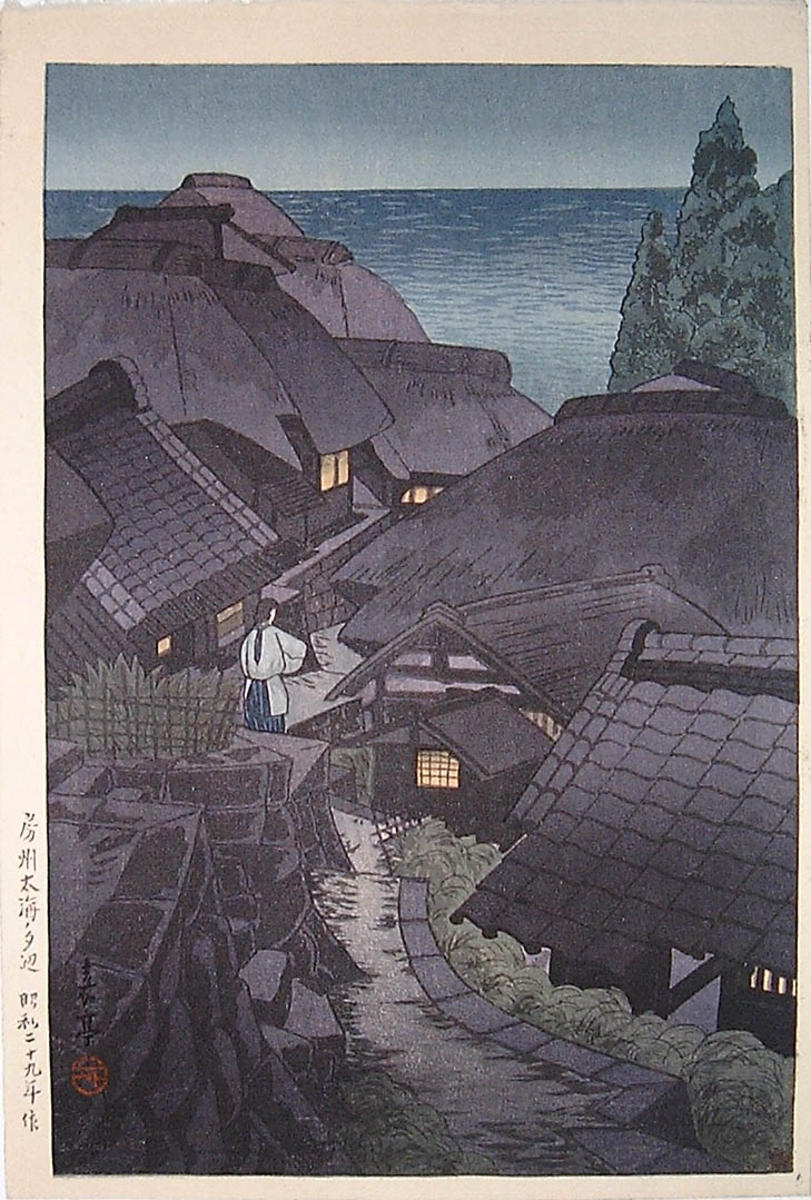
Evening at Boshu Futoumi in Awa Province- Boshu Futoumi no Yube
Woodblock print
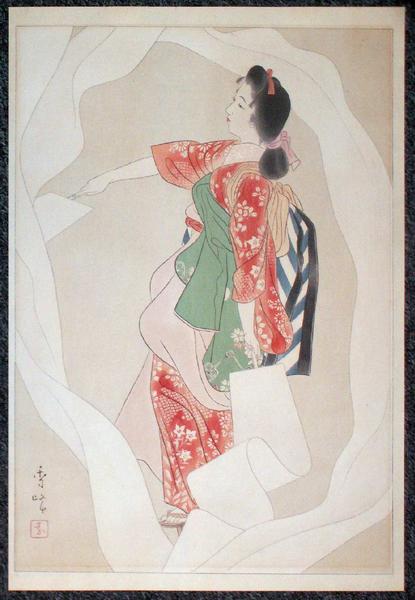
Nunozarashi - Dance
Woodblock print
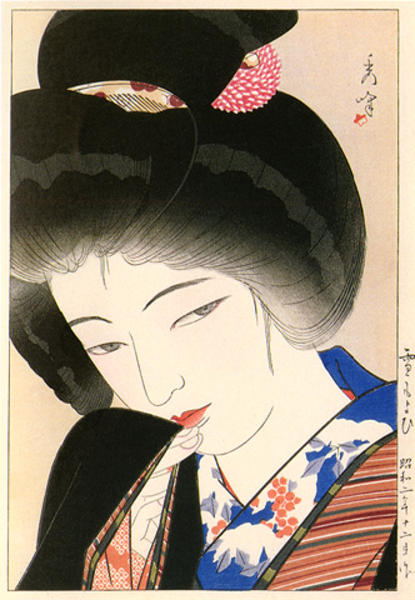
Winter Dreams
Woodblock print
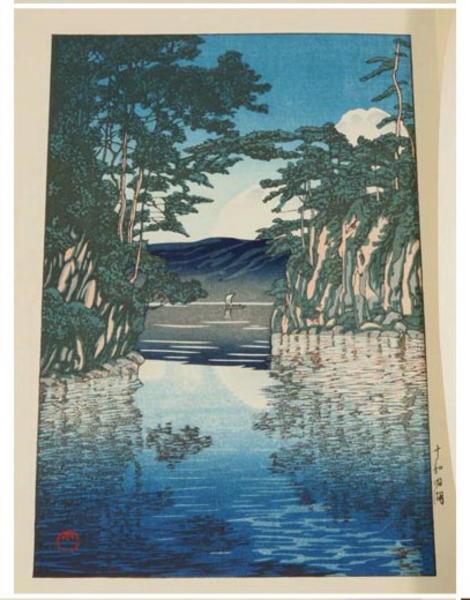
Lake Towada — 十和田湖
Woodblock print
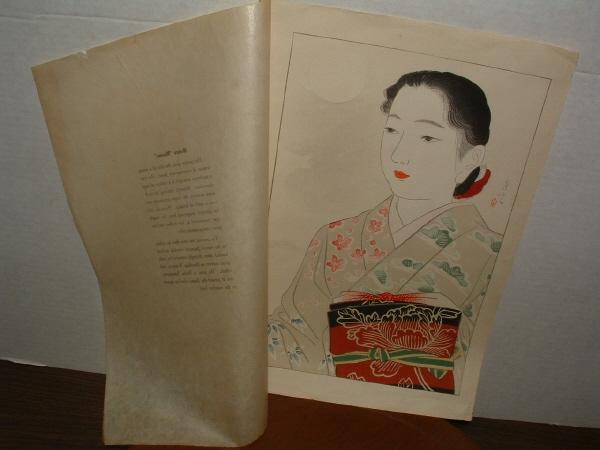
Modern Musume
Woodblock print
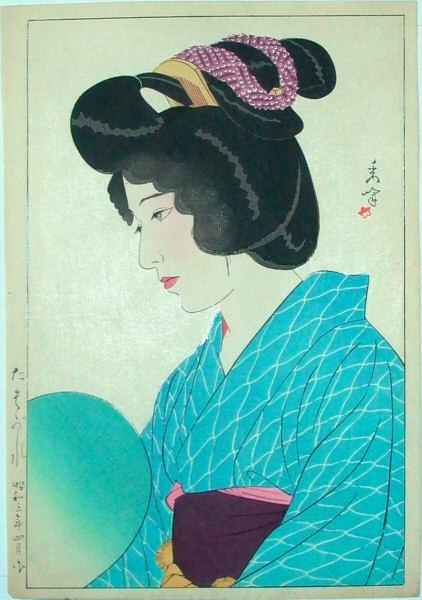
Dusk- Tasogare — たそがれ
Woodblock print
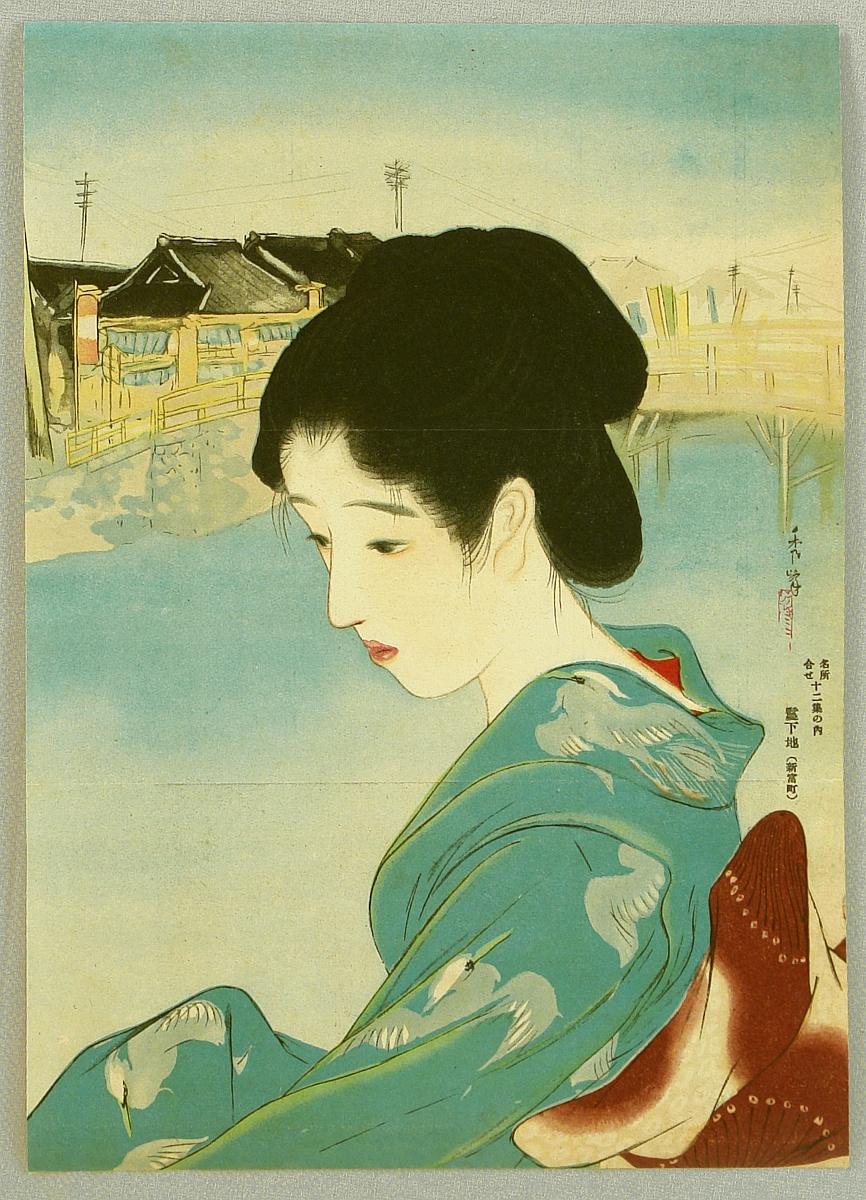
A beauty in Shintomi-cho district
Woodblock print