
Kataoka Gado as Miyuki in 'Shoutsushi asagao nikki'
- Source:
- ukiyo-e.org
Description
This Kanpo Yoshikawa woodblock print captures the kabuki actor Kataoka Gado in the role of Miyuki from the celebrated drama Shoutsushi Asagao Nikki (The Diary of the Morning Glory), one of the most beloved narratives in the Japanese theatrical repertoire. The story follows a young woman who, separated from her lover, weeps so bitterly that she eventually loses her sight, becoming a blind itinerant musician known for performing the haunting morning glory song. Yoshikawa, a Kyoto-based artist who trained at the Kyoto Municipal School of Painting under Takeuchi Seiho, brought to actor portraiture the refined sensibility of the Shijo painting tradition combined with the bold compositional instincts of shin-hanga design. Working primarily in the 1920s alongside his contemporaries in the Kyoto woodblock revival, he distinguished himself from the more Tokyo-centric output of publishers like Watanabe Shozaburo by emphasizing the softer tonalities and intimate emotional registers favored by Kansai-region artists. The print demonstrates the technical hallmarks of shin-hanga production: meticulous bokashi gradations in the background, carefully calibrated keyblock lines that articulate the actor's facial expression and costume, and a restrained palette that privileges psychological depth over theatrical spectacle. Yoshikawa's actor prints sit at the intersection of nigao-e (likeness pictures) tradition and modern portraiture, treating the kabuki performer not merely as a star figure but as a character study. This impression is documented in the collection of the British Museum, which holds an important group of early-twentieth-century Japanese theatrical prints. For collectors of Kyoto woodblock printmaking, Yoshikawa's Asagao Nikki series represents a significant moment when Kansai shin-hanga publishers committed themselves to memorializing the great kabuki performances of their era with the same seriousness their Edo-period predecessors had brought to ukiyo-e actor prints.
More Prints by Kanpo Yoshikawa

The Actor Kataoka Gado IV as Miyuki in the play Shoutsushi Asagao Nikki (The Diary of the Morning Glory)
c. 1924
Color woodblock print; oban

Five, Hinazō
early summer 1922
Woodblock print, ink and color on paper with mica
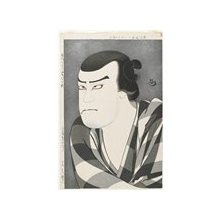
The Actor Nakamura Enjaku II as the Snarling Gonta
Woodblock print
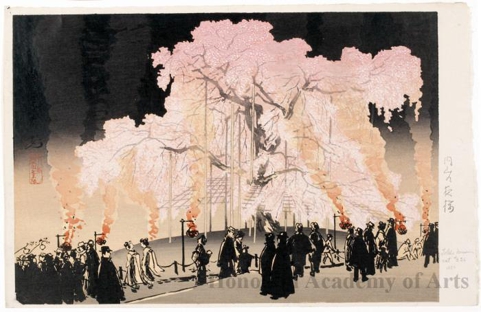
Cherry Blossoms at Night, Maruyama
Woodblock print
Featured in Collections
Curated cross-cuts that include this print.
Frequently Asked Questions
Kataoka Gado as Miyuki in 'Shoutsushi asagao nikki' was created by Kanpo Yoshikawa (吉川観方).