Shin-Hanga: Japan's Twentieth-Century Print Revival
新版画
Shin-hanga ('new prints') is a Japanese woodblock movement begun in 1915 by publisher Watanabe Shōzaburō, who paired traditional ukiyo-e craftsmanship with Western-trained artists. Kawase Hasui, Hiroshi Yoshida, and Hashiguchi Goyō produced its defining landscapes, beauties, and bird-and-flower works through the 1950s.
About This Collection
Shin-hanga begins in a publisher's office. By 1915, ukiyo-e had been declining for half a century: photography had displaced its commercial function, and the workshops that once produced editions in the thousands were closing. Watanabe Shōzaburō, a Tokyo print dealer, began commissioning new designs from artists who had Western academic training — a deliberate wager that the same hanmoto–eshi–horishi–surishi production system that produced Hiroshige and Hokusai could produce something equally collectible if the designs were modern.
The wager paid. Kawase Hasui's atmospheric travel series and Hiroshi Yoshida's mountain works became the movement's defining landscapes. Hashiguchi Goyō and Itō Shinsui revived bijin-ga (beauty prints) for a Taishō-era audience. Ohara Koson and Watanabe's other commissions in the kachō-e (bird-and-flower) genre produced what may be the most-reprinted woodblock images of the twentieth century. The movement's craftsmen — Hasui used the same printer, Maeda Kentarō, for decades — preserved hand-printing techniques that would otherwise have been lost.
This collection gathers shin-hanga works from the Hanga catalogue: Hasui's snow scenes, Yoshida's mountains, Goyō's bijin, Koson's birds, and the rest of the movement's defining figures. Use the artist filters to drill into individual oeuvres or the FAQ below for context on technique and authentication.
Prints in This Collection (80)
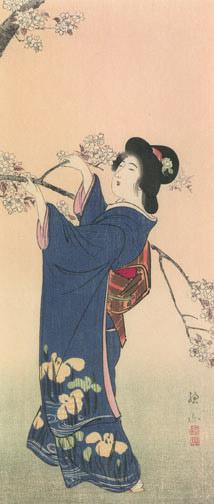
Flower
Woodblock print
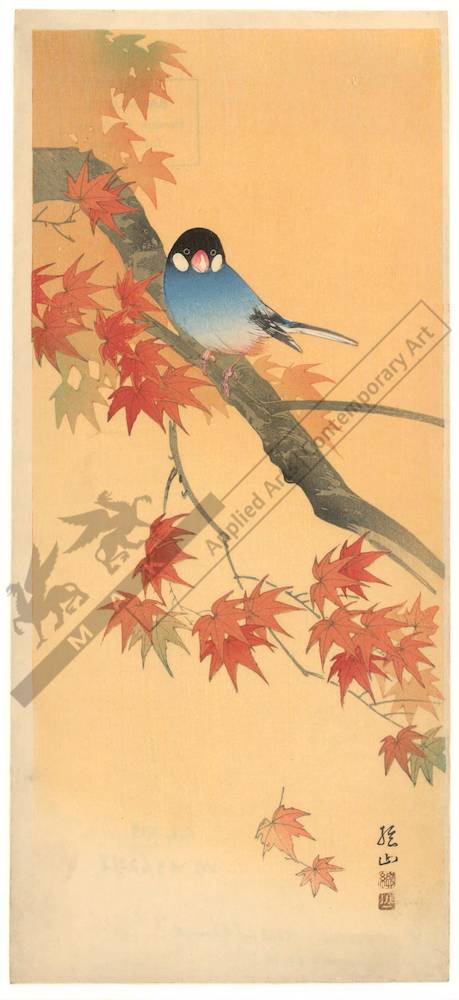
Blue bird on maple tree (title not original)
Woodblock print
Java Sparrow and Maple
Woodblock print
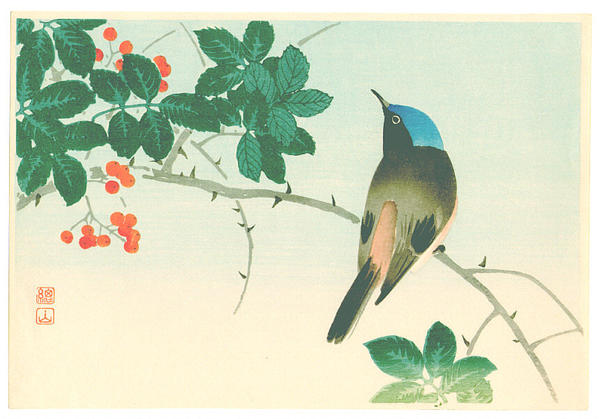
Bird
Woodblock print

Crows in snow
ca. 1915
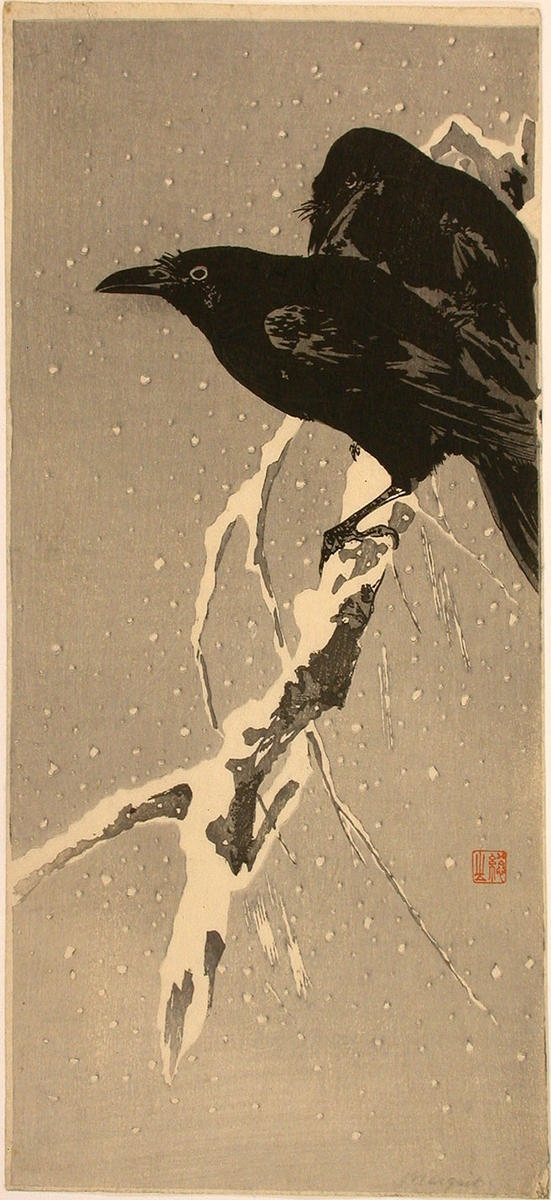
Crows on snowy branch
Woodblock print
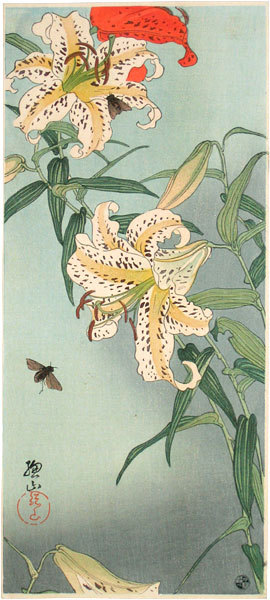
Lilies with bees
Woodblock print
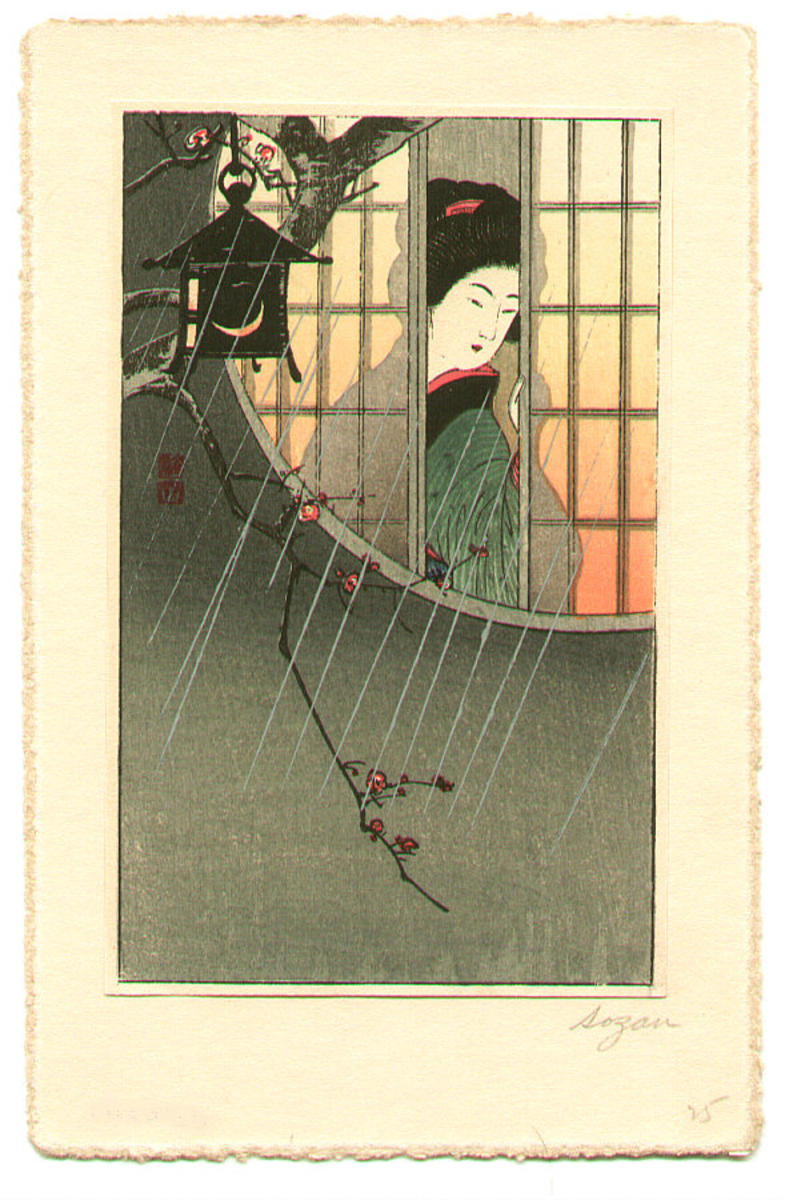
Looking Out
Woodblock print
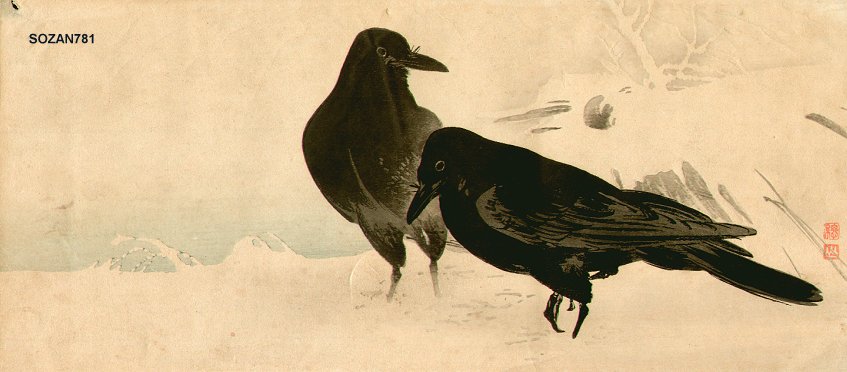
Crows
Woodblock print
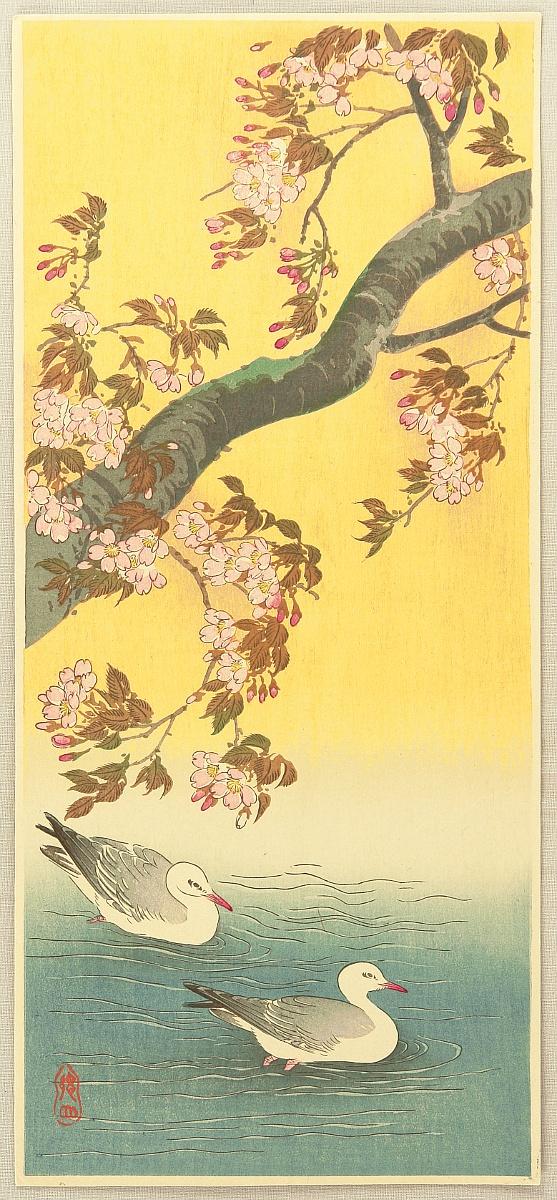
Two Gulls and Cherry Tree
Woodblock print
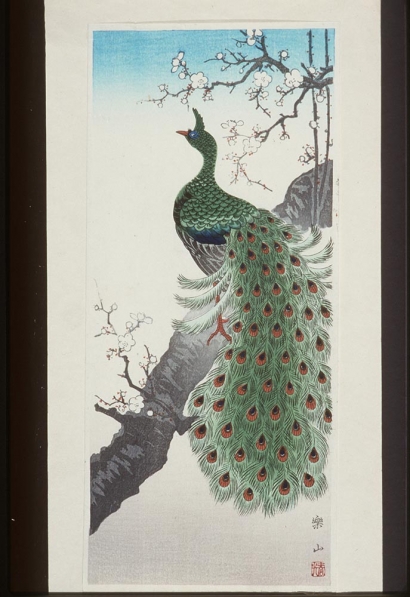
Untitled (ito-sozan)
Woodblock print
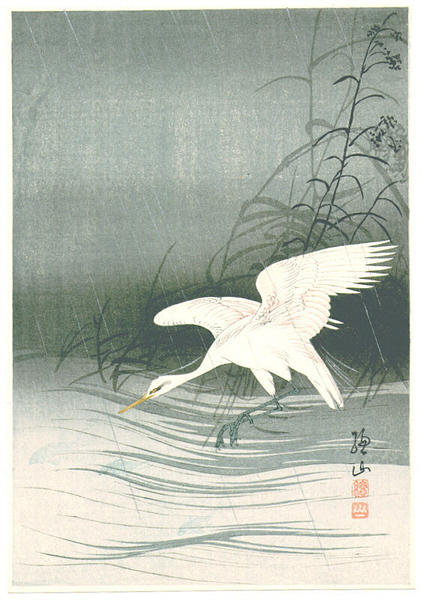
Egret
Woodblock print
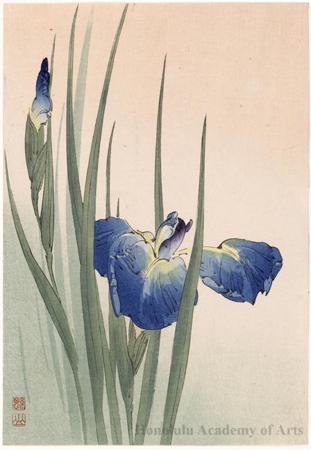
Iris
Woodblock print
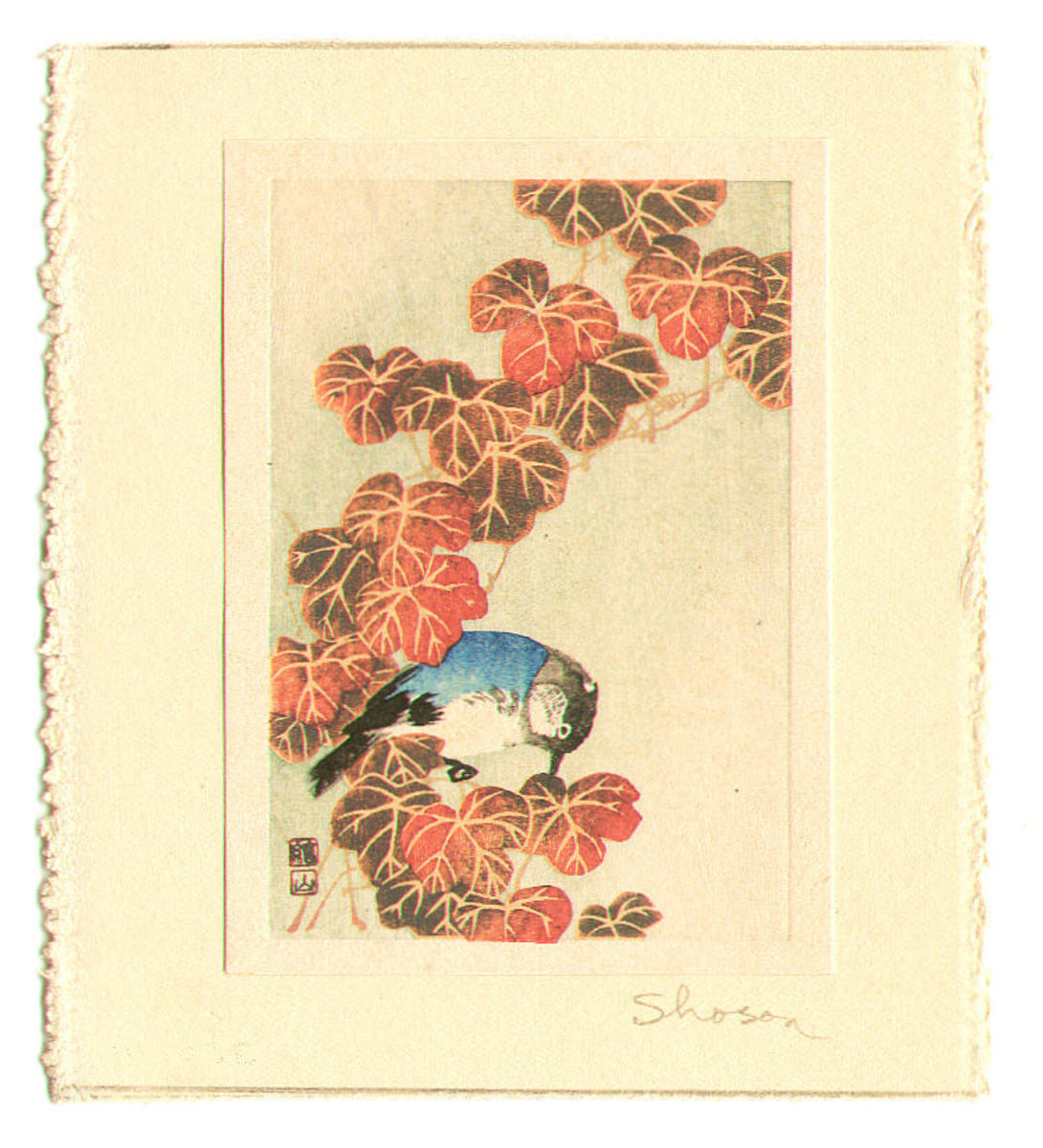
Blue Bird and Autumn Leaves
Woodblock print
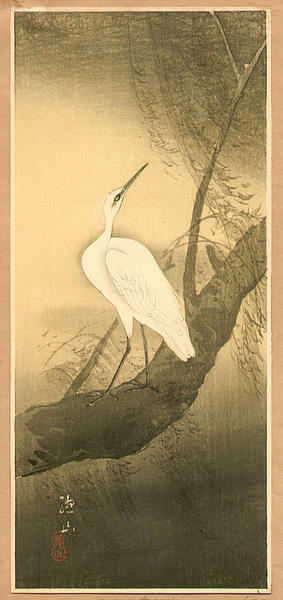
White Egret on Willow
Woodblock print
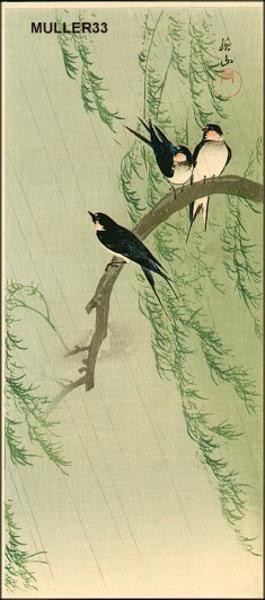
Barn Swallows and Willow
Woodblock print
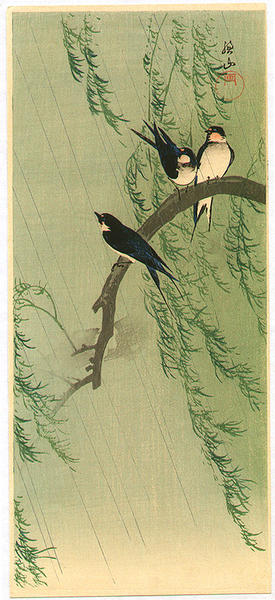
Barn Swallows and Willow
Woodblock print
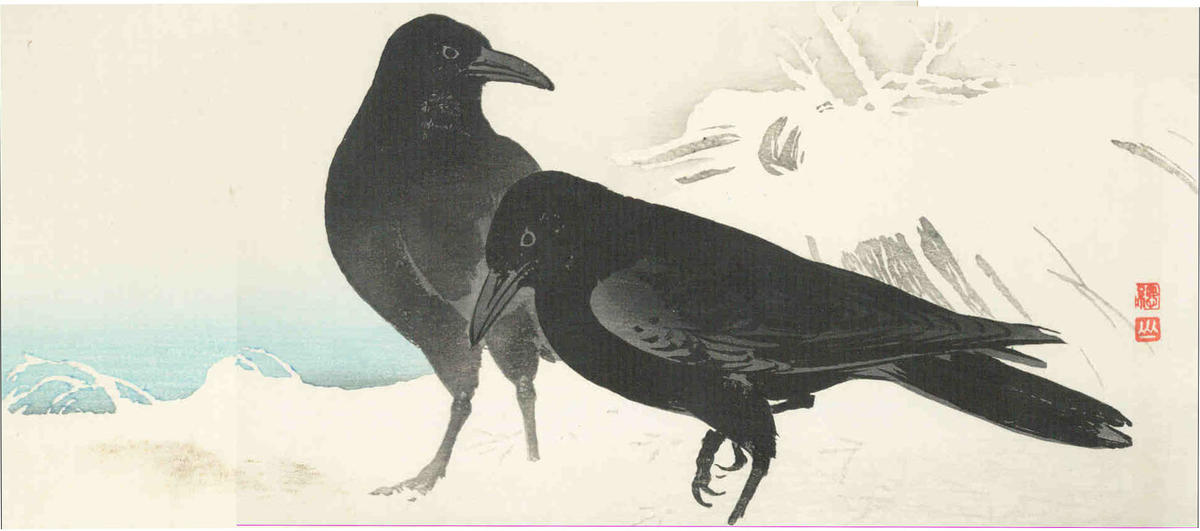
Two crows in snow
Woodblock print
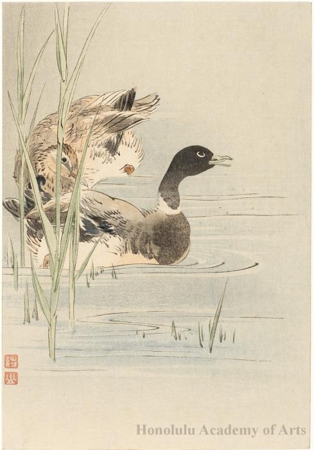
Two Geese
Woodblock print
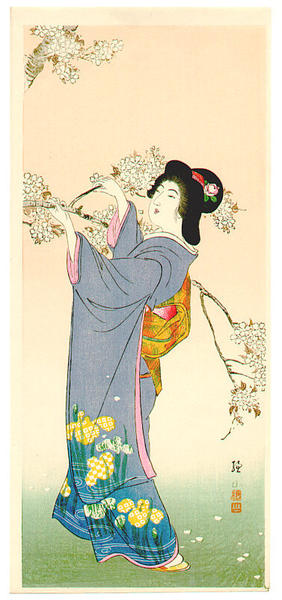
Lady and Cherry Blossoms
Woodblock print
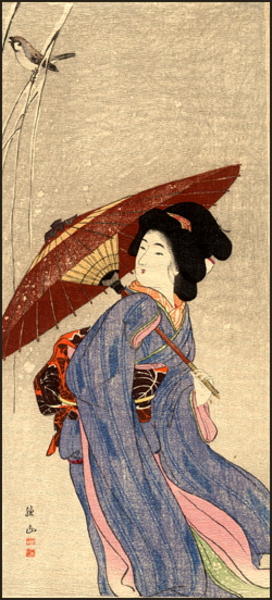
Bijin and sparrow
Woodblock print
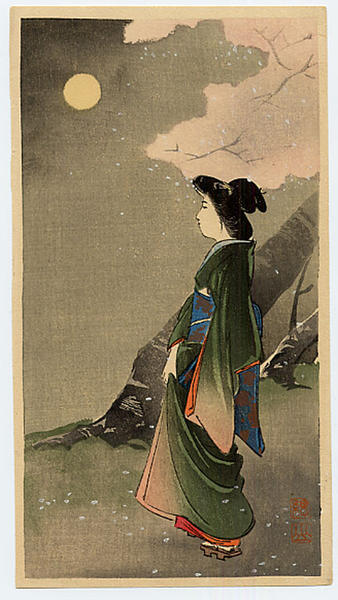
Woman near the Cherry Tree in a Full moon
Woodblock print
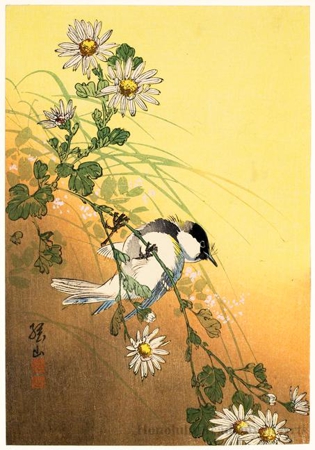
Bird on a Chrysanthemum
Woodblock print
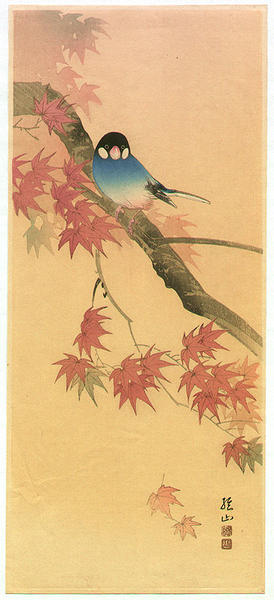
Blue Bird in Autumn
Woodblock print
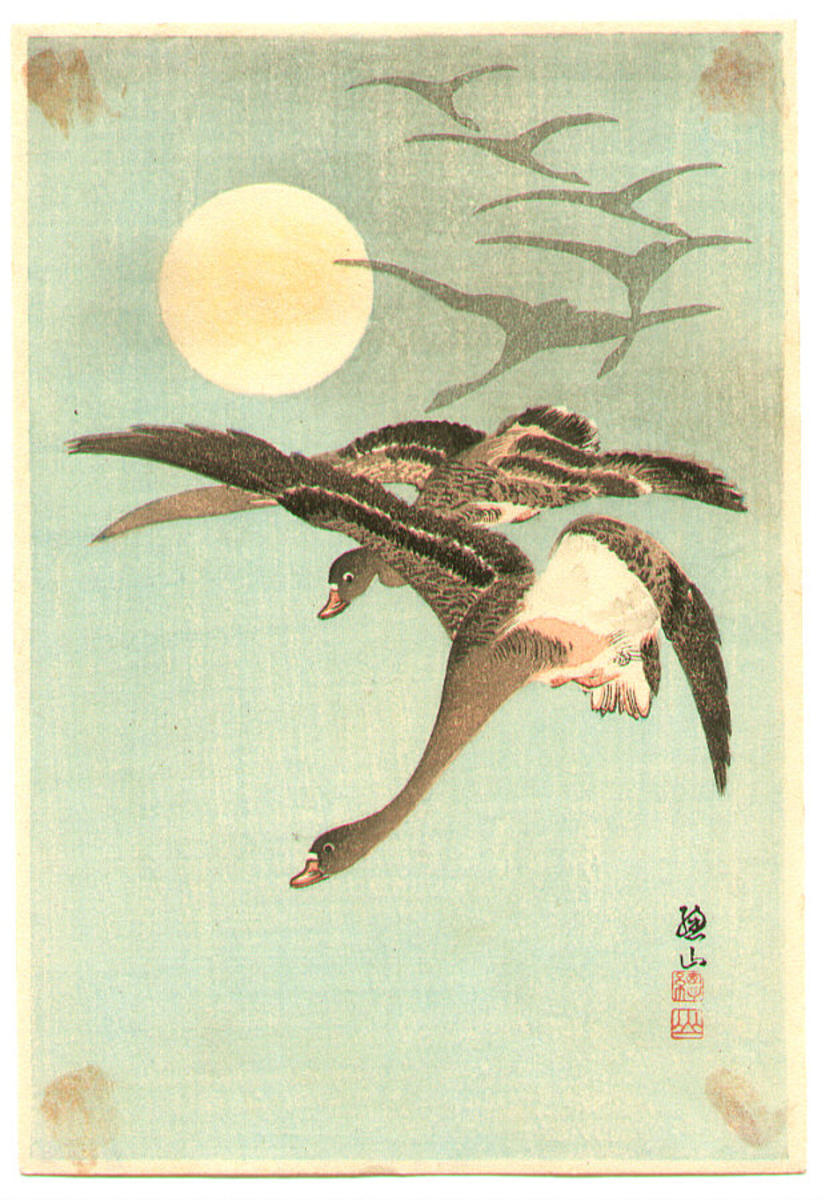
Homing Geese
Woodblock print
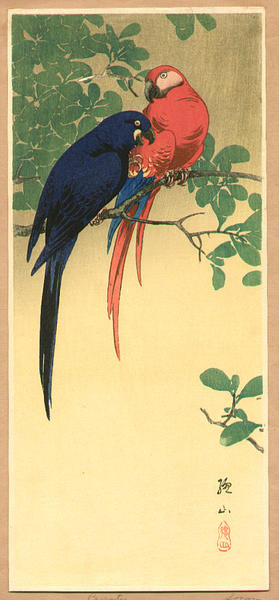
Blue and Red Macaws
Woodblock print
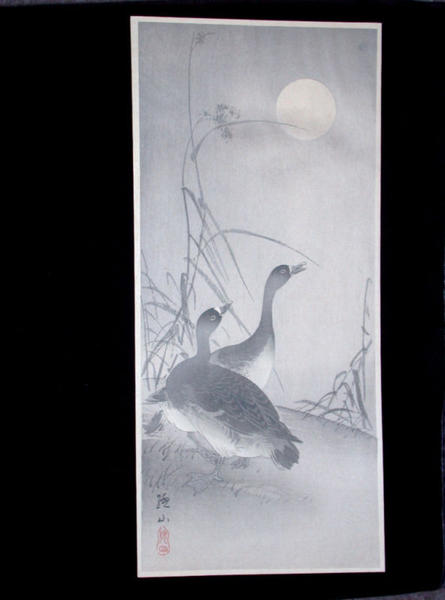
Two Geese and the Moon
Woodblock print
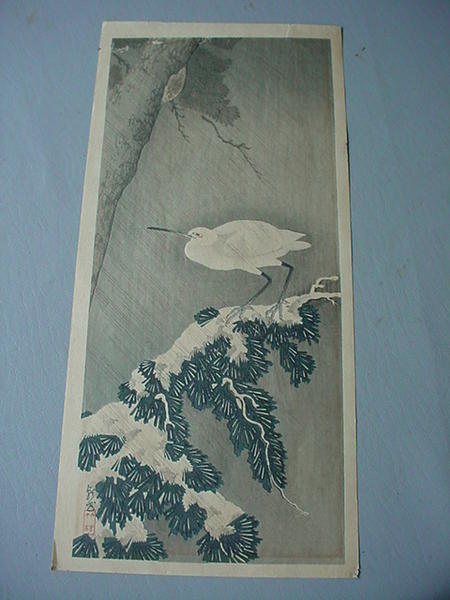
Heron in Rain
Woodblock print

Carp under wisteria
ca. 1915
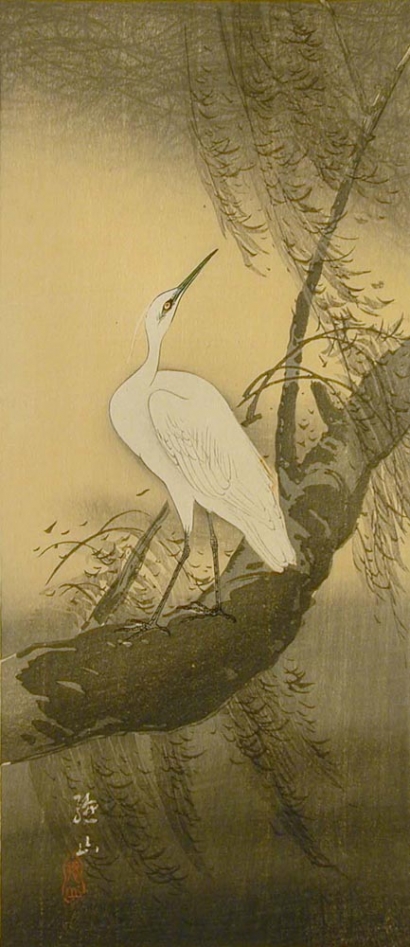
White Egret
Woodblock print
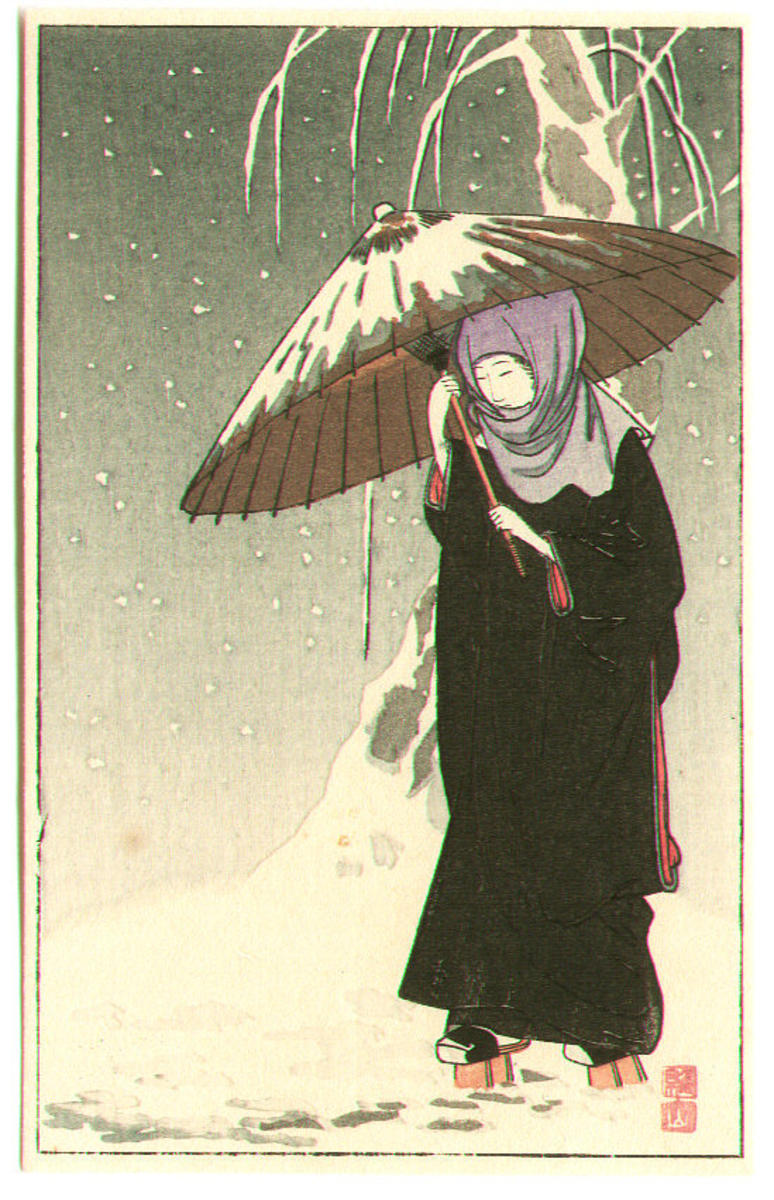
Lady in Black in Snow
Woodblock print
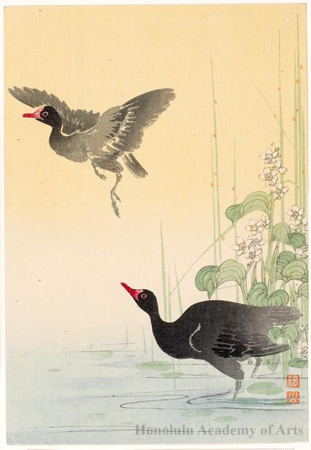
Two Black Geese
Woodblock print
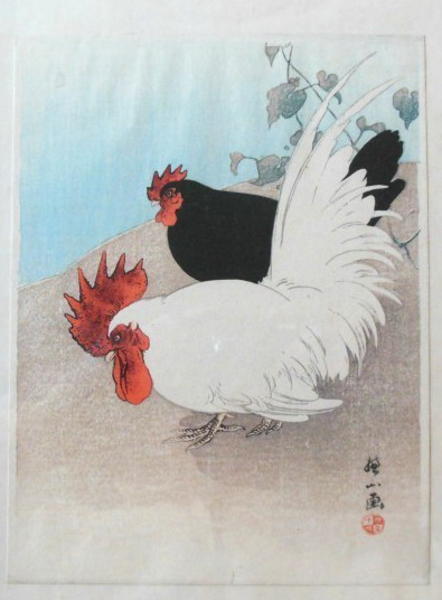
Rooster and Hen
Woodblock print
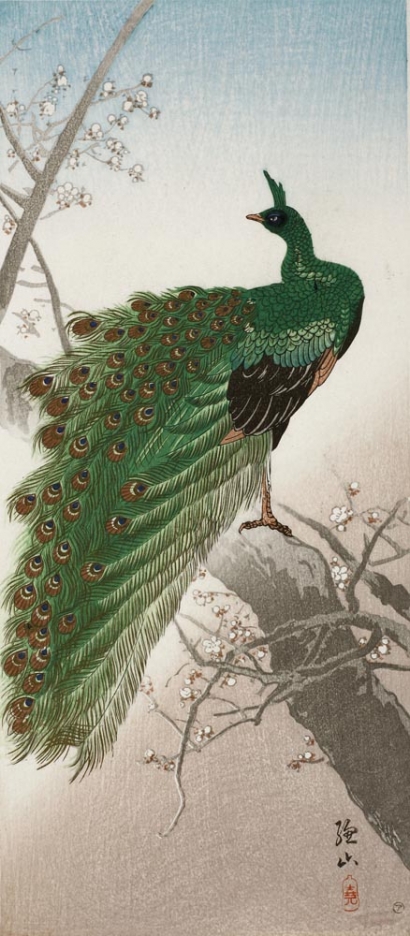
Peacock
Woodblock print
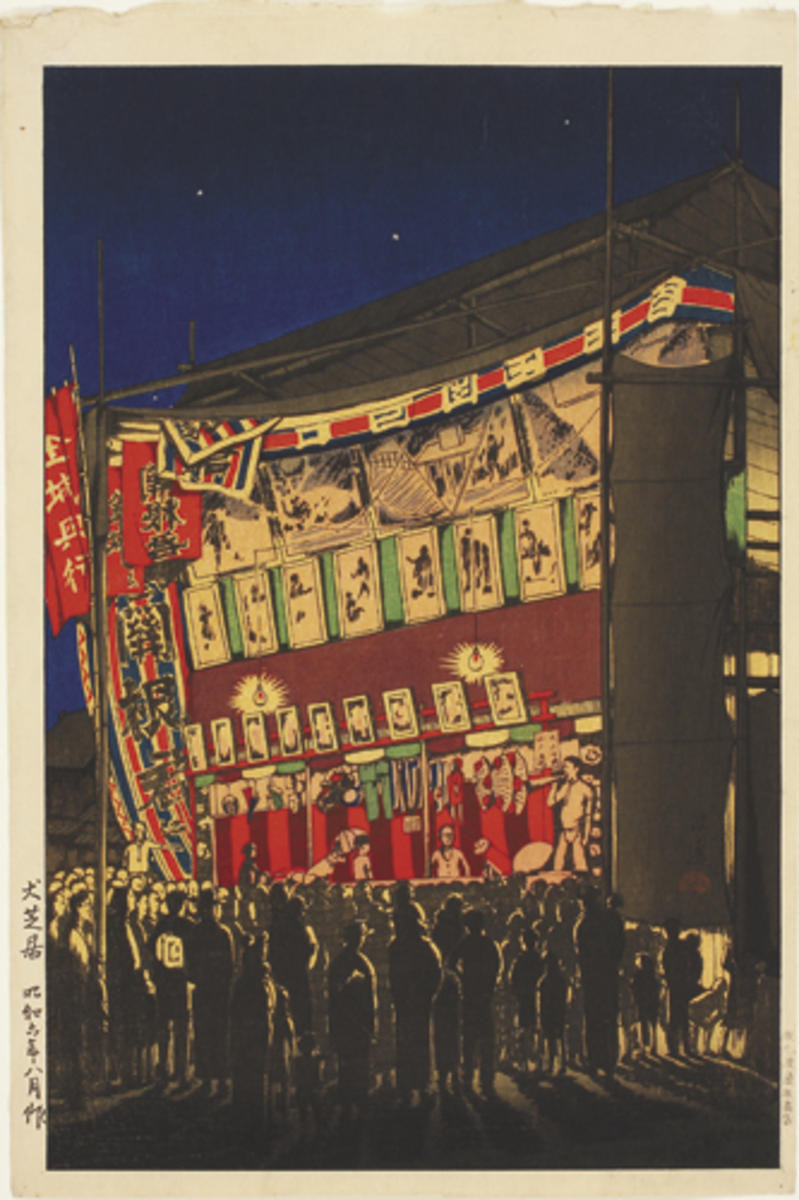
Dog Show
Woodblock print
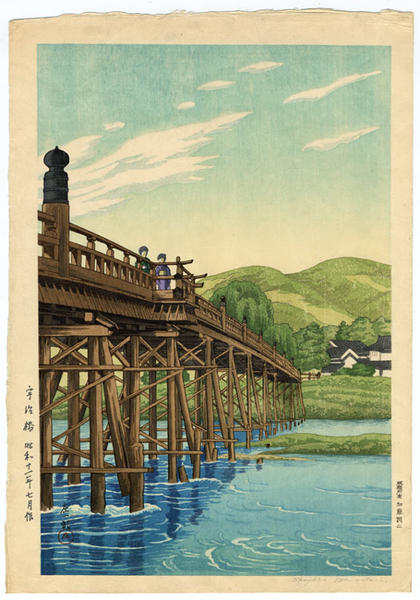
Uji Bashi (Uji Bridge) — 宇治橋
Woodblock print
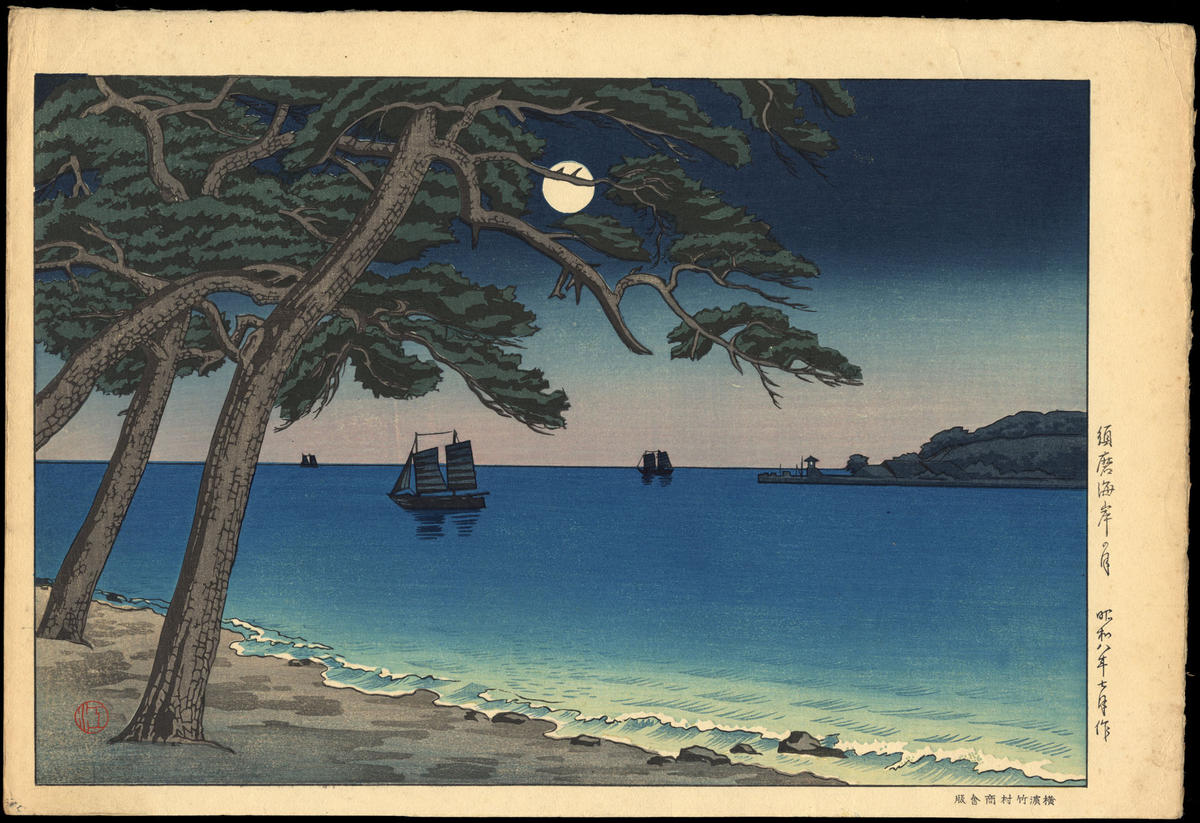
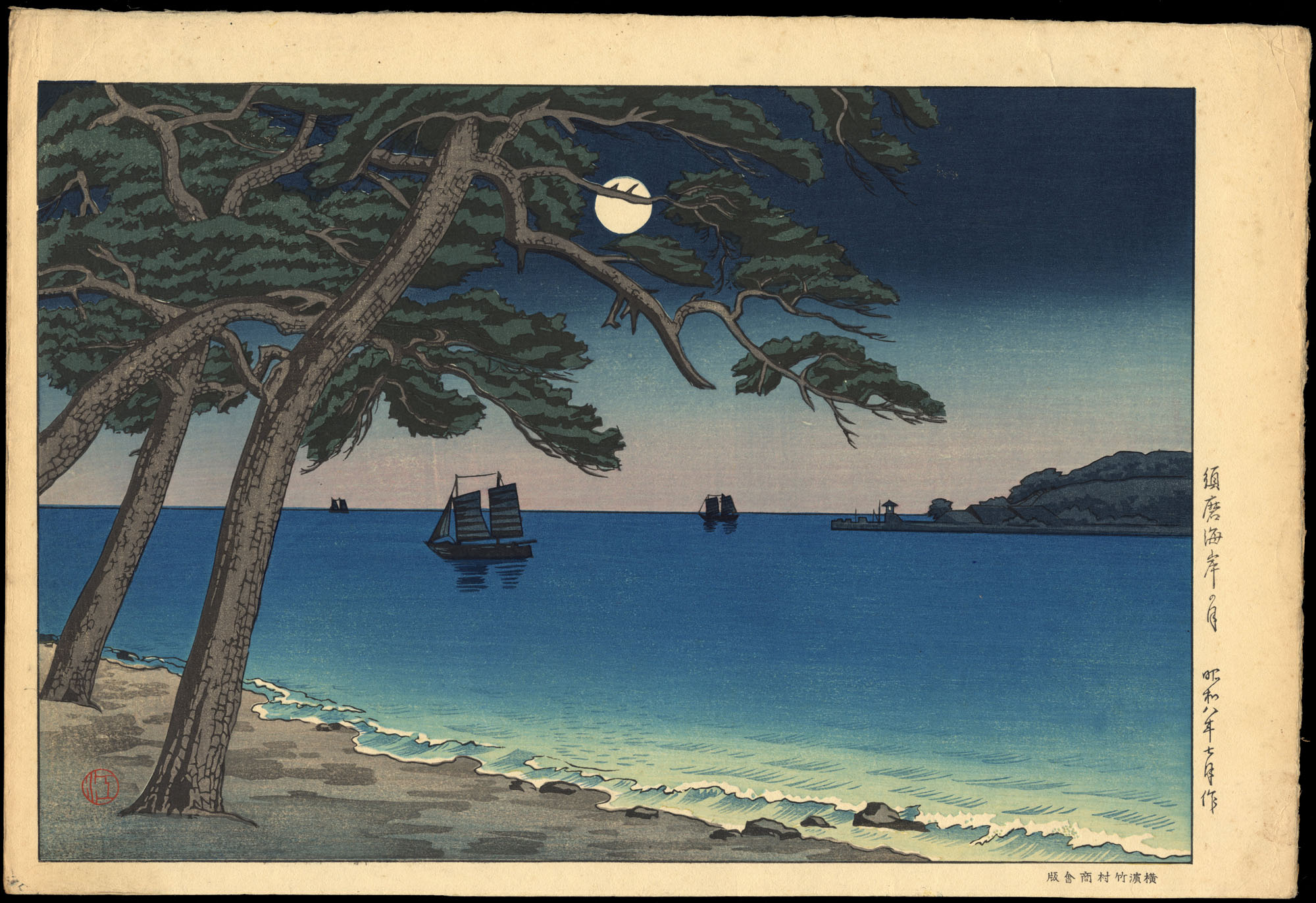
The Moon from Suma Beach — 須磨海岸の月
Woodblock print
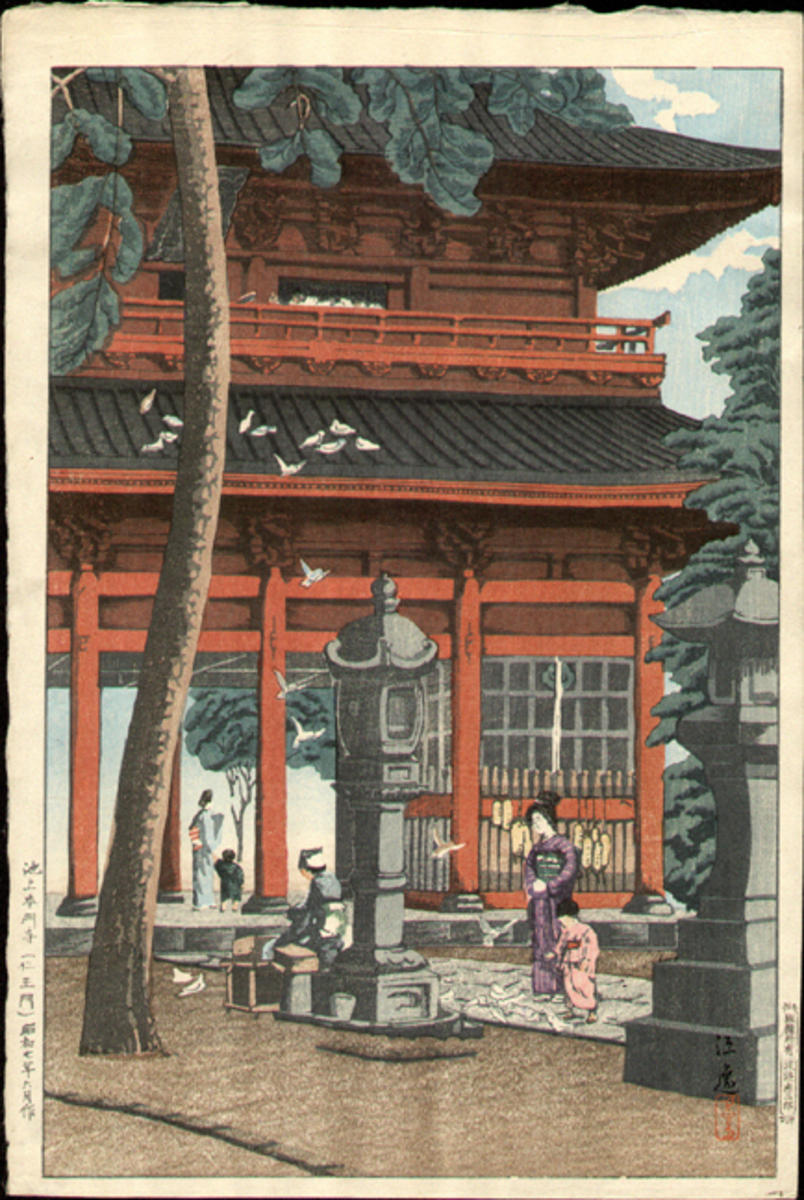
Untitled (ishiwata-koitsu)
Woodblock print
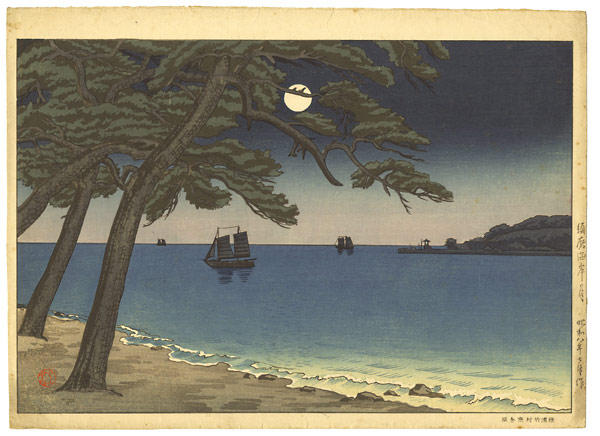
The Moon from Suma Beach — 須磨海岸の月
Woodblock print

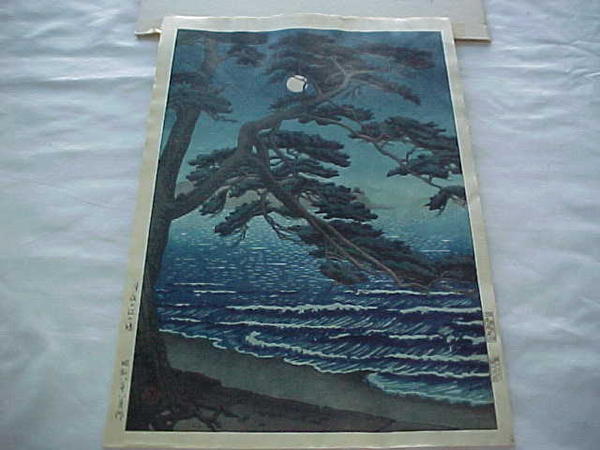
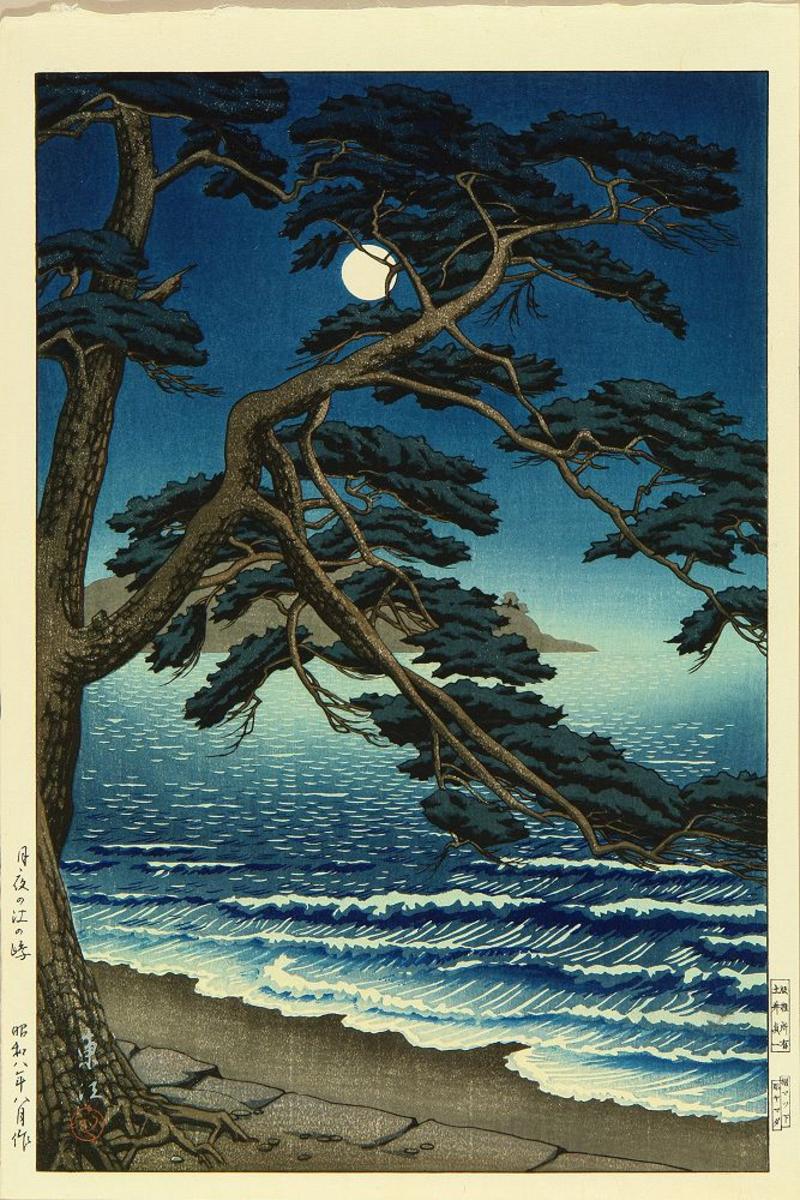
Moon at Enoshima Beach — 月夜の江の嶋
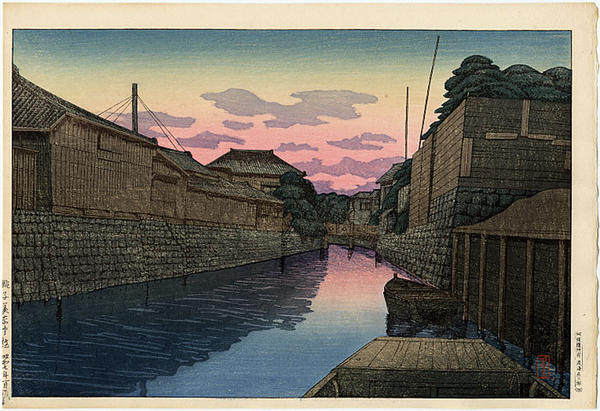
Untitled (ishiwata-koitsu)
Woodblock print
View of Nagashima Bridge, Yokohama (Setting Sun)/横浜長嶋橋所見(落陽)
1939
Woodblock Print
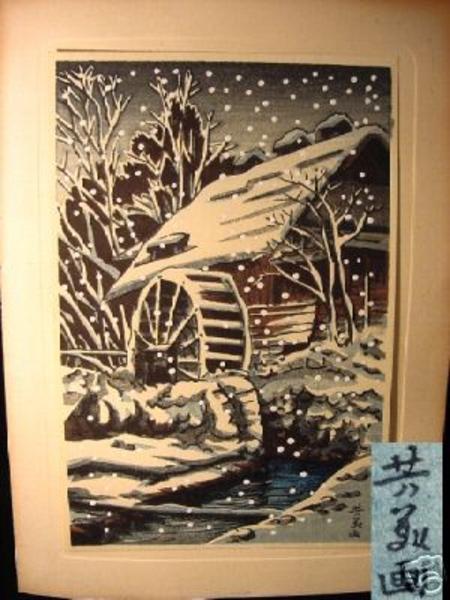
Untitled (ishiwata-koitsu)
Woodblock print
Untitled (ishiwata-koitsu)
Woodblock print
Untitled (ishiwata-koitsu)
Woodblock print
Untitled (ishiwata-koitsu)
Woodblock print
Untitled (ishiwata-koitsu)
Woodblock print

Untitled (ishiwata-koitsu)
Woodblock print
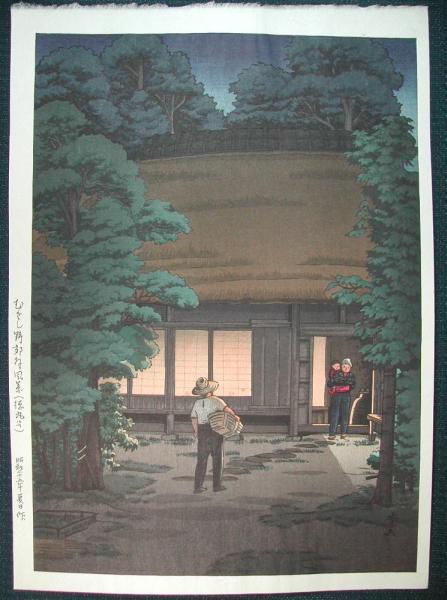
Untitled (ishiwata-koitsu)
Woodblock print
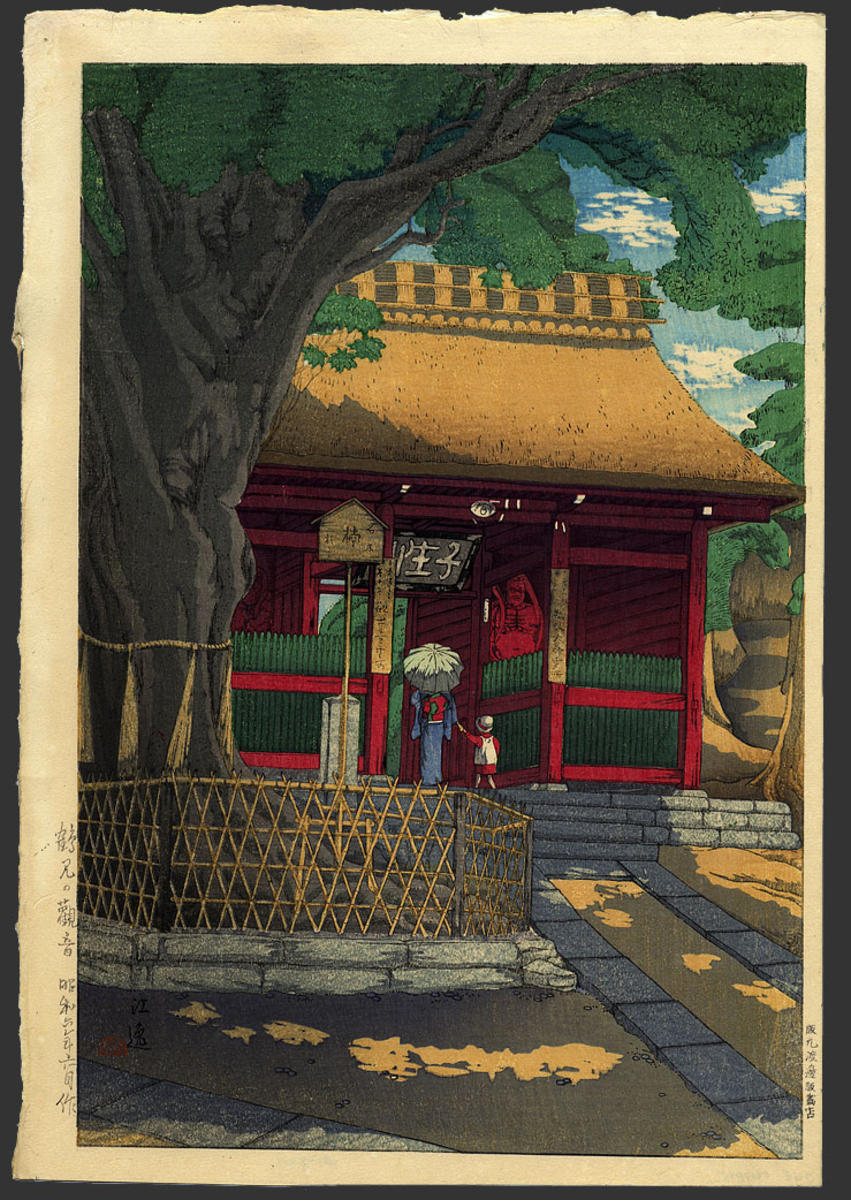
Untitled (ishiwata-koitsu)
Woodblock print
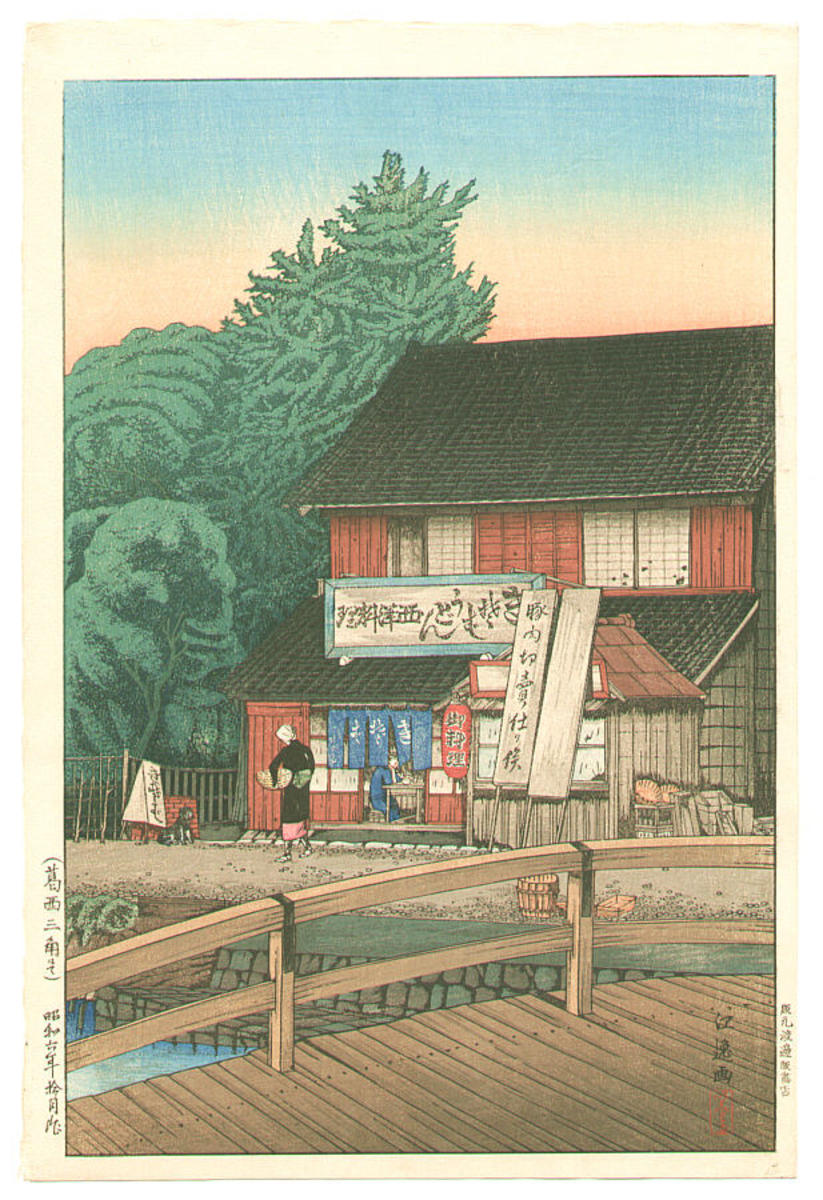
Untitled (ishiwata-koitsu)
Woodblock print

Untitled (ishiwata-koitsu)
Woodblock print
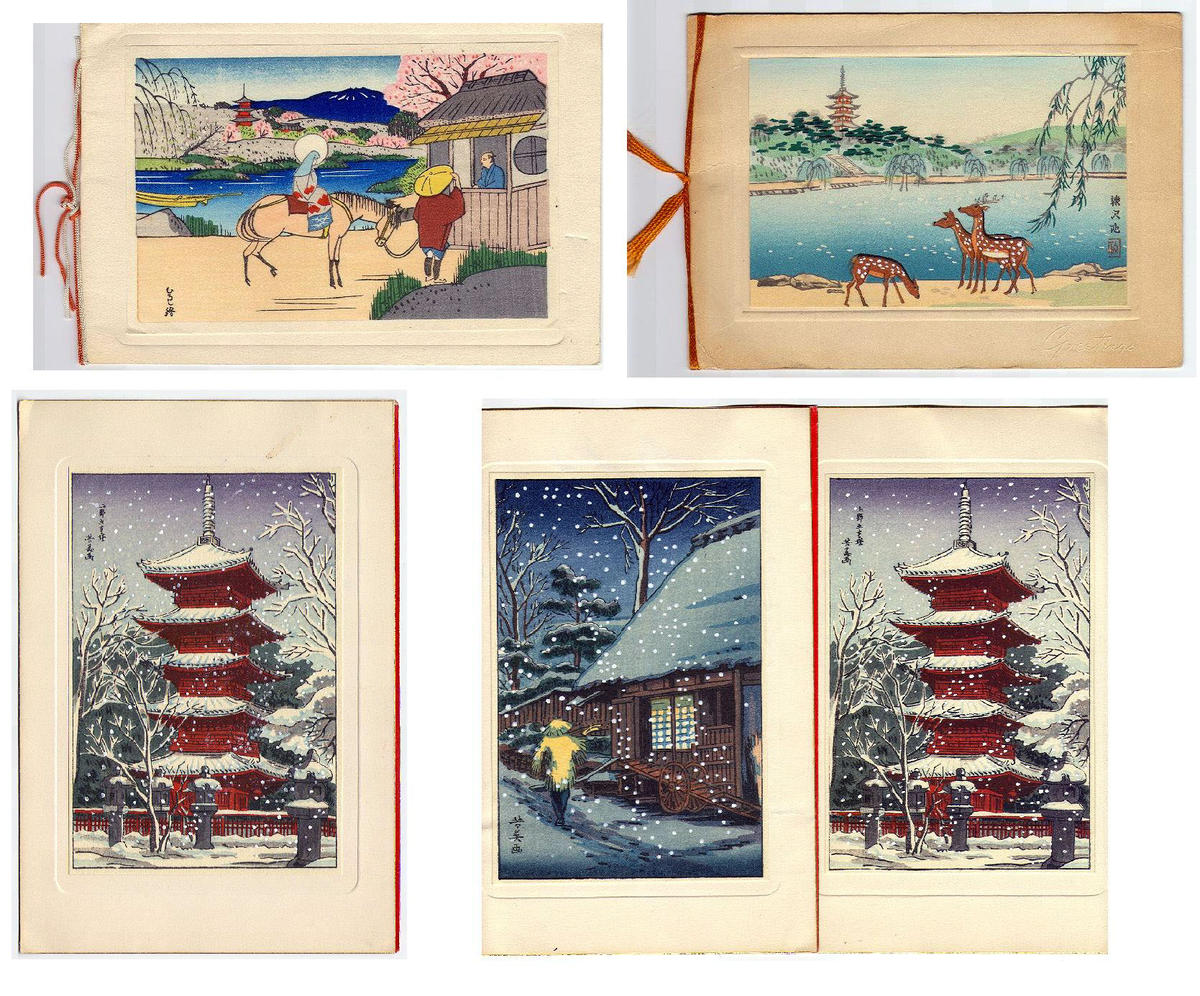
Untitled (ishiwata-koitsu)
Woodblock print
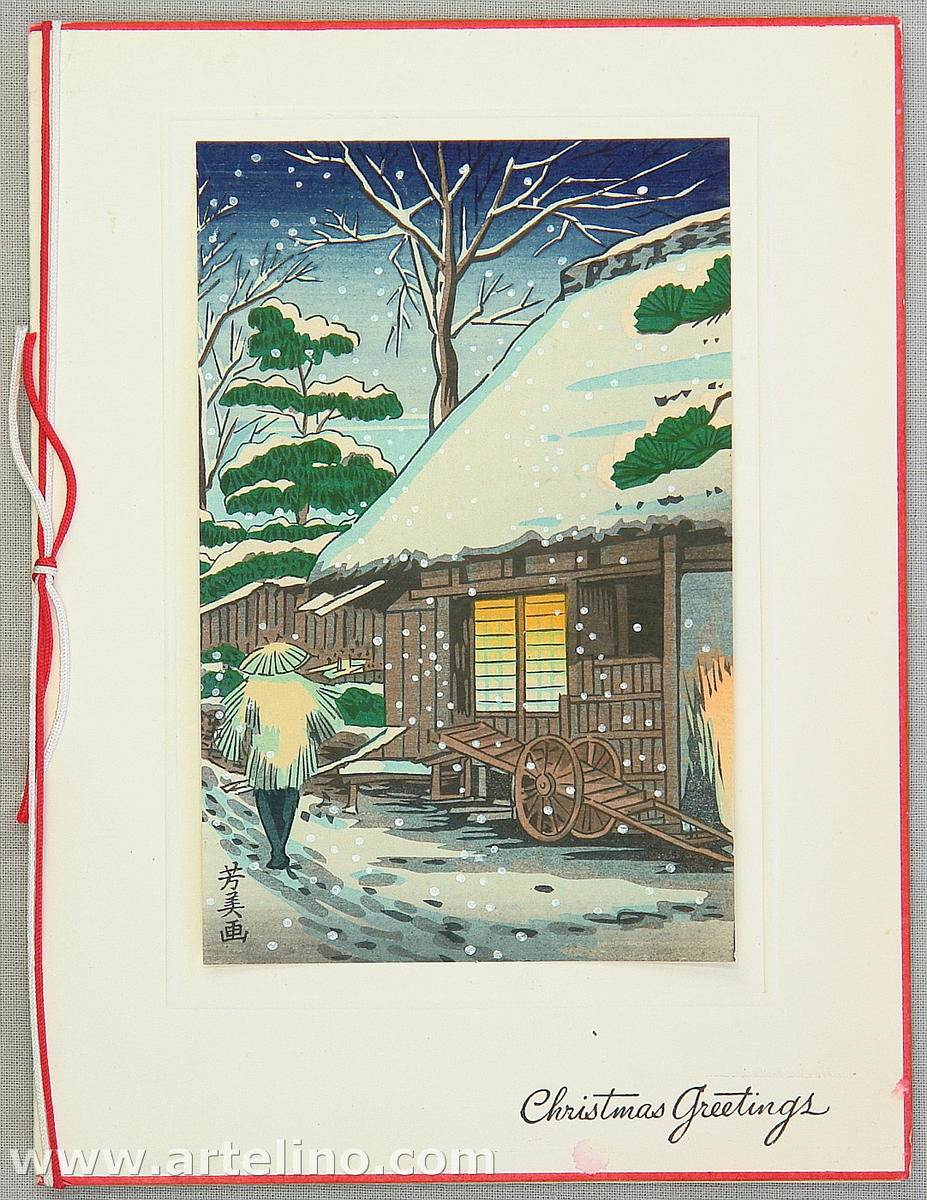
Untitled (ishiwata-koitsu)
Woodblock print

Untitled (ishiwata-koitsu)
Woodblock print
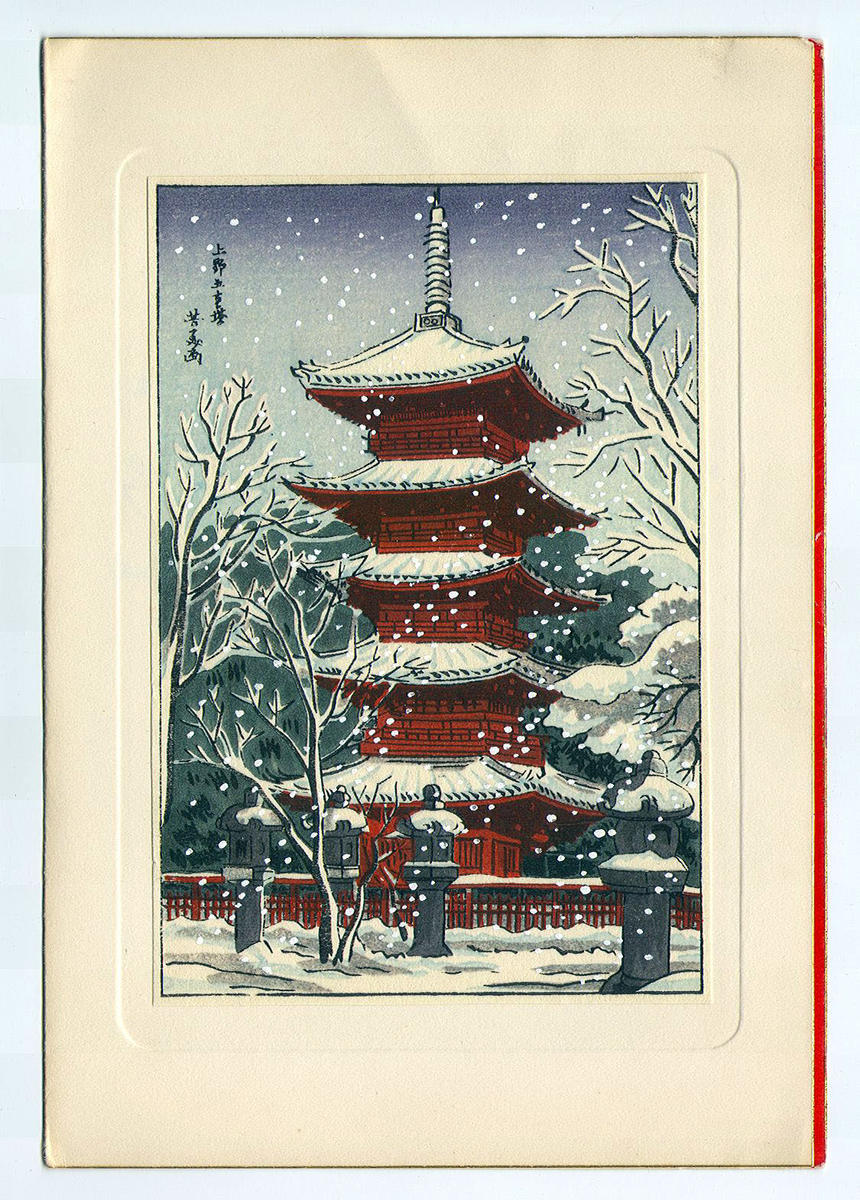
Untitled (ishiwata-koitsu)
Woodblock print
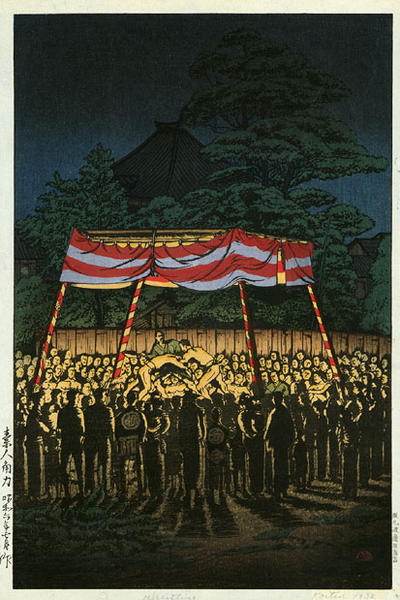
Untitled (ishiwata-koitsu)
Woodblock print
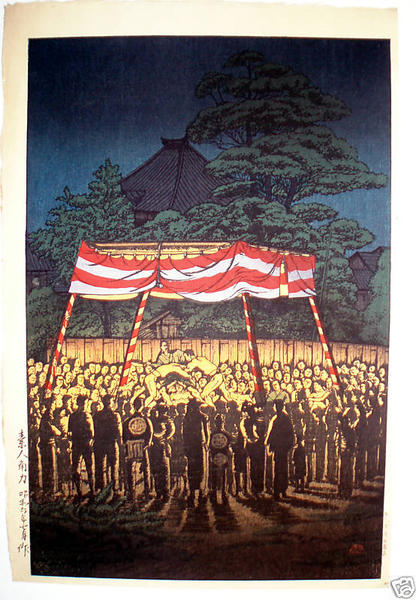
Untitled (ishiwata-koitsu)
Woodblock print
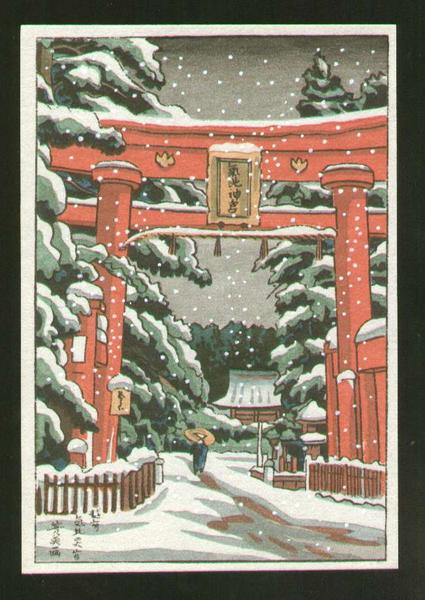
Untitled (ishiwata-koitsu)
Woodblock print
Untitled (ishiwata-koitsu)
Woodblock print

Untitled (ishiwata-koitsu)
Woodblock print
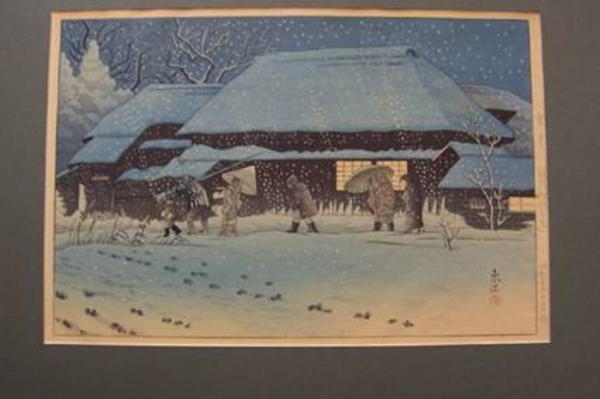
Untitled (ishiwata-koitsu)
Woodblock print
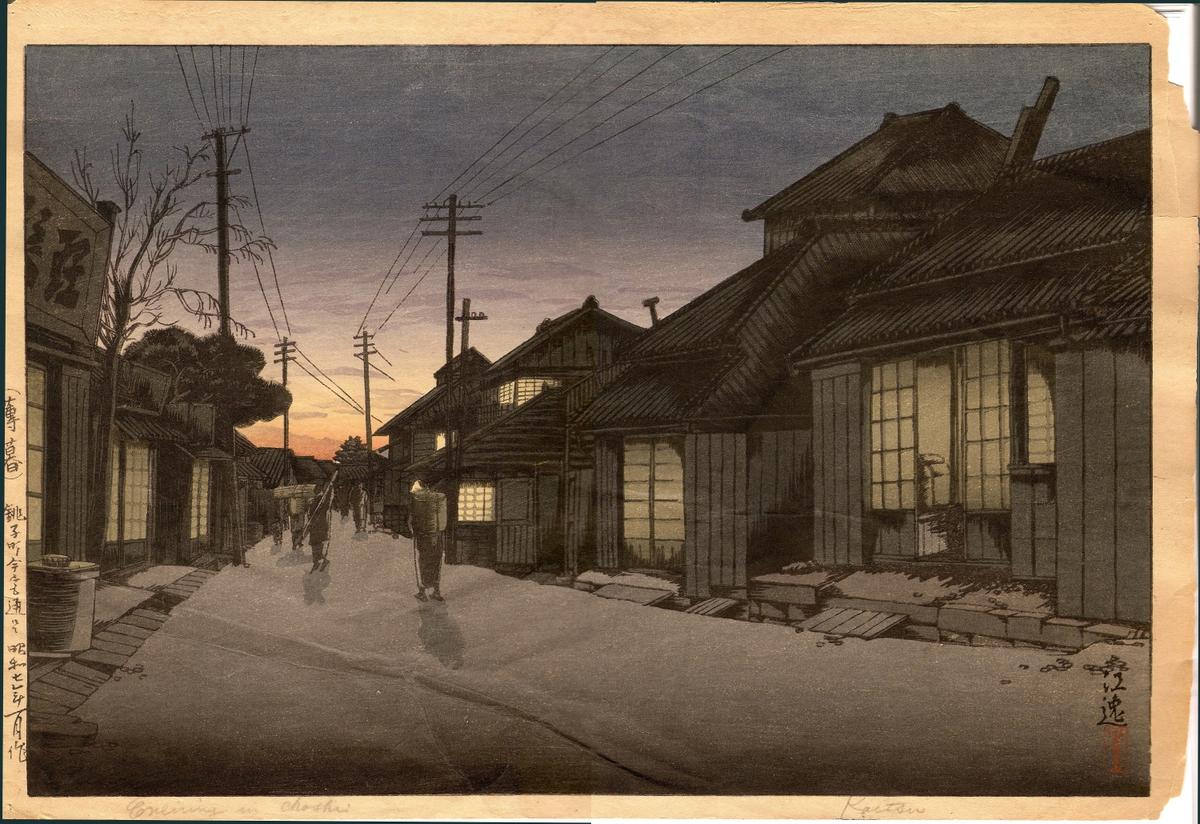
Untitled (ishiwata-koitsu)
Woodblock print
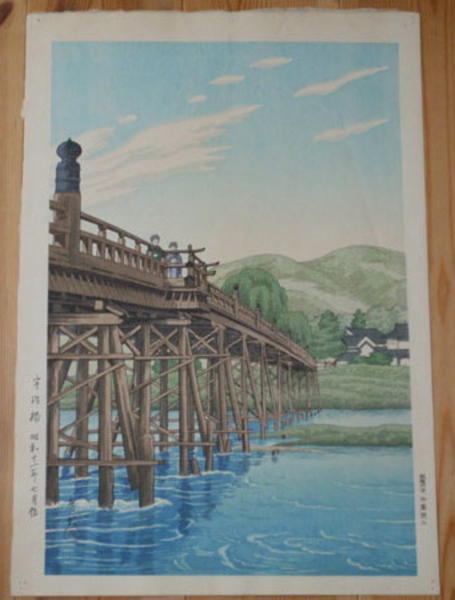
Untitled (ishiwata-koitsu)
Woodblock print
Untitled (ishiwata-koitsu)
Woodblock print
Untitled (ishiwata-koitsu)
Woodblock print
Untitled (ishiwata-koitsu)
Woodblock print
Untitled (ishiwata-koitsu)
Woodblock print
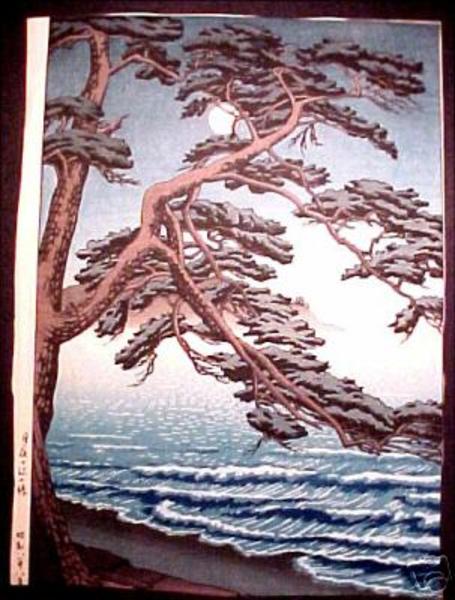
Untitled (ishiwata-koitsu)
Woodblock print
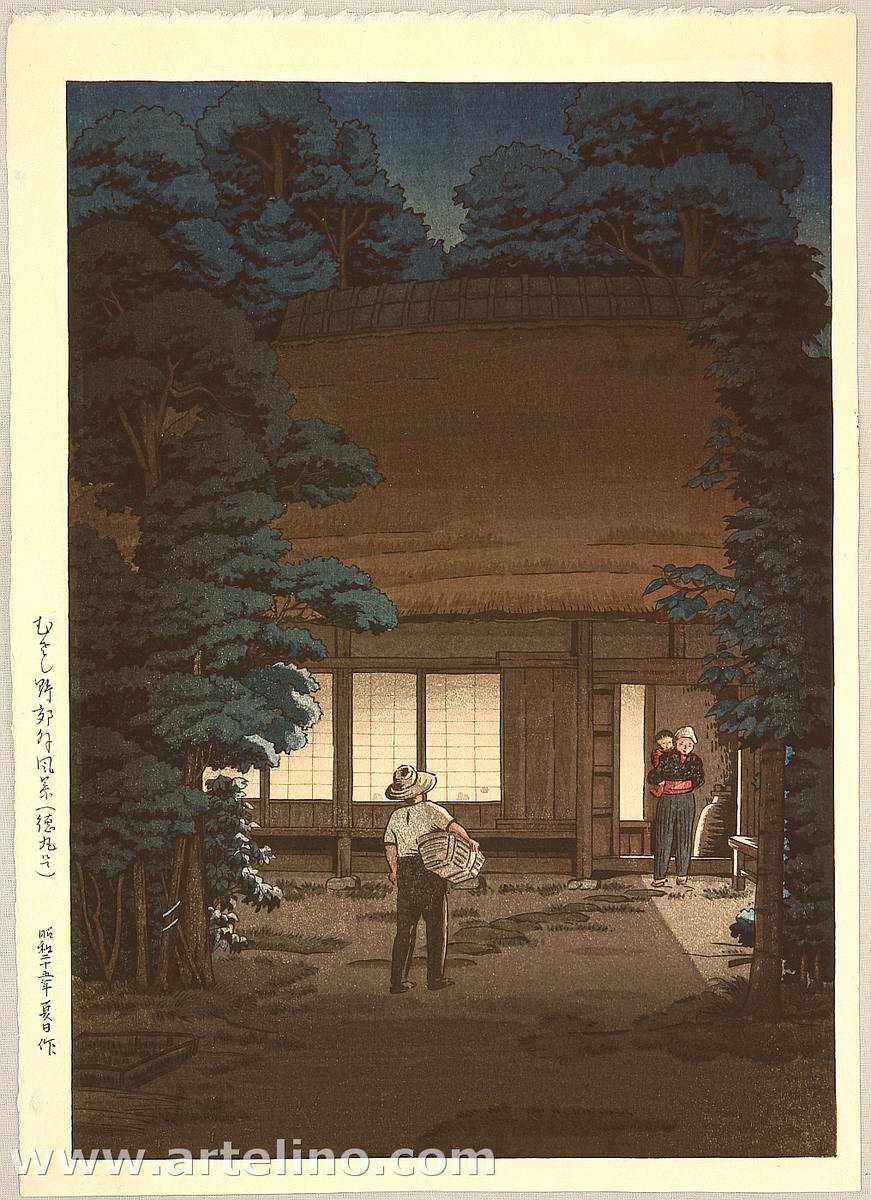
Untitled (ishiwata-koitsu)
Woodblock print
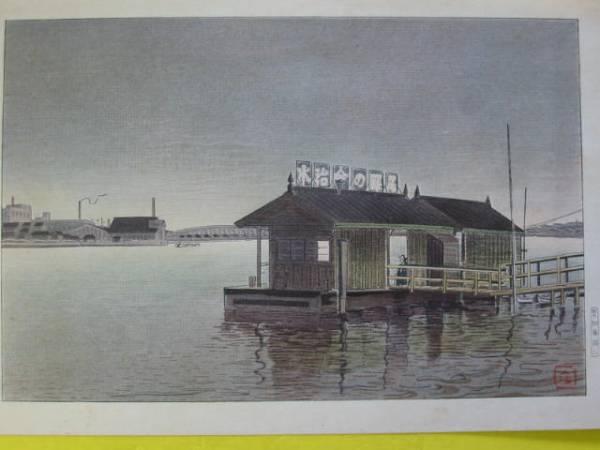
The Warf at Ryogoku — 両国船つき場
Woodblock print
Uji Bashi (Uji Bridge) — 宇治橋
Woodblock print
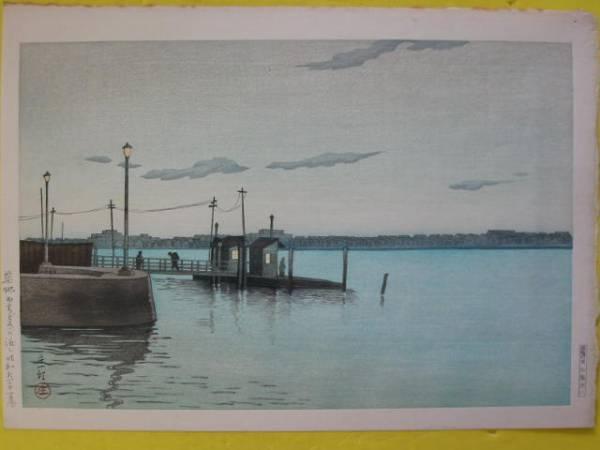
The Ferry Crossing on Reclaimed land at Kachidoki — 築地 かちどきの渡し
Woodblock print

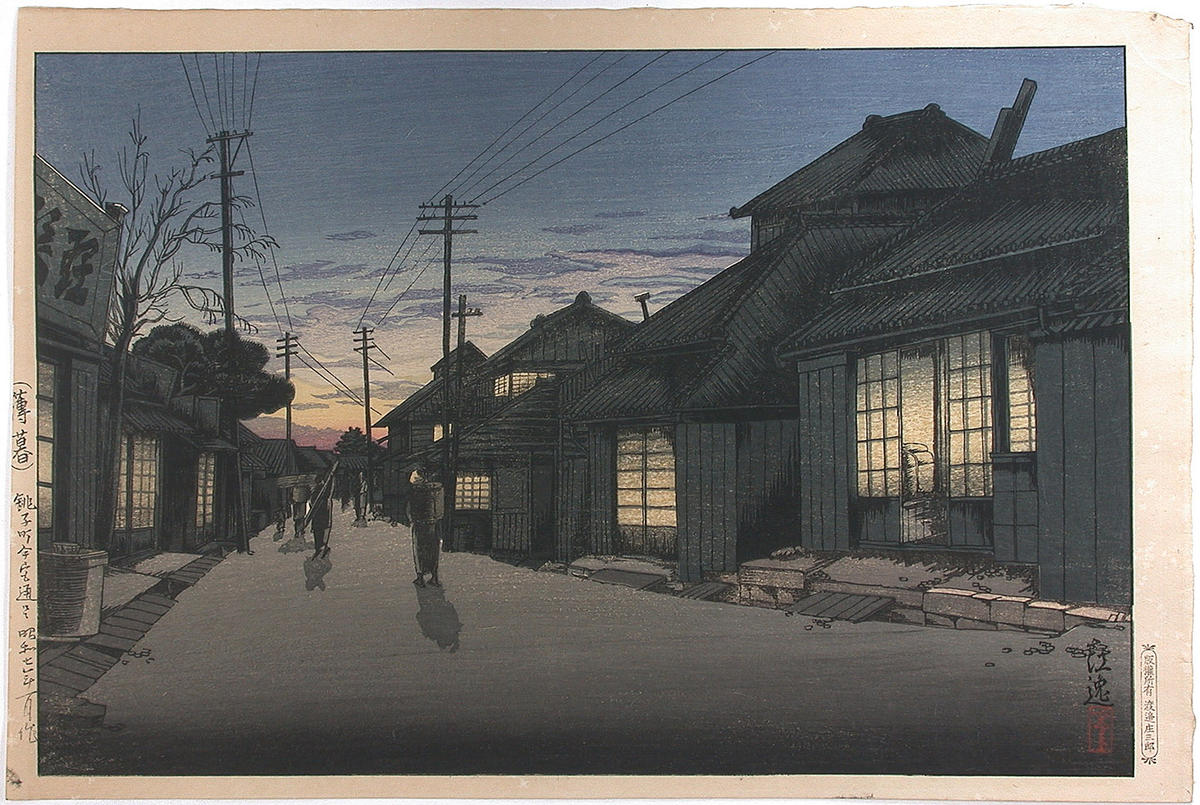
Getting dark in Snow (Kani, Near Itabashi) — 雪に暮る(板橋附近 可児)
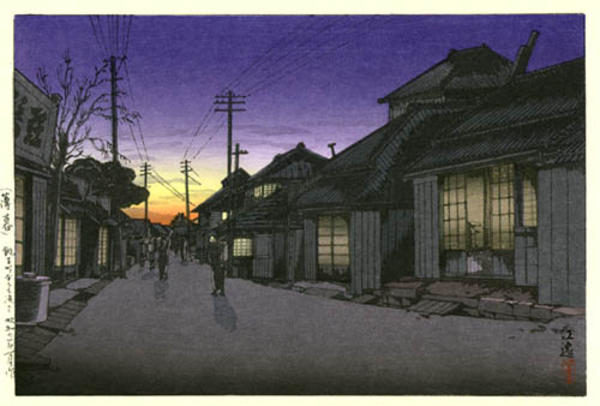
Untitled (ishiwata-koitsu)
Woodblock print
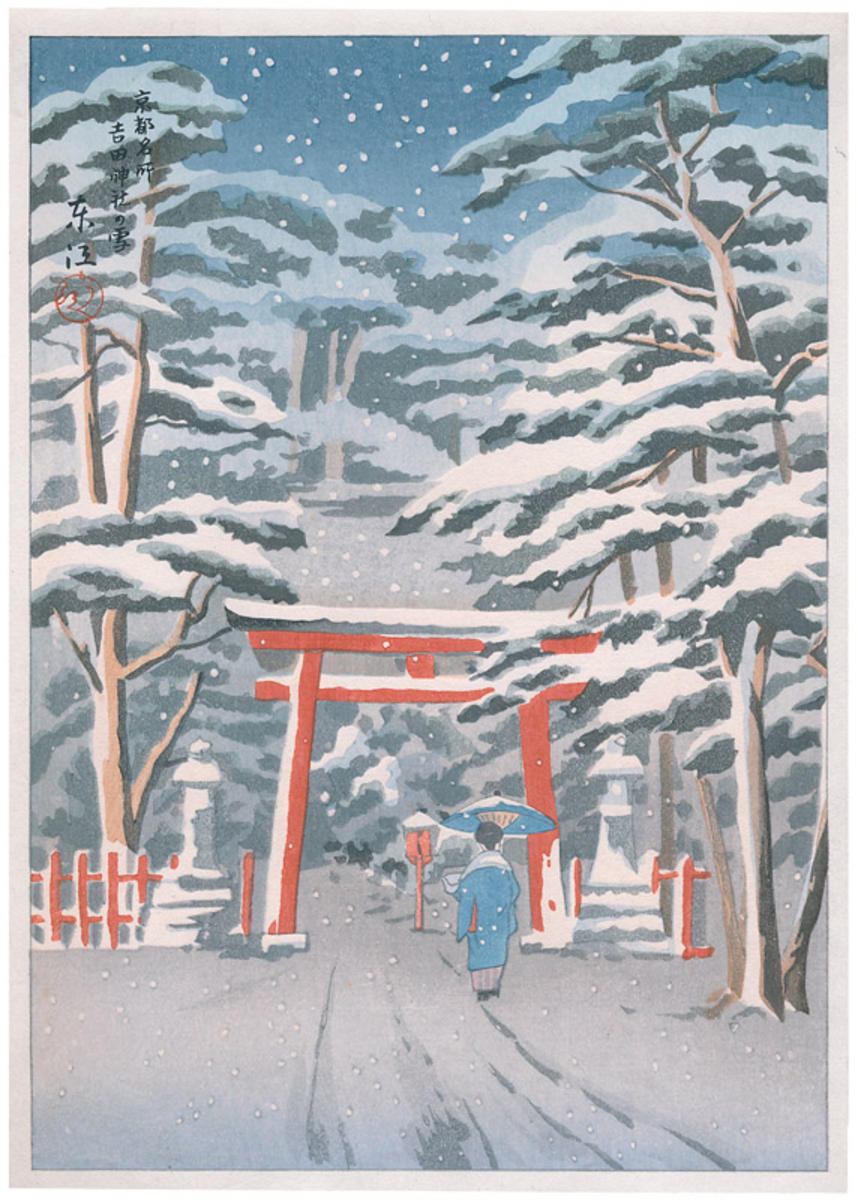
Untitled (ishiwata-koitsu)
Woodblock print
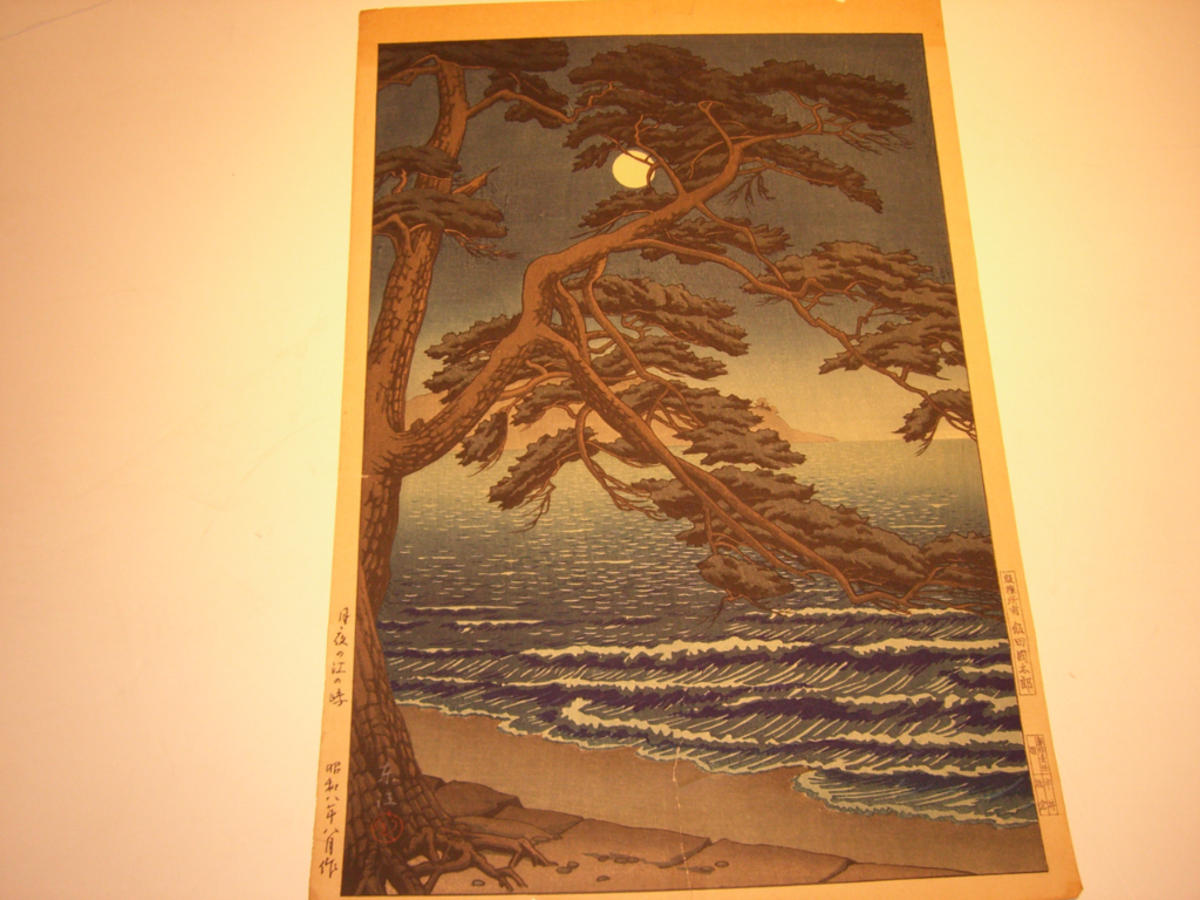
Untitled (ishiwata-koitsu)
Woodblock print
Untitled (ishiwata-koitsu)
Woodblock print
Untitled (ishiwata-koitsu)
Woodblock print
Untitled (ishiwata-koitsu)
Woodblock print
Frequently Asked Questions
Shin-hanga ('new prints') is a Japanese woodblock movement that began in 1915 under publisher Watanabe Shōzaburō. It paired traditional ukiyo-e craftsmanship — multi-block hand-printing on washi paper — with artists trained in Western drawing techniques. The movement produced landscapes, beauty prints, and bird-and-flower works through the 1950s.
Kawase Hasui (landscapes, especially snow scenes), Hiroshi Yoshida (mountain and travel views), Hashiguchi Goyō (beauty prints), Itō Shinsui (bijin-ga), Ohara Koson (kachō-e bird-and-flower prints), and Tsuchiya Koitsu (atmospheric night and rain scenes) are the movement's most collected artists.
Both use the same multi-block hand-printing technique on washi paper. Ukiyo-e is the Edo and early-Meiji tradition (c. 1670–1880) and depicts the floating world of urban entertainment. Shin-hanga is the 1915–1950s revival movement, with Western-influenced composition, naturalistic light, and outdoor landscape subject matter.
Shin-hanga retained the traditional four-person workshop division (artist, carver, printer, publisher); the artist designed but did not carve or print. Sōsaku-hanga ('creative prints') insisted the artist do all three — design, carve, and print — as a single creative act. Sōsaku-hanga also tended toward modernist abstraction; shin-hanga remained representational.
Look for a publisher's seal (Watanabe, Doi, or Kawaguchi most commonly) on the back or in the margin, the artist's signature and seal, and evidence of multi-block hand printing — slight registration variation, embossing from the baren, and visible woodgrain. Lithographic reproductions and offset prints from the late twentieth century lack these markers.